
REVIEW · LOUVRE MUSEUM
Louvre Guided Treasure Hunt for Families and Kids
Book on GetYourGuide →Operated by MEET THE LOCALS FOR FAMILIES · Bookable on GetYourGuide
Two hours, one happy Louvre mission. This family tour turns the museum’s chaos into a treasure hunt kids can follow, with an activity booklet that matches their age level. If you end up with a guide like Marcella or Justine, you’ll likely get history told in short, kid-friendly pieces while still landing the big-name works like the Mona Lisa.
I also love that the format is built for real family flow: puzzle clues, quick stops at major masterpieces, and room for you to pause and actually look. One possible drawback is that the quiz-style challenges can take time at each artwork, so if your kids want more “just look at art” time, the pace may feel a bit slow.
In This Review
- The best parts of this Louvre hunt
- Why a Louvre treasure hunt is the smart family strategy
- Finding the meeting point by the glass pyramid
- The 2-hour flow: booklet, clue cards, final puzzle
- Highlights you’ll plan around: Venus, Victory, Mona Lisa
- Skip-the-line tickets: what you really gain
- Is $743 for up to 4 people good value?
- Guide factor: English narration and age-handling skills
- What to bring (and what not to bring) for a smooth museum day
- Potential drawbacks: when the puzzle takes over the art
- Who should book this tour?
- Should you book it? My decision guide
- FAQ
- How long is the Louvre guided treasure hunt?
- Where do we meet?
- Is this a private tour?
- What language is the guide?
- What ages is this tour designed for?
- Are skip-the-line tickets included?
- What’s included for kids?
- What should we bring to the museum?
- Are bags allowed?
- Can we cancel for a refund?
The best parts of this Louvre hunt
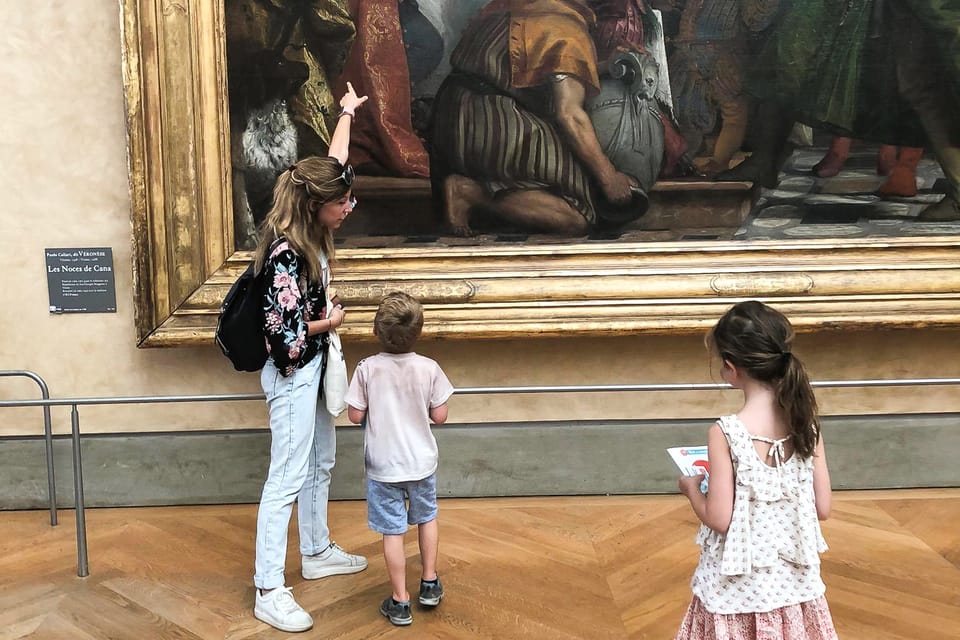
- Age-matched booklet activities for kids ages 3–6 and 7–12, so the tasks don’t feel too hard (or too babyish).
- Skip-the-line Louvre entry, which helps a lot when you’re managing little legs and shorter attention spans.
- Clue cards that lead to a final puzzle, giving the tour a clear finish line instead of wandering.
- Big highlights included, including the Venus of Milo, Victory of Samothrace, and the Mona Lisa.
- A guide who keeps both kids and parents moving at the right speed, so you’re not stuck waiting while everyone melts down.
Why a Louvre treasure hunt is the smart family strategy
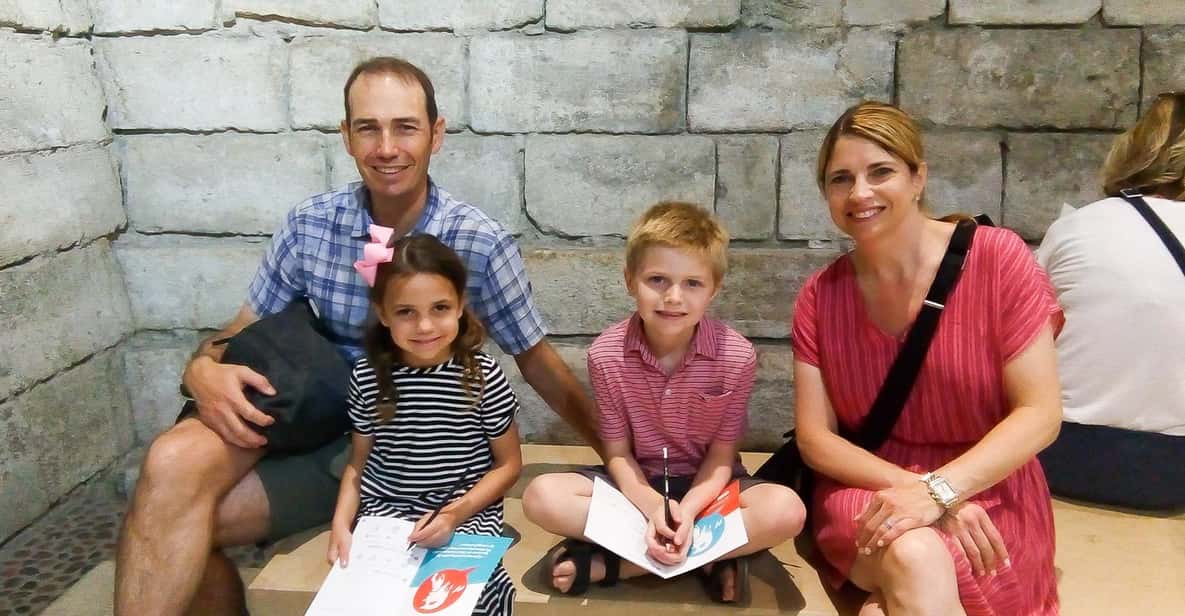
The Louvre is famous for good reason. It’s also famous for being overwhelming. Even with a plan, the building can feel like a maze of crowds, hallways, and paintings you can’t quite place. This tour tries to solve that problem with a simple idea: kids don’t need you to teach them every masterpiece. They need a job.
You’re handed a kid activity booklet first. That booklet gives structure right away, plus coloring or drawing for the youngest age group. Older kids move into observation and answer prompts that unlock the next step. The result is that your children aren’t just “being dragged through art.” They’re working through it.
And you get something out of that too. When your kids are occupied (and guided), you’re free to stop longer at the works that matter to you. The tour is designed so adults can benefit, not just kids.
You can also read our reviews of more guided tours in Louvre Museum

Finding the meeting point by the glass pyramid
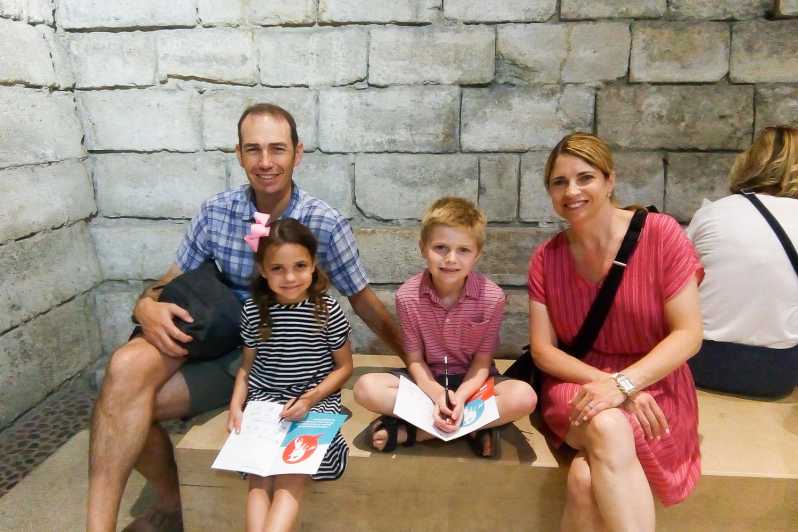
You meet at 8 Pl. du Carrousel, at the Louvre area by the equestrian statue of Louis XIV near the glass pyramid. That matters because the Louvre’s entrances and indoor corridors can confuse you fast, especially with strollers or tired kids.
My practical tip: arrive early enough to regroup outside. Paris queues, security checks, and last-minute restroom stops can add up. Being a few minutes early also gives your group time to confirm you’ve got the right guide and kids are settled before the museum begins.
This is a private group, so you don’t have to worry about matching your pace to strangers. Your guide can focus on your family.
The 2-hour flow: booklet, clue cards, final puzzle

This tour is built around a tight 2-hour loop, which is a real advantage for families. Too many museum visits stretch so long that kids stop participating long before you reach the highlights. Here, the structure acts like a timer you can feel.
Here’s how the experience typically moves:
First: the booklet briefing.
Your guide gives each child an activity booklet sized to their age range. The core route stays the same, but the challenges are adapted. For younger kids, you’ll see coloring or drawing tasks tied to the artworks you’re standing in front of.
Next: observation turns into clues.
Kids answer questions or complete small prompts. Each correct response earns a clue card. This is the engine of the tour. It keeps everyone oriented and focused on what’s in front of them.
Then: puzzle time.
Once the clues are collected, the group solves a final puzzle to wrap up the experience. That “endgame” matters because it gives children a reason to keep going when concentration gets harder.
Finally: adult time inside the masterpieces.
After the hunt portion, you’re not left standing outside the art. You can take time to actually view the works while someone helps keep the kids on track.
Highlights you’ll plan around: Venus, Victory, Mona Lisa
You’re not signing up for a random walk. The tour targets a set of major masterpieces kids recognize, adults respect, and everyone talks about later.
Here are the highlights you should expect to see:
- Venus of Milo: a quick path to one of the Louvre’s most recognizable statues. For kids, it’s often easier to understand sculpture when they have a task to look for.
- Victory of Samothrace: another sculpture highlight, powerful and dramatic. If your kids love motion or strong shapes, this one usually lands well.
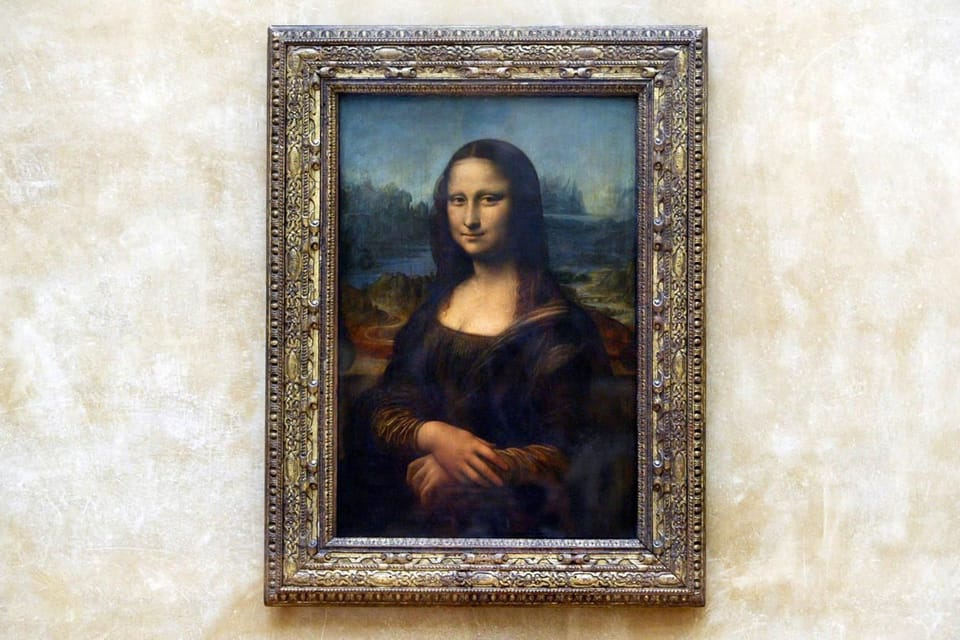
- Mona Lisa: yes, the big one. The goal isn’t just a photo moment. The tour includes activities tied to the experience, then lets you slow down enough to take in the painting yourself.
One balanced note: the tour can lean toward sculptures more than some families expect. That showed up as a small complaint for at least one group, where paintings felt limited during the two hours. If your children only want paintings (or you do), you might want to bring your own expectations going in.
Skip-the-line tickets: what you really gain
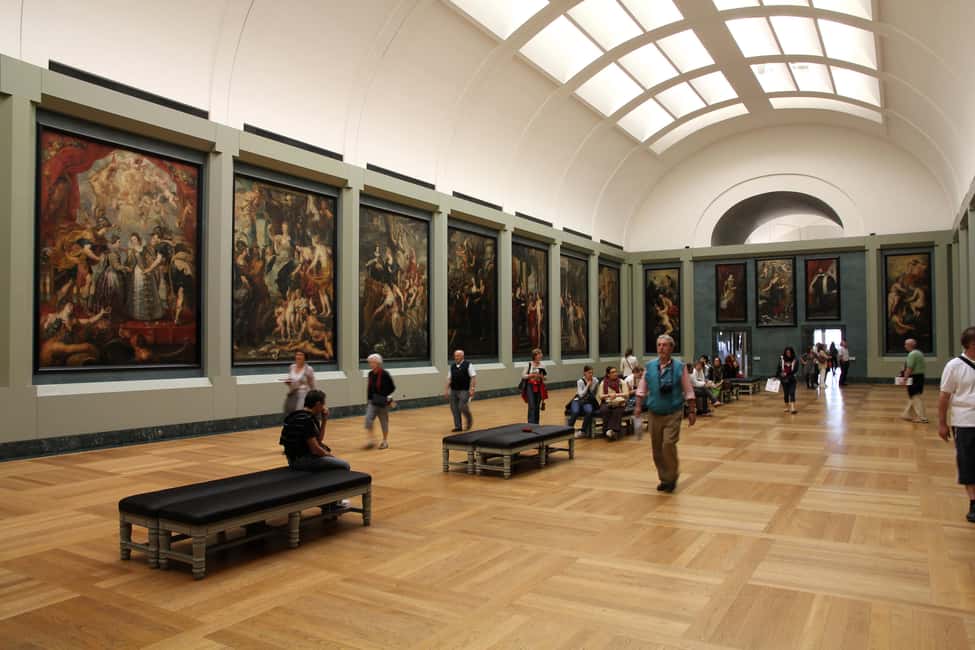
The Louvre is huge, and timing is everything. This tour includes skip-the-line tickets, which isn’t just a convenience. It’s a strategy for keeping the day smooth.
For families, the benefit is simple: fewer minutes waiting with kids who can’t burn energy in a line. Less time in queues means more time at the works that matter, and it can help you reach the most famous rooms faster. One guide-led experience was even described as saving at least an hour and getting the group right up to the Mona Lisa area.
Even if your exact timing varies, skip-the-line access still tends to improve the whole mood. When you walk into a museum without starting with stress, kids can focus sooner.

Is $743 for up to 4 people good value?
Let’s talk money honestly. The price is $743 per group for up to 4 people, and the tour lasts 2 hours. That’s not cheap on the surface.
But value in the Louvre isn’t just ticket price. It’s time and labor. Someone is handling three big things for you:
- guiding your family through a complex museum,
- keeping kids engaged with a structured activity kit,
- and reducing wasted time with skip-the-line entry.
For a family of four, this can pencil out well when you compare it to the real cost of building your own route, managing kids without a plan, and losing time to crowd navigation. A self-guided attempt can turn into constant stops, wrong turns, and long waits to “regain control.”
Where it may feel less worth it is if you’re expecting a lot more art coverage than the two-hour highlight path allows. One family noted that they would have liked more works given the price, especially since quiz activities made each stop longer.
So my rule of thumb: this is strong value if you want the Louvre highlights with kids successfully handled. It’s less ideal if you’re aiming for maximum number of artworks in a short window.
Guide factor: English narration and age-handling skills
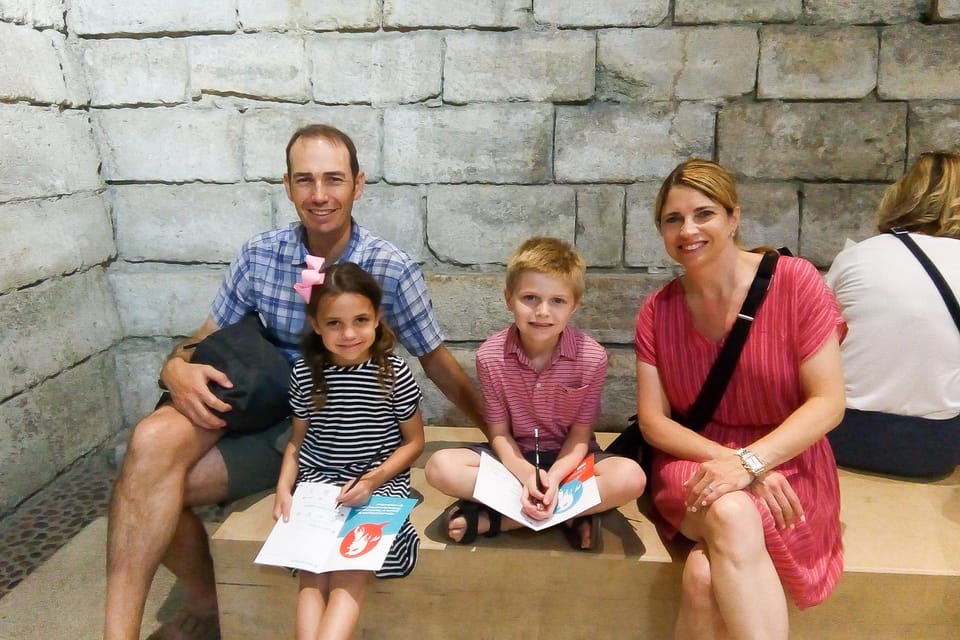
This is a live tour in English, delivered by a guide who’s used to working with families. The experience description is clear: the guide leads kids through the hunt steps in an amusing and informative way.
In practice, families highlighted that guides can be patient with multiple kids and can explain history in a way children actually follow. Names that show up include Marcella, Justine, Amy, Sebastian, Quinten, Marine, Yaelle, Roseane, and Valerie—each credited for keeping kids hooked while still making the adult experience worthwhile.
Age-handling is the key point. The booklet system means your 3–6 kids aren’t doing the same tasks as your 8–12 kids. That reduces the usual family problem: one kid is bored, another is lost.
If you’ve ever tried to keep kids quiet in a museum, you know how hard it is. The “kid job” here is what makes the guide’s work succeed.
What to bring (and what not to bring) for a smooth museum day

This tour is straightforward, but the Louvre has rules that can surprise you if you show up with too much.
Bring:
- comfortable clothes (you’ll walk, and kids need to move)
- ID or a photocopy of it (this is specifically requested)
Not allowed:
- luggage or large bags
- items over 55x35x20 cm are not permitted
If you’re traveling with parents who always pack like it’s winter in the Arctic: keep it light. The easier your bag situation, the less time you spend untangling things at security or storage points.
Tips:
- Tips are not included, so plan to add them if you feel the guide earned it.
Potential drawbacks: when the puzzle takes over the art
This tour is built to keep kids engaged. That means it isn’t purely art-viewing time for adults.
Two common friction points showed up in feedback:
1) Some families felt the pace was slow for the number of artworks.
If your priority is seeing as many pieces as possible, the booklet questions and clue collection can lengthen stops.
2) A couple of kids might find certain interactive tasks less fun.
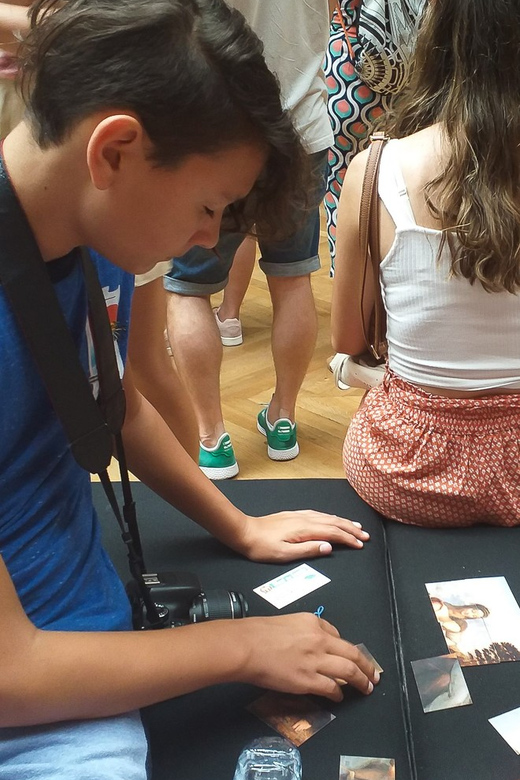
One example described the Mona Lisa activity as a spot-the-difference style exercise using an iPad. The Mona Lisa is close enough to look at with your own eyes, so the activity may feel odd if you prefer minimal tech.
And one family noted their kids weren’t as engaged as expected, which can happen with any kid-focused program. Not every child loves puzzles.
The fix is mindset. Treat the tour as a family engagement system first, and a museum sprint second.
Who should book this tour?
I’d book this Louvre treasure hunt if:
- you’re visiting with kids who get restless in long museum visits,
- you want the highlights without wrestling crowds for navigation,
- you want a clear, kid-friendly structure with a real finish (collecting clues and solving the puzzle),
- you’d like time where the adults can actually look.
I’d skip it (or consider a different style of tour) if:
- your kids hate worksheets, quizzes, or puzzle games,
- you want maximum coverage of dozens of artworks in two hours,
- your group is painting-only focused and you’re allergic to sculpture-heavy routes.
Should you book it? My decision guide
If your family’s Louvre plan has one weak spot—kids getting bored, or adults losing the ability to enjoy art—this tour is a strong way to patch it. The structure is the whole point: age-matched booklet tasks, clue cards, and a final puzzle that naturally prevents the classic meltdown spiral.
The price is high, but it buys you two things families feel immediately: time saved (skip-the-line) and attention managed (the hunt). If you can afford it, and your kids will do better with guided play than open-ended wandering, it’s an easy recommendation.
If you’re on a tight budget or you’re confident you can handle the Louvre solo with your kids, you might decide to do it yourself. But if you want the museum to feel fun and doable instead of stressful, this one is built for that exact job.
FAQ
How long is the Louvre guided treasure hunt?
The tour lasts 2 hours.
Where do we meet?
You meet by the equestrian statue of Louis XIV near the Louvre glass pyramid, at 8 Pl. du Carrousel.
Is this a private tour?
Yes, it’s a private group.
What language is the guide?
The live tour guide speaks English.
What ages is this tour designed for?
The activity booklet is tailored for age ranges from 3 to 6 or from 7 to 12.
Are skip-the-line tickets included?
Yes, skip-the-line tickets to the Louvre Museum are included.
What’s included for kids?
Each child gets an activity booklet, plus a treasure hunt kit for the hunt.
What should we bring to the museum?
Bring comfortable clothes, and bring your ID or a photocopy of it.
Are bags allowed?
Luggage or large bags are not allowed, and items exceeding 55x35x20 cm are not permitted in the museum.
Can we cancel for a refund?
Yes. Free cancellation is available up to 24 hours in advance for a full refund.