REVIEW · ILE DE FRANCE
Paris: City Center Group Tour in German
Book on GetYourGuide →Operated by HelpTourists · Bookable on GetYourGuide
Paris can feel big on your first day. This smart 2-hour historic walk turns the map into a story you can follow. You’ll get a guide-led route from Place Vendôme toward the Louvre area and onward to Île de la Cité, with clear context for what you’re seeing. The only real drawback: it’s photo-stop touring, not a museum entry marathon.
What I especially like is how the walk keeps moving while the stories connect the dots—Napoleon, the French Revolution, and the odd little details you’d miss on your own. I also like that you end with Notre-Dame after its 2024 reopening, so the finale feels current, not just postcard-old. If you prefer deep indoor time in buildings, you’ll want to plan separate visits, because entry fees and museum time aren’t part of this tour.
In This Review
- Key highlights at a glance
- A 2-hour orientation walk through Paris’ grand historic axis
- Meeting at 7 Rue Meyerbeer and staying with a German-speaking guide
- Opéra Garnier photo stop: where stories start in full view
- Place Vendôme: Napoleon links you can spot in the details
- Place de la Concorde: Revolution drama in open space
- Tuileries Garden: the calm reset between big monuments
- Louvre museum area: understanding the pyramid controversy
- Along the Seine and Pont Neuf: the oldest bridge moment
- Île de la Cité and Notre-Dame after its 2024 reopening
- The guide is the value: German storytelling and real Q&A
- Insider tips you can use right away
- Price and value: is $35 worth two hours of walking?
- Who this tour suits best (and who should skip it)
- Should you book this German City Center Tour in Paris?
- FAQ
- How long is the Paris city center walking tour?
- What language is the guide speaking?
- Where do I meet the guide?
- What are the main stops?
- Are museum entry tickets included?
- Are food and drinks included?
- Is free cancellation available?
Key highlights at a glance
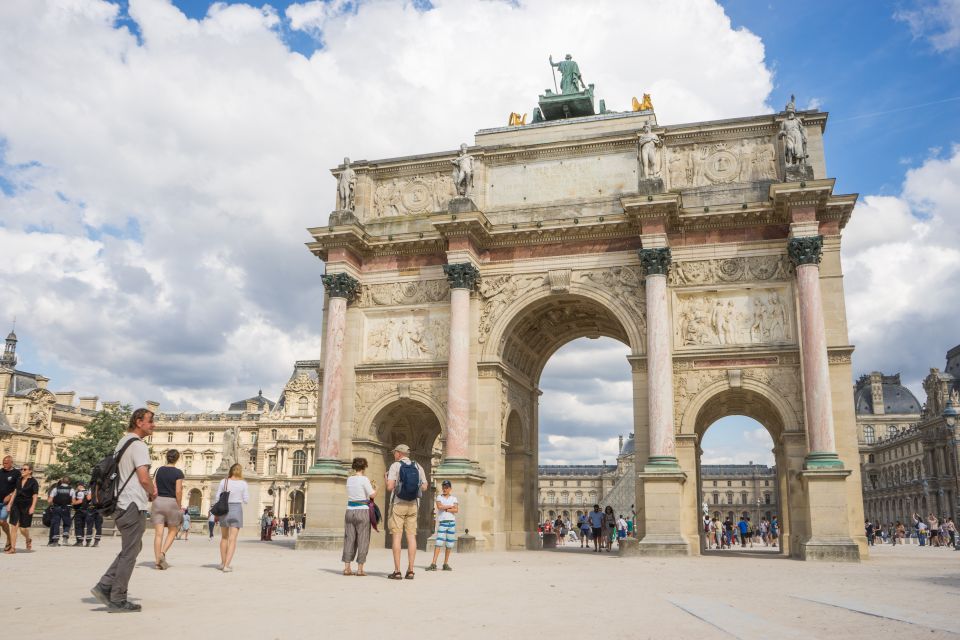
- Historic axis on foot from Place Vendôme toward the Louvre and beyond
- Napoleon and Revolution stories tied to real-looking street corners
- Tuileries Garden stroll with classic views toward the Champs-Élysées
- Pont Neuf explained as Paris’ oldest bridge moment
- Notre-Dame after 2024 reopening as your big finish on Île de la Cité
- Insider restaurant and museum tips you can use the same day
A 2-hour orientation walk through Paris’ grand historic axis
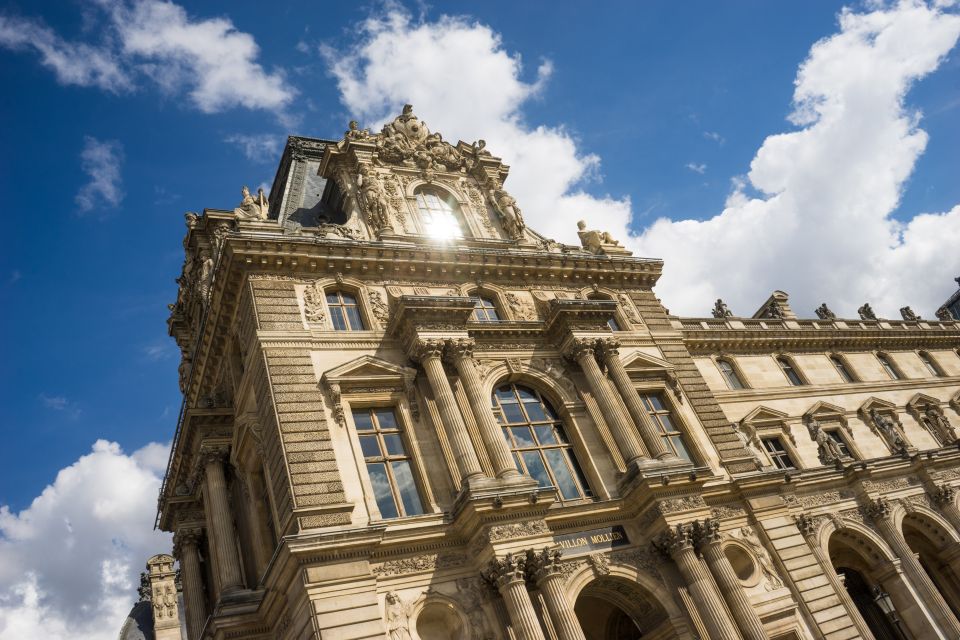
This is the kind of Paris tour that helps you stop wandering and start understanding. In two hours, you’ll cover a stretch that includes royal squares, major monuments, and river views—perfect if it’s your first time in the city.
You’re not just looking at famous buildings. You’re learning what they meant to the people who built and used them. That changes the vibe fast. Suddenly Place Vendôme isn’t just pretty. It’s connected to power, wealth, and the shifting politics that played out in this part of Paris.
And since it’s walking-based, you see how the city actually flows. Paris has a talent for making your feet do the work that a guidebook can’t—turning corners reveals the next scene at the exact right moment.
Meeting at 7 Rue Meyerbeer and staying with a German-speaking guide
The meeting point is 7 Rue Meyerbeer, in front of the Cadillac store (75009). When you arrive, look for a guide with a HelpTourists bag and a pink baseball cap—that’s how you’ll spot the group quickly.
The tour language is German, and the guide is a live person, not an audio system. If you don’t speak German, this could be a deal-breaker. But if you can follow comfortably, you’ll benefit from explanations and the chance to ask questions along the way.
Also: this is designed for efficient pacing. One of the best things you can hope for is a smaller group that keeps you moving—so you don’t lose time waiting for everyone to line up for the next photo spot. It’s not about sprinting; it’s about keeping the story flowing.
Opéra Garnier photo stop: where stories start in full view
The walk begins at the classic Opéra Garnier area, and you’ll have a photo stop at Palais Garnier. Even if you’ve seen pictures, standing near it helps you grasp why this area became a symbol of ambition and public spectacle.
Here’s the kind of detail I love on a walking tour: you get the human angle. One of the stories tied to the opera area explains why women once weren’t allowed to sit in certain opera seats. That’s the sort of social rule that doesn’t show up on a quick glance at architecture—but it makes the building’s purpose feel real.
This is also a good place to orient your senses. The neighborhood around Opéra has wide streets, strong sight lines, and a lot of movement. You’ll feel the city’s rhythm immediately, which makes the rest of the route easier to follow.
Place Vendôme: Napoleon links you can spot in the details
Next up is Place Vendôme, another major photo-and-walk stop. The square is the kind of place where the geometry helps you understand why it’s been used for moments of display and authority.
The guide focuses on Napoleon and how this area fits into the bigger story of Paris under strong leadership. Even if you don’t know the full timeline yet, you’ll walk away with a clearer sense of why certain names and symbols show up in this part of town.
A practical tip: don’t rush your photos here. The square has strong angles, and the light changes how it looks from one side to the other. Take a minute, then move on—your future stops will feel more rewarding because you’re not mentally overloaded.
Place de la Concorde: Revolution drama in open space
Place de la Concorde is one of those spaces where history feels exposed. You’ll get a photo stop and the tour’s storytelling connects this square to dramatic moments of the French Revolution.
What makes this stop work on a guided walk is that it turns the word Revolution into something physical. You don’t just hear dates—you understand the location as a stage. The square’s scale makes the drama make sense, because you can picture how events would unfold in a public arena.
If you’re the type who likes to connect monuments to a theme, this part is key. It’s where politics and symbolism start to feel tied to the geography, not just the textbook.
Tuileries Garden: the calm reset between big monuments
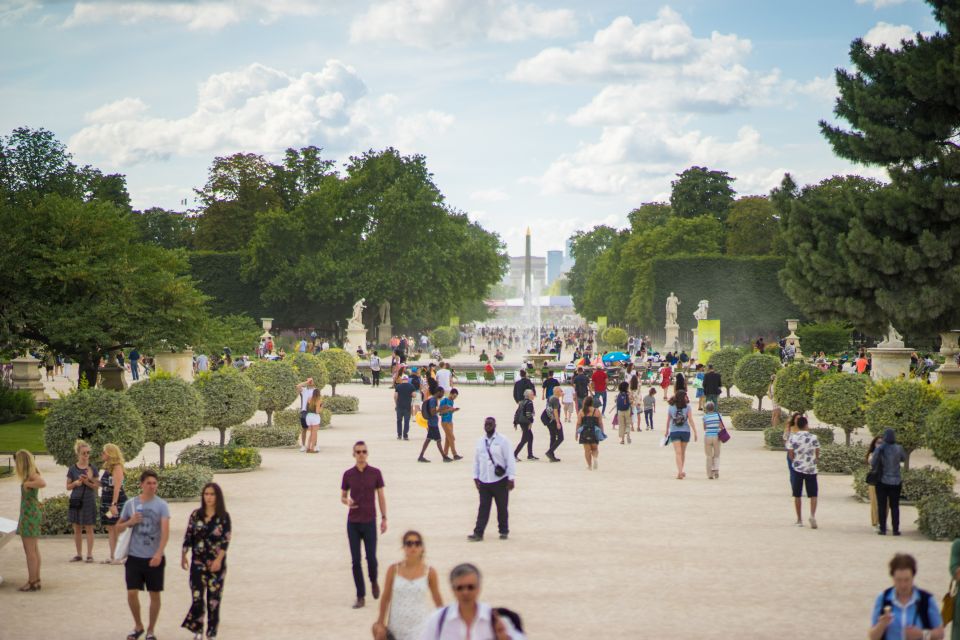
After the squares, you’ll stroll through the Tuileries Garden, which is a welcome break from constant concrete visuals. This part of the walk gives you a slower tempo and classic views toward the Champs-Élysées.
This is where you get to actually enjoy the atmosphere instead of just absorbing facts. Wide paths, open sight lines, and gardens that frame the skyline make it easier to notice details without feeling like you’re rushing from one checkpoint to the next.
For me, the best function of a garden stop on a short tour is mental. It stops the day from becoming one long blur of famous names. You’ll re-enter the next stretch with clearer energy.
Louvre museum area: understanding the pyramid controversy
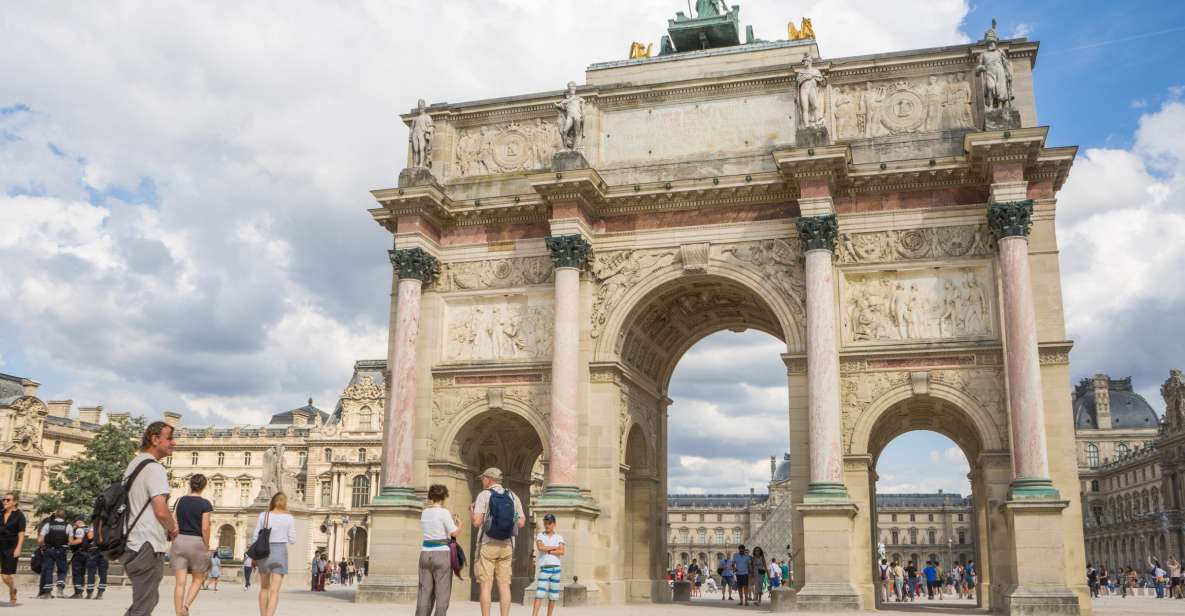
The route includes a stop near the Louvre Museum with photo time and sightseeing along the way. You’re not here for a full museum visit; it’s more about seeing the surrounding area with context.
One story the guide shares is about the Louvre Pyramid and why it caused controversy when it was first built. That detail matters because it gives you a lens. You’ll look at the pyramid and think about how new design can clash with tradition—and how public opinion shapes what gets built and what gets argued about.
Even if you plan to return for museum time later, this stop helps you understand why the pyramid is more than a photo prop. It’s part of the Louvre’s modern identity, and the controversy is part of how Parisians negotiated change.
Along the Seine and Pont Neuf: the oldest bridge moment
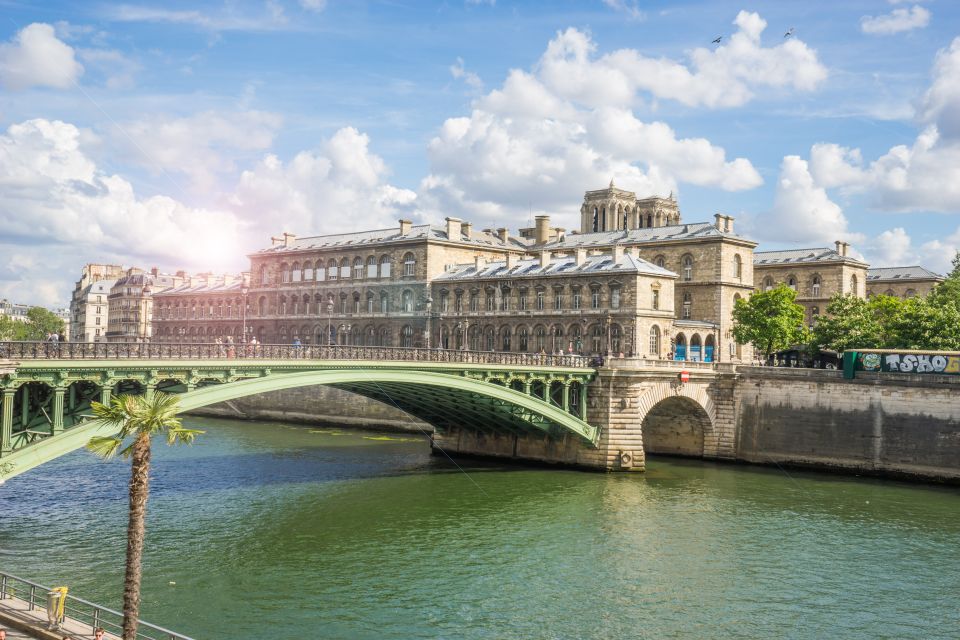
As you move toward the Seine and riverbanks, the tour shifts from monuments on land to Paris as a city shaped by water. You’ll get the feeling that the river is a corridor—one that links neighborhoods and eras.
Then comes Pont Neuf, and this is one of the highlights worth slowing down for. The tour points out that Pont Neuf is actually the oldest bridge in Paris—a detail that flips how you think about the river crossing.
This is one of those moments where a guided story improves the view instantly. Without context, a bridge is a bridge. With context, it becomes a marker in a much longer timeline of the city’s development.
A practical way to enjoy this segment: pause for one wide view shot of the river, then turn slightly. Paris views change quickly with angle, and you’ll often notice architectural features you missed the first time.
Île de la Cité and Notre-Dame after its 2024 reopening
Your tour finishes on Île de la Cité, where you’ll admire Notre-Dame Cathedral after its 2024 reopening. This is the natural payoff of the whole route because the island and cathedral area are where Paris feels both historical and iconic.
Even if you’ve seen Notre-Dame photos a hundred times, this final approach tends to feel different when you’ve already walked through the rest of the story. By the time you reach this point, you understand how the nearby squares, bridges, and royal-era monuments fit into a single big narrative.
If you’re planning your own follow-up, this is a great moment to decide what you want to do next: linger around the area, check nearby viewpoints, or plan a separate, ticketed visit if you want deeper access.
The guide is the value: German storytelling and real Q&A
A walking tour lives or dies by the guide, and this one has strong signals. People have praised guides such as Marilena for being friendly and highly competent, and Lasse for answering questions and putting together a tour that feels interesting rather than rehearsed.
That shows up in the way the tour handles questions and pacing. Instead of delivering facts like a lecture, the guide connects them to what you’re standing next to. The result is that your brain keeps tagging images with meaning.
Also, since it’s German, you’ll want to lean in. If you can follow the language, you’ll get more out of the route than you would with a shorter translation-only experience. You might find yourself forming quick impressions and then confirming them as the guide speaks.
Insider tips you can use right away
One of the promises is practical: the guide shares insider tips for restaurants, museums, and local spots. That’s a big deal on a short, 2-hour tour because it helps you turn orientation into a plan.
Here’s how I’d use this in real life. After the walk, pick one museum suggestion and one neighborhood restaurant idea, and then build the rest of your day around those. You don’t need five new recommendations. You need two that fit your interests and your remaining energy.
Even if you already have your itinerary, I’d still value tips that help you avoid common friction—like picking places that are convenient for where you’ll be next, not just famous somewhere else in the city.
Price and value: is $35 worth two hours of walking?
At $35 per person for a 2-hour guided walk, you’re paying for access to expertise, a structured route, and storytelling. You’re not paying for museum entry, and that matters for value.
Since entry fees aren’t included, the smartest way to judge this price is: do you want context now, and then ticketed time later? If yes, $35 is a good deal because you’ll leave with direction. If your goal is purely to access museums without extra planning, you’ll likely feel better spending money on a ticketed museum day instead.
The value also improves if you like walking-based orientation tours. This one is designed to cover key points you’d otherwise try to connect with transit lines and guesswork. When you compress that into a single, guided timeline, you save time and reduce decision fatigue.
Who this tour suits best (and who should skip it)
This works best for first-time visitors who want orientation and context. You’ll come out of it knowing how the historic heart fits together—from opera-area grandeur to revolutionary drama, then gardens, the Louvre area, and finally Notre-Dame.
It’s also useful for returning visitors, as long as you like learning new angles. If you’ve already seen the landmarks, the stories about Napoleon, the Revolution, and why the Louvre Pyramid sparked debate give you reasons to look twice.
Skip it if you want lots of indoor time or multiple museum tickets within the same day. This tour is about the walk, the sights, and the explanations—not extended entries. Also skip if German is a problem for you, because the tour language is German.
Should you book this German City Center Tour in Paris?
Yes, if you want a fast, well-shaped introduction to central Paris with strong storytelling and practical tips. At $35 for two hours, you’re buying guidance, route logic, and context—exactly what helps your first day feel organized instead of random.
Book it especially if you enjoy learning while you walk and you want your day to end near Notre-Dame on Île de la Cité. That gives you a solid place to continue your plans, rather than ending after a train ride or a generic drop-off.
If German isn’t your strength, or if you’re hoping for museum entry time as part of the tour, consider a different format. This one is best viewed as your orientation backbone, not your entire Paris program.
FAQ
How long is the Paris city center walking tour?
It’s a 2-hour walking tour.
What language is the guide speaking?
The live tour guide speaks German.
Where do I meet the guide?
Meet in front of the Cadillac store at 7 Rue Meyerbeer, 75009 Paris. The guide carries a HelpTourists bag and wears a pink baseball cap.
What are the main stops?
You’ll visit several key sights including Palais Garnier, Place Vendôme, Place de la Concorde, Tuileries Garden, the Louvre Museum area, Pont Neuf, and finish on Île de la Cité with Notre-Dame.
Are museum entry tickets included?
No. Entry fees are not included.
Are food and drinks included?
No. Food and drinks are not included.
Is free cancellation available?
Yes. You can cancel up to 24 hours in advance for a full refund.