REVIEW · PARIS
Paris: Loire Valley Chambord Castle, Wine Tasting & Lunch
Book on GetYourGuide →Operated by My Winedays · Bookable on GetYourGuide
Chambord is jaw-dropping in person. I like how this Loire Valley day trip pairs a Château de Chambord audio-guided visit with two winery stops plus lunch that comes with wine, so you leave with both big architecture and real grape knowledge. A good driver-guide makes the ride feel like part lesson, part break, and names like Lionel, Thomas, Clément, Nicholas, and Bastien show up again and again in the experience people talk about.
One thing to plan for: there are lots of stairs and underground sections, and the wine cellars can feel cold and damp, so comfortable shoes and a light warm layer matter.
In This Review
- Key highlights you’ll actually feel during the day
- From central Paris to the Loire: how the morning sets the tone
- Château de Chambord: using the audio guide without losing your bearings
- Lunch in the Loire style: what wine pairing means on a long day
- Winery stop #1: the cellar tour that teaches you why Loire ages so well
- Winery stop #2: family-run tasting with reds and whites
- What you’ll taste in Loire (and the grapes you should remember)
- Comfort, pacing, and the van: how to make this 11-hour day feel easy
- Price and value: is $345 per person fair for what you get?
- Who should book this Chambord and Loire wine day
- Should you book this Loire Valley day trip?
- FAQ
- How long is the tour?
- Where do you get picked up in Paris?
- Is Château de Chambord admission included?
- Does the tour include wine tastings and lunch?
- Are there any accessibility concerns?
- What should I bring?
- What languages are available for the tour?
Key highlights you’ll actually feel during the day
- Audio-guided Chambord: you’ll explore at your pace, without needing to fight a crowd with headphones
- Croissants on the way out of Paris: a small start that keeps the morning from feeling punishing
- Two tastings plus a wine-paired lunch: it’s structured tasting time, not just browsing shelves
- Loire driving route through Touraine and Vouvray: you’ll pass the places tied to Chenin Blanc and Sauvignon Blanc
- Caves and cellar tours: expect limestone storage and cool temperatures underground
- Driver-guides who handle details: from pacing the day to helping with small needs like dinner reservations
From central Paris to the Loire: how the morning sets the tone
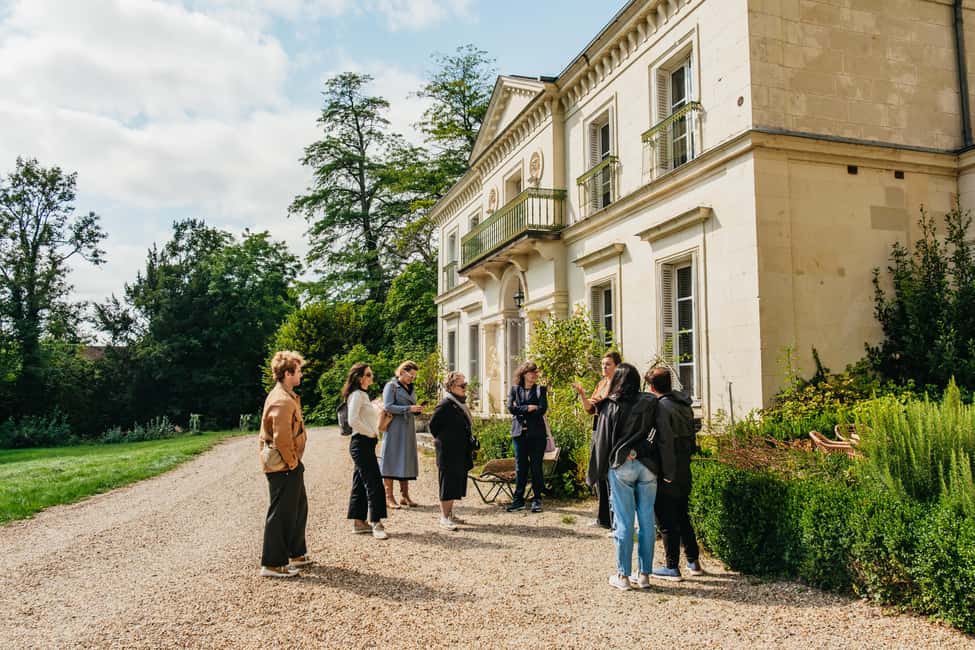
This is an 11-hour day built for comfort and momentum. You’ll start with hotel pickup from two central meeting options around Hôtel de Ville, then slide into a small-group rhythm in an air-conditioned minivan. The goal is simple: leave early enough to enjoy Chambord without arriving when it’s packed, and still have time for not one but two wine stops.
On the way, you get a quick taste of the region’s culture right away. Expect croissants as you travel out of Paris, with the guide talking through what you’re about to see. I like this setup because it gives you a mental map before the scenery starts changing from city blocks to rolling vineyards. And once the Loire Valley vibe kicks in, the drive isn’t just transit. It becomes your primer for what you’ll taste later—grapes, styles, and why people care.
There’s also a practical payoff: the scheduled stops mean you won’t waste time trying to figure out transportation on your own. If you want a day trip that feels managed but not rushed, this format fits.
You can also read our reviews of more food & drink experiences in Paris
Château de Chambord: using the audio guide without losing your bearings
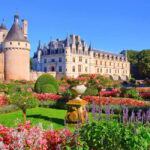
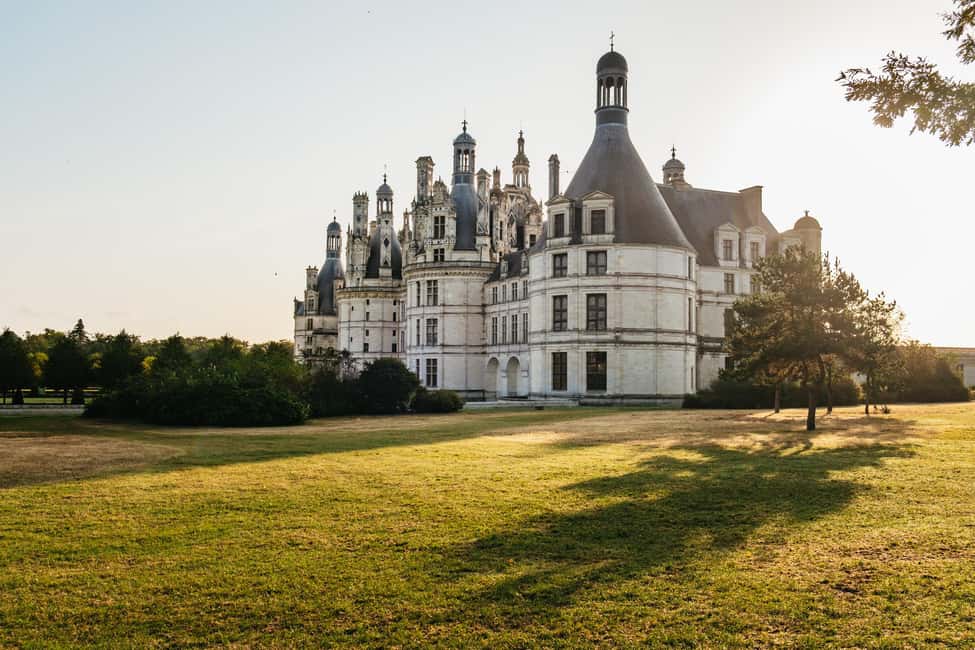
Chambord is the headline. The castle is a Renaissance showpiece ordered by King Francis I, with towers, chimneys, and those famous architectural lines that look almost playful until you stand close and realize how deliberate everything is. Your visit is self-guided with an audio guided tour, so you can pause when something catches your eye rather than rushing through with the group.
I love this kind of setup for big sights. A good audio guide helps you connect room layouts to the bigger story—what you’re looking at, why it looks the way it does, and how the design fits the era. Several guides mentioned by name (like Bastien) have also been praised for giving just enough context before letting you roam, which makes the audio feel more like a conversation than a lecture.
A fair heads-up: Chambord involves stairs and underground galleries. That’s not a deal-breaker for most people, but it is a real planning item for anyone with mobility limits or anyone who hates stair-heavy tours. If you’re comfortable walking, wear sturdy shoes and expect you’ll do a decent amount of climbing.
Timing matters too. You’re set up to see the castle before the worst of the crowds, which makes the experience feel more spacious. You can take photos, drift toward details, and still finish with energy left for lunch and tastings.
Lunch in the Loire style: what wine pairing means on a long day
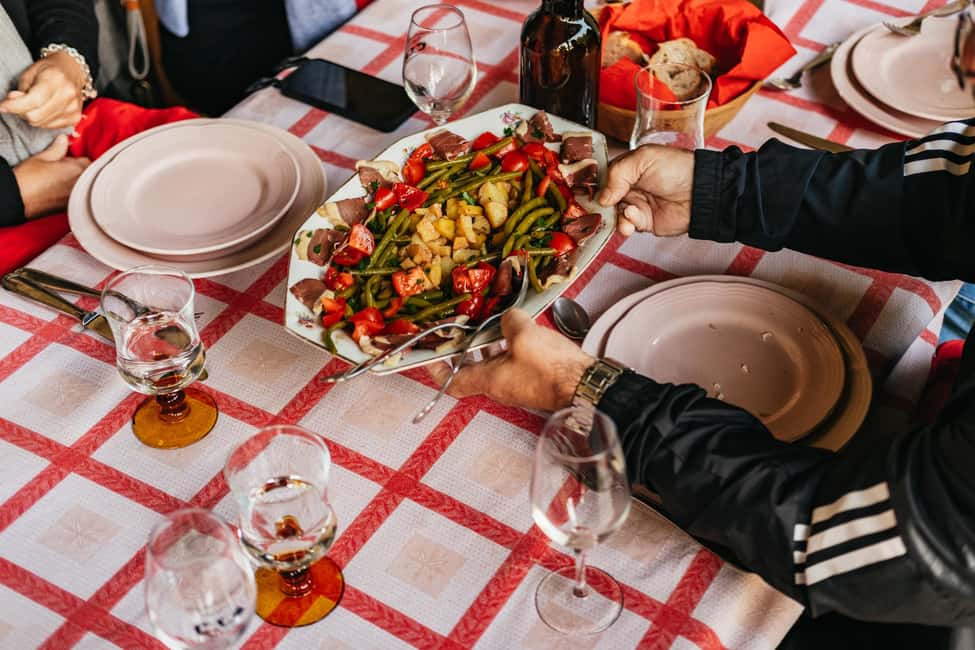
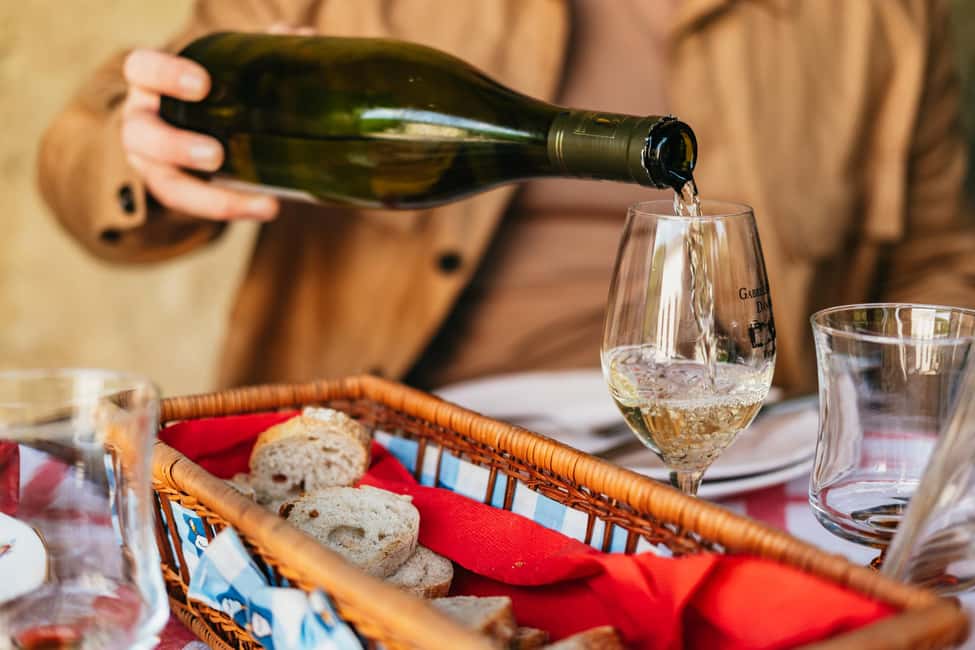
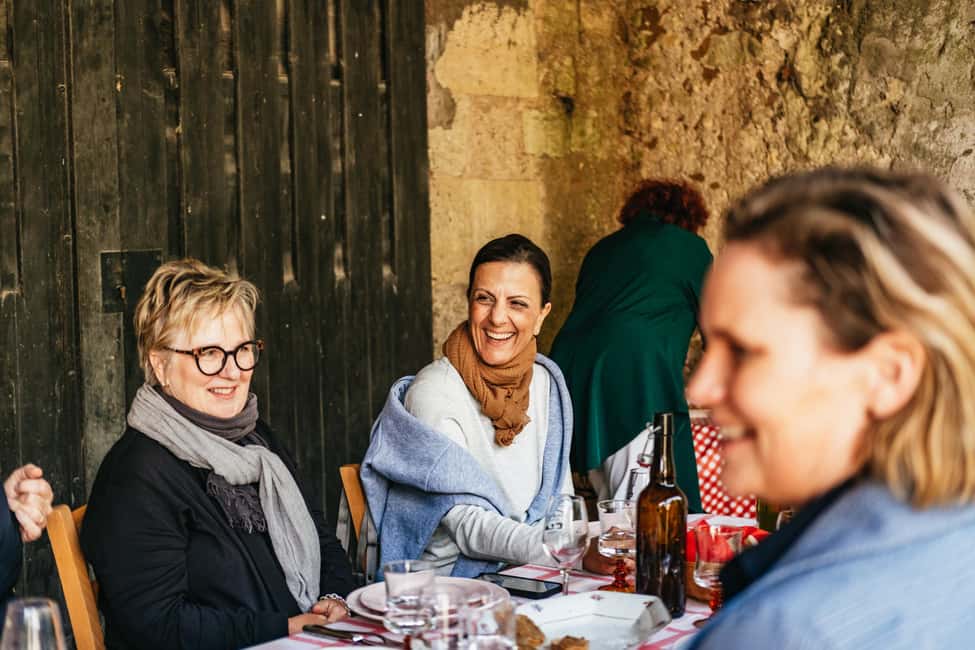
After the castle, you’ll head to a local restaurant for a break. The lunch stop runs long enough to reset you—think coffee, tea, wine, and regional food. This is one of those parts of the day that’s easy to underestimate on paper, but it changes the whole mood.
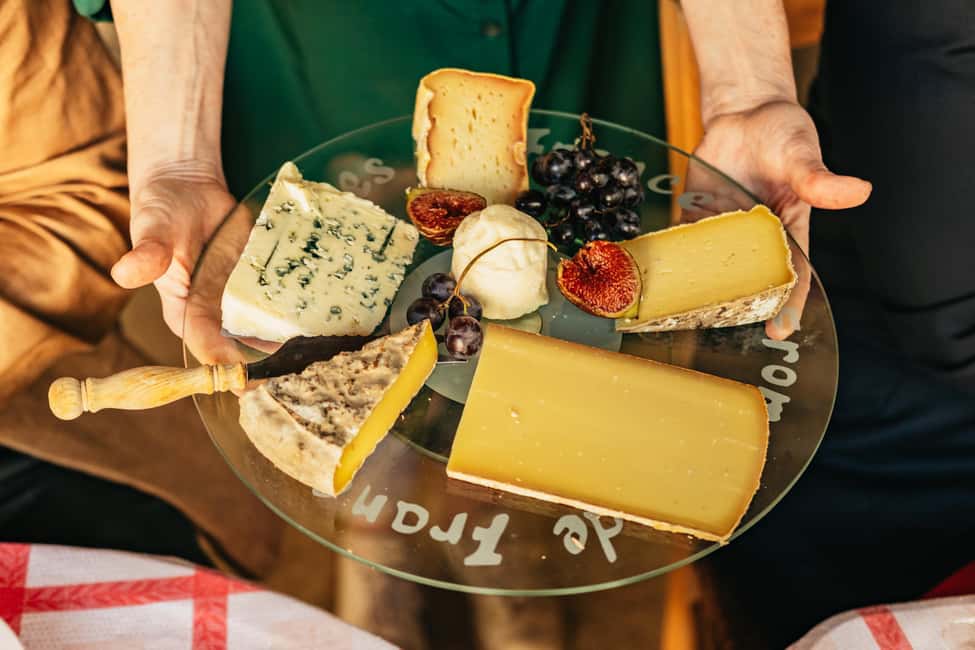
One practical point: lunch format can vary. On some days, it may lean toward a cheese board or charcuterie-style spread rather than a hot, multi-course plate. That doesn’t make it bad—Loire dining is often about good local ingredients, and paired wine can turn simple bites into something satisfying. Still, if you prefer hot mains, it’s smart to ask in advance about what your lunch is likely to be.
The wine pairing at lunch is also a key value piece. This isn’t just a glass of something while you eat. The day is designed so wine is woven into the meal, which helps you connect a tasting to real food flavors. If you like learning by doing, you’ll pick up more than you expect.
And if you’re a bit cautious about pacing (big castle day + two wineries), lunch acts like the buffer that keeps the afternoon enjoyable instead of sleepy.
Winery stop #1: the cellar tour that teaches you why Loire ages so well
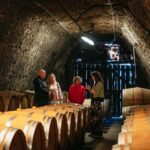
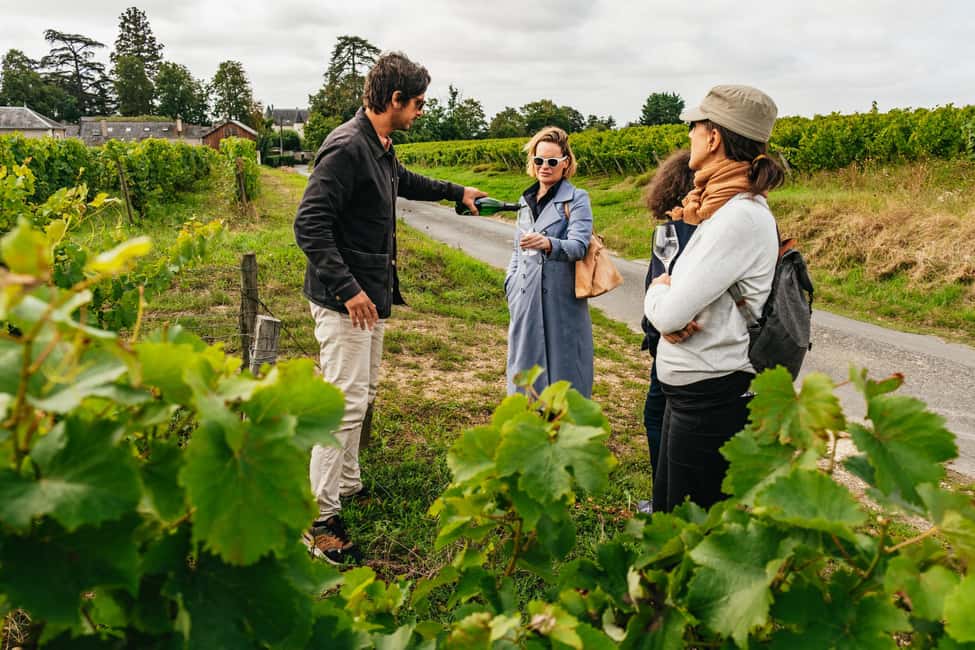
After lunch, you’ll visit a winery with a guided tour and wine tasting. Many of the tastings happen in cellars that change the temperature fast—caves are commonly cold and damp (around 45°F / 10°C). You’ll want a warmer layer in your daypack, even if the morning sun makes you think you’re done with cold.
This first winery experience often includes a look at storage methods, including limestone caves. I like these tours because they make wine less abstract. When you see where wine rests and how that environment supports aging, the conversation during tasting turns from flavor descriptions into a real sense of process.
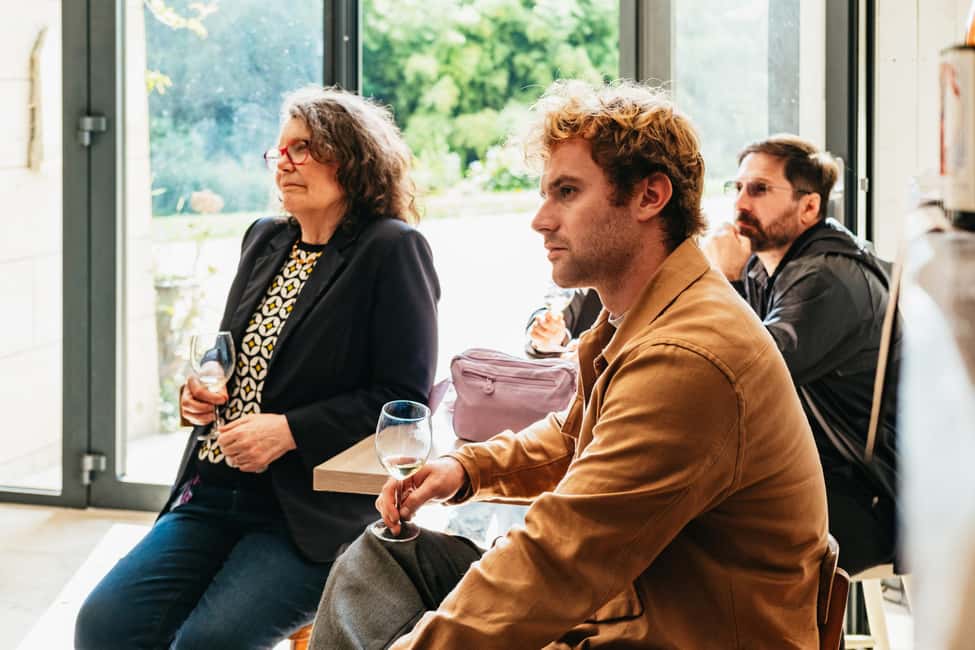
During the guided part, you’ll get a structure: what the grapes are, what style they aim for, and what to notice as you taste. Then comes the tasting portion, where you get to compare. That comparison is where the education sticks.
You may also learn how different styles can come from the same general region. Loire isn’t just one flavor. It’s a spectrum, and the cellar tour helps you understand why.
Winery stop #2: family-run tasting with reds and whites
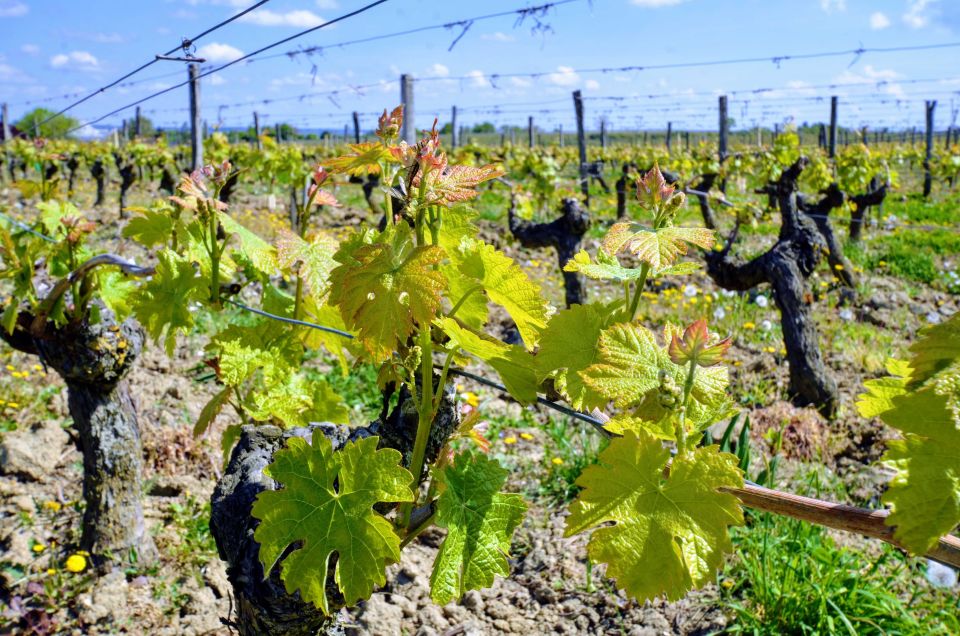
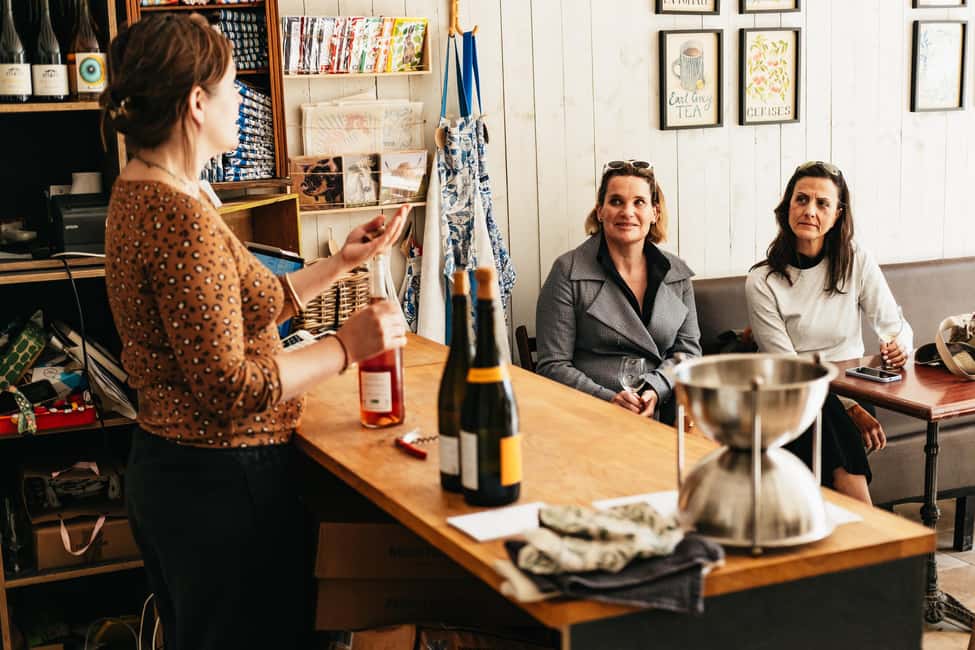
The day doesn’t stop after one tasting. You’ll move to a second, family-run winery where you can taste a range of wines, including both red and white options. This is a big part of the value because it doubles your chance to learn how the Loire expresses itself across colors and styles.
I find second tastings especially useful because your palate is warmed up by then. The first visit teaches you what to pay attention to; the second visit lets you test your own reactions. You start catching differences faster: acidity, fruit level, dryness, and how long the flavors linger.
Some wineries also work with cellars designed for sparkling wines, so you might encounter sparkling-focused storage like sparkling wine cellars. And if you’re thinking ahead—like taking a bottle home—there’s often an option to arrange wine shipment, depending on the winery’s services.
If you like buying wine but hate guessing, this second stop is where you can ask more targeted questions and get a clearer sense of what you’d actually want at home.
You can also read our reviews of more wine tours in Paris


What you’ll taste in Loire (and the grapes you should remember)
This tour doesn’t just pour wine. It ties you to the grapes that define the Loire Valley. You’ll hear about Chenin Blanc and Sauvignon Blanc for white wines, and Cabernet Franc for reds. And while the drive includes vineyard regions like Touraine, Vouvray, and Montlouis-sur-Loire, the real learning happens when you connect grape to sensation.
Here’s the practical takeaway: after your tastings, you should be able to recognize patterns. Chenin Blanc often brings a crisp backbone, with flavors that can range from apple-like notes to honeyed tones depending on style. Sauvignon Blanc tends to lean sharper and more aromatic, with citrus and herbal hints. Cabernet Franc is often lighter than some heavier red grapes, with peppery or berry-leaning characteristics.
Do you have to memorize grape names to enjoy the day? No. But knowing them makes the tasting feel less random. It turns you from a person sampling into someone learning.
And because you have two wineries plus lunch pairing, you get multiple chances to connect what you’re tasting to what you saw earlier—castle architecture, vineyard regions on the drive, and cellars underground. That link is what makes the day feel like more than a checklist.
Comfort, pacing, and the van: how to make this 11-hour day feel easy
This is a full day, so pacing is everything. You’re in a van for parts of the day, but the stops are spaced so you’re not stuck in endless travel without breaks. The minivan is air-conditioned, and the guides keep the day moving between experiences.
The best way to feel good is to treat the morning like the hard part and plan recovery for the afternoon. Eat a little, wear comfy shoes, and bring a warm layer for the cellars. Once you’re underground at a winery, the temperature shift can surprise you.
Also, decide how you want to move through Chambord. Because it’s self-guided with audio, you can go fast and grab key points, or slow down and focus on architecture details. Either way, you’ll cover what you came for, but your comfort level will guide your pace.
Group type matters too. This tour offers private or small-group options. Small-group days usually feel more flexible at stops—more time at key areas, less waiting around, and less pressure to keep up.
Price and value: is $345 per person fair for what you get?
At $345 per person, this isn’t a budget outing. But it’s also not just a one-site castle day. You’re paying for a full package: transportation from Paris, hotel pickup, and entrance fees for an audio-guided Chambord visit. On top of that, you get two winery visits with guided tour components and tastings, plus lunch with wine pairing.
Here’s how I think about value: the cost is mostly concentrated in the things you can’t easily replicate alone without extra time. In the Loire Valley, getting between the right vineyard areas, scheduling tastings, and arranging wine-paired lunch for a group takes work. This tour removes the friction.
You also get a guide who can translate the region for you in real time. Names like Lionel, Thomas, Nicholas, Clément, and Bastien come up in the experiences people share because they do the small things that make a difference: keeping the journey comfortable, explaining what matters, and sometimes even helping coordinate something off-menu like a dinner reservation by calling ahead.
If your goal is a smooth, one-day structure with meaningful tasting time, this price can feel reasonable.
Who should book this Chambord and Loire wine day
This tour fits best if you want:
- A straightforward day trip from Paris with Chambord + two tastings
- An audio-guided castle experience that lets you control your pace
- Wine learning that includes both guided cellar context and tasting comparisons
- A lunch that’s part of the wine story, not an afterthought
I’d skip it or rethink it if:
- Stairs and underground gallery sections are a real problem for you
- You don’t want to spend most of the day in a van
- You need very specific dietary accommodations and prefer to control every meal yourself (the tour does ask you to share dietary requirements at booking, but restaurant execution can vary)
If you’re a solo traveler, couples, or a small group of friends, the small-group option and centrally timed pickup often feel especially convenient.
Should you book this Loire Valley day trip?
If you’re deciding between DIY transport and a guided day, I’d lean toward booking this one if you care about both the castle and wine. Chambord is the kind of sight you remember. The pairing of tastings—two wineries after lunch—turns it into a real Loire experience, not just a stop for photos.
But be smart about two practical items: wear good shoes for stairs, and bring a warm layer for the cellars. Do that, and this day has a clear flow from iconic architecture to hands-on wine education.
FAQ
How long is the tour?
The tour runs for 11 hours, departing early in the morning and returning to central Paris in the evening.
Where do you get picked up in Paris?
Pickup is available from two Paris meeting locations: 4 Pl. de l’Hôtel de Ville and another option listed at 4 Pl. de l’Hôtel de Ville. Drop-off is also in the same central area options.
Is Château de Chambord admission included?
Yes. Entrance fees for an audio-guided tour at Château de Chambord are included.
Does the tour include wine tastings and lunch?
Yes. You’ll have wine tastings at wineries, and lunch includes a wine pairing.
Are there any accessibility concerns?
This tour is not wheelchair accessible due to lots of stairs, including stairs to access underground galleries and cellar areas.
What should I bring?
Comfortable shoes are recommended. You should also bring a warm layer for cellar visits, since caves and wine cellars are usually cold and damp (about 45°F / 10°C).
What languages are available for the tour?
Live tour guidance is offered in Spanish, English, and French, depending on availability. Note that wineries may not offer tours in all languages, and guides may also be limited by what they speak on that day.