REVIEW · GIVERNY
Giverny: Monet’s House & Gardens Private Guided Tour +Ticket
Book on GetYourGuide →Operated by TOUR FRANCE EXPERIENCE · Bookable on GetYourGuide
Two hours in Giverny, guided end to end. This private tour pairs a house-and-gardens ticket with a live guide so you’re not just wandering—you’re connecting Monet’s art to the rooms and paths that shaped it. You’ll meet your guide at the estate entrance area and start with context right away, then move through the home, studio spaces, and the gardens most people only see from photos.
What I like most is the focus on how Monet worked: you’ll see the home and studio spaces he used for decades, plus a walk through gardens that are still presented much the same way they were during his lifetime. Another highlight is the way the tour points you toward the Water Garden details—water lilies, reflections, and the Japanese-style bridges that became signature imagery.
One possible drawback: at this price point, you’ll want solid pacing. The published duration is 2 hours, but a small minority of experiences have run shorter, which can make the value feel tight if you were counting on extra time for lingering and photos.
In This Review
- Key points at a glance
- Getting Oriented at 84 Rue Claude Monet
- Skipping Straight In: Fondation Monet and Quick Art Context
- Monet’s House and Studio Rooms: Home, Kitchen, and Private Apartments
- The Water Garden Walk: Water Lilies, Reflections, and Japanese Bridges
- Japanese Prints in the Estate: How Art Travel Shaped Monet
- How Long Two Hours Really Feels in Practice
- Price and Value at $294: What You’re Paying For
- Best Fit: Who Should Book This Private Monet Tour
- Should You Book This Private Monet Tour?
- FAQ
- FAQ
- How long is the private guided tour?
- Is the ticket included, or do I buy it separately?
- Does this tour include transportation to Giverny?
- Where do I meet the guide?
- How do I find the correct guide at the meeting point?
- Do I skip the line?
- What languages are available for the live guide?
- Is this tour a private group?
- Are pets or large bags allowed?
- What’s the cancellation policy?
Key points at a glance
- Skip-the-line entry via a separate entrance so you start faster
- Private guide with multiple languages for a truly tailored feel
- Monet’s home + studio spaces you can’t easily interpret on your own
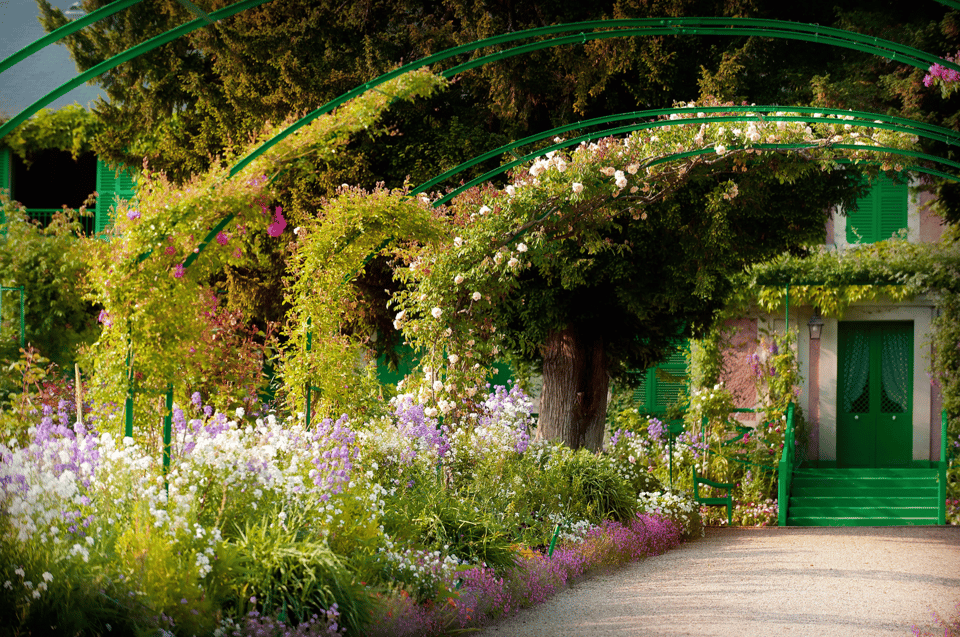
- Walk in the gardens designed to show the same views Monet used
- Japanese prints and rooms like the kitchen and dining spaces included in the visit
- Hot-weather pacing matters, and some guides actively manage shade and comfort
Getting Oriented at 84 Rue Claude Monet
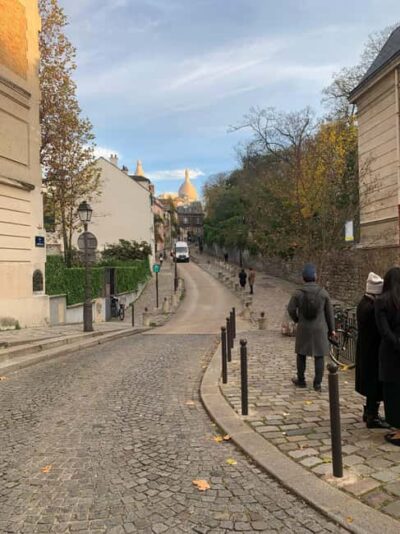
Your tour starts at 84 Rue Claude Monet, but the key detail is where your guide is standing. The guide should wait by the individual entrance about 50 meters from the address, near the parking area, holding a sign with your name. Arriving about 5 minutes early is the simplest way to avoid that awkward moment of searching while everyone else is lining up.
This matters because Giverny can get crowded, even when you’re entering through a separate route. The private format helps, but you still want a smooth start so you can focus on the garden views instead of logistics. Also note the tour doesn’t include transportation, so plan your own ride to the area and give yourself a little buffer for parking or drop-off time.
There are also basic site rules that can affect your visit. Pets are not allowed, and luggage or large bags are not allowed either. If you’re traveling with more than a small day bag, you’ll want to handle that before you arrive so you don’t lose time at the gate.
You can also read our reviews of more tours and experiences in Giverny.

Skipping Straight In: Fondation Monet and Quick Art Context
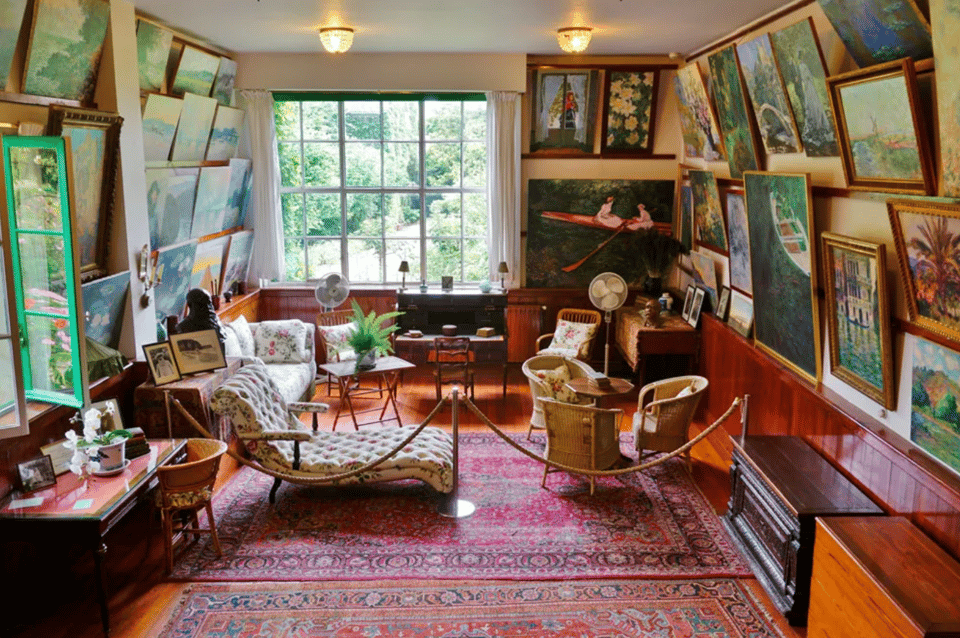
Once you begin, you’ll start with a guided component through the site area associated with the estate experience. The benefit of having a guide at the start is you get the “why” before you get the “wow.” Instead of only seeing rooms and plants, you’ll understand how Monet’s life, habits, and artistic goals connect to what you’re about to see.
This is where a good guide’s language choice really pays off. The tour offers live guidance in English, French, German, Italian, Spanish, Russian, Japanese, and Chinese, so you’re not stuck with a basic audio script if you’d rather ask direct questions. And because it’s private, you can usually move at a pace that makes sense for you—particularly useful if you want time to read details in the house or study the garden angles.
In practical terms, this early orientation also helps you plan your attention. You’ll be walking through specific garden viewpoints and interiors, so knowing what to look for—light, reflections, composition—makes the visit feel less like sightseeing and more like understanding the artwork’s source material.
Monet’s House and Studio Rooms: Home, Kitchen, and Private Apartments
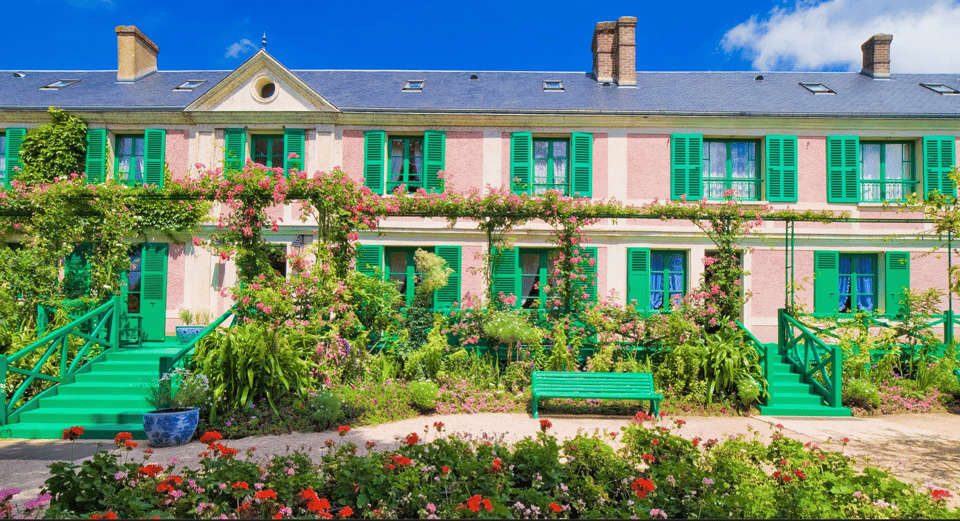
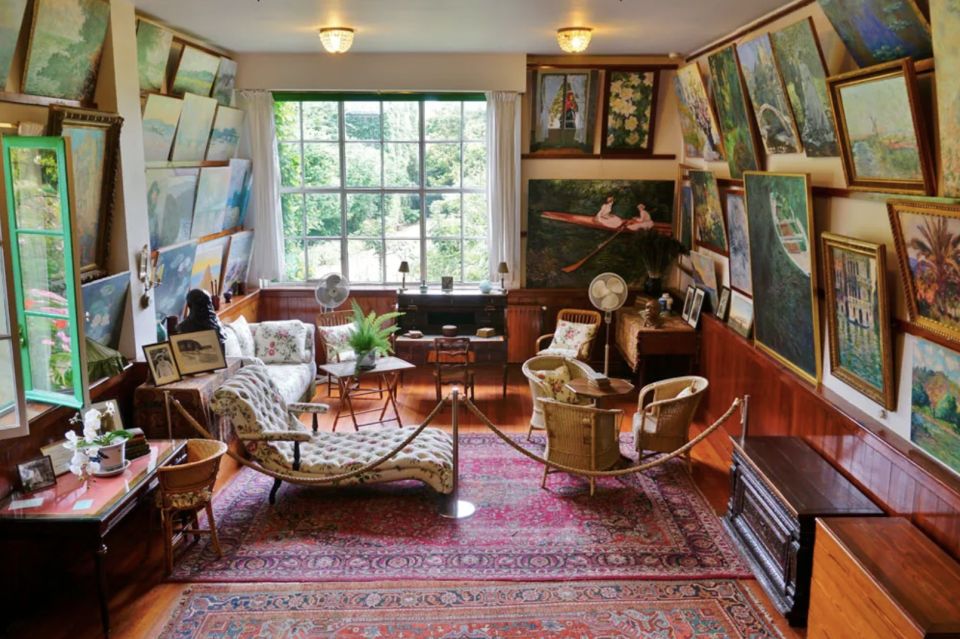
The heart of the experience is the house itself: Monet’s estate home and studio, where he lived and worked for over 40 years. Seeing these spaces with a guide is the difference between “pretty old rooms” and “this is how he lived and created.” You get help reading what you’re looking at—how the rooms relate to his working routine and why certain objects and collections mattered.
Inside, you’ll visit private apartments, along with the kitchen and dining room, plus areas that connect to his working life. That’s a big deal for value: many shorter tours skim only the showpiece rooms, but this one gives you multiple living-and-working spaces rather than a quick circuit.
Two things tend to matter most when you’re inside:
- Layout and movement: you’ll understand how you’d likely move through the rooms and what views or transitions may have mattered for Monet.
- Interpretation of details: a guide can explain what you might otherwise miss, especially if you’re not an art historian.
If you’re the kind of person who likes to slow down and look closely, the private format helps. Even if you only have a limited time window, you’ll spend your attention where it counts, instead of trying to guess what matters on your own.
The Water Garden Walk: Water Lilies, Reflections, and Japanese Bridges
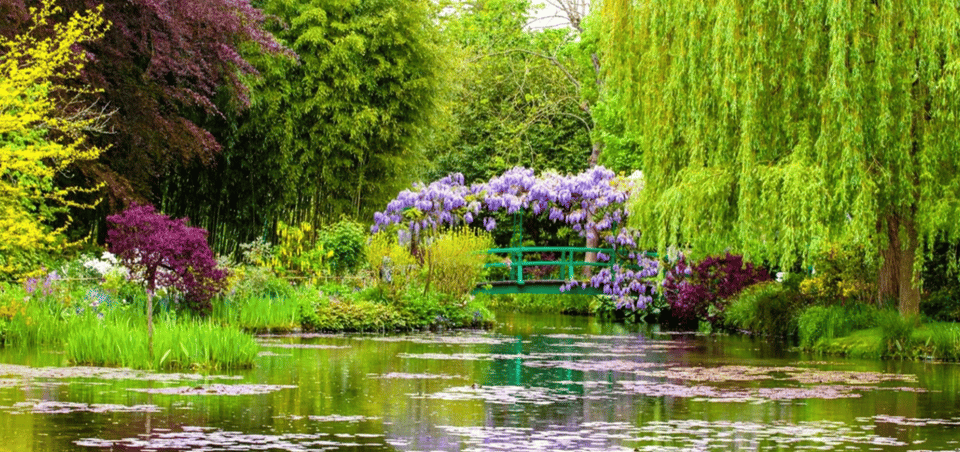
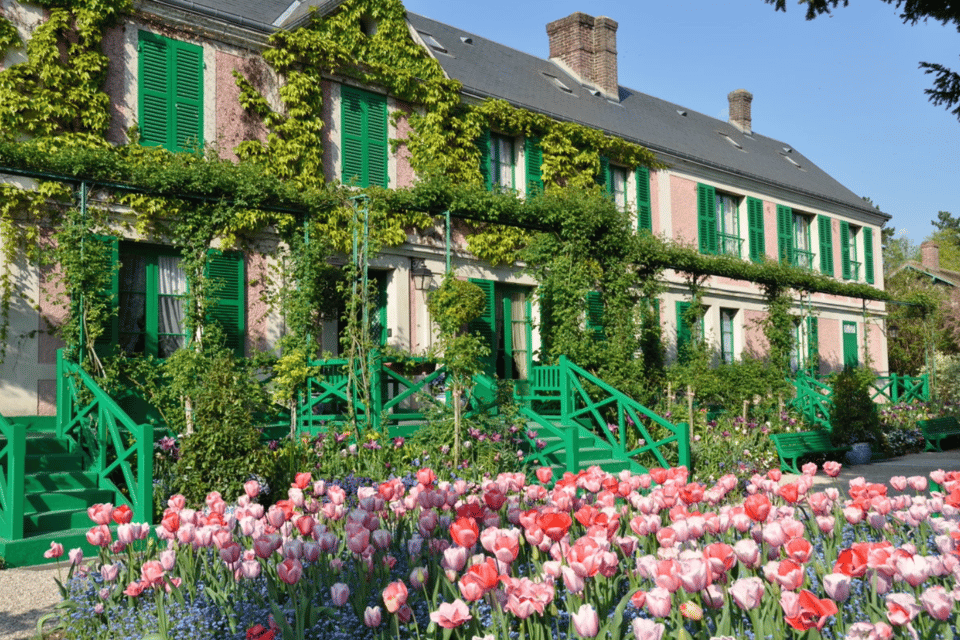
Then you step into the garden experience—a walk through the Water Garden designed to show the views Monet made famous. The big promise here is that you’re walking among areas presented as unchanged since Monet lived there, so you’re not just seeing a recreated fantasy. You’re seeing the garden as it’s meant to be experienced in the same spirit as the artist’s time.
What you’ll notice fast is how much the guide connects the garden to painting technique. Monet was obsessed with how light and reflections change, and that theme becomes very real when you’re standing near the water. You’ll spend time around the features that anchor his imagery: water lilies and the Japanese-style bridges that show up in his most recognizable works.
This part is also where comfort matters. Giverny heat can be intense, and one of the most praised details from real experiences is that some guides manage shade and pacing so the tour stays enjoyable even when it’s hot. If you’re visiting in summer, wear breathable clothes and bring water. Don’t plan heavy walking right after—build in a calm buffer.
If you care about photography, this is your moment. The garden’s structure gives you framing opportunities, but the reflections can be tricky. A guide can help point you toward the angles that make the water-and-bridge composition work, without turning the visit into a rushed photo sprint.
Japanese Prints in the Estate: How Art Travel Shaped Monet
One of the quieter, high-impact parts of this tour is the stop that includes Monet’s collection of Japanese prints housed within the estate. Even if you only know this influence in broad strokes, seeing prints in the same environment as the artist’s living and working spaces adds a layer that’s hard to get from books.
The value here is interpretation. A guide can connect the prints to what you’re seeing outside in the Japanese bridges and the way Monet treated the garden as a designed visual world. You’re not just learning that Japanese art influenced him—you’re connecting it to specific features in the estate that echo that influence.
This also helps if you’ve ever visited a museum and felt like you were only getting one half of the story. Here, you’re getting a sense of how a style and subject matter traveled across cultures, then landed in the details of one man’s home and painting practice.
You can also read our reviews of more guided tours in Giverny

How Long Two Hours Really Feels in Practice
The tour is scheduled for 2 hours and runs as a private group, which generally means fewer delays and a smoother flow. That private format is what makes the time feel “usable,” not just spent. You can stop when you want, ask questions, and get explanations matched to your interests, especially around the house rooms and the water garden viewpoints.
That said, at this specific price, timing matters. One negative experience noted the visit felt closer to 1 hour 30 minutes rather than the advertised 2 hours, and asked for reimbursement for the missing time. That’s the main consideration to keep in mind: even if the overall experience is strong, you should treat the time estimate as a target, not a guarantee.
My advice is simple. If you’re on a tight itinerary, plan your next activity with some buffer. If you’re traveling in peak season, expect crowds in the surrounding area even with skip-the-line access. The good news is the guide experience is built to keep you moving efficiently between house and garden so you get the core scenes without wasting time.
Price and Value at $294: What You’re Paying For
At $294 per person for a 2-hour private guided tour (with ticket entry included), this isn’t a casual bargain. The value comes from three things you can feel right away:
- Private guide time, which lets you ask questions and get explanations tied to what you’re seeing.
- Skip-the-line entry, which can save meaningful time at a heavily visited site.
- Ticket inclusion for the House and Gardens, meaning you’re not paying separately for admission.
If you’re an art fan with limited time in Normandy, the math often works. Without a guide, you can still enjoy the estate, but you’ll likely spend more effort decoding what matters—especially inside the house rooms and in the Japanese print details. With a private guide, your attention is guided, and you’re less likely to wander past the “why.”
If you’re the budget-first traveler who loves to explore slowly, you might compare this to self-guided options. But even then, remember that this tour’s focus is the connection between Monet’s life and the specific garden views. If you want that context without reading a stack of museum-style materials, paying for guidance becomes easier to justify.
The best way to decide is to ask yourself one question: do you want your time in Giverny spent just looking, or spent understanding? At this price, the tour is really for the second mindset.
Best Fit: Who Should Book This Private Monet Tour
This experience is ideal if:
- You want a private guide rather than waiting for group pacing.
- You care about Monet’s process: home-to-studio life, then garden-to-painting results.
- You like art travel details, especially influences like the Japanese prints connection.
- You’re visiting during hot weather and would appreciate someone managing shade and comfort.
It may be less ideal if:
- You’re very price-sensitive and prefer self-guided exploration.
- You don’t want any interpretive talk and would rather spend your time purely walking at your own speed.
- You’re scheduling tightly and can’t risk a tour that feels shorter than expected.
Language flexibility also helps a lot. If English or French isn’t your comfort zone, this is one of those tours where choosing your language can make the difference between simply seeing the site and fully using it.
Should You Book This Private Monet Tour?
Yes—if you’re ready to pay for meaning, not just access. The combination of skip-the-line ticket, a live private guide, and a route that covers both the house/studio spaces and the Water Garden makes it a strong fit for anyone who wants Monet explained in the exact places where his art took shape.
Hold back if you’re hunting for the cheapest way into Giverny or if you’re relying on a strict 2-hour window with no flexibility. With any premium private tour, your best move is to plan a small buffer for timing and arrive early so the start is smooth.
If you do book, bring sun protection, a reusable water bottle if allowed, and a curious mindset. This is the kind of visit where the difference between good and great is often one thing: how well someone helps you notice what Monet noticed—light, reflection, and how a garden becomes a painting.
FAQ
FAQ
How long is the private guided tour?
The tour duration is 2 hours.
Is the ticket included, or do I buy it separately?
Admission is included with the tour ticket for the House and Gardens.
Does this tour include transportation to Giverny?
No. Transportation is not included.
Where do I meet the guide?
Meet the guide at 84 Rue Claude Monet. The guide is expected to be about 50 meters from the exact address at the individual entrance, next to the parking.
How do I find the correct guide at the meeting point?
The guide should have a signboard with your name. You should arrive about 5 minutes before the start.
Do I skip the line?
Yes. You use a separate entrance for skip-the-line access.
What languages are available for the live guide?
The live guide is available in Chinese, German, Italian, Japanese, Russian, Spanish, English, and French.
Is this tour a private group?
Yes. It’s a private group.
Are pets or large bags allowed?
No. Pets are not allowed, and luggage or large bags are not allowed.
What’s the cancellation policy?
Free cancellation is available up to 24 hours in advance for a full refund.