REVIEW · FONTAINEBLEAU
Fontainebleau: Palace Private Guided Tour with Ticket
Book on GetYourGuide →Operated by TOUR FRANCE EXPERIENCE · Bookable on GetYourGuide
Fontainebleau feels like stepping into another government. This private guided tour takes you through the palace’s main power rooms—from the royal-era apartments to the big ceremonial spaces—so you don’t just look at walls, you understand why they mattered. You’ll also get the added comfort of a private guide and entry tickets bundled in, which keeps the whole visit moving.
What I like most is the room-by-room focus. I love how the tour walks you into the Francis I Gallery and then continues into the huge ballroom, so you see the palace as a designed experience rather than a random collection of rooms. I also really value the chance to move through the Emperor Napoleon I apartments, including the imperial bedroom, with guidance to connect the dots.
One potential drawback: this is a 2-hour plan, and Fontainebleau is big. If you want long, slow wandering time on your own, you’ll need to add extra time outside the tour window.
In This Review
- Key takeaways
- Meeting at the golden gate and what 2 hours really buys you
- From royal hunting lodge to kings’ family home: how the palace is framed
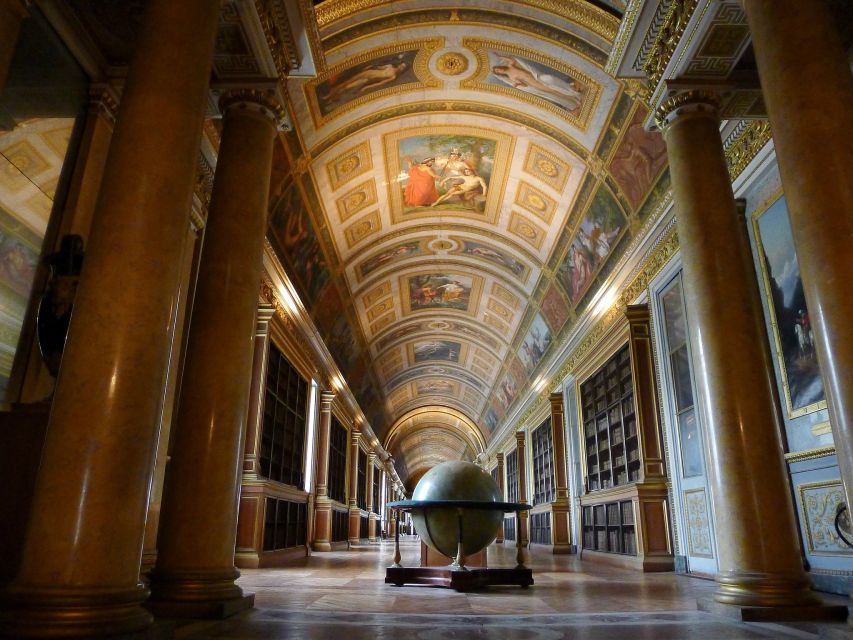
- Francis I Gallery: frescoes, stucco, and the Renaissance style you can spot fast
- The huge ballroom: where royal parties make sense in your head
- Napoleon I apartments and the imperial bedroom you shouldn’t rush
- Guide quality shows up fast: Antoine, and the value of good storytelling
- Price, pace, and what $323 gets you for two hours
- Who this tour is best for (and who should consider another plan)
- Practical tips to make the most of every room
- Should you book this private Fontainebleau tour?
- FAQ
- How long is the private guided tour?
- Where do I meet the guide?
- What’s included in the price?
- Is transportation included?
- Does the tour let me skip the ticket line?
- What languages are available?
- Is the tour suitable for everyone?
Key takeaways
- Skip the ticket line so your guided time starts sooner
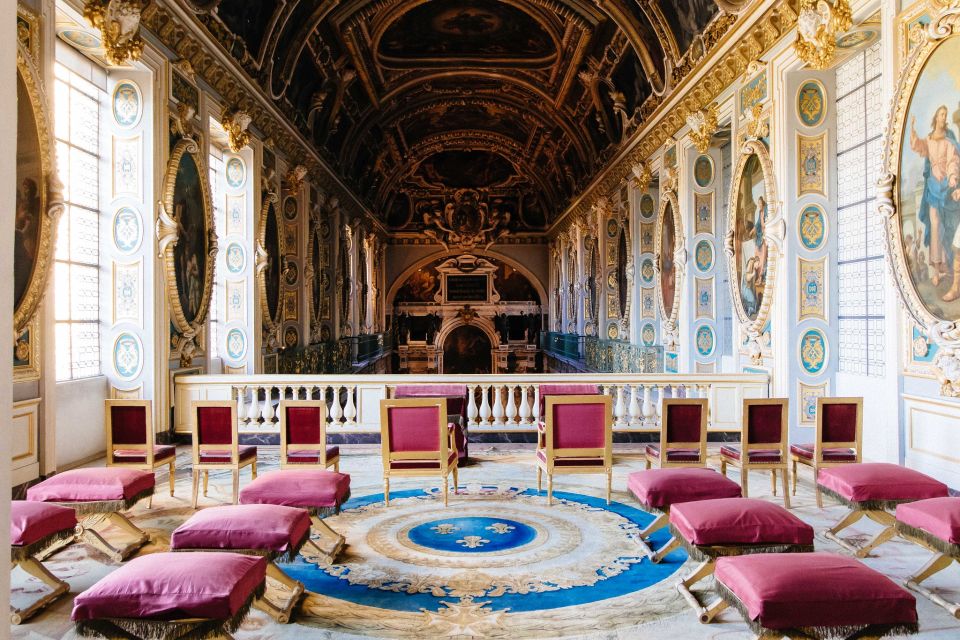
- Francis I Gallery with frescoes and stucco in Renaissance style, explained step-by-step
- A full stop in the huge ballroom so you can picture how royal gatherings played out in the space
- Napoleon I apartments plus the imperial bedroom, not just a quick glance
- Private group format means the guide can pace for your questions
- Guide-led storytelling from the palace entrance (meet at the golden gate with a sign)
Meeting at the golden gate and what 2 hours really buys you
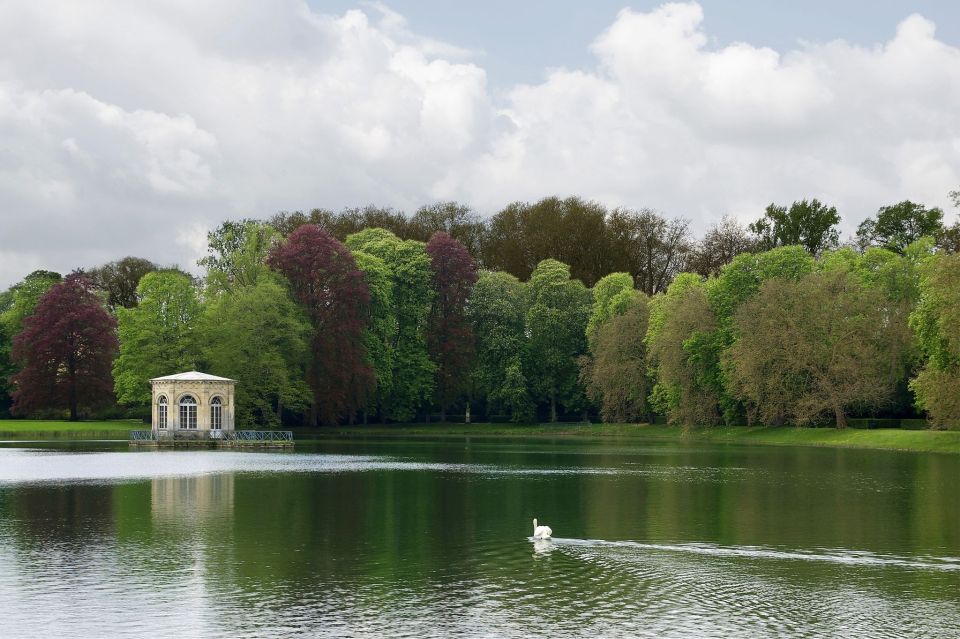
You start outside the palace at the golden gate area, where your guide holds a sign with your name. The meeting point is listed at 43 Bd Magenta, so it’s a good idea to arrive with a few minutes buffer to stay relaxed. From there, you head straight inside with your tickets already covered.
Two hours is a smart length for a first visit. You get the big visual moments—galleries, ceremonial rooms, and the imperial apartments—without burning half a day in transit and lines. And because it’s private, the guide can keep the pace from turning into a race.
Just know the tour is timed. You’ll visit several major areas, but you won’t be doing the kind of deep, multi-hour circuit where you reread every label and linger in every corner. Think of it as a focused introduction that sets you up to come back for a longer self-guided day if you want.
From royal hunting lodge to kings’ family home: how the palace is framed
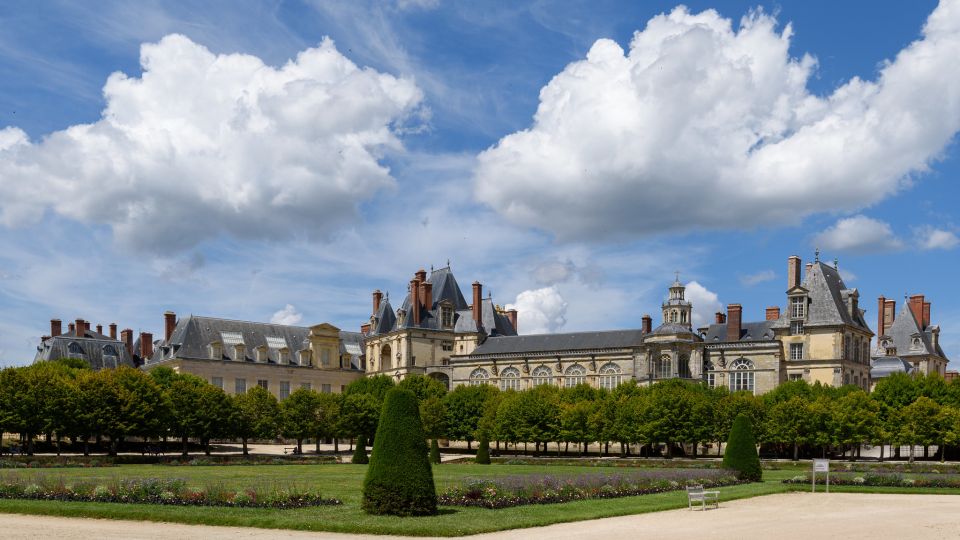
One of the best parts of this tour is the way the guide gives you a storyline while you walk. You begin with context right as you enter, learning how Château de Fontainebleau changed over time—from a royal hunting lodge into the family home of the kings. That single idea makes the palace feel less like a museum and more like a living place that got remade as power shifted.
As you stroll, you’ll hear about the monarchy-era spaces you’re about to see. The guide also points you toward major artistic influences inside, including Italian Renaissance works by Primaticcio and Il Rosso, described as founders of the School of Fontainebleau. Even if you don’t consider yourself an art person, having names and a style label in your head helps you notice what you’re actually looking at.
Then the tour keeps moving, transitioning from those monarchs’ apartments into standout showpieces. The point isn’t to memorize everything; it’s to walk away with a clear mental map: what this palace was for, who used it, and why these rooms look the way they do.
Francis I Gallery: frescoes, stucco, and the Renaissance style you can spot fast
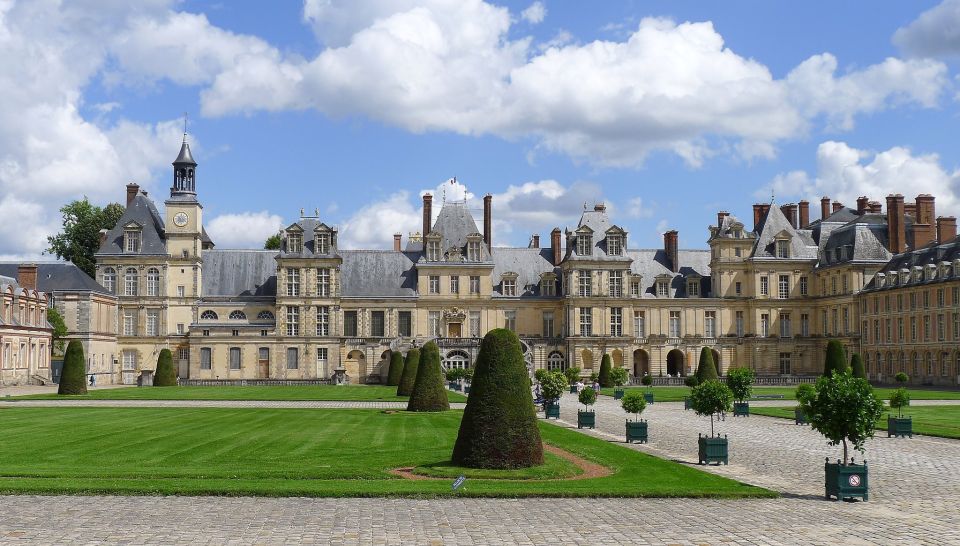
The Francis I Gallery is one of the tour’s headline stops, and you’re not just walking past it. You’ll spend time there specifically to marvel at the Renaissance look—frescoes and stucco—and learn what you’re seeing in plain language.
In a palace, galleries can be easy to underestimate because they can feel like “just a long hallway.” Here, the guide helps you treat it like a statement space. Once you understand the design style and the intent, you’ll likely notice more details simply because you’re looking with purpose instead of random sightseeing.
This is also a good place to ask questions, because the guide can answer while you’re still standing in the visual environment. If you’re the kind of visitor who learns best by asking on the spot, this stop is where that works well.
A practical note: galleries are often best experienced slowly. You’re on a timed tour, but this is one of the areas where the extra attention pays off most because it’s visually dense.
The huge ballroom: where royal parties make sense in your head
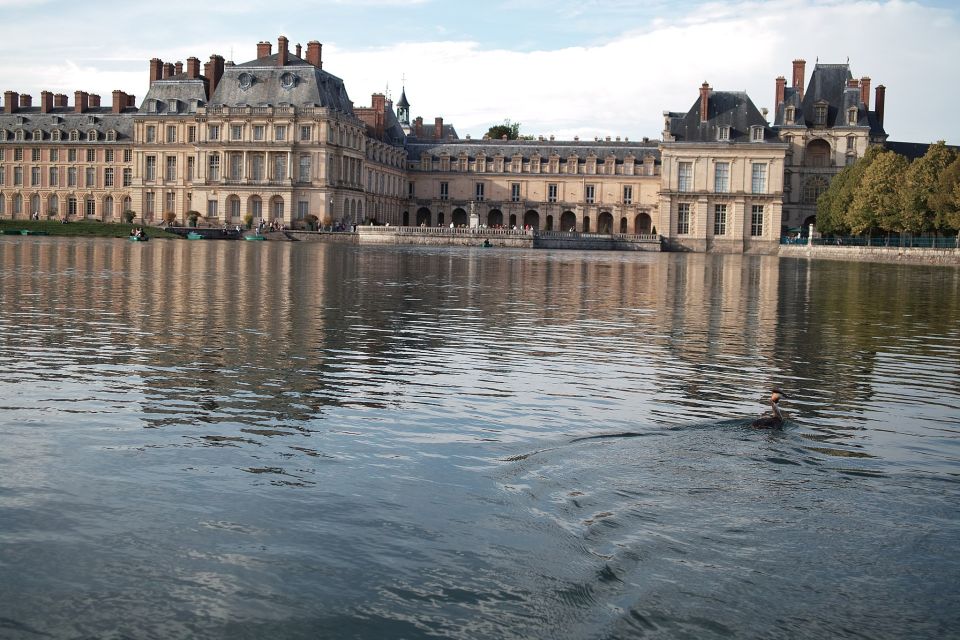
Next comes the ballroom—huge, and built for spectacle. The tour sets you up by teaching you what royal parties were like, which changes your perception of the room immediately.
Instead of treating it like an empty hall, you’re encouraged to stand there and mentally test the space. Where would people gather? How would the room feel during a social event? That kind of guided framing is what turns “big room photo” into a real experience.
The ballroom stop also balances the tour nicely. Earlier you’re in decorated arts and monarchs’ spaces; now you’re in a social stage. The guide’s explanation helps you connect why the palace wasn’t just for privacy or administration, but also for display and ceremony.
If you’re short on attention span, the ballroom is still a good bet because it has a clear payoff. You’ll know you hit a major moment the second you step into it.
Napoleon I apartments and the imperial bedroom you shouldn’t rush
Later, you shift into the Emperor Napoleon I apartments. The tour focuses on the luxurious rooms and notes that they’re furnished in different styles, moving from Renaissance-era aesthetics toward the 19th century. That detail matters because it helps you read the palace as a timeline of taste, not a single-era set.
You’ll stroll through the apartments with your guide, and one of the final visual anchors is the beautiful imperial bedroom. This is the kind of room where it’s easy to rush through when you’re in a hurry. With a guide explaining what to pay attention to, you’re more likely to actually take it in.
Why this section is so valuable: it gives you contrast. You’re no longer only thinking about monarchy-style spaces. You’re seeing how another ruler shaped the setting and how the interiors reflect that era’s style direction.
If you like interior design, court life, or how rulers leave fingerprints on architecture, this stop will be one of your favorites. Even if you’re not, it still works because the tour keeps the flow moving while giving you enough structure to understand what you’re looking at.
Guide quality shows up fast: Antoine, and the value of good storytelling
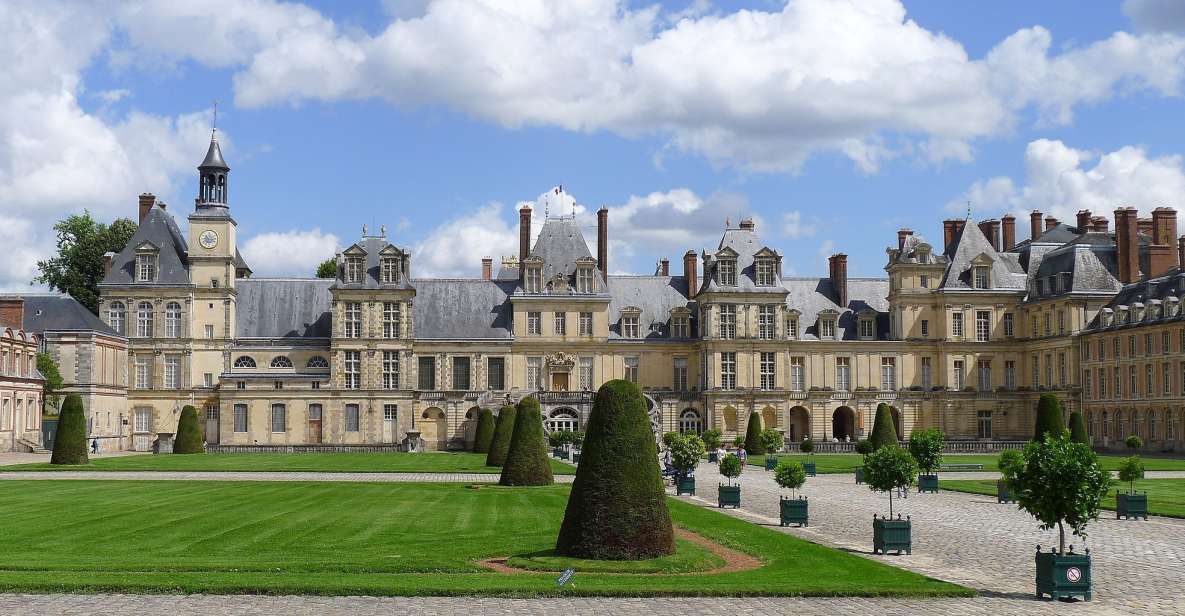
This is the type of tour where the guide quality becomes obvious within minutes. In multiple experiences, the standout pattern is guides who bring the palace to life with specific historical knowledge and engaging narration.
One guide named Antoine is highlighted as especially interesting for telling the history of Fontainebleau. Another experience mentions a guide who had previously worked at Fontainebleau, bringing a strong sense of firsthand understanding to the visit.
That matters for two reasons. First, it helps you avoid the common palace problem: seeing many rooms but remembering nothing. Second, it makes the time feel shorter because you’re not just processing visuals—you’re processing meaning.
You also get flexibility because it’s private. You can ask questions as you go, and your guide can adjust pace to your curiosity. If you’re someone who loves context, this format is a big win.
Price, pace, and what $323 gets you for two hours
At $323 per person for a 2-hour private tour with tickets included, you’re paying for two things: access and interpretation. You get entry tickets bundled in, which saves time and keeps the guided portion from getting interrupted by lines.
You’re also paying for a private experience rather than a crowded group bus. That usually means more useful time per minute—your guide can keep you oriented, and you’re less likely to feel like you’re being hurried along without space to absorb what you’re seeing.
Is it expensive? A review note specifically flagged the price as too high for one person, and that’s fair to consider. If you’re comfortable navigating on your own, you might not need the guide for the very first pass.
But if you want the best first impression—where you leave with a clear sense of how the palace evolved, and what each highlighted room represents—this is the kind of spending that can make your entire trip feel more satisfying. Think of it as paying for a shortcut to understanding, not just a ticket to entry.
Who this tour is best for (and who should consider another plan)
This tour is ideal if you want a curated palace highlight circuit without feeling rushed by crowds. I’d especially recommend it if you care about:
- understanding why the palace layout and interiors changed over time
- seeing the Francis I Gallery and the ballroom as more than photo stops
- finishing with the Napoleon I apartments and the imperial bedroom with context
It’s also a good fit for couples, friends, or small groups who want the flexibility of private pacing. Language coverage is broad, with guides available in Italian, Spanish, German, Russian, Chinese, Portuguese, Japanese, English, and French, so matching your language is usually straightforward.
Two other practical considerations: transportation isn’t included, so you’ll need your own way to reach the meeting area. And the tour isn’t suitable for people with mobility impairments, so if that’s relevant to you, you’ll want to look for an alternate option.
Also, plan your gear. Baby strollers, luggage or large bags, and baby carriages aren’t allowed. Travel light so you can move through the palace comfortably.
Practical tips to make the most of every room
First, plan your arrival with time to spare. Meeting at the golden gate with a name sign is easy, but only if you’re there before you feel rushed.
Second, wear shoes you can stand in. A palace tour may sound like “sightseeing,” but it’s still a lot of walking and time inside large rooms.
Third, treat the tour like a guided storyline, not a checklist. When the guide gives you a theme—like the palace’s transformation from hunting lodge to royal family home—try to keep that theme in mind as you move from apartments to gallery to ballroom.
Finally, bring questions. If you’re curious about what makes Renaissance design distinct in a specific room, ask while you’re standing in it. The biggest value of a private guide is the timing: you get answers right when your eyes need them.
Should you book this private Fontainebleau tour?
Book it if you want your first visit to Fontainebleau to make sense. The combination of skip-the-line ticket access, a private guide, and a route built around the most important spaces—Francis I Gallery, the huge ballroom, and the Napoleon I apartments—gives you a strong payoff in just 2 hours.
Don’t book it if you prefer long unstructured wandering, because the schedule is designed for highlights rather than extended independent exploration. And if mobility is an issue for you, this option isn’t suitable based on the tour rules provided.
If you’re aiming for value in the form of understanding and not just entry, this tour is one of the smarter ways to start. You’ll finish with clearer mental pictures, not only photos—and that’s a rare kind of souvenir.
FAQ
How long is the private guided tour?
The tour lasts 2 hours.
Where do I meet the guide?
Meet your guide in front of the palace’s main entrance, at the golden gate. Your guide will have a sign with your name on it. The meeting point is listed as 43 Bd Magenta.
What’s included in the price?
The package includes a private tour, a local guide, and entry tickets to the Palace.
Is transportation included?
No, transportation is not included.
Does the tour let me skip the ticket line?
Yes, you skip the ticket line.
What languages are available?
The tour guide is available in Italian, Spanish, German, Russian, Chinese, Portuguese, Japanese, English, and French.
Is the tour suitable for everyone?
It is not suitable for people with mobility impairments, and baby strollers, luggage or large bags, and baby carriages aren’t allowed.