REVIEW · PARIS
Paris: Musée d’Orsay A Private Tour – rebels passion colour
Book on GetYourGuide →Operated by Paris Museum Guide · Bookable on GetYourGuide
Paris has a way of rewarding curiosity fast. A private Musée d’Orsay tour framed as a story of 19th-century artistic rebellion makes the museum feel like one coherent argument, not a pile of paintings. I love the way the tour links style choices to real conflict in French art, from the Salon debates to Impressionism. I also like that you get an artist’s eye and guided looking, plus headphones/audio receivers so you can hear clearly even when you’re surrounded by other visitors. One possible drawback: museum tickets are not included, so you’ll need to buy them separately in advance (especially in busy periods).
This is a short, focused 2-hour plan built for a private group of up to 6 in English. You’ll start outside at the Rhino sculpture, walk into the museum, and move through key works by artists who broke rules—think Courbet, Manet, Monet, Cézanne—then finish with the later pull of individuality through Van Gogh and Gauguin. The result is a brisk, well-aimed tour that helps you actually understand why the art was rejected, and why it’s admired now.
Key point recap
- Rebel-to-revolution storyline: The tour traces why French art kept challenging itself.
- Artist-led guidance: An Irish artist and museum guide leads, with an emphasis on how and why.
- Headphones & audio receivers: Audio is built into the experience, not an afterthought.
- Rule breakers you can name: Courbet, Manet, Monet, Cézanne are worked into the narrative.
- Ends with bold individuality: Van Gogh and Gauguin help connect the “rebellion” forward.
In This Review
- Entering Musée d’Orsay Like a Detective, Not a Tourist
- A 2-Hour Private Format That Keeps You From Getting Lost
- Meeting at the Rhino: Your First Quick Win
- The Rebel Story Starts in the Salons of the 1840s
- Courbet to Manet: How “Provocation” Becomes a Method
- Monet and Cézanne: The Skill Behind the Revolution
- The Impressionist Revolution: Why Rejection Happened
- A Direct Artist-Guided Way of Seeing
- Finishing With Van Gogh and Gauguin: Individuality Takes the Stage
- Headphones and Audio Receivers: Small Tech, Big Comfort
- What You Should Know Before You Go (So You Don’t Waste Time)
- Value for Money: Why $141 Can Make Sense Here
- Who This Tour Suits Best
- Should You Book This Musée d’Orsay Private Tour?
- FAQ
- Is the Musée d’Orsay private tour limited to a small group?
- How long is the tour?
- Is the museum ticket included in the price?
- Where do we meet the guide?
- Does the tour include audio equipment?
- What should I bring?
- Are there any restrictions inside the museum?
Entering Musée d’Orsay Like a Detective, Not a Tourist
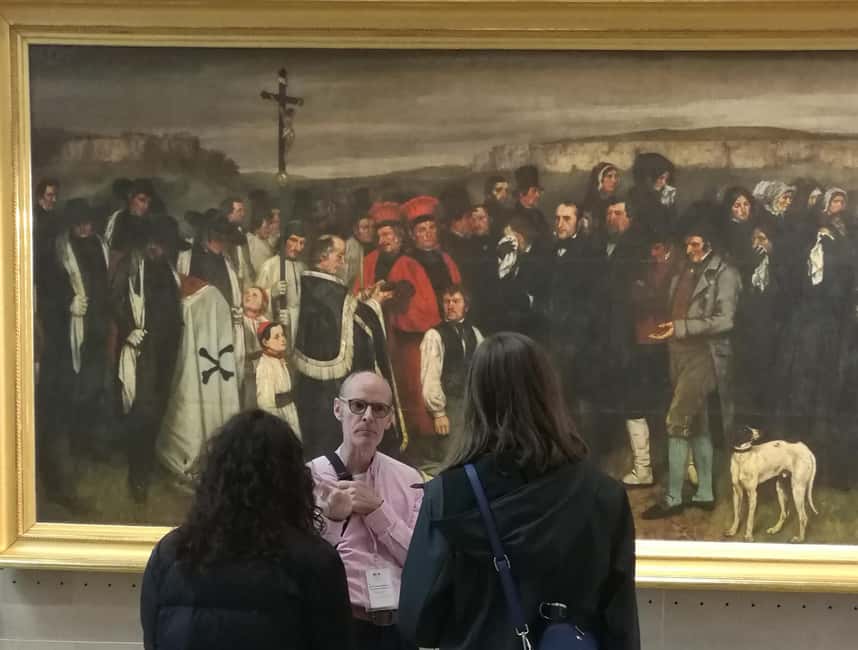
Musée d’Orsay can feel big even though it’s not a “huge museum” on paper. The building holds a lot of visual noise: major masterpieces, decorative details, and overlapping movements that can blur together if you don’t have a way to sort them. This private tour gives you that sorting system.
The big idea is simple: French culture has always had a soft spot for rebels, and you’ll watch that play out across decades. Instead of treating each painting like a separate trophy, you’ll see how artists argued with tradition, experimented with technique, and forced public taste to change. It’s the kind of museum experience where your brain starts connecting dots—color decisions, brushwork, subject matter, and what audiences did (or didn’t) want to see.
A 2-Hour Private Format That Keeps You From Getting Lost
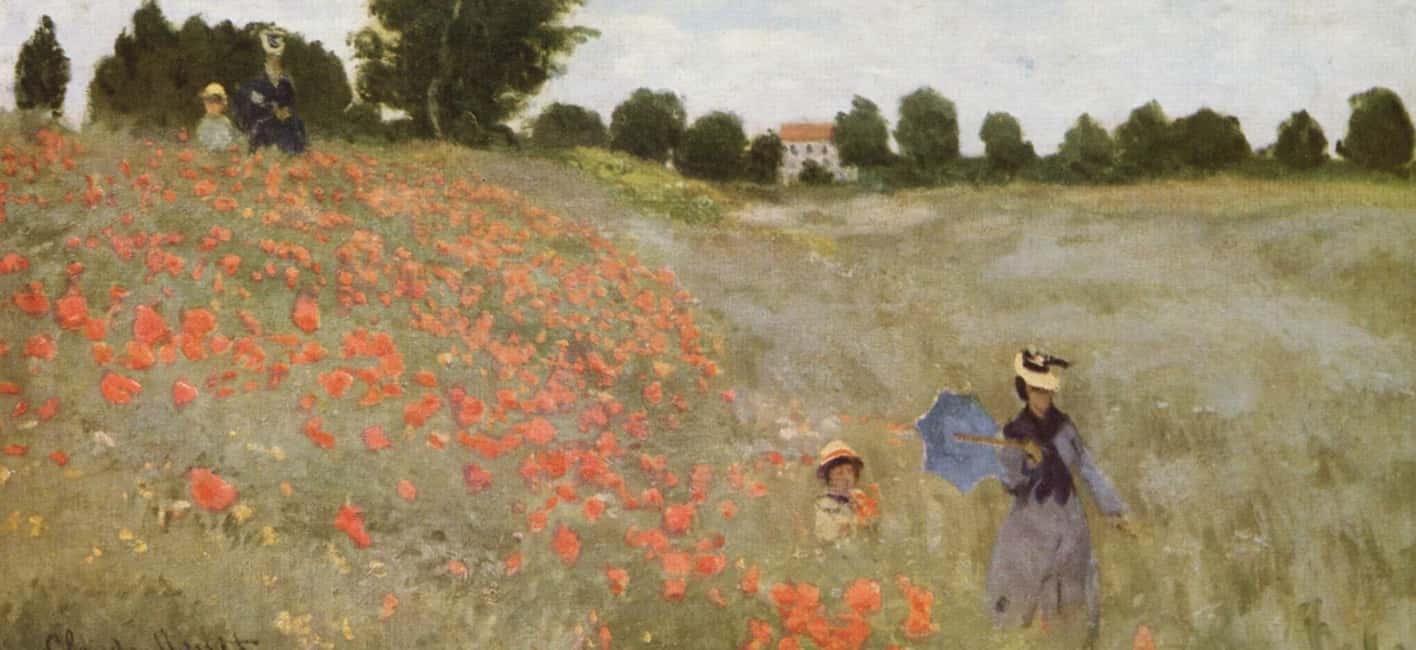
This tour runs for 2 hours and stays private for a group size limited to 6 people. For me, that matters because Orsay rewards attention, and crowd pressure can steal it. With fewer people, the guide can slow down at the right moments and move you along when you need to keep momentum.
It’s also in English, and you get audio receivers. That’s a practical advantage: you’re not stuck craning your neck, and you’re less likely to miss the key explanation because someone tall wanders into your line of sight. In one of the strongest pieces of feedback, the tour’s audio setup was described as easy to hear, with less hassle than other systems people have used.
You can also read our reviews of more private tours in Paris


Meeting at the Rhino: Your First Quick Win
You meet outside the museum by the Rhino sculpture. Your guide will have a guide badge, so you’re not guessing who’s supposed to be leading you. This is one of those small details that can make the start smoother—Orsay is busy, and “find the guide” energy is the last thing you want before you even enter.
Also, tickets are not included in the price. You’ll buy them yourself at orsay.fr (the tour information lists 16€). The practical benefit of this setup is that you choose your ticket type and you’re not locked into a single ticket option. The practical drawback is that you must plan ahead. If your trip lines up with a high-demand window, ticket availability can be limited.
The Rebel Story Starts in the Salons of the 1840s
Your tour’s narrative begins with the Salons of the 1840s. This is where you learn why 19th-century French art didn’t just develop in a vacuum—it was pushed and pulled by institutions, critics, and public expectation.
The tour highlights two opposing anchors of the time: Delacroix and Ingres. Their presence matters because they represent different approaches to painting and different ideas about what art should do. Once you understand that split, later rule-breaking feels less random. You stop thinking of Impressionism as a sudden style switch and start seeing it as the next chapter in an ongoing fight over taste and technique.
If you’ve ever walked into a museum and thought, I like parts of this but I don’t get the logic, this is the fix. You’re being taught a way to read the art quickly.
Courbet to Manet: How “Provocation” Becomes a Method
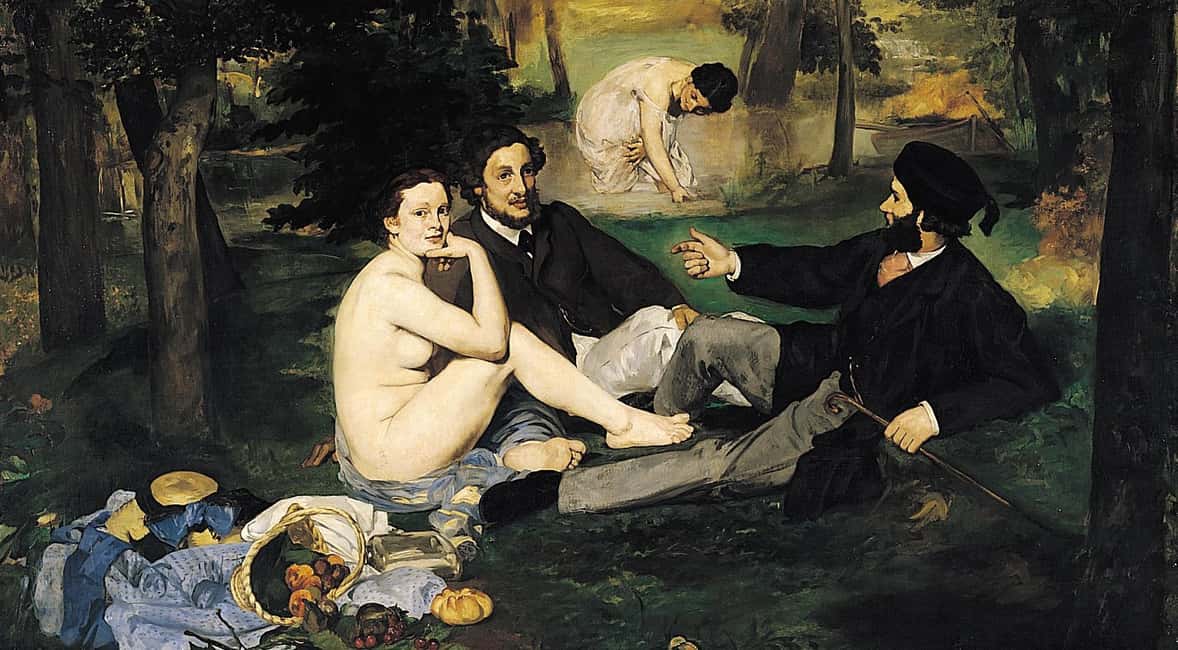
After the Salons, your route turns toward specific artists known for breaking with expectation. Courbet, Manet, Monet, and Cézanne are explicitly part of the plan, so you’ll spend time with works tied to that rebellious reputation.
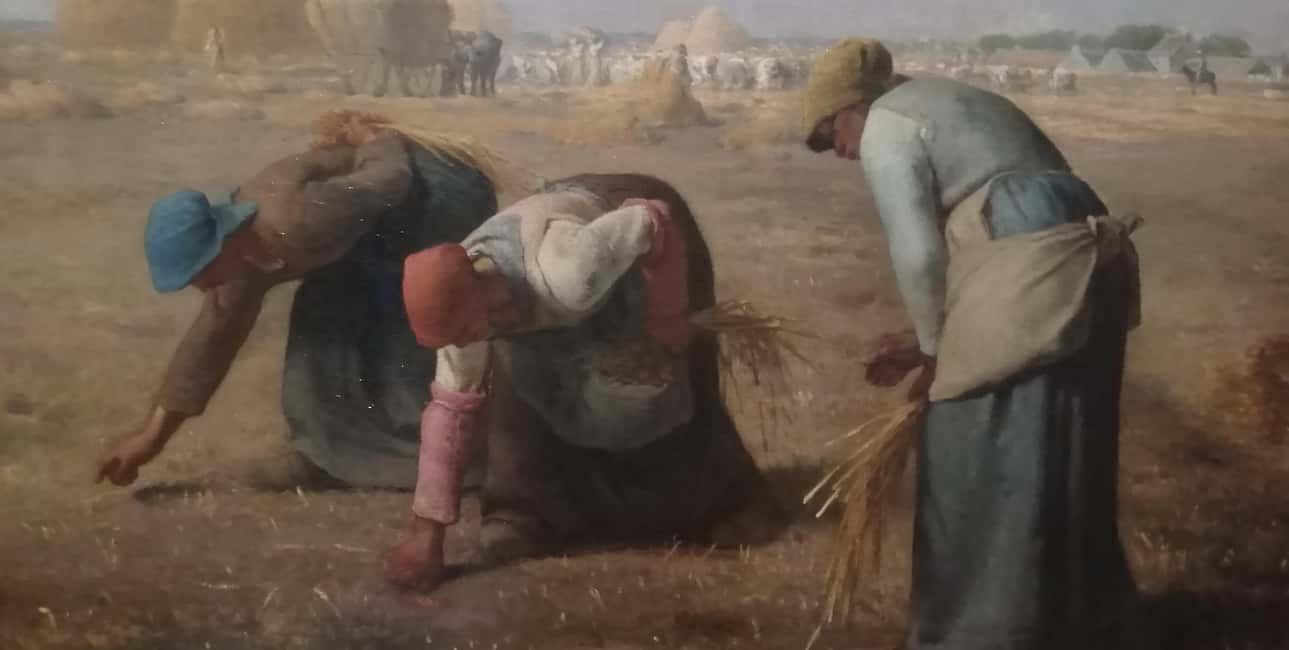
Courbet is often linked with realism and a refusal to polish things into acceptability. Manet is tied to a different kind of disruption—compositions and subject choices that didn’t play by the same rules as what audiences had been trained to expect. The tour uses these names not just as labels, but as steps in an argument about what counts as serious art.
Why this matters for you: when you see these artists later, you’ll have a question ready. Instead of only asking what you’re looking at, you’ll ask what rule they might be challenging—about subject, color, finish, perspective, or social respectability. That question makes looking feel active, not passive.
Monet and Cézanne: The Skill Behind the Revolution
Impressionism gets described a lot. But your tour framing is more useful than a generic history lesson. It focuses on what made the Impressionist revolution significant for art at the time—and why it was first rejected by the French public before being admired worldwide later.
That rejection part is key. It helps you understand that change is rarely smooth. Audiences can resist new ways of seeing because the new art asks them to update their habits: where they look, what they accept as finished, and how they interpret paint as meaning.
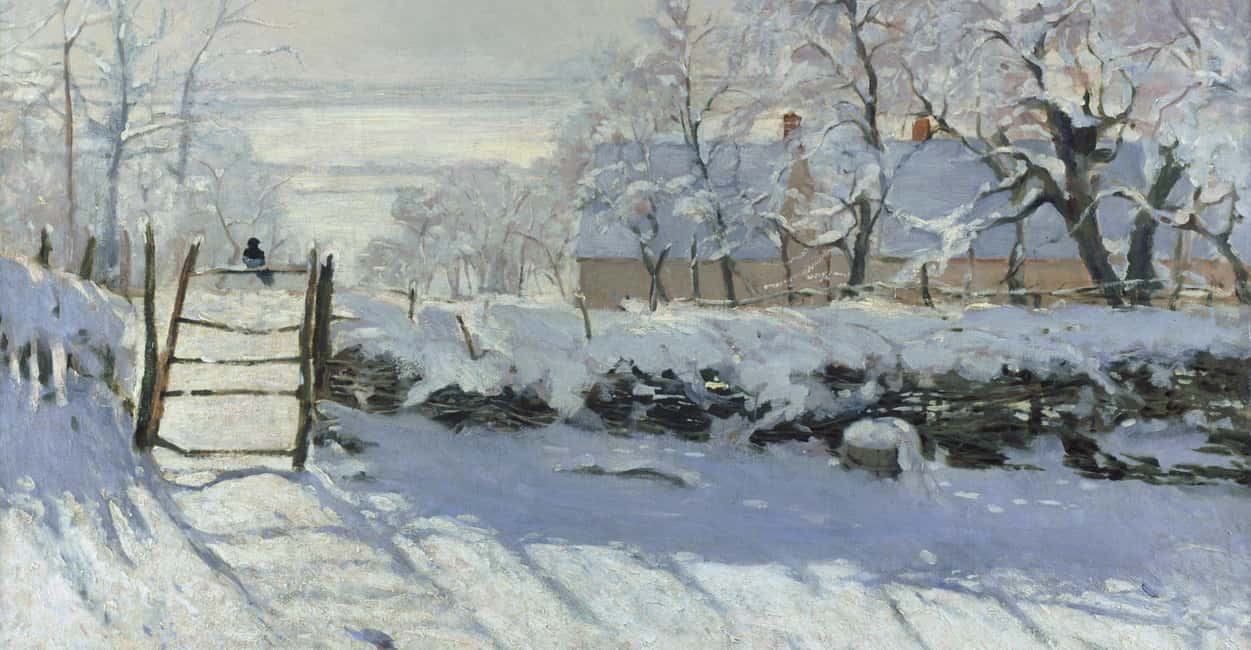
Monet and Cézanne fit into this story in different ways. Monet’s work is associated with seeing—capturing the shifting nature of light and atmosphere. Cézanne is often associated with structure and building images differently. On a tour like this, you’re not just collecting famous names; you’re learning what each artist adds to the chain of change.




The Impressionist Revolution: Why Rejection Happened
One of the core promises of the tour is that you’ll learn about the significance of the Impressionist revolution and why it was rejected. That’s the heart of the “rebel” concept.
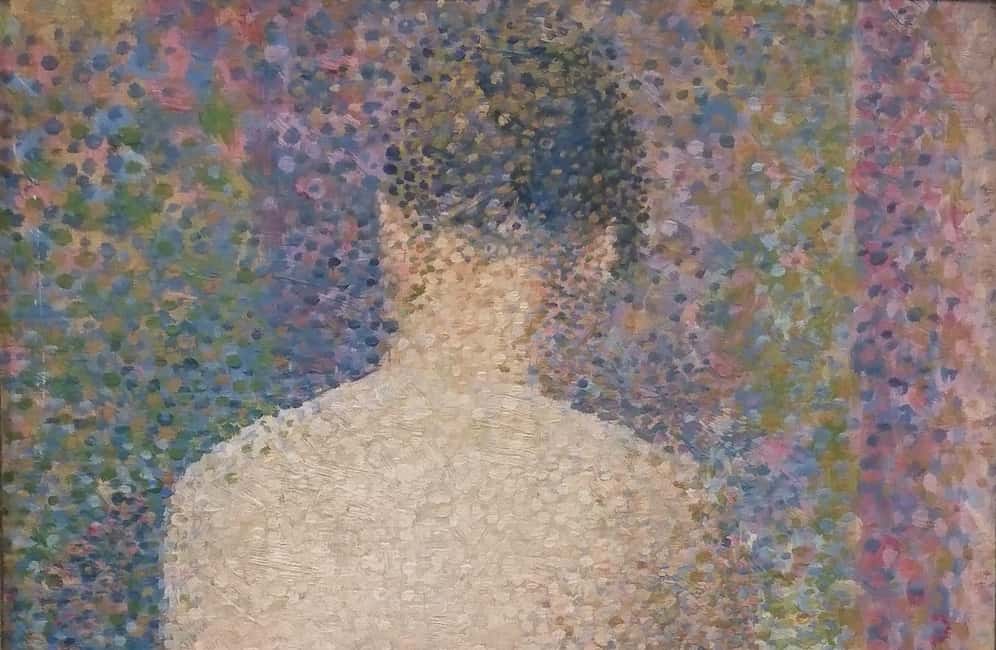
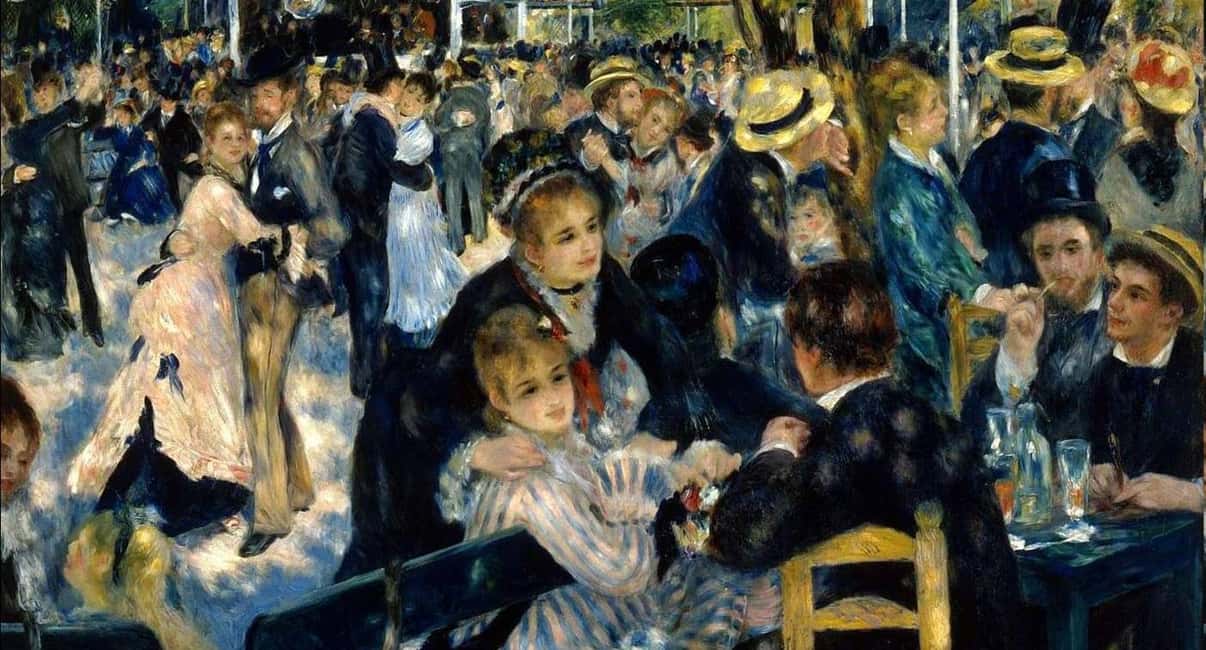
Here’s how to use this part of the tour for maximum payoff: pay attention to what feels slightly unconventional. The brushwork, the color juxtapositions, the way a scene is cropped or framed—those choices often look casual until you realize they’re carefully planned. The guide’s job is to connect those visual decisions to the cultural shock they caused.
You’ll walk away understanding that the first wave of Impressionism wasn’t only about style. It was about a new attitude toward perception and a new agreement between artist and viewer. Once you get that, the paintings stop feeling like they’re ignoring rules and start feeling like they’re proposing new ones.
A Direct Artist-Guided Way of Seeing
This isn’t a generic museum script. The guide is described as an Irish artist and a specialist decorator, and they’ve also worked as a Paris Museum Guide for around 10 years. That combination matters because it points to a practical way of reading art: how objects are built, how surfaces behave, and how artists use visual design to control your attention.
You’ll also have direct contact with your guide on WhatsApp or text. That’s handy if you need clarification before you start. It also signals a tour that expects you to communicate like a real person, not just follow a rigid group plan.
In plain terms: if Orsay has overwhelmed you before, this kind of artist-led explanation can help you reset your expectations quickly and start noticing what you missed.
Finishing With Van Gogh and Gauguin: Individuality Takes the Stage
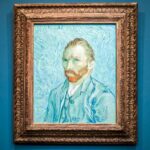
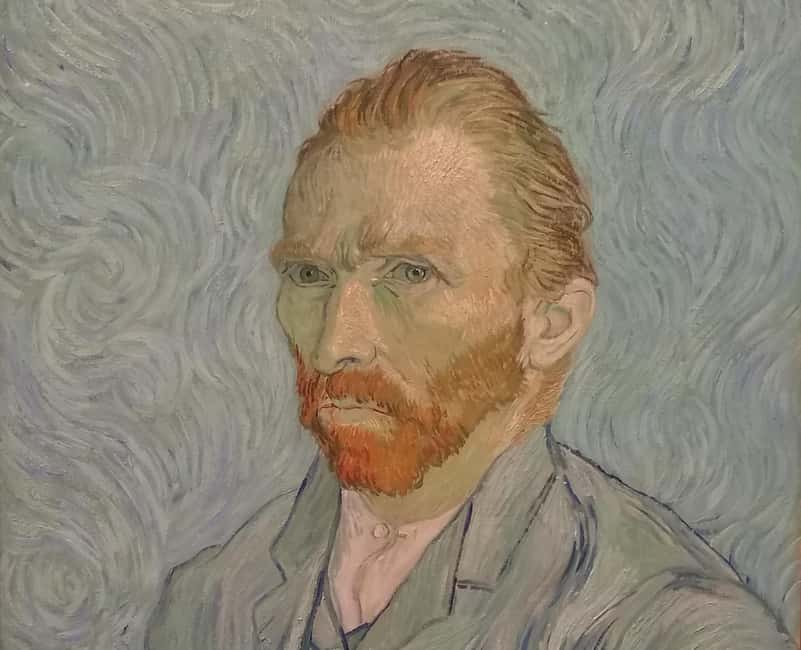
The tour ends by moving to the individuality of Van Gogh and Gauguin. Even if you don’t yet know their work well, this ending point gives your earlier “rebellion” story a longer tail.
Why it works: once you’ve learned how the 1840s Salons created pressure and how later artists pushed against it, you can see how individuality becomes the next step. Instead of rebellion being only a reaction, it becomes a personal language—something artists use to express themselves rather than just challenge the establishment.
This ending also makes the 19th-century sweep feel complete. You’re not trapped in one era. You’re watching the idea of rule-breaking evolve.
Headphones and Audio Receivers: Small Tech, Big Comfort
The tour includes headphones and audio receivers. That’s not just a convenience; it changes how you experience the galleries. Without audio, you often end up doing this constant dance: step forward to hear, then step back to see, then turn again because you can’t hear.
With the audio system, you can keep your eyes on the painting and still follow the explanation. One review specifically praised the audio as perfect and easy to hear, even in the presence of other people. You’ll feel that benefit most in crowded rooms, where the usual museum chaos can derail your focus.
What You Should Know Before You Go (So You Don’t Waste Time)
A few practical notes will help your tour run smoothly:
- Tickets are not included. Buy them at orsay.fr (the tour information lists 16€).
- Meeting point is outside by the Rhino sculpture.
- The tour starts with entry once you meet your guide; this keeps your time focused on the museum, not on logistics.
- Selfie sticks are not allowed.
- Flash photography is not allowed.
What to bring:
- Comfortable shoes. Orsay involves walking and looking for a couple of hours.
- If you’re traveling with children, bring passport or ID for anyone under 18, since the tour information says children under 18 get in free with ID.
- If you’re eligible as a EU student under 25, the tour information says EU students get in for free.
Value for Money: Why $141 Can Make Sense Here
At $141 per person for a 2-hour private tour, the price can look steep if you’re comparing it to a group ticket plus a self-guided plan. But you’re not buying just access to the museum. You’re buying:
- A private, small-group experience (up to 6)
- An artist-led explanation, designed to connect movements and motives
- Headphones and audio receivers
- A guided pathway through the museum that matches a specific theme: rebels and revolution
If you’re the type of traveler who likes to understand what you’re seeing—or if you’ve walked through Orsay alone and felt overwhelmed—you’ll probably get your money’s worth quickly. Even one “aha” moment can justify the cost when it changes how you see everything for the rest of your visit.
If you prefer to wander with no structure and don’t want interpretation, a guided tour may feel unnecessary. In that case, you might get better value by doing Orsay on your own and spending your guide budget on something else.
Who This Tour Suits Best
This private tour fits especially well if you:
- Want a themed explanation of 19th-century French art, not a general recap
- Prefer a focused time window (2 hours) over spending the whole day guessing
- Like hearing about artistic choices and cultural conflicts, not only dates
- Enjoy Impressionism but want deeper context about why it was rejected first
- Benefit from clear audio and a small group setting
It’s also a good pick if you’re returning to Orsay and want a new lens. The story structure helps you notice different things the second time.
Should You Book This Musée d’Orsay Private Tour?
I’d book it if you want Orsay to feel readable. The rebel-and-revolution framing gives you a set of questions that make the galleries click. Add an artist guide, easy-to-hear audio, and a small private group, and you’ve got a tour that’s built for understanding rather than simply checking boxes.
I’d think twice if you’re on a tight budget or you’re comfortable tackling Orsay solo without guided interpretation. In that case, you might find more value in self-guided exploration.
If your goal is to leave with a clear sense of why these artists changed art—and why people resisted it—this is a strong match.
FAQ
Is the Musée d’Orsay private tour limited to a small group?
Yes. The tour is a private group limited to 6 people.
How long is the tour?
The tour lasts 2 hours.
Is the museum ticket included in the price?
No. Museum tickets are not included. You can obtain them at orsay.fr (16€ is listed).
Where do we meet the guide?
You meet outside by the Rhino sculpture at the museum. The guide has a guide badge.
Does the tour include audio equipment?
Yes. Headphones and audio receivers are supplied during the tour.
What should I bring?
Wear comfortable shoes. If you’re traveling with children, bring passport or ID card for children.
Are there any restrictions inside the museum?
Selfie sticks are not allowed, and flash photography is not allowed.