REVIEW · SAINT LAURENT SUR MER
From Paris: Normandy D-Day Beaches Day Trip
Book on GetYourGuide →Operated by ParisCityVision · Bookable on GetYourGuide
Normandy hits hard, even on a coach day. This 14-hour day trip from Paris strings together the places that shaped June 6, 1944, with a live English guide who turns big events into clear scenes. I like how the tour starts at Pointe du Hoc and then puts you at the American Cemetery at Colleville-sur-Mer, with time that’s meant for reading and absorbing. One catch: it’s a long day with several stops, so your time at each beach is limited if you want a slow, linger-and-think pace.
Expect an air-conditioned coach ride out of the city and multiple breaks along the way. The guides with the best feedback, like Zoltan and Camille, are praised for mixing strong command of the facts with real human tone, even when the subject is heavy. Traffic and site scheduling can shift timings, so build your day around the idea that it’s a set program, not a free-roam road trip.
In This Review
- Key points I’d mark on your map
- The core idea: one long day, the right stops
- Pointe du Hoc: the cliff assault you can actually picture
- Omaha Beach: photo-stop reality vs. your emotional expectations
- Colleville-sur-Mer American Cemetery: where the names do the talking
- Longues-sur-Mer: the Atlantic Wall battery adds the other side
- Arromanches-les-Bains: lunch, sea views, and the Mulberry harbor story
- Optional Juno Beach stop and the occupation-era museum add-on
- How the day actually feels: timing, comfort, and rest stops
- Price and value: is $199 fair for what you get?
- Who should book this D-Day Beaches day trip
- Small but smart tips before you go
- Should you book this Normandy D-Day day trip?
- FAQ
- How long is the Paris to Normandy D-Day Beaches day trip?
- What are the main sites included on the route?
- Is lunch included?
- What language is the guide?
- How do I get from the coach to the sites—do I need to walk a lot?
- Is this tour suitable for people with mobility impairments?
- What should I bring (and what should I avoid)?
Key points I’d mark on your map
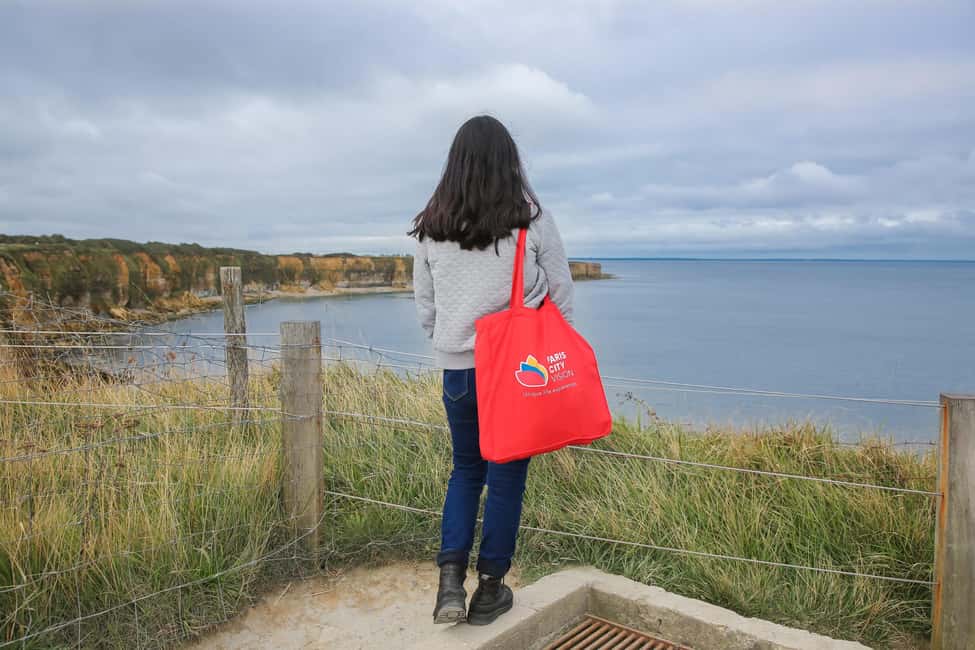
- Pointe du Hoc first: dramatic cliff views make it easier to understand why Rangers went in.
- American Cemetery time to read: 170 acres and thousands of names mean you’ll need breathing room.
- Omaha Beach is short but real: you get a viewing/photo moment that helps you connect history to the shoreline.
- Longues-sur-Mer’s German battery: the preserved Atlantic Wall defenses add the other side of the story.
- Arromanches and the Mulberry harbor remains: you’ll see why logistics mattered as much as heroism.
- Juno Beach and a small museum are sometimes added: your day may include a Canadian landing stop and a short occupation-focused visit.
The core idea: one long day, the right stops
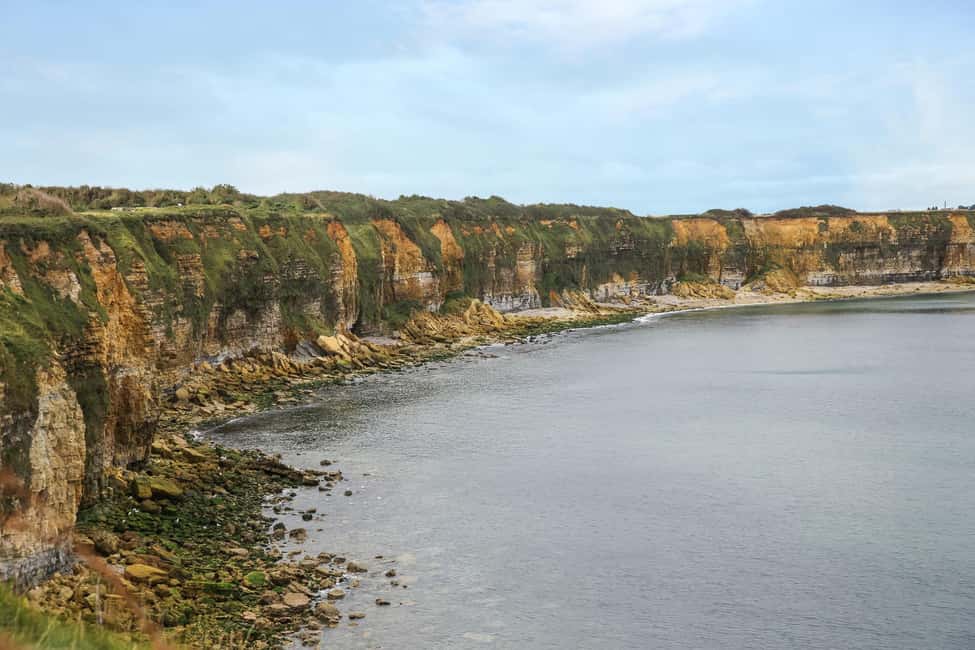
This is a classic format for first-time Normandy visitors: transportation from Paris, one expert guide, and a tight route that hits the sites most people came to see. If you only have a day, this is a way to cover the big emotional anchors without spending your whole trip figuring out buses and parking.
The guide role matters here. When the information is well paced, you walk away understanding why each place fits into the wider plan—cliffs, landing zones, cemeteries, fortifications, and the ports that helped supply the invasion.
The schedule is packed, and that’s the tradeoff. You’ll get real access to key points, but you won’t have hours to wander each location like you would if you stayed overnight.
Pointe du Hoc: the cliff assault you can actually picture
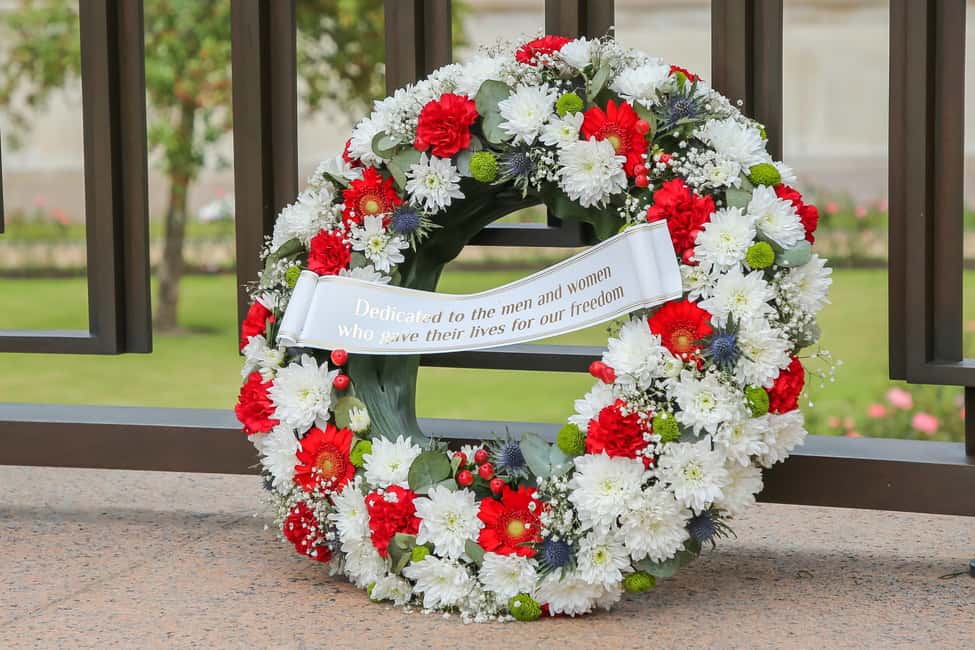
You start with Pointe du Hoc, and that’s smart. Standing up on the headlands is the fastest way to grasp what “daring” meant in practice: steep ground, exposed approach routes, and nowhere to hide.
The time block is about an hour for the visit, so you’re not meant to treat this like a long museum. You’ll likely get a guided explanation of what American Rangers attempted there, plus the reasons this site became so symbolic in D-Day stories.
Practical tip: wear comfortable shoes and expect uneven ground. Even if you only do a short walk for viewpoint angles, you’ll feel it after several hours on the go.
Omaha Beach: photo-stop reality vs. your emotional expectations
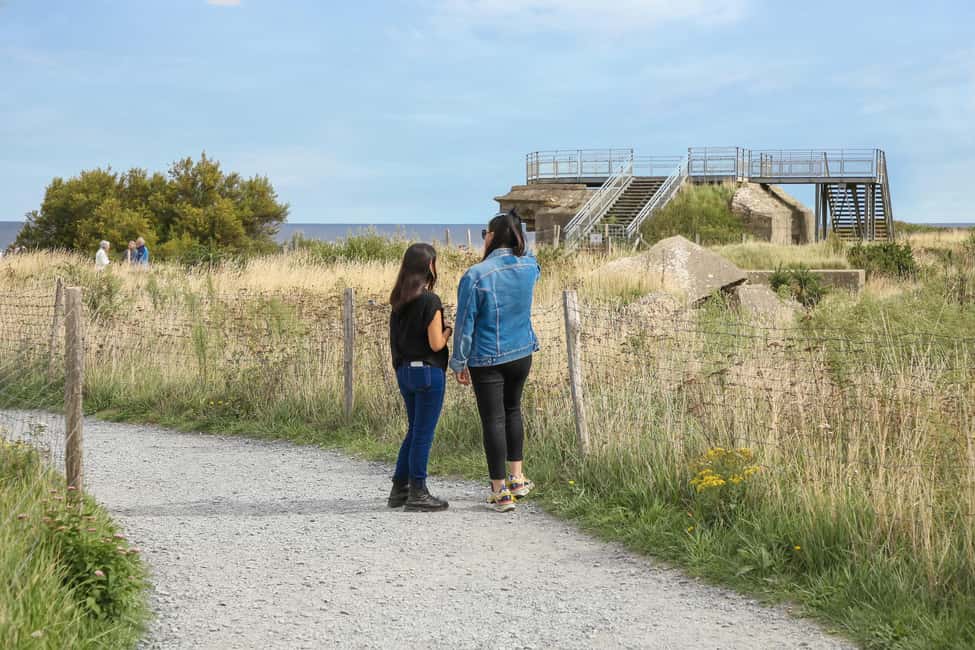
After Pointe du Hoc, the tour moves to Omaha Beach. You get a photo stop, plus time connected to a path down toward the shoreline, which helps turn the beach from a concept into a physical place.
Here’s the honest consideration: the time at Omaha is limited. Some people love it anyway because the context from the guide makes every visible detail matter. Others wish they had a bit more time right at the waterline to read inscriptions or just stand there quietly.
If Omaha is your top priority, I’d mentally plan for a “sight-and-understand” visit, not a long reflective walk. You can still take photos, but your deeper work is watching how the guide connects what you’re seeing to what happened.
Colleville-sur-Mer American Cemetery: where the names do the talking
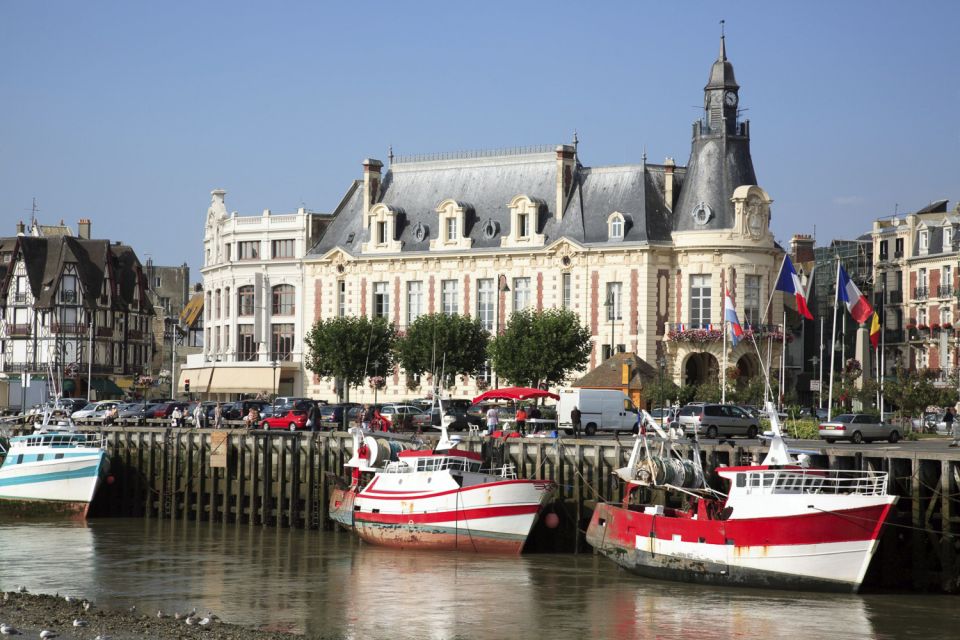
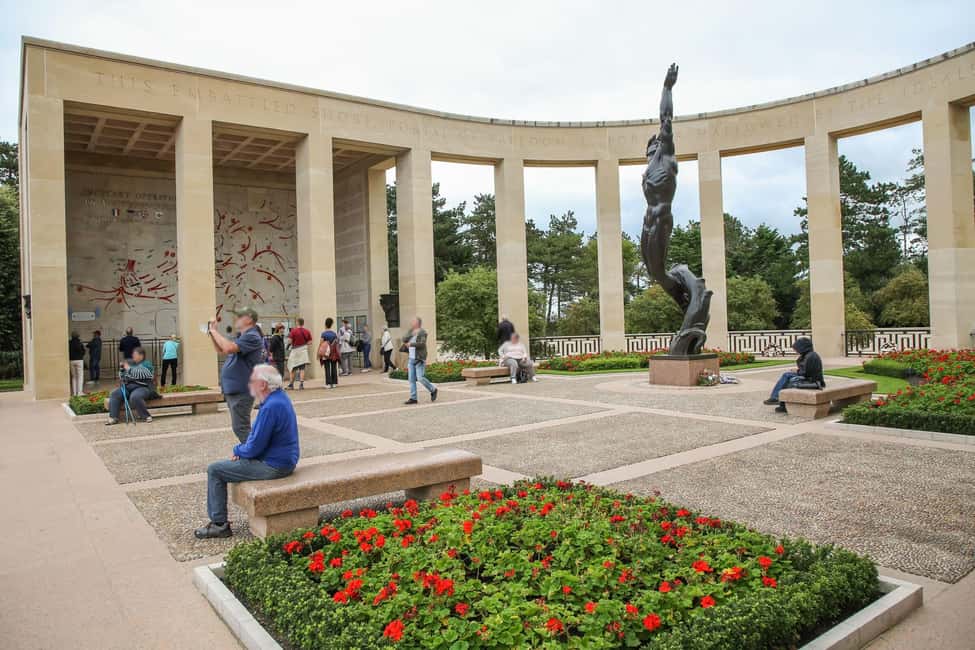
Then comes one of the most powerful stops in France: the Normandy American Cemetery at Colleville-sur-Mer. You’ll tour the grounds of 170 acres, with 9,387 white marble headstones, a memorial, a chapel, and the Garden of the Missing overlooking Omaha Beach.
The reason this stop works on a day trip is the structure of the place. Even if your time on foot is around an hour, the cemetery is laid out so you can follow a route, stop where you feel you need to, and take in the overall view back toward the landing area.
I like that the tour doesn’t rush this portion the way it can rush beach stops. Many guides also give you context before you arrive, so you don’t just look at stones—you understand why families ended up here and what the landscape symbolizes.
Practical tip: bring a water bottle if you can, and slow your pace for the cemetery. Your brain wants to read. Let it.
Longues-sur-Mer: the Atlantic Wall battery adds the other side
To avoid a one-note story, the tour includes a stop at Longues-sur-Mer. You’ll see the remarkably well-preserved German coastal battery, which offers a strong sense of how the Atlantic Wall was built to resist a landing.
This matters because D-Day wasn’t one action—it was a clash of plans. By seeing the defense system in place, you can better understand why the assault was so costly and why the map on paper became a fight for survival.
The time here is limited, so focus on getting a sense of the layout: vantage points, fortification logic, and the scale of the equipment. You don’t need hours; you need a framework that makes the visible pieces make sense.
Arromanches-les-Bains: lunch, sea views, and the Mulberry harbor story
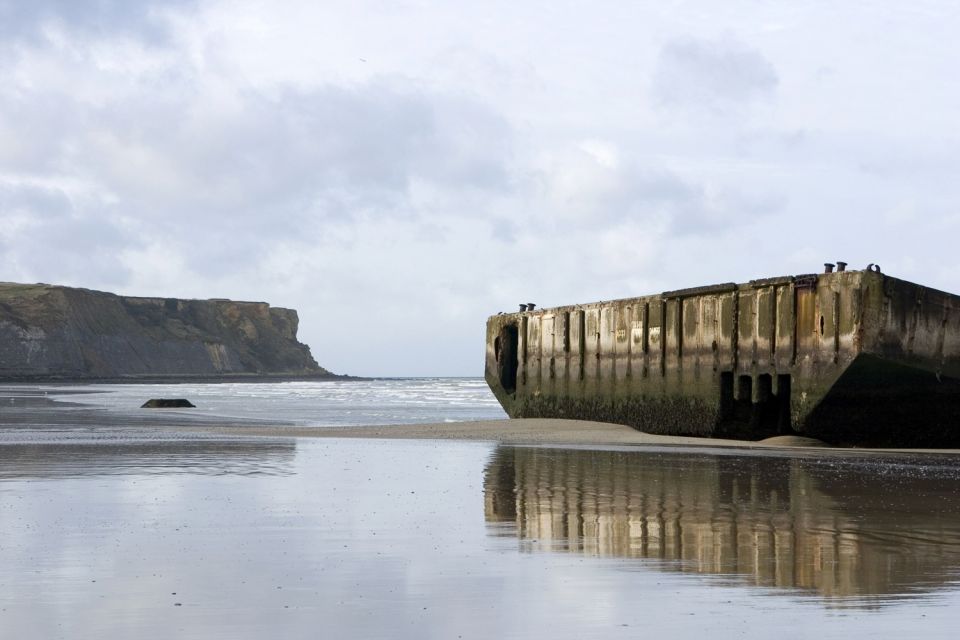
Arromanches-les-Bains is where the tour shifts from battles to aftermath and logistics. This historic seaside town is known for the remains of the Mulberry artificial harbor used to support the Normandy landings.
Depending on the option you pick, lunch happens during the Arromanches stop, with the chance to try local items like crêpes and cider. Even if you choose your own meal, you’ll still get a chunk of free time to walk around and reset after the heavier sites.
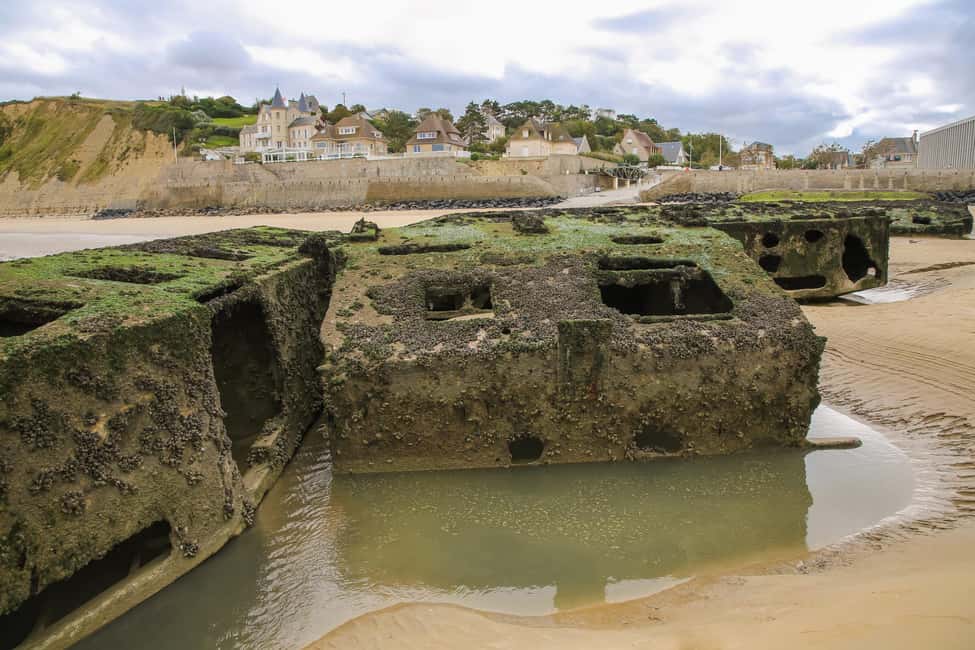
One of the coolest details is that you may see parts of the reinforced concrete Phoenix caissons in the water. It’s a reminder that the invasion needed more than beachhead courage. It required engineering that could keep supplies moving once the fighting stopped being theoretical.
If you want a calmer moment, Arromanches is that moment. The sea air helps, and the town gives you a place to process what you’ve just learned.
Optional Juno Beach stop and the occupation-era museum add-on
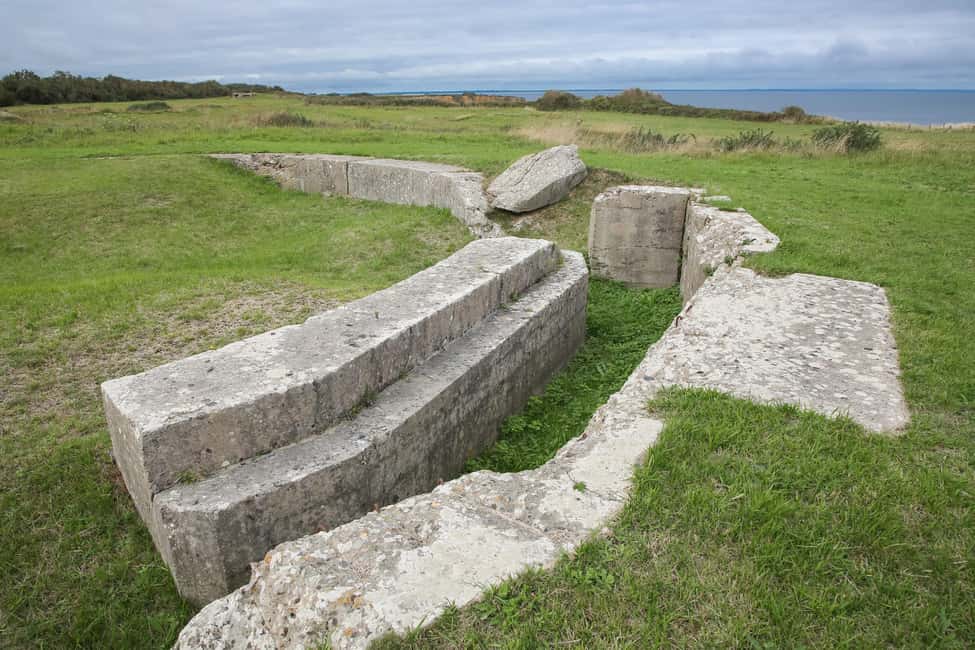
Your day may include a short stop near Juno Beach and its cemetery, one of the key landing sites for Canadian troops on June 6, 1944. Not every schedule includes it, but if yours does, it broadens the story beyond the American focus.
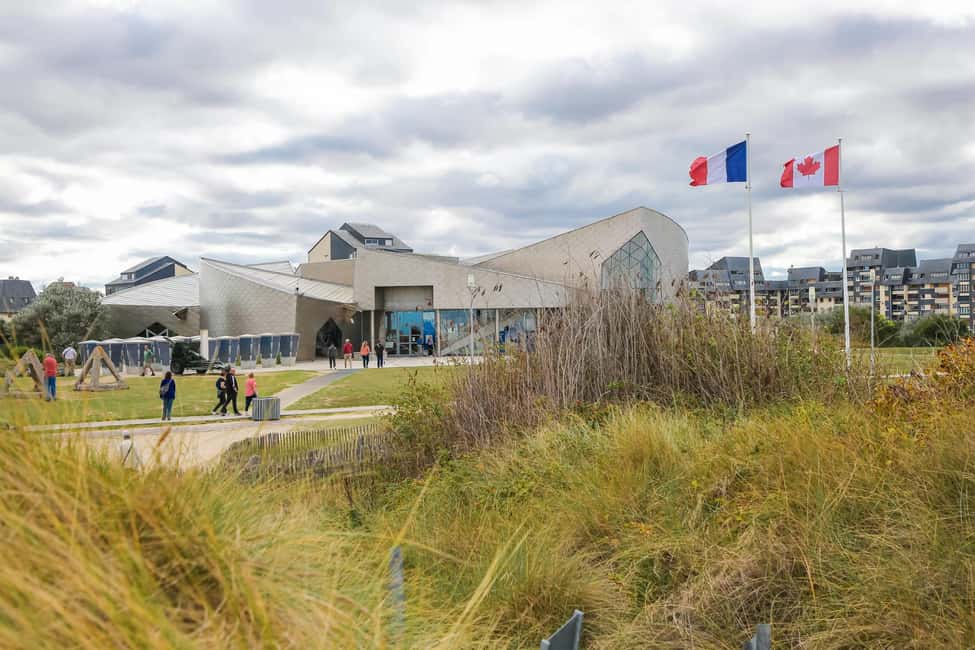
You also might have the opportunity to visit a museum stop. The tour describes it as including everyday objects from life under occupation, along with military maps and vehicle models, plus film screenings. That combination is useful because it shifts your attention from the landing itself to what followed in civilians’ lives.
I like adding Juno and an occupation-focused museum because it balances the day. You leave knowing the invasion, but you also understand that D-Day didn’t end when the first troops landed.
How the day actually feels: timing, comfort, and rest stops
This is a 14-hour day on a coach. That’s not short, and it’s not a casual sightseeing stroll. But the payoff is that you don’t have to organize anything once you meet the group.
You board an air-conditioned coach in central Paris, with two starting point options: Frame Brasserie at Hotel Pullman near the Eiffel Tower area, or the Pullman Paris Tour Eiffel meeting spot. The morning drive to Normandy is around three hours, so you’ll want to plan for time to sit.
You should also expect breaks on the way out and back. Some feedback notes that the bus may have a bathroom but it’s not always the main plan, with rest areas used instead. Either way, build in patience: this is road-travel Europe, and the schedule bends with traffic.
Bring comfortable shoes, and keep your bag light. Larger luggage isn’t allowed, and pets aren’t allowed either. If you’re tempted to bring everything you own, don’t—this is a straightforward day trip, not a luggage-heavy vacation.
Price and value: is $199 fair for what you get?
At $199 per person, you’re paying for a lot more than entry tickets. You’re buying round-trip transportation by air-conditioned bus, a live English guide, and guided visits at major sites like Pointe du Hoc and the American Cemetery.
Lunch isn’t included, and that’s the main place where value can vary by your choices. If you take the included lunch option at Arromanches, you’ll get a planned meal and less decision fatigue. If you skip it, you’ll likely spend less, but you’ll need to navigate on your own during the free time.
Is it worth it? For most first-time visitors who only have one day from Paris, yes. You’re compressing what could be a multi-day logistics puzzle into a single day with expert interpretation. If you already know Normandy deeply or want lots of unstructured time, you might prefer staying overnight instead.
Who should book this D-Day Beaches day trip
This tour fits you best if:
- You want a one-day overview of the D-Day story from the beaches through the cemeteries.
- You like guided explanations tied to what you can see, not just reading alone.
- You’re okay with a packed schedule and want someone else to handle the route.
It may not fit you if:
- You need long, slow visits at each site. Some stops are meant for an hour, not half a day.
- You have mobility limitations, because the tour is noted as not suitable for people with mobility impairments.
If you’re traveling with kids or teens, it can work well too, especially with guides who keep the tone engaging. Several comments single out how family members responded to clear storytelling and the chance to connect movies and documentaries to actual terrain.
Small but smart tips before you go
A few habits make the day smoother:
- Keep your expectations tied to time limits. You’re here for key points, not endless walking.
- Wear shoes you trust. Stairs and uneven ground can add up across multiple sites.
- If lunch is important, decide ahead of time whether you want the planned option at Arromanches.
- Bring something small you can snack on during coach time, especially if your schedule runs tight.
And one more: the cemetery and memorial moments are emotionally sharp. Give yourself a slower pace there and don’t plan to rush your photos.
Should you book this Normandy D-Day day trip?
If you’re in Paris with limited time and you want the most important D-Day locations handled in one go, I’d book this. The strength is the combination of transport + live guide + multiple heavyweight sites—especially Pointe du Hoc and the American Cemetery at Colleville-sur-Mer—without you doing the hard work of planning logistics.
But if your dream is a relaxed, wandering Normandy experience, you might feel the pressure of a full coach day. In that case, consider a multi-day stay closer to the beaches so you can spend more time at Omaha, Juno, and the surrounding memorials without the clock running.
FAQ
How long is the Paris to Normandy D-Day Beaches day trip?
The tour runs for 14 hours.
What are the main sites included on the route?
The included visits focus on Pointe du Hoc, the American Cemetery at Colleville-sur-Mer, and a stop at Arromanches, plus a photo stop at Omaha Beach. The route also includes visiting the German coastal battery at Longues sur Mer.
Is lunch included?
Lunch is not included. Depending on the option selected, you may enjoy lunch in Arromanches, featuring local Normandy specialties.
What language is the guide?
The tour offers a live English-speaking guide.
How do I get from the coach to the sites—do I need to walk a lot?
You’ll do walking at each stop, including time inside the American Cemetery and a viewing/photo stop connected to Omaha Beach. Comfortable shoes are recommended.
Is this tour suitable for people with mobility impairments?
No. The tour is listed as not suitable for people with mobility impairments.
What should I bring (and what should I avoid)?
Bring comfortable shoes. Pets are not allowed, smoking isn’t allowed, and luggage or large bags aren’t allowed.