REVIEW · PARIS
Paris: Paradox Museum Entrance Tickets
Book on GetYourGuide →Operated by Paradox Museum Paris · Bookable on GetYourGuide
Reality bends fast in Paris. This is a ticketed stop built around paradoxes and eye-trick exhibits, with 90 optical illusions you move through like a game.
I love that the museum turns “wait, what?” moments into a guided, photo-friendly walk. You follow a one-way flow, hit the marked spots, and end up with pictures that actually look like they should.
One thing to keep in mind: if it’s busy, photo time can get slow, and staff are supportive but not positioned at every exhibit for one-on-one picture help.
In This Review
- Key things to know before you go
- Paris Paradox Museum ticket: price and timing in plain terms
- Walking in: check-in, the one-way maze, and how the exhibits work
- The main event: 90 optical illusions and the photo-moment rhythm
- Getting the best photos: staff help, QR codes, and how to avoid photo frustration
- Learning the paradox science: what the labels and explanations actually do
- The end of the maze: Paradox Boutique and the café
- Who should book the Paradox Museum, and who might want to rethink
- Should you book this Paris Paradox Museum ticket?
- FAQ
- How long does the Paradox Museum Paris visit take?
- How many optical illusions are inside?
- Is it a guided tour or self-paced?
- What languages are available?
- Is the museum wheelchair accessible?
- Is it safe for people with epilepsy?
- What’s the latest time you can enter?
Key things to know before you go
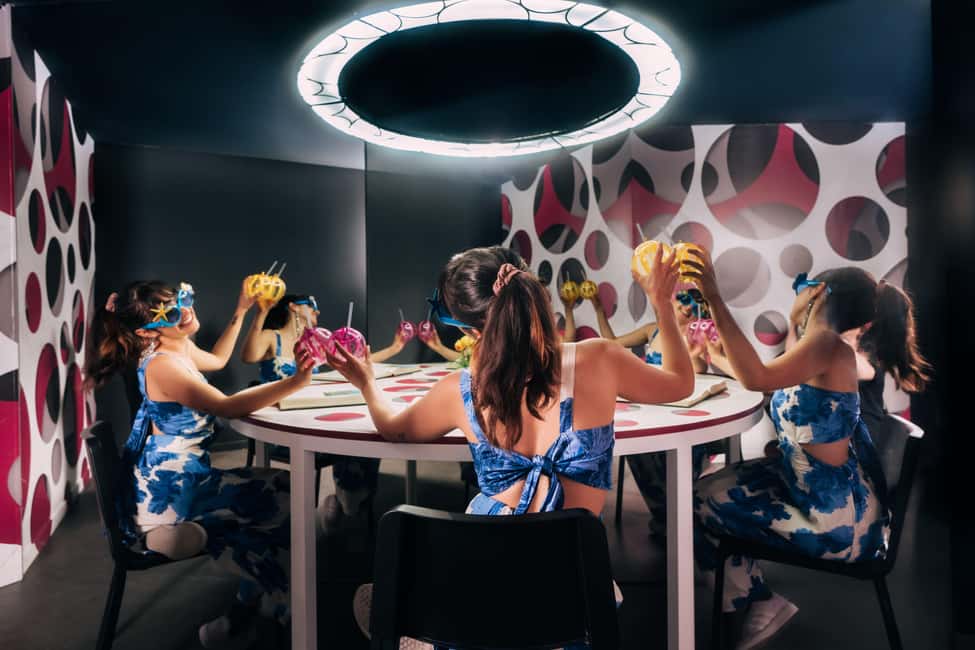
- 90 optical illusions arranged to be experienced in a one-way path
- Marked photo points designed for the right angle every time
- One-way maze layout with clear exhibit signage and a smooth flow
- Learn the science behind paradoxes with on-site instructions and explanations
- QR codes to add extra info as you go
- Paradox Boutique for puzzles, gifts, and paradox-themed souvenirs afterward
Paris Paradox Museum ticket: price and timing in plain terms

For about $33 per person, you get entry to the museum exhibits plus access to the store and café. At this price, the value depends on how much you enjoy interactive spaces where you stop, test your eyes, and repeat until it makes sense (or doesn’t).
Plan around 84 minutes on average. That’s a sweet spot for a focused visit: long enough to work through all the illusions, but not so long that you’ll feel trapped. Starting times vary, so check availability and pick a slot that doesn’t force you to rush.
Do not roll the dice on timing. Last entry is at 6 p.m., which is two hours before closing, so you want a cushion if you’re also doing other Paris plans nearby. If you’re the kind of person who takes a lot of photos and reads labels, you’ll be happier choosing an earlier entry.
Also note the group size: it’s a small group (up to 10). That matters because the experience is self-directed in the exhibit maze, not a long lecture with a huge crowd sitting together.
You can also read our reviews of more tours and experiences in Paris


Walking in: check-in, the one-way maze, and how the exhibits work
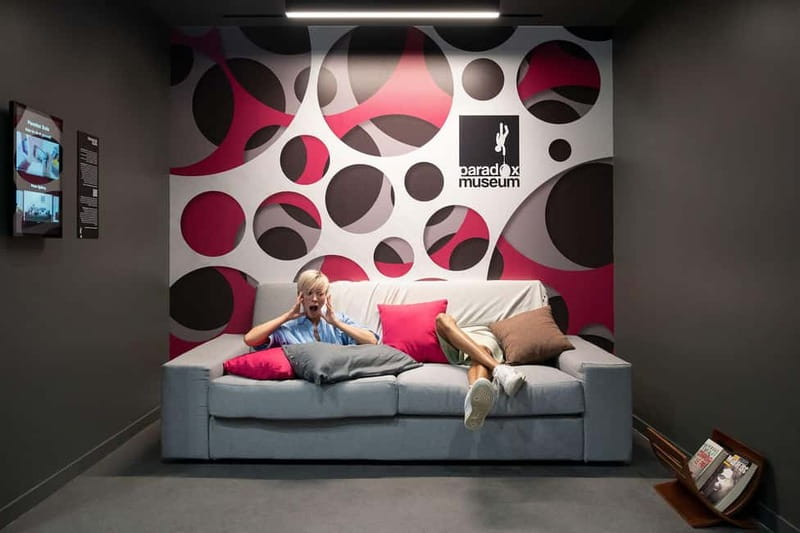
When you arrive, you’ll check in at the museum and follow the signs into the exhibit area. The layout is a maze designed for a one-way flow system, so you won’t be wandering in circles trying to guess what comes next.
This “you move forward” design is more important than it sounds. Paradox and illusion exhibits often work best when you’re standing where the exhibit expects you to stand. A one-way flow helps you reach those spots without detours, and it keeps the whole route feeling like a single experience instead of a bunch of separate rooms.
At each stop, you’ll see what to do and what’s going on. The exhibits are set up so you’re not just staring at a static display. You’re encouraged to interact, then check the explanation right there on site.
If you’re visiting with kids, this structure tends to help. One-way flow gives them momentum, and you’re not stuck trying to keep them on task while you hunt for the next illusion.
The main event: 90 optical illusions and the photo-moment rhythm
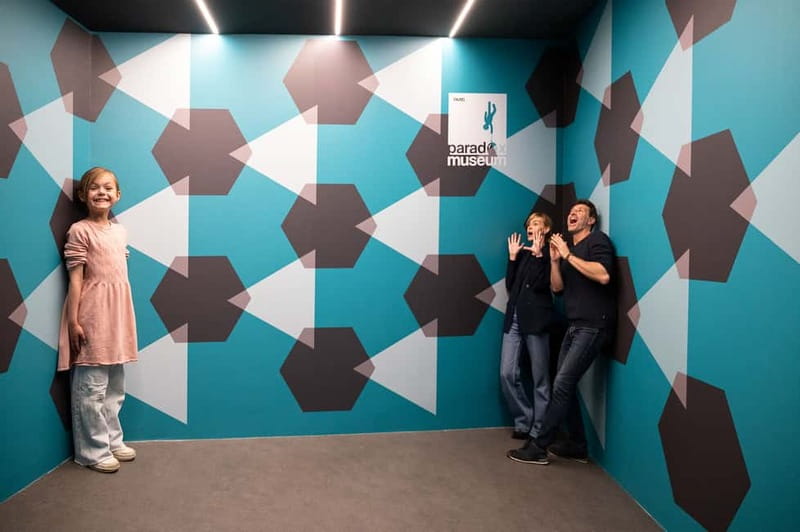
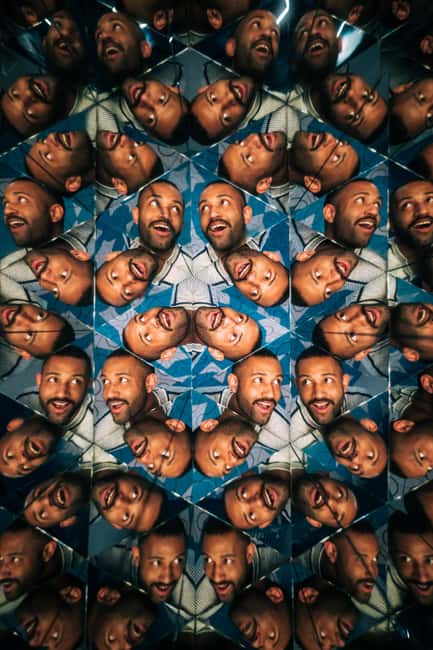
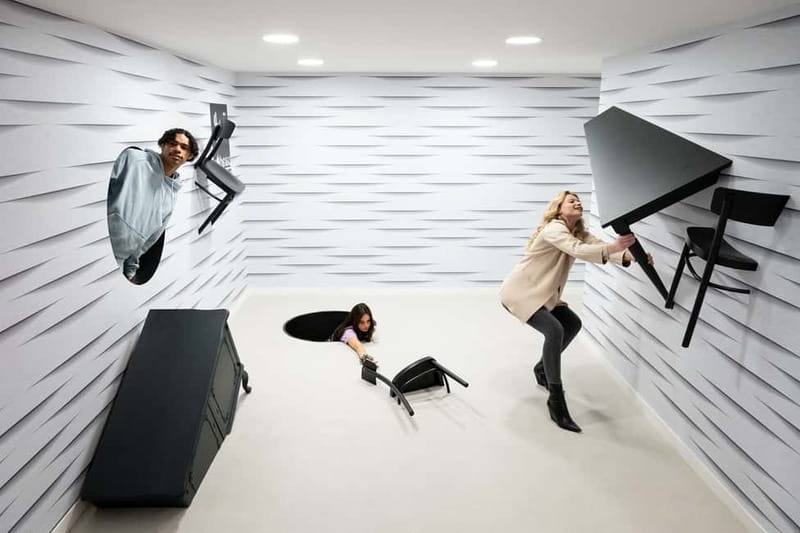
This is the core of the visit: 90 different optical illusions built around paradoxes and weird perception tricks. Expect a steady rhythm of walking, stopping, positioning yourself, and then taking a photo at the correct moment.
The museum is designed so you can build a shot with minimal guesswork. There are marked photo points that help you find the right angle. That’s a huge deal for two reasons:
- It saves time. You spend less effort figuring out where to stand and more time getting the shot.
- It makes the illusion work. Many optical illusions depend on perspective, so the museum is basically giving you the cheat code.
You’ll also see exhibit descriptions that explain how to interact and why the effect happens. The tone is educational without being dry, and the format is meant for short attention spans as well as slow readers.
The one-way maze also means the surprise factor stays high. You don’t revisit the same ideas immediately, so each new setup feels like it has its own rules. If you love puzzles, it’s genuinely satisfying.
One practical note from real-world rhythm: the experience is interactive, so you’ll sometimes wait your turn for a photo setup if another group is in the exact spot needed. That’s most likely to be noticeable at popular times, like a Sunday afternoon.
Getting the best photos: staff help, QR codes, and how to avoid photo frustration
Your camera will probably get a workout here, but you’ll have an easier time if you use the museum’s system instead of brute-force guessing.
Here’s how it plays out in the space:
- Photo points guide where to stand for the illusion effect.
- Each exhibit includes instructions and explanations so you can adjust your position and try again.
- You’ll find QR codes for extra info as you move through.
Staff are around and you can ask for help with questions or group photos. In practice, that means you can get assistance when you need it, but you should not expect staff to be hovering at every single exhibit spot to take pictures for you. If your plan is group shots at multiple illusions, build in a little patience and be ready to trade camera duties with your group.
Also, if you go without a partner who’s great at photo timing, you might feel a bit stuck at some stops. The museum helps, but the illusion games still depend on you being in the right place at the right moment.
For best results:
- Start early enough that you’re not rushed.
- Treat each exhibit like a mini photoshoot: set up, shoot, then move on.
- If you’re traveling as a family, agree on who takes the next turn so you don’t lose time at each stop.
If you enjoy snapping photos and playing along, this is the kind of place where your pictures feel like part of the experience, not just proof you were there.
Learning the paradox science: what the labels and explanations actually do
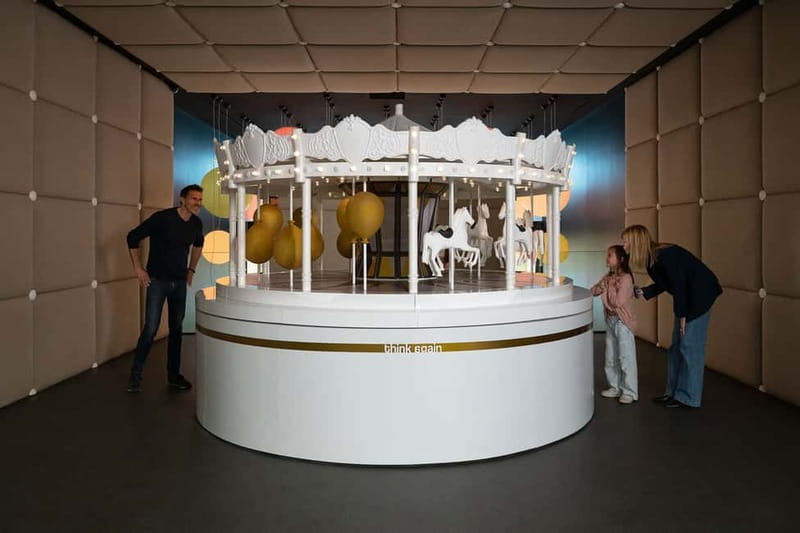
This isn’t just a photo parade. The museum also explains the science behind paradoxes through exhibit text—plus QR codes for extra layers. You’ll see descriptions that explain what to do and what’s happening as you try the illusion.
That “instructions + explanation” combo is what makes the time feel worthwhile rather than random. Optical illusions can be fun, but the best ones give you a moment of insight. Here, you get that in small doses at each exhibit, so you’re not stuck with a single big wall of information at the end.
Language options are English and French, so you can follow the guidance without switching mentally. The host or greeter is also in English and French, which is helpful if you have questions when you arrive.
One big caution: this museum is not suitable for people with epilepsy. If you or anyone in your group has photosensitive conditions, you’ll want to plan carefully and consider alternative activities.
Wheelchair access is available, which is a real plus in a place where you’re constantly repositioning for visual effects. The key is that the space is set up for visitors to move through the route smoothly.
You can also read our reviews of more museum experiences in Paris



The end of the maze: Paradox Boutique and the café
After you’ve gone through the exhibits, you’ll finish at the Paradox Boutique and you’ll also have access to the café. The store is worth a pause because it fits the theme: you’re already thinking about perception and puzzles, so browsing paradox-themed games and souvenirs feels natural instead of forced.
If you like souvenirs that aren’t just postcards, you’ll probably appreciate this stop. The boutique carries games, clothing items, and other paradox-themed accessories, so there’s a range of things you can pick up even if you’re not sure what you want yet.
A small advantage here is that you’re not scrambling to find gifts after the museum. The museum is giving you the full loop: experience first, then take something home that extends the idea.
Who should book the Paradox Museum, and who might want to rethink
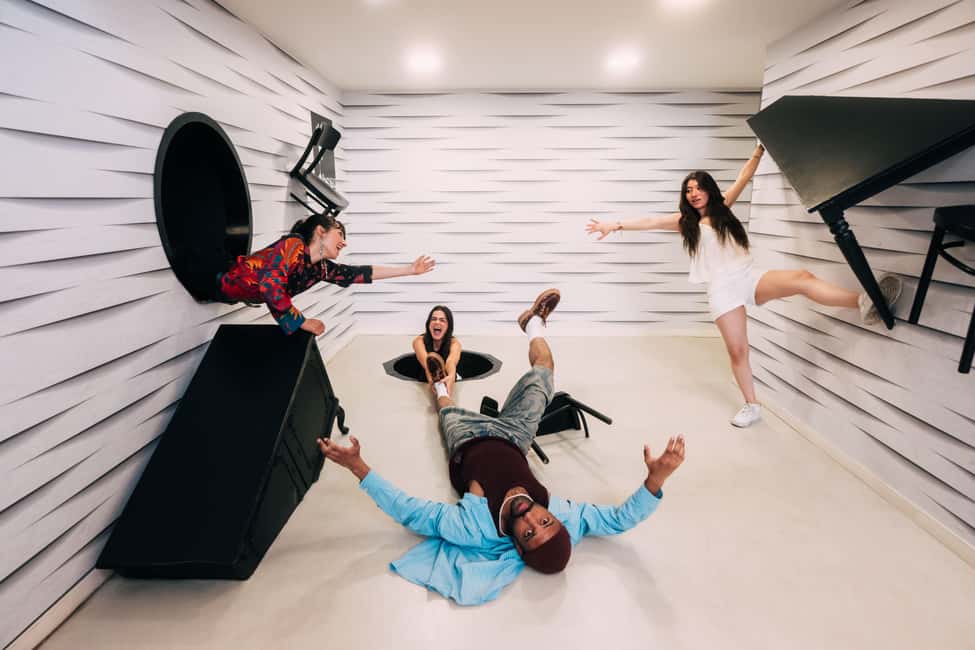
This is a good match if you want a creative, hands-on attraction where you can play and learn at the same time. It’s also a solid choice for families. A seven-year-old can love it for the same reason adults do: you get immediate feedback from your eyes, and the museum makes it easy to participate.
You’ll also likely enjoy it if you:
- like photography that’s more than just standing in front of a landmark
- enjoy learning in short bursts rather than long presentations
- want a place that works well in a small group (up to 10)
It might be less ideal if you prefer quiet, museum-style galleries with no waiting for photo spots. Also, if your style is to read every word slowly and linger at every interaction, you may want to give yourself extra time beyond the average 84 minutes, because you’ll feel the urge to repeat your favorites.
Should you book this Paris Paradox Museum ticket?

I’d book it if you’re excited by interactive experiences and you want an easy-win plan that combines fun and learning. The 90 optical illusions, the one-way maze, and the marked photo points make it more structured than most quirky museums, and that structure is exactly why it feels good even when you’re just there for an afternoon.
Skip it (or at least think carefully) if photosensitive issues apply to anyone in your group, or if you strongly dislike environments where you need to wait your turn at photo stations.
If you’re looking for a ticket that’s straightforward, time-efficient, and genuinely different from classic sightseeing, this one fits the bill.
FAQ
How long does the Paradox Museum Paris visit take?
The experience lasts about 84 minutes on average.
How many optical illusions are inside?
You’ll see 90 different optical illusions.
Is it a guided tour or self-paced?
You move through the exhibits using a one-way flow system. The experience includes exhibit instructions and explanations, and staff can help with questions and group photos.
What languages are available?
English and French are available.
Is the museum wheelchair accessible?
Yes, the museum is wheelchair accessible.
Is it safe for people with epilepsy?
No. It is not suitable for people with epilepsy.
What’s the latest time you can enter?
Last entry is at 6 p.m., which is two hours before closing.