REVIEW · PARIS
Paris: Flea Market Insider’s Tour in Extra-Small Group
Book on GetYourGuide →Operated by Discover Walks · Bookable on GetYourGuide
Saint-Ouen’s flea market feels like a puzzle. This Paris flea market insider tour turns that chaos into a simple plan, with an English guide, a small group, and a quick look at more than 2,500 stalls in Saint-Ouen.
I like that you’re not just wandering. I love the way guides match the route to your interests (pirate’s pearls one minute, couture the next), and I also love the practical lesson on quality vs garbage plus how to negotiate Parisian-style.
One thing to keep in mind: the market is huge, so in 90 minutes to 2 hours you won’t see everything. Go in with a shortlist, not a fantasy that you’ll conquer all of Saint-Ouen.
In This Review
- Key Things You’ll Notice on This Tour
- Porte de Clignancourt Start: Finding Your Guide at 10:45 AM
- Saint-Ouen’s Stalls in 30 Minutes: Get Oriented, Then Shop With Intent
- A practical tip for your shopping brain
- The Traditional Village Stop: A Shortcut Through Confusion
- Parisian Negotiation: How to Bargain Without Burning Bridges
- My take on bargaining value
- What You Can Hunt For: Pirate’s Pearls, Couture, Weapons, and Memorabilia
- A smart way to shop this market
- Real-World Guide Energy: From Flo to Hella and Tobias
- Value for $58: Why This Is More Than a Walking Tour
- After the Tour: How to Turn 1.5 Hours Into Better Purchases
- Who This Tour Fits Best (and Who It Might Not)
- Should You Book the Paris Flea Market Insider Tour in Extra-Small Group?
- FAQ
- Where is the meeting point?
- How long is the tour?
- Is the tour guide available in English?
- What should I bring and what is not allowed?
- Does the tour run in bad weather?
- Is the market tour wheelchair accessible?
- Can I cancel and get a full refund?
Key Things You’ll Notice on This Tour
- A tiny-group pace that keeps you from getting lost in the crowd
- Interest-first guidance, so you spend time in the right pockets
- Quality checks, including help spotting solid pieces versus low-grade stuff
- Parisian-style negotiating, with real tips for talking money
- Vendor conversations, since you’re not just being herded through lanes
- Authenticity-aware shopping, including tips on avoiding common knockoff pitfalls
Porte de Clignancourt Start: Finding Your Guide at 10:45 AM
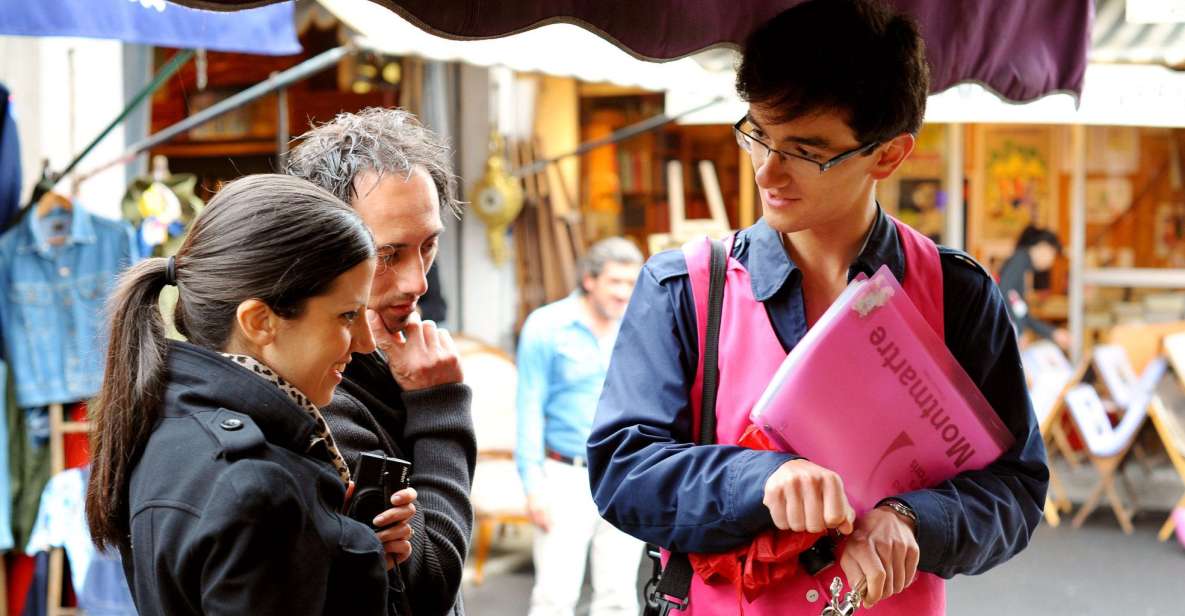
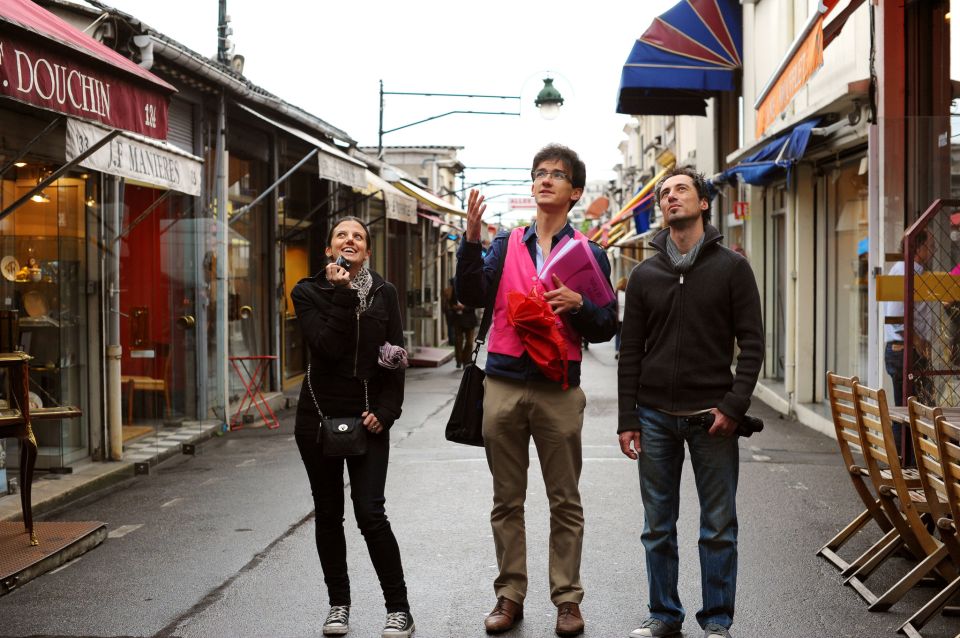
The tour meets outside the Métro Porte de Clignancourt (Line 4) at street level, right by McDonald’s. You’ll be looking for a guide wearing a pink vest, which makes the start stress-free even if you’re a little jet-lagged.
It helps to arrive a few minutes early. With a market tour, timing matters because vendors don’t pause for photos, and you want your guide’s full attention for those first minutes when the market layout is still new to you.
You can also read our reviews of more shopping tours in Paris


Saint-Ouen’s Stalls in 30 Minutes: Get Oriented, Then Shop With Intent
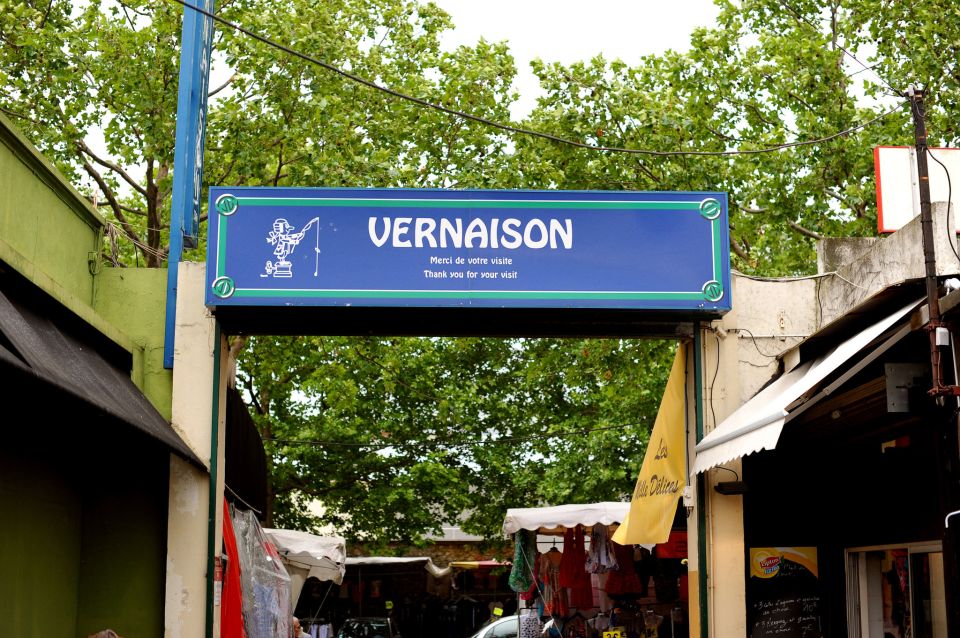
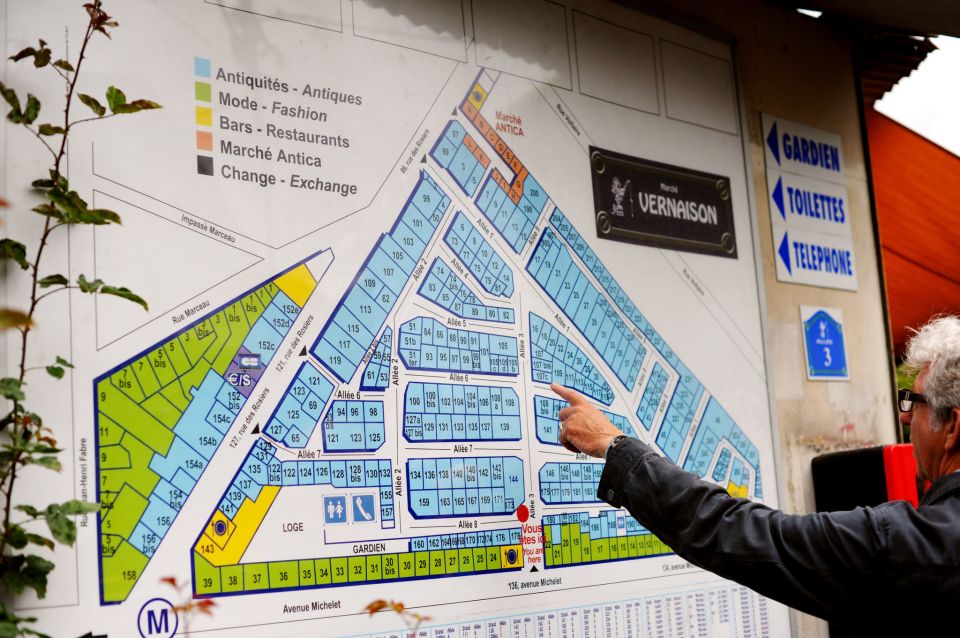
Saint-Ouen Flea Market is the kind of place where the word huge stops being a description and becomes a warning. In this tour, you get a fast orientation that helps you understand how the area is organized and how to move efficiently.
What I like most here is that the guide doesn’t treat it like a generic walk. If you’re hunting something specific, the tour rhythm is set up so you can start seeing relevant stalls sooner rather than later. Reviews back that up with multiple examples of guides redirecting people toward what they actually came for.
You’ll also learn a key flea-market skill: separating quality from garbage. That sounds simple, but it’s the difference between buying something you’ll enjoy at home and buying regret. Expect the guide to point out what to check and how to think when a price looks too good to be true.
And yes, this is where negotiation enters the chat. The tour frames bargaining as a normal part of the flea-market culture. Not a battle. Not a comedy bit. More like a conversation where you protect your budget while staying respectful.
A practical tip for your shopping brain
When you see a stall you like, don’t just grab and go. Use the guide’s cues to scan for the basics first—condition, materials, and whether the piece looks as described. It saves you from the classic mistake: paying for a story instead of the item.
The Traditional Village Stop: A Shortcut Through Confusion
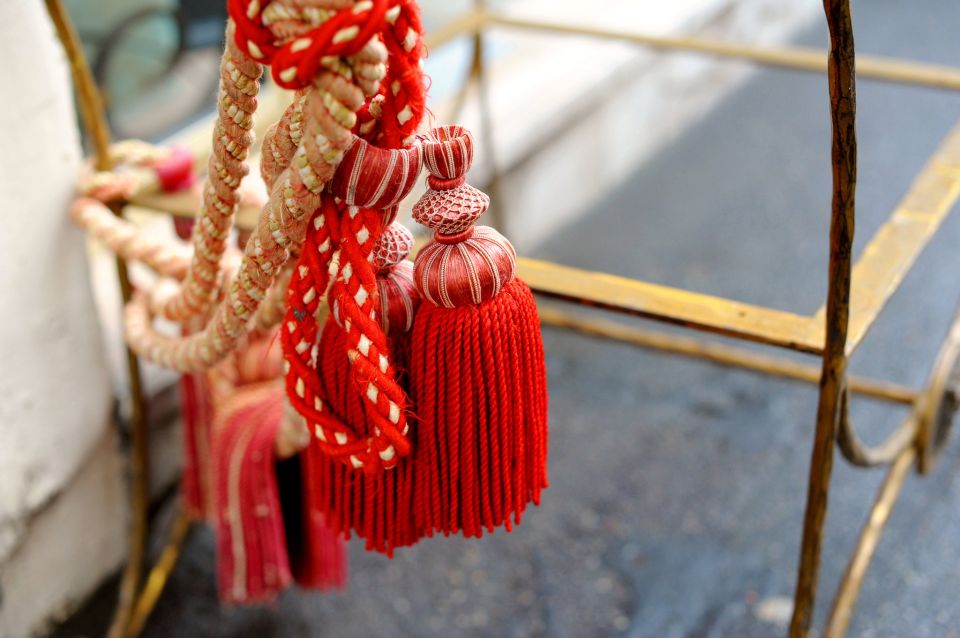
After you’ve gotten your bearings at Saint-Ouen, the tour includes time in a traditional village area. This part matters because it gives your brain a second anchor point. If you only learn one layout, you can still feel lost later. A second pocket helps you understand how the market breaks into smaller “villages” of shops and specialties.
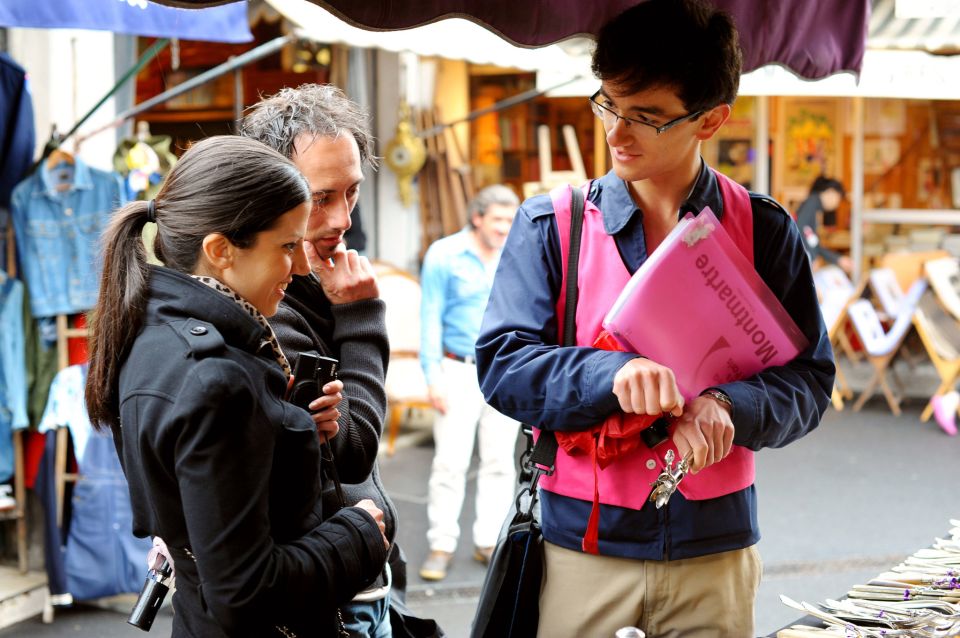
This stop also tends to be where you catch more conversational shopping. You may get opportunities to chat with local shop owners, which is more useful than it sounds. A quick question about materials, repairs, or whether something is vintage versus newer can steer you away from the wrong purchase.
Some guides on this tour also weave in historical and cultural context. That doesn’t turn it into a museum lecture—it’s more like the background you need to shop smarter. Knowing why items are grouped the way they are helps you navigate without burning time.
Parisian Negotiation: How to Bargain Without Burning Bridges
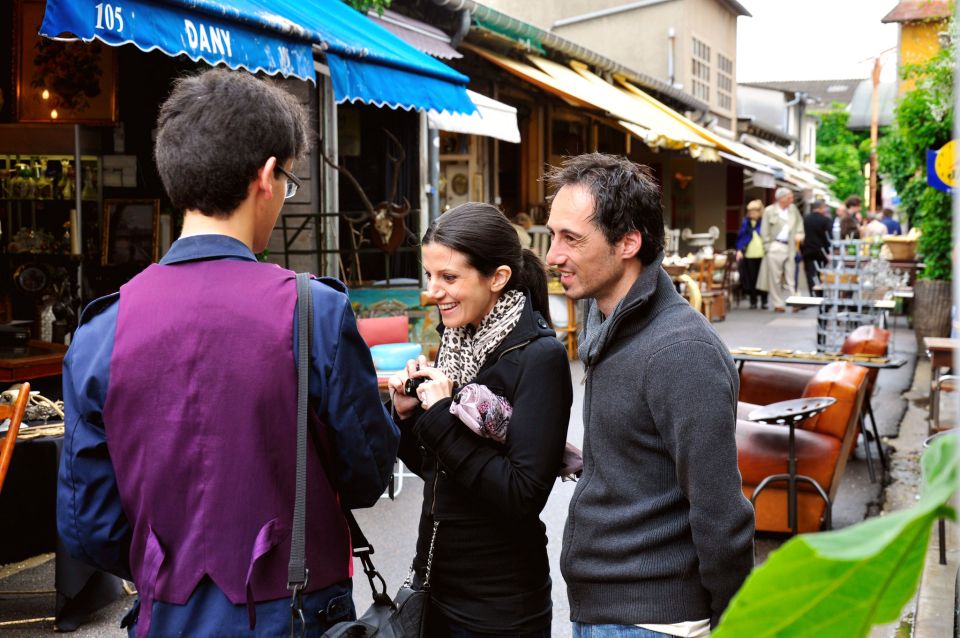
Negotiating at a flea market can feel awkward if you’ve only done fixed-price shopping. This tour’s big value is that it treats negotiation as a skill you can learn fast, not a personality test.
Here’s what the guides emphasize in plain terms:
- You ask questions first, not just the price.
- You use what you see (condition, details, wear) to justify a counteroffer.
- You keep the tone friendly and normal, not confrontational.
- You know when to walk away—and that power is real.
In the feedback, people repeatedly mention guides helping them negotiate better deals and avoid bad buys. That includes advice around knockoffs and authenticity. Even if you know a little French, having an English-speaking guide around reduces the risk of misunderstanding.
You can also read our reviews of more tours and experiences in Paris



My take on bargaining value
This is where the $58 price starts to make sense. You’re not paying just for “shopping time.” You’re paying for translation of the market’s unwritten rules—what matters, what doesn’t, and how to talk to vendors in a way that keeps you in the conversation rather than outside it.
What You Can Hunt For: Pirate’s Pearls, Couture, Weapons, and Memorabilia
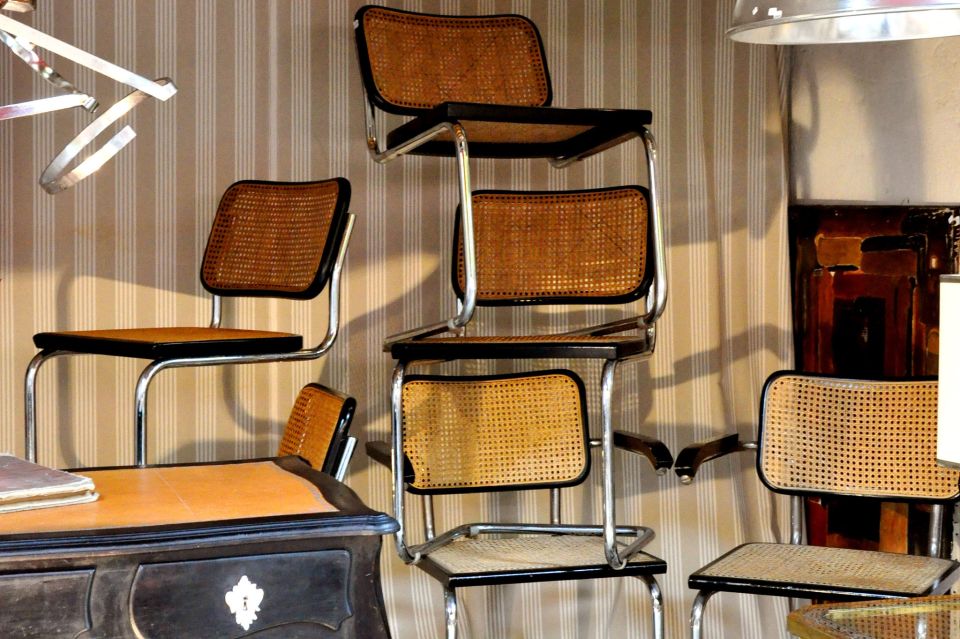
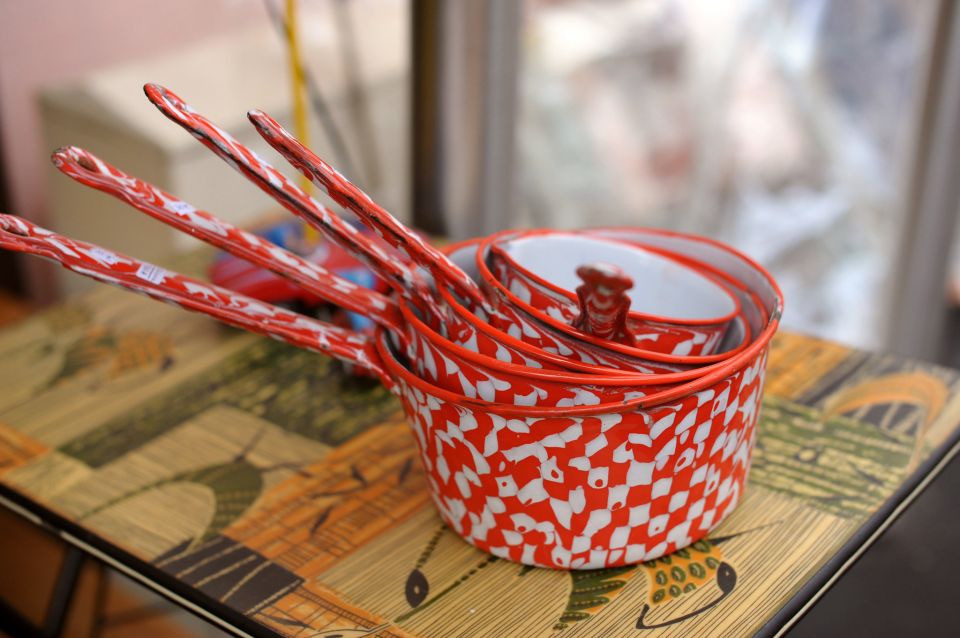
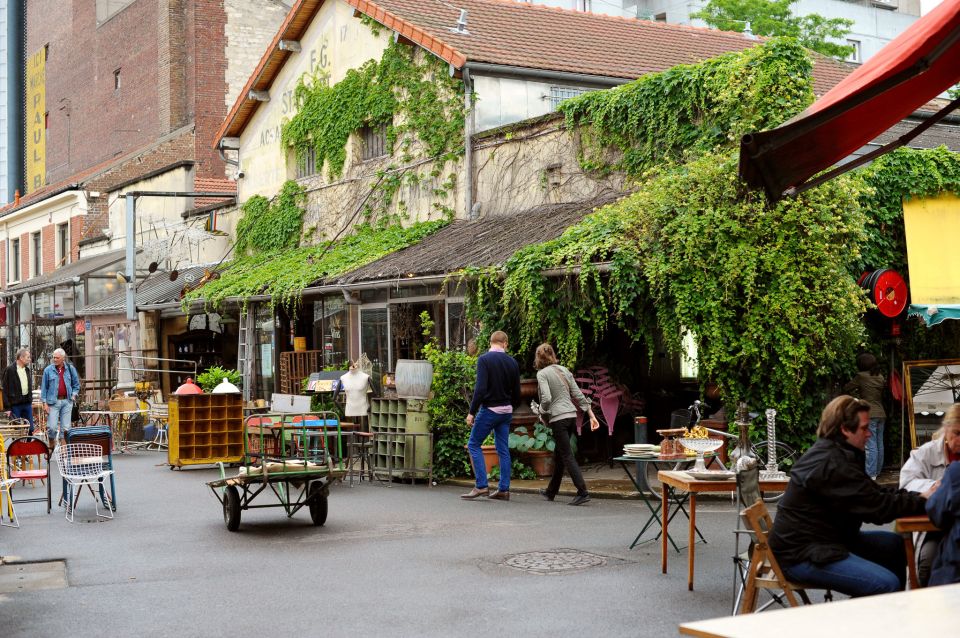
The flea market sells everything from playful oddities to serious style. The tour description hints at a range you’d think was fictional: pirate’s pearls, haute couture dresses, antique weapons, and Paris memorabilia. And it’s not just variety for variety’s sake. It’s a real clue to how you should shop.
If you wander randomly, you’ll see a hundred things and buy nothing. If you shop by category, you’ll start seeing patterns—where certain items tend to appear and which stalls are more likely to carry the quality you want.
This is also where your guide’s personalization shines. Multiple guides are praised for checking what people are looking for and then steering them to the right sellers. That matters if you already came with an idea like a specific style, a certain type of accessory, or a souvenir you want to feel proud of.
A smart way to shop this market
Create a shortlist before you go:
- One “nice to have” item
- One “must buy” item
- One “maybe” category (where you’ll only purchase if the quality is right)
Then let the guide help you find the best matches in those lanes. You’ll leave happier, even if you buy fewer things.
Real-World Guide Energy: From Flo to Hella and Tobias
One of the most consistent themes is that the guide experience drives the quality of the tour. People describe guides as attentive, funny, and willing to adjust the route based on the group’s interests.
Names that show up in the feedback include Floriane (often called Flo), Tobias, Phillip, Miriam, Hella, and Sean. What you’re really hearing through those names is the same thing: guides aren’t just showing up and pointing. They’re selecting stops, advising where to spend time, and helping you negotiate with confidence.
Some guides are noted for being especially helpful at:
- locating specific items people had in mind
- helping bargain effectively
- directing shoppers toward vendors where authenticity feels safer
- keeping the group moving without rushing
If you’ve ever felt intimidated by markets, this matters a lot. You’re walking into a place where people shop like locals, so having someone fluent in the rules gives you breathing room.
Value for $58: Why This Is More Than a Walking Tour
At $58 per person for 90 minutes to 2 hours, you’re paying for expert navigation. You’re also paying for the kind of guidance that prevents costly mistakes: buying a low-grade piece, overpaying because you missed the quality cues, or wasting an hour walking in the wrong direction.
Think of the tour as a “market translator.” Instead of learning by trial and error, you borrow the guide’s experience for a short window. And because the group is extra-small, you’re more likely to get real attention rather than getting swept into a mass herd.
Also, the tour runs rain or shine. That’s important because flea shopping doesn’t pause when the weather turns. You’ll want to dress for walking and still keep your focus on condition—rain and puddles can hide flaws, so take your time once things dry out.
After the Tour: How to Turn 1.5 Hours Into Better Purchases
This kind of tour works best when you use it as groundwork. After you’ve seen the layout and learned how to spot quality, you’ll feel more confident returning to specific zones on your own (or even revisiting a stall you liked).
Here’s how to extend the value:
- Memorize the “types” of stalls you saw, not just the items
- Ask yourself what you’d buy again now that you understand the grading
- Use your shortlist and negotiate thoughtfully rather than impulsively
A lot of people come back for purchases after the walk, which makes sense. During the tour, you’re learning and selecting. After the tour, you’re deciding and finalizing.
Who This Tour Fits Best (and Who It Might Not)
This tour fits you if:
- you’re new to Saint-Ouen and don’t want to feel lost
- you want a guided route that helps you shop with intent
- you care about bargaining and want to do it correctly
- you’re open to surprises (the market really does range widely)
It might feel less ideal if:
- you’re hoping to see every corner of the market. You won’t in a short guided window.
- you dislike walking, since you’ll be on your feet and the market isn’t wheelchair accessible.
Also note the practical rule: no luggage or large bags. That keeps the group moving smoothly, but it means you’ll want to travel light.
Should You Book the Paris Flea Market Insider Tour in Extra-Small Group?
Yes—if you want to shop Saint-Ouen smarter, not just longer. The biggest win is the combination of orientation, quality coaching, and negotiation support in a short timeframe. At $58, you’re buying confidence and avoiding common mistakes, not just a scenic stroll through stalls.
I’d book it especially if this is your first time at Saint-Ouen and you’re intimidated by the scale. Your guide’s job is to make the market feel navigable, and the feedback strongly suggests they do that by tailoring routes and teaching you how to shop like you belong.
If you already know exactly where you want to go and you don’t care about bargaining or authenticity tips, you might not need a guide. But if you want your money to work harder—and your finds to feel right—this is a very solid way to start.
FAQ
Where is the meeting point?
Outside the Métro Porte de Clignancourt (Line 4) at street level, right outside McDonald’s. The guide will be wearing a pink vest, and the meeting time is 10:45 AM.
How long is the tour?
It runs for 90 minutes, and in some cases up to 2 hours.
Is the tour guide available in English?
Yes. The live tour guide speaks English.
What should I bring and what is not allowed?
Bring comfortable shoes. The tour does not allow luggage or large bags.
Does the tour run in bad weather?
Yes. The tour runs rain or shine.
Is the market tour wheelchair accessible?
No. The market is not wheelchair accessible, so this tour isn’t suitable for wheelchair users.
Can I cancel and get a full refund?
Yes. You can cancel up to 24 hours in advance for a full refund.