REVIEW · MONTMARTRE
Montmartre 3-Hour Local Gastronomy Tour with Tastings
Book on GetYourGuide →Operated by Meeting the French · Bookable on GetYourGuide
Food tastes better when you get the names and the stories.
This Montmartre gastronomy tour turns the art-walk fantasy into something real: you follow everyday shopkeepers’ rhythms and try products people actually buy for dinner and breakfast. I especially like the way the route mixes charcuterie, wine, and pastries with savory stops like fish and vegetables. One thing to plan for: it’s a lot of tasting in a short window, so if you’re not a sweets person, you’ll want to pace yourself.
The vibe stays friendly and focused. You’re in a small group (up to 8) for about 150 minutes, and the guide speaks English, French, or Japanese. If weather hits, the walk can feel a bit slippery and uphill, so good shoes help.
In This Review
- Key Things You’ll Notice on This Montmartre Food Walk
- Why Montmartre’s Local Tastings Feel Different Than a Standard Tour
- Meeting at Place Blanche: Timing and Getting Ready for the 150-Minute Walk
- The Shop Sequence That Builds a Real Picture of Montmartre
- 1) The pastry start: fine tarts to set the tone
- 2) Fishmonger stop: learning what the counter highlights
- 3) Charcutier and butcher: cured meats, portion logic, and why bread matters
- 4) Baker and pastries: the sweet finish, but with a choice
- 5) Vegetable seller: color and seasonal reality
- 6) Ending near the butte: you finish with context, not just calories
- What’s Included in the Tastings (and how to plan around it)
- Guides, Languages, and Small-Group Benefits
- Price and Value: Is $165 a Fair Deal for Montmartre Food?
- Who Should Book This Montmartre Gastronomy Tour
- Should You Book It or Pass?
- FAQ
- FAQ
- How long is the Montmartre local gastronomy tour with tastings?
- What is the price per person?
- Where do I meet the guide?
- What tastings are included?
- How big is the group?
- What languages are offered?
- Is cancellation free?
- Is there a reserve and pay later option?
Key Things You’ll Notice on This Montmartre Food Walk
- A tight walking loop through Montmartre’s neighborhood food counters, not a random checklist of sights
- Start with fine-tart pastry rather than the usual chocolate-first approach
- A true mix of shop types: fishmonger, charcutier, butcher, baker, and a vegetable seller
- Tastings that follow the local logic of bread, wine, and cured meats
- Small-group pace that makes it easier to ask questions and get recommendations
Why Montmartre’s Local Tastings Feel Different Than a Standard Tour
Montmartre can look like a postcard from far away. Up close, it’s mostly practical: narrow streets, quick errands, and shopfronts that look unchanged for decades. This tour is built for that reality. Instead of treating food as a souvenir, it treats food as routine.
I like that you’re tasting multiple categories in a structured way. You get cured meats and wine, yes—but you also hit bread and pastries early enough that you can notice how the styles change by shop. That makes the experience feel like a mini education in French eating, not just a mouthful here and there.
The other big advantage is the route climbs toward the butte. That matters. As you walk, your appetite keeps resetting, so tastings don’t blur together as much as they can on flat routes. You’re not stuck in one area for hours.
You can also read our reviews of more tours and experiences in Montmartre.
Meeting at Place Blanche: Timing and Getting Ready for the 150-Minute Walk
You meet in front of Starbucks at 5, place blanche (75 018 Paris), near the Blanche metro station (line 2). This is an easy starting point because you can plug it into almost any Paris day without extra planning.
You’ll be out for about 150 minutes, so think of it as a long stroll with tastings rather than a full food tour day. That’s why shoes matter: the neighborhood streets can be uneven, and the walk trends uphill as you head toward the butte. Even if the group is small, you still want to move comfortably.
A practical tip: show up with a light appetite. This is tasting, but it adds up. By the end, you may not want a big meal right away, and that’s actually a nice position to be in if you plan dinner later.
The Shop Sequence That Builds a Real Picture of Montmartre
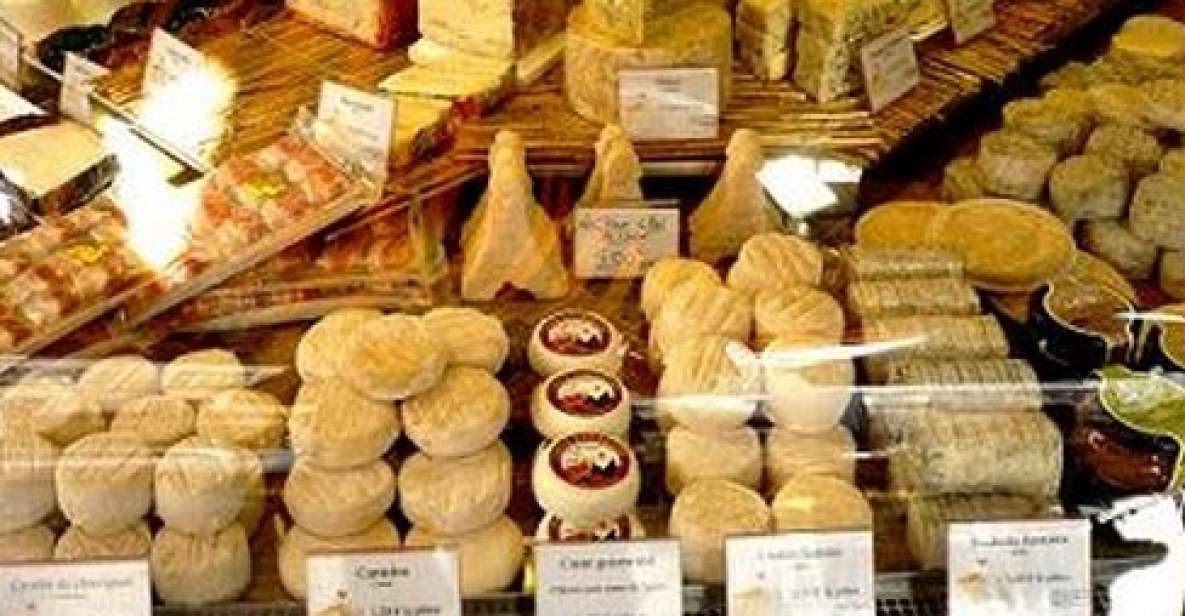
The heart of this experience is the pattern: you stop at classic counters, taste what they do best, and the guide connects it to daily life in the neighborhood. While exact locations can vary by day and availability, you can expect these types of stops, in a walkable order.
1) The pastry start: fine tarts to set the tone
You kick off at a pastry shop that specializes in fine tarts. Starting here works because it wakes up your sense of sweetness and texture right away: buttery crust, fruit or cream notes, and that lightly crisp finish you only get when it’s made for the shop window.
If you’re sensitive to sugar, this is your moment to slow down. Take small bites, and pair it mentally with the savory stops coming next. That contrast is part of the fun.
2) Fishmonger stop: learning what the counter highlights
Next you visit a fishmonger. This isn’t just a peek at seafood; it’s a reminder that Montmartre’s food culture covers both land and sea. The key value of this stop is variety: it breaks the meat-and-cheese rhythm before you ramp into cured products.
Look for what the shop emphasizes—freshness cues, seasoning style, and how they present portions. Even a small tasting can show you what “everyday French fish” tastes like versus restaurant versions.
3) Charcutier and butcher: cured meats, portion logic, and why bread matters
Then the tour leans into the classic French triangle: charcuterie, meat craft, and bread.
You’ll visit a charcutier for specialities, and a butcher as well. I like how these stops tend to connect to the practical question you should be asking in Paris: what do locals actually buy for a meal? Cured meats are an answer because they travel well, keep well, and taste good even without a full kitchen setup.
And bread isn’t treated as an afterthought. There’s a bread tasting included, so you can understand how bread supports the flavors of meat and wine. If you only ever buy baguettes in a rush, this part helps you slow down and taste the differences.
One note for your expectations: it’s still tastings. You won’t leave with a shopping list that replaces dinner. Instead, you’ll learn what to look for if you buy these items later on your own.
4) Baker and pastries: the sweet finish, but with a choice
After the savory momentum, you’ll hit a baker. This is where pastries come back in your day in a structured way. If you felt fine at the tart shop, you’ll probably enjoy this section too. If sweets add up quickly for you, keep your water handy and think in small bites.
Some versions of this kind of tour can feel pastry-heavy. The good news here is that the earlier fish and charcuterie stops help keep the balance from turning into pure dessert.
5) Vegetable seller: color and seasonal reality
You also stop at a vegetable seller. This matters more than it sounds. French meals aren’t just meat and wine; they rely on seasonal freshness—things that cut through richness.
Even a short vegetable tasting can change your palate. It’s a reset button that helps you enjoy the final pours and bites without feeling weighed down.
6) Ending near the butte: you finish with context, not just calories
As you wind your way through the neighborhood toward the butte of Montmartre, you’re not only eating—you’re also getting a sense of why this area stayed a destination for artists and everyday Parisians alike.
By the end, you’re usually ready to explore on your own with better instincts: which shop type to look for, what to buy, and how to spot quality fast.
What’s Included in the Tastings (and how to plan around it)
The tour includes guided walking and tastings of charcutier specialities, bread, wine, and pastries.
Here’s how I’d plan your day around that:
- Don’t schedule another big food experience right before or right after. This tour can be a mini meal depending on your bite size.
- If you drink wine, treat this as a tasting flight, not a full pairing meal. You’ll likely get enough to learn your preference, not enough to replace dinner.
- If you don’t drink wine, you still get the food tastings; just know the tour is built to teach the wine component alongside charcuterie.
Also, since you’re tasting multiple categories—sweet and savory—pace matters. Take smaller bites early so you don’t hit the wall halfway through.
Guides, Languages, and Small-Group Benefits
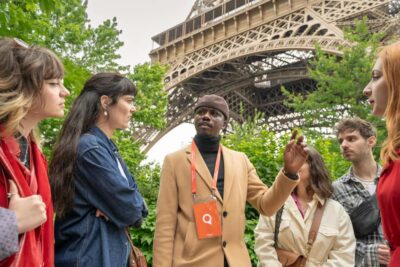
This is a live guided tour with English, French, or Japanese. You’ll be in a group limited to 8 participants, which changes the feel fast. With fewer people, questions are easier, and the guide can adjust pacing if someone needs a moment.
Guides also tend to bring Montmartre to life through architecture and neighborhood context, not just menus. One guide—Luis (including a Luis Jorge in past runs)—is known for clear explanations about the Montmartre area and the tastings, and for handling the walk when conditions get tricky, like partial rain.
In plain terms: you’re not stuck listening to one long lecture. You’re walking, tasting, and getting answers.
Price and Value: Is $165 a Fair Deal for Montmartre Food?
At $165 per person for about 150 minutes, you’re paying for more than food. You’re paying for:
- A guided route through multiple classic shop types
- Tastings that cover both savory and sweet categories
- Access to local expertise on what matters in the product, not just the name on the menu
Is it “cheap”? No. But I find it’s closer to good Paris value than it first looks because Montmartre food shops aren’t big museum experiences. You could wander on your own, sure—but you’d miss the structure: which shop to trust for a tart, what a fishmonger emphasizes, how cured meats pair with bread and wine, and what you should actually notice in each bite.
If you want one Montmartre activity that feels practical and stays useful after the tour, this price can make sense. If you mainly want views and photos, you might be better served by a walking tour without tastings.
Who Should Book This Montmartre Gastronomy Tour
This tour fits best if you want:
- A short, high-signal way to experience Montmartre
- A mix of savory French staples (charcuterie, bread, meat) and pastries
- A guide to steer you toward shops locals actually rely on
- A small group pace, not a packed group shuffle
You might skip it if:
- You hate sweets, because pastries are part of the included tastings and the route can feel pastry-forward late in the walk
- You’re looking for a full sit-down meal instead of a guided tasting session
- You want totally flat walking only; this route trends upward toward the butte
Should You Book It or Pass?
I’d book this if your Paris day needs a “food brain upgrade.” You’ll walk Montmartre with a guide, learn the neighborhood’s everyday product logic, and come away knowing what to buy later without guessing.
I’d think twice if you’re very sugar-averse or if you already have a major dinner plan right after the tour. For everyone else, the combination of small group, classic shop sequence, and wine + charcuterie + bread makes this a solid way to understand Montmartre beyond the postcard layer.
FAQ
FAQ
How long is the Montmartre local gastronomy tour with tastings?
The tour lasts about 150 minutes.
What is the price per person?
The price is $165 per person.
Where do I meet the guide?
Meet the guide in front of Starbucks at 5, place blanche, 75 018 Paris. The nearest metro station is Blanche (line 2).
What tastings are included?
You’ll have tastings of charcutier specialities, bread, wine, and pastries.
How big is the group?
It’s a small group limited to 8 participants.
What languages are offered?
The live tour guide speaks English, French, and Japanese.
Is cancellation free?
Free cancellation is available if you cancel up to 24 hours in advance for a full refund.
Is there a reserve and pay later option?
Yes. You can reserve your spot and pay nothing today, then pay later.