REVIEW · PARIS
Paris: Orangerie Museum Skip-the-Line Entry and Guided Tour
Book on GetYourGuide →Operated by Babylon Tours LLC · Bookable on GetYourGuide
Monet’s oval room is pure magic. This skip-the-line Orangerie tour gets you into the museum faster, then helps you read 19th- and early-20th-century French art in order, not as random masterpieces. I love the skip-the-line entry because it cuts stress in a place where the wait can steal your energy before you even start. I also like that the guide brings the paintings to life with real context, the kind that makes you notice details you’d miss alone.
The one thing to plan around: there’s a moderate amount of walking, and the semi-private format isn’t suitable for people with mobility impairments. If you need step-free, low-movement access, check in early so you’re not stuck halfway between the Tuileries and the galleries.
In This Review
- Key highlights you’ll feel fast
- Skip the line at Musée de l’Orangerie: fast entry, smart start
- Two hours of French art history: an art historian’s storyline
- The oval gallery and Monet’s water lilies: your main event
- Beyond Monet: Cezanne, Matisse, Picasso, and the quick path through style shifts
- Tuileries Gardens walk: the setting between the artworks
- Group size, languages, and how the tour feels in real life
- Price and value: what $128 buys you in Paris
- Practical tips: what to bring, what to wear, and what not to pack
- Who should book this Orangerie skip-the-line guided tour?
- Should you book this tour? My take
- FAQ
- How long is the Musée de l’Orangerie skip-the-line tour?
- What’s included in the ticket price?
- Which languages are offered for the live guide?
- Is this tour private or group-based?
- Does the tour involve walking?
- Does the tour run in bad weather?
- What should I bring, and is luggage allowed?
- What happens if the museum has an unexpected closure?
Key highlights you’ll feel fast
- Skip-the-line entry so you spend time looking, not queuing
- An art historian guide who connects paintings to the artists’ moment in time
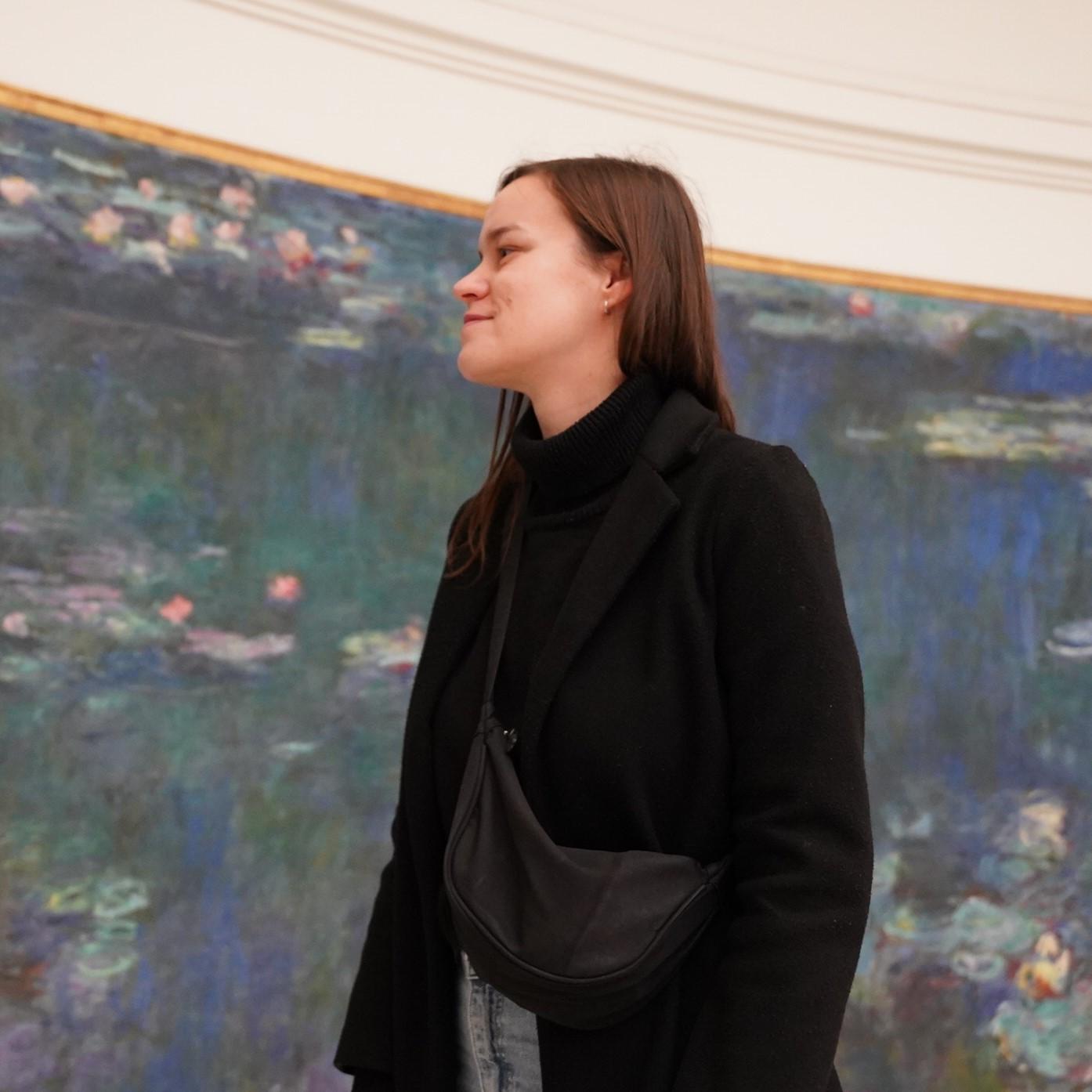
- Monet’s oval water lilies shown with a clear sense of what changed in Impressionism
- Cezanne, Matisse, Picasso, Renoir and more, with guided focus on technique and subject
- A walk through the Tuileries Gardens that frames the museum visit beautifully
- Small group size (max 8 per guide) for a calmer, more personal pace
Skip the line at Musée de l’Orangerie: fast entry, smart start
Musée de l’Orangerie is small compared to the big museum giants, but it moves with big-museum intensity. The oval gallery is famous, and lines form fast—especially when people are trying to see Monet’s water lilies at their best light.
This tour removes that friction. You get a skip-the-line entrance ticket, then go straight in with a guide in front of you. That matters because Orangerie is the kind of museum where your attention is the “ticket.” The quicker you’re inside, the more time you have to settle into slow looking, not shifting your focus every few minutes.
The meeting point can vary by option, and the tour ends back at the meeting point. In practice, that means you’re not dealing with transfers or complicated logistics—just a direct museum experience, with a short garden walk to set the tone.
You can also read our reviews of more guided tours in Paris



Two hours of French art history: an art historian’s storyline
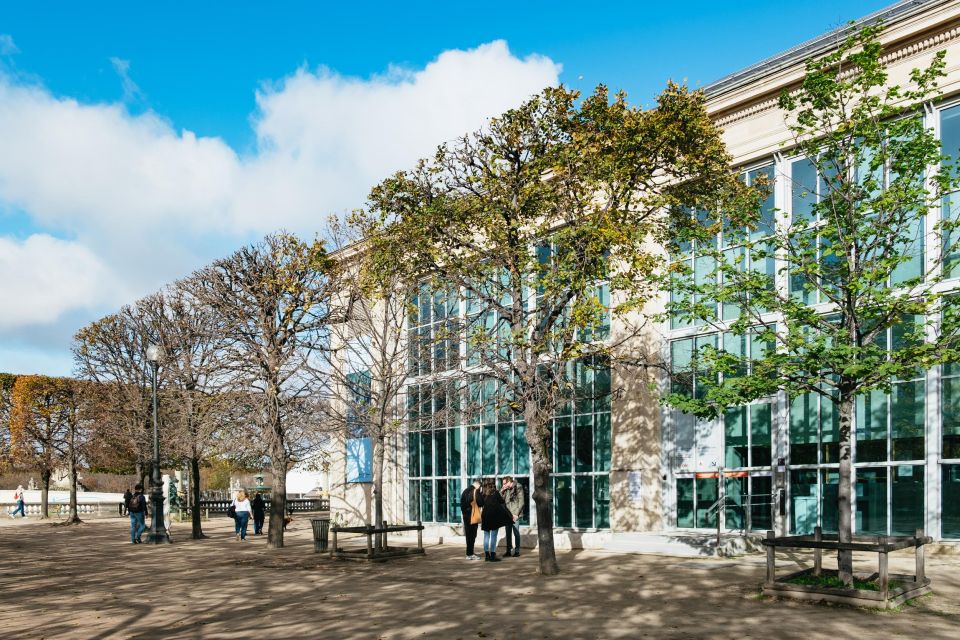
The Orangerie doesn’t just show French masters. It shows a chain reaction—how styles changed, and how artists responded to new ideas. That’s the advantage of a guided format with an art historian: the guide doesn’t make it feel like a school lecture, but you still get structure.
Over about two hours, you move through 19th- and early-20th-century paintings with an emphasis on how movements developed. You’ll see Impressionism’s evolution, then the ways artists pushed further—sometimes defiant, often technical, always intentional. It’s much easier to understand why Monet looks the way he does when you know what came before and what followed.
The best guides also know how to pace information. You might get a visit that feels like a story. One guide named Hugo, for example, is described as explaining the works and their historical circumstances, and pairing Monet viewing with a Clair de lune recording. Another guide named Z is praised for taking time to explain art and artists in their time, putting the collections in context so you don’t miss the big picture.
If you love art but don’t want to carry a guidebook everywhere, this format does the reading for you—then turns it into looking.
The oval gallery and Monet’s water lilies: your main event
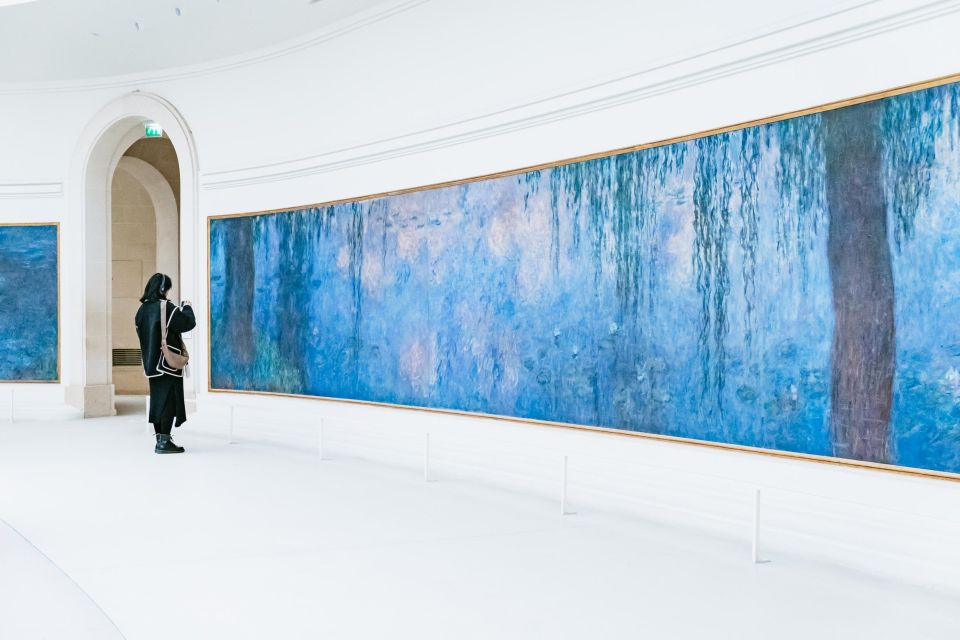
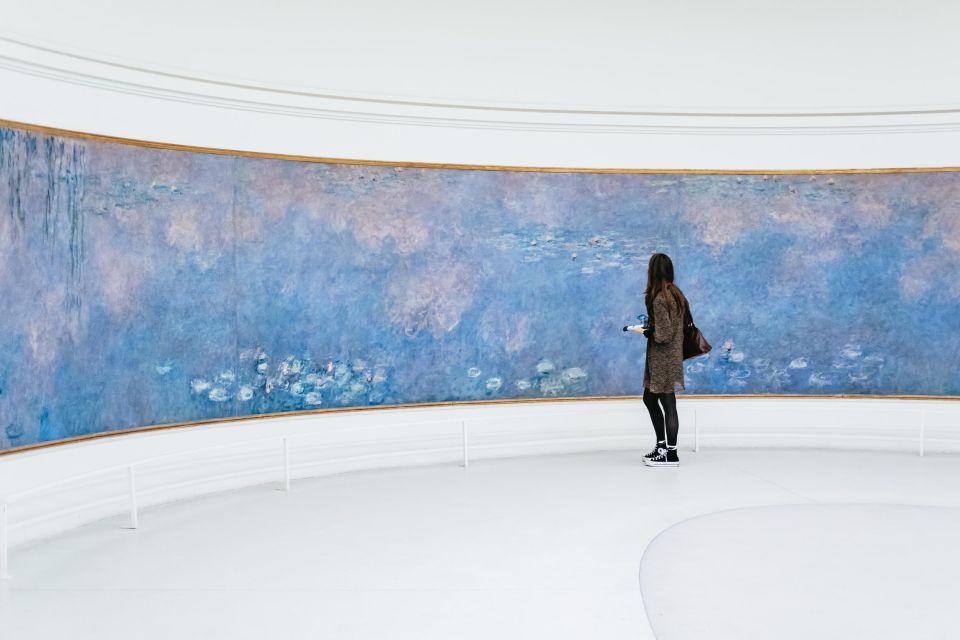
Yes, Monet is the headline. But the oval room isn’t just “pretty pictures.” It’s a specific viewing experience, and the tour helps you notice it as one.
When you step into the iconic oval space, you’ll see Monet’s water lilies arranged around you. Instead of treating it like one framed scene, the guide’s job is to help you watch how the light, color, and reflection effects work as you move your eyes across the full installation. It’s one of those experiences where your first instinct is to stare. The best guides make that staring smarter.
This is also where your tour language can matter. You’ll have a live guide in French, English, Russian, Italian, Spanish, or German, and the better the translation of art language into plain talk, the more you’ll get from the room. One of the strongest moments described involves a guide pairing the visual experience with Clair de lune while you’re watching Monet—less “presentation,” more atmosphere.
If you’re the type who wants to understand why the oval room is such a big deal, you’ll likely appreciate the guided explanation. If you’re the type who just wants time to feel it, the tour still gives you that—but it helps you avoid rushing.
Beyond Monet: Cezanne, Matisse, Picasso, and the quick path through style shifts
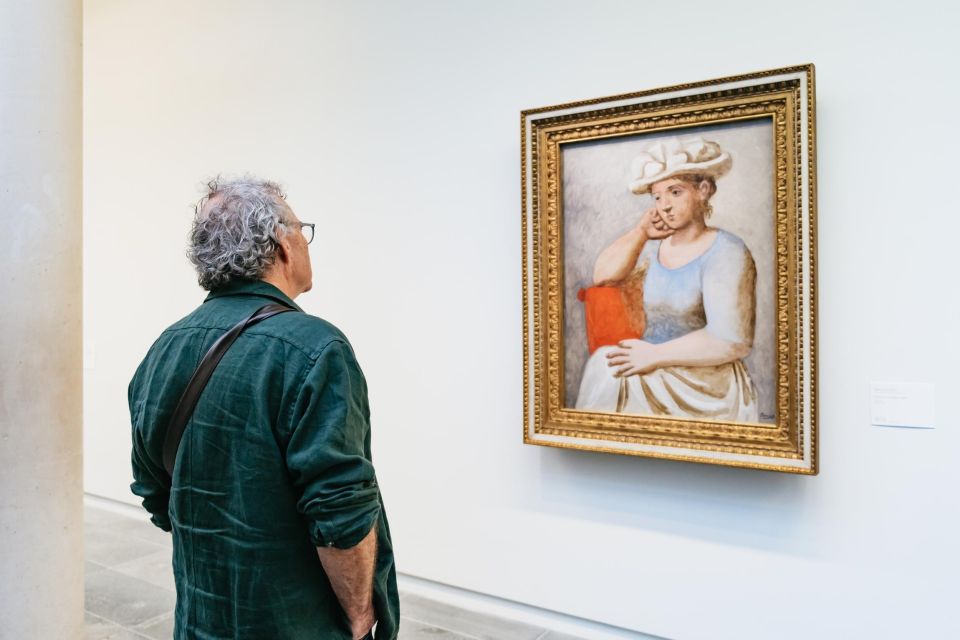
Monet may pull you in, but the Orangerie works because it keeps going. After the water lilies, you’ll follow the story of French art through major shifts in technique and subject matter.
Expect guided stops that connect artists to their innovations. The tour description points to:
- Cezanne and his fruit and flower studies, useful for understanding how form and structure start to change
- Matisse and his distinctive approach to portraits, including his more seductive, expressive style
- Picasso and his evolving interpretations of nude models, which helps you see how experimentation grows over time
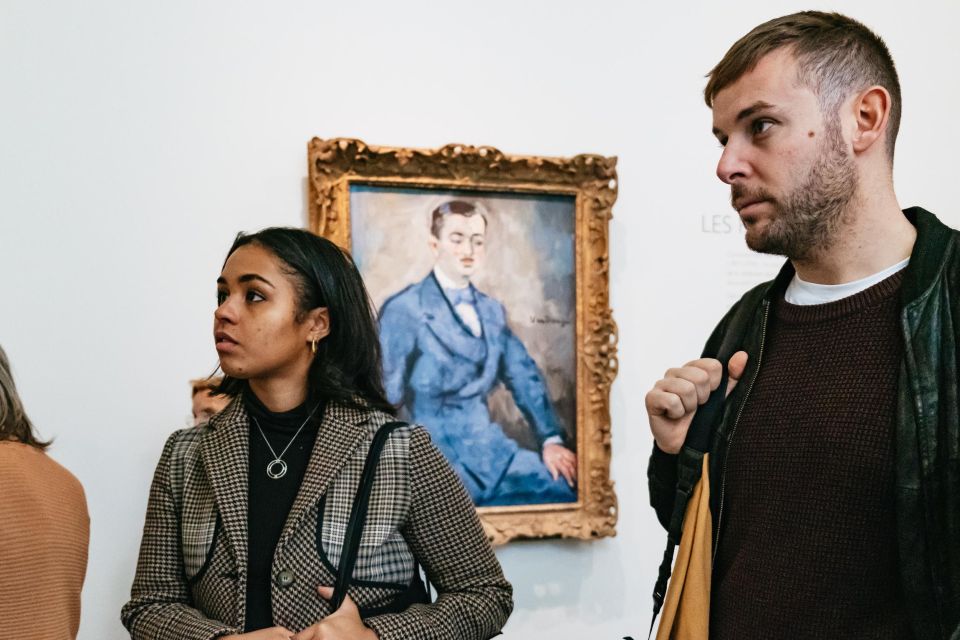
- Additional artists such as Renoir, Modigliani, and Utrillo, which round out the timeline so it feels like one conversation, not scattered highlights
The practical benefit here is context. If you visit Orangerie alone, you might love individual works and still leave thinking, What connects these? With a guide, those connections get explained in plain terms: why a brushstroke matters, why a subject is chosen, how different artists responded to the world they were living in.
One guide named Barbara is praised for interacting well with a 9-year-old granddaughter, using the exhibits to pull a younger viewer into artists’ lives. That tells me the best guides adjust their approach. If you’re traveling with kids, it can make the experience feel less intimidating and more like a conversation.
Tuileries Gardens walk: the setting between the artworks
This tour includes a scenic walk through the Tuileries Gardens on your way to Musée de l’Orangerie. That’s not just “getting there.” It’s a reset button.
You’ll move from the busy city pace into a calmer corridor of trees and open views, and that shift makes the museum feel more intentional once you arrive. It also gives you a moment to orient yourself before you’re inside, where everything is quieter and the pace slows down.
The Orangerie building itself has a story too. It’s the former Orangerie where the royal family kept oranges in the winter. Knowing that small fact makes the place feel less like an art box and more like a historical structure that has been re-purposed—first for citrus, now for modern art.
You can also read our reviews of more museum experiences in Paris






Group size, languages, and how the tour feels in real life
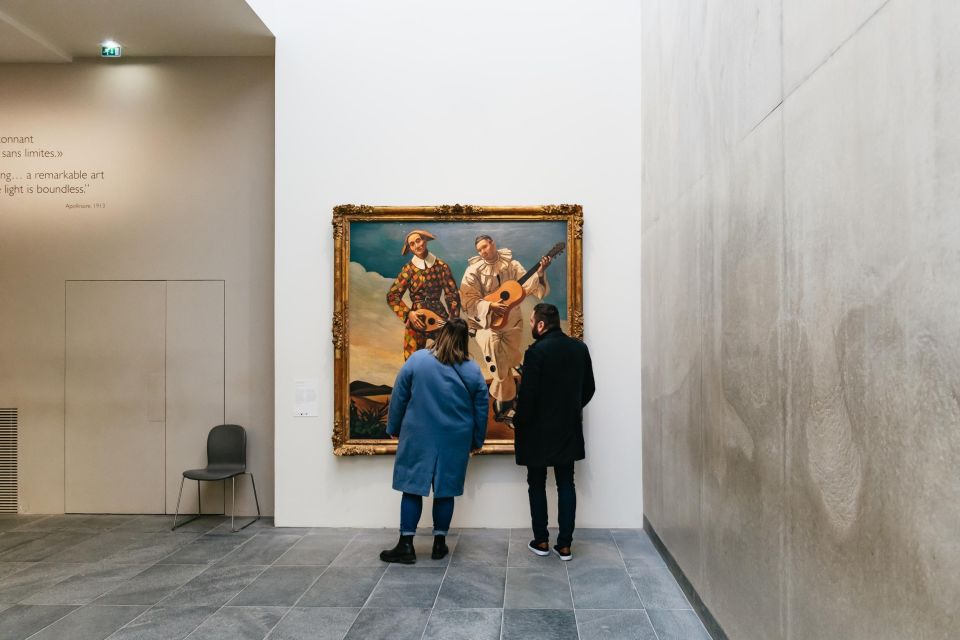
This is designed to be intimate. The tour has a maximum of 8 guests per guide for a more personal pace. That matters because Orangerie is not a museum where you want to be shoved forward like a stampede. You want time to look, and you want the guide close enough that explanations land.
You can choose private or small group options. If you’re traveling with friends and want more flexibility, a smaller group can help. If you’re traveling solo, the small-group cap still keeps the experience from feeling like a crowded bus ride.
Guides are live and available in multiple languages. If your French is limited, don’t worry: the point is to get the art story clearly in your language of choice. Names like Sunday, Belen, and Lily show up in the descriptions as guides who combine charm with strong explanations, including story-building through the exhibits.
Also note the tone inside: some rooms require quiet, and some rules may restrict speaking. It’s a small thing, but it shapes how you should move and behave once you’re in the galleries.
Price and value: what $128 buys you in Paris

The price is $128 per person, for about 2 hours and an art historian-led visit with skip-the-line entry. That’s not cheap, but it’s easier to justify if you look at what you’re actually purchasing.
You’re paying for three things that are hard to replicate on your own:
- Time saved (skip-the-line entry)
In Paris, time is part of the ticket price. If you arrive and wait, you lose your best energy for viewing.
- A guided art timeline
Orangerie is famous, but not every painting is “self-explanatory.” A guide turns the collection into something you can connect.
- A viewing pace that respects the room
The oval gallery is best when you’re not rushing. A group that’s capped at 8 helps keep movement reasonable.
If your goal is pure picture-taking with no interest in context, you might feel the cost is unnecessary. But if you want to understand why Impressionism changes into later styles—and how French artists kept reinventing what paint could do—the value tends to make sense fast.
Practical tips: what to bring, what to wear, and what not to pack
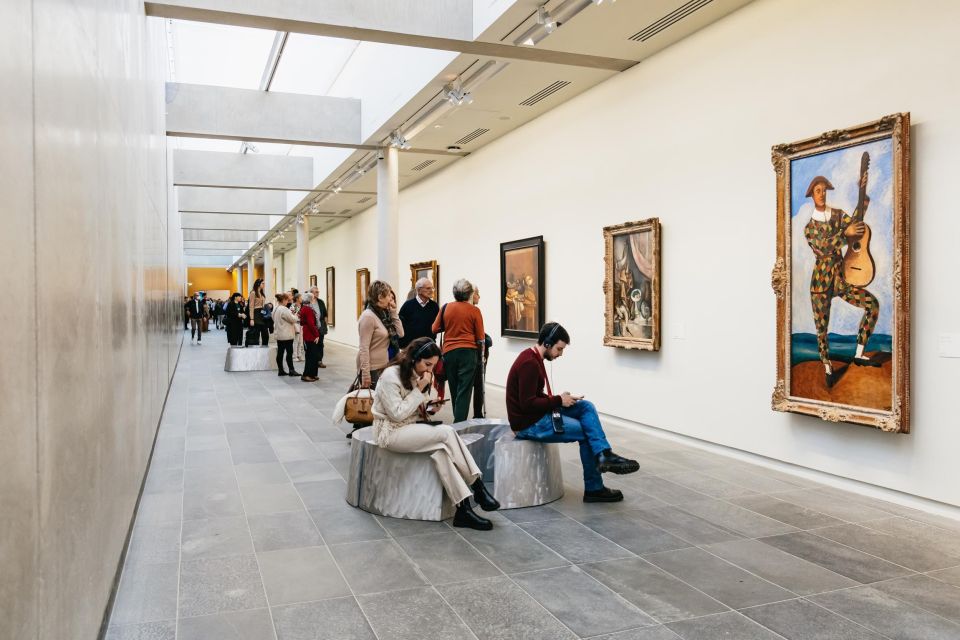
Plan for a museum visit that’s real-world practical:
- Bring passport or an ID card.
- Wear weather-appropriate clothing since the tour runs rain or shine.
- Expect moderate walking between the Tuileries and the museum.
- No luggage or large bags are allowed, so travel light.
Inside, some rooms may have rules about quiet or restricted speaking. That means you’ll want to keep your voice low and your attention high—this isn’t the place for phone calls or rambly group talk.
One more heads-up: occasional closures can happen without prior notice from museum management. If a closure delays the museum opening by more than an hour from the tour start time, the provider says you’ll be offered an alternative, but refunds or discounts aren’t guaranteed in that scenario.
Who should book this Orangerie skip-the-line guided tour?

Book it if you:
- Want the Monet oval room without losing time to lines
- Like art more when someone connects the dots across time
- Prefer a small group pace over crowded, fast museum traffic
- Want clear explanations of major artists like Cezanne, Matisse, and Picasso and how their techniques evolved
Consider skipping the guided part if you:
- Only care about seeing Monet and are happy reading on your own
- Have limited patience for group movement and strict museum pacing
- Need step-free accessibility accommodations beyond what a moderate-walking semi-private visit can provide
This tour works well for art lovers and for history-minded travelers who want more than a checklist of masterpieces.
Should you book this tour? My take
If you’re going to Orangerie during a busy time, I’d book this. The skip-the-line part reduces the biggest pain point, and the guided structure helps you turn the visit into an art story you can remember.
The only “no” I’d give is for accessibility or movement needs, because the tour includes walking and isn’t suitable for mobility impairments in its semi-private setup. If that’s you, ask about alternatives early.
If you’re good with moderate walking and you want your time in the museum to feel guided, not chaotic, this is a solid use of your Paris hours.
FAQ
How long is the Musée de l’Orangerie skip-the-line tour?
The tour lasts about 2 hours. Starting times vary based on availability.
What’s included in the ticket price?
You get skip-the-line entrance, the museum entry fee, an art historian guide, and a guided tour. Private and small group options may be available depending on the booking choice.
Which languages are offered for the live guide?
Live guides are available in French, English, Russian, Italian, Spanish, and German.
Is this tour private or group-based?
You can choose private or small group options. The semi-private format has a maximum of 8 guests per guide.
Does the tour involve walking?
Yes. There is a moderate amount of walking, including a walk through the Tuileries Gardens to reach the museum. It’s not suitable for mobility impairments.
Does the tour run in bad weather?
Yes, it runs rain or shine.
What should I bring, and is luggage allowed?
Bring your passport or ID card. Luggage or large bags are not allowed.
What happens if the museum has an unexpected closure?
Occasional closures without previous warning can happen. If the museum opening is delayed more than 1 hour from the tour start time, you should be provided with an appropriate alternative, but refunds or discounts aren’t provided in those cases.