REVIEW · PARIS
Fragonard Paris: Mini Perfume Workshop
Book on GetYourGuide →Operated by LE MUSEE DU PARFUM FRAGONARD · Bookable on GetYourGuide
Paris perfume magic, minus the mystery. This 45-minute stop at Fragonard Paris pairs a guided museum tour with a hands-on blending lesson using top, heart, and base notes. I especially like getting the sensory framework (the olfactory pyramid) before you mix, and I love that you leave with a 12 ml spray bottle you made yourself. One possible drawback: the whole experience is fast, and a couple of people found the timing a bit tight.
You’ll start at the Fragonard Perfume Museum near Opéra Garnier, then get guided through how perfume evolved into a luxury object—complete with a tour of the museum spaces and a quick crash course on how notes work together. After that, you’ll spend the workshop portion blending your own Fragonard Flower of the Year eau de toilette from three pre-composed notes, guided step by step by an English live tour guide (small groups up to 10). If you’re traveling with kids, the session accepts children from age 8 when a paying adult is responsible for them.
In This Review
- Key Things I Think You’ll Care About
- Fragonard at Opéra Garnier: A Perfume Museum in a Real Mansion
- How the 45-Minute Format Really Works (and Why It’s Not a Long Sit-Down)
- Museum Tour: From Perfumer’s Laboratory to Old Bottles That Tell Stories
- The Olfactory Pyramid: The Lesson That Makes Your Blend Make Sense
- Blending the Fragonard Flower of the Year: Top, Heart, Base in One Bottle
- What You’ll Notice After the Workshop: A New Way to Shop for Scent
- Who This Is Best For (and Who Might Want a Different Option)
- Should You Book Fragonard Paris: Mini Perfume Workshop?
- FAQ
- Where is the meeting point for the mini perfume workshop?
- How long is the experience?
- Is the tour guide available in English?
- What perfume do I make, and what do I take home?
- Are children allowed?
- How big is the group?
- Is the activity suitable for wheelchair users?
- Are pets allowed?
Key Things I Think You’ll Care About
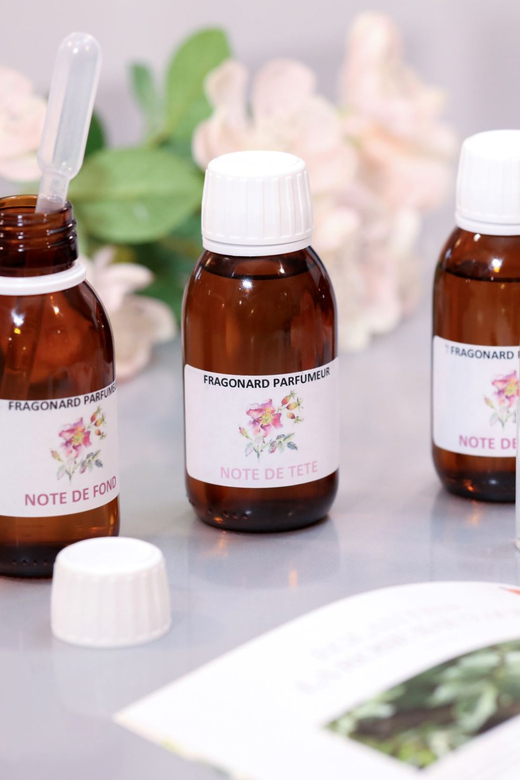
- Top, heart, and base notes in real time: you learn the structure, then use it immediately.
- 3 pre-composed Flower of the Year notes: your blend comes from fixed ingredients, not full custom “free-for-all” options.
- A guided museum tour before or around the workshop: it gives context for why French perfume culture matters.
- Small group size (max 10): you’re not swallowed by a crowd.
- Take-home bottle, 12 ml spray: you get a souvenir that smells like your day in Paris.
Fragonard at Opéra Garnier: A Perfume Museum in a Real Mansion
Meeting at the Fragonard Perfume Museum is a smart way to see a different side of Paris perfume culture. The museum is housed in an older private mansion, and it’s described as having a Second Empire atmosphere—so the setting feels more like wandering through a lived-in, stylish space than a showroom.
What makes this location practical is that it sits right next to Opéra Garnier. If you’re already in that area for the classic sights, this workshop fits neatly into your day without needing a long transit plan. And even if you’re not a “perfume person,” you’ll still get value from the museum side because it’s built like a perfumer’s laboratory: you’re shown how fragrance objects, ingredients, and techniques connect across time.
Also, this isn’t just glass bottles behind glass. The museum experience includes both fragrance-related exhibits and collections of artistic objects, including goldsmithery details. If you’re the type who likes stories behind everyday luxuries, you’ll find plenty to look at while the guide keeps your senses focused on the main theme.
You can also read our reviews of more tours and experiences in Paris

How the 45-Minute Format Really Works (and Why It’s Not a Long Sit-Down)
The stated total duration is 45 minutes, with the workshop itself described as lasting about 20 minutes. That’s a key point for planning. You’re not booking a lingering class where you can stop and smell forever—you’re booking a focused experience that gives you just enough time to learn the method and produce a take-home scent.
The small group size (limited to 10 participants) matters here. It helps the guide keep the pace moving and answer questions quickly without the class feeling chaotic. In practice, it also supports the most important part: you’ll get hands-on blending rather than watching from the sidelines.
The potential drawback is pacing. Some people felt the museum tour portion moved quickly, and one review even suggested it felt rushed. So if you love museum browsing, you’ll probably want to do two things: attend the official guided portion, then plan a short self-guided wander afterward (if your schedule allows). That way you get the best of both—structure during the tour, freedom after.
Museum Tour: From Perfumer’s Laboratory to Old Bottles That Tell Stories
Before the blending starts, you’ll get a guided museum tour included in the experience. This isn’t presented as a generic history lecture. It’s framed around perfume making—explaining the origins of perfumery and the cultural role of perfume as a luxury object.
The museum is described as covering three thousand years of history. That means you’ll hear about how perfume evolved, with a strong focus on know-how associated with Grasse, vanished raw materials, and ancient fragrant objects. The “laboratory” angle is useful because it connects the craft side (ingredients and technique) to the cultural side (why people cared).
Then there are the visual highlights: unusual and rare bottles, described as ranging from the Pharaohs to Fabergé. Even if you’re not a collector, it’s the kind of display that gives you instant context for why perfume isn’t just a smell—it’s also an artifact of status, design, and social life.
A practical note: the tour is included, but it’s likely not meant to cover every exhibit in detail. If your goal is maximum browsing time, make room to return later or to linger after the workshop.
The Olfactory Pyramid: The Lesson That Makes Your Blend Make Sense
One of the most praised parts of this experience is the way it teaches you how to smell, then how to build a fragrance. The workshop setup includes an explanation of the olfactory pyramid, and the whole point is to help you develop olfactory memory—so you can recognize how different scents play different roles.
In perfume terms, that means learning the idea of top notes, heart notes, and base notes as a structure, not as random “nice smells.” The experience also focuses on recognizing three blended pre-compositions that feed into the Flower of the Year eau de toilette.
This matters because it prevents two common problems:
- You won’t just guess randomly and hope it works.
- You won’t panic if your nose says everything smells good at once.
The guide experience in English seems to be a big deal for people—several comments mention guides being entertaining, friendly, and clear while walking through the sensory logic. Even if you’ve never smelled perfume critically, you’ll be given a way to think about scent that feels simple enough to use right away.
And if you’re the type who worries about choice paralysis, this framework is extra helpful. It turns blending into a method, not a personality contest.
Blending the Fragonard Flower of the Year: Top, Heart, Base in One Bottle
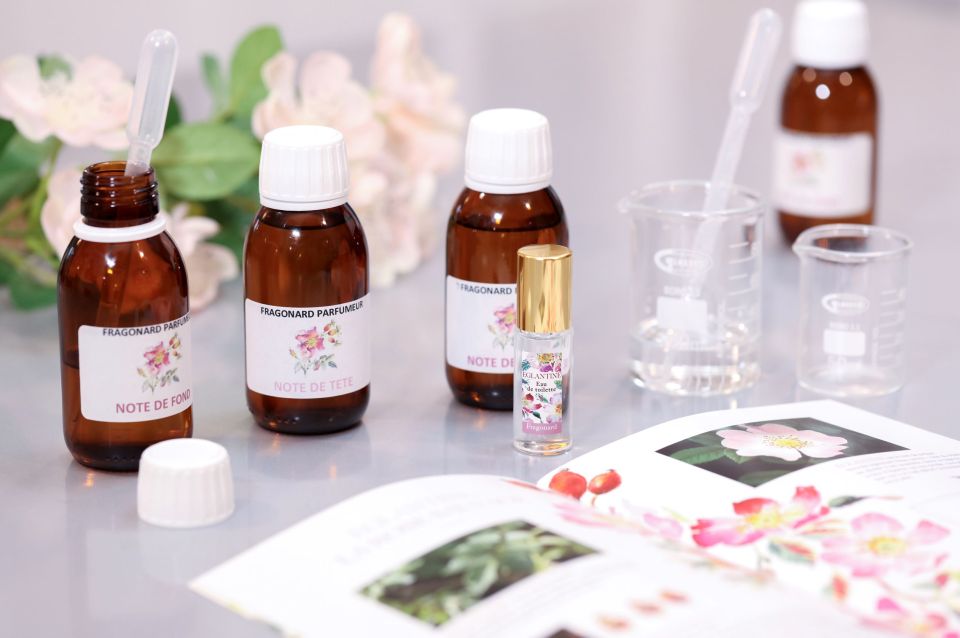
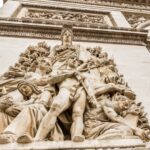
Now for the fun part: the workshop. You create your own Eau de Toilette based on the three pre-composed notes of the year. You’ll blend those notes into a personalized scent, following guidance from the teacher.
Your take-home creation is 12 milliliters in a spray bottle. That size is practical for travel and gifting. It’s also a good “first perfume” amount—enough to test wear, but not so much that you’re stuck committing to a full bottle if your nose shifts once you’re home.
One interesting thing to understand up front: because the blend is based on three pre-composed components, you’re not building from a huge menu of raw materials. That’s part of the experience design—it keeps time under control and helps everyone finish with something balanced. The flip side is that if you wanted total freedom to pick every note, you may feel slightly limited.
Still, the result is personal. Reviews describe blends varying by participant depending on how the three components are combined. So even with the same three “inputs,” you get different outcomes.
Also, expect scent sampling as part of the tour flow. Some people mention learning categories of perfume (like citrus, floral, and oriental) as part of how the guide helps you identify what you’re smelling and how it relates to perfume families.


What You’ll Notice After the Workshop: A New Way to Shop for Scent
The best souvenirs are the ones that change how you experience something afterward. This experience has that feel because it trains your nose, not just your hands.
After the blending, you’ll walk away with a bottle—and with a clearer mental model for what you liked and why. That makes it easier to buy future perfumes without staring at a shelf like it’s a puzzle from another planet.
You may also want to use the museum shop as a follow-up. People mention buying extra perfume containers after the session, and the guide offered help identifying scents. If you’re staying in Paris a few days, this is a smart use of your “perfume confidence” while it’s fresh.
If you’re going for a rainy day activity, this also works well. It’s indoor, structured, and quick enough that you don’t feel trapped all afternoon.
Who This Is Best For (and Who Might Want a Different Option)
This workshop is great for:
- Couples or friends who want an interactive, non-touristy activity near Opéra Garnier.
- Parents and kids traveling together, especially if you want something that feels hands-on but not overly technical.
- First-time perfume lovers who want a guided introduction to notes and blending.
- Gift shoppers who like the idea of taking home a made-by-you scent.
It may be less ideal if:
- You want a long, slow museum experience rather than a timed class format.
- You need full accessibility accommodations—wheelchair users are listed as not suitable for this activity.
- You’re traveling with pets—pets are not allowed.
For families: children are accepted from age 8 when a paying adult is responsible. Several people mention teens and school-age kids enjoying it, especially because it includes both learning and a take-home bottle.
Should You Book Fragonard Paris: Mini Perfume Workshop?
If you want a short, high-impact cultural activity tied to perfume—without committing half a day—book it. The value comes from two things working together: a guided museum context plus a guided blending method, ending with a take-home spray bottle you made yourself.
Choose this workshop when you like structure. The olfactory pyramid lesson makes blending feel manageable, and the small group size helps the guide keep it interactive. The timing is tight, so if you’re hoping for lots of free time to wander the exhibits, plan a little extra time outside the official session.
If you’re curious, this is one of the easiest ways to turn Paris perfume culture into something personal you can smell later—back in your hotel room, not just on your memory.
FAQ
Where is the meeting point for the mini perfume workshop?
You meet at the Fragonard Perfume Museum.
How long is the experience?
The duration is 45 minutes total, with a workshop portion described as about 20 minutes.
Is the tour guide available in English?
Yes. The tour guide is listed as English.
What perfume do I make, and what do I take home?
You blend your own Eau de Toilette based on the Fragonard Flower of the Year, and you take home a 12 ml spray bottle.
Are children allowed?
Yes. Children are accepted upwards of 8 years old under the responsibility of a paying adult.
How big is the group?
The group is limited to 10 participants.
Is the activity suitable for wheelchair users?
No. It is not suitable for wheelchair users.
Are pets allowed?
No. Pets are not allowed.