REVIEW · PARIS
Discover Secret Passages in Paris
Book on GetYourGuide →Operated by Meeting the French · Bookable on GetYourGuide
Secret Paris lanes feel like a time machine. Behind the Louvre, this walk leads you into les passages couverts, restored covered arcades where boutiques and art galleries sit under glass-and-stone roofs, and I really like how your local guide turns the scene into street-level history. I also like the mid-tour break at a hidden wine bar inside the passages, where you taste wine and snack on pastries.
You start at a very practical spot: the exit of Louvre metro station by 8 rue de l’Amiral de Coligny, right on the Right Bank. With a small group capped at 8, the route stays easy to follow, and guides such as Simone and Anthony M. come across as genuinely excited to share the details that most people skip.
My only caution: if you expect true movie-style secrecy, you might feel these aren’t secret doors so much as covered walkways connecting streets. One common complaint is that the 3 hours can feel a touch long if you only want the very best parts.
In This Review
- Key things to know before you go
- Why Paris Has “Secret” Walkways in Plain Sight
- Meeting by the Louvre Metro: Fast Start, Easy Orientation
- The Five Passages Near the Louvre: What Makes Them Worth the Walk
- Browsing the Cool Shops and Art Galleries Without Rushing
- The Mid-Tour Wine Bar Stop: A 19th-Century Feeling Break
- The Extra Context Moment: When Guides Add the Nearby Library
- Timing and Pacing for a 3-Hour Walk (and Why It Can Feel Long)
- Price and Value: What You’re Really Paying for at $159
- Who Should Book This (and Who Might Skip It)
- Should You Book This Secret Passages Tour?
- FAQ
- Where does the tour start?
- How long is the tour?
- How many passages do you visit?
- What’s included in the price?
- Is there a small group?
- What languages is the tour offered in?
- Is the tour around the Louvre area on the Right Bank?
- What should I expect during the break?
- What are the booking and cancellation options?
Key things to know before you go
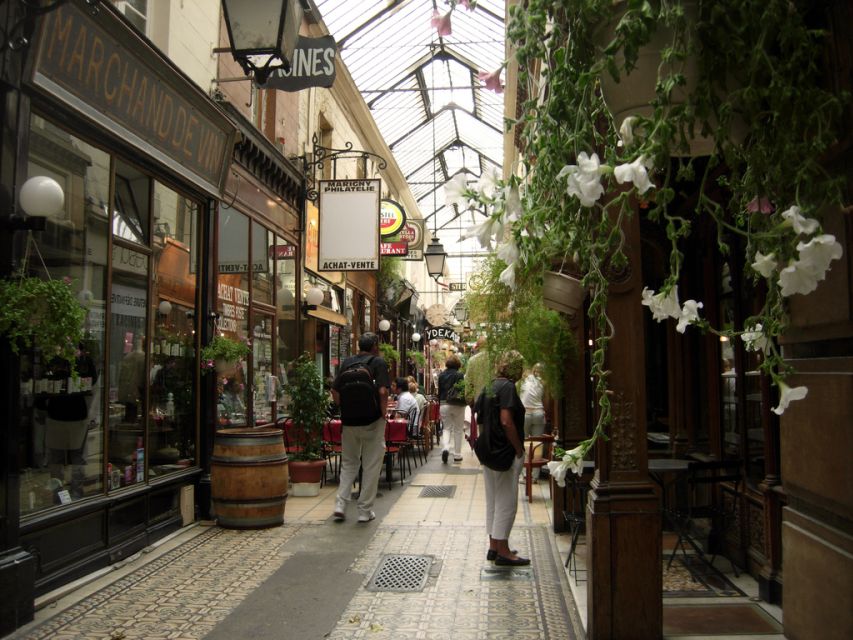
- You visit five passages couverts near the Louvre, so the walk stays focused.
- About 130 became around 20 remaining, and your guide explains what survived and why.
- Shopping plus art galleries are part of the point, not an afterthought.
- Wine tasting and pastries are included, served from a historic-feeling nook inside the passages.
- Group size is limited to 8, which helps on a route full of turns and narrow spots.
- A quick National Library stop may happen if your guide recommends the oval study room nearby.
Why Paris Has “Secret” Walkways in Plain Sight
Paris is full of grand boulevards where you expect the usual: long lines of shops, big façades, and crowds that move like weather. What I find clever here is that the city’s real shortcut is architectural. Behind the wide streets, you’ll find covered passages—compact, pedestrian-only corridors lined with shops, cafés, and galleries.
These are les passages couverts, a Paris invention from an era when people wanted the convenience of walking indoors without losing the street vibe. Your guide doesn’t just point them out; they explain how these places grew, why they were built, and how many disappeared over time. One of the coolest pieces of context is the scale change: there used to be around 130 passages, and now only about 20 remain, many recently restored.
You’ll also notice the tone right away. Instead of “theme park,” it’s closer to a little Paris village tucked in between major roads—quiet enough to browse, characterful enough that you want to stop and look up.
You can also read our reviews of more tours and experiences in Paris.


Meeting by the Louvre Metro: Fast Start, Easy Orientation
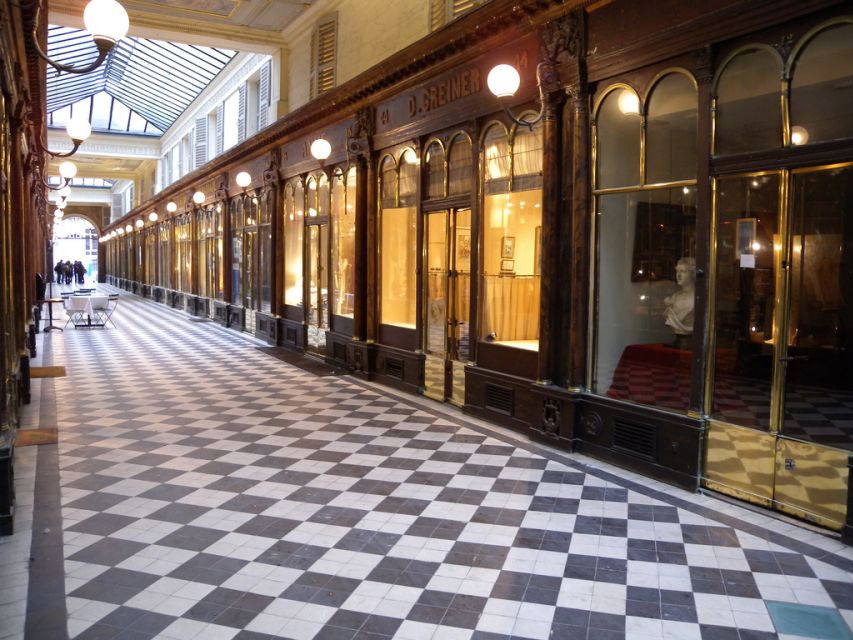
You’ll meet at the exit of Louvre metro station, in front of 8 rue de l’Amiral de Coligny, 75001 Paris. That matters because this tour is all about walking without getting lost. The start location is central, and it sets you up near the Right Bank passages.
What I’d do when you arrive: get your bearings early. The meeting point is specific, but Paris station exits can be confusing if you show up rushed. Once you’re with the group, you’ll be moving at a pace that lets you actually read shop signs and notice details on the façades.
Also, this is a multilingual tour (English, French, Japanese, Spanish, German, Italian). If you’re traveling with a group that includes different language needs, this format is usually a relief.
The Five Passages Near the Louvre: What Makes Them Worth the Walk
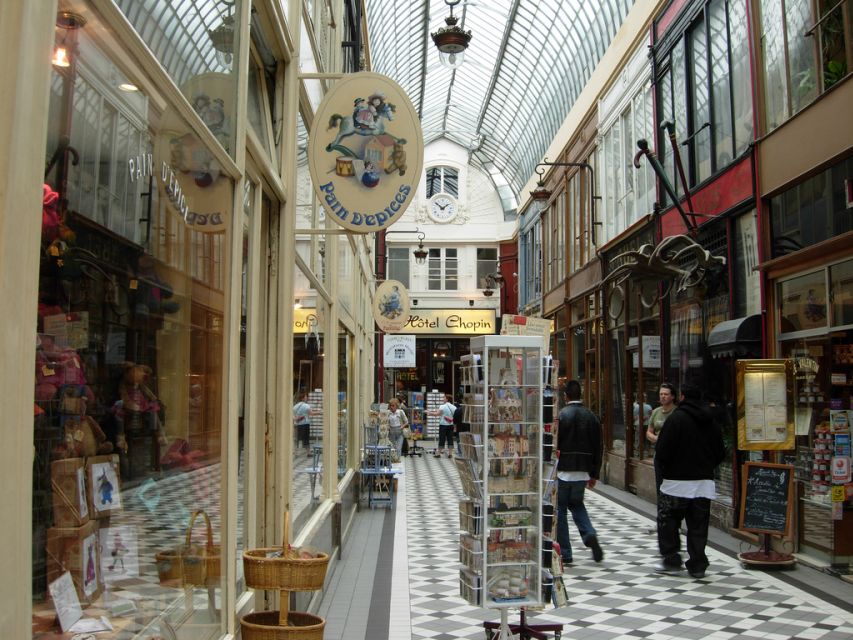
The core of this experience is a guided stroll through five of the secret passages located near the Louvre on the Right Bank. The “secret” part isn’t about hidden passages under the floor. It’s about the fact that these corridors sit behind the city’s big public face.
Your guide will show you things most people miss:
- How the passages sit like connectors between streets
- What you’re seeing that signals a specific time period
- How the restored versions keep that French charm even after rebuilding
You’ll spend time inside the arcades rather than just passing through quickly. That’s key. When you’re actually standing in these narrow covered lanes, you feel the shift—light changes, sound changes, and suddenly you’re in a different slice of Paris.
One of the most appealing details is that some shops and spaces have stayed in character for a very long time—reports point to places with a history reaching 150 years. You’re not just ticking off a list; you’re seeing how Paris commerce and craft have persisted in small-scale forms.
Practical note: since these are indoor/outdoor corridors, you’ll want your camera ready. It’s the kind of route where angles and ceilings matter.
Browsing the Cool Shops and Art Galleries Without Rushing
Shopping isn’t the whole story here, but it is part of it. The passages are known for stylish storefronts, art galleries, and small spaces that feel like they’re built for lingering.
I like that this tour doesn’t pressure you to buy. It gives you time to look. In a big mall or a department store, you get motion without intimacy. In the passages, you get the opposite: you can pause, step back, and compare what’s in one arcade versus the next.
This is also where the guide’s value shows up. A good guide helps you notice:
- Which shops feel newly restored versus older in spirit
- What kinds of goods show up in these corridors
- How the passage layout shapes the browsing flow
If you’re the kind of visitor who likes art, this route is an easy win. If you’re mostly after snacks and photos, the shopping stops still work because they’re tied to the architecture and history of the places themselves.
The Mid-Tour Wine Bar Stop: A 19th-Century Feeling Break
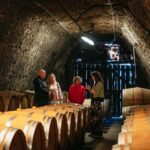
Halfway through, you’ll get a break at a historic-style setting tucked away inside the passages: a wine bar where you sit and taste a glass of wine. The included treats also include pastries, described as specialty options in the highlights.
This is the moment that turns the walk from sightseeing into something more memorable. Covered passages can be visually lovely, but your brain can get tired from constant looking. A seated stop gives your eyes and legs a reset, and it connects the space to how people used these passages historically—places to meet, linger, and take shelter from weather while staying in the middle of life.
Two useful bits of guidance:
- Pace your sipping. It’s a walking tour, and you’ll keep moving after the tasting.
- If pastries tempt you, go for it. You’re already paying for the included pastries, and the snack makes sense as part of this kind of Paris stop.
One review specifically praised Simone’s wine bar stop and how she recommended an extra nearby visit to the National Library, which made the story feel even more complete. Another guide, Anthony M., received strong praise for being engaging and detail-focused—exactly what you want during a tasting break, when the group is quiet and listening.





The Extra Context Moment: When Guides Add the Nearby Library
You may get an additional short detour around the National Library area, depending on your guide and timing. One group described a suggestion to visit the adjacent National Library to see an oval study room, then continue on to the remaining passages.
I like this kind of flexibility. It’s not random. It’s usually tied to the theme: how Paris buildings and public spaces evolved around the same pedestrian networks. If your guide mentions the library, it can be a good way to add a cultural checkpoint without turning the tour into a museum day.
Of course, if you prefer a strict, keep-walking pace, just follow your guide’s call. This tour is built around the passages; any add-on should stay short.
Timing and Pacing for a 3-Hour Walk (and Why It Can Feel Long)
The duration is 3 hours, and the route is designed around seeing five passages plus the wine-and-pastry stop. Since one stop comes midway, the day doesn’t stay constant: you get a rhythm of walk, look, listen, then sit and taste.
Still, there’s a real consideration. One complaint centered on length: the tour may feel too long if you think a “secret passage” experience should be quick-hit and done. Another critique noted that the passages may be covered walkways between streets rather than truly hidden interior mazes.
My take for planning: go into this expecting a relaxed browsing walk, not a sprint. If you only want the most spectacular 1–2 passages, you may wish the tour were shorter. If you enjoy architecture and enjoy hearing the story while you walk, the 3 hours should feel about right.
Also, with a group limited to 8, you won’t be stuck behind a huge crowd. That helps the pace even if you personally like a slower look.
Price and Value: What You’re Really Paying for at $159
At $159 per person for a 3-hour small-group walk, this isn’t a budget “hello Paris” tour. But the value comes from what’s included and how focused it is.
You’re paying for:
- A live guide (and not just a recorded audio track)
- A curated route of five passages near the Louvre
- Wine tasting included
- Pastries included
- Small group size (max 8), which matters in narrow passageways
If you were to recreate this independently, you’d likely spend time finding the passages, figuring out which are restored and worth your stop, and then paying for a tasting and snack separately. Here, the guide stitches it together into a single, timed experience.
One more value point: the historical context isn’t delivered in a classroom. It’s told while you’re standing where it happened. That’s harder to replicate on your own in a useful way.
Who Should Book This (and Who Might Skip It)
This tour is a great match if you:
- Like Paris that’s slightly off the main radar, especially on the Right Bank
- Enjoy architecture, old commercial spaces, and pedestrian-scale design
- Want shopping and art browsing, but in a more human setting
- Are happy to include wine and pastries as part of the sightseeing
You might want to skip or choose a different format if:
- You only want a quick look and don’t care much about browsing
- You expect truly hidden locations with secret doors and surprises
- 3 hours feels like it could test your patience, especially if you’re selective about which sites matter
If you’re on a first trip to Paris and you already plan to hit major sights around the Louvre, this tour works well as a contrast. It gives you a different way to understand the city—through the pedestrian spaces people used daily.
Should You Book This Secret Passages Tour?
Yes, I think it’s worth booking if you want a focused walk with included wine and pastries, and you’re into the idea that Paris has layers you can walk through. The best versions of this tour are guided with genuine energy, and guides like Simone and Anthony M. were praised specifically for being engaging and detail-forward.
On the other hand, don’t book this expecting a short, action-packed stealth mission. Go in wanting to browse, look up, listen, and take a break at a tucked-away wine bar.
If that sounds like your kind of Paris day, reserve your spot and plan on a calm 3 hours in a less obvious Paris.
FAQ
Where does the tour start?
You meet at the exit of Louvre metro station, in front of 8 rue de l’Amiral de Coligny, 75001 Paris.
How long is the tour?
The tour lasts 3 hours.
How many passages do you visit?
The tour focuses on five secret passages near the Louvre on the Right Bank.
What’s included in the price?
Wine tasting and pastries are included.
Is there a small group?
Yes. The group is limited to 8 participants.
What languages is the tour offered in?
The tour guide is available in English, French, Japanese, Spanish, German, and Italian.
Is the tour around the Louvre area on the Right Bank?
Yes. The passages visited are located near the Louvre on the Right Bank.
What should I expect during the break?
You’ll visit a wine bar tucked away inside the passages and sit for a glass of wine, with included pastries.
What are the booking and cancellation options?
There is free cancellation up to 24 hours in advance for a full refund, and you can reserve now and pay later.