REVIEW · PARIS
Paris: Louvre Museum Timed-Entrance Ticket
Book on GetYourGuide →Operated by Distributor: GetYourGuide Tours & Tickets GmbH · Bookable on GetYourGuide
The Louvre can feel like a maze. This timed ticket is the practical fix that gets you inside fast, then leaves you free to explore at your own pace. You’ll head straight to a dedicated priority lane, go through security, and enter within the promised window.
What I really like is the skip-the-ticket-line setup, which matters because the real slowdown at the Louvre is usually outside. I also love that it’s not a short, rigid tour. You get full access to the permanent collection and temporary exhibitions for as long as you want during your visit.
One thing to plan for: this ticket doesn’t skip security. You still get an airport-style check, and the museum is huge and busy, especially around the headline sights.
In This Review
- Key points that make this ticket worth it
- Skip the ticket line, keep your freedom: what this Louvre entry really gives you
- Price and value: why $26 is mostly about your time
- Where you enter: Priority Access at three Louvre entrances
- Security still counts: how to handle the airport-style line
- Your 1-day plan: how to see the Louvre without getting overwhelmed
- The spine: pick 3 must-sees
- Side quests: let your route flex
- What you’ll actually see: from Egyptian halls to Renaissance masterpieces
- Ancient Egypt and the older worlds
- Classical antiquity and the art of form
- Paintings from the 13th to 20th centuries
- Renaissance and the headline moments
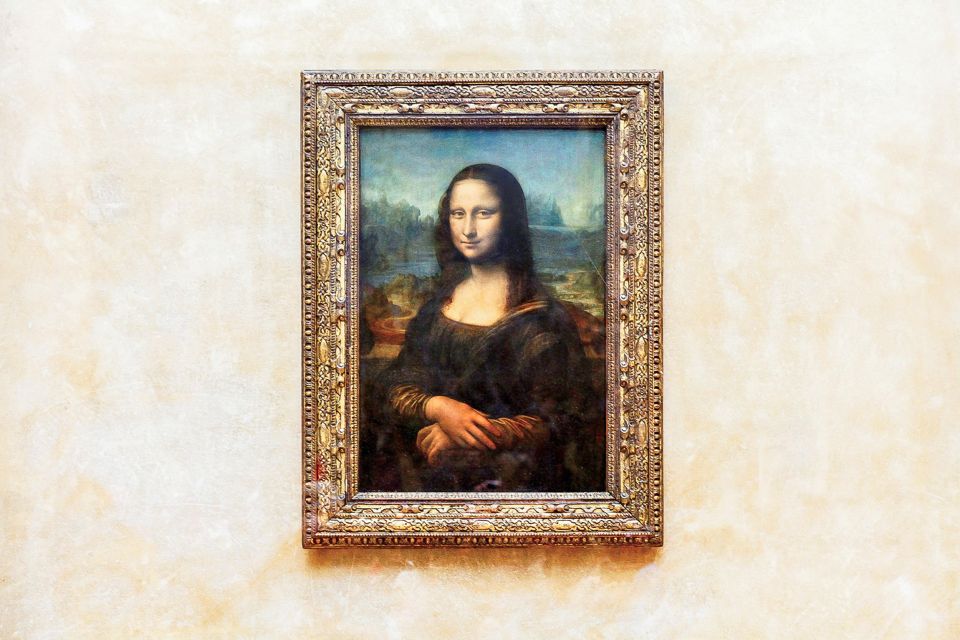
- Mona Lisa logistics: separate doors and real crowd management
- Best timing tactics: how opening hours and deadlines shape your visit
- Inside reality check: the Louvre is a maze, so start smart
- What’s included vs not included: you’re buying access, not a lecture
- Tips for a smoother visit (the stuff that saves your day)
- Who this Louvre timed ticket suits best
- Should you book this Louvre timed-entrance ticket?
Key points that make this ticket worth it
- Guaranteed entry window: You’ll enter within 30 minutes of your timed slot.
- Ticket-line bypass, not security-line bypass: Expect a security queue either way.
- Iconic art across eras: Ancient Egypt through Renaissance masterworks and beyond.
- Go your own way: No guide script. Spend time where you care most.
- Mona Lisa access has flow rules: The Salle des États uses separate entry and exit doors.
- Closing matters: Last entry is one hour before closing, and you’ll be asked to leave 30 minutes early.
Skip the ticket line, keep your freedom: what this Louvre entry really gives you
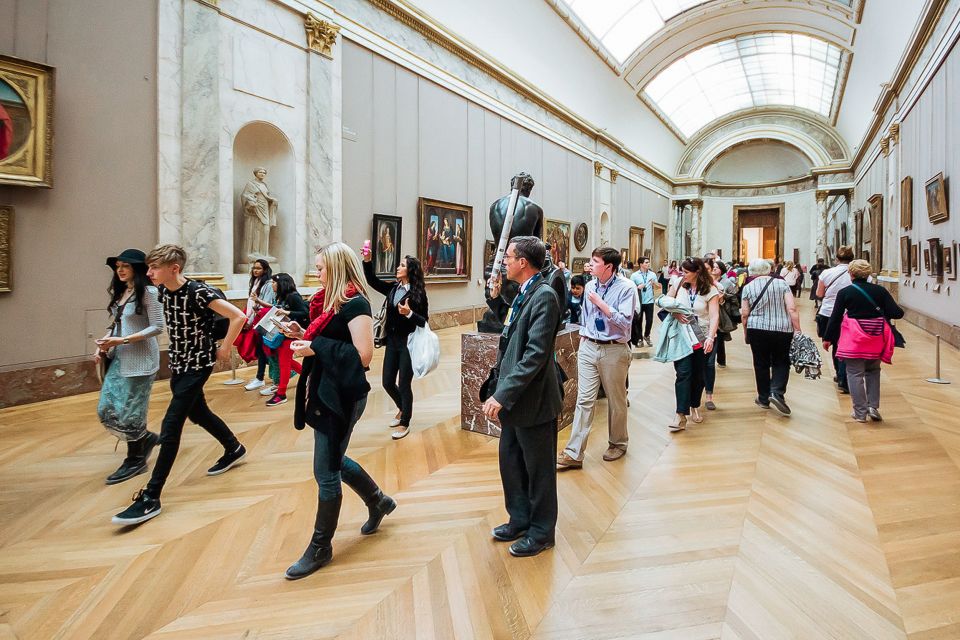
The Louvre isn’t just big. It’s big in a way that can mess with your day if you wing it. Ticket lines and wandering around trying to plan your route tend to eat up the hours you thought you’d spend looking at art.
This timed-entrance ticket is the smart middle ground. It’s not a guided tour that tells you where to go, and it’s not a passive ticket you hope somehow works on a crowded day. Instead, it focuses on one core problem: getting inside without losing your morning to the outside crush.
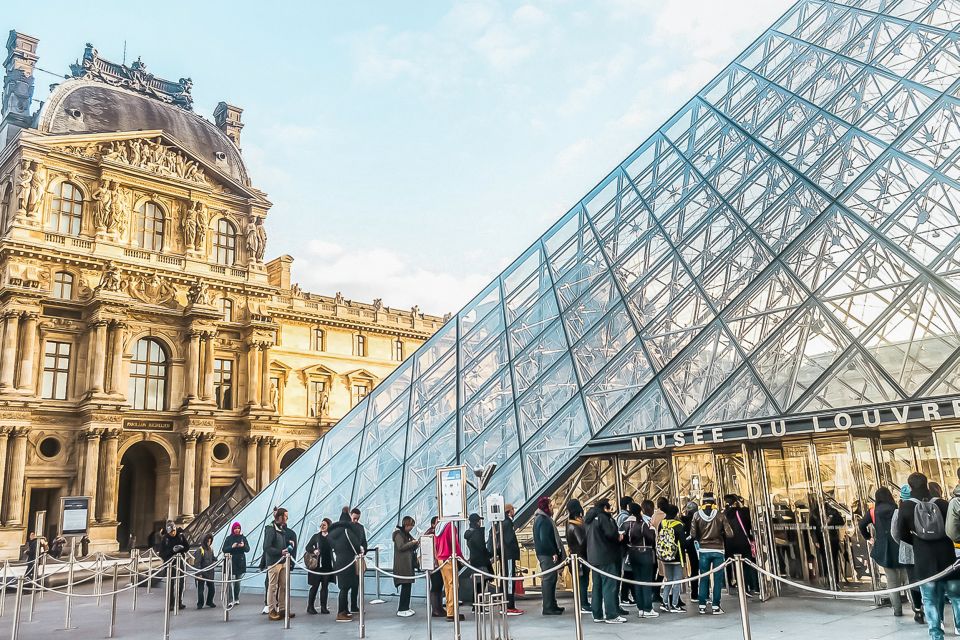
You choose a time slot. Then you show your ticket at a Priority Access line. From there, you go through airport-style security and walk into the museum with your ticket in hand. After that, you’re on your own—exactly how you want to be at a museum this size.
The Louvre’s mirror across the river deserves equal planning: OneWeekInParis covers the Orsay entry ticket in the same detail, and the Musée d’Orsay site lists the late Thursday openings that solve the two-museums-one-day problem.
You can also read our reviews of more tours and experiences in Paris



Price and value: why $26 is mostly about your time
At about $26 per person, this isn’t a budget activity. But you’re paying for something that’s hard to replace: time and stress control.
Here’s the value logic. If you buy standard entry on the day, you can easily spend a big chunk of your visit just getting tickets and crossing the threshold. With a timed entrance, you’re trading money for predictability. Even when you still wait in security (you do), your main bottleneck outside is reduced.
Also, you’re not paying for a single exhibit. You’re buying full access to the permanent collection and temporary exhibitions. That matters at the Louvre because you’ll want options—some rooms can be temporarily closed, and crowd patterns change by hour.
If your priority is seeing the Mona Lisa and a solid sweep of other highlights without turning your day into a logistics project, this price can feel like a bargain. If you’re the type who loves getting lost and you’d happily gamble with lines, you could do it cheaper. But at the Louvre, lines aren’t a vibe. They’re a thief.
Where you enter: Priority Access at three Louvre entrances
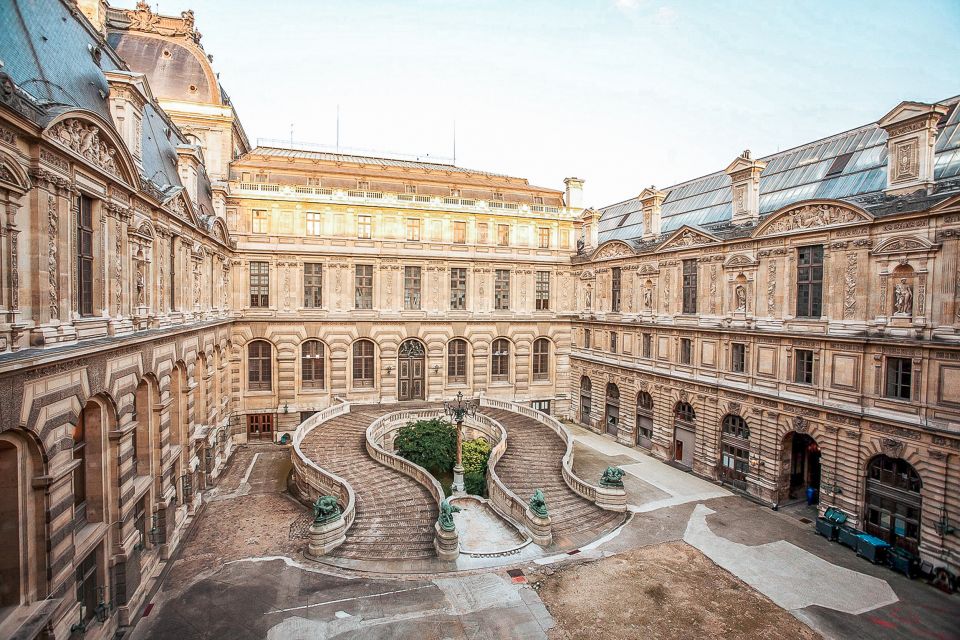
The Louvre spreads out, so your exact entry point affects your experience. This ticket is designed to work through one of the dedicated priority lanes at the entrances listed below:
- Pyramid main entrance (Porte des Lions area)
- Porte des Lions entrance
- Carrousel entrance
When you arrive, show your ticket to security staff at the Priority Access line. After that, you go through a standard security check—think airport style.
A practical tip: if you’re navigating by metro or walking in, choose the entrance that is easiest for you that day. The ticket gives you priority, but you still don’t want to add an extra trek across the Louvre courtyard while your timed moment ticks forward.
Security still counts: how to handle the airport-style line
Even with skip-the-ticket-line entry, you still have to wait in the security queue. The process is designed to keep things safe and controlled, but it can take time.
So plan your mindset like this: your ticket helps you avoid the ticket counter chaos, not the security check entirely. Once you’re through, you’re free to go directly into the museum.
What to bring is simple:
- Passport or ID card
What to leave behind:
- No luggage or large bags
- No oversize luggage
And yes, the Louvre will still be crowded inside. A fast entry just means you get to start dealing with the crowd after you’re already inside—where you can actually steer your visit.
Your 1-day plan: how to see the Louvre without getting overwhelmed
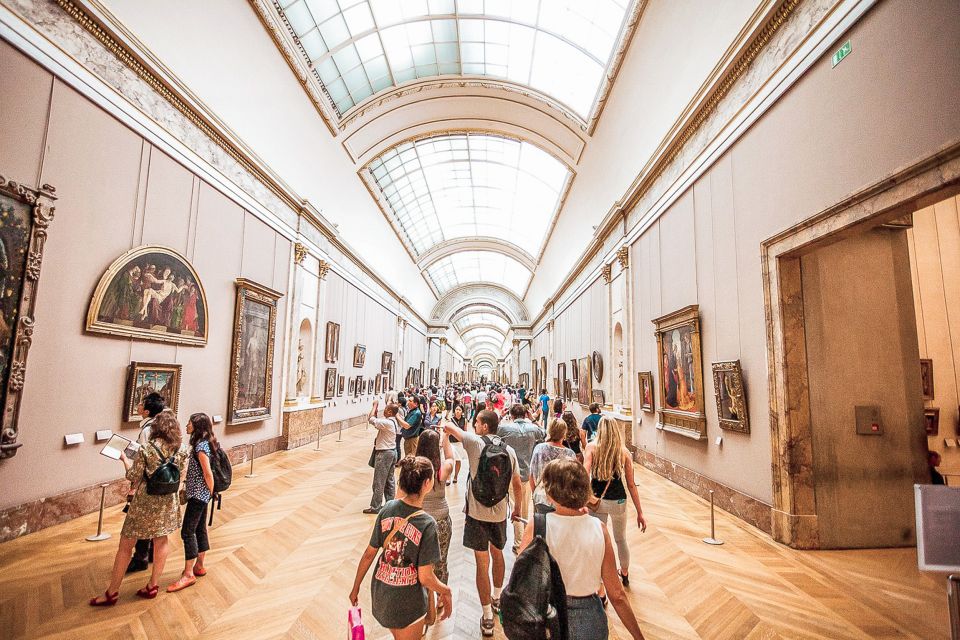
The Louvre first opened on August 10, 1793, starting with a modest display of 537 paintings. It closed in 1796 due to structural problems, then reopened in 1801 as the Musée Napoléon with a larger collection. Since then, the collection has grown to around 20,000 works.
That history is part of why the building feels like a city of art. You’re not seeing one gallery. You’re moving between departments that span thousands of years.
With a full-day visit and timed entry, I suggest you treat your plan like a “spine + side quests” day.
You can also read our reviews of more museum experiences in Paris




The spine: pick 3 must-sees
Most people need:
1) Mona Lisa (even if it’s brief)
2) A quick hit of Ancient Egypt
3) A Renaissance or older masterwork area (paintings or sculpture)
Then let everything else become optional. You’ll enjoy the museum more when you’re not chasing 40 things with the emotional energy of a sprint.
Side quests: let your route flex
The Louvre has 8 departments, so your best plan includes flexibility:
- Egyptian Antiquities
- Near Eastern Antiquities
- Greek, Etruscan, and Roman Antiquities
- Islamic Art
- Sculpture
- Decorative Arts
- Paintings
- Prints and Drawings
What you’ll love here is the range. One moment you’re looking at ancient relics. Next, you’re in a room that feels like it was designed to make Renaissance art look even more inevitable.
What you’ll actually see: from Egyptian halls to Renaissance masterpieces
The Louvre’s advantage is scale with structure. You can’t possibly “do it all,” but you can make sure you don’t miss the big beats.
Ancient Egypt and the older worlds
If you want the Louvre to feel like time travel, start with the Egyptian and Near Eastern areas. These sections give the museum its deep-time punch—relics and artifacts that make the building feel less like a set of rooms and more like a collection assembled across centuries.
Classical antiquity and the art of form
The Greek, Etruscan, and Roman Antiquities department is where you’ll spot how “beauty” in art changes over time—but also how many themes repeat. Sculpture and design details help you understand why these collections influenced later artists.
Paintings from the 13th to 20th centuries
The paintings collection covers a huge span. That’s one reason people leave feeling they saw a lot even if they only saw “highlights.” The trick is not to chase every painting. Instead, choose a few “anchor” works, then move to the next department while your attention still feels fresh.
Renaissance and the headline moments
Then come the masterworks you came for. The Renaissance pieces are the payoff for many visitors, and the Mona Lisa sits at the center of that gravity.
Mona Lisa logistics: separate doors and real crowd management
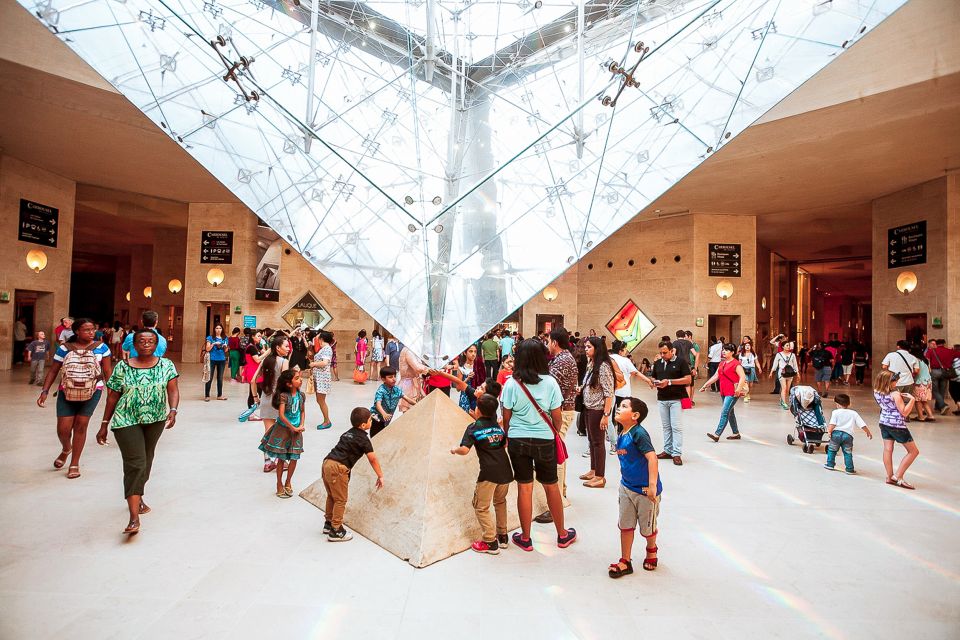
The Mona Lisa is worth seeing in person—but the experience is different from other paintings. The museum notes that Salle des États (where the Mona Lisa is displayed) uses separate doors for entry and exit.
So expect movement patterns that feel a bit like a controlled funnel. It’s not meant to be slow-strolling serenity. Your goal is short, clear, and calm viewing.
Here’s how to make it work:
- Don’t plan a long hang around the immediate area.
- Look, take it in, and move when you can.
- Use the surrounding flow to keep your visit moving instead of getting stuck behind the same cluster.
Also, the Louvre is extremely crowded around the most famous works. You don’t need to fight that with frustration. Just accept that the museum is busiest where your eyes want to be, and your job is to keep things simple.
Best timing tactics: how opening hours and deadlines shape your visit
The Louvre opening hours are not uniform, so your day plan should be flexible:
- Monday, Wednesday, Thursday, Saturday, Sunday: 9:00 AM to 6:00 PM
- Friday: 9:00 AM to 9:45 PM
- Tuesday: Closed
And there’s a hard deadline structure:
- Last entry is one hour before closing.
- You’ll be asked to vacate the museum 30 minutes before closure.
This is one reason timed tickets are actually more useful than they sound. If you book early or late, you’re not just picking a vibe—you’re protecting your actual entry and exit window.
If you hate crowds, consider aiming for a later slot. Late opening on Friday is a big advantage because you get more evening time than most days. Many visitors find evening entry feels less intense than peak daytime rush, though the Louvre remains busy no matter what.
One more timing twist: your entrance time may be up to 30 minutes before or after your requested slot. For example, choosing 2:00 PM could land you at 1:30 PM, 2:00 PM, or 2:30 PM. That’s normal—so don’t build a tight schedule around the exact minute.
Inside reality check: the Louvre is a maze, so start smart

Even with a timed ticket, you’ll feel the size. The Louvre is organized into departments, but your route still depends on where you enter, what’s closed temporarily, and which corridors are crowded.
Some rooms may be temporarily closed. That’s not uncommon in a museum as large as this, so don’t assume every highlight is reachable at every moment.
Also remember: once you’re inside, you can’t just sprint room to room. The floor plan is huge, and walking time is part of the experience. If you try to see everything, you’ll see nothing well.
The best strategy is to:
- Start with your must-see anchors.
- Give yourself breathing room after the biggest crowd points.
- Let your path rotate through departments instead of repeatedly backtracking.
What’s included vs not included: you’re buying access, not a lecture
This experience includes:
- Skip-the-ticket-line timed entry
- Full access to the permanent collection and temporary exhibitions
- Booking fee
Not included:
- Skip-the-security-line entry
- Guide
- Audio guide
That last part matters. You should go in ready to either explore on your own or bring your own way of learning. If you want context, you’ll need to rely on general museum signs, your own reading, or an audio tool you bring or purchase separately.
The upside is you control pacing completely. No group countdown. No trying to keep up while you’re still processing what you’re seeing.
Tips for a smoother visit (the stuff that saves your day)
A few practical notes can make your experience feel easier right away:
- Wear comfortable shoes. You’ll walk more than you expect.
- Bring an ID/passport.
- Avoid large bags. If you have luggage, it can block your entry flow.
- Know that the museum can be temporarily closed in some rooms.
- Use the separate entry/exit rule in the Mona Lisa area to avoid confusion.
If you’re someone who gets anxious when a plan changes, timed entry is still a good fit. The ticket gives structure at the hardest part—the outside entrance—then you can adapt once you’re inside.
Who this Louvre timed ticket suits best
This ticket works best if you:
- Want a self-guided Louvre day
- Care about seeing iconic works like the Mona Lisa, Venus de Milo, and the Renaissance highlights
- Prefer to manage your own pace instead of following a schedule
- Want the value of predictability at a price that’s still reasonable compared to booking a more complex package
It may be less ideal if you:
- Want a guide to explain everything step-by-step
- Plan to show up with big luggage
- Expect timed entry to eliminate all waiting. Security is still there.
Should you book this Louvre timed-entrance ticket?
Yes, I’d book it—especially if your trip has limited time in Paris and you don’t want to gamble with ticket lines.
Book it if:
- You want guaranteed entry within 30 minutes
- You want freedom to roam across the Louvre’s 8 departments
- You’re comfortable exploring without a guide
Consider another option if:
- You want a fully guided experience with narration included
- You’re arriving with large bags that you can’t store or travel without
Bottom line: this ticket is a smart purchase because it targets the biggest pain point—getting inside—and then gives you the best part of the Louvre: the art, at your pace.