REVIEW · PARIS
Freemason; myths and revelation of a secret organization
Book on GetYourGuide →Operated by Cultival · Bookable on GetYourGuide
Paris gets weird in the best way. This guided walk connects Freemasonry’s myths to real history, using symbols you can actually spot around Saint-Germain and the Palais Bourbon area.
I like how the tour frames Freemasonry as an Enlightenment-era force in France, not just a spooky secret society story. I also like the practical angle: you’re taught how to look for traces in architecture and sculpture, not just hear general facts.
The main thing to keep in mind is simple: it’s French-only, so if you’re not comfortable in French, you’ll miss a lot (and the tour’s tone matters). Also, one review notes the guide can be a bit evasive at times, so don’t expect every question to get a crystal-clear answer on the spot.
In This Review
- Key things to know before you go
- A 90-minute walk that treats symbolism like a skill
- Grande Loge de France: history, structure, and why the myths took hold
- Starting at Saint-Germain-des-Prés: where to train your observation
- A small drawback to plan for
- Saint-Germain and Palais Bourbon: reading Paris through Masonic traces
- Around Saint Germain
- Moving toward Palais Bourbon
- Rituals, hierarchy, and biblical references without the spin
- The price: what $17 buys you (and what it doesn’t)
- Who this tour suits best
- Is it worth booking Freemason: myths and revelation of a secret organization?
- FAQ
- FAQ
- How long is the tour?
- What does it cost?
- Where do I meet the guide?
- Is the tour in French or English?
- What’s included in the price?
- What’s not included?
- Can I cancel for a refund?
- Can I reserve without paying right away?
- Is the tour wheelchair accessible?
- What areas of Paris will the tour cover?
Key things to know before you go
- Grande Loge de France focus: You learn how this organization formed, how it’s structured, and why it matters in France.
- Rituals and organization explained: Expect discussion of hierarchy, symbolism, co-option, and biblical references tied to Masonic teaching.
- Symbol spotting in Paris: You’ll be nudged to recognize visible and hidden Masonic traces on buildings.
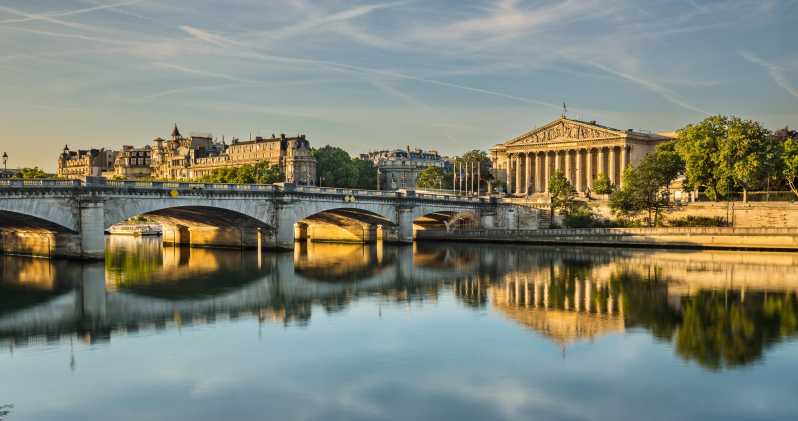
- Two classic districts, one route: The walk centers on Saint-Germain-des-Prés and the Palais Bourbon area.
- French-only guidance: The entire experience is guided in French.
- Short and doable: At 90 minutes, it’s an efficient stop that fits well with a day of sightseeing.
A 90-minute walk that treats symbolism like a skill
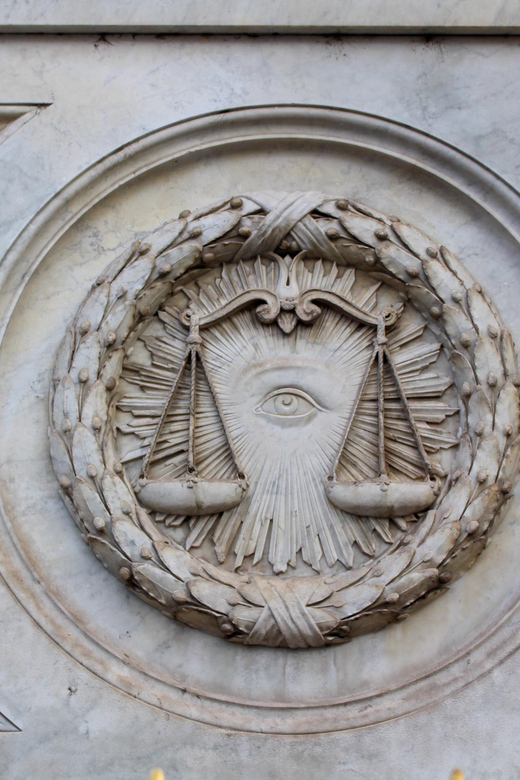
Freemasonry has a reputation for secrecy. This tour leans into that mystique, but it keeps the feet-on-the-ground approach. You’re not just told that symbols matter—you’re guided to notice how they show up in Parisian spaces. That shift is the reason the experience works: it turns history into a kind of visual game.
You’ll also get a clear sense of the big historical thread. Freemasonry, originally linked to Great Britain in the early 18th century, spread across Europe alongside the Enlightenment’s focus on reason and debate. In France, understanding that influence helps you decode how major social and political currents took shape during and after the 18th century.
At the center of the tour is the Grande Loge de France, with attention to its organization, rituals, and influence. Think of it as the difference between knowing Freemasonry exists and understanding how one specific French branch operated and what ideas it carried into public life.
You can also read our reviews of more tours and experiences in Paris.


Grande Loge de France: history, structure, and why the myths took hold
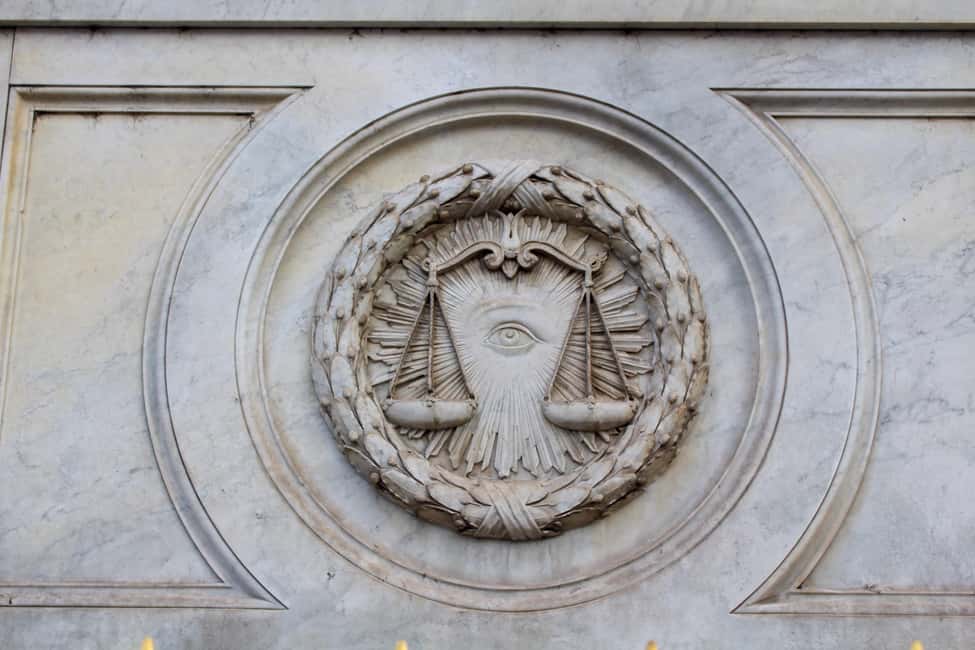
The tour is built around the idea that Freemasonry has always balanced three things: principles, symbolism, and controlled mystery. In the description, you’ll hear how the organization expanded from English founders while taking on different forms across Europe—yet keeping core principles consistent. That’s important because it explains why Freemasonry can look different depending on time and place, and why people argue about what it really is.
Here’s what you’re likely to focus on during the walk:
- Organization and hierarchy: You’ll hear about an arcane hierarchy and a system of co-option. Even if you’re not trying to memorize every term, the tour helps you understand why Freemasonry can feel opaque.
- Ritual and teaching: The guide explains rituals and how Masonic learning includes biblical references. That matters in France because it links Freemasonry to the broader religious-and-philosophical conversations of the Enlightenment era.
- Symbolism as the language: The experience places symbols front and center, because in Freemasonry, meaning isn’t always explained out loud. It’s embedded.
This combination—structure plus symbolism plus secrecy—is exactly why myths grow. The tour doesn’t ask you to accept everything at face value, but it does help you see where the fantasy comes from. If you’ve ever wondered why Freemasonry gets dragged into conspiracy talk, this kind of context will make the conversation feel more grounded and more intelligent.
Starting at Saint-Germain-des-Prés: where to train your observation
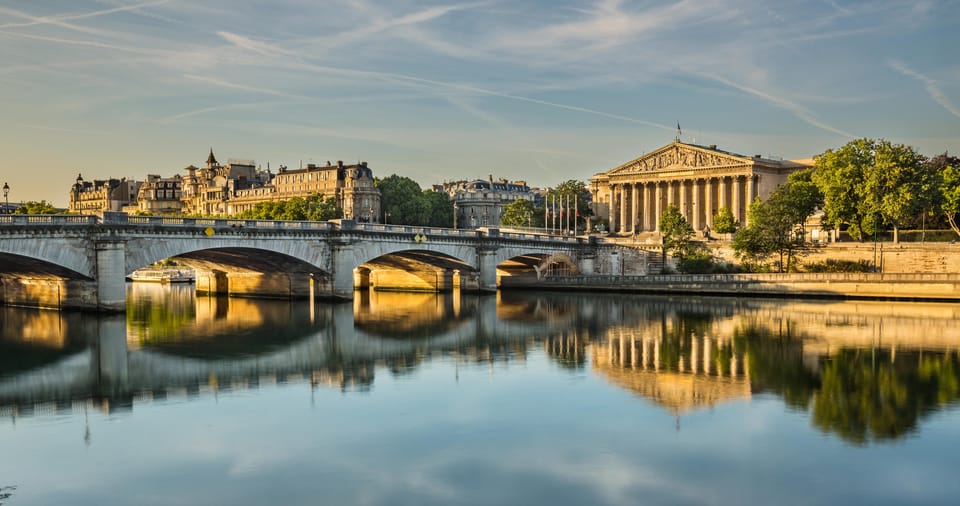
Your meet-up point is straightforward: 3 place Saint-Germain-des-Prés, right in front of the Saint-Germain-des-Prés church entrance. It’s a great way to begin because Saint-Germain-des-Prés already feels like a place where ideas, art, and debate hung out in history—even if you don’t know all the details yet.
From there, the tour’s emphasis shifts to your job as the participant: look carefully. The description explicitly calls out that you’ll need observation skills to recognize visible or hidden traces of Masonry that decorate facades and sculptures.
What that means in practice? You’ll want to slow down your brain. Instead of scanning just for famous landmarks, you’ll start noticing:
- decorative details high up on façades
- repeated motifs in sculptural elements
- emblem-like patterns that don’t look random
The point isn’t to turn you into an expert overnight. The point is to give you a framework. Once you have that framework, Paris stops being a blur and starts being legible.
A small drawback to plan for
This is still a walking tour. Even though it’s only 90 minutes, you’ll be outside and you’ll need your eyes more than your feet. If you’re hoping for lots of sitting-down explanation or museum-style pacing, you might find the “look-and-interpret” rhythm a little demanding.
Saint-Germain and Palais Bourbon: reading Paris through Masonic traces
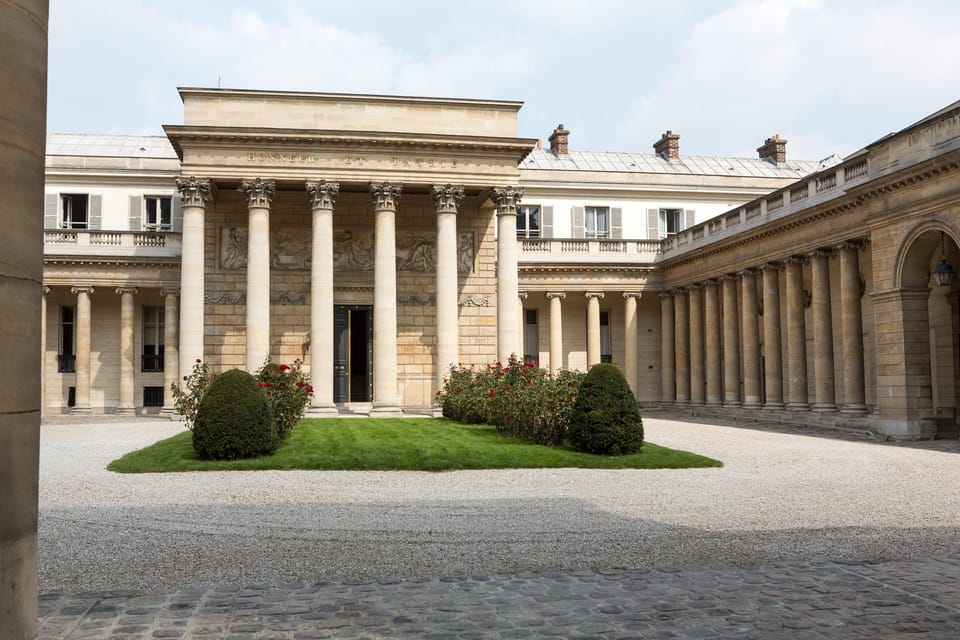
The route takes you through the heart of two emblematic districts: Saint Germain and the Palais Bourbon area. You’re not just walking between points on a map. The districts act like chapters in a story about how ideas become visible in the built environment.





Around Saint Germain
In this area, the tour’s focus is on the “everyday visibility” of symbolic language—details that most people pass without noticing. That’s where the guide’s approach matters. Reviews highlight that the guide can be passionate and pedagogical, which is a good sign for this kind of symbol-heavy experience. You’re more likely to walk away with actual takeaways instead of a foggy sense of mystery.
Moving toward Palais Bourbon
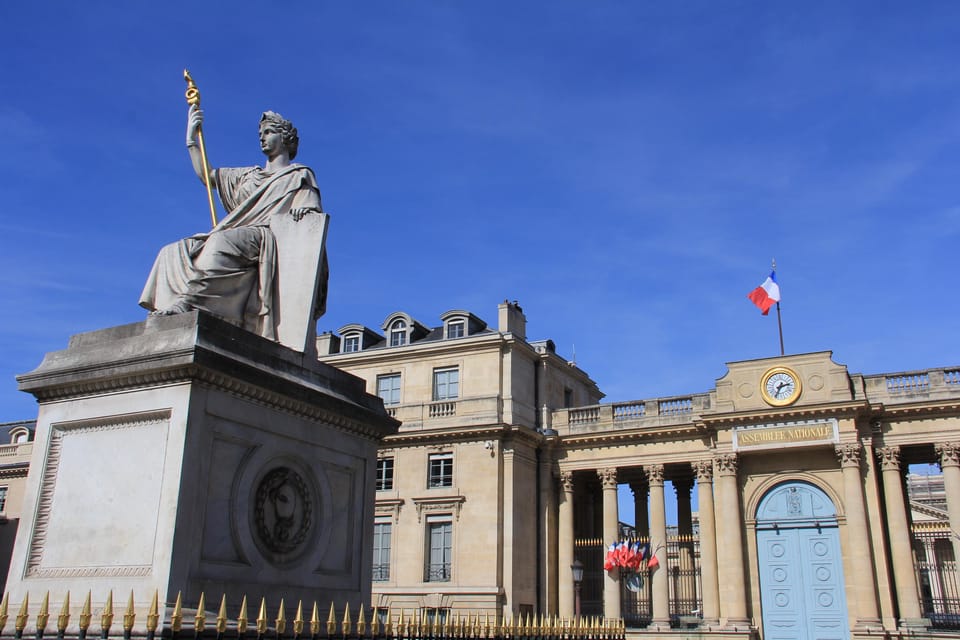
As you shift to the Palais Bourbon side, the tour keeps the same premise: traces of Masonry can show up in the city’s decorations and sculptures. You’ll also be learning about Freemasonry’s influence. So the symbolism isn’t just aesthetic. It’s part of a larger story about how an organization with a taste for secrecy interacted with society.
The value here is that you start to see the difference between:
- myths that float around in pop culture
- and evidence-like traces you can observe in architecture
Even if you don’t consider yourself an architecture buff, this part is satisfying because you can connect what you’re seeing to what you’re hearing.
Rituals, hierarchy, and biblical references without the spin
Freemasonry is famous for ritual. It’s also famous for sounding mystical. This tour tries to translate the complicated pieces into something you can understand while walking.
Based on the description, you should expect discussion of:
- rituals and how they function within the order
- arcane hierarchy and the idea of progression
- teaching that includes biblical references
- the way British roots shaped core principles even as Freemasonry evolved
A lot of tours about secret organizations fall into one of two traps: either everything becomes sensational, or everything becomes dry. The best version is neither. You want a guide who can explain symbolism and structure clearly, while keeping the subject’s weird edge intact.
One review gives a clear thumbs up for the guide’s teaching style and listening. Another review notes that the guide can be a bit evasive at times. So my practical advice is: if you have specific questions—about what certain symbols mean, for example—come with them ready, and be okay with the fact that some parts of Freemasonry are deliberately hard to pin down.
The price: what $17 buys you (and what it doesn’t)
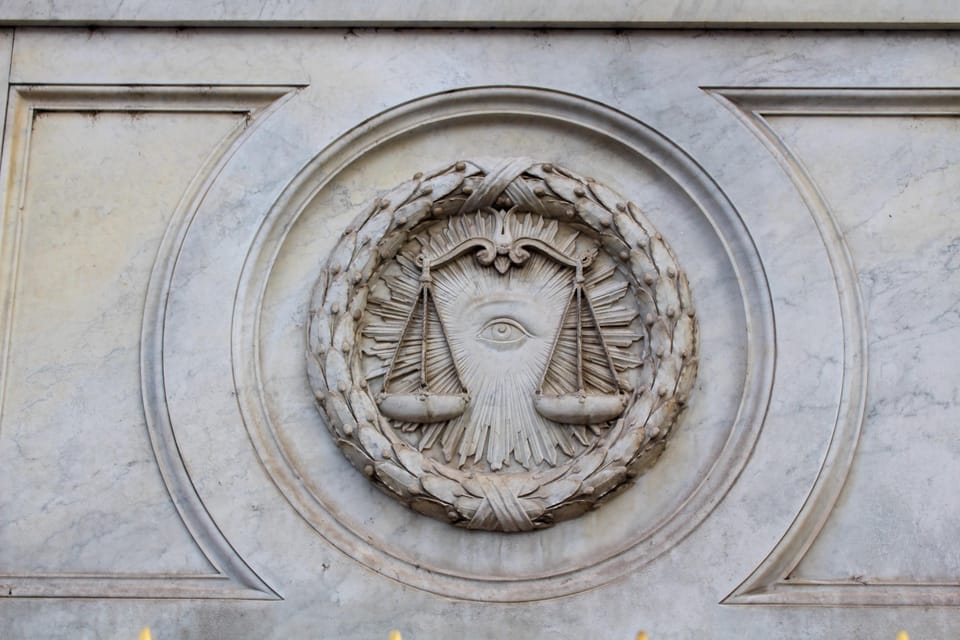
At $17 per person for 90 minutes, you’re paying for guided interpretation, not for a private documentary or a deep academic seminar. That’s a good thing. Paris is expensive; short guided experiences can be a smart way to add meaning without spending your whole day locked into one topic.
Here’s the value breakdown I see:
- You get a guided walking tour (so the guide is the product).
- You get historical framing about Freemasonry’s spread and Enlightenment-era context.
- You get a targeted focus on the Grande Loge de France and its influence.
- You get symbol-oriented instruction so your sightseeing becomes more than just photos.
What you don’t get (and shouldn’t expect) from a 90-minute walk: a full, step-by-step explanation of every ritual element or a definitive answer to every myth. This is more about giving you tools to understand what you’re seeing and hearing—not solving every conspiracy thread.
Who this tour suits best
This is a good match if you:
- like history that connects to real places, not just dates
- enjoy symbolism and reading meaning into art and decoration
- want a short, focused experience that fits into a normal Paris day
- can handle French-only guidance
It’s not the best match if you:
- need English interpretation
- prefer a museum-style format with longer stops and quieter explanation
- want the kind of “tell me everything you can reveal” approach that secret-organization tours sometimes promise
If you do go, I’d also suggest you show up with the right mindset. Treat it like learning a visual language. Not like hunting for a hidden door that must exist.
Is it worth booking Freemason: myths and revelation of a secret organization?
If you want a guided walk that turns Freemasonry from rumor into something you can observe in Paris, this is a strong choice. The symbol spotting angle is the main draw, and the Grande Loge de France focus gives the tour structure instead of vague storytelling.
Book it if:
- French isn’t a problem
- you enjoy walking-and-learning tours
- you like the intersection of Enlightenment ideas, society, and what people put on buildings
Skip it (or plan for an alternative) if:
- French-only guidance would limit your understanding
- you need straight answers to every myth
- you’re not up for 90 minutes of looking closely at facades and sculptures
Given the short duration and the price point, it’s the kind of tour that can genuinely improve how you experience the city—even after you’ve stopped thinking about the secret part and started thinking about the symbols.
FAQ
FAQ
How long is the tour?
The tour lasts 90 minutes.
What does it cost?
It’s priced at $17 per person.
Where do I meet the guide?
Meet at 3 place Saint-Germain-des-Prés, 75006 Paris, in front of the entrance to Saint-Germain-des-Prés Church.
Is the tour in French or English?
It’s guided in French only.
What’s included in the price?
You get a walking tour with a guide.
What’s not included?
Transfers are not included.
Can I cancel for a refund?
Yes. You can cancel up to 24 hours in advance for a full refund.
Can I reserve without paying right away?
Yes, the option to reserve now and pay later is available.
Is the tour wheelchair accessible?
Yes, it is listed as wheelchair accessible.
What areas of Paris will the tour cover?
The walk focuses on the Saint Germain and the Palais Bourbon districts.