REVIEW · PARIS
Invalides War Museum the World Wars Guided Tour
Book on GetYourGuide →Operated by Babylon Tours LLC · Bookable on GetYourGuide
World War I and II can feel like a blur of dates. This tour turns them into a clear chain of events, using museum objects to tell the story in human terms. I especially like the small group feel and the expert guide who connects the dots without drowning you in trivia.
You’ll start with 19th-century causes, move through WWI and its shocking aftermath, then hit WWII-era turning points like the Ligne Maginot, Dunkerque, and the Occupation of Paris. The main trade-off is moderate walking inside the museum, plus some areas may have quiet or limited speaking rules.
In This Review
- Key highlights to know before you go
- Why the Invalides Museum works so well for the story of the World Wars
- From Franco-Prussian War roots to the trigger of World War I
- World War I weaponry, uniforms, and the Battle of the Marne taxi
- Original footage, Versailles, and the armistice “end-of-war” moment
- From Hitler’s rise to the Ligne Maginot, Dunkerque, and Occupation of Paris
- Normandy, Liberation of Paris, and how the city still carries the marks
- What it’s like with a small group (and why Anatole’s style stands out)
- Cost and value: what $128 buys you (and what you’re saving)
- Practical tips before you go inside Invalides
- Should you book this Invalides World Wars tour?
- FAQ
- How long is the Invalides War Museum World Wars guided tour?
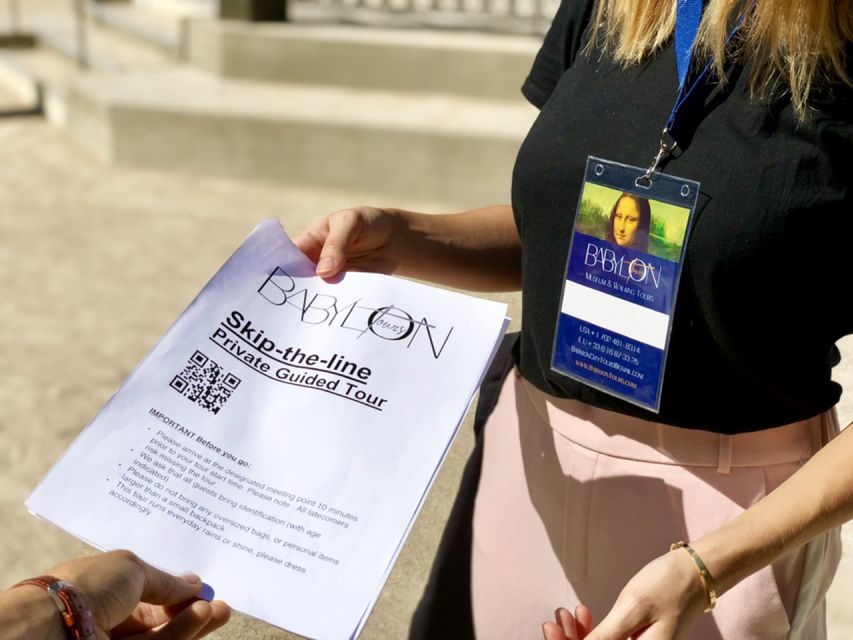
- Does the tour include skip-the-line entry?
- How big is the group?
- What languages are available for the live guide?
- Is a private or small group option available?
- Are large bags or luggage allowed?
- Is this tour wheelchair accessible?
- What do I need to bring?
- FAQ
- What’s the cancellation policy?
- Is there a way to reserve without paying immediately?
- FAQ
- What if the museum closes some rooms or opens late?
Key highlights to know before you go

- Skip-the-line entry so you lose less time waiting outside
- WWI weaponry, uniforms, and artifacts that make the conflict feel real
- Battle of the Marne details, including an iconic taxi tied to events there
- Original WWII-era and WWI-era film footage, not just dry descriptions
- Armistice history on the railcar story, tied to the end of WWI
- A guide Q&A style that makes room for your questions (especially if you get Anatole)
Why the Invalides Museum works so well for the story of the World Wars
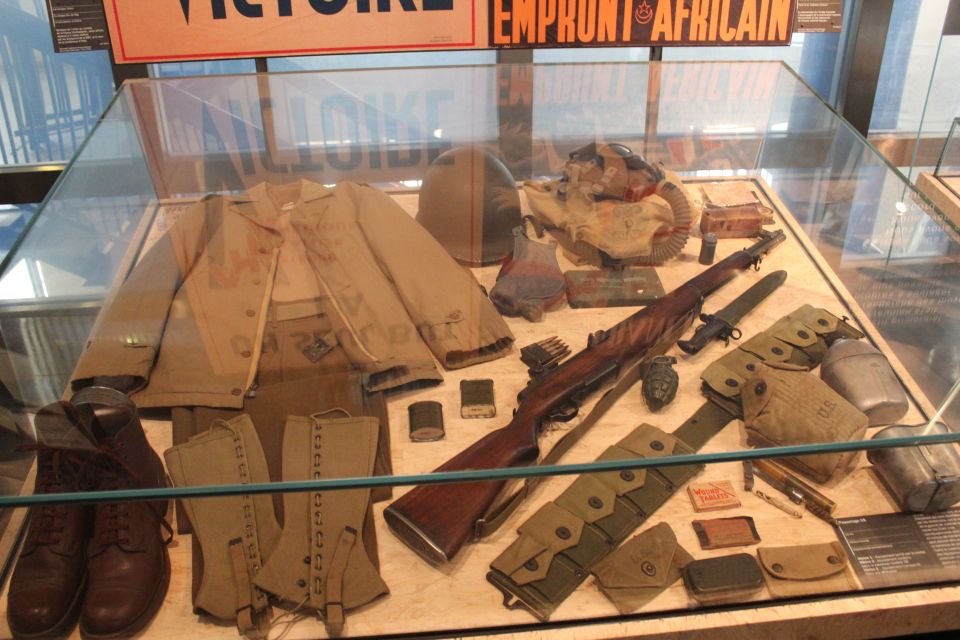
If you’re trying to understand the World Wars, Invalides is a smart place to start. The museum collection helps you see how leaders, technology, and political decisions collided—and how the consequences landed on everyday French life.
What makes this tour work is the pacing. You don’t just get a list of events. You get cause-and-effect: the roots that lead to war, then the turning points that changed the course of France, Europe, and the world.
You also get the advantage of a guided format with professional art historian guidance. Museums can be overwhelming when you’re reading labels at speed. Here, the guide gives you a thread you can follow, and it helps you notice details that you’d likely miss on your own.
You can also read our reviews of more guided tours in Paris



From Franco-Prussian War roots to the trigger of World War I
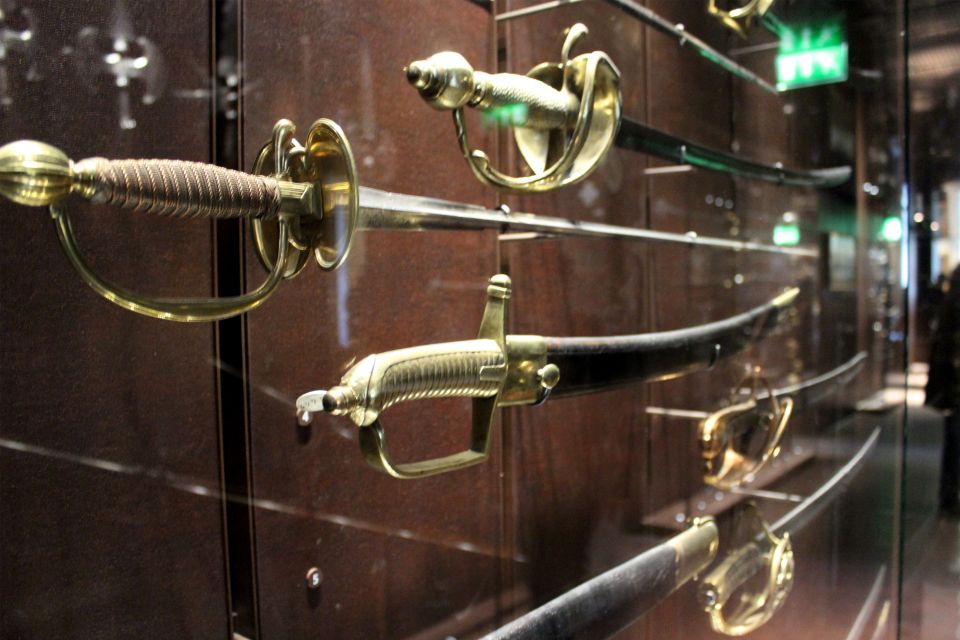
The tour kicks off by tracing the 19th century roots that set the stage for one of history’s worst conflicts. You’ll hear about the political pressures that built across Europe, including the role of famous figures like Bismarck during the Franco-Prussian War.
Then the guide stitches together the chain of events that leads to 1914. The big moment you’ll focus on is the assassination of Franz Ferdinand, the spark that helps explain why an escalating conflict quickly became World War I.
This first stretch matters because it changes how you read the rest of the museum. When you understand the why, the what makes more sense. You’re not just seeing artifacts; you’re seeing the logic behind why so much happened so fast.
World War I weaponry, uniforms, and the Battle of the Marne taxi
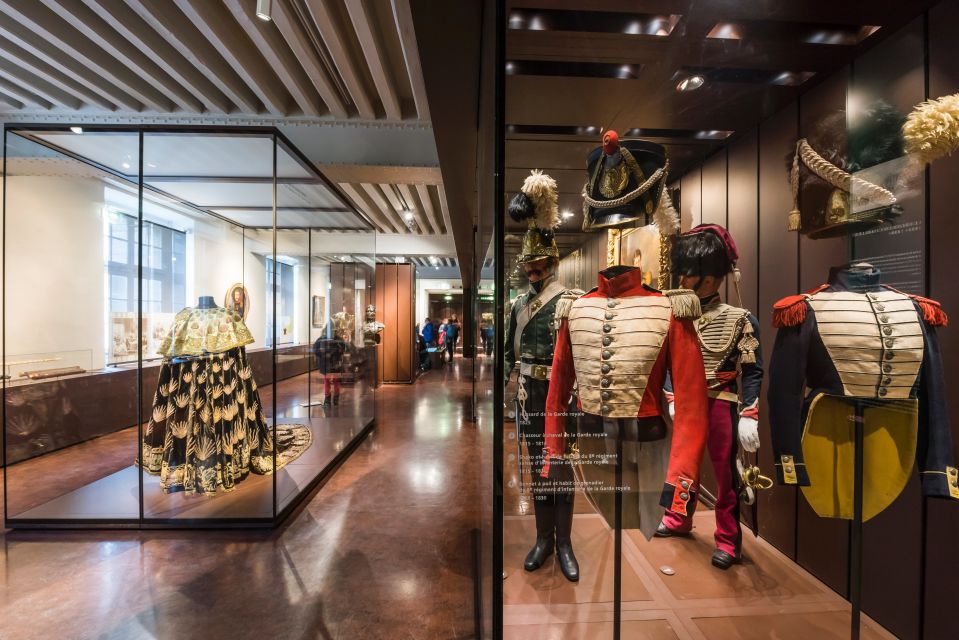
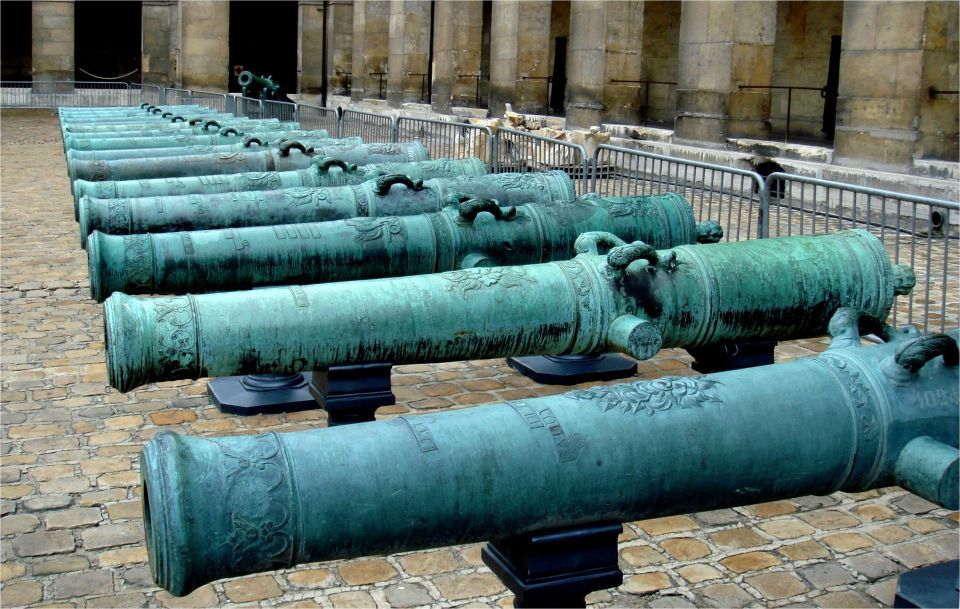
Once WWI takes the center stage, you’ll see equipment and artifacts that pull you out of abstract history. The museum portion covers WWI weaponry and equipment, plus uniforms and battle-used objects that make the scale of the conflict easier to grasp.
One standout story involves the Battle of the Marne. You’ll hear the significance of one of the iconic taxis linked to events at the time. It’s the kind of detail that helps you remember the story because it’s concrete—transport, logistics, and improvisation in real time.
You’ll also learn how major battles translated into daily survival problems. The guide connects battlefield choices with what you’re looking at in front of you, so the objects stop feeling like display items and start feeling like evidence.
Original footage, Versailles, and the armistice “end-of-war” moment
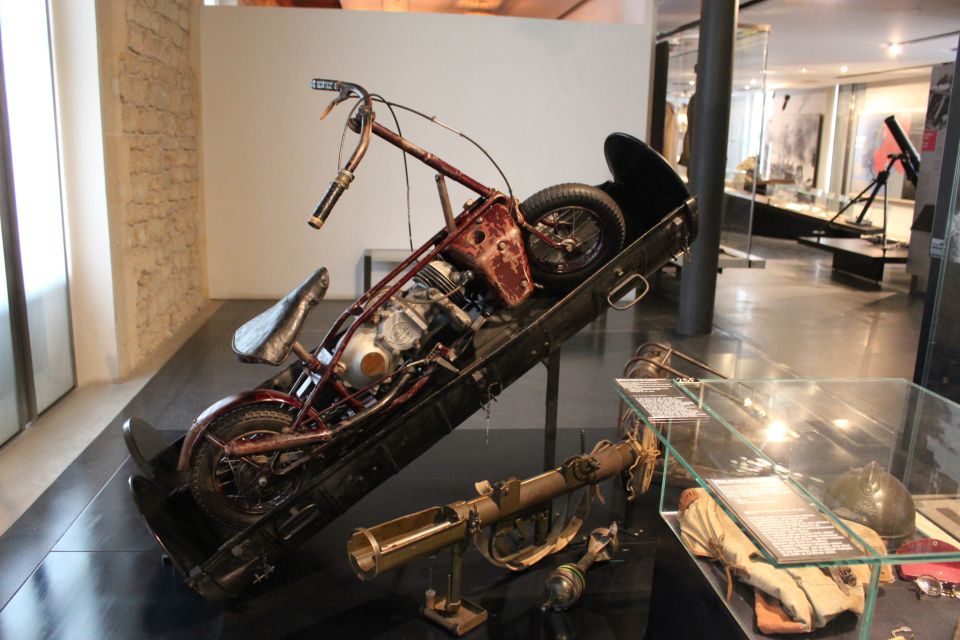
WWI isn’t shown only through objects. You’ll also watch original footage that the guide frames around the atrocities of the period. It can be heavy, but it’s also one of the most important ways to understand why the war’s end wasn’t really a clean break.
From there, the tour brings you to how peace was negotiated—especially through the Treaty of Versailles. The guide helps you understand what the treaty changed, and why those consequences mattered later.
Then you’ll get a very specific visual anchor: the train car where the armistice was signed. That detail is powerful because it’s a physical place where a process ended. You get closure, but also a sense that the world was heading toward the next catastrophe.
From Hitler’s rise to the Ligne Maginot, Dunkerque, and Occupation of Paris
After you’ve seen how WWI ends, the WWII story starts to feel inevitable—in the scary, historical way. The guide explains how the threat of Adolf Hitler became a reality, and how France was pulled into another global conflict.
A few key stops in your WWII arc include the Ligne Maginot and the events around Dunkerque. You’ll also cover the Occupation of Paris, which the guide places into a wider story of how France experienced the war, not just what armies did.
As you move among artifacts collected from battlefields, the tour becomes less about memorizing names and more about understanding what war does to a country’s routines, confidence, and daily life.
You can also read our reviews of more museum experiences in Paris






Normandy, Liberation of Paris, and how the city still carries the marks

Toward the end, the tour shifts to the final chapters of WWII in France. You’ll hear stories tied to Normandy and the Liberation of Paris, and the guide ties those moments back to how France preserves the memory today.
This part works well because it doesn’t treat history as something finished in 1945. Instead, it shows why the city and its landmarks still feel like part of the story, not just sightseeing.
You’ll also hear about famous French leaders who shaped France’s path through the conflict, including Pétain and de Gaulle. The guide uses them as story waypoints—helping you track how decisions were made under extreme pressure.
What it’s like with a small group (and why Anatole’s style stands out)
This tour is designed for a more personal pace. There’s a maximum of 8 guests per guide, which means you can actually ask questions instead of shouting into a crowd.
In one private tour, the guide Anatole stood out for how he explained the two world wars from a different perspective. The impression you should expect is clarity, not a lecture. He’s described as personable and humorous too, which helps when you’re dealing with brutal topics.
If you like history when it’s told with focus—turning points, cause-and-effect, and real artifacts—you’ll likely appreciate this format. The guide also takes time to answer questions, which is the difference between leaving with facts and leaving with understanding.
Cost and value: what $128 buys you (and what you’re saving)
At $128 per person for a 2-hour guided museum experience, the value depends on what you expect from a museum visit. If you plan to wander and read labels on your own, you’ll get some information—but you’ll miss the “connect-the-dots” framing that makes it memorable.
Here, you’re paying for:
- Entrance fees and skip-the-line access
- A professional art historian guide
- A walking tour format with a structured route
- Private or small group options
That combination matters. Skip-the-line access can remove a frustrating chunk of time in a major museum. The guide’s structure then turns your time inside into a coherent story, not scattered scenes.
Also, $128 for two hours starts to look more reasonable when you compare it to museum entry plus the cost of hiring a guide separately. The biggest upside is not just seeing objects—it’s understanding why those objects were there and what they meant.
Practical tips before you go inside Invalides
Plan for a walking tour and moderate walking. There are also rules that can affect how you move and how you speak in certain rooms, including areas where quiet is required or speaking is restricted. It’s not a problem, just a heads-up so you don’t feel like you’re breaking any museum etiquette.
Bring:
- Your passport or ID card
- Cash (as requested)
Don’t bring:
- Luggage or large bags (not allowed)
Language options are broad: Spanish, French, English, German, Italian, Russian. If you’re traveling with mixed language needs, this tour has enough coverage to make it easier.
One more reality check: the museum can have occasional closures without prior warning. If the museum opens more than 1 hour late from the tour start time, you’ll be offered an appropriate alternative, but refunds or discounts aren’t provided in those cases. If you’re on a tight schedule, I’d still keep a little buffer.
Accessibility note, plainly: wheelchair tours are listed as available only on request, and the tour is stated as not suitable for wheelchair users and not suitable for people with mobility impairments. If accessibility matters for you, it’s worth checking details early instead of assuming a standard route.
Should you book this Invalides World Wars tour?
I’d book it if you want a museum visit that teaches you how the World Wars connect. The tour’s biggest strength is the guide-driven narrative—from 19th-century causes to WWI’s aftermath, then on to WWII turning points like the Ligne Maginot and the Occupation of Paris.
I’d skip it if you prefer a totally self-paced museum experience. This is a guided route, with moderate walking and rules about speaking in some rooms. If you’re trying to move slowly or you need wheelchair-friendly access, you’ll likely want to confirm options first.
If you like history explained with clarity, objects you can point to, and time to ask questions, this is a solid value. And if you’re lucky enough to get a guide in the style of Anatole, you’ll probably leave with more than facts—you’ll leave with the “aha” connections that make the era click.
FAQ
How long is the Invalides War Museum World Wars guided tour?
The tour is 2 hours. Starting times vary, so you’ll want to check availability for the options on your date.
Does the tour include skip-the-line entry?
Yes. Entrance fees and skip-the-line access to the museums are included.
How big is the group?
The tour is limited to a maximum of 8 guests per guide for a more intimate experience.
What languages are available for the live guide?
The live tour guide is available in Spanish, French, English, German, Italian, and Russian.
Is a private or small group option available?
Yes. The tour offers private and small group options.
Are large bags or luggage allowed?
No. Luggage or large bags are not allowed.
Is this tour wheelchair accessible?
Wheelchair tours are listed as available only on request, but the tour information also states it is not suitable for wheelchair users. It’s best to verify fit for your needs before booking.
What do I need to bring?
You should bring your passport or ID card and cash.
FAQ
What’s the cancellation policy?
Free cancellation is available up to 24 hours in advance for a full refund.
Is there a way to reserve without paying immediately?
Yes. You can reserve now & pay later, keeping plans flexible.
FAQ
What if the museum closes some rooms or opens late?
There can be occasional closures without previous warning. If the museum opening time is delayed more than 1 hour from the tour start, you’ll be provided with an appropriate alternative, but refunds or discounts are not offered in those cases.