REVIEW · PARIS
Murders and Mysteries of the Louvre Museum
Book on GetYourGuide →Operated by Meeting the French · Bookable on GetYourGuide
The Louvre can feel endless, until you get a storyline. This tour uses murder and mystery threads to help you find the museum’s most famous works fast, while also pointing you toward areas many people skip. You’ll start right at the glass pyramid area, after security, and then move through the Louvre’s layers of art, power, and unease.
I love two things most. First, you get skip-the-ticket-line entry plus a focused route for a short visit, so you’re not stuck wandering. Second, the guide connects big names like the Mona Lisa to darker, medieval, and Egyptian stories, which makes the museum feel less like a checklist.
One thing to consider: the theme leans into macabre stories, and depending on your guide and group’s sound level, you may want to listen carefully in loud areas. English can vary by guide, so if you’re sensitive to that, arrive ready to concentrate.
In This Review
- Key tour highlights at a glance
- Louvre, but make it spooky and smart
- Meeting point: the pyramid zone, where you start before the museum rush
- What the tour actually covers: famous works plus the “why” behind them
- The Louvre’s medieval origins: fortress walls in a palace world
- Egyptian collection: old rituals, not just old statues
- Venus de Milo: the big famous sculpture, guided so it’s not just a stop
- Crown jewelry collection: power you can wear
- French masterpieces and the major gallery moments
- Mona Lisa: a new perspective on that famous smile
- Getting around efficiently: why 2 hours can work (if you use it right)
- Small group feel: staying together without losing the plot
- Price and value: is $200 per person worth it?
- Who should book this Louvre “murders and mysteries” tour
- A simple before-you-go checklist
- Should you book this tour?
- FAQ
- What’s the duration of the Louvre murders and mysteries tour?
- Where do I meet my guide?
- What time should I expect to start?
- How big is the group?
- What languages are the tours offered in?
- Is the museum ticket included?
- Do I need to wait in the ticket line?
- What items are allowed in the museum?
- What should I bring with me?
- What’s the cancellation and payment option?
Key tour highlights at a glance

- Murder-and-mystery framing that turns famous art into narrative, not just wall text
- Medieval Louvre remains and fortress-era context, right in the middle of today’s galleries
- Iconic stops including Venus de Milo and the Mona Lisa, plus the Crown Jewels collection
- Egyptian collection storytelling that connects ancient beliefs to what you see on display
- Small group size (up to 8) that helps you stay on track and ask questions
Louvre, but make it spooky and smart
The Louvre is one of those places where first-time visitors often get overwhelmed. Even if you know the masterpieces, it’s hard to tell what matters most, what connects, and where to spend your limited time. This tour solves that by giving you a clear theme: murder, mystery, intrigue, and the darker side of history.
What I like is that the concept isn’t just about pointing at famous paintings. You’re guided through the Louvre’s medieval walls and then carried forward into royal power, scandal, and the strange backstories that make art feel like evidence. That approach is especially helpful when you’re visiting as a couple, with friends, or on a tight schedule and you still want something more meaningful than a photo sprint.
You also get a practical advantage. The tour runs for 2 hours, and it’s a small group limited to 8. That matters because the Louvre can chew up time with crowd flow, and the guide’s job is to keep you moving between the most important “stops” without losing the plot.
You can also read our reviews of more museum experiences in Paris



Meeting point: the pyramid zone, where you start before the museum rush
Your meeting point is specific: the Statue of Louis XIV in front of the Louvre Pyramid, Rue de Rivoli, 75001 Paris. You meet your guide underneath the pyramid area after the security check, but before ticketed entry. The exact meeting point details are on your voucher.
Two practical notes here:
- You’ll have skip-the-line access for museum entry, but it does not include the security queue. So plan to arrive with enough time to get through security calmly.
- You’ll need a valid passport or ID card. Bring it even if you already think you’ll be fine.
If you’re pairing this with other Louvre plans that day, treat it like a timed appointment. The guide can only work if everyone arrives together.
What the tour actually covers: famous works plus the “why” behind them
The tour is built around both scale and storytelling. You’ll see major highlights, but you’ll also learn what to look for when you’re not sure what you’re seeing.
Here’s how the key sections typically feel as you move through the museum’s spaces.
The Louvre’s medieval origins: fortress walls in a palace world
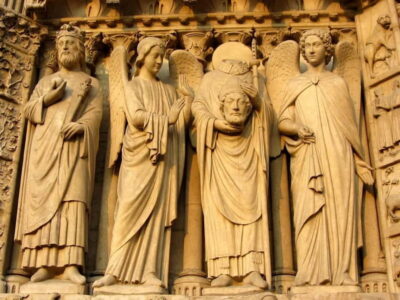
Before you even reach the biggest-name galleries, you’ll get context about the Louvre itself—its medieval origins as a fortress and its later life as a royal residence. The tour frames centuries of betrayal, scandal, and murder as part of the museum’s DNA, not just trivia.
Why this matters for you: once you understand the Louvre was once defensive and political, the museum stops feeling random. You start noticing that the building’s art isn’t only about beauty. It’s also about control, status, and power.
Potential drawback: if you prefer a purely art-history vibe with minimal dark storytelling, the emphasis on murders and sinister events may feel heavy. Still, the theme can also make the art more memorable.
Egyptian collection: old rituals, not just old statues
One of the strengths of this tour is the way it brings the Egyptian collection into the spotlight. You’ll learn about magic and long-forgotten rituals tied to what you see in the galleries.
This is a great fit if you like symbols and meaning. Egyptian art can look repetitive until someone explains how beliefs shaped what artists made and why certain forms mattered. With a guide, you can look at a figure and understand what the museum is trying to show beyond “this is old.”





Venus de Milo: the big famous sculpture, guided so it’s not just a stop
You’ll also see Venus de Milo. For a lot of visitors, Venus becomes a quick glance because it’s famous and people are rushing to the next must-see. With a guide’s framing, it’s easier to focus on what’s unusual, what people admired, and why this sculpture still gets pulled into major conversations about the ancient world.
If you want a highlight tour that doesn’t just tick off names, this kind of stop is exactly where the guide’s interpretation helps.
Crown jewelry collection: power you can wear
The Crown Jewels collection adds a different kind of thrill. Instead of focusing only on paintings and statuary, you get to see how royal power was literally displayed and treasured.
For you, this is one of those sections that can shift your mindset. The Louvre isn’t just a museum of masterpieces. It’s also a museum of how societies performed wealth, authority, and legitimacy. You’ll likely leave with a better sense of why courts collected what they collected.
French masterpieces and the major gallery moments
The tour includes French masterpieces as part of your guided route. This is where you’ll feel the Louvre’s range—painting traditions, styles, and the shifting tastes of who ruled and what they wanted to remember.
I find this mix important because it breaks the all-famous-art pattern. A guided plan helps you avoid the common mistake of only chasing the biggest crowd magnets.
Mona Lisa: a new perspective on that famous smile
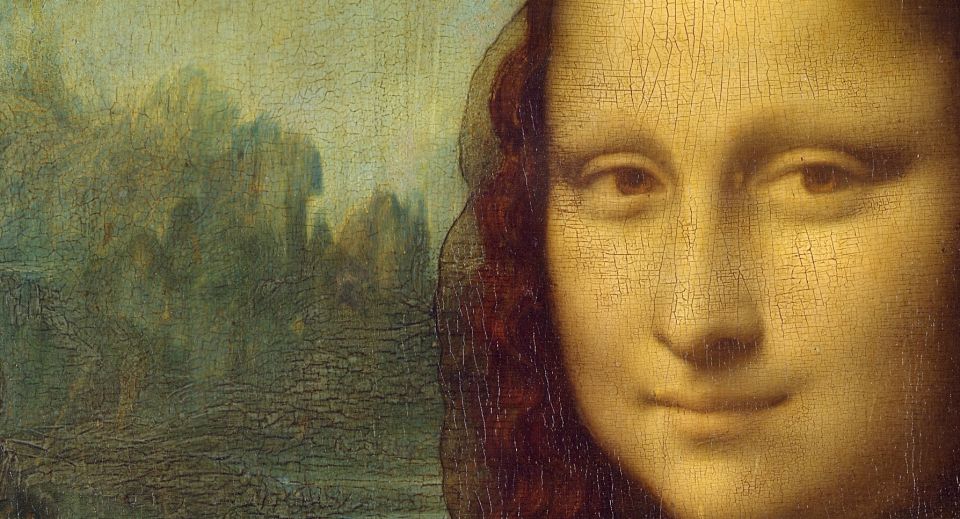
You’ll end up at the Mona Lisa. The point here is not just to see her, but to see her through the tour’s story logic: why she looks the way she does, what her expression communicates, and how you can interpret her presence with more context than a quick glance.
The real value is timing. You’re not standing there for an hour with nothing to focus on. You have a guide to help you notice details you’d otherwise miss, and you learn how the tour’s theme changes what you think you’re seeing.
Getting around efficiently: why 2 hours can work (if you use it right)
A 2-hour Louvre tour might sound short. But with a small group and a planned route, it can be a smart move—especially if this is your first time at the museum or your day is already packed.
You’ll also have a built-in bonus. After your guided portion ends, your ticket allows you to stay and explore on your own. That means the tour becomes a launching pad: you use the guide’s context to navigate better afterward.
Two ways to make that work:
- Pick a few zones you want to return to after the tour. The guide’s explanations will help you choose instead of wandering.
- Give yourself a light plan for the rest of your day. Don’t try to “finish” the Louvre. Use your time to look, then re-look, where the story you heard makes you curious.
Small group feel: staying together without losing the plot
This is a small group experience limited to 8 participants. That’s not just a comfort perk. In the Louvre, it’s a strategy. Smaller groups are easier for a guide to manage in crowded corridors, and you get more chance to hear details.
Based on the way these tours tend to run, I’d especially recommend this option if you care about staying focused rather than getting separated in a huge crowd. If you do visit on a busy day, keep an eye on your guide and plan to stay close.
One caution: in loud places, your ability to hear the guide matters. If you’re someone who struggles with soft voices or noisy rooms, you may want to position yourself well and ask for clarification if needed.
Price and value: is $200 per person worth it?
At about $200 per person for a 2-hour guided experience, the price isn’t “cheap,” but it also isn’t only for the name brand. Here’s what you’re paying for, based on what’s included:
- Museum entrance fees are included in the ticket price
- Skip-the-ticket-line access helps you spend more time inside
- A live guide leads you through major highlights plus less-often-highlighted areas
- The group is limited to 8, which changes how much attention you can realistically get
So you’re not paying just for access. You’re paying for interpretation and logistics. If you were going on your own, you could certainly see the Louvre. But you would likely waste time deciding where to go and you’d miss the connections that make the art feel alive.
Where the value can drop: if you’re expecting a purely art-technical lecture or a perfectly consistent story delivery every time, you might find the emphasis more sensational than academic. If the theme suits you, the price feels easier to justify.
Who should book this Louvre “murders and mysteries” tour
This tour is a strong match if you:
- Want a short, high-impact Louvre plan
- Like story-driven museum visits instead of reading every label
- Want major highlights like the Mona Lisa, but also want context that makes them more than crowd magnets
- Enjoy the Egyptian collection and want meaning behind symbols
It may be less ideal if you:
- Dislike macabre themes and prefer neutral art history
- Have trouble hearing in crowded spaces unless the guide uses an audio system
- Need a perfectly quiet, classroom-style experience
A simple before-you-go checklist
Since the museum has rules, I’d prep a little to avoid friction:
- Bring your passport or ID card
- Don’t bring luggage or large bags
- Keep items under 55x35x20 cm
That’s it. The tour itself keeps things moving, and you’ll feel better if you arrive light.
Should you book this tour?
If you’re trying to do the Louvre in a sane way, I’d say yes. The mix of medieval origins, Egyptian storytelling, and heavyweight highlights like Venus de Milo and the Mona Lisa turns a chaotic museum into a guided path with meaning. The small group size and the 2-hour format make it especially practical when you don’t have weeks to wander.
Book it if you want your visit to feel like a narrative and not a scavenger hunt. Skip it only if you strongly dislike dark story framing or you know you struggle to hear guides in noisy indoor settings.
FAQ
What’s the duration of the Louvre murders and mysteries tour?
The tour lasts 2 hours.
Where do I meet my guide?
Meet your guide at the Statue of Louis XIV in front of the Louvre Pyramid, Louvre Museum, Rue de Rivoli, 75001 Paris, France.
What time should I expect to start?
The tour has starting times you can check for availability.
How big is the group?
The group is limited to 8 participants.
What languages are the tours offered in?
The live tour guide is available in English and French.
Is the museum ticket included?
Yes. Museum entrance fees are included in the ticket price.
Do I need to wait in the ticket line?
You get skip-the-ticket-line access. This does not include the queue for the security check.
What items are allowed in the museum?
You must follow the museum size limit: items exceeding 55x35x20 cm are not permitted. Luggage or large bags are not allowed.
What should I bring with me?
Bring a passport or ID card.
What’s the cancellation and payment option?
You can cancel up to 24 hours in advance for a full refund, and you can reserve now and pay later.