REVIEW · PARIS
Notre-Dame Cathedral Exterior & Latin Quarter Guided Tour
Book on GetYourGuide →Operated by CONNECTING FRANCE · Bookable on GetYourGuide
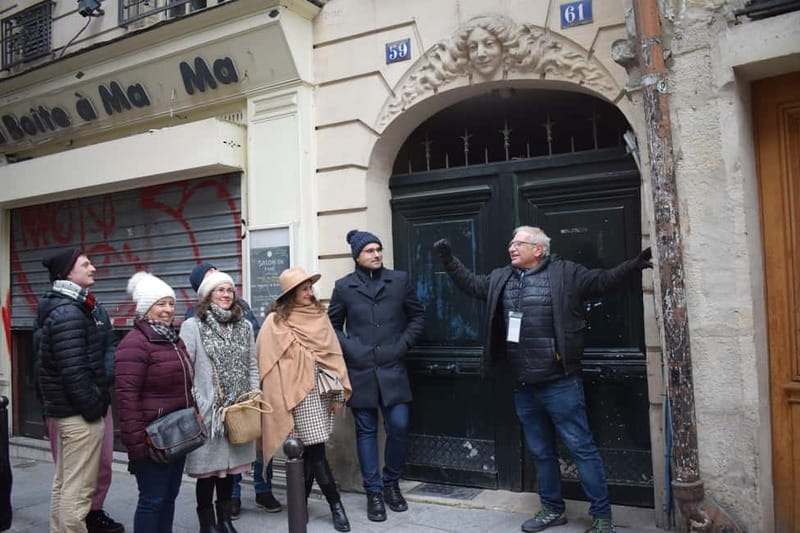
Latin Quarter streets can do homework for you. I love the way Fontaine Saint-Michel gives you a story hook from the first minute, and I also love the stop at St. Séverin where the Gothic details feel close-up instead of distant. On many departures, guides like Pierre and Benjamin are the ones guiding the pace and turning the area into something you can picture.
One thing to plan for: this is fast-paced and runs rain or shine. If you prefer slow wandering and lots of stopping time, you may want a private option so you can control the tempo.
In This Review
- Key highlights you will actually feel on this walk
- Getting oriented fast: your start at Place Saint-André des Arts
- Latin Quarter walking route: why this feels efficient, not rushed
- Fontaine Saint-Michel: the opening scene with drama in stone
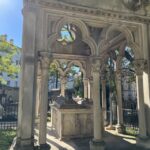
- St. Séverin Church: Gothic architecture without the main-crowd stress
- Cluny Roman Baths: where Lutetia’s past shows up as real ruins
- La Sorbonne area and the bookish side of the Left Bank
- Panthéon: uphill symbolism and French icons at rest
- Notre-Dame Cathedral exterior: what you’ll get, and what you won’t
- Optional Seine River boat cruise: the best add-on if you want views, fast
- Pace and “how the day really feels” on your feet
- Price and value: what $43 buys you, and where it might not
- Who should book this Latin Quarter and Notre-Dame exterior tour
- Should you book it?
- FAQ
- How long is the guided tour?
- Where does the tour start?
- How will I find the guide at the meeting point?
- What language is the tour in?
- Is this a group tour or can it be private?
- Does the tour include entry into Notre-Dame Cathedral?
- Do we go inside the Panthéon during the tour?
- Is the Seine River boat cruise included?
- Is the tour flat-walking and is it accessible?
- What should I bring?
Key highlights you will actually feel on this walk
- Semi-private group size (up to 11), with room for questions
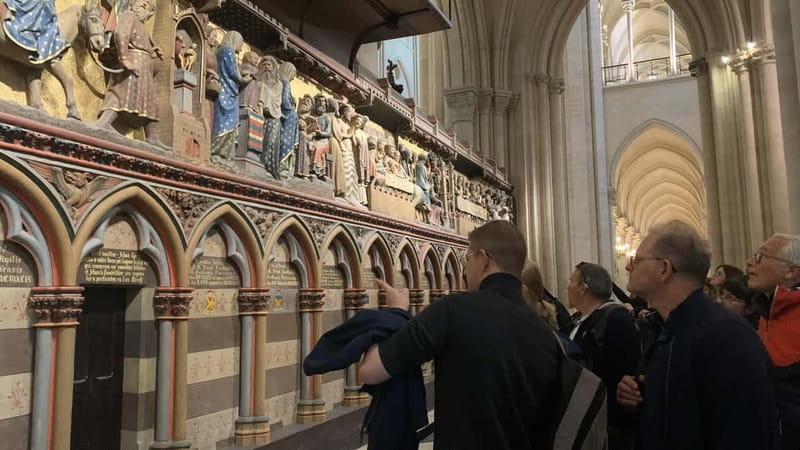
- St. Séverin gets real focus, including its standout medieval windows
- Cluny Roman Baths ruins connect Paris today to Lutetia’s daily life
- Notre-Dame exterior viewing only, with façade, sculptures, and gargoyles
- Optional Seine boat cruise with audio in 11 languages
Getting oriented fast: your start at Place Saint-André des Arts
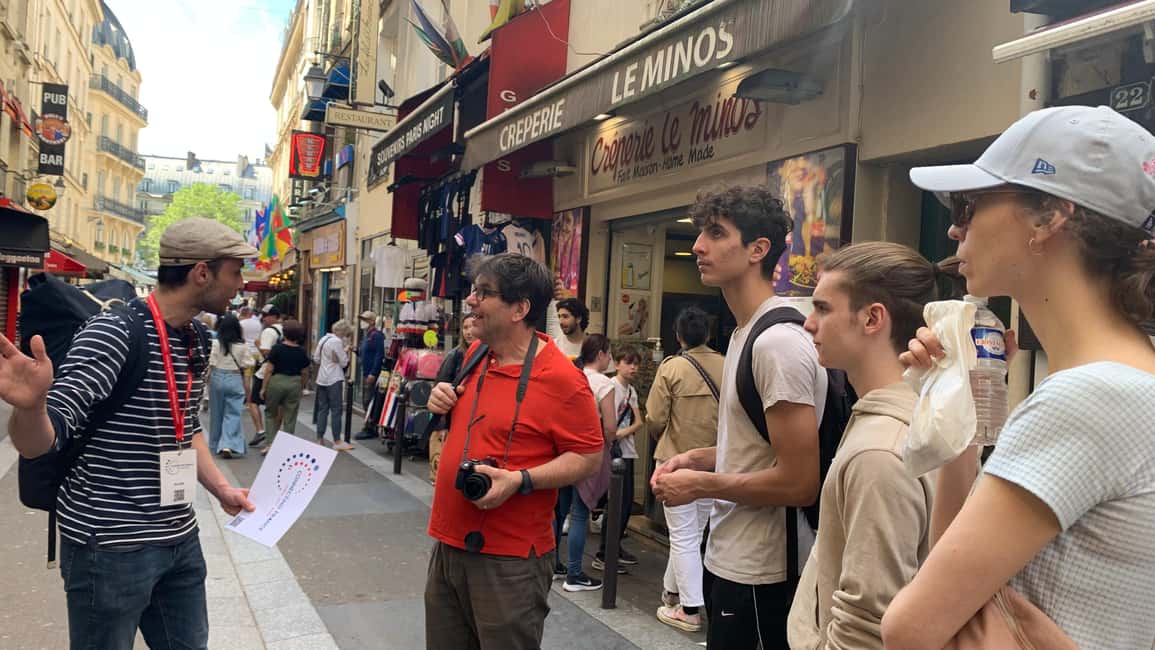
This tour starts in the Latin Quarter area, at Place Saint-André des Arts, right in front of Café G. Your guide will be standing there with a sign that says Connecting France. It’s an easy anchor point once you’re there, but I’ll give you the practical heads-up that taxis and rideshares can be slow in this part of Paris. If you can, arrive a bit early and walk the last stretch.
The meeting spot matters because it shapes your first impressions. You begin in a zone where bookshops, cafés, and small lanes already feel like Paris is doing its thinking in public. That makes it easier to follow a guide who links each stop to the next era, instead of treating the landmarks like separate postcards.
You can also read our reviews of more guided tours in Paris


Latin Quarter walking route: why this feels efficient, not rushed
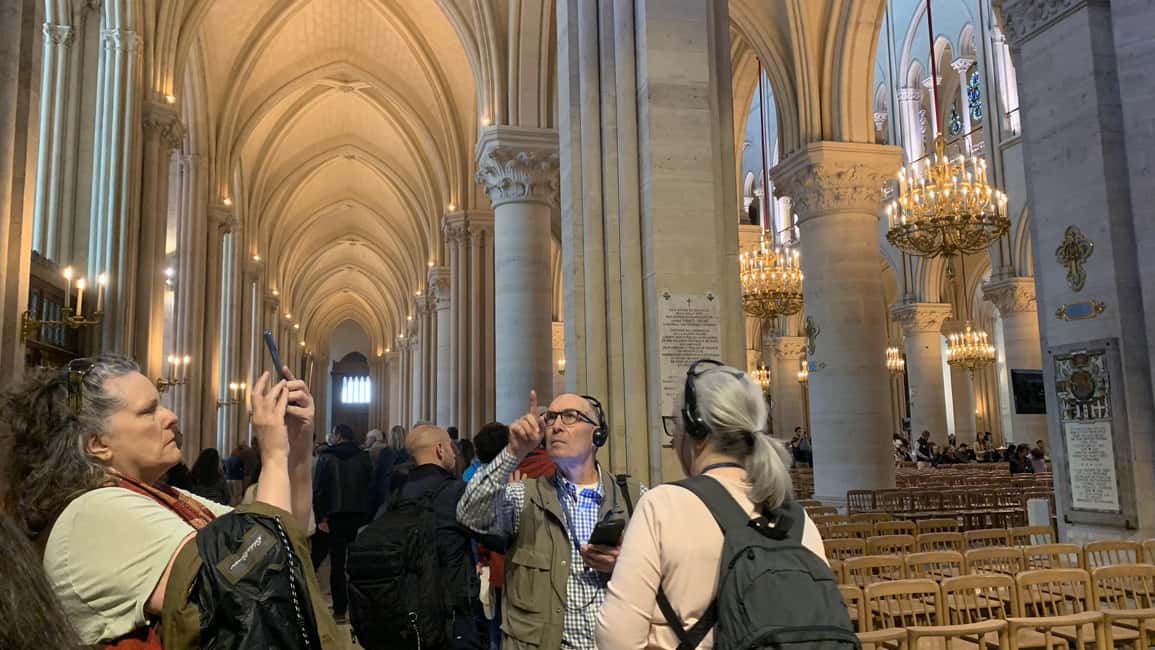
The core experience is a guided walk through the historic heart of Paris, with a strong focus on the Latin Quarter’s intellectual and cultural identity. The route is built so you climb gradually from the river-adjacent area up toward major monuments, which helps the day feel like a real progression rather than a random checklist.
You’ll cover a lot of ground in about 2 hours of guided time, and the tone is more “explained history” than “look and guess.” That plays well if you like context: how streets formed, how religious and civic power changed, and how architects reused ideas over time. It also means you’ll want to keep your questions ready, because the guide’s time is shared across the group (though the group size stays small, up to 11).
Fontaine Saint-Michel: the opening scene with drama in stone
You kick off around Fontaine Saint-Michel, the dramatic 19th-century fountain with Archangel Michael defeating the Devil. Even if you’ve seen photos before, it’s the kind of landmark that helps you start reading the city through symbols. The statue isn’t just decoration; it’s a clue to how Paris uses public art to project moral stories and historical identity.
What I like here is that it gives you a mental baseline. Once you’ve got that image in your head, you’ll notice how the guide connects later stops to the same theme: power, belief, and who gets to tell the story.
St. Séverin Church: Gothic architecture without the main-crowd stress
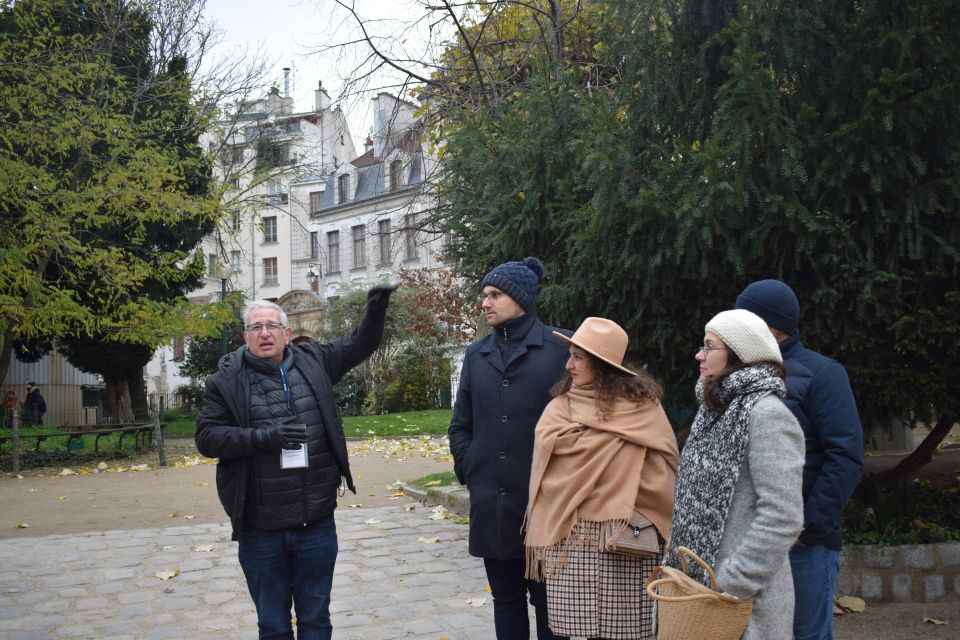
Next comes St. Séverin Church, and this is one of the places I’d prioritize on the whole day—especially if you’ve already visited bigger-name churches in Paris. Here, the guide focuses on why the building feels special: its Gothic design and its medieval stained-glass windows, plus the double ambulatory, one of the striking architectural features in Paris.
What makes St. Séverin work on a guided walk is the contrast. Notre-Dame is legendary and huge; St. Séverin is still elegant and historic, but it feels like you’re getting closer to daily medieval life. You also get stories that frame the church as part of the city’s long timeline, not just as an old building standing quietly.
If you enjoy architecture explanations and want something a bit off the most obvious path, this stop delivers.
Cluny Roman Baths: where Lutetia’s past shows up as real ruins
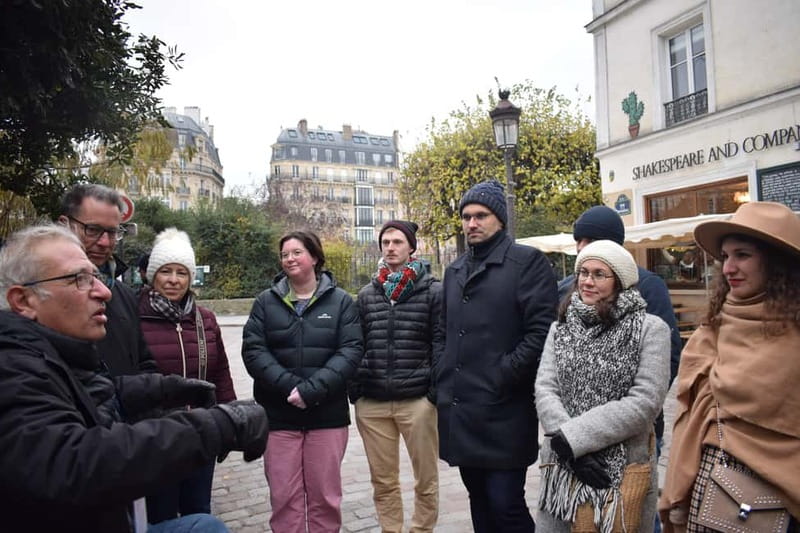
After the church, the tour steps backward into Roman Paris. You’ll admire the Cluny Roman Baths, remnants of the Roman city of Lutetia. This is one of those stops where the scale feels different. You aren’t seeing a museum diorama; you’re seeing traces that help you picture what public life looked like two millennia ago.
The value here is practical imagination. Baths weren’t only for hygiene. They were social space, routine, and civic rhythm. With a guide walking you through it, it becomes easier to connect early Paris to the city you’re standing in now, instead of treating Roman history like a separate planet.
The adjacent Cluny Museum area is mentioned as having treasures, but entrances aren’t included. So think of the Roman Baths moment as a history signal: “This is where the city started feeling like a city.”





La Sorbonne area and the bookish side of the Left Bank
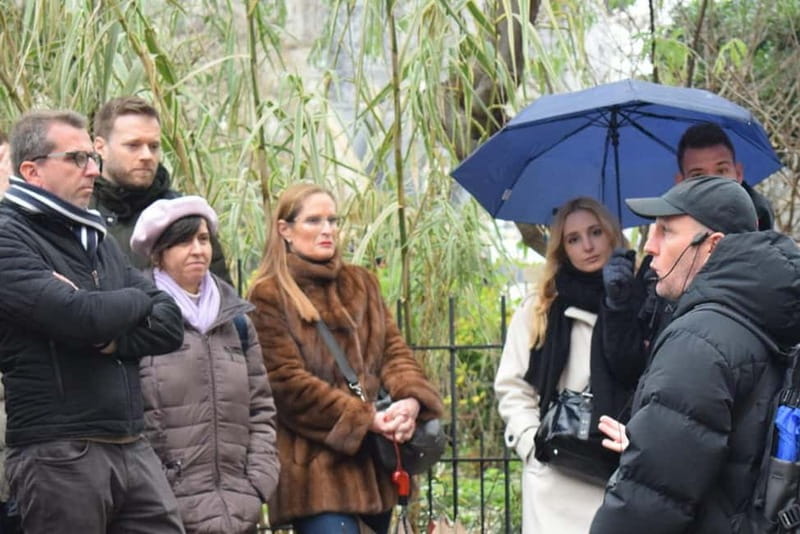
As the walk continues, you pass by La Sorbonne. Even without going inside, the presence of academic Paris helps the day’s theme click: the Left Bank has long been a meeting place for ideas. This is where you’ll feel why the Latin Quarter earned its reputation beyond sightseeing.
The guide also tends to weave in how the neighborhood worked, not only what buildings exist. That’s handy because it helps you later wander on your own and notice things you might otherwise miss, like street patterns, courtyards, and the way landmarks relate to the surrounding fabric.
Panthéon: uphill symbolism and French icons at rest
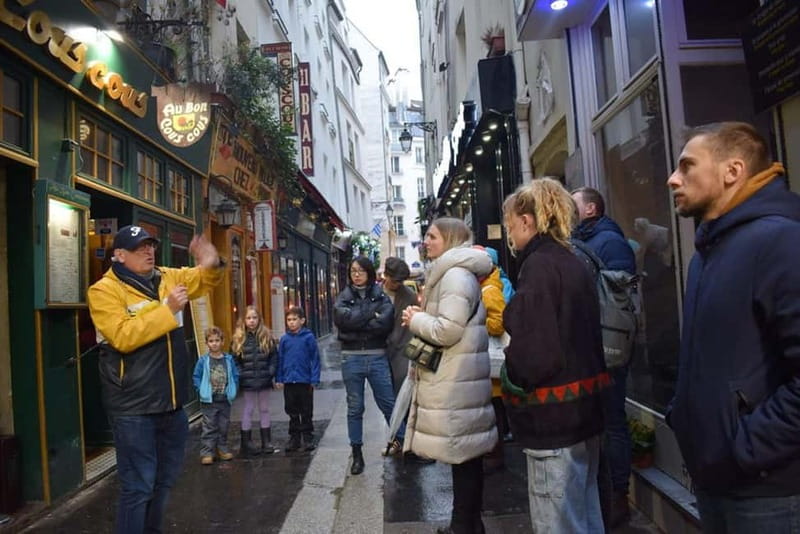
Then you move toward the Panthéon, the neoclassical mausoleum where French icons rest, including names like Voltaire, Rousseau, Victor Hugo, and Marie Curie. The Pantheon story is a great example of how Paris reuses architecture for new meanings: it started as a church and later transformed into a monument to French excellence.
From a visitor perspective, you get a double payoff. First, you see the building and its authority on the hill. Second, the guide explains why the monument feels so French—how the idea of national greatness got packaged into marble and stone.
One small planning note: the tour is described as seeing major buildings from the outside, and entrances to monuments or museums aren’t included. So if you’re hoping to step inside the Pantheon during the tour, you’ll want to arrange that separately.
Notre-Dame Cathedral exterior: what you’ll get, and what you won’t
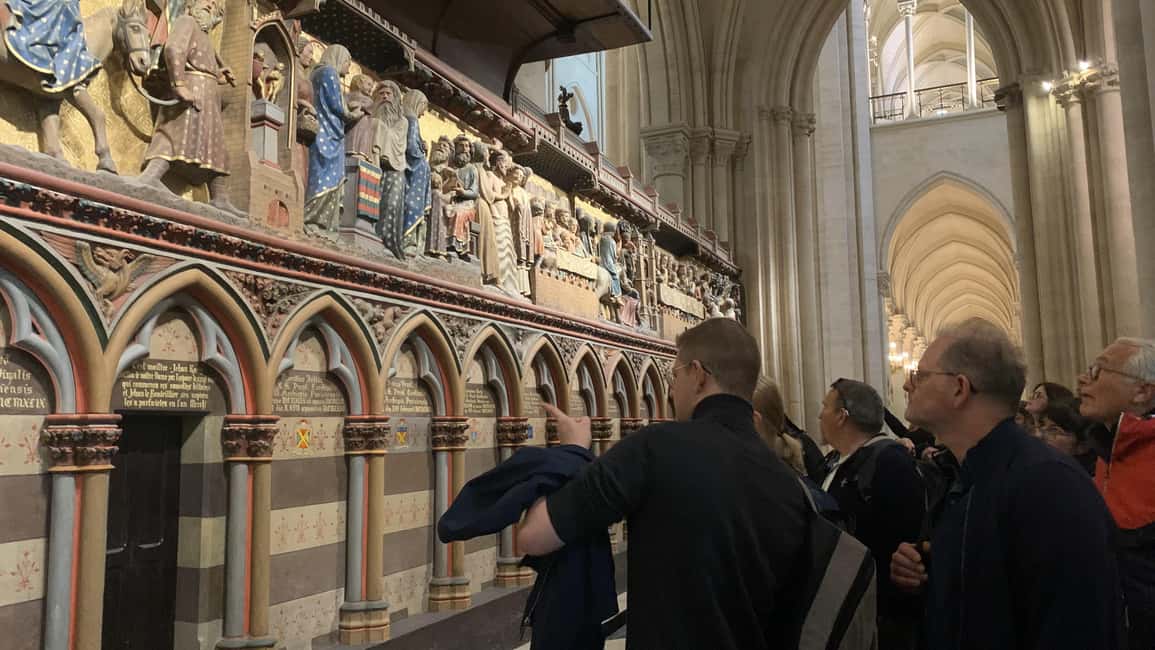
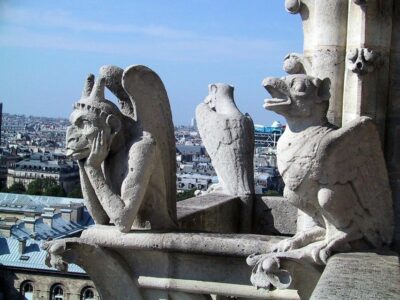
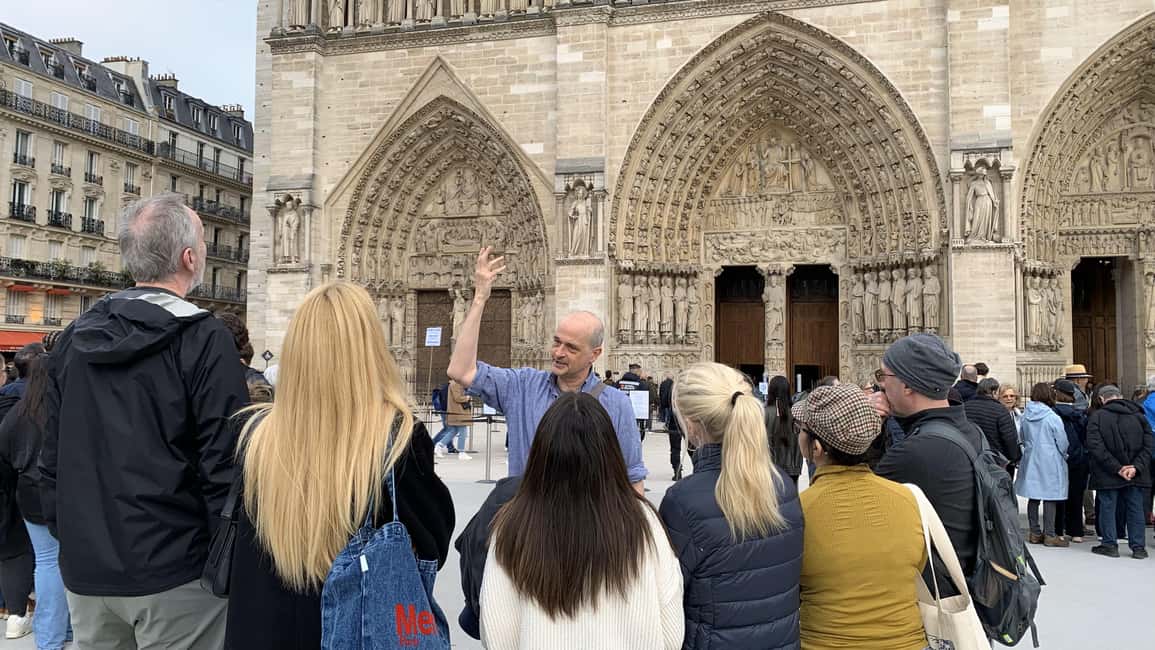
The tour culminates at Notre-Dame Cathedral, with your viewing focused on the outside façade. The interior remains forbidden for guided tours, so don’t schedule this with the expectation of stepping in with the group. Instead, you get the big exterior visuals that most people want: the façade, sculptures, and the legendary gargoyles.
The practical value of this approach is that it keeps your day flowing. You spend your guided time learning how the façade elements relate to the cathedral’s identity, including its dramatic history—from medieval origins to the tragic fire in 2019. A guide talking through those turning points helps you look longer and notice more, even if you can’t enter the building.
If you love dramatic architecture and want the story pinned to the stones, this ending is strong.
Optional Seine River boat cruise: the best add-on if you want views, fast
You can level up the experience with an optional 1-hour Seine River boat cruise on the iconic river avenue. Audio is available in 11 languages, which is great if your group wants clarity without stopping the tour for translation.
From the water, the list of viewpoints is a big part of why this is popular: you get panoramic views of the Eiffel Tower, Notre-Dame Cathedral and Île de la Cité (where Paris began), and you also see Les Invalides, where Napoleon rests. The route also highlights Musée d’Orsay, Hôtel de Ville, Louvre Museum, Place de la Concorde, and Grand Palais, plus you pass under several bridges.
Why this works after a walking tour: you’ve just learned how the city evolved. The cruise lets you see how those monuments line up across space, not just in isolation. It’s an easy way to end on fresh sightlines without adding a lot of extra planning.
Pace and “how the day really feels” on your feet
This tour packs a lot into a short window. The reviews describe it as information-heavy and somewhat academic in tone, which I interpret as: expect explanations, timelines, and interpretation, not just casual sightseeing.
That can be perfect for history lovers, but it’s also why comfortable shoes matter so much. The walking is described as flat, yet you still need your legs ready for a 2-hour guided route plus any optional extras. If the pace feels like too much, ask about private options. The smaller group can give you a better chance to slow down when you want.
Also, the tour runs rain or shine. Paris weather can change fast, so dress for the conditions rather than the forecast you hope for.
Price and value: what $43 buys you, and where it might not
At $43 per person, the value is mostly in two things: a professional expert guide and the small-group feel (maximum 11 persons). You aren’t paying just for the landmarks. You’re paying for someone to connect them in a logical path, then point out what to notice when you’re standing right there.
Here’s the trade-off: entries aren’t included, and Notre-Dame interior isn’t included. So you should treat this as a structured viewing and explanation experience. If you want to go inside multiple monuments, you’ll likely add separate tickets elsewhere.
If you already know you like guided context, this price makes sense. If you’re more of a “wander and photograph” visitor, it might feel like you’re paying for listening time rather than access time.
Who should book this Latin Quarter and Notre-Dame exterior tour
This is a great match if you:
- Want a guided walk that moves through Roman to medieval to modern themes
- Prefer seeing famous places with real interpretation, not just exterior photos
- Like smaller groups and meeting a guide with a strong sense of the area
It’s less ideal if you:
- Need accessibility accommodations, since it’s not suitable for people with mobility impairments
- Want lots of museum time or multiple monument entries, since entrances aren’t included
- Prefer a slower pace with fewer facts per minute
Should you book it?
I think this is a solid booking if your goal is to understand the Latin Quarter and leave Notre-Dame with better context than you arrived with. The combination of Fontaine Saint-Michel, St. Séverin, Roman Baths ruins, the Panthéon, and a story-led exterior viewing of Notre-Dame gives you a “Paris timeline in one afternoon” structure.
If you’re on the fence, here’s the decision rule: book it if you like being guided through what to look for. Skip or pair it with extra timed tickets if you primarily want interior access.
And if your schedule allows it, the optional Seine cruise is the easiest way to extend the day with views you can’t easily recreate on foot.
FAQ
How long is the guided tour?
The walking tour runs about 2 hours, with the activity listed as 2 hours.
Where does the tour start?
It starts at Place Saint-André des Arts, in front of Café G.
How will I find the guide at the meeting point?
Your guide will be in front of Café G with a sign that says Connecting France.
What language is the tour in?
The tour is conducted in English by a live guide.
Is this a group tour or can it be private?
It’s offered as a semi-private or private group, with a maximum group size of 11 persons.
Does the tour include entry into Notre-Dame Cathedral?
No. You view Notre-Dame from the outside, and entrance to the cathedral is not included.
Do we go inside the Panthéon during the tour?
Entrances to monuments or museums in the area are not included, so the tour experience is described as seeing major buildings from outside.
Is the Seine River boat cruise included?
The Seine boat cruise is optional. The included option is a 1-hour cruise.
Is the tour flat-walking and is it accessible?
The tour is described as flat-walking, but it is not suitable for people with mobility impairments.
What should I bring?
Bring comfortable shoes, and dress appropriately for the weather since the tour runs rain or shine.