REVIEW · PARIS
Paris Audioguide – TravelMate app for your smartphone
Book on GetYourGuide →Operated by MyWoWo Srl · Bookable on GetYourGuide
Paris feels easier when the guide is in your pocket. This TravelMate Paris Audioguide lets you explore on your own tempo with professionally made audio tracks for major sights and side-curiosities. Best part: no paper tickets and no rigid schedule.
I especially like that you can replay everything as often as you want, and it stays usable for a long time (1095 days from first activation). You’ll also get the option to listen online or download for offline use, plus you can read the text that goes with the audio when you want a slower, clearer moment.
One thing to consider: you’ll be relying on your smartphone and battery. If you plan to stay out all day, bring a charger and use earphones so the audio actually works for you, not against the street noise.
In This Review
- Key things to love about the TravelMate Paris guide
- How a smartphone audioguide makes Paris feel controllable
- Getting started without a meeting point
- Offline audio + on-screen text: the real quality-of-life features
- The size of the guide: 93 tracks you can finish your way
- Your Paris route on audio: icons, museums, and the in-between streets
- Arc de Triomphe to Champs-Élysées to Eiffel Tower (the main “wow” line)
- Beaubourg, Conservatoire Arts et Métiers, and the Grand & Petit Palais trio
- Invalides, Musée Jacquemart-André, and Rodin Museum for “art with atmosphere”
- Louvre and Louvre Palace: the “you can’t do it all” zone
- Latin Quarter, Sainte-Chapelle, Notre-Dame, and Place de la Concorde
- Sainte Chapelle and the river: Seine and Trocadéro for a full view moment
- Place des Vosges, Place Vendôme, Madeleine, and Montmartre (pretty streets + perspective)
- Museum variety: Camondo and Cernuschi, Musée Marmottan, and Musée d’Orsay
- Place de La Concorde through Luxembourg and Place de La Concorde (time to breathe)
- The Versailles segment: a different kind of day trip inside the same guide
- When you still have energy: Villette
- Cost and value: $3.40 for 278 minutes of pro audio
- Who this works best for (and who should look elsewhere)
- Should you book the TravelMate Paris audioguide?
- FAQ
- How long is the TravelMate Paris audioguide valid?
- Do I need to meet someone or pick up paper tickets?
- Can I listen to the audio offline?
- Which languages are available?
- Is there text in the app, or is it only audio?
- How much content is included?
- Where do I find my activation code?
- Is this activity wheelchair accessible?
Key things to love about the TravelMate Paris guide

- 93 audio tracks (278 minutes total) covering a full Paris highlights route plus Versailles
- Offline and online listening, so your day doesn’t collapse when connectivity drops
- Text available alongside the audio, helpful when you want to read instead of just listen
- No meeting point and no ticket pickup, start the experience wherever you are
- A quiz section for short, fun learning breaks between sights
- Multiple languages: Italian, English, German, Spanish, French, Chinese, Russian
How a smartphone audioguide makes Paris feel controllable

This isn’t the usual thing where you join a group, follow a guide, and hope you like the pace. The TravelMate app is built for autonomy, meaning you choose when to start, where to pause, and how much time you want at each stop.
That matters in Paris. The city can be loud, crowded, and full of last-minute detours. With an audioguide on your phone, you can step into a sight area, hit play, then step out before it gets overwhelming. You’re not stuck with someone else’s timing.
Also, there’s a practical comfort to having a guide that you can rewind. The guide is designed for repeat listening, so if you missed a detail the first time, you don’t lose it.
You can also read our reviews of more tours and experiences in Paris


Getting started without a meeting point
The experience has no meeting point. You download the TravelMate app and start your route wherever you prefer.
Here’s the activation piece, in plain terms:
- After booking, you’ll find your activation code in the email (under the 10-digit number just below the barcode).
- If you use the GetYourGuide app, you can also reach the code there via Show ticket in the App.
Once activated, you’re ready to go. Since the validity is 1095 days from first activation, this isn’t a one-day “use it or lose it” product. You can do Paris in one big trip, then come back for another session later without paying again.
Offline audio + on-screen text: the real quality-of-life features
A lot of audio guides are useless the second your phone loses signal. This one lets you listen online or offline, which gives you flexibility for subway rides, museum lobbies, and long walks.
Even better, you can read the text of the audio files in the app. That’s not just a nice extra. It’s a smart way to match the guide to how your brain works that day:
- If you want the story quickly, listen.
- If the street is too noisy or you’re standing in a place where hearing is hard, switch to reading.
- If you’re trying to remember names and dates, reading helps you lock it in.
Earphones are recommended, and honestly, that’s where the whole experience starts working. Paris streets are not a quiet studio. With earphones, the “tour guide at your side” feeling becomes real instead of imaginary.
The size of the guide: 93 tracks you can finish your way

The guide includes 93 audio content pieces for a total of 278 minutes. That’s a solid amount of story time, especially because it’s organized around specific Paris stops and a Versailles segment.
You don’t have to treat it like a single marathon. You can:
- Listen to one track per location as you wander.
- Do a smaller loop on one day (say, central Paris), then tackle the Left Bank museums another day.
- Save longer museum tracks for times when you want to linger.
And because it doesn’t expire within your validity window, you can split your trip without guilt.
Your Paris route on audio: icons, museums, and the in-between streets

The guide’s stops move you through classic Paris geography, from big monuments to museum districts and then out toward Versailles. Below is a practical way to use the tracks so you actually get value from them.






Arc de Triomphe to Champs-Élysées to Eiffel Tower (the main “wow” line)
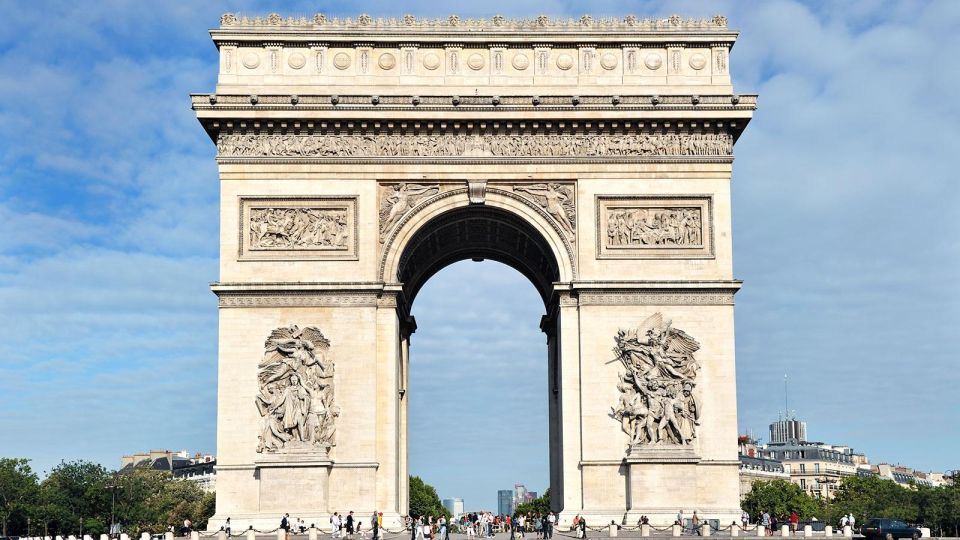
Start with Arc de Triomphe. On audio, you’ll get context for why it matters and what you’re looking at, which is especially helpful here because the monument sits at a major junction and the scene can feel chaotic.
From there, the track heads to the Champs-Élysées, where the point is more than just walking a famous avenue. Think of it as a soundtrack-to-streets experience: the guide helps you notice patterns, history, and the city’s grand scale as you move.
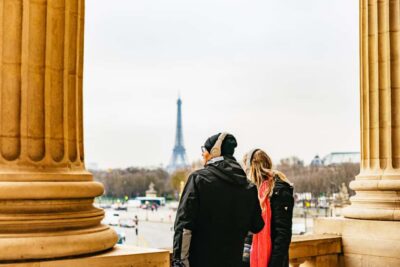
Then comes the Eiffel Tower. If you want the best experience, use the audio to set the moment before you look up, not after. Pause, listen, take a few steps, and let the story sync with the view in front of you.
Practical note: even with audio, give yourself time here. This is one of those places where your photos will multiply. The audio is your guide, but your feet and eyes are still the main attractions.
Beaubourg, Conservatoire Arts et Métiers, and the Grand & Petit Palais trio
Next up is Beaubourg (often linked with modern Paris culture). This is a great area to use audio because it can be visually busy. The guide helps you make sense of what you’re seeing rather than just reacting to it.
Then you move to Conservatoire Arts et Métiers. This is a smart stop if you like learning in a visual way. Even if you don’t have time for a deep museum visit, the audio framing can help you appreciate the setting.
The guide also includes the Grand Palais and Petit Palais. These two are worth treating like architecture lessons. If you listen while you walk the exterior areas, you’ll likely feel the difference in style more clearly than if you just read signage.
Invalides, Musée Jacquemart-André, and Rodin Museum for “art with atmosphere”
Invalides is a history-heavy stop, and it’s the kind of place where audio can turn a quick visit into something you remember later.
Then comes Jacquemart-André Museum and the Rodin Museum. These are the sort of museum stops where a guide is especially useful because you’re surrounded by meaning—sculpture, detail, and curated space. Audio helps you stay oriented when you’re standing in front of something that takes time to appreciate.
If you’re trying to keep your trip energetic, this is a good sequence. You get variety without doubling down on the biggest mass-attraction crowds.
Louvre and Louvre Palace: the “you can’t do it all” zone
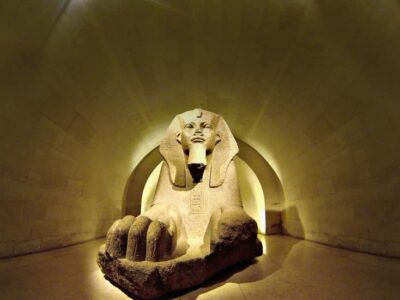
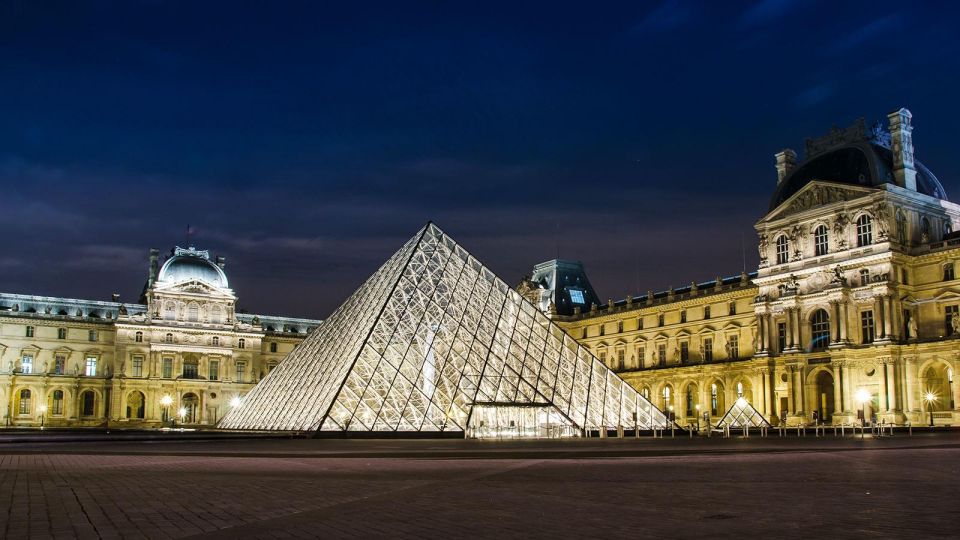
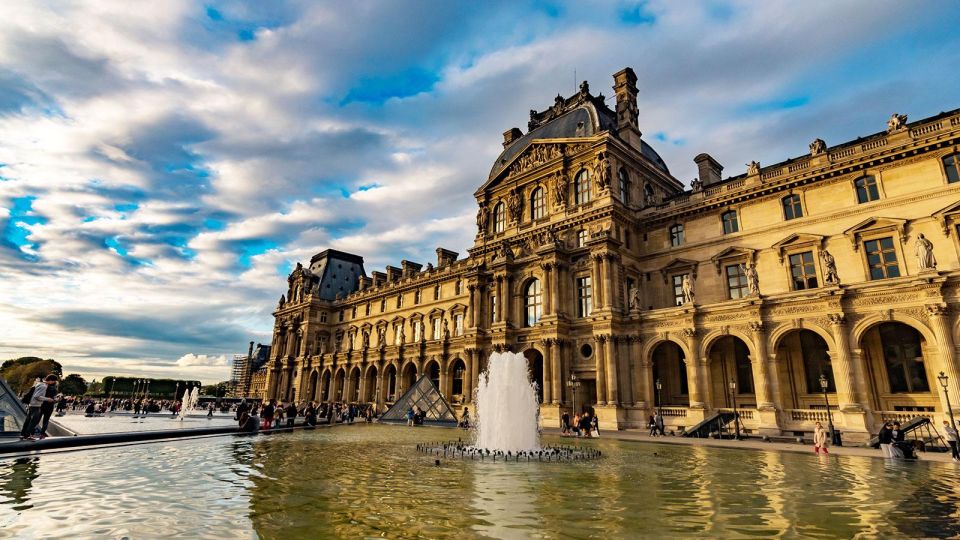
The guide includes both Louvre Museum and Louvre Palace. That pairing is helpful: it nudges you to think beyond the museum as a checklist and toward the setting itself.
Here’s how to get value without burning out:
- Use the audio to choose what you want to pay attention to first.
- Don’t feel forced to cover everything in one go.
- If your feet start to protest, pause the audio and do a shorter circuit with intent.
The Louvre can overwhelm people fast. Audio doesn’t remove that, but it can help you feel like you’re actually moving through a story, not just a crowd.
Latin Quarter, Sainte-Chapelle, Notre-Dame, and Place de la Concorde
The Latin Quarter is ideal for walking-with-a-narrator. It’s the kind of area where streets and buildings help tell the story, and audio works well because you’re not just looking at one object—you’re moving through context.
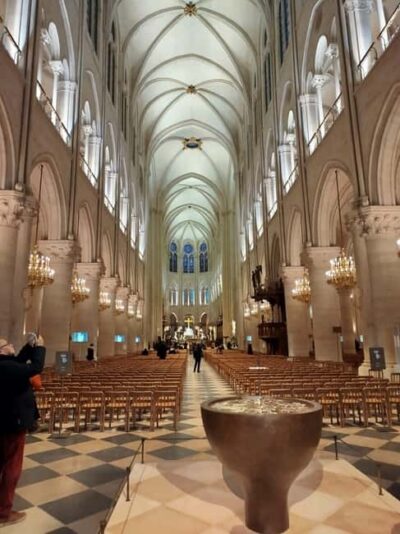
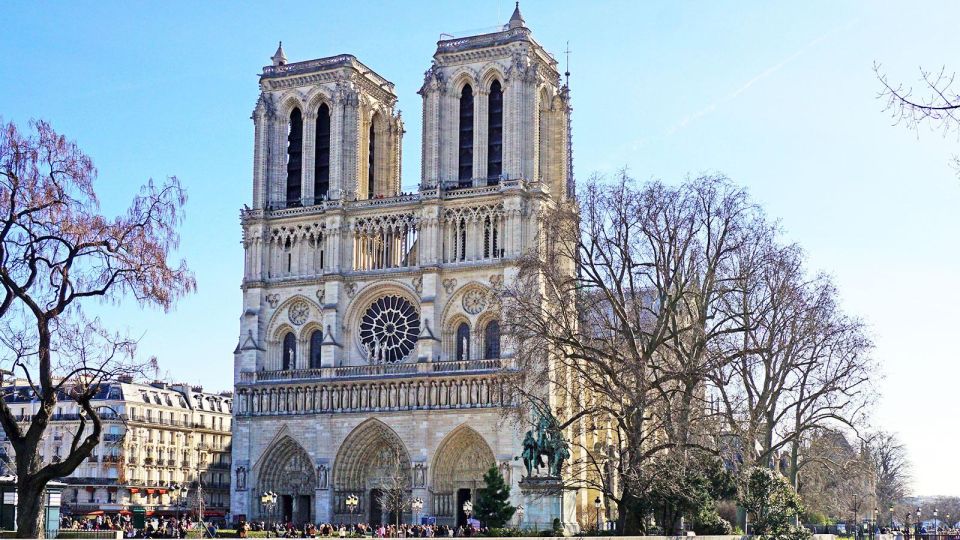
Then comes Sainte-Chapelle and Notre-Dame. These tracks are powerful because they help you slow down your visual attention. Even if you’re only inside briefly, listening first can change what you notice.
Place de La Concorde follows, which is another good “reset” moment. It’s open space, major sightlines, and a chance to regroup before you continue. Using audio here keeps you from turning the day into only crowded landmarks.
Sainte Chapelle and the river: Seine and Trocadéro for a full view moment
The guide includes Seine and Trocadero. This is where audio can be more than trivia. It’s your chance to connect what you’ve seen inland with what the river and opposite viewpoints add to the city’s layout.
If you like a clean perspective break, plan this segment for when you can stand still for a few minutes. Audio stories land better when your body isn’t rushing to the next corner.
Place des Vosges, Place Vendôme, Madeleine, and Montmartre (pretty streets + perspective)
The guide lists Place des Vosges, Place Vendome, Madeleine, and Montmartre. These stops are for people who love atmosphere as much as landmarks.
Places like Place des Vosges and Place Vendôme are ideal for a listening pause because you can actually take in symmetry, layout, and the feel of the square. For Madeleine, audio helps you appreciate the monument’s role in the area rather than treating it like a random stop.
Then Montmartre rounds things out. Use audio here to make sense of why the area is still such a draw, and to help you move through it with fewer “what am I looking at?” moments.
Museum variety: Camondo and Cernuschi, Musée Marmottan, and Musée d’Orsay
Paris isn’t only about the biggest names. The guide includes several museum tracks that can add depth without forcing you into one single mega-museum day:
- Camondo and Cernuschi Museums
- Musee Marmottan
- Musee Orsay
If you want variety in your Paris memories, these tracks are a strong reason to choose this format. You’ll get story time that supports different styles and eras, which can break up the intensity of a major attraction day.
Practical tip: when you’re choosing which museum track to listen to, decide based on your energy level. If you’re tired, listen to a shorter, earlier track first and save the long ones for a later day.
Place de La Concorde through Luxembourg and Place de La Concorde (time to breathe)
The guide includes Luxembourg as well. That’s a valuable inclusion because it gives you a chance to switch from “standing and looking” to “walking slowly and resting.”
Audio works great in quieter outdoor spaces too, as long as you keep earphones volume comfortable. Use this stop as your reset, not just a pause between monuments.
The Versailles segment: a different kind of day trip inside the same guide

The guide includes Versailles. The upside of having Versailles inside the same app is continuity. You can start Paris, then keep your story thread going when you leave the city—or do it in the other order if your schedule changes.
How to use the audio smartly here:
- Listen to the track that sets context before you wander.
- Expect your time to stretch. Versailles is built for lingering, and audio rewards that.
- If you don’t finish everything, you can come back later. The guide stays valid for a long time.
When you still have energy: Villette
The guide ends with Villette. This is a useful final segment for travelers who don’t want their trip to feel like a series of only monuments. If you’ve seen enough icons for one day, a different-type outing can balance your memories.
Use the audio here as a “light learning” break. It keeps the trip moving without forcing another heavy, concentrated museum day.
Cost and value: $3.40 for 278 minutes of pro audio
At $3.40 per person, the price is hard to beat for something you can replay. You’re not paying for a guide’s labor for a single group session; you’re buying access to an app with 93 tracks and a total of 278 minutes of audio content.
What makes it good value:
- You can use it multiple times over your 1095-day window.
- You don’t waste time with paper tickets or meeting points.
- You can listen offline, which protects the experience on travel days.
What you’re not getting (and you should be aware):
- You’re not getting real-time answers to your questions.
- You’re not getting a customized route based on your interests.
So it’s best when you want strong storytelling, autonomy, and flexibility more than live interaction.
Who this works best for (and who should look elsewhere)

This guide fits you if:
- You like exploring in your own rhythm.
- You want major Paris sights plus museum variety without committing to a group schedule.
- You’re the kind of traveler who uses earphones, pauses often, and rewinds when something sparks your interest.
It may not fit you as well if:
- You hate relying on your phone in the middle of sightseeing.
- You want a live person to adjust plans and answer questions on the spot.
Should you book the TravelMate Paris audioguide?
Book it if you want a low-cost, flexible way to get context at the places that matter—Arc de Triomphe, Eiffel Tower, Louvre, Sainte-Chapelle, Notre-Dame, Versailles, and more—without paper logistics. The combo of offline listening, text support, and a big library of tracks makes it a practical choice for both first-time Paris visits and repeat trips.
Skip it if your ideal Paris day is constant human interaction. This is a guide you operate. When you’re ready for that trade, it’s a solid value.
FAQ
How long is the TravelMate Paris audioguide valid?
It’s valid for 1095 days from the first activation.
Do I need to meet someone or pick up paper tickets?
No. There’s no meeting point. You download the app and start your experience wherever you prefer.
Can I listen to the audio offline?
Yes. You can listen to the audio guide online or offline.
Which languages are available?
The audio content is available in Italian, English, German, Spanish, French, Chinese, and Russian.
Is there text in the app, or is it only audio?
You can read the text of the audio files in the app.
How much content is included?
The guide includes 93 audio contents for a total of 278 minutes, plus a quiz section.
Where do I find my activation code?
You can find it in the email (look for the barcode area and the 10-digit number just under it) or in the GetYourGuide app under Show ticket in the App.
Is this activity wheelchair accessible?
Yes, it’s listed as wheelchair accessible.