REVIEW · PARIS
Paris: Color analysis
Book on GetYourGuide →Operated by Christelle Macia · Bookable on GetYourGuide
Color can change your face faster than any haircut. This Paris color analysis uses fabric draping to pinpoint your best shades, then turns that into very usable makeup and wardrobe guidance. The main thing to consider is practical: it’s on the 5th floor with no elevator, so plan for stairs.
I like that the approach is personal. The session focuses on warm/cold and brightness (not the old four-season boxes), and you leave with tools you can use immediately while shopping. If you’re hoping for a fashion show vibe or a long lecture, this one might feel a bit too focused and hands-on.
In This Review
- Key Things You’ll Notice Fast
- Paris Color Analysis: Why Draping Beats the Four-Season Boxes
- The 1-Hour Workshop Format on Avenue Claude Vellefaux
- Step 1: Fabric Draping to Find Your Warm or Cold Range
- Step 2: Translating Your Results Into Clothes, Accessories, and Makeup
- Clothing and accessory colors
- Makeup color advice
- Hair-color guidance
- The Two Take-Home Tools: Color Book + Pocket Color Chart
- Price in Paris: Is $165 Worth It for 1 Hour?
- Who This Workshop Suits Best (and Who Might Want Another Option)
- Pair It With a Canal Saint-Martin Day (Without Rushing)
- Should You Book Paris Color Analysis?
- FAQ
- How long is the Paris color analysis session?
- What should I bring with me?
- What do I take home after the workshop?
- What method does the stylist use?
- Is the session private, and what languages are available?
- Can I cancel or pay later?
Key Things You’ll Notice Fast
- Draping method to find your best warm/cold and brightness range
- Clear guidance for clothing colors, not just theory
- Makeup advice built around what enhances your features
- Hair-color suggestions that connect to the same color logic
- You leave with a color book and a pocket chart for on-the-go shopping
- A private, 1-hour format with French or English support from Christelle Macia
Paris Color Analysis: Why Draping Beats the Four-Season Boxes
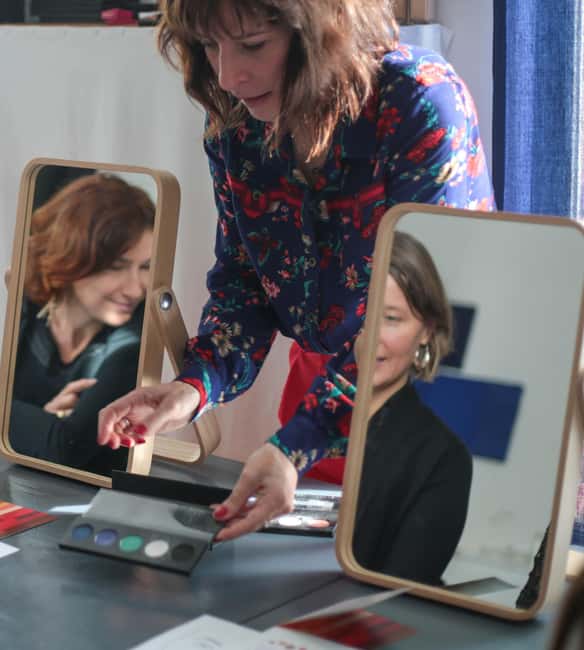
Paris has a lot of style advice floating around. Most of it is either too generic or too boxy. This workshop takes a different route: it uses draping—the real-life way to test colors on your skin.
Instead of assigning you to a preset category (like the classic four seasons), Christelle Macia works by helping you discover what your colors do to your complexion and eyes. You explore warm vs. cold, and you also look at how brightness level matters: bright vs. soft, and darker shades vs. lighter ones. That matters because two people can both be “warm” and still need very different clothing colors depending on how light or muted the shades are.
The mission here is simple: you should walk out able to choose your own colors confidently. Not trapped in a label. Not guessing in front of a closet full of nice outfits that never quite hit.
You can also read our reviews of more tours and experiences in Paris.


The 1-Hour Workshop Format on Avenue Claude Vellefaux
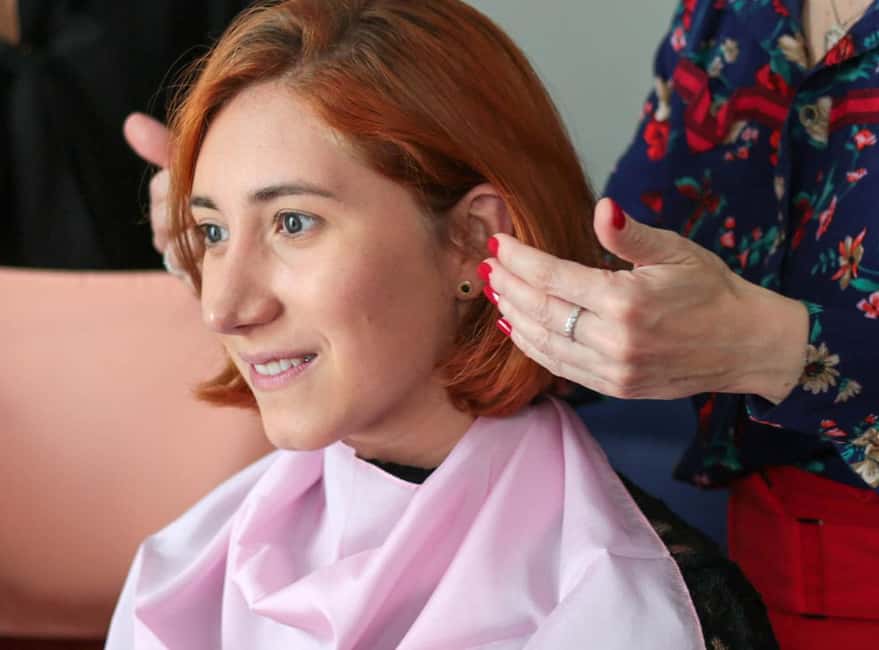
The session lasts one hour, private group style. That’s a sweet spot: long enough to actually test colors, short enough to fit into a busy Paris day.
You meet at 16 av Claude Vellefaux (right in the Canal Saint-Martin area, where fashion boutiques and cafés are easy to pair with a quick activity). The workshop is on the 5th floor without elevator. The staircase is wide and meant to be easy, but it’s still something to plan for—especially if you don’t love stairs.
You’ll also want to arrive prepared for color testing. The workshop asks you to come makeup-free, then bring your makeup in a bag if you want to follow along during makeup recommendations. Bring your glasses too, since they can affect how you see colors on yourself.
No worries if you don’t have photos. But if you want maximum personalization, you can bring images of yourself with makeup and different clothing colors on your upper body (shirt, jacket, hat). That can help you relate the color results to what you already wear.
Step 1: Fabric Draping to Find Your Warm or Cold Range
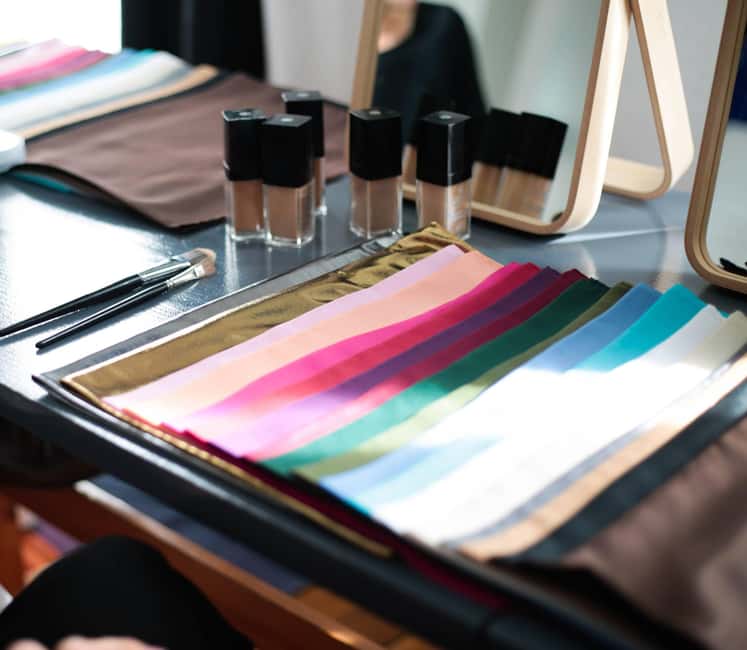
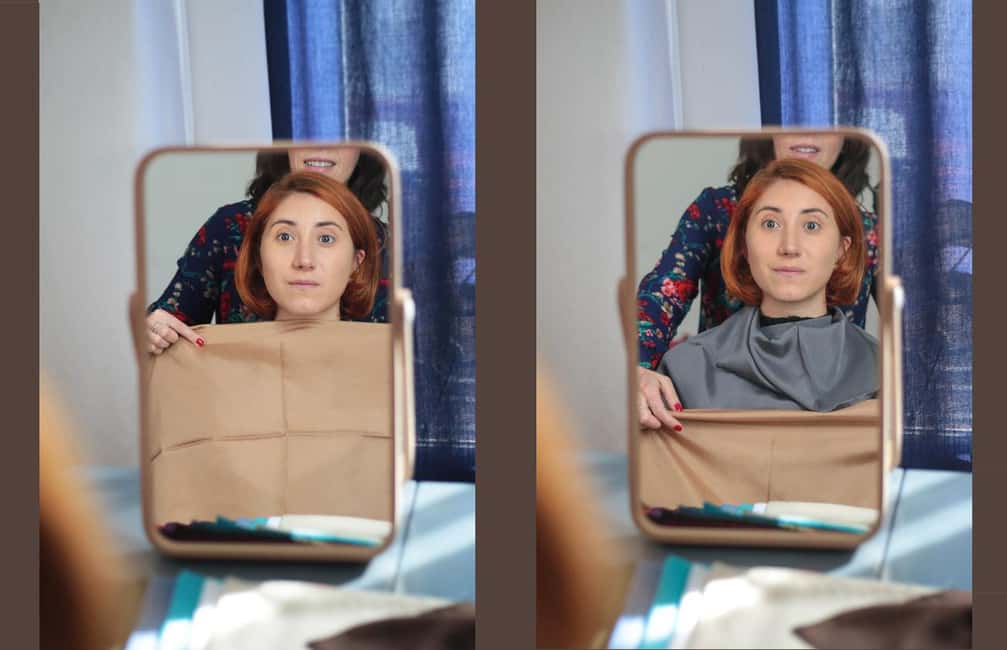
This is the heart of the session. Color testing works best when the fabric sits close to your face, and draping does exactly that. You’re guided through a series of fabric colors so you can see what makes your complexion look healthier and what makes it look tired.
The framework you work through is practical and easy to remember:
- Are you in the warm or cool range?
- Do the colors that flatter you tend to be bright, soft/muted, or darker?
In plain terms, this is the difference between colors that harmonize with your skin’s undertone and colors that fight it. Warm colors often look like they add glow and balance, while cool colors can make features look sharper and more even. But the session doesn’t stop at temperature. It also tracks brightness level—because a “warm” shade that’s too muted can still dull your face.
This part is also where the time tends to fly. When you see the change in real-time, the logic clicks fast. It’s not just theory; it’s a visual experiment.
Step 2: Translating Your Results Into Clothes, Accessories, and Makeup
Once your range is clear, the workshop shifts from testing to using. This is the part I think most people want, because it turns the results into choices you can make without overthinking.
You receive advice for:
- Upper-body clothing colors (the shades that sit closest to your face)
- Accessories colors
- Makeup colors
- Hair coloring choices
Clothing and accessory colors
The clothing guidance is anchored in the same draping discoveries. Instead of telling you what’s trendy, Christelle helps you pick what supports your features. That means you start learning which colors give that healthier look and which ones tend to make everything feel “off,” even when the item itself is nice.
A key detail: the advice focuses on the upper body. That’s smart because face-area colors are where you’ll notice the impact first—around neckline, collar, and layering pieces like jackets and scarves.





Makeup color advice
Makeup recommendations are based on your best color qualities. People often overbuy makeup without realizing that the shade family can clash with undertones, making skin look uneven or dull. In this workshop, makeup colors are treated as part of the same system as clothing and hair.
From the session feedback I’ve seen, the makeup portion is a big confidence booster. When the shade family matches you, your face reads more balanced in photos and in everyday mirrors.
Hair-color guidance
Hair can be tricky because it’s not just about color—it’s about value (light vs. dark) and temperature (warm vs. cool). The workshop includes advice on choosing the right hair color based on the same warm/cool and brightness logic used earlier.
If you’re thinking about dye jobs or even just experimenting with highlights, this is the kind of framework that helps you avoid the classic mistake: going for a pretty hair color that doesn’t fit your face colors.
The Two Take-Home Tools: Color Book + Pocket Color Chart
One of the best parts is what you leave with. You don’t just memorize a chart and hope you’ll remember it next weekend.
You get two documents:
- A color book summarizing your colorimetry results and the full set of advice
- A pocket color chart designed for shopping, so you can compare colors right there in the store
This is where the workshop becomes genuinely useful long after the hour is over. The pocket chart means you’re not relying on store lighting guesses or your memory. You can line up fabric shades against the chart and see what truly matches your best range.
It’s also aligned with the workshop goal: helping you become autonomous. The end isn’t a label; the end is you making better decisions with confidence.
Price in Paris: Is $165 Worth It for 1 Hour?
At $165 per person for one hour, the price can sound steep if you compare it to things like a quick souvenir-style activity. But the real question is what you buy with that money.
You’re paying for:
- Personalized fabric draping, not a generic slideshow
- Specific guidance for three big areas: clothing, makeup, and hair
- Take-home tools that keep helping you after the session (color book + pocket chart)
I look at this as prevention. If you’ve ever bought clothes or makeup that never quite worked, you already know the cost of wrong colors adds up fast. In that sense, the workshop can be good value because it reduces shopping trial-and-error.
Also, the setting matters. You’re getting it in central Paris near Canal Saint-Martin, in a quiet and bright spot where you can focus on the actual color tests, not a cramped space.
Who This Workshop Suits Best (and Who Might Want Another Option)
This is ideal if you:
- Want practical advice you can act on right away
- Feel frustrated by clothes that look fine on the hanger but wrong on you
- Are considering a hair change (or want to understand what naturally fits)
- Like the idea of learning a system, not just getting told a single category
It’s not for everyone. It’s listed as not suitable for children under 18 and people over 70. Also, because it’s on the 5th floor with no elevator, people who need step-free access may want to consider alternatives.
If you’re someone who already has a solid understanding of undertones and brightness and wants only a quick refresher, you might find it less necessary. But if your closet still contains lots of “almost” pieces, this format tends to land well.
Pair It With a Canal Saint-Martin Day (Without Rushing)
After the session, you’ll be in the exact neighborhood where shopping can actually make sense. The workshop area is close to fashion boutiques, restaurants, and even festive bars—so you can turn the color chart into a game plan right away.
A smart way to do it:
- Use your pocket chart while you shop for tops, scarves, and outer layers (things that frame your face)
- Keep makeup decisions simple at first—focus on one or two shade families you were advised on
- If you’re trying new hair colors, treat it as a longer-term plan and use the hair guidance as your filter
Because the session is only an hour, you don’t need to build your whole day around it. You can fit it in between meals and keep moving through Paris at your own pace.
Should You Book Paris Color Analysis?
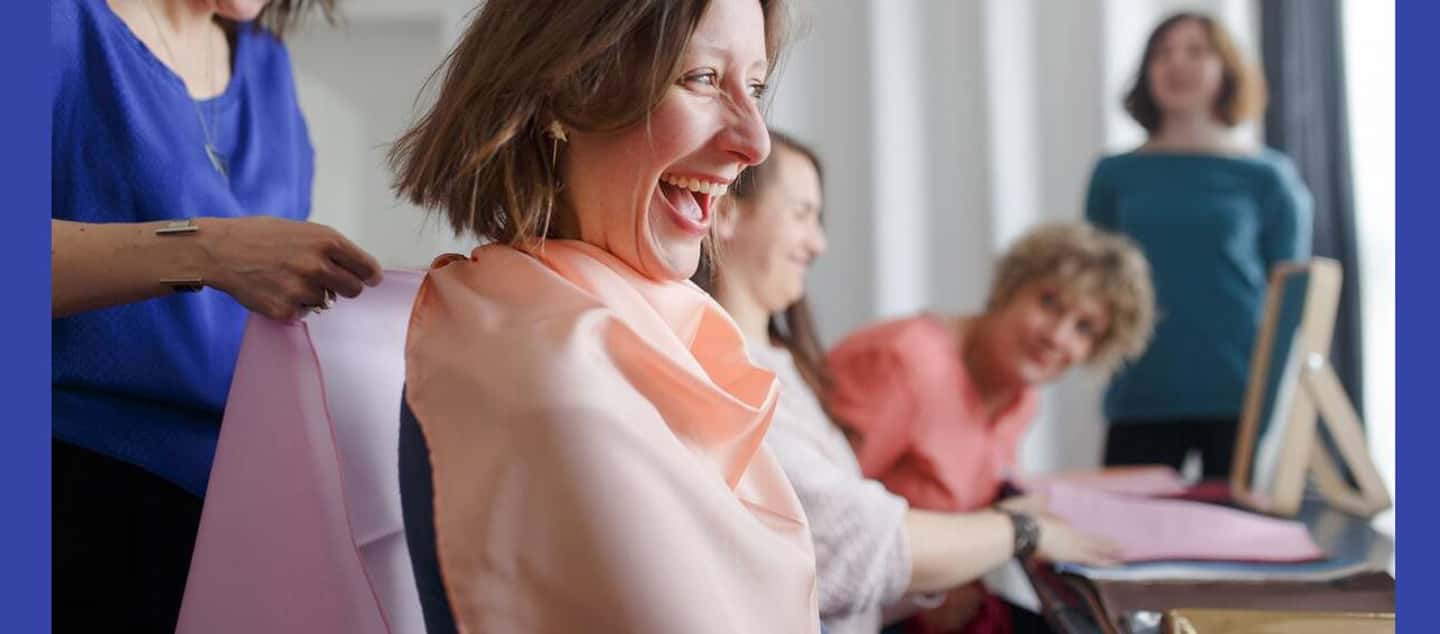
Book it if you want a clear, personalized method that helps you choose colors without guessing. I especially recommend it if you’re tired of the old “one-size-fits-all” advice and you want something tailored to your undertone and brightness—not just a generic category.
Skip it only if you dislike stairs (no elevator), are sensitive to face-makeup testing (you’re asked to arrive makeup-free), or you’re looking for a casual fashion conversation instead of direct color guidance.
If you want clothing, makeup, and hair choices that finally feel like they belong to you, this is a focused and high-impact way to spend an hour in Paris.
FAQ
How long is the Paris color analysis session?
It lasts 1 hour.
What should I bring with me?
Come makeup-free. Bring your makeup in a bag and your glasses to check colors. If you want, you can also bring photos of yourself with makeup and different clothing colors on your upper body.
What do I take home after the workshop?
You leave with two documents: your color book and your pocket color chart.
What method does the stylist use?
The session uses draping with fabrics to help you discover your best warm/cold and bright/soft/dark/bright ranges for your face.
Is the session private, and what languages are available?
It’s a private group session. The instructor speaks French and English.
Can I cancel or pay later?
You can cancel up to 24 hours in advance for a full refund. You can also reserve and pay later to keep plans flexible.