REVIEW · PARIS
Paris for first-timers – from Notre-Dame to the Louvre
Book on GetYourGuide →Operated by Discover Walks · Bookable on GetYourGuide
Paris hits differently when you’re oriented.
This small-group English tour strings together the city’s biggest sights in a way that feels like a movie set: Notre-Dame, Sainte-Chapelle, the Seine, and then the Louvre area, all while your guide keeps moving and answering questions. I especially like that the route is designed for first-timers and regulars alike, so you get context without a slog.
I also like how the stories are tied to real places, including characters such as Quasimodo, Marie-Antoinette, and the Sun King, plus practical wayfinding like where to look and what you’re actually seeing. One drawback to consider: this is a highlights walk—entrances to monuments aren’t included, and you don’t go inside every stop, so it won’t replace a longer Louvre or cathedral visit.
In This Review
- Key things I’d mark on your map
- Why a Notre-Dame to the Louvre highlights walk works for first-timers
- Start near Charlemagne, then aim straight at Notre-Dame
- Sainte-Chapelle: the shortcut to getting why Paris loves stained glass
- Palais de Justice and the Conciergerie: where the legends get their addresses
- The Seine and the bridges: your moving timeline of old Paris
- Louvre Pyramid to Carrousel du Louvre: seeing the Louvre as an evolving complex
- The brief Louvre guided stop: how to make 10 minutes count
- Pace, weather, and the real-world walking length
- Price and value: what $17 buys you (and what it doesn’t)
- Who this tour suits best
- The guide experience: why names like Diane and Laura matter
- Should you book this Notre-Dame to the Louvre tour?
- FAQ
- How long is the tour?
- Is the tour in English?
- What are the main sights you’ll see?
- Do I get to enter the monuments?
- Where do I meet the guide?
- What if I miss the start time?
- How much walking is involved?
- What should I bring?
- Is it wheelchair accessible?
Key things I’d mark on your map
- Small-group, English-only storytelling that helps you follow what you’re seeing without getting lost in facts
- Rain-or-shine walking across Notre-Dame, Sainte-Chapelle, the Conciergerie, and major bridges over the Seine
- Louvre orientation without overwhelm, including pointers to highlights like Kilometer Zero and an underground wall from the 1300s
- Photo moments built into the route, from the river banks to the Louvre Pyramid area
- A guide you can spot fast in a bright pink vest near the meeting statue
Why a Notre-Dame to the Louvre highlights walk works for first-timers
If Paris is your first stop in France, you’re going to see a lot of famous stuff fast—and that’s exactly where confusion can creep in. This tour does the opposite of a random checklist. It builds a clear chain from the Notre-Dame area to the Louvre, with stops that explain what happened there and why it matters.
At a price point around $17 per person, the value isn’t that it tries to “cover everything.” It’s that it covers the right framework: major landmarks, how the neighborhood layout makes sense, and the legends that make the city feel alive. You’re walking roughly 2 kilometers (about 1.5 miles) and spending about 2 hours out in the open, with frequent photo breaks. That’s a realistic pace for getting your bearings on Day 1 (or whenever you finally have your energy back).
You can also read our reviews of more tours and experiences in Paris.



Start near Charlemagne, then aim straight at Notre-Dame
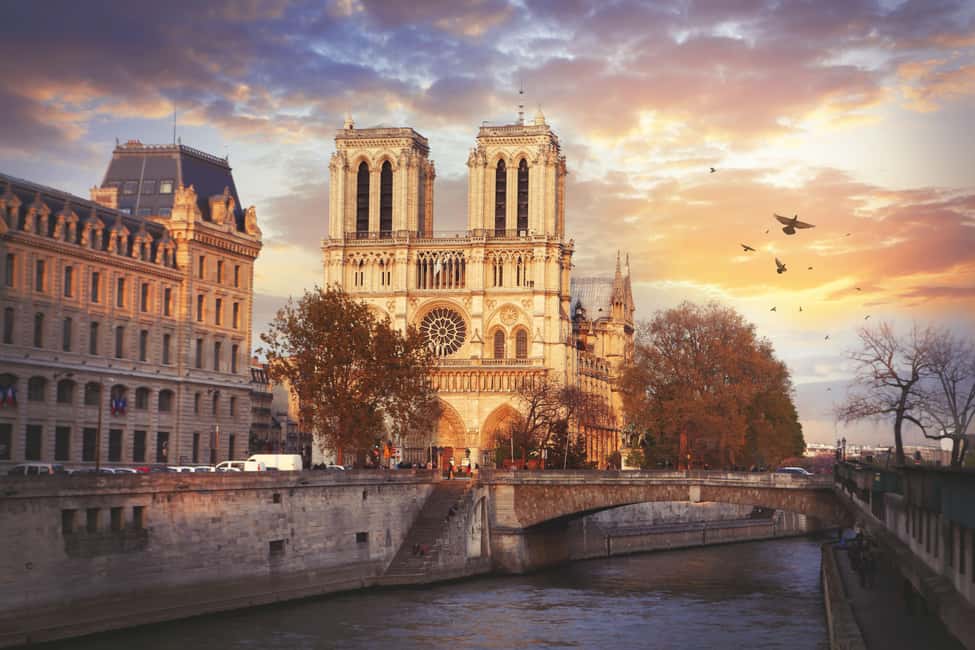
Your meeting point is at the Horseman Statue in front of Notre-Dame, with your guide wearing a bright pink vest that’s meant to be hard to miss. You start promptly, so arrive a few minutes early and get your shoes situation handled. (Comfortable shoes are a must—this is a walking tour.)
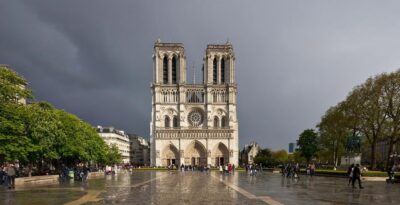
The first stretch sets up the “before Notre-Dame” story. You begin at the Statue of Charlemagne and his leudes, which helps explain how Paris’ identity long predates the famous cathedral photo you’ve probably seen a hundred times. From there, you head to Notre-Dame Cathedral for a short sightseeing stop.
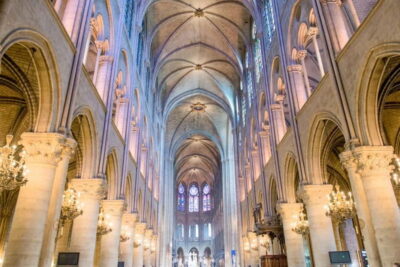
What you gain here isn’t a long interior visit—it’s orientation. Notre-Dame can look stunning but confusing if you don’t know what you’re looking at. With a guide, the stop turns into a quick crash course: why people built it, what makes it iconic in Paris history, and how it connects to the broader timeline of the city.
Sainte-Chapelle: the shortcut to getting why Paris loves stained glass
Next comes Sainte-Chapelle, also with a brief sightseeing window. In a short time, you’re not trying to become an art historian—you’re trying to understand the role of light, faith, and power in the city’s medieval story.
The timing matters. When you reach Sainte-Chapelle after Notre-Dame, you can feel the shift between different eras of Paris’ architectural personality. The tour keeps you moving, but it also gives you just enough “look time” to make the sight meaningful instead of passing by it.
Palais de Justice and the Conciergerie: where the legends get their addresses
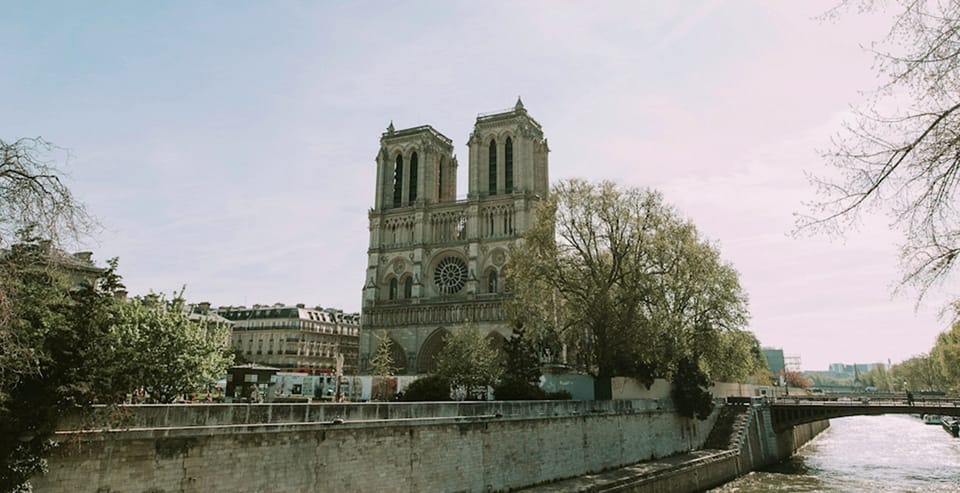
You’ll pass Palais de Justice, Paris, then continue to the Conciergerie. This is where the tour leans into character-driven storytelling: you’ll meet figures from the French imagination and the French record, including Marie-Antoinette as part of the Conciergerie story.
The payoff at this stage is that the locations stop being “cool backdrops” and start being clues. You’re learning how a place earns its reputation. Why does this building get remembered? What happened here that still shapes the way people talk about the Revolution?
It’s also a good section for photos. Even with limited time, you’re positioned to frame Paris in layers—street-to-building-to-history—without needing a professional camera setup.
The Seine and the bridges: your moving timeline of old Paris
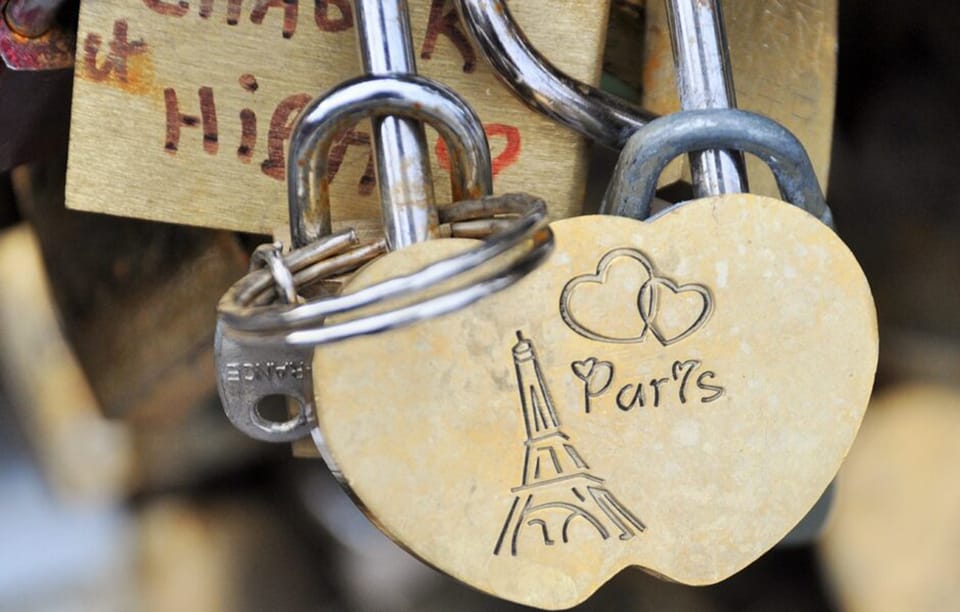
After the palace-and-justice block, you cross into river territory with stops along the way.
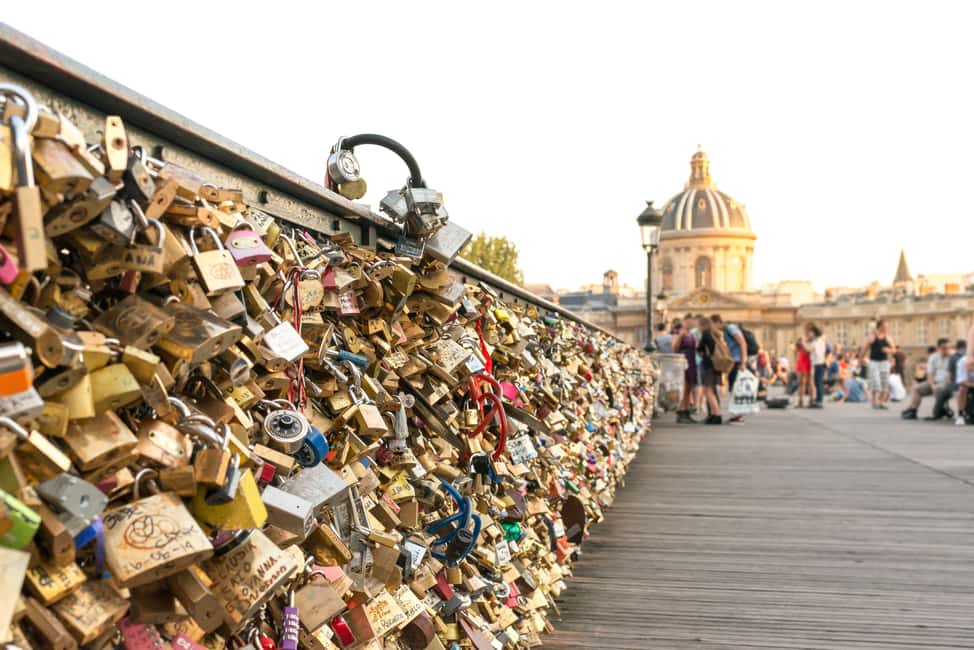
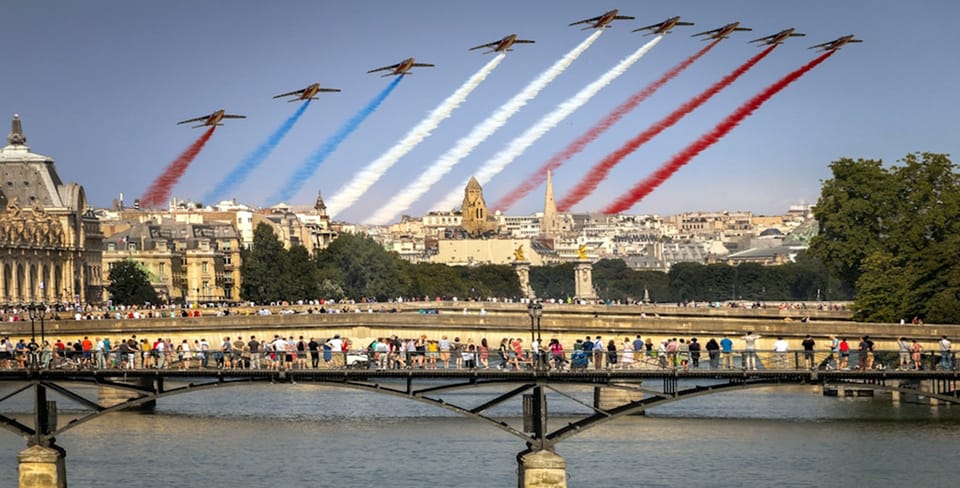
You’ll see Pont Neuf, then move on to Pont des Arts, with river-bank views built into the route. The bridge stops matter because they teach you how Paris flows through its water system. The Seine isn’t just scenery—it’s a geographic organizer. When you understand that, the next day in Paris feels less like wandering and more like traveling.
There’s also a practical angle: bridges are where you can pause quickly, take photos, and reset your sense of direction. When your time is limited, that kind of mental reset is worth more than another “look at this facade” moment.






Louvre Pyramid to Carrousel du Louvre: seeing the Louvre as an evolving complex
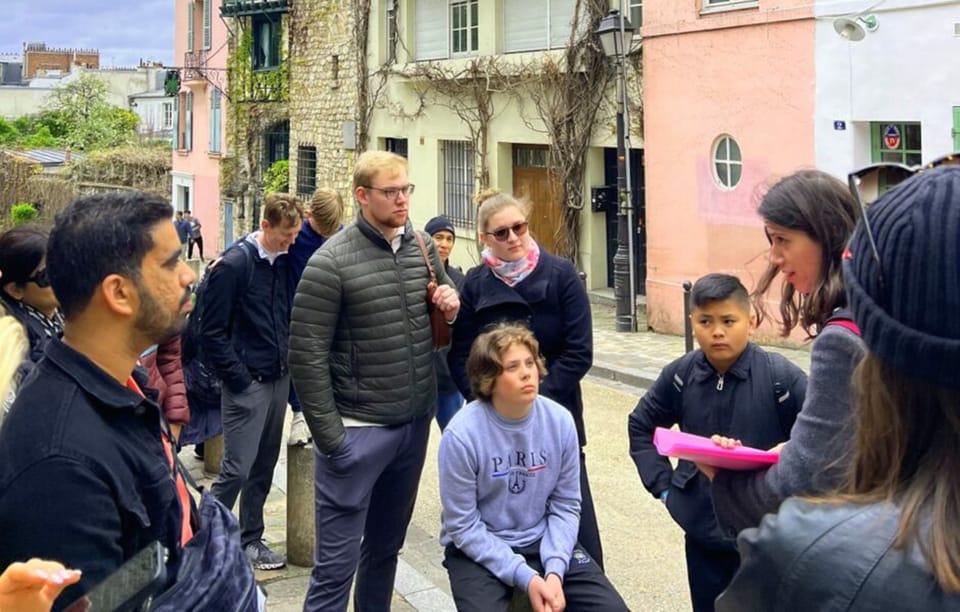
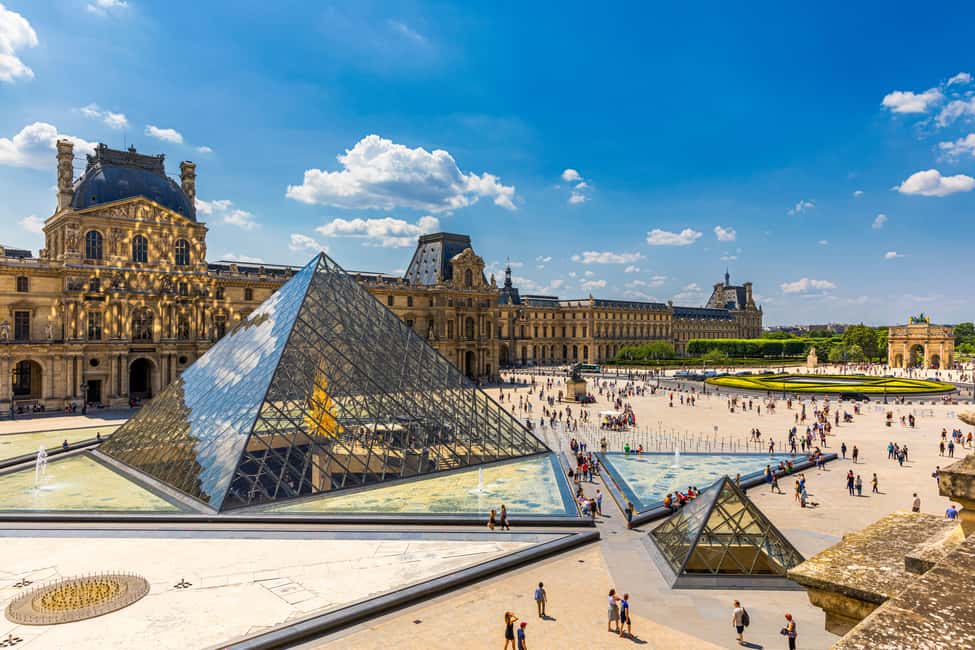
The tour arrives at the Louvre Pyramid area and then includes a guided segment in the Louvre Museum zone, ending at Carrousel du Louvre. Even if you plan to spend hours in the museum later, this kind of early orientation is helpful. The Louvre can feel like a maze if you show up cold.
What makes this portion special is that the guide doesn’t treat the Louvre as one building frozen in time. The tour points out ideas like old and new Louvre and connects them to the broader “how Paris grew” story.
You may also hear about less-famous, very specific references in the palace area, such as the French Mint, the Palace of the Immortals, Kilometer Zero, and an underground wall dating to the 1300s. Those details matter because they give you specific things to look for later, when you return on your own and want to feel like you’re in on the secret.
The brief Louvre guided stop: how to make 10 minutes count
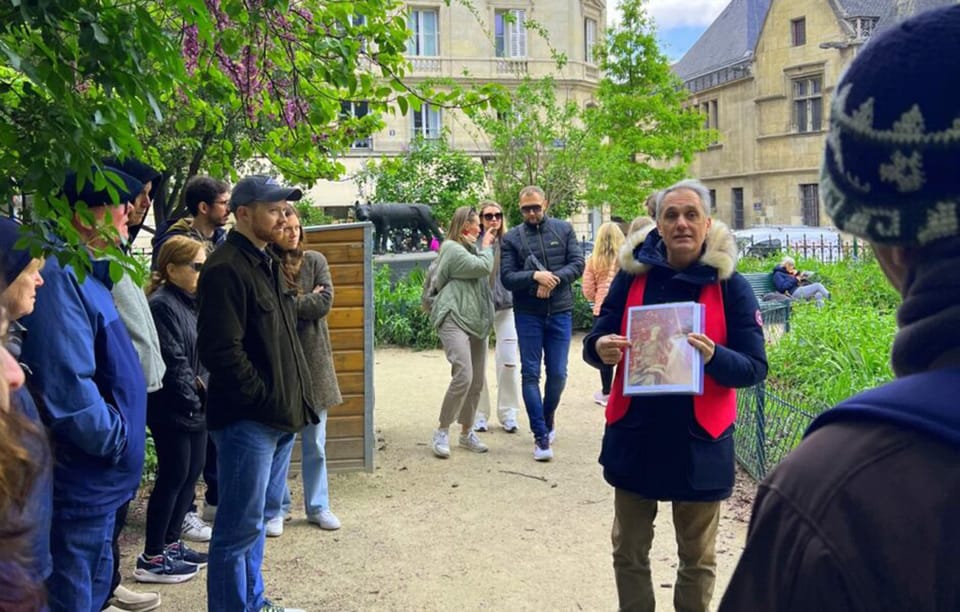
One guided museum segment is included, but it’s intentionally short. You’re not buying a full-depth Louvre lecture here. You’re getting a guided “spark” so you can choose what to chase when you come back.
In other words, this tour is built for the moment right after you’ve seen the outside and the big entrance landmarks. Your guide helps you understand what the Louvre is trying to communicate—an old palace, a museum complex, and a symbol of French power and art all at once. It’s enough time to feel confident that you’ll know where you are later.
If your goal is to see specific collections in depth, you’ll still want a separate Louvre plan. But as an orientation tool, the value is strong: you walk in knowing what to notice and where to go first.
Pace, weather, and the real-world walking length
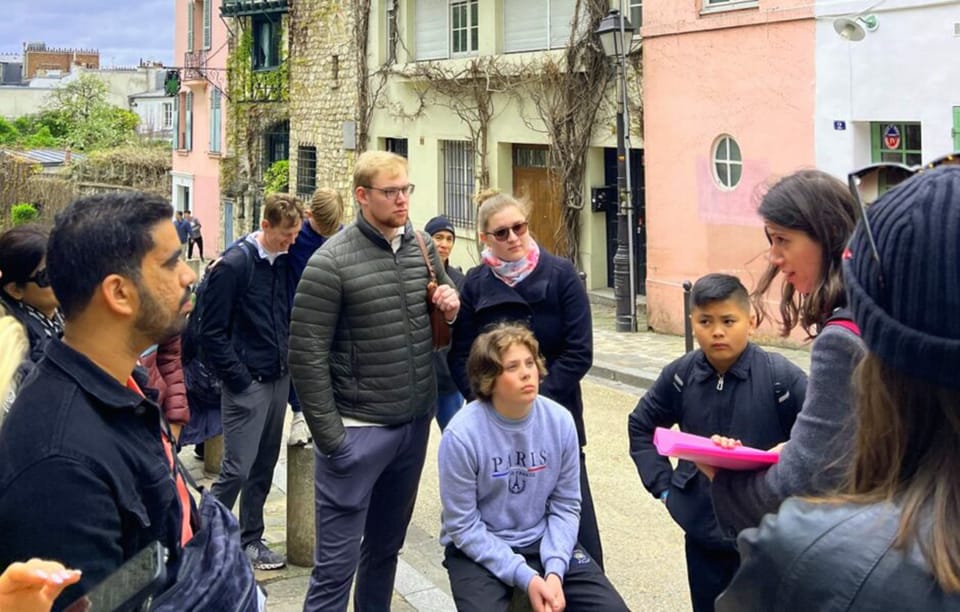
The tour runs rain or shine, and the schedule includes multiple short stops. That’s a smart design for Paris because weather can change fast, and you don’t want the whole day derailed.
You’ll typically spend about 10 minutes at each sight. That’s short enough to keep energy up and long enough to form impressions, ask questions, and grab photos. The walking distance is about 2 kilometers total, which is very doable for most people with decent shoes.
If you’re traveling with kids, the shorter time blocks can help. And if you’re a solo traveler, the small-group format usually means you can actually talk to the guide instead of getting lost in a crowd.
Price and value: what $17 buys you (and what it doesn’t)
At around $17 per person, you’re paying for a guide-led walk that hits the city’s big-hitter spots and gives you history, photo pointers, and local context. It’s good value because it saves you time on the first day—time you’d otherwise spend figuring out what’s where and what you should care about.
Just be clear on the trade-off: entrances to monuments aren’t included, and the tour explicitly doesn’t go inside every stop. That’s not a problem if you want an overview, but it is a consideration if you’re hoping for a one-stop “see everything inside” experience.
The good news is that your sightseeing stops still focus on key elements. You’ll get Notre-Dame and Sainte-Chapelle as landmarks, the river and bridges as the city’s connecting tissue, and the Louvre as a recognizable museum complex—plus pointers to specific places you can target later.
Who this tour suits best
This is a strong match if:
- You’re a first-timer and you want a fast orientation from Notre-Dame to the Louvre
- You like a story-led guide who can answer questions as you go
- You want a small-group experience in English rather than a large bus feel
It may not be the best choice if you:
- Need wheelchair-friendly access (the tour is not suitable for wheelchair users)
- Want deep interior time inside multiple monuments in one go
The guide experience: why names like Diane and Laura matter
The tour experience depends a lot on the guide’s style, and the strongest praise in past feedback tends to land on guides who bring stories to life and keep the energy playful without losing clarity.
In particular, Diane and Laura have both been singled out for being memorable and informative. The consistent theme is that the guide doesn’t just talk; they help you use Paris visually—where to look, what to notice, and how to frame photos. You also have time to ask questions, which is a big deal when you’re trying to make sense of a city that loves symbolism.
Should you book this Notre-Dame to the Louvre tour?
Yes, if you want the practical first-day version of Paris: a clear route, major sights in a sensible order, and enough story to make the city feel connected instead of random. The small-group, English format and the rain-or-shine plan are built for real travel days, not perfect conditions.
If you’re the type who wants long interior visits at every major stop, you’ll probably use this as a launching pad rather than a complete replacement for separate ticketed time. But for most first-timers trying to see Paris without burning a whole day stuck in lines or guessing your way around, this is a smart buy.
FAQ
How long is the tour?
It’s listed as 1.5 hours, and the walking portion is described as running for about 2 hours overall.
Is the tour in English?
Yes. It’s an English-only tour with a live guide.
What are the main sights you’ll see?
You’ll cover Notre-Dame, Sainte-Chapelle, the Conciergerie, Pont Neuf, Pont des Arts, the Louvre Pyramid, and a guided segment at the Louvre Museum.
Do I get to enter the monuments?
No. Entrance to monuments isn’t included, and the tour notes that you don’t go inside every monument.
Where do I meet the guide?
Meet at the Horseman Statue in front of Notre-Dame.
What if I miss the start time?
If you miss the start, you can try to catch the group 15 to 20 minutes later at 1 rue de Lutèce.
How much walking is involved?
The tour covers about 2 kilometers (1.5 miles), with frequent stops.
What should I bring?
Wear comfortable shoes.
Is it wheelchair accessible?
No. It’s not suitable for wheelchair users.