REVIEW · PARIS
Paris: French Revolution Tour Relive the 14th July 1789
Book on GetYourGuide →Operated by ParisVu · Bookable on GetYourGuide
History changes when it’s on your feet. ParisVu’s Paris Revolution tour follows the day of July 14, 1789 hour by hour, using real streets in the Faubourg Saint Antoine and Bastille area to make the story feel close and human. I also like that the pace leaves room to ask questions and keep the group talking, not just walking in silence. One thing to note: the focus stays mostly around 1789 itself, so if you’re hoping for lots of later Revolutionary years and full coverage through Napoleon, you may want to pair it with another tour.
What I like most, though, is the guide style. Many departures are led by Robin, and the strongest reviews repeat the same theme: sharp storytelling, humor, and a way of pointing out small details in neighborhoods that you’d otherwise miss on a self-guided walk. You’ll also get explanations that connect the social conditions of the time to what happened next, which is the difference between memorizing dates and actually understanding why people moved.
In This Review
- Quick hits before you go
- Reliving July 14, 1789 works best on real streets
- Where you meet and how the walk feels in practice
- Le Faubourg Saint Antoine: the revolution seen from everyday life
- La Folie Titon: when odd names become history clues
- Le Passage de Lhomme: narrow streets, big storytelling power
- The viewpoint stop and why the tour uses photos and perspective
- Ending at the Place de la Bastille: the payoff moment
- Price and value: what $37 buys you
- Language options and how to get the most out of the group
- Who this tour is best for
- Should you book ParisVu’s French Revolution tour?
- FAQ
- How long is the French Revolution tour?
- What is the price per person?
- Where does the tour start and where does it end?
- Where exactly should I meet the guide?
- What group size should I expect?
- What languages are available?
- Is the tour free of additional fees?
- What cancellation terms are offered?
Quick hits before you go
- Hour-by-hour retelling of July 14, 1789, paced for a 90-minute walk
- Working-class neighborhoods in and around the 11th arrondissement, not just postcard sights
- Robin-style storytelling that stays clear, lively, and question-friendly
- Street-level details at spots like La Folie Titon and the Passage de Lhomme that you’d normally walk past
- Small group cap (listed up to 10 participants, also described as max 12–15) for more interaction
Reliving July 14, 1789 works best on real streets
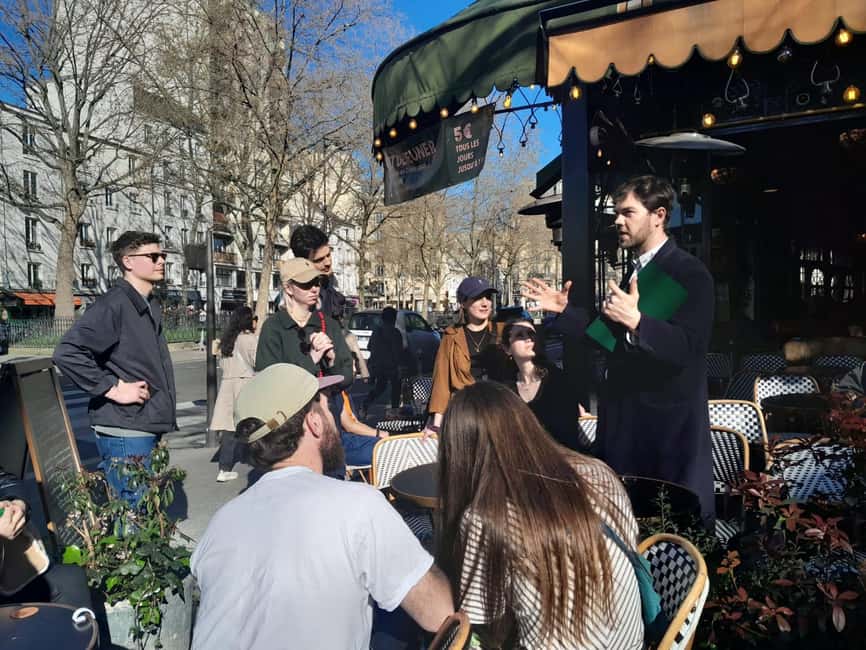
Paris can turn history into a museum thing: plaques, glass, and distance. This tour does the opposite. It follows the day of July 14, 1789 through Paris neighborhoods tied to how people lived and why they rose up, so the story lands where it happened—along blocks, passages, and squares you can see right now.
I like that the tour keeps its promises about the day itself, with a clear arc from the storming of the Bastille moment toward what followed. And because it’s structured as a guided walk, you don’t get stuck reading for an hour. You get to look up, notice the street layout, and hear why a particular corner mattered.
You can also read our reviews of more tours and experiences in Paris.


Where you meet and how the walk feels in practice
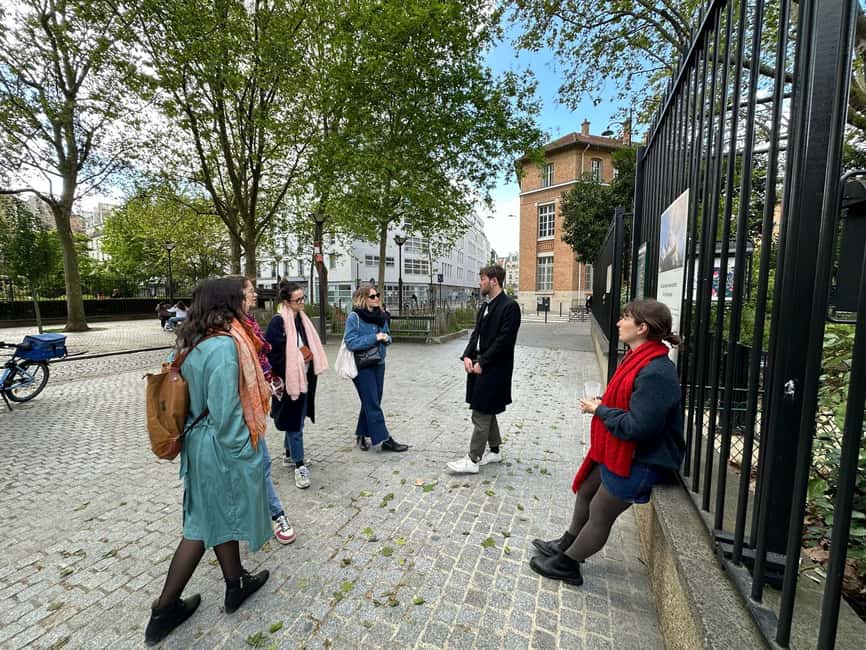
You start near 1 Pl. du Dr Antoine Béclère. The practical meeting point is between Café les Blouses Blanches and Mon Café, so I’d plan to arrive a few minutes early and orient yourself before the group gathers.
The tour finishes at 28 Pl. de la Bastille, which is a nice payoff: you end at a place that’s instantly recognizable, and you can keep going afterward on your own. It’s also a smart format if you’re trying to fit history into a trip that’s already packed with churches and cafés—this is a focused 90 minutes.
Group size is kept small. The activity details list a cap of up to 10 participants, while another part of the description mentions a maximum of 12–15. Either way, the point is the same: you’re not swallowed by a giant crowd, and the guide can actually respond to questions.
Le Faubourg Saint Antoine: the revolution seen from everyday life
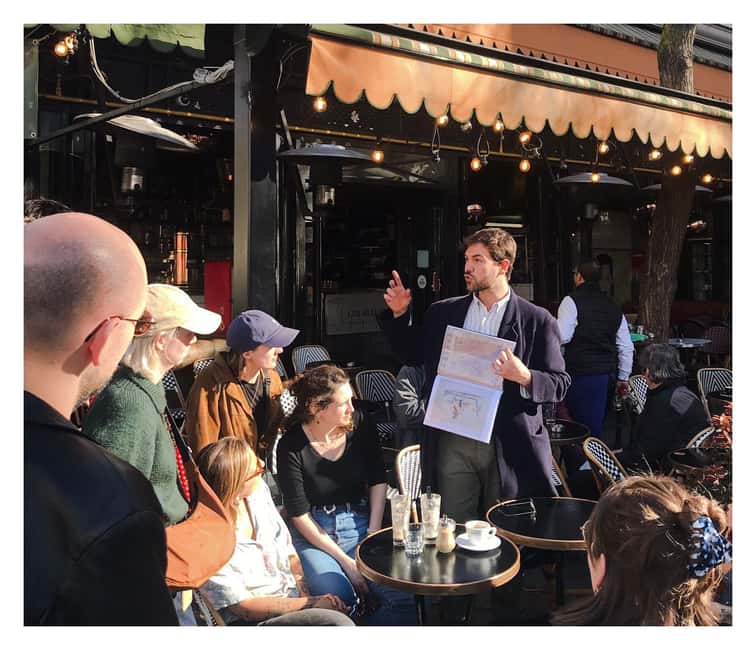
The heart of this experience is Le Faubourg Saint Antoine, an area tied to craft work and the daily rhythms that shaped political pressure before July 14. Instead of only pointing at major monuments, the walk turns the neighborhood into evidence—showing you how streets and community spaces help explain what people were reacting to.
This is where the tour earns its rating. The best feedback doesn’t focus on trivia; it focuses on context. You learn how social conditions helped create the anger and urgency that carried into the day. That’s useful even if you know the headline story already. You start seeing the uprising as something with roots, not just a dramatic scene.
La Folie Titon: when odd names become history clues
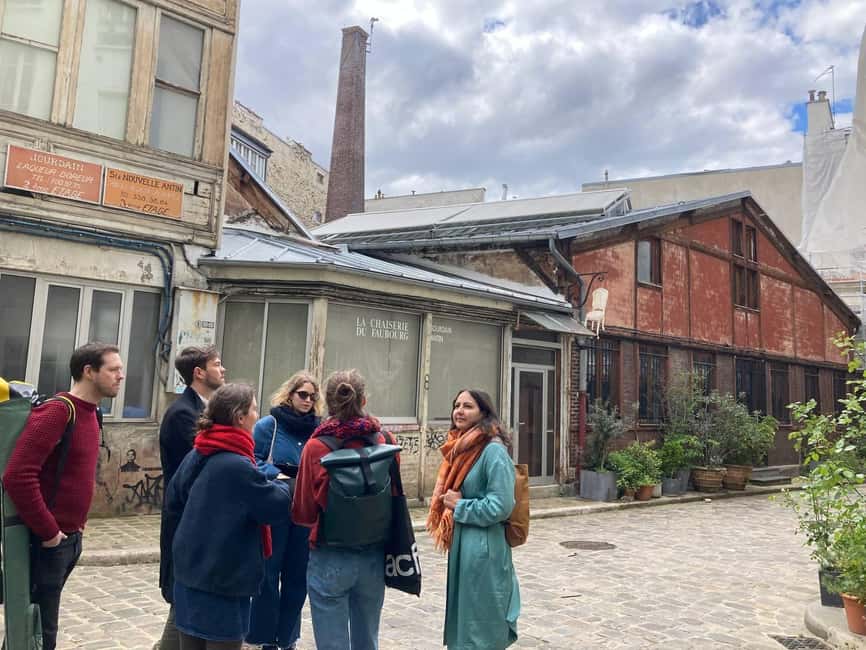
You’ll also spend time at La Folie Titon. The name alone gets your attention, but the real value is what the guide does with it: using the location as a way to talk about how Paris looked and worked in the 18th century.
Why it matters for your trip: places like this remind you that the Revolution didn’t happen in a vacuum of royal palaces and grand courts. It also happened amid the mix of real neighborhoods—where buildings, social routines, and local geography shaped what people could do.
And if you’re the kind of person who likes learning through details, this is a strong stop. Reviews mention the guide spotting small cues in the built environment—things you’d likely walk right past—then linking them back to the past.
Le Passage de Lhomme: narrow streets, big storytelling power
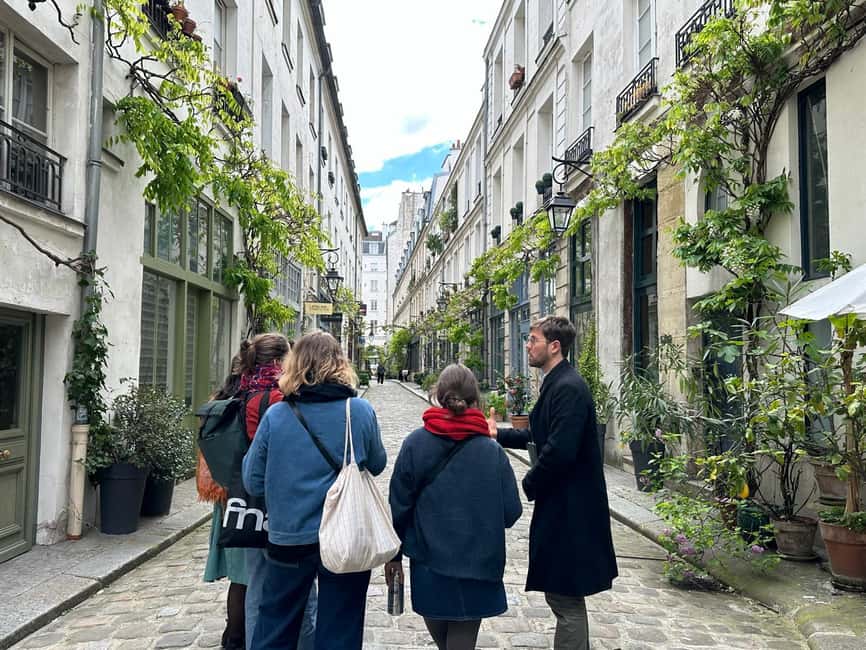
Next comes Le passage de Lhomme, one of those Paris spots that feels like a shortcut until a guide reframes it. Passages like this are perfect for a Revolution story because they create a sense of movement and proximity—people coming through, gathering, spreading word.
You don’t need to know every term from history class. The tour’s tone is built for normal human understanding: clear explanation, room for questions, and a story that makes the neighborhood feel like a place with memory. If you’re doing this in the middle of your sightseeing, it can actually sharpen how you interpret the rest of your trip, because you start connecting street-level space to the bigger events.
One practical note: passages and older streets can mean you’ll do more walking in tighter areas, so wear shoes that handle a real sidewalk pace.
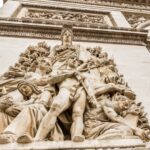





The viewpoint stop and why the tour uses photos and perspective
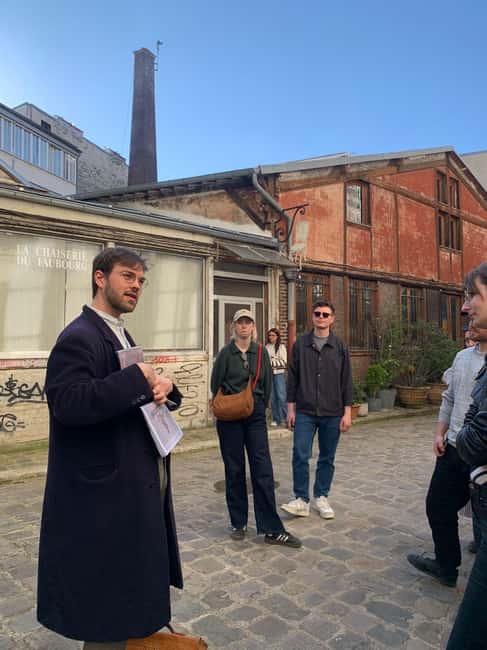
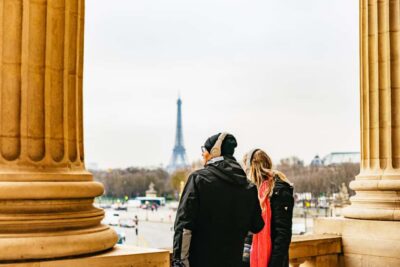
There’s a photo stop / viewpoint in the route, and it’s not just for souvenir pictures. Views help you understand scale—where crowds could move, how districts connect, and why certain approaches to a focal point mattered.
A couple of reviews mention the guide using visual support, which makes sense for a tour like this. When you can picture the layout, you stop treating the Revolution as abstract reading and start treating it like a sequence of real choices people had to make.
If you’re hoping for a tour that’s more about atmosphere than memorized dates, the viewpoint moment is a good sign. It’s a gentle reminder that history isn’t only in books. It’s in angles, distances, and how streets bend.
Ending at the Place de la Bastille: the payoff moment
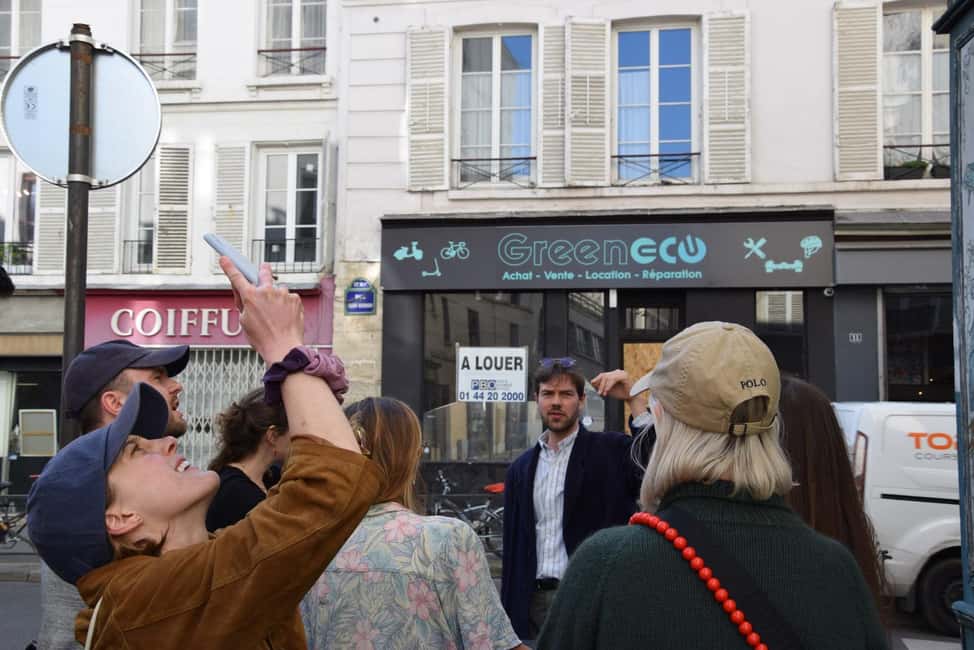
You finish at 28 Pl. de la Bastille, which is the obvious anchor for the story—and it lands well after the neighborhood work. After seeing the lead-up in the streets around Faubourg Saint Antoine, reaching the Bastille area feels less like a random destination and more like a conclusion.
This is also where you get leverage for the rest of your day. You can keep walking nearby, pop into nearby sights, or just sit with what you learned and look at the square with new context. Ending there means you’re not forced into a long transfer at the end of your history time.
One fair consideration: some feedback notes the tour mainly covers events up through 1789. That doesn’t make it weaker; it makes it focused. But if you want more about later Revolutionary phases or the whole road to Napoleon, you’ll probably want a second tour to extend the story.
Price and value: what $37 buys you
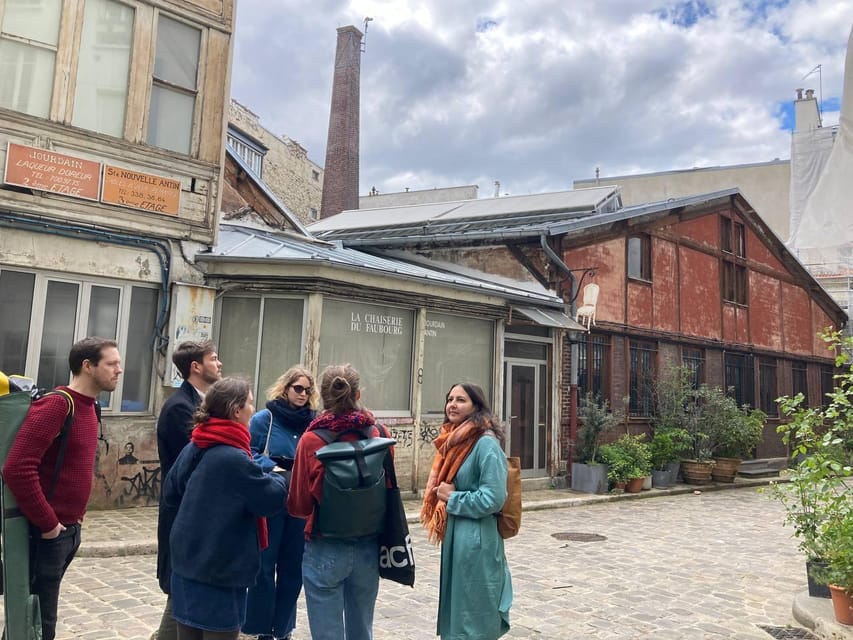
At $37 per person for about 90 minutes, this is priced like a serious guided walk, not a casual museum ticket. The best value comes from two things: the small group size and the quality of interpretation.
You’re paying for a guide who connects neighborhood layout and social conditions to what happened on July 14. That kind of storytelling is hard to replicate on your own unless you already know exactly where to look. And with no extra fees listed, you’re not budgeting for add-ons that can slowly inflate the cost.
I also like the format for your planning. Ninety minutes is long enough to feel like you got something real, but short enough to stack with other activities. If you’re doing major sites later, this is a great way to add context earlier so the rest of your Paris sightseeing starts to make more sense.
Language options and how to get the most out of the group
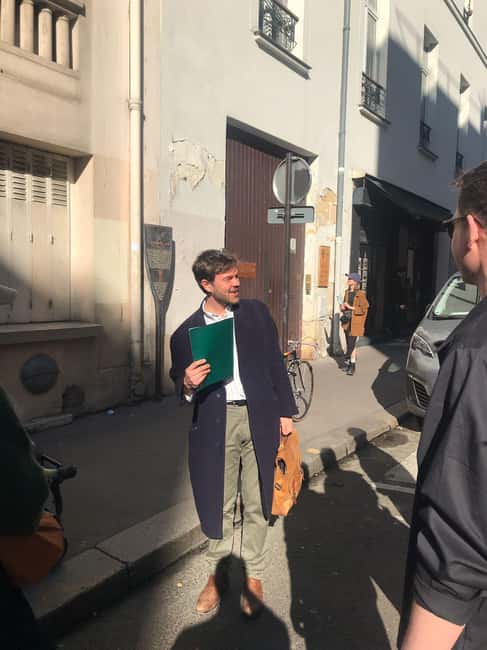
Tours are offered in English, French, and German, which is a practical win if you’re traveling with mixed-language friends. The guide’s approach (clear explanations plus space for questions) is repeatedly praised, and that’s what you should protect: speak up early rather than waiting until the end.
Since groups are small, you’re more likely to get direct answers instead of hearing the guide talk at the whole crowd. If you’re interested in the social side—why certain neighborhoods mattered—this tour is set up to address that, and you’ll get more out of it by asking how the daily lives of ordinary Parisians fed into the crisis.
Who this tour is best for
This is an excellent match if:
- You want Revolution history tied to real places, not only big-name monuments.
- You enjoy guided storytelling with room for questions.
- You’re looking for a less touristy slice of Paris, especially around the 11th arrondissement and the route toward Bastille.
It’s less ideal if:
- You want a full, multi-decade timeline starting in 1789 and continuing through later phases in one sitting.
- You’d rather read and roam on your own with zero structure.
Should you book ParisVu’s French Revolution tour?
I’d book it if you want a smart, street-level way to understand July 14, 1789 and why Paris didn’t just witness history—it helped create the conditions for it. The combination of small group size, a story-driven guide like Robin (with the professor-style clarity that shows up in the reviews), and stops such as La Folie Titon and Le passage de Lhomme makes it more memorable than the typical “walk past the famous spot” tour.
Make the call like this: if your goal is context and you like walking through neighborhoods with a guide explaining what you’re seeing, this tour is a strong fit. If your goal is only the biggest images and later Revolutionary events, consider pairing it with another tour so you don’t feel like the story stops too soon.
FAQ
How long is the French Revolution tour?
The tour lasts about 90 minutes.
What is the price per person?
The price is $37 per person.
Where does the tour start and where does it end?
It starts at 1 Pl. du Dr Antoine Béclère. The finish point is 28 Pl. de la Bastille.
Where exactly should I meet the guide?
The meeting point is between Café les Blouses Blanches and Mon Café.
What group size should I expect?
The tour is described as a small group, with a maximum of 10 participants in the activity details, and also a stated maximum of 12–15 to keep it interactive.
What languages are available?
The live tour guide offers English, French, and German.
Is the tour free of additional fees?
Yes. There are no additional fees listed.
What cancellation terms are offered?
You can cancel up to 24 hours in advance for a full refund.