REVIEW · PARIS
Paris: Guided Segway Tour
Book on GetYourGuide →Operated by GO GO TOURS SARL · Bookable on GetYourGuide
Segways turn Paris into a quick, comfy ride. You get fast mobility with a guide who helps you cover major sights without the usual walking grind, and you’ll enjoy photo stops built into the route.
I especially like that the experience blends movement with meaning: as you glide past landmark after landmark, your guide explains what you’re seeing and what it’s about. That makes the city feel less like a checklist and more like a story you can actually ride through.
One thing to consider: many stops are brief pass-bys, so this is best if you want big highlights and great views, not slow museum time.
In This Review
- Key takeaways before you book
- Segway Training at 101 Avenue de la Bourdonnais: You’ll get moving fast
- Why this Paris route works: Eiffel views, Louvre area, and the Seine in one sweep
- From Les Invalides to Pont Alexandre III: architecture you can feel at speed
- Les Invalides (pass by)
- Army Museum (pass by)
- Pont Alexandre III (pass by)
- Grand Palais + Petit Palais (pass by)
- Champs-Élysées, Concorde, and the Louvre area: where photos and context meet
- Champs-Élysées (pass by)
- Place de la Concorde (pass by)
- Louvre Museum (pass by)
- Seine River (pass by)
- Flame of Liberty to Arc de Triomphe and the final Eiffel moment
- Flame of Liberty (pass by)
- Arc de Triomphe (pass by)
- Parc du Champs de Mars (pass by)
- Eiffel Tower (pass by)
- Price and time: is $58 worth it for one day in Paris?
- The real secret: the guide and the safety-first training
- What to bring and how to plan your day
- Should you book this Paris Segway tour?
- FAQ
- Where is the meeting point for the Paris Segway tour?
- How long is the tour?
- Is there an English-speaking guide?
- What’s included in the price?
- Do I need to bring food and drinks?
- How much does the tour cost?
- Can I cancel for a refund?
Key takeaways before you book
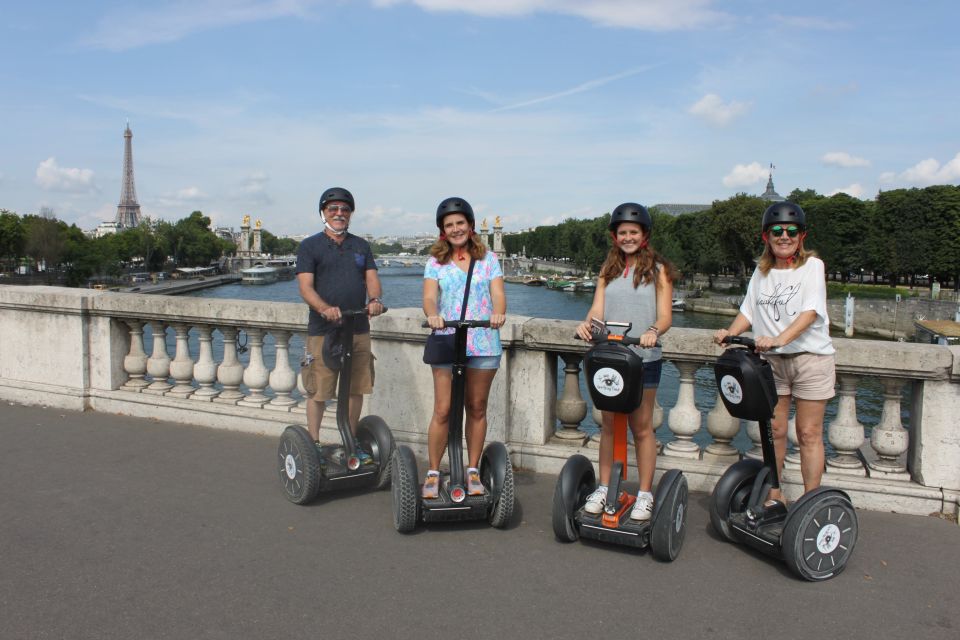
- Helmet + cold-weather kit are included, so you’re not scrambling for gear in chilly months
- Photo pauses are planned, which beats trying to time pictures while you’re moving on foot
- Your guide is the real upgrade, with clear training and patient pacing for first-timers
- A cycle-lane heavy route helps you feel safer, with less time stuck in chaotic traffic
- You can choose a tour length, from about 45 minutes up to 3 hours depending on the start time
Segway Training at 101 Avenue de la Bourdonnais: You’ll get moving fast
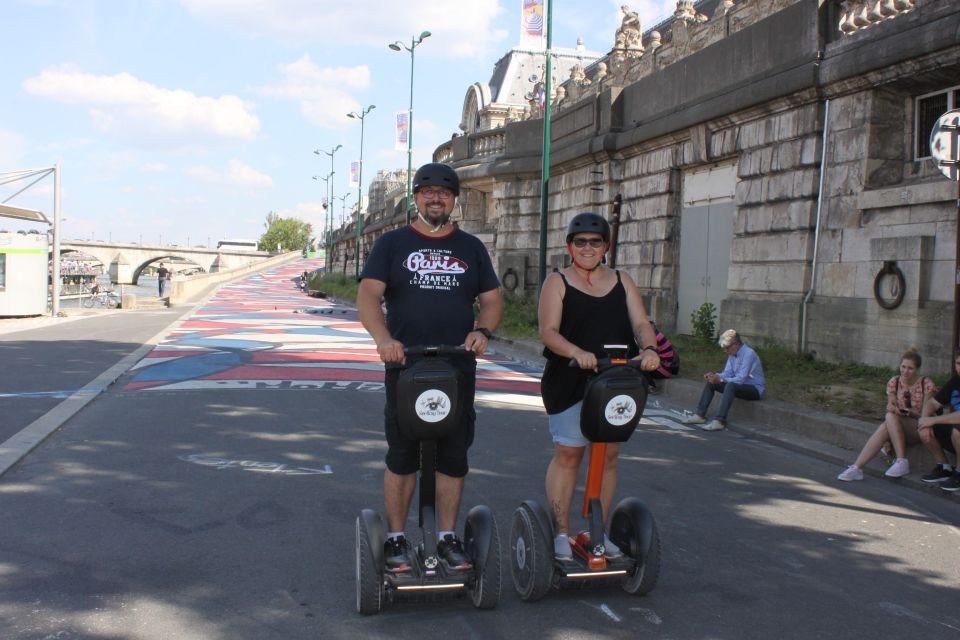
This tour starts at 101 Av. de la Bourdonnais (75007). Plan to arrive a few minutes early, because the real start isn’t the sightseeing part—it’s the short training.
You’ll use a helmet during the ride, and if the weather is cold, you may also be given raincoats, hats, and gloves. That small detail matters in Paris, where a cool breeze can make you feel like you’ve aged five years in one afternoon.
Most people don’t need long to get comfortable. The guide teaches you the basics and then you practice until you’re steady. In the feedback I’ve seen, guides like Emma’s instructor style (patient and careful), George’s emphasis on safety, and Jose’s structured coaching show up again and again. Translation: you’re not dropped into traffic mode right away.
Also, the tour is listed as a private group with a small-group Segway setup. That usually means you can move at a human pace, ask questions, and get help without feeling like you’re inside a cattle-car timeline.
You can also read our reviews of more guided tours in Paris



Why this Paris route works: Eiffel views, Louvre area, and the Seine in one sweep
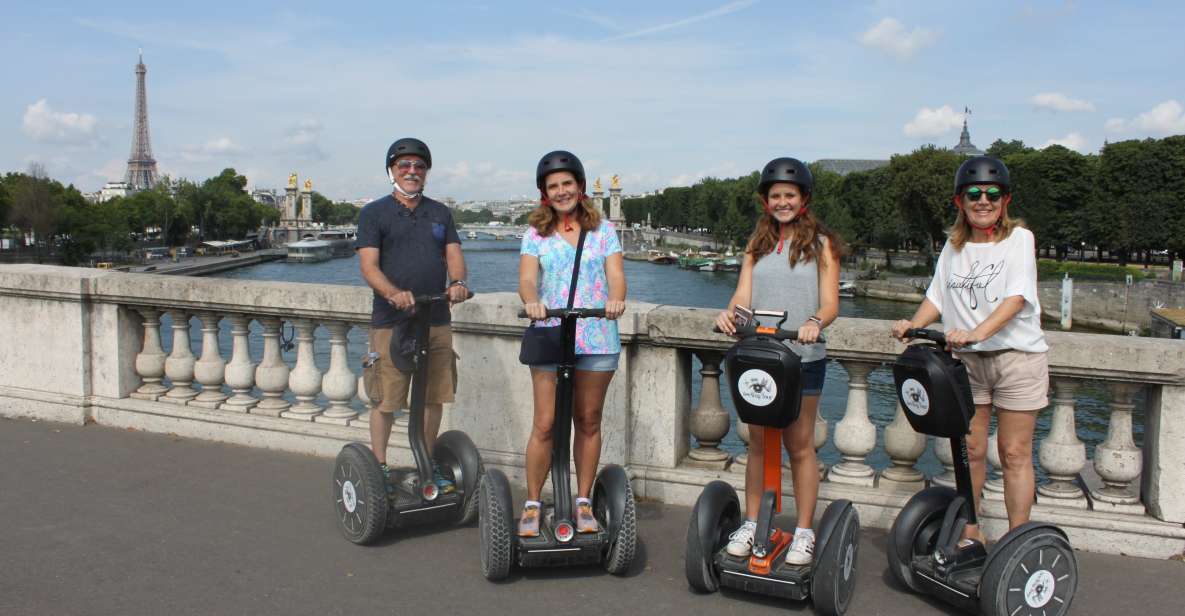
Paris is famous for being gorgeous—and famous for making it hard to see a lot in one day. That’s where the Segway shines. You trade stairs, crowds, and long crossings for smooth gliding, which lets you cover more ground than walking and more flexibility than a bus stop-and-stare style.
This route leans into the “greatest hits” corridor around the Seine and central landmarks. You pass by major architectural landmarks, iconic viewpoints, and the wide boulevards where you’ll get that classic Paris angle. Then you end back at the starting point near the Eiffel Tower zone.
A recurring theme in feedback: many segments use cycle lanes, which can make a huge difference in comfort. If you’re someone who worries about steering around cars or reading traffic patterns, a route that avoids as much road friction as possible will feel like a win.
And because your guide sets up photo opportunities, you don’t have to guess where the best angles are. You can focus on staying smooth—and on getting a few shots that actually match what you came to see.
From Les Invalides to Pont Alexandre III: architecture you can feel at speed
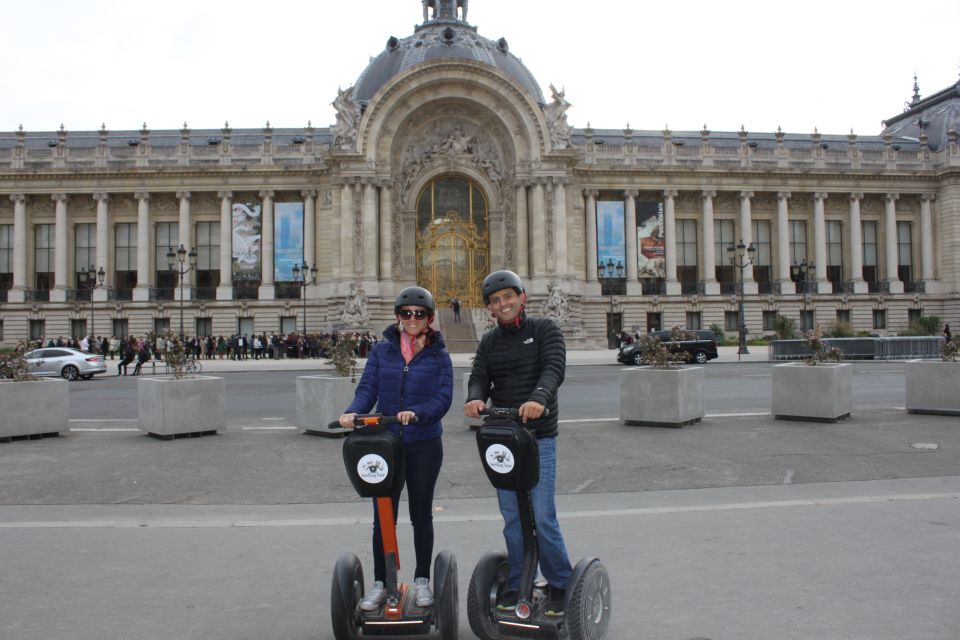
Right after training, you head toward the left bank highlight zone. The tour includes several short pass-by moments that act like “moving viewpoints.” Think of them as quick previews that you can enjoy without feeling rushed through a full on-foot detour.
Les Invalides (pass by)
You’ll glide past Les Invalides, one of those places that signals you’re in the heart of Paris history. Even without going inside, the exterior setting gives you a sense of the scale and importance of the area. If you like landmarks that instantly anchor the city’s identity, this first stretch helps.
Army Museum (pass by)
You’ll also pass the Army Museum area. This is less about museum time and more about orientation—helping you understand where you are relative to Paris’s big historical monuments and grand ceremonial spaces.





Pont Alexandre III (pass by)
Pont Alexandre III is a showpiece bridge, and even a short pass-by can be enough to appreciate the grandeur. On a Segway, the advantage is angle. You’re moving through the sight line instead of standing still and missing the best perspective.
Grand Palais + Petit Palais (pass by)
These two are both about elegance and design. The tour keeps it moving, so you won’t get a full architectural lecture, but you’ll get enough context from your guide to notice details you’d otherwise walk past. If you love thinking about buildings—not just taking pictures—these quick stops are a good use of time.
Possible drawback here: because the stops are short, you might want a second visit later if you’re the type who likes to linger over sculptures and facades.
Champs-Élysées, Concorde, and the Louvre area: where photos and context meet
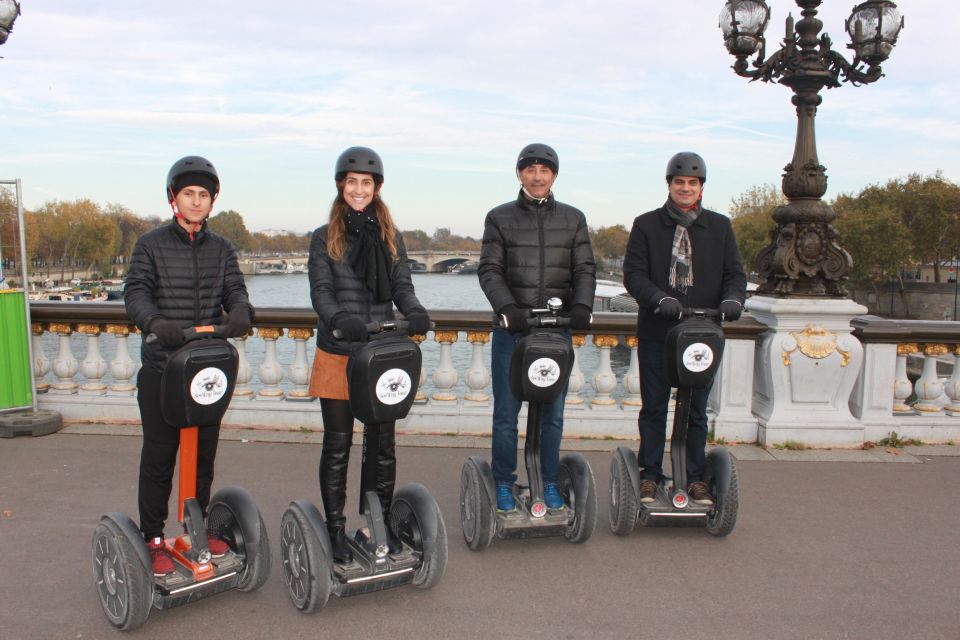
This is the section where Paris feels most “postcard.” Broad avenues, major intersections, and landmarks that everyone recognizes. The Segway format helps you see it without losing half your day to slow transit.
Champs-Élysées (pass by)
You’ll pass along the Champs-Élysées, and yes, you’ll feel the energy of the boulevard. The Segway makes it easier to keep your rhythm while taking in the scale. It’s not the place to park yourself for an hour, but it’s great for getting your bearings fast.
Place de la Concorde (pass by)
Place de la Concorde is one of those open spaces that can look different depending on your exact angle. With a moving viewpoint, your guide can time the sight so you get a clear look without waiting for the crowd shuffle.
Louvre Museum (pass by)
You’ll pass by the Louvre Museum area for a quick, impressive sight view. This is a highlight pass, not a museum visit. If you want to go inside, you’ll still need a separate ticket and time. But the tour helps you identify where the Louvre sits in the broader Paris scene—so later, your own walking route feels smarter.
Seine River (pass by)
The Seine segment is what ties everything together. Even a short look helps you understand why so much of Paris’s identity lives along the river. On a Segway, you get a clean visual sweep without the effort of long walks between viewpoints.
Flame of Liberty to Arc de Triomphe and the final Eiffel moment
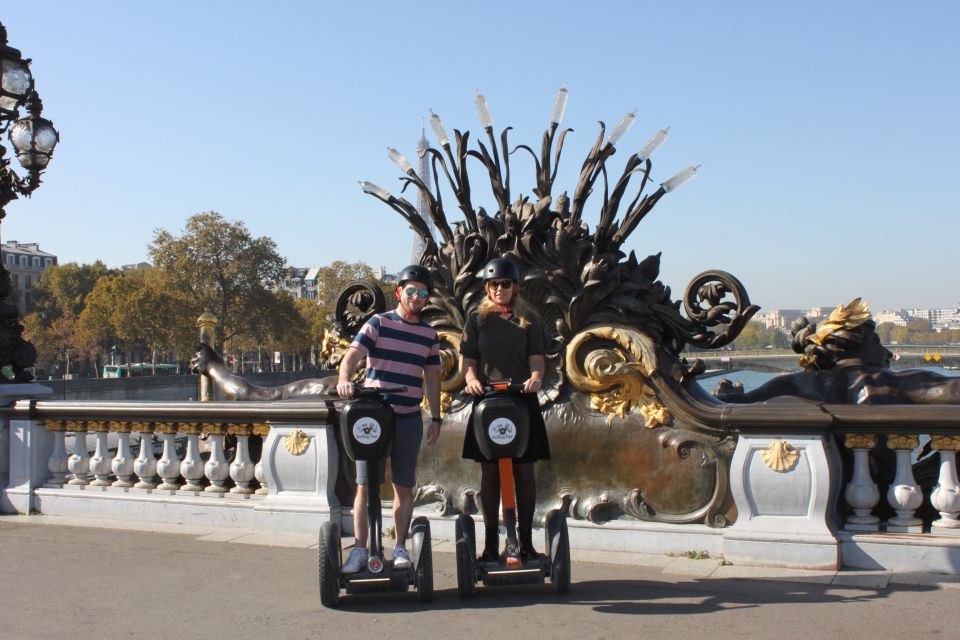
As the route continues, you shift from museum-boulevard energy to big monument scale. This is where the Segway makes you feel like you’re moving through a film set—except you’re actually learning the story behind the scenery.
Flame of Liberty (pass by)
You’ll pass the Flame of Liberty stop. This adds variety to the usual “just monuments” vibe, because it brings in a different kind of meaning—more symbolic than purely architectural.
Arc de Triomphe (pass by)
Arc de Triomphe is one of those sights that reads instantly, even when you only see it from a short moving angle. With your guide’s commentary, you’ll get the context that makes it more than a famous photo spot.
Photo note: this part of the route is often where you’ll want to slow your hands and keep your eyes open. Your guide usually finds the timing so you can grab shots without feeling like you’re rushing.
Parc du Champs de Mars (pass by)
This park area transitions you toward the viewpoint zone for the Eiffel Tower. It’s a satisfying setup because it helps you feel the city shifting from central boulevards to the Eiffel-focused landscape.
Eiffel Tower (pass by)
The finale is the Eiffel Tower area. Even if you’ve seen it in photos for years, there’s something about seeing it up close while you’re riding that makes it feel real in a different way. You get the landmark moment without spending your day stuck in lines or slow foot travel just to reach the basics.
After that, you ride back to 101 Av. de la Bourdonnais.
Price and time: is $58 worth it for one day in Paris?
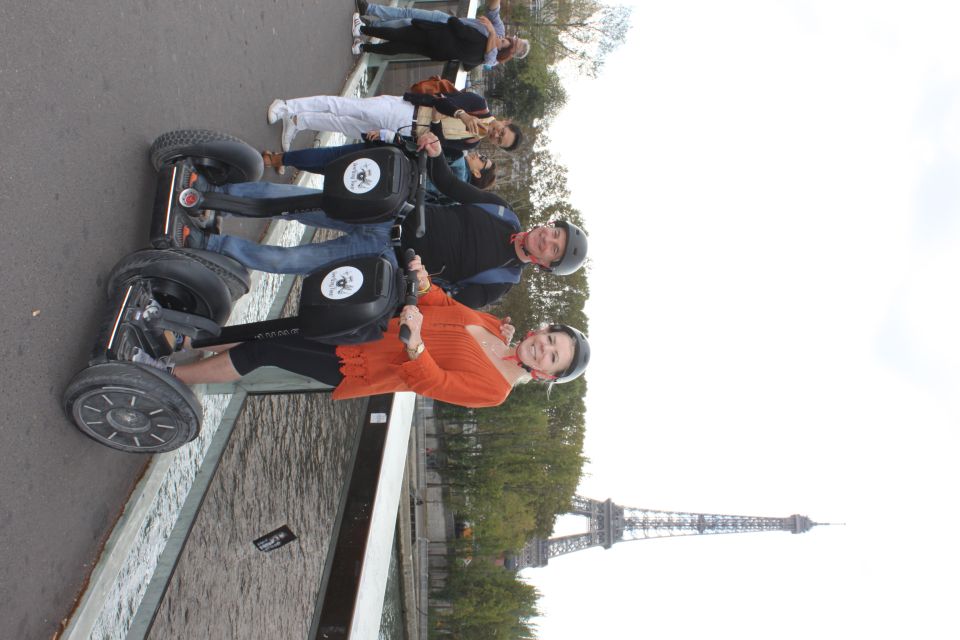
At $58 per person, you’re paying for speed, guidance, and the Segway itself. This is not a budget “bargain tour,” but it can be a great value when you’re using it to compress sightseeing time into a short window.
Here’s how I judge the value:
- If you have only one day (or one afternoon) and want a broad overview, the Segway often beats walking because you actually cover more key points.
- If you already know you’ll spend extra time later on individual sights, this tour becomes a smart warm-up. You leave with stronger orientation, so your follow-up plans feel easier.
- If you hate rushing and want long museum sessions, the time at each stop might feel too short—because this is built as a ride-through of highlights.
The duration range is 45 minutes to 3 hours, depending on the starting time you pick. Shorter options can feel like a fast highlights hit. Longer options give you more breathing room, especially if you have extra questions for your guide or want additional photo breaks.
Either way, you’re not buying food here. Food and drinks are not included, so have a plan for a café stop before or after.
The real secret: the guide and the safety-first training
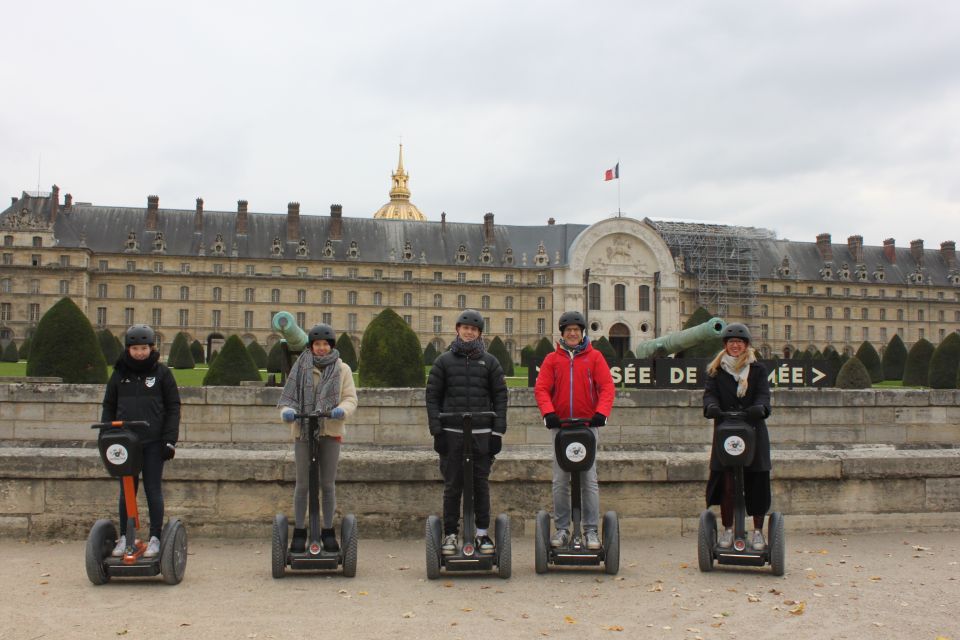
Most “big sights” tours can sound the same. The difference shows up when the guide handles the practical parts—safety, pacing, and explaining what you’re seeing in a way that fits your questions.
In the feedback patterns tied to this experience, guides are praised for:
- Patient instruction when first-time riders take a few minutes to get the hang of the controls
- Careful safety habits, with support that keeps you calm as you learn
- Clear English narration, with guides who can adjust explanations if you want architecture, art, or history angle
Names that come up in the comments include George, Jack, Jose, Julia, Sebastian, Santiago, Asia, Fadwa, and Niko. You can’t count on a specific person, but you can take the cue: request support that prioritizes training if you’re nervous, and don’t be afraid to ask questions during the ride.
Also, because this is run with a live guide in English, it’s easier to connect the dots on the spot. You’re not just watching Paris—you’re understanding why these places matter.
What to bring and how to plan your day
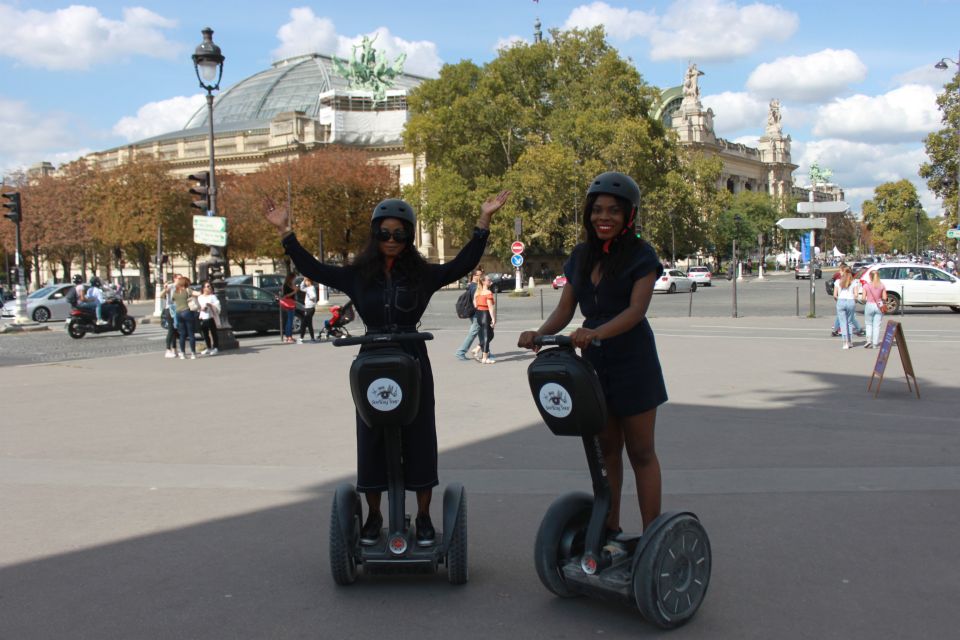
This is a practical tour, so your job is mostly about showing up ready to ride. You’ll get a helmet, and cold-weather gear may be provided, but you should still dress for Paris weather. Comfortable footwear helps in the meeting/training period, even if your main movement is on the Segway.
If you want the best experience, treat this like a “highlights spine” for your day. Do it early, then build around it. For example, after you’ve seen the Louvre area and the Seine, you’ll know where to walk for your own follow-up.
If you’re trying to do a museum plus this tour, keep expectations realistic: this Segway experience is about the ride and the outside views, not about ticketed interior time.
Should you book this Paris Segway tour?
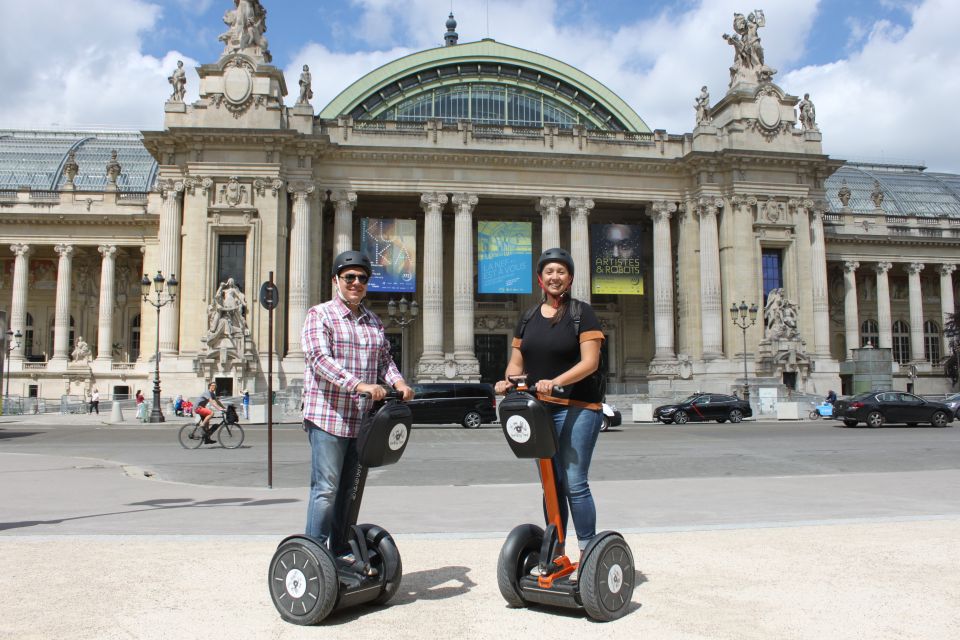
Book it if you want:
- A fast, fun way to cover major Paris landmarks in one shot
- Built-in photo chances with a guide helping you find good moments
- A Segway experience that takes training and safety seriously
Skip it if you want:
- Long stays at the Louvre or other indoor sites
- A slow, deep museum day where you’re reading every plaque for an hour
If you choose the longer duration, you’ll likely enjoy the ride even more—more time for questions and pacing that feels less like a sprint. And if you’re nervous about Segways, this tour format is exactly the kind where careful instruction can turn fear into confidence fast.
FAQ
Where is the meeting point for the Paris Segway tour?
The meeting point is 101 Av. de la Bourdonnais, 75007.
How long is the tour?
The tour duration is listed as 45 minutes to 3 hours, depending on the starting time you select.
Is there an English-speaking guide?
Yes. The live tour guide is English.
What’s included in the price?
Included are a professional guide, a small-group Segway tour, helmet use, and raincoats, hats, and gloves if the weather is cold.
Do I need to bring food and drinks?
Food and drinks are not included, so you’ll want to plan for them separately.
How much does the tour cost?
The price is listed at $58 per person.
Can I cancel for a refund?
Yes. Free cancellation is available up to 24 hours in advance for a full refund.