REVIEW · PARIS
Paris: Guided tour of Marais in German
Book on GetYourGuide →Operated by HelpTourists · Bookable on GetYourGuide
Marais tells stories in every stone. This 2-hour German private tour brings you from Hôtel de Ville to Centre Pompidou, then into the Jewish Quarter around Rue des Rosiers. I love the mix of Jewish-life context and 16th/17th-century city palaces, and I like that the guide handles your questions in fluent German.
One thing to plan for: entrance tickets and food are not included, so if you want museum entry (like Musée Carnavalet), budget a little extra.
In This Review
- Key highlights at a glance
- Marais in German: why this tour works for first-timers and return visitors
- Starting at 31 Rue de Rivoli (Hôtel de Ville): easy meeting point, smart orientation
- Hôtel de Ville to Centre Pompidou: modern Paris placed in the neighborhood story
- Place des Vosges: Paris’s oldest square and what to look for while walking
- Musée Carnavalet: Paris history you can read without getting trapped
- Rue des Rosiers: the famous Jewish street as a living story
- 16th and 17th century city palaces: spotting the old power buildings
- Last traces of medieval Paris: the quiet payoff at the end
- Private-group pacing and guide style: where the best moments come from
- Value: what you get for $94 per person (and what costs extra)
- Who should book this Marais tour—and who might want a different one
- Should you book this Marais in German tour?
- FAQ
- How long is the Paris Marais guided tour in German?
- How much does the tour cost?
- What language is the guide?
- Is the tour private?
- Where do I meet the guide?
- Are entrance tickets included?
- Are food and drinks included?
- Can children join for free?
- Is free cancellation available?
- Can I reserve now and pay later?
Key highlights at a glance
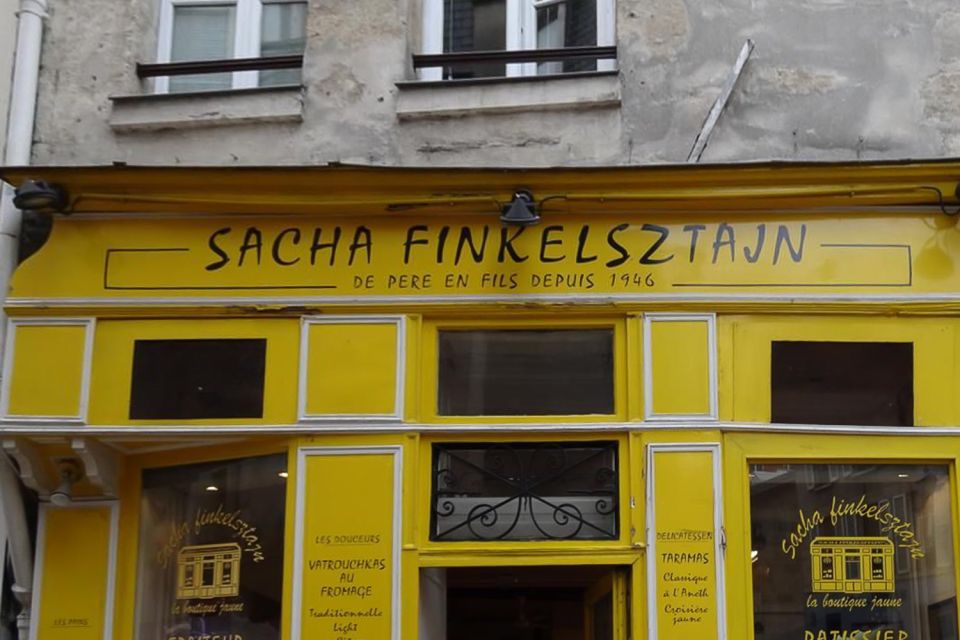
- Rue des Rosiers and Jewish Marais atmosphere: learn what made this quarter special and what you can still see today
- Hôtel de Ville as your historical starting point: right where the tour makes you connect past and present
- Centre Pompidou without the overload: a practical way to place a modern landmark in the wider neighborhood story
- Place des Vosges: Paris’s oldest square and its architecture that still shapes the area
- Musée Carnavalet orientation: Paris history made readable while you’re walking through the right streets
- City palaces from the 1500s and 1600s: why they survived and how to spot them on the move
Marais in German: why this tour works for first-timers and return visitors
The Marais can feel like a photo album: pretty streets, big buildings, lots of names. What this tour does differently is connect those visuals to meaning, step-by-step, in German. You cover the Jewish Quarter, but you also get the broader Paris “frame” with stops like Hôtel de Ville and Centre Pompidou.
I especially like tours where you’re not forced to stare silently. Here, you move at a human pace with frequent chances to ask questions. In recent tours, guides such as Lucy, Katharina, Solène, Marilena, and Marie-Elene stood out for patient, friendly explanations and very solid German, including when families asked lots of things.
If your goal is to feel oriented fast, this format helps. In just two hours you get landmarks, street-level history, and the kind of context that makes later self-guided wandering easier. You’ll still want time to roam on your own afterward, but this gives you the map in your head.
You can also read our reviews of more guided tours in Paris



Starting at 31 Rue de Rivoli (Hôtel de Ville): easy meeting point, smart orientation
You meet at Hôtel de Ville, right in front of the store Basket4Ballers at 31 Rue de Rivoli. That location is perfect because it anchors the whole day in central Paris, not a random backstreet. You begin right where the city shows off its official face, which makes the later contrast with the older Marais streets feel more dramatic.
From the start, the tour’s angle is clear: Marais isn’t just pretty architecture. It used to be swampland on the edge of the city, and that long-ago setting matters. When land changes, development patterns change. Even if you never think about it at first, the quarter’s layout and preserved buildings make more sense when your guide puts that origin story into words.
This is also where you get into the rhythm of the tour: walking between major points, stopping for explanations, and using the streets themselves as the “museum.” If you’ve never been to the Marais, it’s one of the best ways to avoid feeling lost. If you have been before, it still adds structure and new details you might not have noticed on a casual stroll.
Hôtel de Ville to Centre Pompidou: modern Paris placed in the neighborhood story
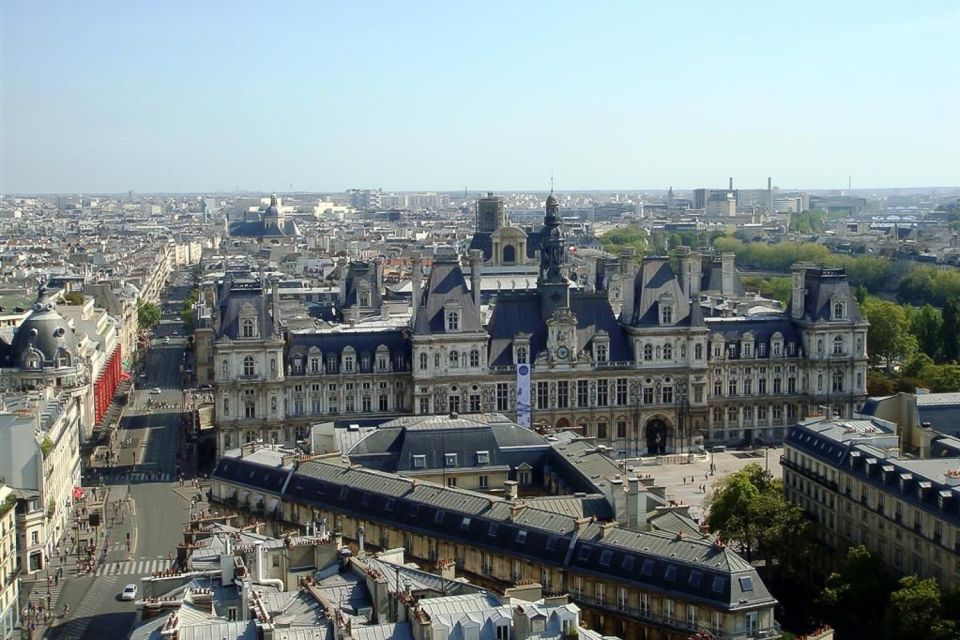
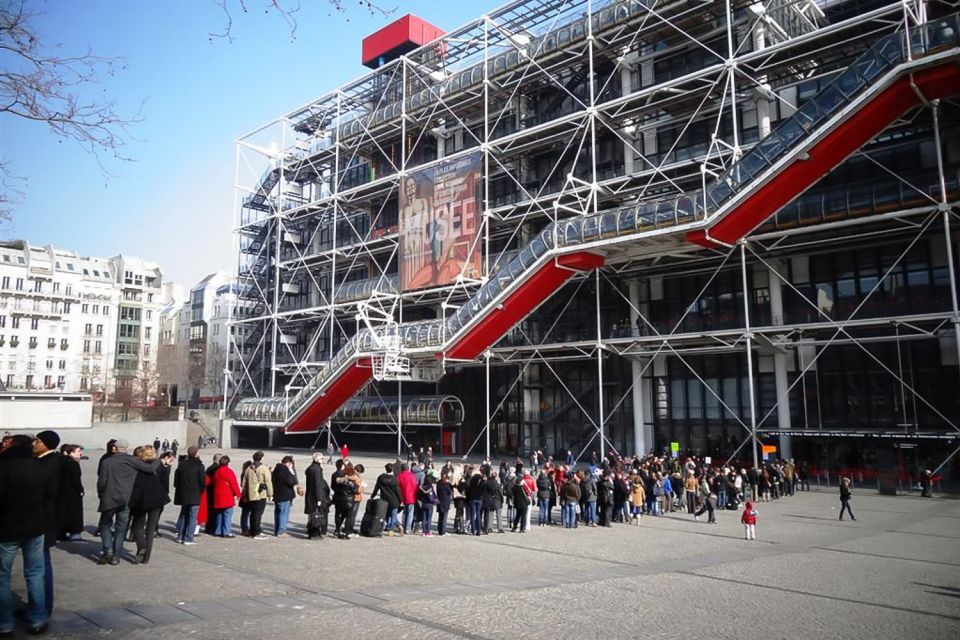
The tour deliberately doesn’t start and end with Jewish sites only. Before you spend time on the Marais’s Jewish life, you visit Hôtel de Ville and then head toward Centre Pompidou. That might sound like a detour, but it’s actually a useful trick: it shows you that Paris neighborhoods keep layering new identities on top of older ones.
Centre Pompidou is a recognizable landmark, but the value here is the guide’s framing. Instead of treating it as a standalone “must-see,” you learn how it fits into the wider city story and how the Marais area became what it is today. You’re not just collecting icons; you’re learning a relationship between places.
A possible downside, depending on your preferences: if you’re coming mainly for Jewish history, the Pompidou angle might feel like a course correction. Still, the tour keeps moving toward the Jewish quarter, so you’re not left stranded in modern sightseeing.
Place des Vosges: Paris’s oldest square and what to look for while walking
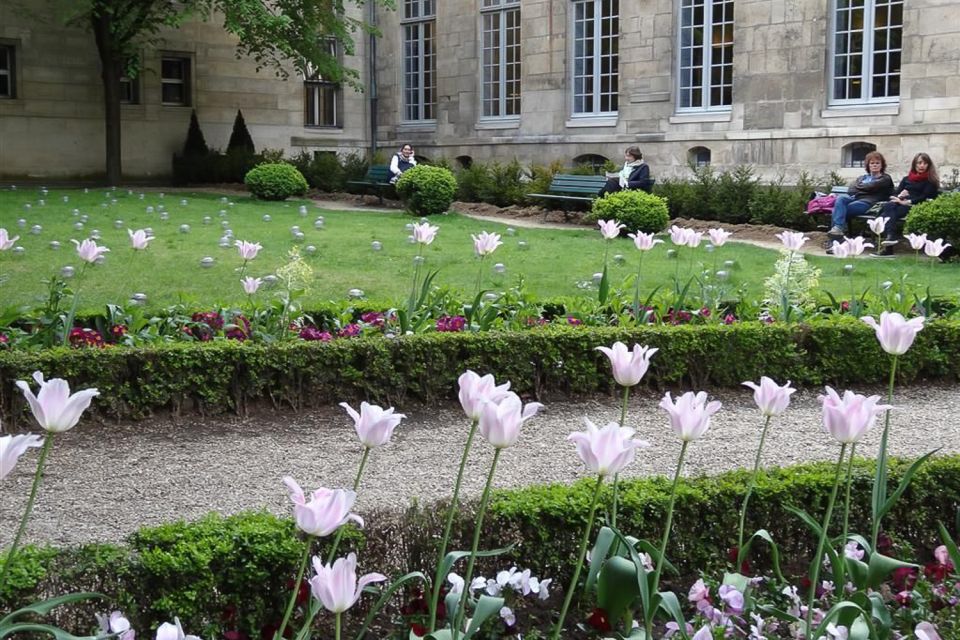
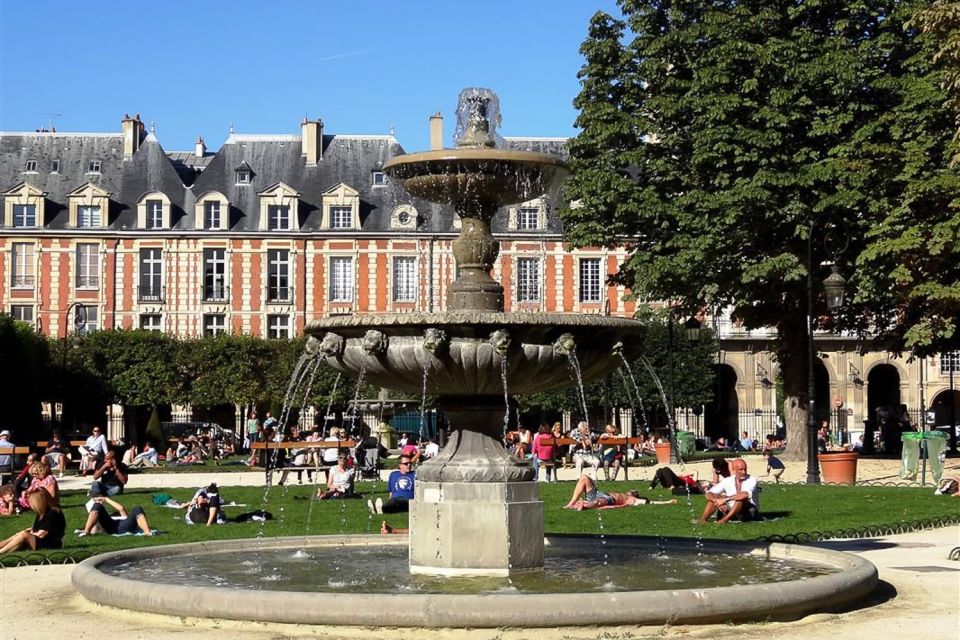
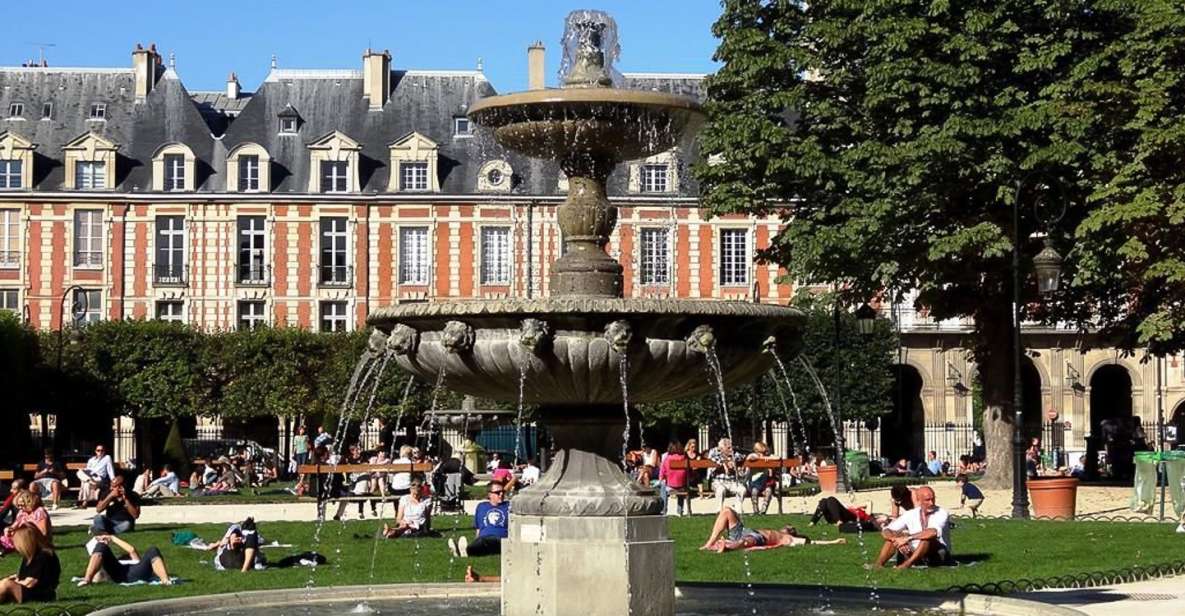
Place des Vosges is the kind of place you can admire quietly for hours. This tour gives you a reason to look beyond the obvious. You get a guided moment here, tied to why the square matters and how its architecture shaped the feeling of the Marais over centuries.
The tour highlights it as the oldest square in Paris, and that sets expectations. It’s not just about age. The layout and the surrounding facades create a sense of order, like the city designed a stage for daily life. When your guide connects it to the surrounding palace streets, the area stops feeling random.
One smart part of this stop is pacing. You can look up at details, then look back to street level and see how everything connects. If you like architecture but don’t want a long museum lecture, this is a good balance.
Musée Carnavalet: Paris history you can read without getting trapped
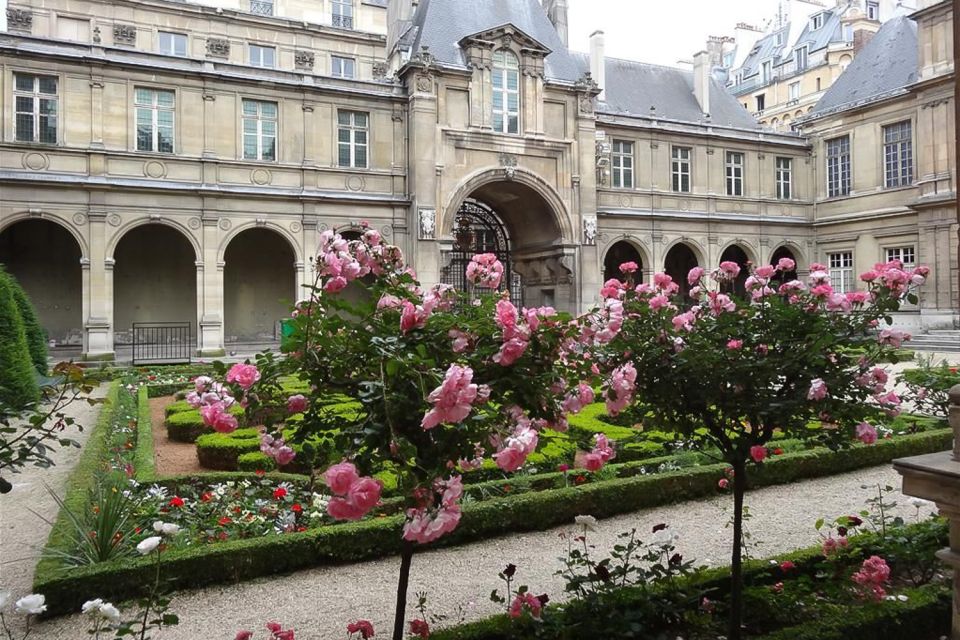
Musée Carnavalet is one of those museums where the theme is basically Paris itself. Even if entrance tickets are not included, the guided stop is still useful because it helps you understand what to notice and why. Your guide can point you toward the stories the museum is known for, so if you decide to buy tickets, you’re doing it with a plan.
This matters for value. You’re paying for a guide’s time, not a stack of included admissions. If you’re the type who wants to walk, learn, and only go inside when it fits your interest, this tour’s structure makes it easy to decide on the spot.
Also, Musée Carnavalet fits the tour’s “last traces” theme. The Marais holds layers of older Paris, and a museum focused on city history naturally supports the idea that you’re walking through more than one era at a time.





Rue des Rosiers: the famous Jewish street as a living story
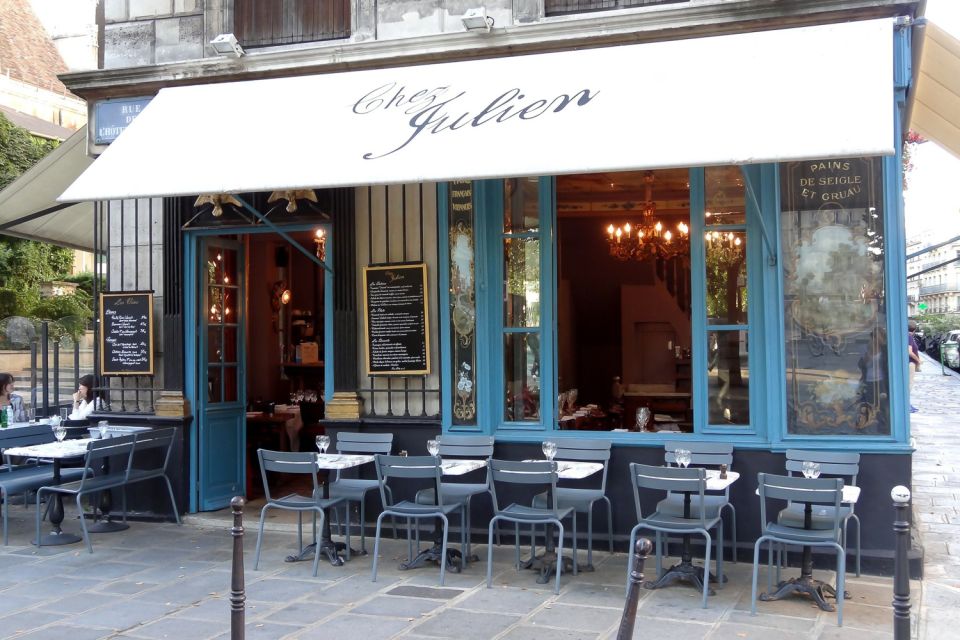
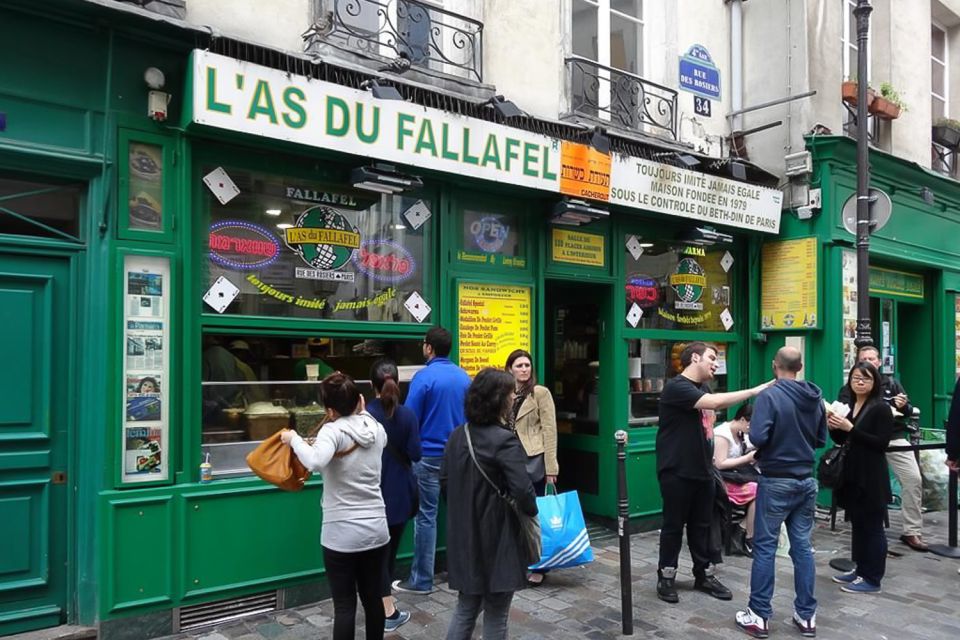
Rue des Rosiers is the tour’s emotional center. It’s the street tied to Jewish life in the Marais, and it’s one of the most famous. What you get here is not just a name-and-fact explanation. You learn what shaped the quarter and why so much remains visible today.
This is where the tour’s language choice matters. With a German-speaking guide, the details land clearly, which helps when the subject includes culture, community, and history that can’t be reduced to a single timeline. Guides described in recent experiences as empathetic and very attentive—like Lucy—and also ones focused on impressive palace views—like Marie-Elene—show different angles, but all keep the experience grounded in understanding, not just sightseeing.
You’ll want to slow down here. The street’s appeal isn’t only architectural. It’s also the sense of presence: daily life, shops, and the idea that this isn’t a theme park. Even during a short stop, you can feel why the Marais earned its reputation.
16th and 17th century city palaces: spotting the old power buildings
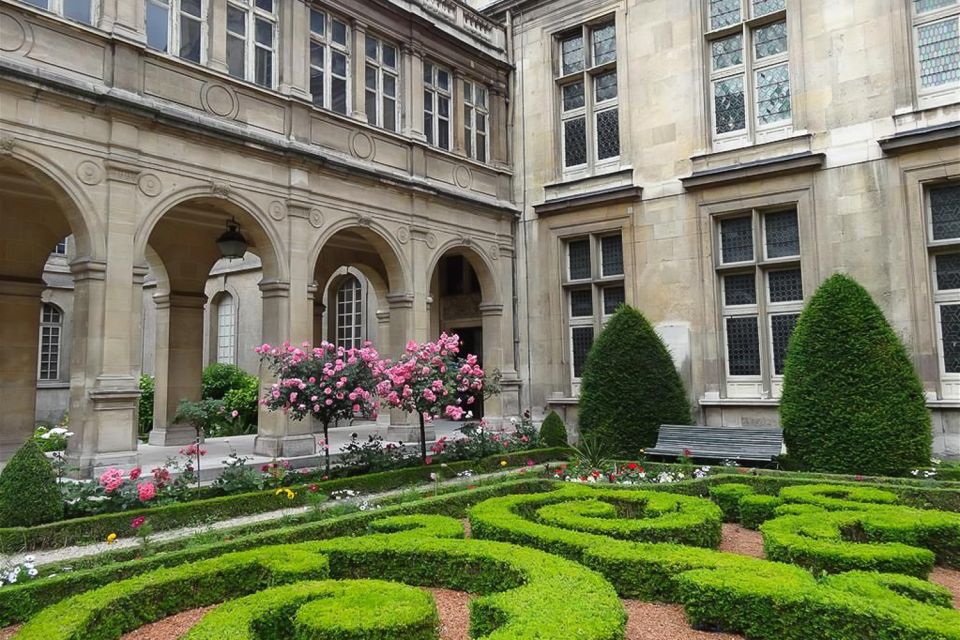
One of the best reasons to book a Marais guide is the palaces. The tour specifically calls out breathtaking city palaces from the 16th and 17th centuries, and it even points you toward the oldest city palace in the area. Even if you don’t memorize names, you’ll start recognizing the features that make these buildings feel different from later styles.
Here’s what to watch for as you walk: the scale, the symmetry, and the way the street façade signals status. Your guide’s job is to show you how those buildings connect to the quarter’s growth and to explain why so many have survived. When you understand the “why,” the “what” becomes easier to see quickly.
This is also where the tour’s storytelling gets practical. Instead of treating the Marais like a list of highlights, you learn how to read the neighborhood. After the tour, you can look at a palace door or a courtyard entrance and have a clue about its era and purpose.
Last traces of medieval Paris: the quiet payoff at the end
The tour ends with the idea of catching the last traces of medieval Paris. That phrase is useful because it helps you prepare mentally. The Marais is known for preserved older buildings, but “medieval traces” often show up in smaller ways: street edges, proportions, and leftover patterns rather than huge monuments.
In a short two-hour format, that kind of ending is smart. You don’t leave with a single final photo. You leave with a feeling for how Paris changes over time, even in one neighborhood.
This is also why the tour feels like a good warm-up for independent exploring. After a guide points you toward the older layer, your eyes get trained for what remains.
Private-group pacing and guide style: where the best moments come from
This is a private group tour. The group is for you only, and the price is quoted per person. In practice, that means you don’t have to compete with other people’s questions. If you’re traveling with a partner, family, or friends who have different curiosity levels, the guide can slow down where you need it.
Recent German-guide experiences highlight a few patterns worth noting. Some guides were described as empathetic and focused on the quarter’s atmosphere—Lucy was specifically praised for helping people understand the mood and history. Others were praised for showing enchanting corners while also talking about the palace architecture—Marie-Elene. And when families joined, Katharina was noted for being very patient with a child’s questions.
Those traits matter because the Marais can be confusing if you don’t get context. A guide who answers in a clear, calm way turns a pretty neighborhood into a story you can follow.
Value: what you get for $94 per person (and what costs extra)
At $94 per person for about two hours, you’re paying for expert guidance and the time it takes to walk you through a focused route. The value is strongest if you want more than a quick checklist. You’re getting connections between Jewish life, major landmarks, old squares, and palace architecture—handled in German.
What’s not included is important. Entrance tickets and food/drinks aren’t part of the price. That means Musée Carnavalet (and any other museum entry you decide to add) can cost extra. If you prefer museums, you’ll want to budget for tickets. If you mainly want the streets and exterior architecture, you can keep additional spending low.
Also, because it’s private, you should think about it like buying “guided attention” rather than buying “included admissions.” If you’ll actually ask questions and lean into the explanations, the price usually feels fair.
Who should book this Marais tour—and who might want a different one
This works especially well if you:
- Want a German-language guide and don’t want to rely on translating in your head
- Are interested in Jewish life and the historical layers of the Marais
- Appreciate architecture, especially 16th- and 17th-century city palaces
- Like short, focused city walking tours that help you roam better later
It may not be ideal if:
- You only want one topic and nothing else (this route includes Centre Pompidou and Place des Vosges along the way)
- You expect museum entry fees to be included in the tour price
- You’re traveling without German support (since the guide language is German)
If you’re visiting Paris for the first time, you’ll leave with the kind of orientation that makes the Marais easier to navigate. If you’ve been before, you’ll likely appreciate the “why” behind what you can already see.
Should you book this Marais in German tour?
If you want a guided route through the Marais that connects Jewish Quarter life, old squares, and the palace architecture—and you prefer German explanations—this is a strong choice. The private format means you can ask questions, and the guide experiences tied to Lucy, Katharina, Solène, Marilena, and Marie-Elene suggest you’ll get both structure and human-friendly pacing.
The only real caution is budgeting: entrance tickets and food aren’t included, so decide ahead of time whether you want to go inside museums. If you’re comfortable treating the tour as guided orientation plus street history, you’ll likely feel you got your money’s worth quickly.
FAQ
How long is the Paris Marais guided tour in German?
It lasts 2 hours.
How much does the tour cost?
The price is $94 per person.
What language is the guide?
The live guide speaks German.
Is the tour private?
Yes. It’s a private group tour for your group only, and the price is quoted per person.
Where do I meet the guide?
Meet at Hôtel de Ville, in front of the store Basket4Ballers, at 31 Rue de Rivoli.
Are entrance tickets included?
No. Entrance tickets are not included.
Are food and drinks included?
No. Food and drinks are not included.
Can children join for free?
Yes. Children under 12 years old can participate free of charge.
Is free cancellation available?
Yes. You can cancel up to 24 hours in advance for a full refund.
Can I reserve now and pay later?
Yes. You can reserve now and pay later.