REVIEW · PARIS
Paris: Louvre Masterpieces Tour with Pre-Reserved Tickets
Book on GetYourGuide →Operated by Walks In Europe · Bookable on GetYourGuide
One museum, and suddenly you feel in control. This small-group Louvre tour pairs pre-reserved priority entry with a licensed guide so you hit the biggest masterpieces without wandering for hours. The route is planned to avoid overwhelm, and you still get time afterward to explore at your own pace.
What I like most is how it turns the Louvre into an actual story, not a random walk through galleries. You also get that rare luxury of a group capped at six, which means more questions and less time waiting for your turn at the popular paintings. One consideration: the format is not built for wheelchair users or mobility scooters, and you’ll still face Louvre security when you enter.
In This Review
- Key things to know before you go
- Entering the Louvre without queue stress
- Meeting at Café Le Nemours: the easiest Paris rendezvous
- The Louvre Pyramid stop: a quick orientation moment
- What you’ll see in two hours: Renaissance to Napoleon
- Italian Renaissance highlights that explain the basics fast
- French Romanticism: drama, politics, and big emotions
- Neoclassicism and the beauty you notice when someone points it out
- Mona Lisa, Venus de Milo, Winged Victory: how the guide changes the experience
- The “small group” advantage: what six people actually changes
- Price and value: $152 for 2 hours that can save you a half-day
- Timing and tickets: the one rule that affects your plan
- Practical stuff that keeps the day smooth
- Who should book this Louvre tour
- Should you book the Louvre Masterpieces Tour with pre-reserved tickets?
- FAQ
- How long is the Louvre tour?
- How many people are in the group?
- Where do we meet?
- Do I get pre-reserved tickets and skip the line?
- What languages are the tours offered in?
- What items are not allowed inside?
- Is this tour suitable for wheelchair users?
- Can I stay in the Louvre after the tour ends?
- What if more than six people book for the same time?
Key things to know before you go
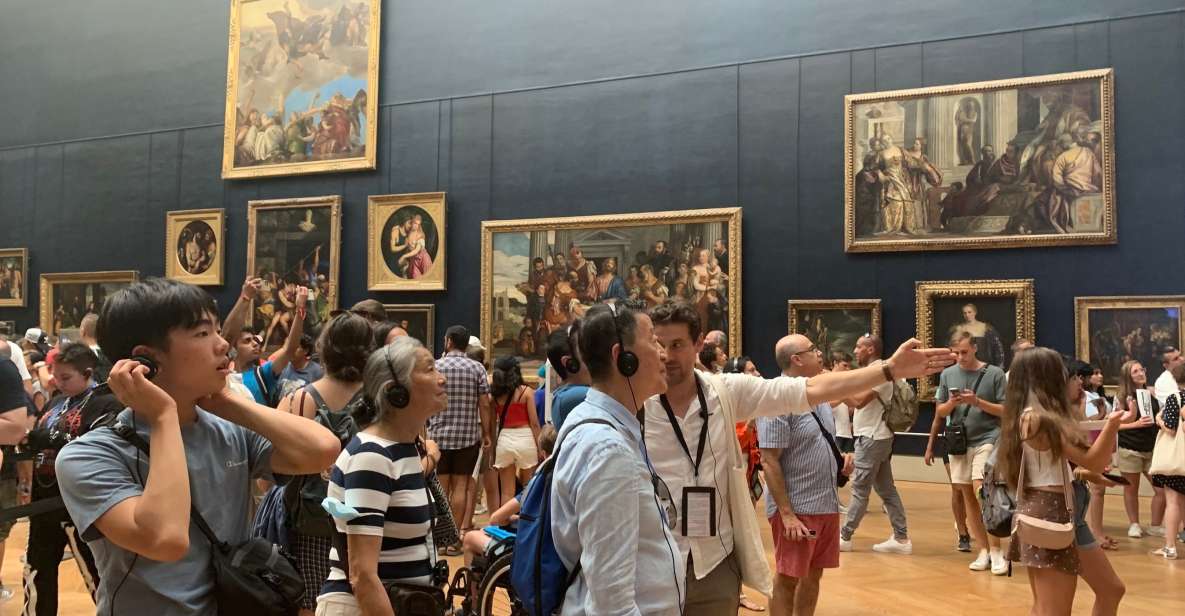
- Priority entry that skips the worst of the lines, using pre-reserved timed entry
- Max 6 guests, so your guide can shape the pace and answer questions
- A licensed Louvre expert guide, speaking English or German
- An intentional highlights route across major eras, from Renaissance to Napoleon
- You can stay after the tour, but tickets are timed and single-use, so plan your moves carefully
Entering the Louvre without queue stress
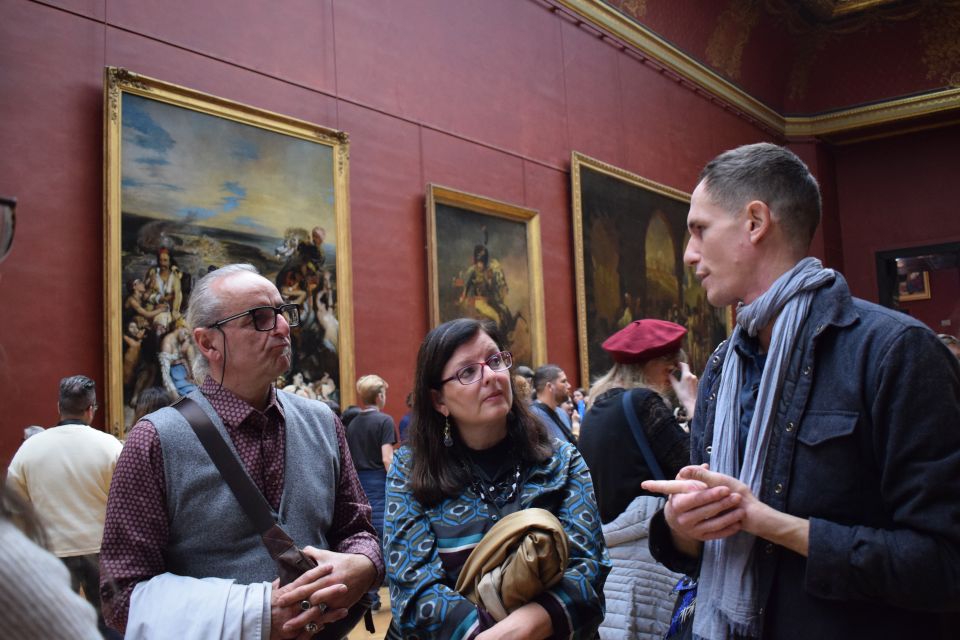
The Louvre is huge. That sounds obvious, but it hits you when you’re standing there staring at corridors that seem to go on forever. This tour helps because it gives you pre-reserved priority entry, so you’re not burning your limited energy on the longest parts of security and entrance lines. In plain terms: you spend your two hours seeing art, not solving logistics.
The other win is how the guide keeps things focused. The Louvre holds an enormous collection across eight departments and about 35,000 artworks, but your tour doesn’t try to “do everything.” Instead, it steers you along an elegant highlights route built around the works most people travel here for, plus a few smart connections between eras.
You can also read our reviews of more tours and experiences in Paris



Meeting at Café Le Nemours: the easiest Paris rendezvous

You meet in front of Café Le Nemours, and the guide will be holding a sign that says Walks In Europe. If you’re coming by metro, the closest stop is Palais Royal. Take exit 5, Place Colette, and you’ll find Café Le Nemours right by the exit area.
This matters more than you might think. Louvre days are busy days. Showing up late can be stressful, and this tour does not allow joining after it starts. You’ll also want to factor in Paris traffic if you’re arriving by taxi or rideshare.
The Louvre Pyramid stop: a quick orientation moment

Before you get fully inside, you pass by the Louvre Pyramid. It’s a small stop, but it helps your brain switch from streets to museum mode. From there, you move into the actual highlights route with your guide leading.
If you like to understand a place as you see it, this is a good start. One of the things that comes through again and again in strong Louvre guides is they don’t just describe art. They explain why the building and layout matter, and how to read the museum like a map.
What you’ll see in two hours: Renaissance to Napoleon
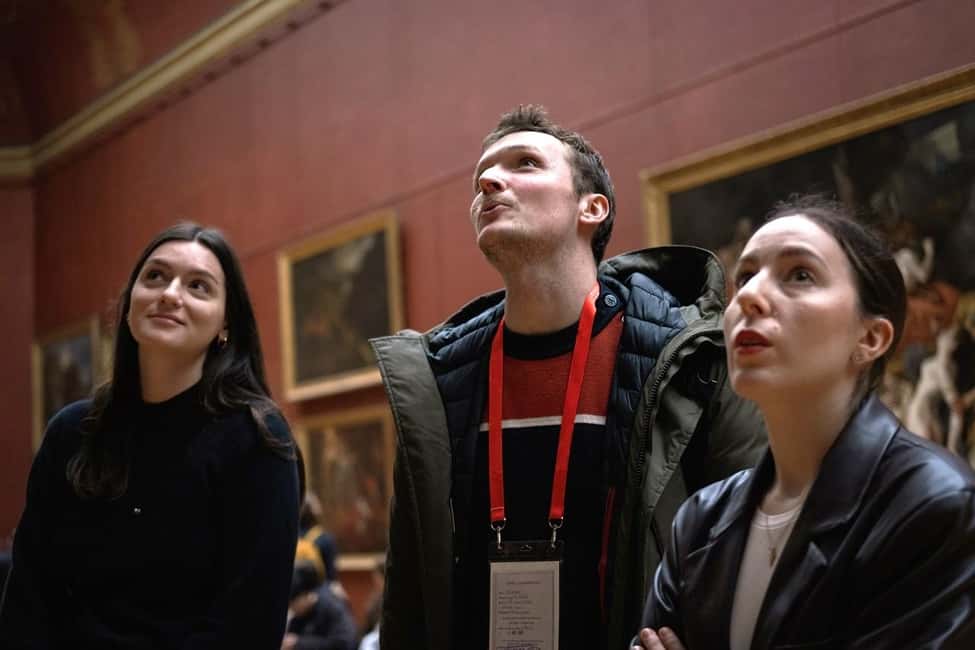
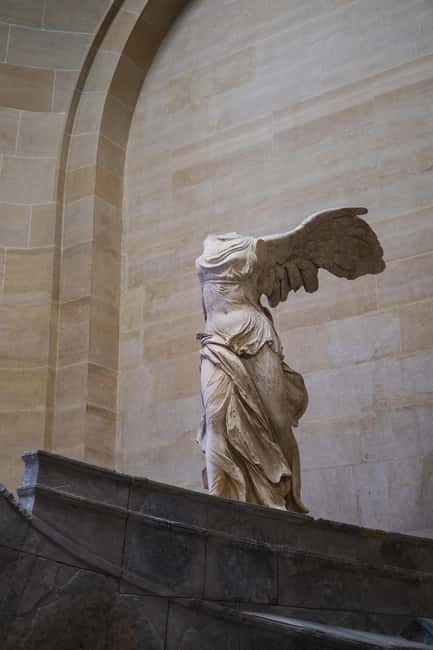
Your tour is two hours, guided end-to-end, and designed to cover the famous “don’t miss” works without racing so hard you miss details. You’ll see icons such as Mona Lisa, Venus de Milo, and Winged Victory of Samothrace, and you’ll also get context so those names mean something beyond being famous.
Here’s how the route tends to feel, based on the eras and masterpieces your guide will point you toward:
Italian Renaissance highlights that explain the basics fast
You’ll move through major Italian Renaissance works, including The Wedding Feast at Cana and Michelangelo’s Slaves. This is where a good guide earns their fee. Instead of treating these paintings and sculptures like museum trophies, they frame what to look for: composition, emotion, symbolism, and the cultural ideas behind the work.
If you’ve ever stood in front of a masterpiece feeling like you’re missing the plot, this part helps. You start to notice what the artist was trying to do, not just what the subject is.






French Romanticism: drama, politics, and big emotions
Next comes French Romanticism, where the Louvre suddenly feels louder and more modern. Expect stops tied to works such as The Raft of the Medusa, Liberty Leading the People, and The Coronation of Napoleon. These pieces sit at the intersection of art and power, and your guide will connect what you see to the ideas of the time.
A practical way to enjoy this section: ask yourself as you look, what emotion is being pushed, and what story is the artist telling about society?
Neoclassicism and the beauty you notice when someone points it out
You’ll also see neoclassical favorites like Psyche Revived by Cupid’s Kiss, and you’ll take in architectural and sculptural details such as The Caryatids and the refined Salon Carré. This is where the guide’s pacing matters, because the Louvre can make you hurry past things that are worth slowing down for.
The Caryatids, for example, can read like decoration if you’re not told what they are. With a guide, they become part of the building’s message: classic form used to communicate taste, authority, and order.
Mona Lisa, Venus de Milo, Winged Victory: how the guide changes the experience
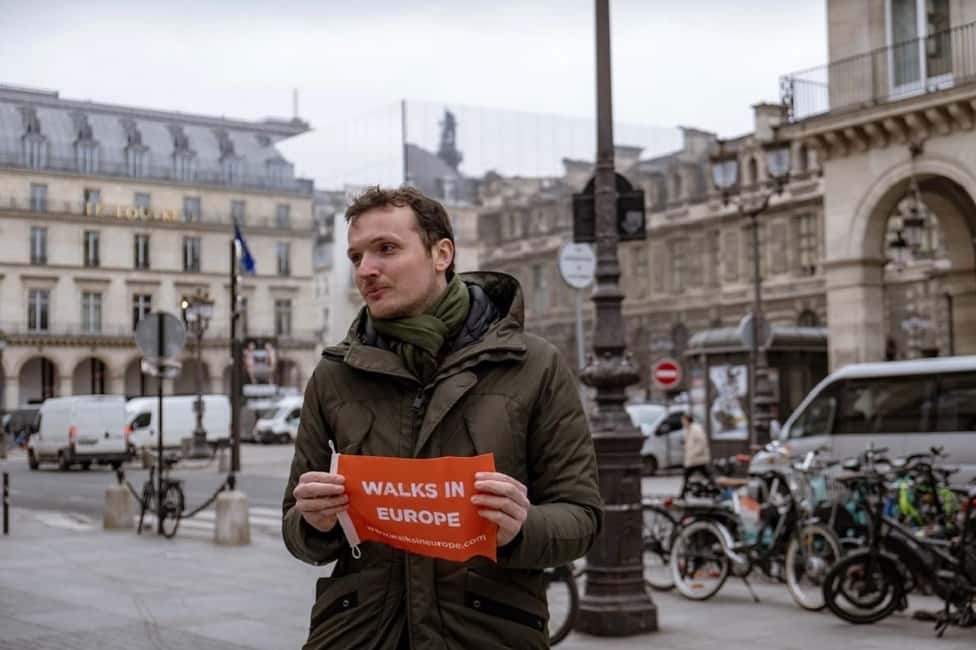
These three are the reason many people plan a Louvre day. What this tour does well is give you a route that gets you there efficiently, without you having to map the museum yourself.
The difference is not just speed. It’s what happens once you arrive:
- You’re not stuck guessing where to look or what matters in the composition.
- Your guide can explain how each work fits into a larger artistic shift.
- You spend less time thinking, where do we go next, and more time just seeing.
In past tours, guides have been able to help guests with mobility constraints position themselves better for viewing. That said, the tour’s stated policy is that it is not suitable for wheelchair users or mobility scooters. If your needs are more than “a bit of walking,” it’s smart to message the provider in advance and ask what’s realistically possible on your specific day.
The “small group” advantage: what six people actually changes
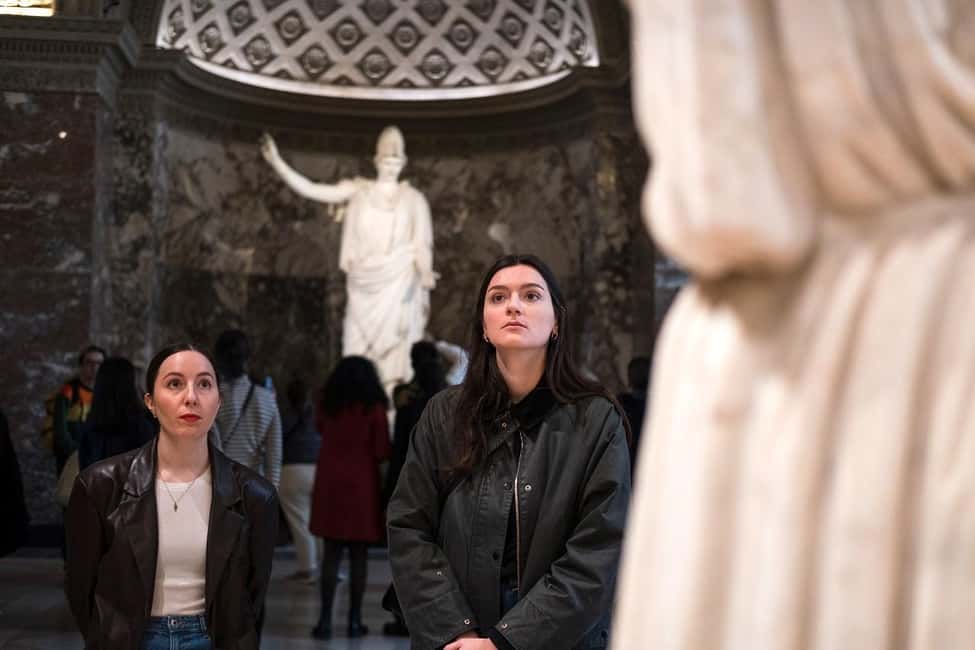
A six-person cap is one of those features that sounds nice on paper and then becomes obvious in real life. You’re moving through a building where the crowd density can spike fast. With a small group, you spend less time stacked at bottlenecks and more time actually looking at the art.
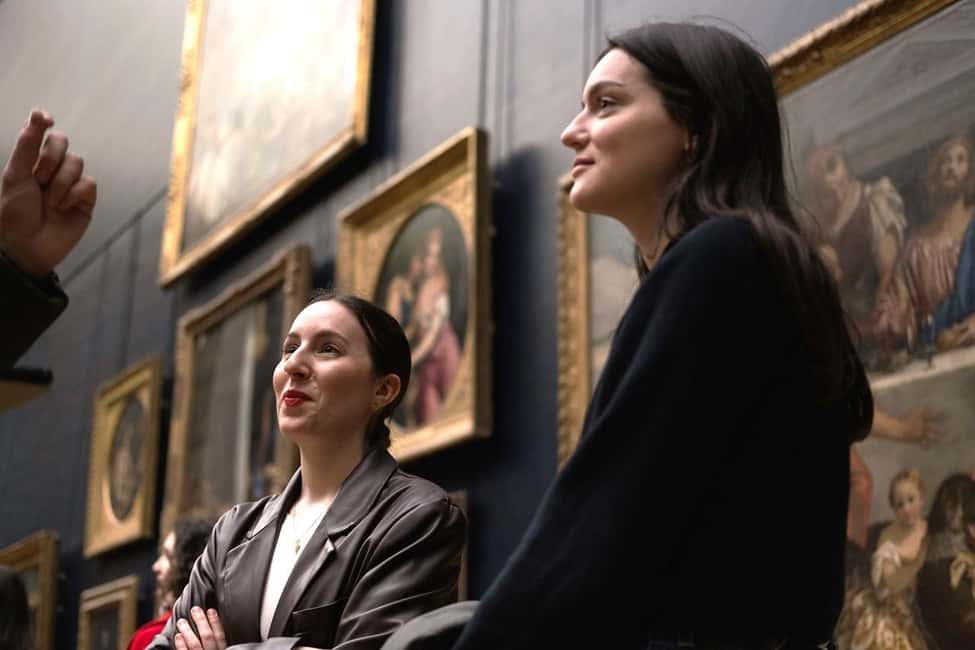
It also makes the tour more interactive. You’re more likely to get answers to your questions, and the guide can adjust pace if someone wants a little more detail on a particular work.
You’ll also notice the tone of the day tends to feel calmer. Several guides connected with this experience have been singled out for being engaging with both adults and kids, keeping energy up and explanations clear enough that art history doesn’t feel like a lecture.
Price and value: $152 for 2 hours that can save you a half-day
At $152 per person for two hours, you’re paying for three things that are hard to replicate on your own:
- Time saved from wayfinding and decision fatigue inside a maze.
- Priority entry that reduces queue pain.
- Expert narration that turns “I saw it” into “I understood what I saw.”
If you’ve ever tried to “just wing it” at the Louvre, you know the math quickly. The museum is so large that even with a list of must-sees, you can lose time. Then the last hour feels rushed, and the famous works you wanted most end up being a quick glance.
This tour’s value is strongest if you want the essentials, plus a coherent explanation across major art movements. It’s also a good fit if you’re visiting with limited time in Paris, because two hours can protect the rest of your day for other neighborhoods.
Timing and tickets: the one rule that affects your plan
A heads-up that matters: entry tickets are timed and can expire within 5 to 10 minutes. Also, the tickets are single-use, and you won’t be able to get back in if you leave one of the museum wings.
That sounds technical, but it affects how you should behave. Before you wander off on your own, do it intentionally. Decide what you’re staying for. Once you move into your self-guided exploration, try not to treat it as flexible hop-in/hop-out between areas.
The good news: your tour also includes the chance to stay in the museum after the guided part ends, and your pre-reserved tickets are meant to support that. The trick is to keep your exploring inside the rules of that entry.
Practical stuff that keeps the day smooth
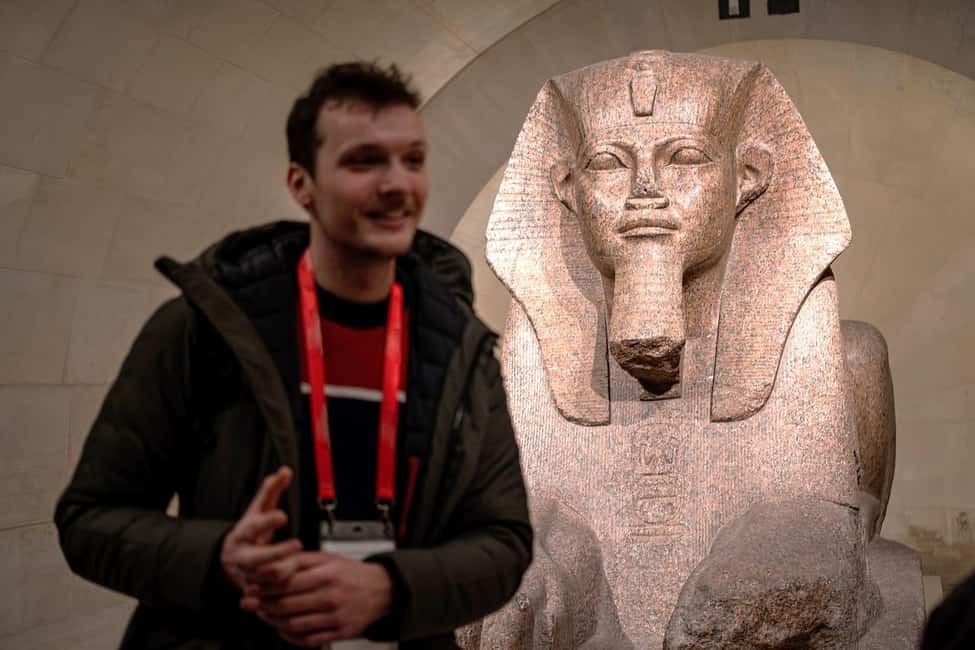
Here’s what you’ll want to plan for so you don’t lose momentum:
- Bring passport or ID.
- Don’t plan on storing big items: no luggage or large bags, and no umbrellas.
- Mobility scooters are not allowed, and the tour is not suitable for wheelchair users.
- Your meeting point is fixed, and you can’t join late after the tour starts.
- Security is required. Even with priority entry, you may still face a line at security, and it can be long in high season.
One other real-world risk: Louvre closures can happen due to strikes, sometimes without much notice. If the museum closes, there may be no refund. That’s rare, but it’s worth knowing when your trip is tight.
Who should book this Louvre tour
This experience is best for you if:
- You want the highlights route without building a strategy from scratch.
- You like being guided through eras, not just standing in front of famous names.
- You prefer a small group size so the day feels manageable.
- You want guided time now and free wandering later inside the museum.
It’s less ideal if:
- You need wheelchair access or rely on mobility scooters, since it’s stated as not suitable for wheelchair users.
- You’re hoping for total freedom with zero structure. This tour is focused. That’s the point.
Should you book the Louvre Masterpieces Tour with pre-reserved tickets?
If you have limited time in Paris and you want to leave feeling like you actually “got it,” I think this is a strong choice. Priority entry, a licensed Louvre guide, and a six-person group are a practical combo for one of the world’s most chaotic art viewing environments. The most consistent compliment is simple: the tour keeps you from getting lost and helps you understand what you’re looking at, even if it’s your first time in the Louvre.
If you’re mobile enough to handle steady walking inside a busy museum, this is one of those bookings that can make the difference between a stressful day and a satisfying one. If mobility is a major concern, take the time to ask directly about what can be arranged on-site before you buy.
FAQ
How long is the Louvre tour?
It lasts 2 hours.
How many people are in the group?
The tour is limited to a small group of up to 6 guests.
Where do we meet?
Meet in front of Café Le Nemours. The nearest metro station is Palais Royal, using exit 5, Place Colette.
Do I get pre-reserved tickets and skip the line?
Yes. You get pre-reserved Louvre tickets and you enter through a separate entrance to skip the line.
What languages are the tours offered in?
The live guide provides tours in English and German.
What items are not allowed inside?
You can’t bring luggage or large bags, umbrellas, or mobility scooters.
Is this tour suitable for wheelchair users?
No. It is stated as not suitable for wheelchair users and mobility impairments.
Can I stay in the Louvre after the tour ends?
Yes, you can remain inside the museum and explore after the guided portion. Just note that tickets are timed and single-use, and you won’t be able to get back in if you leave one of the museum wings.
What if more than six people book for the same time?
If the group is larger, it may be split into different groups at the meeting point so each guide gets 6 people each.