REVIEW · PARIS
Paris: Louvre Museum Highlights Small-Group Guided Tour
Book on GetYourGuide →Operated by Dayin · Bookable on GetYourGuide
You can see the Louvre without the chaos. This small-group setup uses an expert guide to get you oriented fast, then steers you toward the biggest works like Mona Lisa and Venus de Milo without spending your whole day in a crowd crush. I like the private pacing that makes it feel doable, and I also love that the guide can tailor the stops to what you care about, whether you’re a first timer or an art fan.
One thing to keep in mind: even with skip-the-ticket-line access, security can still take time during high season (the wait can be up to 20 minutes). Some galleries may close without notice, or pieces may be moved for restoration or loan, so your route can shift.
In This Review
- Key things I’d bank on before you go
- Louvre’s One Rule: You Need a Plan, Not Just a Ticket
- Possible drawback, straight up
- Meeting at the Pyramid: Find the Horse, Then Look for Dayin
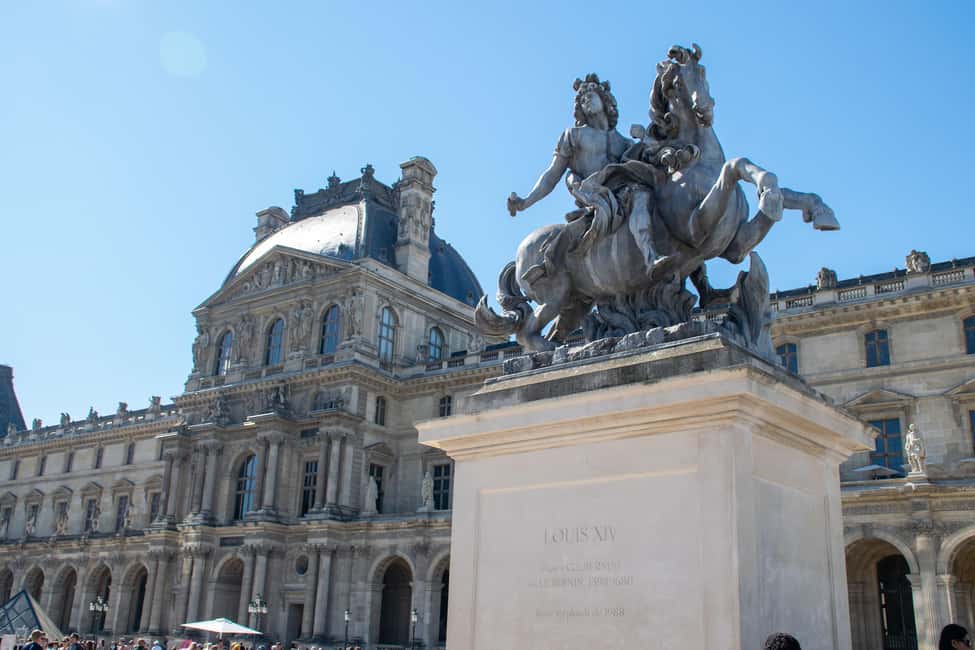
- The First Stop: A Louis XIV Copy That Gets You Oriented
- Inside the Louvre: A Guide Who Chooses What Matters (and What Fits Your Time)
- 2-Hour Highlights: The Best of the Best, Without the Full-Day Commitment
- How it feels in real life
- 3-Hour Extended Tour: Famous Works and the “Wait, What’s That?” Moments
- 4-Hour Option: More Time for Questions and Slower Looking
- Skip the Ticket Line: What It Does (and What It Doesn’t)
- How the Private or Small-Group Format Changes Everything
- What to Bring and What to Leave Behind
- Languages and Guide Types: You Get Options
- Price and Value: $262 Can Be Worth It If You Care About Time and Direction
- Who This Tour Suits Best
- Should You Book This Louvre Highlights Tour?
- FAQ
- How long is the Louvre Highlights small-group tour?
- Where do we meet the guide?
- What’s included in the price?
- Do we need to print anything in advance?
- What should we bring, and what’s not allowed?
- Is there a cancellation option?
Key things I’d bank on before you go
- Small-group / private format keeps the walk calmer and the questions coming
- Expert guides pick the right sights and explain what you’re actually looking at
- Must-sees in 2 hours makes the Louvre feel manageable on a limited schedule
- Longer options (3–4 hours) add time for famous art plus less obvious favorites
- Real navigation help after: your guide shares tips so you don’t waste the rest of the day
- Easy meeting at the Pyramid: look for the blue Dayin sign by the horse statue
Louvre’s One Rule: You Need a Plan, Not Just a Ticket
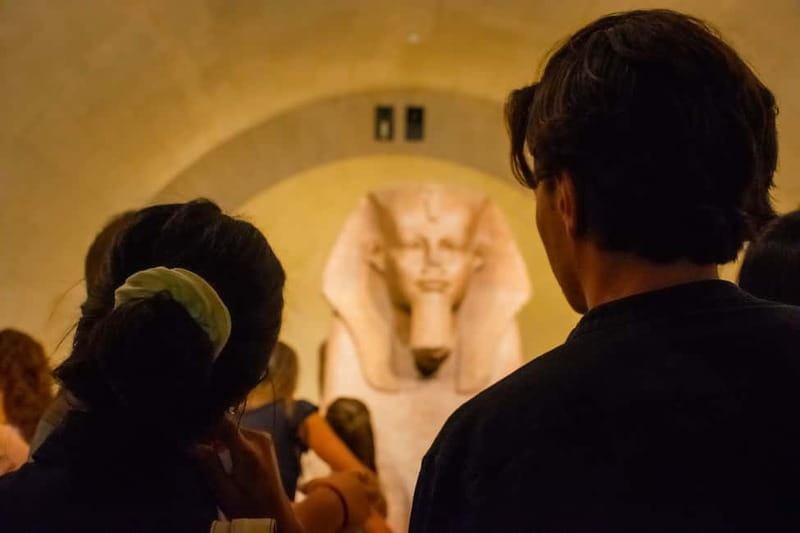
The Louvre is not a museum you can casually wander for the first time. It’s too big, too famous, and too crowded all at once. What makes this tour appealing is that it gives you a human plan. You arrive, you meet your guide, and the day turns from museum-stress into museum-momentum.
I also like that this is built around your pace. You’re not trapped in a big group doing a speed-walk stop-and-go routine. If you want to linger by a sculpture, ask a question, or take a minute to understand a story, you can—within reason, because yes, you’re still inside one of the world’s most popular museums.
And since guides see the museum daily, they’re usually good at steering around the worst congestion. People in the guide lineup I saw mentioned names like Romain, Vincent, Wei, Walid, Hamish, Aurele, John, and Raphaëlle. Across those experiences, the common thread is clear: the guide keeps things lively, on track, and actually relevant.
You can also read our reviews of more guided tours in Paris



Possible drawback, straight up
Even when you’re skipping the ticket line, you can still hit a security wait. During peak season, plan for up to about 20 minutes there. That’s not the tour provider being slow—it’s just how the Louvre works.
Meeting at the Pyramid: Find the Horse, Then Look for Dayin
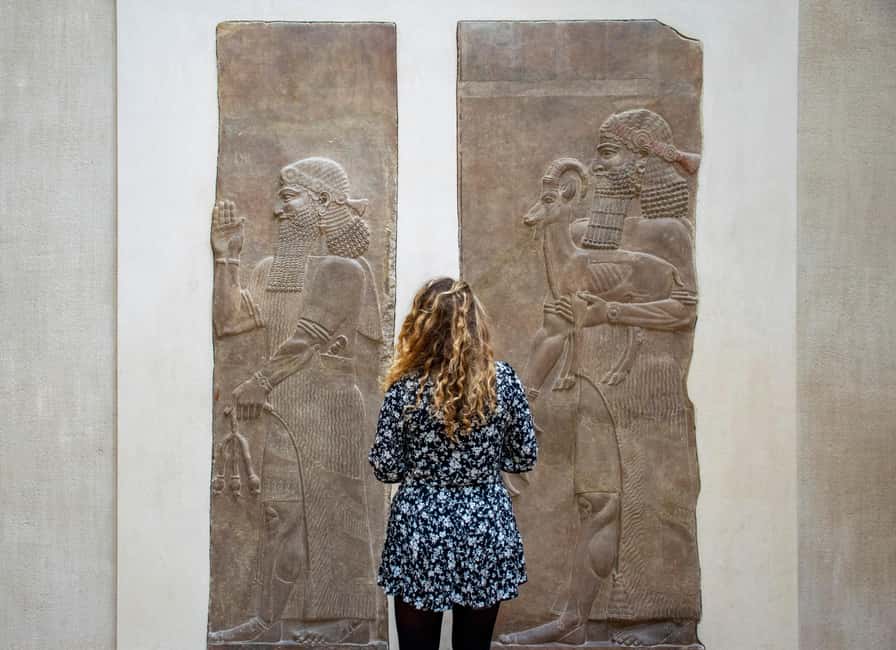
Your tour starts at the Louvre Pyramid area. Meet your guide next to the horse statue in front of the pyramid. If you’re using Google Maps, type Louvre Pyramid. Your guide holds a blue Dayin sign.
This sounds simple. It is—if you arrive a few minutes early and take a quick lap around the meeting spot. One small lesson from real-life issues: sometimes it can take a moment to confirm you’re talking to the right person, especially if the sign looks generic at first glance. Give yourself time, and you’ll avoid the mini-head-scratch.
Also, don’t plan this as the last stop of a frantic itinerary. Paris traffic and transit delays happen. Leave early, and you’ll start calmer.
The First Stop: A Louis XIV Copy That Gets You Oriented
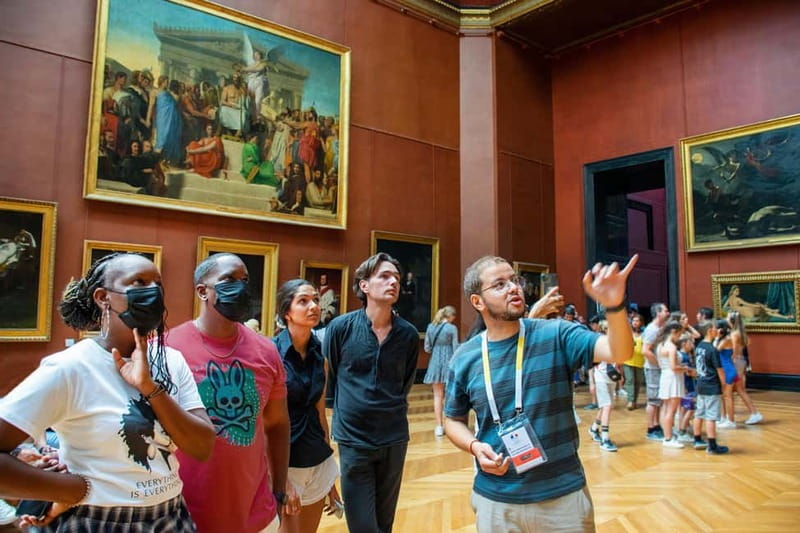
The tour begins with a specific piece near your starting area: Louis XIV sous les traits de Marcus Curtius (copie). It’s a great way to start because it reminds you that the Louvre isn’t only about paintings you recognize instantly. It’s also about identity, myth, and how French rulers used art and imagery.
From there, you move into the museum proper with your guide leading the way. This matters because inside the Louvre, “where to go next” is half the battle.
Inside the Louvre: A Guide Who Chooses What Matters (and What Fits Your Time)
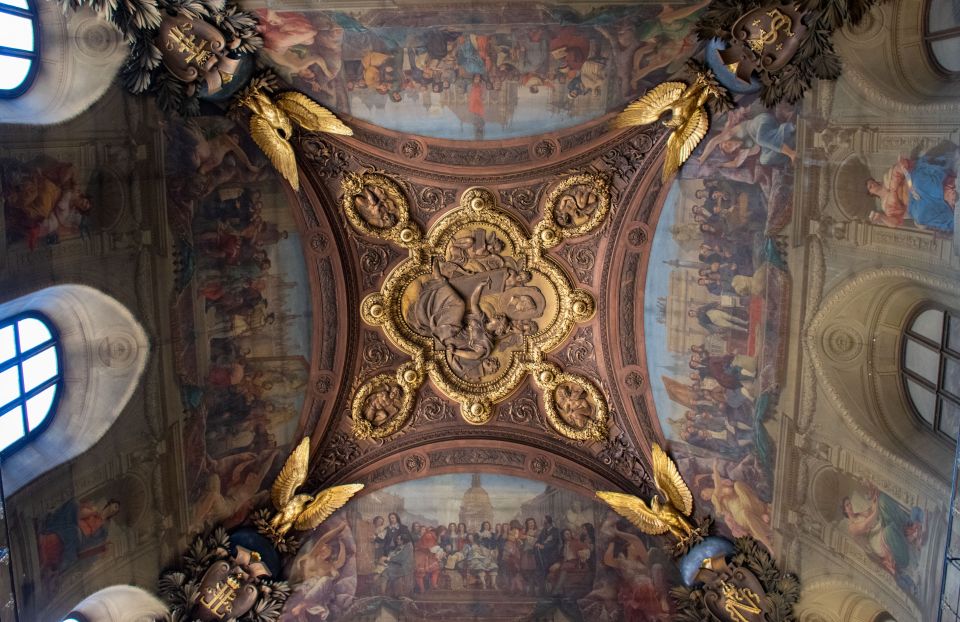
The core promise here is straightforward: an expert guide carefully selects must-sees for you and builds a route based on the time you have. That’s more important than it sounds.
The Louvre can feel like standing in front of a thousand doors with no key. A guide gives you a path through the noise. They also help you understand what you’re looking at—why it was made, what it signals, and where it fits in the larger story of art.
You’ll also hear explanations in multiple languages (English, French, Spanish, Chinese, Traditional Chinese, and Arabic). If you’re traveling with family, this language coverage can make the difference between nod-and-snap photos and real engagement.
And yes, kids are part of the plan. Several guide experiences highlight that the tour can keep children involved so adults can actually hear the context too. The key is that the guide knows when to speed up, when to slow down, and when to switch to a story that a child can track.
You can also read our reviews of more museum experiences in Paris






2-Hour Highlights: The Best of the Best, Without the Full-Day Commitment
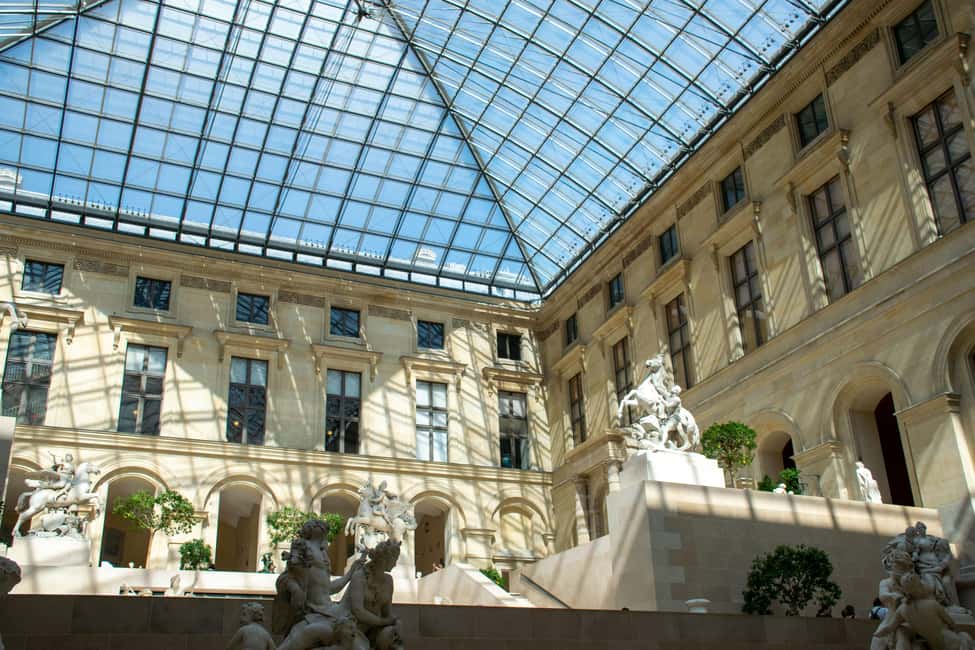
If you choose the 2-hour highlights tour, you’re getting a tight selection of the Louvre’s headline works. The usual lineup includes Mona Lisa, Venus de Milo, and Victory of Samothrace.
Here’s why that time format works:
- You get the iconic works that define the Louvre for most first-time visitors.
- You still have enough time to absorb the explanations, not just “pass by” the art.
- You finish while your energy is still intact, so you can continue on your own after.
A big practical win: you’re not spending your whole visit hunting for what you came to see. The guide’s job is to decide what to prioritize, then help you find it efficiently.
How it feels in real life
Even with a crowd, a good route makes the day feel controlled. One experience described navigating a very busy Louvre with real planning, keeping things fun while still hitting the highlights. That’s what you’re buying: direction plus momentum.
3-Hour Extended Tour: Famous Works and the “Wait, What’s That?” Moments

The 3-hour version adds breathing room. You get a mix of well-known masterpieces and lesser-known stops, which is the sweet spot for many art lovers.
This is where you start to feel the difference between:
- seeing the Louvre, and
- understanding the Louvre a little better
The extra hour helps your guide do more than just sprint through the top-name paintings and sculptures. They can layer in a few surprising comparisons and explain how themes repeat across time. If you’ve already visited the Louvre before, this length is often a better way to get value without feeling like you’re repeating the same circuit.
One example from a guide experience: a tour was customized to interests and even pulled in something like Mesopotamian connections. That’s not something you’d usually stumble on by accident during a quick highlights loop.
4-Hour Option: More Time for Questions and Slower Looking
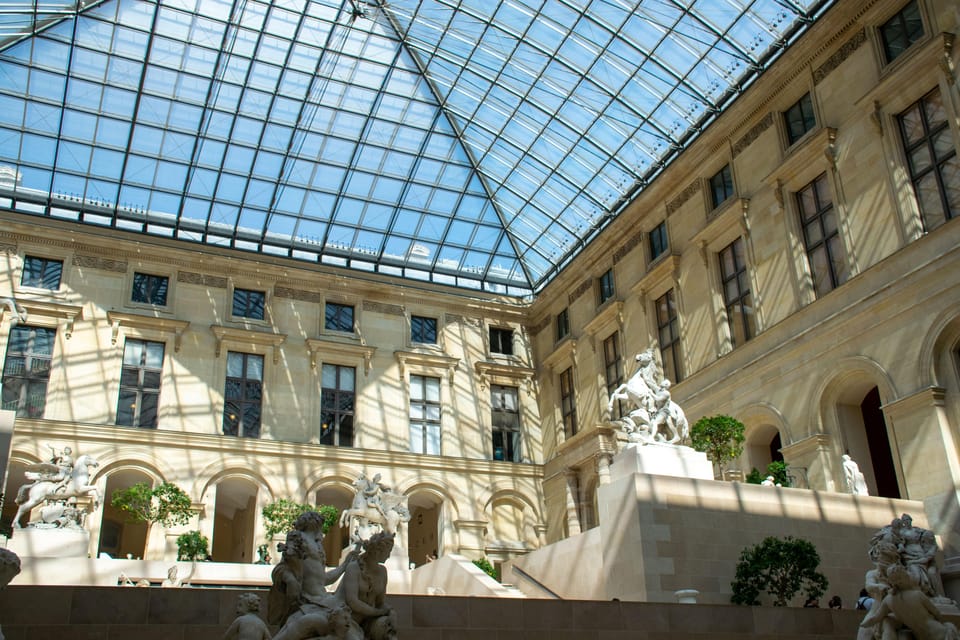
The 4-hour option is for people who don’t just want famous names—they want more time to be present with the art.
In practical terms, that means:
- more stops (and more choice),
- less pressure to rush,
- and more chances for your guide to respond to what you’re actually noticing.
This is also the better fit if your group includes people with different interests. Someone might want the big paintings. Someone else might care about sculpture, history, or art movements. A longer timeframe lets the guide build a route that makes everyone feel included.
If you’ve got mobility concerns, pay attention here: at least one guide experience noted that Walid knew where elevators were and could escort someone through paths with less strain. This doesn’t guarantee what you’ll get with every guide, but it’s a real example of how a skilled person can reduce stress in a huge building.
Skip the Ticket Line: What It Does (and What It Doesn’t)
Skipping the ticket line is helpful, but it’s not magic. You can still hit a wait for security. And the Louvre isn’t always perfectly predictable—some galleries may close without notice, and pieces can be removed for restoration or loan.
So think of this tour as time-saving, not time-warping. You’ll usually lose less time than you would on your own, and you’ll start the art part sooner. But the museum can still be busy in the ways that affect everyone.
If your schedule is tight—like you have another timed reservation later—be conservative. Build in buffer time before you commit to anything after the tour.
How the Private or Small-Group Format Changes Everything
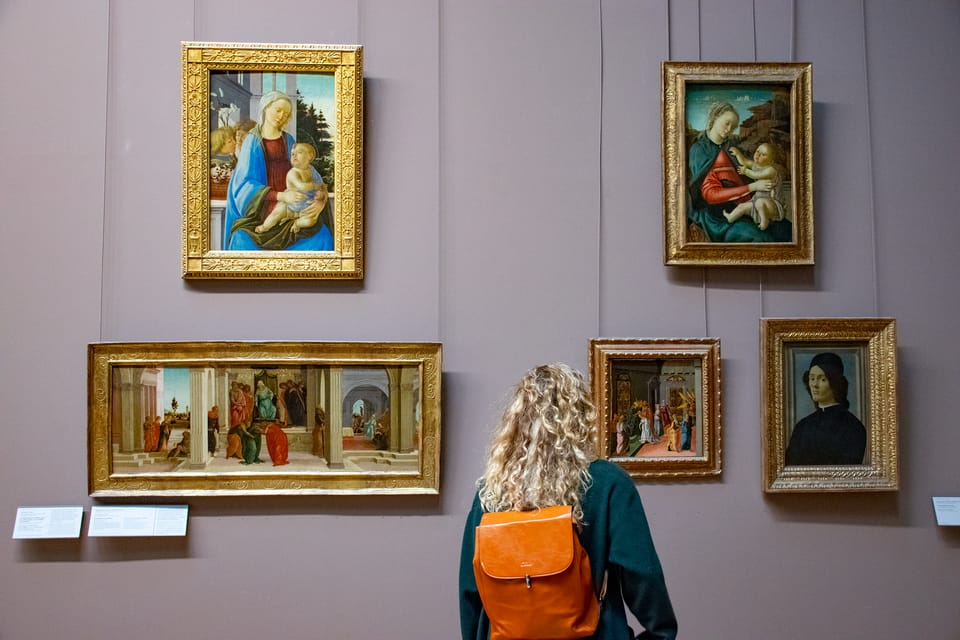
In a large group, you walk when the group walks. In a private or small-group setup, you get a more human pace.
That matters for three reasons:
First, you get better context. When you can ask a question without shouting over 40 strangers, the explanations land better.
Second, your guide can adjust the flow. If your group likes one section more than planned, the route can shift to keep your time useful.
Third, the experience works for families and mixed ages. Multiple guide experiences mention children being kept engaged, which means the adults aren’t stuck doing the one-sided strategy of telling kids to stay quiet.
If you’re traveling with teens, even a “highlights” tour can turn into a real learning experience—especially when the guide picks stories that match the group’s attention span.
What to Bring and What to Leave Behind
Keep it simple at the start:
Bring a passport or ID card. A copy is accepted.
Don’t bring:
- selfie sticks
- flash photography
- luggage or large bags
Paris museum rules are strict, and the Louvre is one of the ones that actually enforces it. Pack like you’re visiting a major airport-level checkpoint, not a casual attraction.
One more planning detail: at booking time, all guests in your party must provide full names (first and surname, including children). That’s part of how the tour is set up, so don’t leave names for later.
Languages and Guide Types: You Get Options
Guides are available in several languages: English, French, Spanish, Chinese, Traditional Chinese, and Arabic. If you want your group to feel comfortable asking questions, picking the right language can improve the whole experience fast.
Also, this is offered as private or small groups. The private option is ideal if you want a truly customized route. Small groups work well if you still want some calm, but you’re okay with a couple other people sharing the pace.
Price and Value: $262 Can Be Worth It If You Care About Time and Direction
At $262 per person, this isn’t a bargain ticket. So the value comes down to what you’re buying:
You’re paying for:
- an expert guide who selects the route,
- skip-the-ticket-line access (with security still possible),
- and a pacing system that keeps you from wasting hours figuring things out on your own.
If your goal is to experience the Louvre without turning it into a stressful scavenger hunt, this price starts to make sense quickly. A self-guided visit can be enjoyable, but the Louvre’s scale makes it hard to get a coherent overview unless you do serious planning.
Also, longer versions (3 or 4 hours) stretch the cost across more time, which can feel more reasonable if you’re the kind of person who stops and reads. If you want the big masterpieces and explanations, the guide time is the main asset.
Who This Tour Suits Best
I’d point you toward this tour if:
- you’re visiting the Louvre for the first time and want the biggest hits,
- you like your museum time guided but not rushed,
- you’re traveling as a family and want kids engaged,
- you have limited hours and need an efficient route,
- or you’ve been before and want a route that can include non-obvious stops.
It’s also a smart choice if you dislike crowd stress. Several guide experiences praise how well the guide manages congestion, which is basically the biggest issue at the Louvre.
Should You Book This Louvre Highlights Tour?
If you want to see the Louvre’s icons without losing your day to confusion, I’d book it. The best part is the combination: skip-the-line access plus a guide who picks the right route for your time. That’s how you walk out feeling like you saw something, not like you just survived.
I would hesitate if your schedule is razor tight and you can’t risk a security wait, or if you’re someone who loves total freedom and hates structure. In that case, a self-guided visit might fit better.
Otherwise, this is a strong way to turn the Louvre from overwhelming into manageable—especially if you get a guide who keeps the story moving and helps you slow down at the right spots.
FAQ
How long is the Louvre Highlights small-group tour?
The experience runs for 2 to 4 hours, depending on the tour option you select. Check availability to see starting times.
Where do we meet the guide?
Meet your guide next to the horse statue in front of the Louvre Pyramid. Your guide will be holding a blue Dayin sign.
What’s included in the price?
The tour includes Louvre Museum entry, a fun licensed guide, a private experience, and the Louvre highlights tour. It also includes tips to help you navigate the city after.
Do we need to print anything in advance?
No—there’s no need to print or download anything. Just arrive and enjoy the experience with optimized access with your guide.
What should we bring, and what’s not allowed?
Bring a passport or ID card (a copy is accepted). Selfie sticks and flash photography are not allowed, and you can’t bring luggage or large bags.
Is there a cancellation option?
Yes. You can cancel up to 24 hours in advance for a full refund.