REVIEW · PARIS
Paris: Montmartre. The old artist village+its unique charm.
Book on GetYourGuide →Operated by Paris through my eyes · Bookable on GetYourGuide
Montmartre has a way of slowing you down. This 2-hour walk through the old artists’ village mixes real neighborhood streets with standout scenic views as you work your way up toward Sacré-Cœur. I like how the route doesn’t feel like a checklist; it feels like someone showing you their Paris. I also appreciate the guide’s German perspective—an insider/outsider lens that helps you see what’s special here without turning it into a museum script.
One consideration: this is a walking tour in a hilly area, so comfortable shoes matter, and it’s not suitable for wheelchair users.
In This Review
- Key things to know before you go
- Why Montmartre still feels like an artist village
- Meeting at Moulin Rouge: the easy start
- Your 2-hour walk through Montmartre’s key corners
- Stop 1: Athys et Stentor to set the scene (quick start)
- Stop 2: Montmartre streets and a photo pause (about 15 minutes)
- Stop 3: On foot (about 30 minutes)
- Stop 4: 18th Arrondissement highlights and another viewpoint pause (about 20 minutes)
- Stop 5: Finish at Parvis du Sacré-Cœur and wrap back near the start
- The viewpoint payoff: Sacré-Cœur and the Paris you didn’t expect
- What makes the guide feel worth it
- Price and value: is $40 for 2 hours fair?
- What to bring, what to watch for, and how to get the most out of it
- Who should book this Montmartre walking tour?
- Should you book this Montmartre walking tour?
- FAQ
- Does this Montmartre walking tour include a guide?
- How long is the Montmartre tour?
- What language is the tour guide?
- How many people are in the group?
- Where do we meet for the tour?
- Where does the tour end?
- What is the main highlight during the walk?
- What should I wear?
- Is this tour suitable for wheelchair users?
- Is free cancellation available?
Key things to know before you go
- Small group size (max 8): more time to ask questions and follow the guide’s pace.
- German-language live guide: Nadine and other German guides bring storytelling grounded in lived experience.
- Old Montmartre details: windmills on the hill were once a major part of the skyline.
- Photo stops built in: you’ll pause at viewpoints instead of rushing past them.
- Top-of-Paris feeling: Sacré-Cœur sits at the city’s highest point (130 metres), so the payoff is the view.
- Start and end near Moulin Rouge: easy to orient yourself once you’re done.
Why Montmartre still feels like an artist village
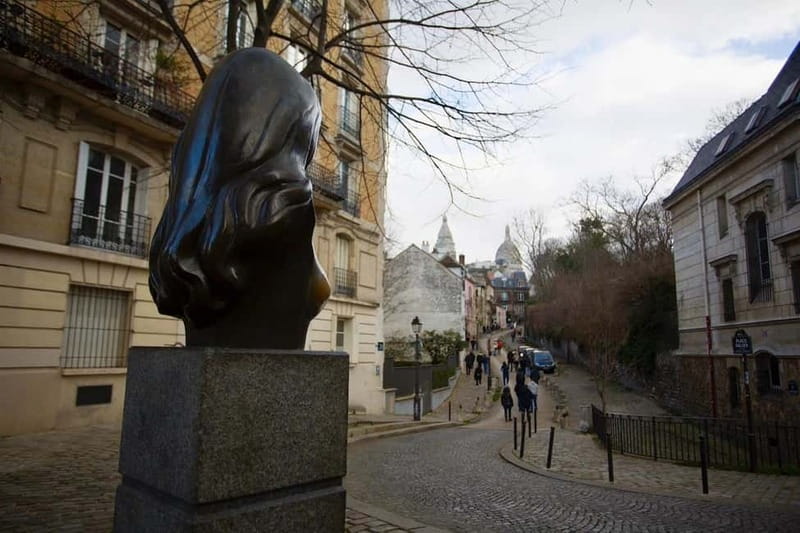
Montmartre is famous for a reason, but it’s also famous for how it changed. The area is still nicknamed the old artists’ village, and the charm isn’t just in landmarks—it’s in the street layout and the way the neighborhoods rise and tighten as you go higher.
You’ll hear names tied to the arts that shaped the area’s reputation. The list is long and very “Paris”: Pierre-Auguste Renoir, Salvador Dali, Van Gogh, Edgar Degas, Pablo Picasso, Toulouse-Lautrec, Henri Matisse, and even Dalida. It’s a reminder that creative life here wasn’t only about painters. Music and performance are part of the story too.
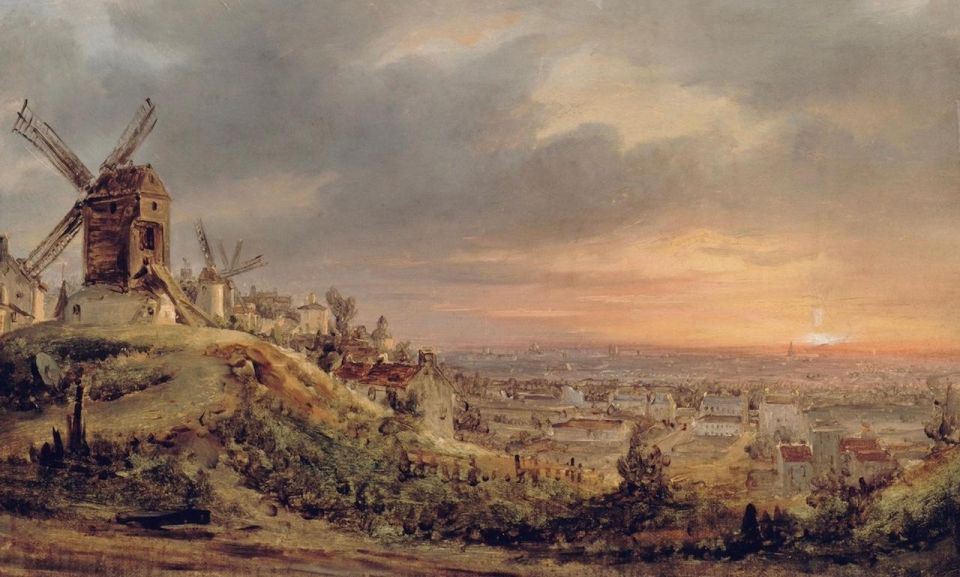
There’s also a specific historical detail I think you’ll enjoy: up until 1900, the hill held more than 30 windmills. That single fact changes how you read the hillside. You start imagining the skyline before today’s buildings, and you stop treating Montmartre as just a pretty backdrop.
You can also read our reviews of more tours and experiences in Paris.



Meeting at Moulin Rouge: the easy start
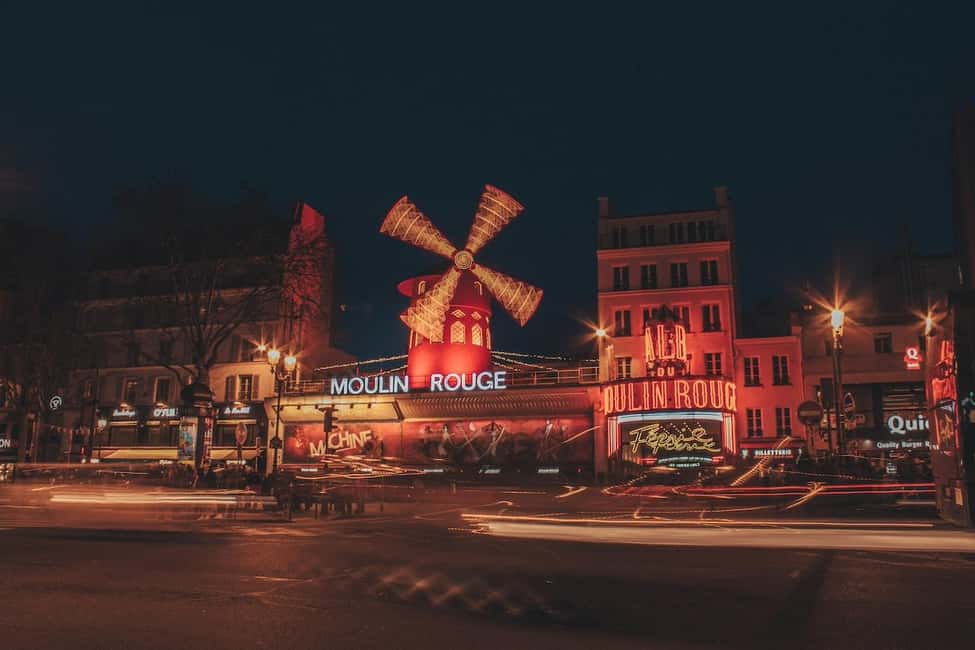
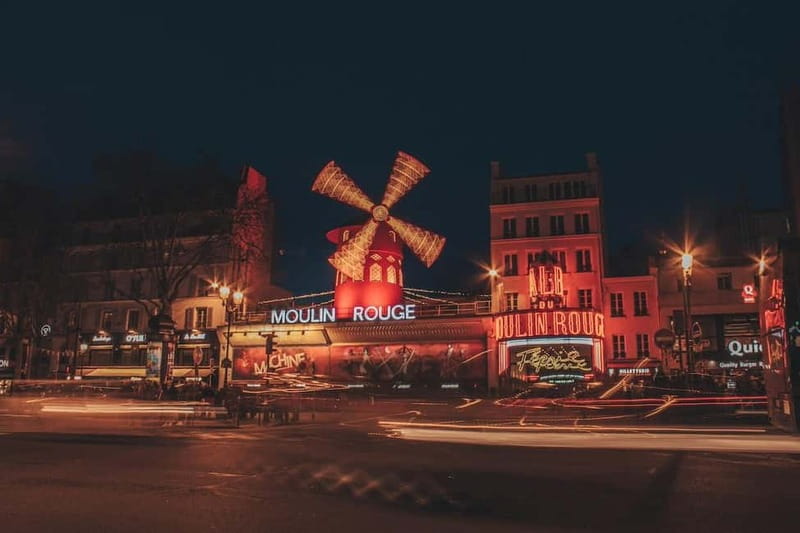
Your tour begins right in front of Moulin Rouge, at the theatre’s ticket office (Billetterie). That matters more than you might think. Moulin Rouge is a clear, recognizable point, so you waste less time figuring out where to be and more time getting your bearings.
Because the group stays small (limited to 8 participants), the start tends to feel orderly. You’ll get instructions early and you can move with confidence—especially helpful in a place where streets branch quickly and the climb starts sooner than you expect.
Your 2-hour walk through Montmartre’s key corners
This is a focused, two-hour route with a clear rhythm: short photo and guided stops, then stretches on foot where you’re meant to just walk and look. I like tours like this because they respect attention. You’re not sprinting for five different monuments.
Here’s how it typically plays out.
Stop 1: Athys et Stentor to set the scene (quick start)
You begin at Athys et Stentor. This early start point helps you transition from the busy area down at street level into the Montmartre mood. It’s the kind of moment where the guide can frame what you’re about to see: small streets, artistic legacy, and the climb toward Sacré-Cœur.
No big viewing moment here—think of it as your launch pad.
Stop 2: Montmartre streets and a photo pause (about 15 minutes)
Next comes Montmartre itself, where you’ll get a mix of guided sightseeing and a photo stop. You’re learning as you walk, but you’re also being given time to actually take pictures. In an area like this, that’s a quality-of-life detail, not a luxury.
You’ll follow iconic streets as well as parts that feel more off the beaten path. That blend is the sweet spot: you get recognizable Montmartre, but you also get corners that feel like you’re moving through a real neighborhood.





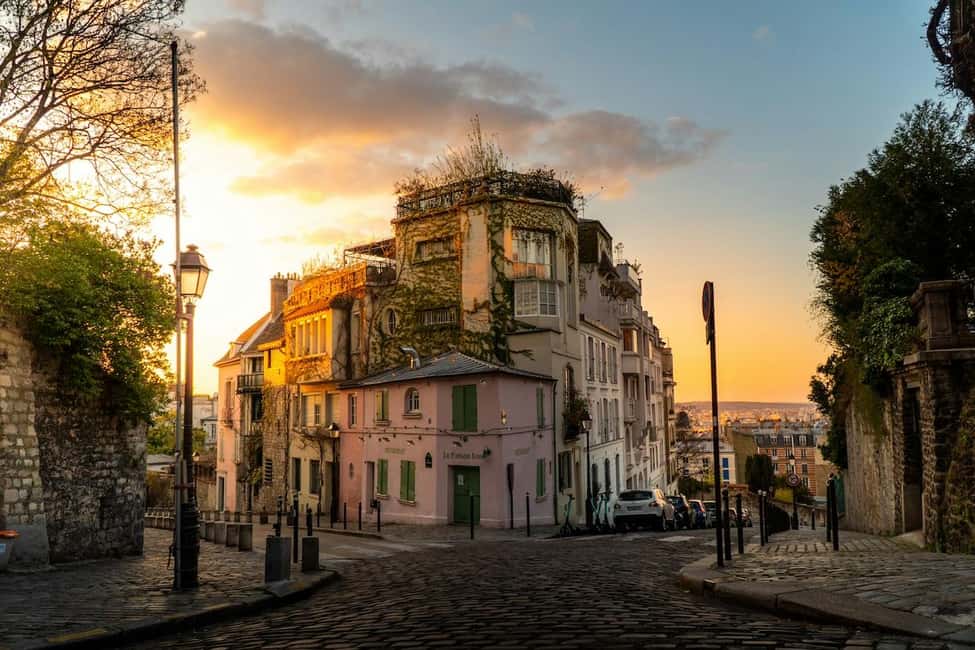
Stop 3: On foot (about 30 minutes)
Then you’ll spend a longer chunk walking on foot, about 30 minutes. This is where the “artist village” idea becomes physical. Streets tighten, angles shift, and the neighborhood starts to feel less like a set and more like a place locals actually move through.
This stretch is also where you’ll notice the Montmartre rhythm: you’re never perfectly flat, and the streets gradually set you up for that final payoff. If you’re prone to sore feet, this is where comfortable shoes stop being “nice to have” and become essential.
Stop 4: 18th Arrondissement highlights and another viewpoint pause (about 20 minutes)
You continue into the 18th Arrondissement, with another photo stop plus guided sightseeing and a walk. Even though Montmartre is its own world, it’s still part of Paris, and this is where you start seeing the area as a slice of the city rather than a separate theme park.
This is also a smart place in the timeline for another pause. You’ve had time to get the flavor, and now you get time to capture it and process it. The guide’s storytelling tends to click more once you’ve already walked through the setting.
One practical note: Montmartre streets can be full of curves and small stair segments. If you’re traveling with tight timing, keep your pace steady during this section so you don’t feel rushed at the end.
Stop 5: Finish at Parvis du Sacré-Cœur and wrap back near the start
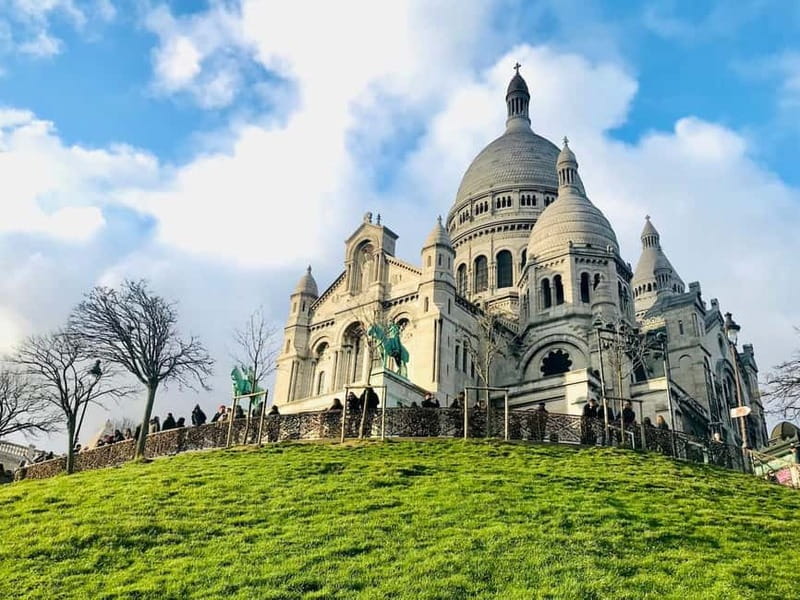
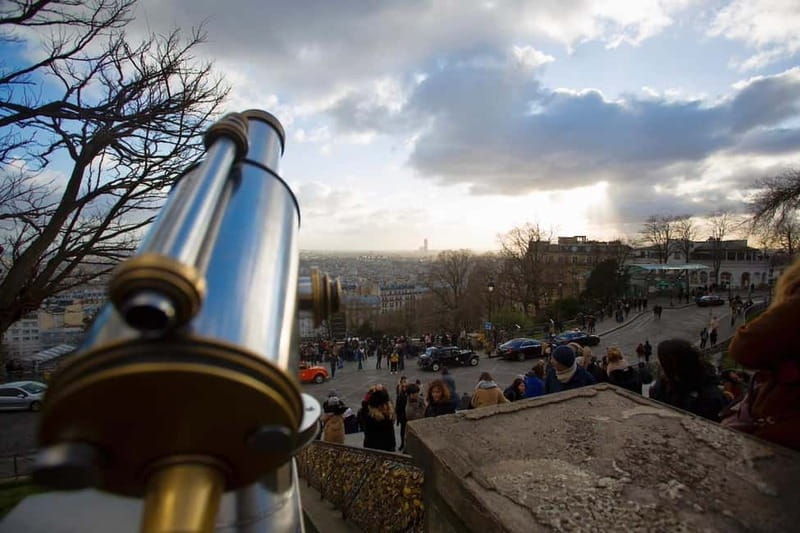
You end at 1 Parv. du Sacré-Cœur. From there, you’re set for the main reward: the thrilling view of Paris from the basilica area. Sacré-Cœur is reached at the city’s highest point—130 metres—so you get that sense of being above the grid.
After you take in the view and finish up the guided moments, the tour wraps back at the meeting point near Moulin Rouge. In other words, you don’t end mid-where-you-can’t-get-home—you return to a recognizable hub.
The viewpoint payoff: Sacré-Cœur and the Paris you didn’t expect

The Montmartre climb is the obvious attraction, but the best part is what changes as you rise. Down below, Paris looks like roads and buildings. Up here, it becomes layers—roofs, streets, and a sense of how the city spreads.
The guide helps you connect the dots between what you see now and what Montmartre used to look like. When you hear about the windmills that once dotted the hill, the viewpoint starts to feel less like a photo opportunity and more like a window into the area’s past.
And yes, you should expect the view to be a big moment. It’s one of the few places in central Paris where height gives you a clear, satisfying “I can see the whole thing” feeling.
What makes the guide feel worth it
This tour stands or falls on the guide, and the feedback points to a consistent strength: interesting storytelling and a friendly, approachable tone. Nadine—one of the German guides associated with the experience—gets praised for making the time fly and for keeping the tour engaging without turning it into a lecture.
There’s also something clever about the guide’s positioning. You’ll hear the arts-and-history story, but from someone who brings an insider/outsider perspective. That matters, because it prevents the tour from sounding like a script meant for everyone. Instead, you get explanations that help you understand why Montmartre matters beyond the famous name.
In practical terms, you’ll walk with context. When you pause at photo spots, the guide usually gives you something to look for, not just where to stand.
Price and value: is $40 for 2 hours fair?
At $40 per person for a 2-hour small-group walking tour, you’re paying for a few things at once: local guidance, a route designed around viewpoints, and a group limit (max 8) that keeps the experience personal.
Could you walk Montmartre on your own for less? Sure. But you’d be paying with your time and your attention—figuring out which lanes to trust, what to notice, and how to connect the place to its artistic past. Paying for a guide here is really about saving effort while improving your understanding as you go.
From a value standpoint, the included part is the core: you’re getting the walking tour with a live German guide, and the route is built around guided stops and sightseeing. If you want Montmartre to feel like more than postcard angles, that’s what you’re buying.
What to bring, what to watch for, and how to get the most out of it
The tour is simple in rules, but you’ll enjoy it more if you prepare for a few realities.
- Wear comfortable shoes. The guidance is clear on that point.
- Bring your camera/phone if you like photos. The route includes photo stops, so you’ll have planned moments to take pictures.
- Avoid anything that isn’t allowed: weapons or sharp objects aren’t permitted.
Also, this tour isn’t for everyone. It’s listed as not suitable for wheelchair users, which is a reminder that the Montmartre hill terrain doesn’t make “easy mode” available.
Finally, note the language: the tour is in German. If you don’t speak it, you might still enjoy the visuals, but you’d lose the real value of the guide’s explanations.
Who should book this Montmartre walking tour?
I’d point you toward this tour if you want Montmartre with context, not just crowds and photos. It’s especially good for:
- People who like walking tours and prefer smaller groups.
- Travelers who want a German-language guide and appreciate a personal storytelling style.
- Anyone interested in how famous artists connect to specific places, including the windmill era and the climb toward Sacré-Cœur.
Skip it (or consider another option) if:
- You need wheelchair access.
- You don’t want to walk a hilly route for the full 2 hours.
- You’re hoping for an English-language tour or step-by-step navigation support without guide commentary.
Should you book this Montmartre walking tour?
If you’re choosing between wandering Montmartre solo and getting a guide, I think this is a strong pick when your goal is to understand the place while you’re there. The mix of old-artist village charm, planned photo stops, and the Sacré-Cœur viewpoint is exactly the kind of structure that turns a scenic area into a real experience.
Book it if you’re comfortable walking, you’re okay with a German tour, and you want your time on the hill to come with explanations (not just directions). At $40 for a small group, it feels like a fair deal for the kind of guidance you get, especially if you enjoy how Nadine-style storytelling can make the hours pass quickly.
FAQ
Does this Montmartre walking tour include a guide?
Yes. It includes a live walking tour guide.
How long is the Montmartre tour?
The duration is 2 hours.
What language is the tour guide?
The tour guide language is German.
How many people are in the group?
The group is small, limited to 8 participants.
Where do we meet for the tour?
You meet right in front of Moulin Rouge, at the theatre’s ticket office (Billetterie).
Where does the tour end?
The activity ends back at the meeting point near Moulin Rouge.
What is the main highlight during the walk?
You’ll reach the Sacré-Cœur area for a major view over Paris, from the city’s highest point (130 metres).
What should I wear?
Comfortable shoes are recommended.
Is this tour suitable for wheelchair users?
No, it is not suitable for wheelchair users.
Is free cancellation available?
Yes. You can cancel up to 24 hours in advance for a full refund.