REVIEW · PARIS
Paris: Plein Air Sketching Course, Drawing & Watercolor
Book on GetYourGuide →Operated by Pauline Fraisse Art & Culture · Bookable on GetYourGuide
Paris has a way of turning ordinary corners into art material. This plein air sketching course is built for learning fast, outside, with professional guidance and a small group. You’ll practice composition, perspective, and figure drawing basics while you move through a different neighborhood each week.
What I like most is the teaching style: Pauline Fraisse gives exercises that fit both brand-new sketchers and people who already draw. The second big plus is the mix of French and English support, so you’re not stuck if your French is rusty.
One consideration: Paris weather can change the plan. When it’s very hot or rough outside, the session may shift to a studio setting, and you’ll want to budget for any cafe or museum stop if the day goes indoor.
In This Review
- Key things that make this sketching course worth your time
- How plein air sketching in Paris helps you improve fast
- The 3-hour flow: cafe start, neighborhood walk, and optional indoor stops
- What you should bring: watercolor, paper, pens, and comfort basics
- How you’ll get better: composition, perspective, proportion, and quick figure work
- Recognizing the instructor and settling into the group
- Value and pricing: is $112 for 3 hours a smart use of money?
- Weather realities in Paris: when the class moves indoors
- Pair it with studio watercolor sessions on Tuesdays
- Who should book this course, and who might rethink it
- Should you book? My straight answer
- FAQ
- What is the duration of the Paris plein air sketching course?
- Where does the class meet?
- What languages are offered during the class?
- What is the group size?
- Are art supplies included in the price?
- What should I bring for the class?
- Is this class suitable for children?
Key things that make this sketching course worth your time
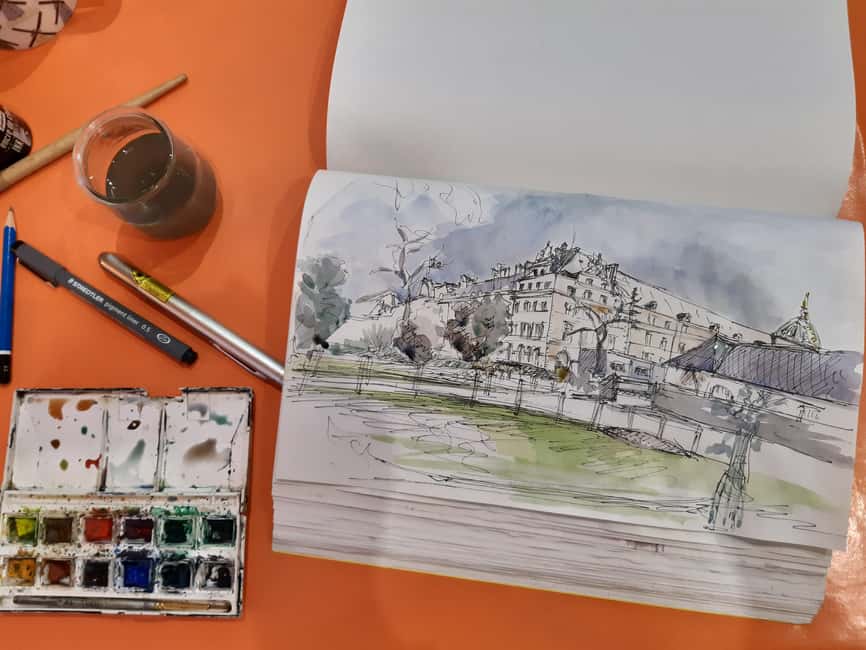
- A small group (about 3 to 6) means you actually get feedback, not just a lecture.
- French and English instruction keeps the class balanced even when the group mixes languages.
- Plein air from a 9:30 AM cafe start gives you structure and momentum right away.
- Exercises target real travel-sketch skills like composition, perspective, and proportion.
- Weather-aware flexibility can move you to a studio if conditions are bad.
- Beginner-friendly support includes quick-drawing habits using pen and time limits.
How plein air sketching in Paris helps you improve fast
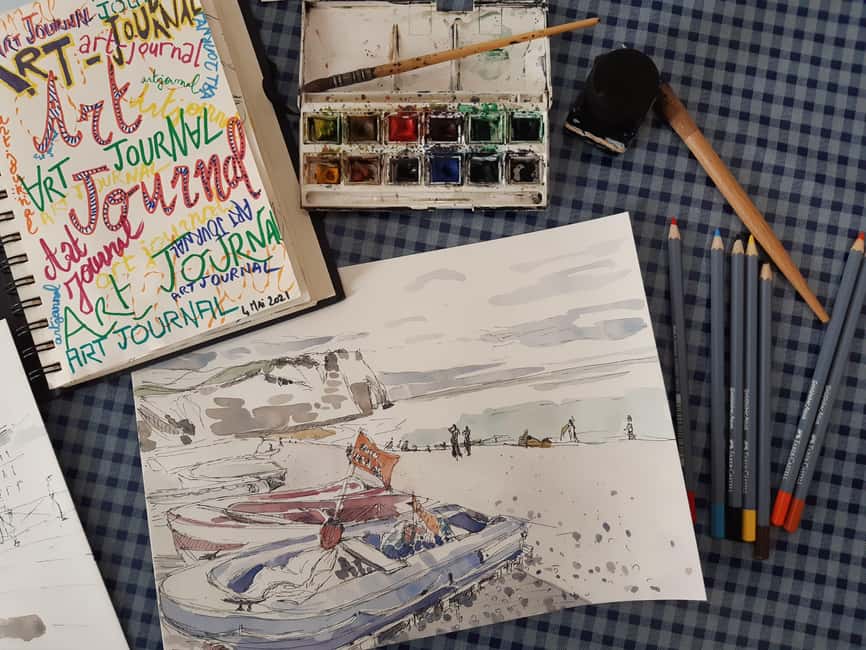
Paris is perfect for travel sketching because the city offers endless “still life” scenes: doorways, window patterns, street corners, bridges, and small clusters of people. The goal here is not to make one finished masterpiece. The goal is to train your eye, then translate what you see into a sketchbook page you can actually reuse on future trips.
You’ll be working on fundamentals like composition (what to include and how to frame it), perspective (how lines and buildings behave), and figure drawing basics. Even if you’re a beginner, those topics are taught in a way that feels doable in 3 hours. If you’re already drawing, the class can act like focused practice that sharpens your control of space and proportions.
And because this is taught by a Paris artist, the feedback stays practical. Pauline’s approach is the kind that nudges you to try, then adjust, instead of overthinking. One review highlighted how quick sketching with an ink pen and a time limit can build confidence fast. That’s the real value of a guided session: you get the right habits early.
You can also read our reviews of more tours and experiences in Paris.


The 3-hour flow: cafe start, neighborhood walk, and optional indoor stops
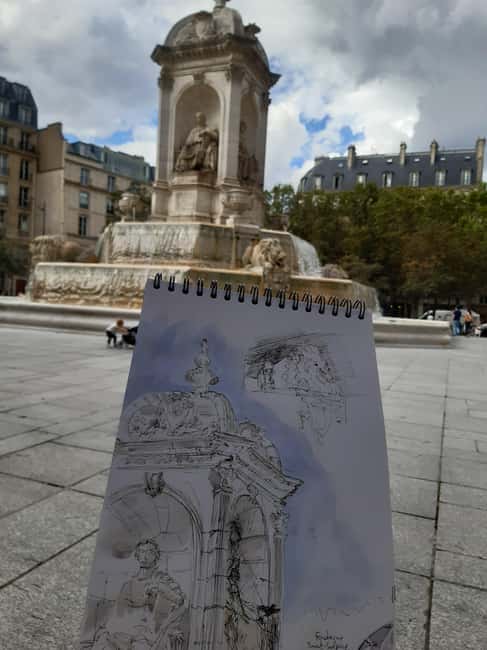
The session runs for 3 hours, and it starts at 9:30 AM at a cafe. You begin drawing right there. That matters because you’re not wandering around “trying to find a subject” for the first hour. You get a warm-up and direction while the coffee-and-conversation energy is still fresh.
After that, you head out to draw around the neighborhood. The neighborhood changes each week, which keeps the experience feeling like a mini tour of Paris, not a repeat of the same few views. You’ll likely draw in outdoor spots along the way, and if conditions turn uncomfortable, the plan can shift to drawing in a cafe or other indoor option.
Two real-world things to plan for:
- The class implies some walking and a lot of sitting on benches, the floor, or standing while you work.
- You’ll want a little cafe budget and possibly museum entry costs if the day goes indoors and you need an indoor subject.
On days with rainy or windy conditions, the instructor has used covered, easy-to-work settings such as a boat-cafe style location, so you can still sketch without fighting the elements the whole time. When it gets extremely hot or truly bad, there’s also the possibility of transferring to the studio.
What you should bring: watercolor, paper, pens, and comfort basics
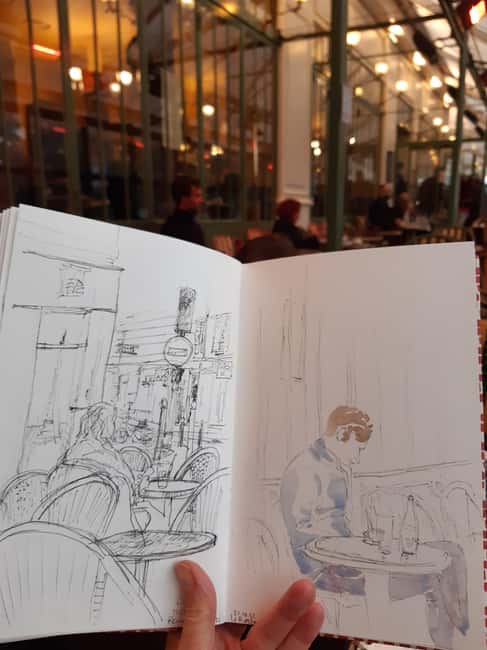
This class is not supply-heavy, but it is tool-specific enough that bringing the right basics will make your life easier. The supplies list is also flexible, meaning you can keep it simple or go more detailed depending on your comfort level.
Your core kit:
- A paper sketchbook (A4 or standard photocopy size recommended)
- A watercolor box
- A small water jar with lid
- A watercolor brush
- A rag or kitchen paper
- Pencil(s)
- Pencil sharpener
- A water-resistant black pen (example: Pigma Micron)
Optional add-ons (helpful if you already sketch often):
- Nib holder, nib, and India ink
- Felt pens
- Color pencils
- Glue stick
Don’t forget the “non-art” items that keep you drawing instead of suffering:
- Sunglasses and hat (seasonal, but practical)
- Sunscreen
- Warm clothes in winter
- Comfortable walking shoes
- A water bottle
You can also buy art supplies through the provider’s Gifts & Goodies area, with an ordering window of up to 5 working days before class. If you prefer to shop in Paris, there’s a list of art supply stores in the FAQs on the website.
How you’ll get better: composition, perspective, proportion, and quick figure work
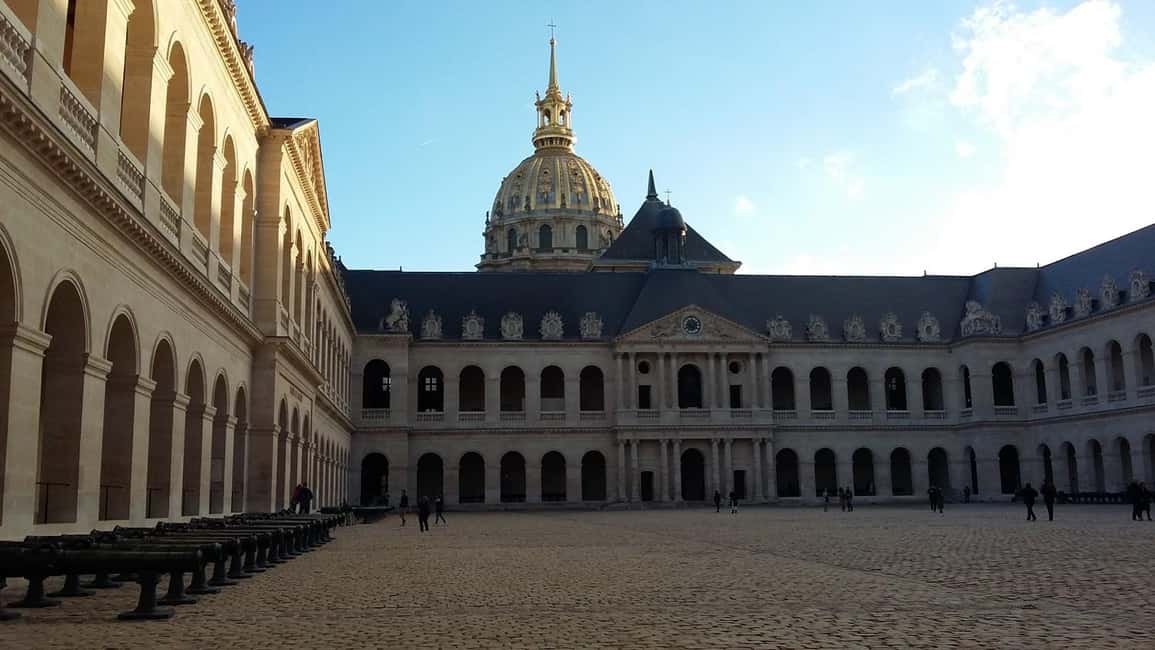
A lot of people start sketching in Paris with one problem: their drawings look “off” even when they can see what’s wrong. This course targets the reasons why drawings drift, with exercises aimed at real improvements.
Here’s what you can expect to practice:
- Composition: choosing what matters in a scene and controlling what’s cropped out.
- Perspective: using line direction so buildings and streets feel believable.
- Proportion: getting the relative sizes of elements right (this comes up often).
- Figure drawing basics: learning how people relate to the space around them.
One highlight from feedback is the way Pauline breaks lessons down so people work at their own level. If you’re new, you’re not pushed into advanced technique immediately. If you’re more experienced, you get structure to refine what you already do.
The time-limit approach is especially useful in a city. It trains you to sketch what you see quickly, not what your brain wishes were easier to measure. One learner mentioned feeling more confident picking up an ink pen to sketch quickly, rather than relying only on pencil. That’s a mindset shift, and it’s hard to replicate without instruction.
Recognizing the instructor and settling into the group
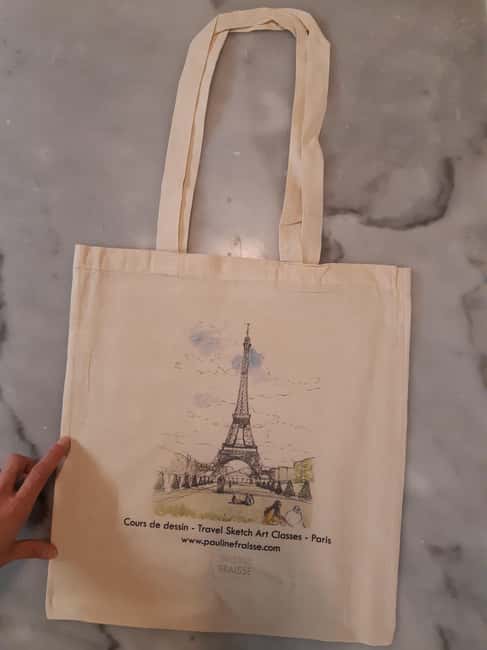
The class includes a small number of participants, limited to about 6 people, which keeps it interactive. Pauline is blond with mid-long hair and holds a sketchbook so you can identify her.
The group is also designed for a mixed-language setting. The workshop is taught in French and English, and instruction style accounts for groups where some students speak one language and others speak the other. One review specifically noted Pauline handled bilingual instruction smoothly so everyone felt included. That’s a big deal in Paris, where art classes can sometimes assume a higher level of comfort with French.
Plan to show up ready to work as a group. You’ll take breaks, share what you draw, and get input. Small group classes can feel intimidating if you’re unsure. This one is set up to make feedback feel normal, not like a critique trap.


Value and pricing: is $112 for 3 hours a smart use of money?
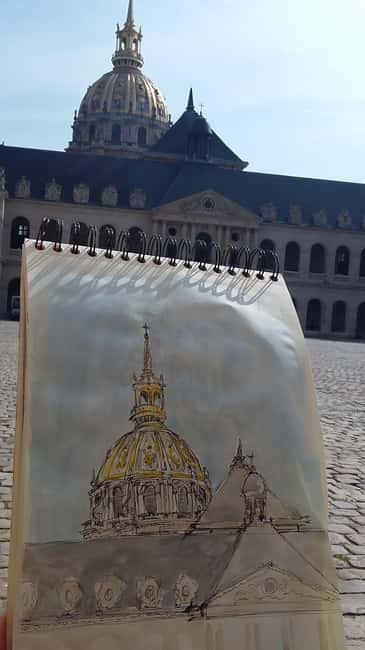
At $112 per person for a 3-hour class, the price is mostly paying for something you can’t easily DIY: a professional artist guiding your process while you’re drawing. You’re also paying for the structure of plein air instruction, including the small-group size and the weekly change of neighborhood location.
Supplies are not included. That means your total budget depends on what you already own. If you’re starting from scratch, factoring in paper, watercolor, and a water-resistant pen will change the math. If you already have a basic sketching setup, the class can feel like a focused coaching session where you leave with skills, not just a few pages.
There are a few extra costs to consider:
- Cafe drinks/snacks if the day requires cafe stops.
- Museum entry tickets if indoor drawing sessions happen and you need a museum subject.
Still, for many people the value comes from the learning curve you gain in a short window. Instead of spending a week “sort of trying” to sketch, you spend a focused morning building habits you can repeat.
Weather realities in Paris: when the class moves indoors
Paris plein air is usually lovely. It’s also unpredictable. The provider flags that classes are likely to be transferred at the studio in cases of high heat or extremely bad weather.
You can see this in the real experience: one booking was switched to the atelier when it became too hot (around 28 degrees), even though the plan was meant to be outside. Another day had rainy and windy conditions handled with a comfortable alternative drawing spot like a covered, cafe-style setup.
What you should do:
- Dress for the weather you see, plus the weather you might get later.
- Bring warm layers for cooler seasons.
- Use sunscreen and a hat when it’s sunny and bright.
- Bring supplies that work for both outdoor and indoor sketching, especially your water jar and pen.
If you’re flexible in your expectations about where you’ll draw, the weather adaptation becomes a feature, not a failure.
Pair it with studio watercolor sessions on Tuesdays
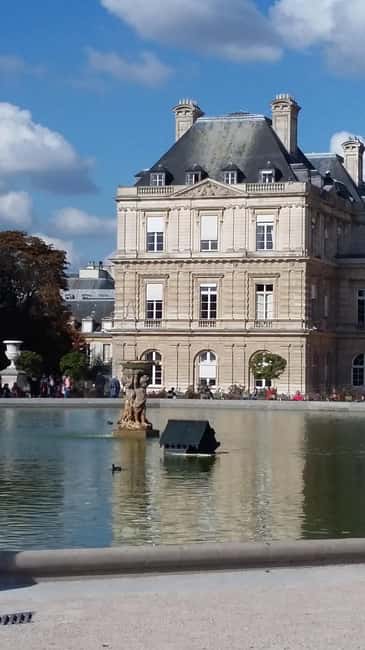
If you like the idea of plein air but also want a more controlled practice environment, there’s a related studio offering. Watercolor Sketching Classes take place at the studio on Tuesdays from 2:30 PM to 4:30 PM. This plein air class is described as complementary, which means you can pair outdoor observation with studio technique.
For you, that pairing can work well if you want:
- Outdoor pages that capture real Paris scenes
- Studio time to refine watercolor control and finishing steps
Even if you only book one session, the plein air class still trains skills you can carry into your own sketching back home.
Who should book this course, and who might rethink it
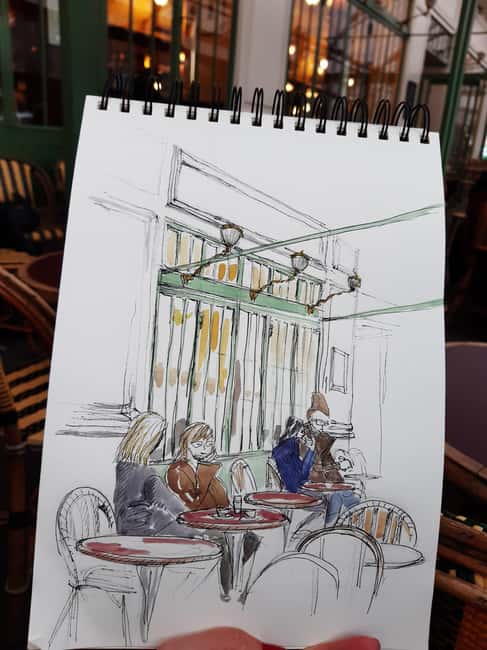
This works well for:
- Beginners who want guidance with composition, perspective, and basic figure drawing
- Confirmed artists who want targeted exercises in a Paris setting
- Individuals or families looking for a hands-on, creative experience that’s not a museum run
It’s not suitable for children under 7. Teens under 18 can join if an accompanying adult joins too.
Also think about comfort with:
- Walking plus frequent sitting or standing while drawing
- A class that can sometimes shift locations depending on weather
If you need very limited walking or lots of mobility support, you might want to check with the organizer before booking. If you’re comfortable adapting your day in exchange for good instruction, you’ll probably enjoy it.
Should you book? My straight answer
Book it if you want Paris sketching with structure. This isn’t just “sit and draw.” You’re guided through fundamentals like composition and perspective, helped in your language, and supported by a small group setup.
Don’t book it if you’re expecting a fully predictable outdoor itinerary no matter what the weather does. Paris will have opinions, and the class may move to a cafe or even the studio when it needs to.
If you’re the type of traveler who likes doing one thing well during a trip, this is a smart pick. You’ll leave with practice habits you can use on future days, plus a sketchbook page style that feels like you.
FAQ
What is the duration of the Paris plein air sketching course?
It lasts 3 hours.
Where does the class meet?
The meeting point is at 9:30 AM at a cafe. The exact location is emailed to you a few days before the workshop.
What languages are offered during the class?
The class is taught in French and English.
What is the group size?
It’s a small group limited to about 6 participants.
Are art supplies included in the price?
Art supplies are not included. You can buy supplies through the provider’s website up to 5 working days before class, or use the store list in the FAQs.
What should I bring for the class?
Bring comfortable shoes and weather-appropriate clothing, plus your sketching supplies such as a sketchbook, watercolor tools (water jar, brush, paint), pencils, a pencil sharpener, and a water-resistant black pen. Also consider items like sunglasses, a hat, sunscreen, warm clothes in winter, and a water bottle.
Is this class suitable for children?
Children under 7 years old can’t join. Teenagers under 18 can join if an accompanying adult joins as well.