REVIEW · PARIS
From Paris: Bruges Guided Tour with Hotel Pickup
Book on GetYourGuide →Operated by ParisCityVision · Bookable on GetYourGuide
Bruges feels like a time machine. This day trip pairs easy hotel pickup from Paris with a guided walk that hits the Basilica of the Holy Blood and Bruges’ famous medieval canals. The main drawback to consider is that the day is built for walking and sightseeing, not for a long, slow wander from your hotel.
You’ll cross from France into West Flanders and return the same day, with a comfortable coach ride and an organized plan that keeps you from wasting hours figuring things out. In summer, you can add a canal cruise for views of Renaissance and Gothic architecture from the water. If you have mobility needs, note it’s not suitable for people with mobility impairments.
The whole experience runs on a tight but enjoyable rhythm: a guided center look, breaks for lunch and optional museum time, and (in summer) a boat segment that makes Bruges feel like a postcard you can stand inside. English and Spanish are supported, and you’ll have an audio guide too.
In This Review
- Key things to know before you go
- Morning in Paris: how the pickup and coach ride shape your day
- Crossing into West Flanders: Bruges as a walkable UNESCO city
- Guided walking highlights: Town Hall, Place du Boulevard, and canal-view momentum
- Basilica of the Holy Blood: the Romanesque stop you’ll remember
- Art and orientation at the Groninger Museum
- Lunch, lace, and Belgian beer: using your free time well
- Traditional village walk and the visitor center: a helpful context boost
- Summer upgrade: canal cruise along Bruges’ 12th-century canals
- Value and price: is $247 a good deal for this format?
- Who should book, and who should skip it
- Should you book the Paris to Bruges guided day trip?
- FAQ
- Where is hotel pickup available?
- Is hotel drop-off included?
- How long is the total trip?
- What does the guided part in Bruges include?
- Is there museum time?
- Is the canal cruise included year-round?
- What languages are available?
- Is lunch or drinks included?
- Can I cancel?
Key things to know before you go
- Paris hotel pickup (Paris 75000 only) means less hassle getting to the coach
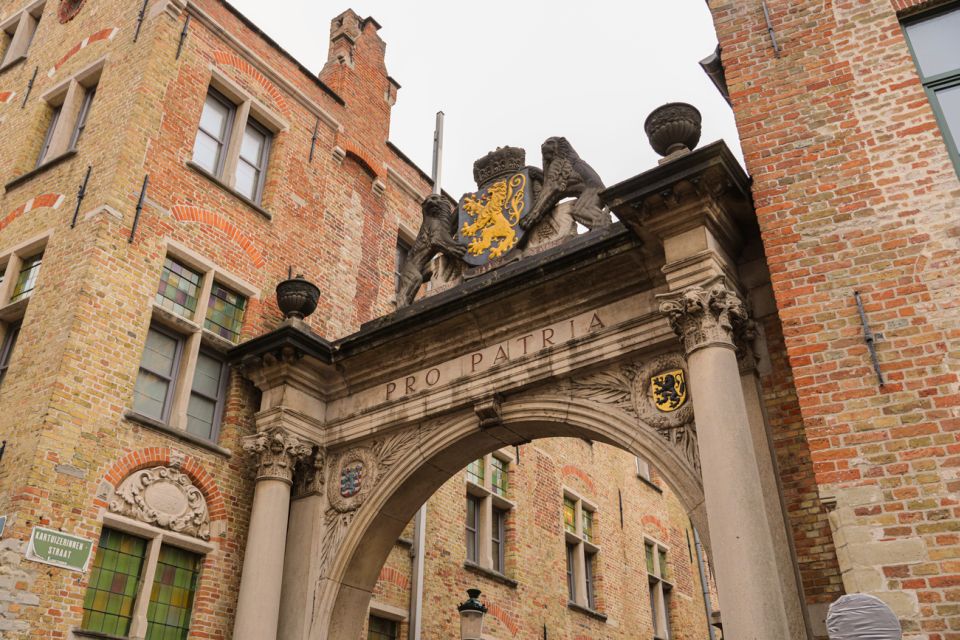
- Historic center highlights include Town Hall and Place du Boulevard
- Basilica of the Holy Blood is the star stop for Romanesque beauty
- Groninger Museum gives you a serious art break tied to Flemish masters
- Summer canal cruise adds a water-level view of 12th-century canals
- You’ll return to central Paris, but hotel drop-off isn’t included
Morning in Paris: how the pickup and coach ride shape your day
This trip is designed for the way most people actually travel from Paris: you don’t want to spend the morning fighting trains, transfers, and ticket lines. The plan starts with hotel pickup in Paris zip code 75000, then a coach ride that’s about 4 hours to Bruges. That long transit is the tradeoff for getting a fully guided day with transportation handled.
You’re also not stuck with a vague “meet later” scenario. You’ll confirm where you want to be picked up, and the operator handles the rest. Once you’re on board, an air-conditioned coach keeps the trip comfortable, especially in warm months when you’ll later be out in the open for walking and sightseeing.
One thing to flag for expectations: hotel drop-off isn’t included. So even though you’ll finish back in Paris, plan to get back to your own neighborhood from the central drop-off point.
You can also read our reviews of more guided tours in Paris


Crossing into West Flanders: Bruges as a walkable UNESCO city
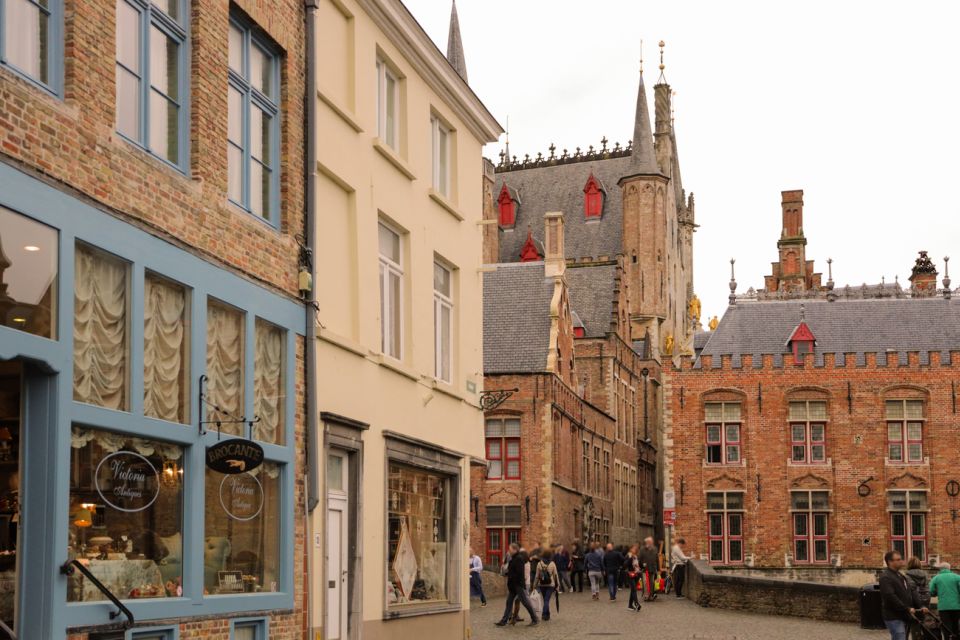
Bruges is often called the Venice of the North, and it earns that nickname the moment you start seeing the canal lines and medieval building fronts. The city is a UNESCO World Heritage site, and the contrast from modern Europe to tightly preserved older streets is part of the magic.
Your day is built around understanding the city at human speed. A guided walking tour helps you find the big landmarks without turning the day into a scavenger hunt. And because Bruges is compact, you can move between visual scenes quickly—Gothic edges here, Renaissance façades there, then back to the calm canal views that stitch the city together.
This is also where the guide earns their keep. Without someone pointing you toward what to look for, it’s easy to see canals and churches but miss what makes this place feel so intact. The tour’s focus on preserved medieval structure gives you context, not just photos.
Guided walking highlights: Town Hall, Place du Boulevard, and canal-view momentum
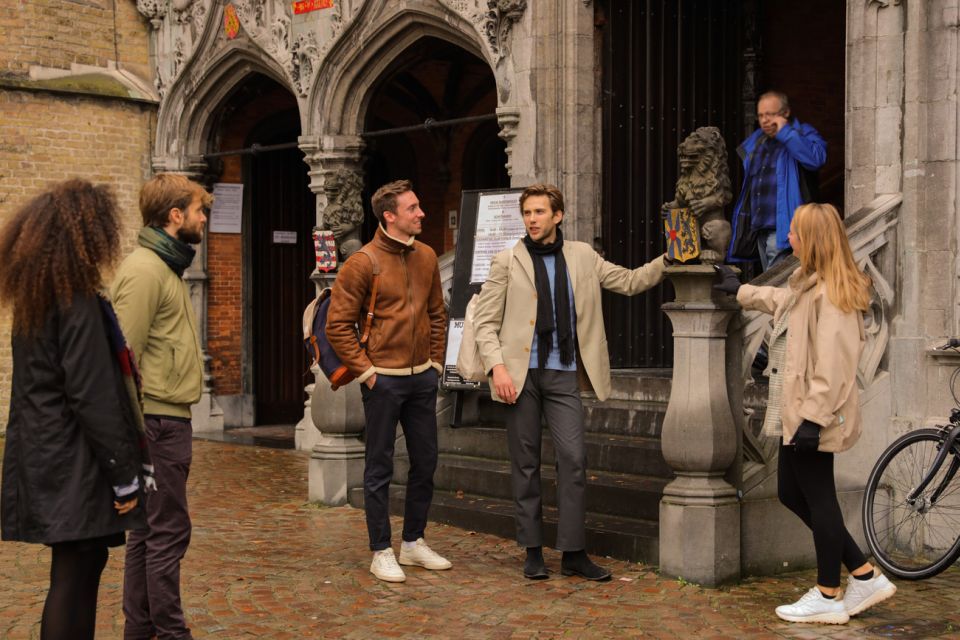
The walking portion is the backbone of your day. You’ll get the big architectural hits in a logical flow: the Gothic Town Hall, then your eyes follow to the more ornate, Renaissance-leaning streets around Place du Boulevard.
Here’s the value of this style of guided route: Bruges can look like a theme park if you don’t know where to start. A good walkthrough gives you a framework—what you’re seeing, why it matters, and how different styles sit side by side. That matters more than people think, because Bruges isn’t one single “look.” It’s the overlap of eras.
You’ll also get a guided peek into the canal world—these aren’t just pretty water channels. They’re part of how the city grew and how commerce shaped the street layout. Even if you’re not an architecture nerd, you’ll find it easier to enjoy the streets when you understand that the canals are built into the city’s DNA.
Practical note: you’ll want comfortable shoes. Even if the route doesn’t feel long on paper, medieval centers tend to be uneven underfoot, and the time you spend standing still for photos adds up.
Basilica of the Holy Blood: the Romanesque stop you’ll remember
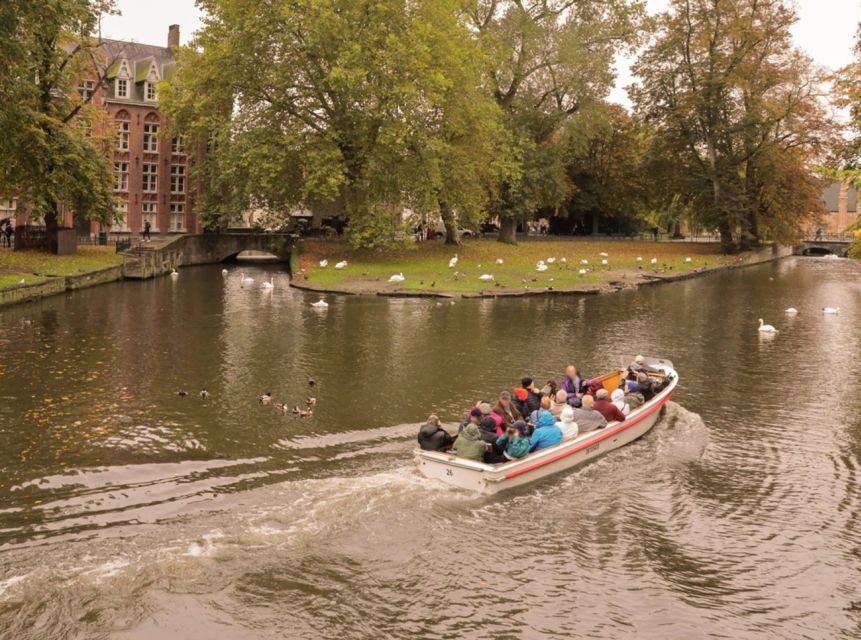
If you only care about one landmark, make it this one: the Basilica of the Holy Blood—also associated with the Cathedral of Saint-Saëns. This is described as an almost intact Romanesque chapel, and that’s the point. Romanesque spaces tend to feel grounded and solid compared to later Gothic drama, and that difference shows in the way light and shape move through the interior.
This stop works because it breaks the day’s rhythm. After you’ve been outdoors absorbing canals and façades, you get a more still, contained experience. The guide’s narration plus the audio support helps you connect the dots, especially when you’re looking at details you might otherwise overlook.
It’s also a good mental reset. Bruges can turn into constant photo-taking if you let it. A stop like this pulls you toward looking slower.
Art and orientation at the Groninger Museum
After the historic center walk, you’ll have time that can include a visit to the Groninger Museum, home to master Flemish painters such as Van Eyck and Hieronymus Bosch. This is a smart addition for two reasons.
First, it gives your feet a rest. Even a short museum visit feels like a pause valve. Second, it adds depth. Bruges is often sold as canals and fairy-tale streets, but the wider Flemish artistic tradition is part of why the city mattered. Seeing famous names connected to this region can turn your city walk into something more meaningful.
You don’t need to be an art buff to enjoy a museum stop like this. If you like looking at technique, symbolic imagery, and the way artists shaped Northern European painting, you’ll likely have a good time. And even if art isn’t your thing, this break helps you avoid museum fatigue later in the day.



Lunch, lace, and Belgian beer: using your free time well
A big part of the experience is your free time for lunch. That’s good because it lets you steer toward what you feel like that day, instead of being locked into a single fixed meal plan.
The tour’s suggestion is to look for Belgian specialties like traditional Müller frites (mussels and chips) and a selection of Belgian beers. That combo is classic here: hearty, not overly precious, and perfect for a midday meal when you’ve been walking.
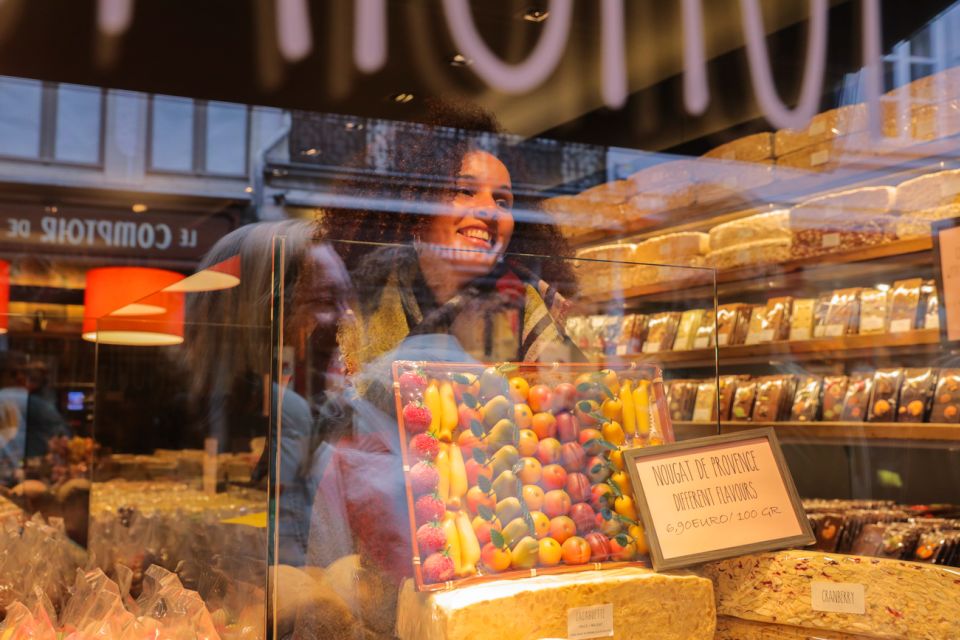
Your free time is also when you can shop. The experience points you toward boutiques where you can buy handmade lace and Belgian chocolates. This is one of those practical “bring something home” moments. Bruges is famous for these crafts, and buying locally-made items supports the small scale of the city rather than just grabbing mass-market souvenirs.
Quick tip: choose a lunch spot that lets you finish with enough time to rejoin the group without rushing. Bruges streets are pretty, but they’re not designed for sprinting.
Traditional village walk and the visitor center: a helpful context boost
The day also includes a traditional village walk and time at a visitor center for sightseeing. You don’t get a long, complicated cultural course here—this is more of a quick primer that helps you understand what you’re seeing as you return to the historic center feel.
This kind of stop is useful for first-timers. It can be hard to interpret a place like Bruges when every street looks old. Short context blocks help you separate what’s just picturesque from what’s historically meaningful.
The visitor center time is also a practical tool: use it to orient yourself, check any last details you want to see, and plan your photos without scrambling.
Summer upgrade: canal cruise along Bruges’ 12th-century canals
If you’re going in summer, consider the guided option that includes a boat cruise along some of Bruges’ most famous canals. These canals are described as dating back as far as the 12th century, and that matters. You’re not just floating through scenery—you’re traveling through part of the city’s long timeline.
From the water, architecture hits differently. You see façades from a perspective the walking tour can’t fully replicate. Renaissance and Gothic buildings get framed by the canal lines, and the whole place looks both older and more geometrically planned.
This is also where the trip feels most like a “day worth doing.” The walking is great, but the cruise is the moment that turns the day into a full experience. It’s also a great change of pace: you sit, you look, and the city comes to you.
Value and price: is $247 a good deal for this format?
At $247 per person, this is a premium day trip. The key question isn’t just the price tag—it’s what’s included and how much effort it saves you.
You’re paying for:
- Air-conditioned bus transportation
- Hotel pickup from Paris (75000 only)
- A guided walking tour with a multilingual guide (if you choose that option)
- An audio guide in English and Spanish
- The organized flow that covers major Bruges sights in one day
What’s not included is equally important:
- Food and drinks
- Hotel drop-off (you’ll be finished back in central Paris)
So is it good value? For most first-timers, yes—especially if you hate the logistics of coordinating your own transport and timing. This trip bundles a lot of “day-trip friction” into one paid package.
If you already know how you’ll get there, can handle the timing on your own, and prefer independent exploring, you might feel the cost is high. But if your main goal is to see the core highlights with a guide and to keep the day smooth, the format justifies the price.
Who should book, and who should skip it
This is a good fit if:
- You’re short on time in Paris and want a structured, high-impact Bruges day
- You want a guided overview of medieval and Renaissance highlights
- You’d appreciate having interpretation via live guide (English/Spanish) and an audio guide
- You’re traveling from Paris 75000 and want pickup without planning a transfer
This may not be the best choice if:
- You need hotel drop-off to your exact door (that’s not included)
- You have mobility impairments (it’s not suitable)
- You hate walking. Even with a plan, you’ll still spend real time on your feet in an old center
And one more practical reality check: the quality of a group day can depend on group energy and guide style. The experience is set up for multilingual support and a live guide when selected, but group tours can vary in how smoothly they manage the pace.
Should you book the Paris to Bruges guided day trip?
If you want a one-day introduction to Bruges that’s organized, transportation-forward, and rich in the city’s signature stops, I’d say this tour is worth serious consideration. The hotel pickup from Paris 75000 plus the guided core sights means you start the city already oriented.
I’d especially book if you’re going in summer and can add the canal cruise. That canal segment is the kind of Bruges view that feels different from any walking-only plan.
Skip it only if your main priority is total independence, you need accessible accommodations, or you expect return drop-off at your exact hotel. For everyone else, it’s a practical way to make one day count in the Venice of the North.
FAQ
Where is hotel pickup available?
Hotel pickup is only available in Paris zip code 75000. You’ll need to confirm the address where you want to be picked up.
Is hotel drop-off included?
No. The tour includes hotel pickup in Paris, but hotel drop-off is not included. You’ll be dropped off in central Paris.
How long is the total trip?
The experience lasts 1 day. You should also plan for about 4 hours by bus/coach to get there (and another similar ride back).
What does the guided part in Bruges include?
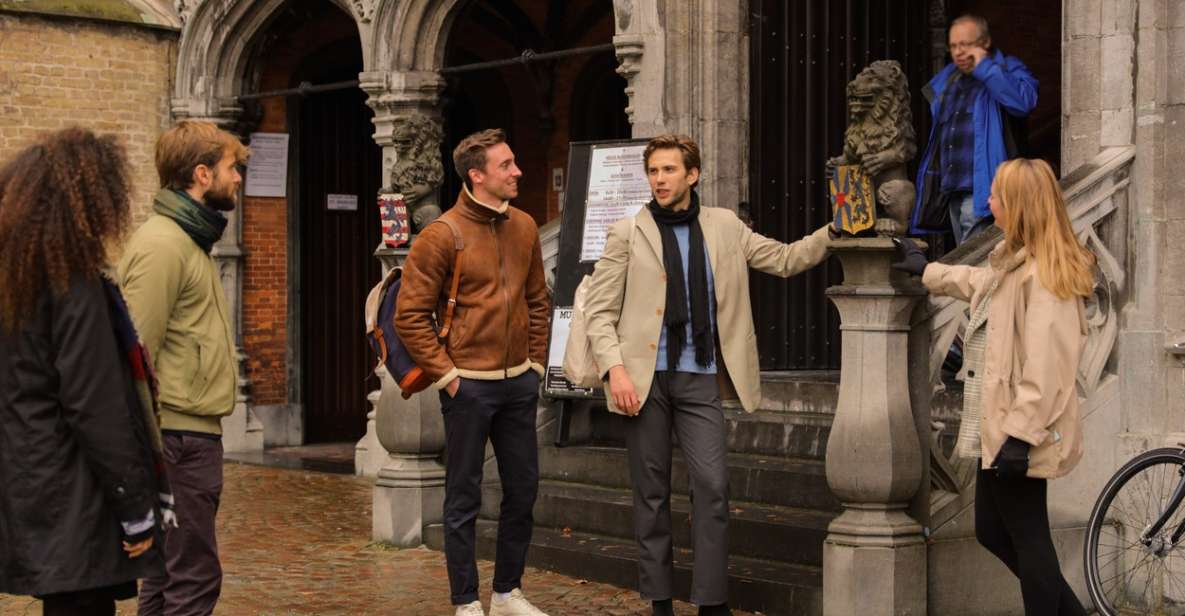
You’ll do a guided walking tour of the historic center, with stops that include the Gothic Town Hall, Place du Boulevard, and the Basilica of the Holy Blood (Cathedral of Saint-Saëns), plus additional sightseeing.
Is there museum time?
Yes, you may visit the Groninger Museum, which is associated with Flemish painters including Van Eyck and Hieronymus Bosch.
Is the canal cruise included year-round?
The canal cruise is available in summer as a guided option. It’s tied to the summer season choice.
What languages are available?
The live guide (if selected) and the audio guide are available in English and Spanish.
Is lunch or drinks included?
No. Food and drinks are not included, but you’ll have free time for lunch at local restaurants.
Can I cancel?
Yes. There is free cancellation up to 24 hours in advance for a full refund.