
REVIEW · PARIS
From Paris: Guided Day Trip to Monet’s Garden in Giverny
Book on GetYourGuide →Operated by Blue Fox Travel · Bookable on GetYourGuide
Monet’s garden hits different in real life. This guided day trip from Paris brings you to Claude Monet’s Giverny home and grounds, with Flower Garden paths lined by 100+ blooms and a Japanese Garden water-lily lake that fed Monet’s art for decades. You’ll also get a story-led walk that makes the place feel less like a checklist and more like a living inspiration.
The only real downside is time. It’s a tight 5-hour format, so you have to go with the flow—expect a popular-house pace and plan to savor the gardens in the moments you’re given.
In This Review
- Key things I’d pin on your map
- Why this 5-hour Giverny trip works so well
- Price and value: what you get for $153
- Meeting point and the Paris-to-Giverny rhythm
- Monet’s House: why the order matters
- Monet’s Flower Garden: where design feels personal
- The Japanese Garden and the water-lily lake
- Fondation Monet: context without getting stuck in a museum box
- Claude Monet’s tomb: a quiet, human ending
- Guide style and group size: why some days feel better
- What to watch out for (so you’re not surprised)
- When to go: October versus peak summer
- Is this tour worth it for your travel style?
- Should you book the Blue Fox Travel Monet’s Giverny day trip?
- FAQ
- How long is the day trip?
- Where do I meet in Paris?
- Is hotel pickup included?
- What’s included with my ticket?
- What stops are included in Giverny?
- Do you get to see the water lilies?
- Is the tour guide English?
- Does the tour run in bad weather?
- Is cancellation allowed?
Key things I’d pin on your map
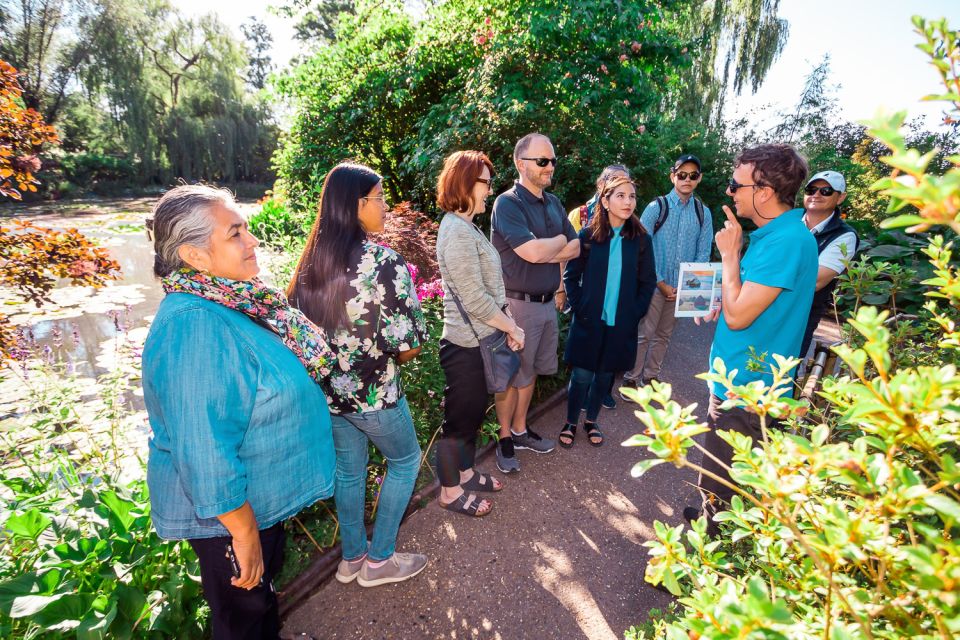
- Small-group garden entry helps you spend more time looking, less time stuck.
- A guided order that helps with crowds can make photos and wandering feel easier.
- Monet’s house + worked-in gardens show how art grew from everyday routines.
- Japanese Garden focus centers on the water-lily pond that sparked 250+ paintings.
- A quiet ending at Monet’s tomb gives the trip a human, grounded finish.
Why this 5-hour Giverny trip works so well
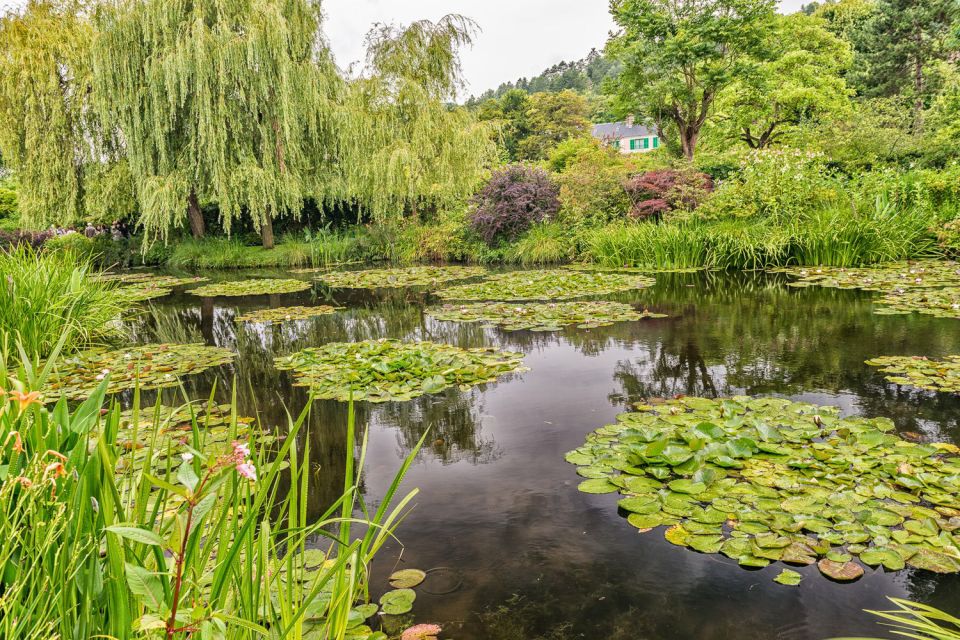
Giverny is one of those places where the famous scenes are also the real scenes: you’re not just viewing a painting, you’re standing inside the conditions that made it possible. Monet didn’t decorate a random villa—he built his creative world into the valley landscape and kept reshaping it as life changed. That is the special angle of this trip: you get the house, then the gardens, then the personal finish at his grave.
I like that the day is designed for momentum. You start in Paris, ride out in a minibus, and then you’re in the grounds long enough to actually slow down. The experience isn’t only about seeing Monet’s water lilies; it’s about understanding why they mattered—artist routine, garden design, and the way light changes what you think you’re seeing.
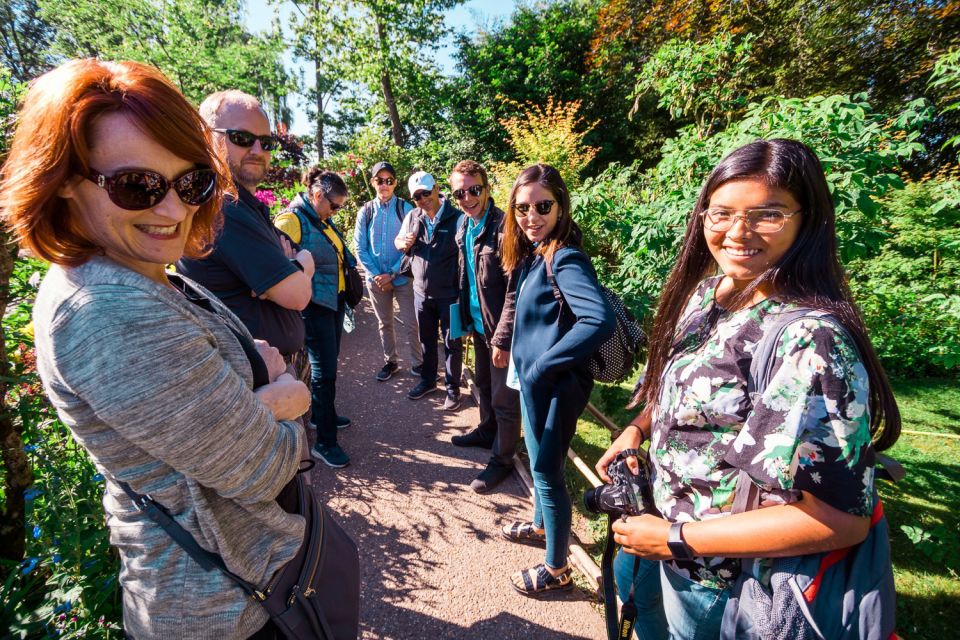
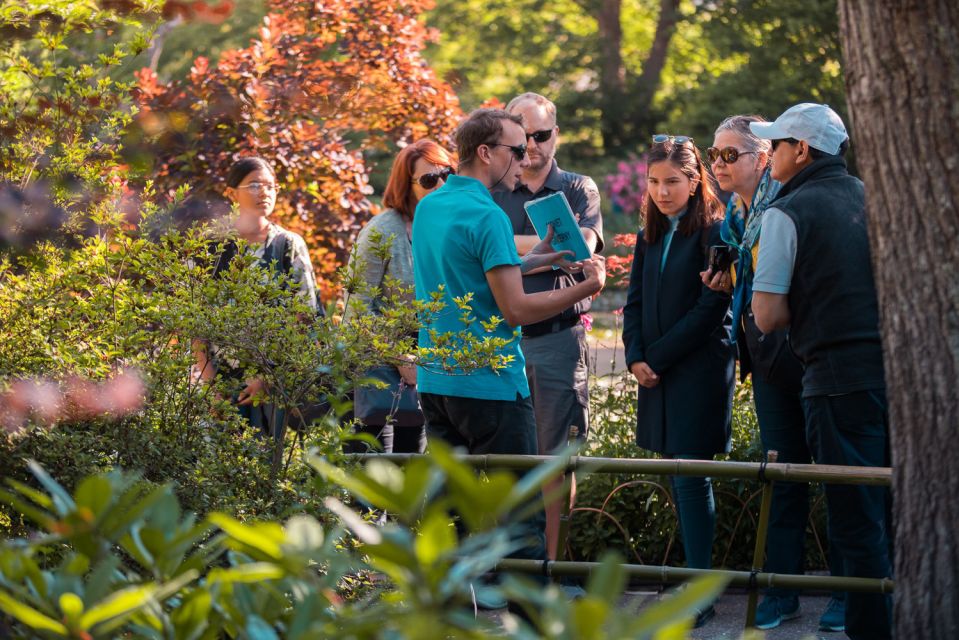
With a live English guide and a small-group approach, the visit usually feels more like a guided art walk than a rushed sightseeing bus tour. You’ll get context as you go, and you’ll also get enough freedom to look at the details you personally care about: flowers, reflections, pathways, and the quiet corners that inspired so many canvases.
You can also read our reviews of more guided tours in Paris



Price and value: what you get for $153
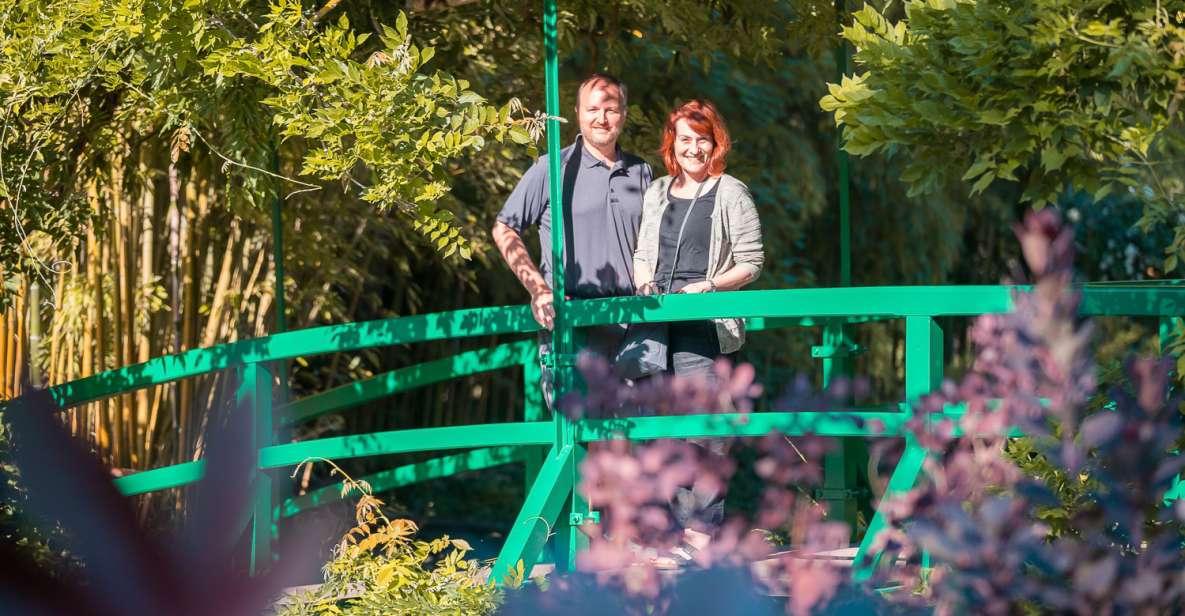
At $153 per person for about 5 hours, you’re paying for three things that add real value in France: transportation, guided time, and site entries. This isn’t just a transfer. Your ticket covers entry to the gardens (via a small-group entrance) and entry to Monet’s House (included, with no need to handle tickets yourself). On top of that, you’re in a minibus instead of managing a train schedule and transfers in and out of the countryside.
If you tried to DIY it, you’d likely spend time solving logistics—route planning, getting tickets, and fitting the house and gardens into a pace that avoids the worst crowd moments. Here, the structure does that work for you. Even the smaller timing choices—like which spot to hit when—can change how your photos turn out and how tired you feel.
One caution on value: this is not a full-day Giverny wander. It’s timed. If you love museums where you can linger for hours, you’ll have to accept a brisker cadence here. But if you want the best hits with a guide and smooth transportation, the pricing makes sense.
Meeting point and the Paris-to-Giverny rhythm
This tour departs from Paris at 6 Av. de Wagram, and you meet outside La Flamme café (look for the black front). There’s no hotel pickup, so you’ll want to plan to reach the meeting point on your own.
Once you’re in the van, you’re looking at roughly 1 hour each way. That matters because it shapes the whole day: you’ll feel the time balance between travel and on-site walking. The upside is that you don’t lose your whole afternoon to logistics—you’re in Giverny soon enough to still enjoy the gardens fully.
The guide also plays a big role during the ride. While the exact content varies by guide, you can count on English interpretation and practical context so the place starts to make sense before you even arrive. A few guides mentioned in past experiences—like Laurent and Lucy—were praised for being engaging and for helping the day feel organized rather than chaotic.
Monet’s House: why the order matters
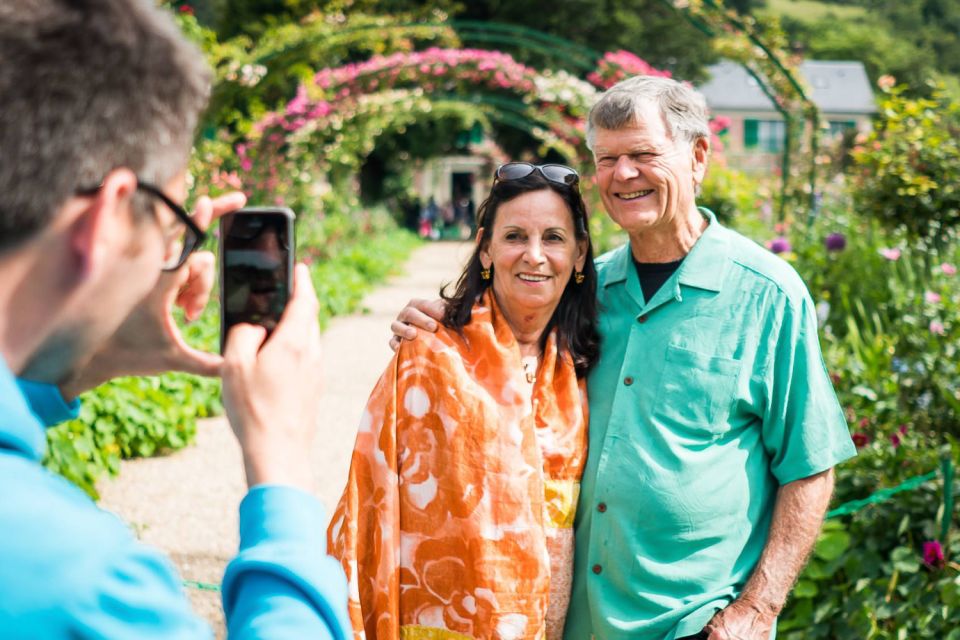
You’ll go inside Monet’s House, and it’s included as part of the visit. This is the part people often underestimate. The house is a slow-moving experience because it’s popular and because you’re moving through rooms at a set pace. That’s why timing and order show up again and again in how the trip feels.
Some guides are known for getting the group into the house first because it tends to get crowded as the morning progresses. Others may shift the best order based on crowd levels at the moment—one reason this tour gets consistently high marks is that the guide doesn’t treat the day like a rigid script.
What you’re looking for inside isn’t just furniture. You’re looking for how lived-in space connects to art-making: where Monet and his family spent time, how the rooms reflect a long working life, and how the house sets up the garden experience outside. If you come into the house expecting to see the garden instantly, you may miss the point. Let the rooms orient you first, then step back into the flower and water worlds with a clearer lens.
Monet’s Flower Garden: where design feels personal
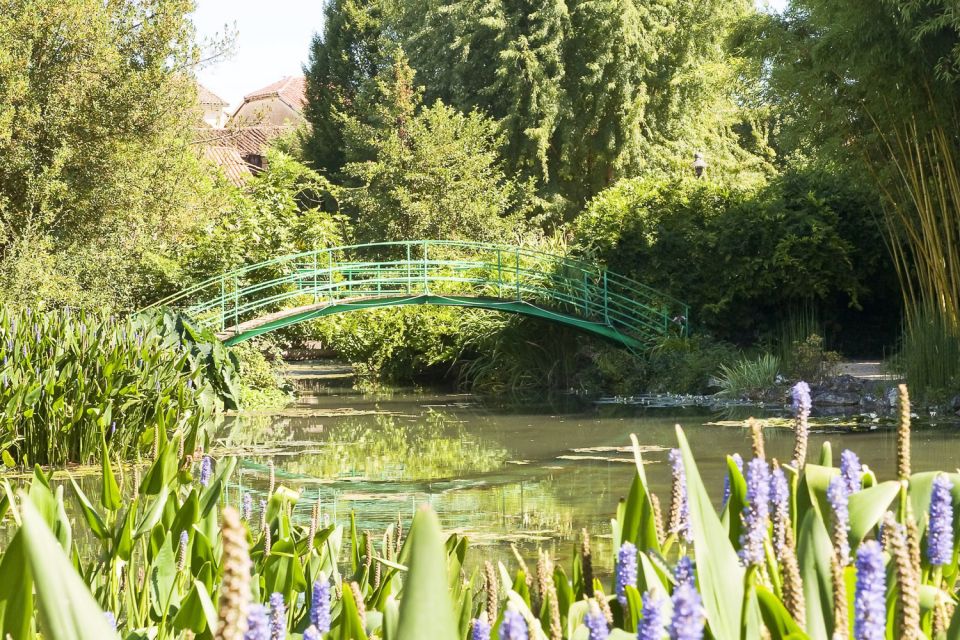
Next you’ll walk the Flower Garden, and this is where the place starts to feel less like scenery and more like a living artwork. The garden includes more than 100 types of flowers, plus intertwined foliage that’s part of Monet’s signature approach.
I love how this portion of the visit rewards attention. The garden is busy, but it’s not random. You’ll notice repetition and rhythm in how plants frame paths and viewpoints. And because Monet kept modifying the gardens through his life, the design feels like a process rather than a one-time creation. That detail helps you understand why Monet’s paintings weren’t snapshots. They were studies over time—changing with seasons, angles, and light.
One practical tip: give your eyes a minute to reset. The gardens look spectacular at first glance, but the best moments often come when you slow down enough to notice how the flowers sit next to each other. A guide can help you name what you’re seeing, but your best souvenir is the mental image you build from the walk.
You can also read our reviews of more tours and experiences in Paris






The Japanese Garden and the water-lily lake
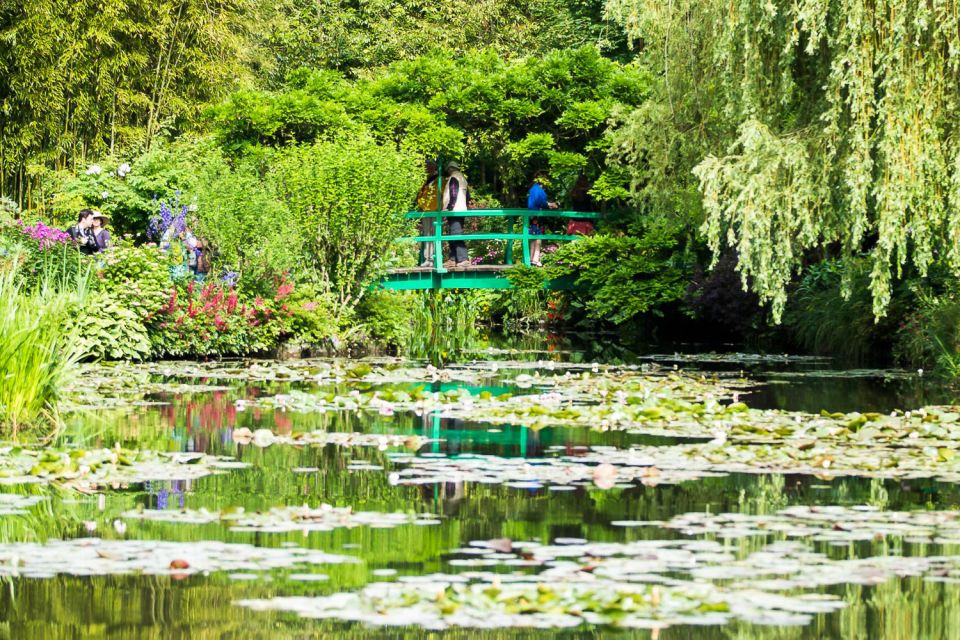
Then comes the scene that most people come for: the water lilies in the Japanese Garden. You’ll see the lake and you’ll get a clearer appreciation of why this garden inspired over 250 paintings.
This section is special because it changes the way you look. In the Flower Garden, you’re mainly reading color and form. In the Japanese Garden, you start reading reflection—surface, light, and the way lily pads break up the water. It’s not just pretty. It’s visual logic. Monet painted what happened when nature met constant observation.
This is also where crowds can make or break the experience. The best tours aim to get you into the gardens early enough that you can see the pond without fighting a wall of people. Several guides were praised for driving the group to the garden before peak crowds, which can help you get quieter moments and better photo angles.
If you want the pond experience without stress, arrive in the way your guide suggests and let them set the rhythm. You’ll feel it in how quickly you settle into looking instead of waiting.
Fondation Monet: context without getting stuck in a museum box
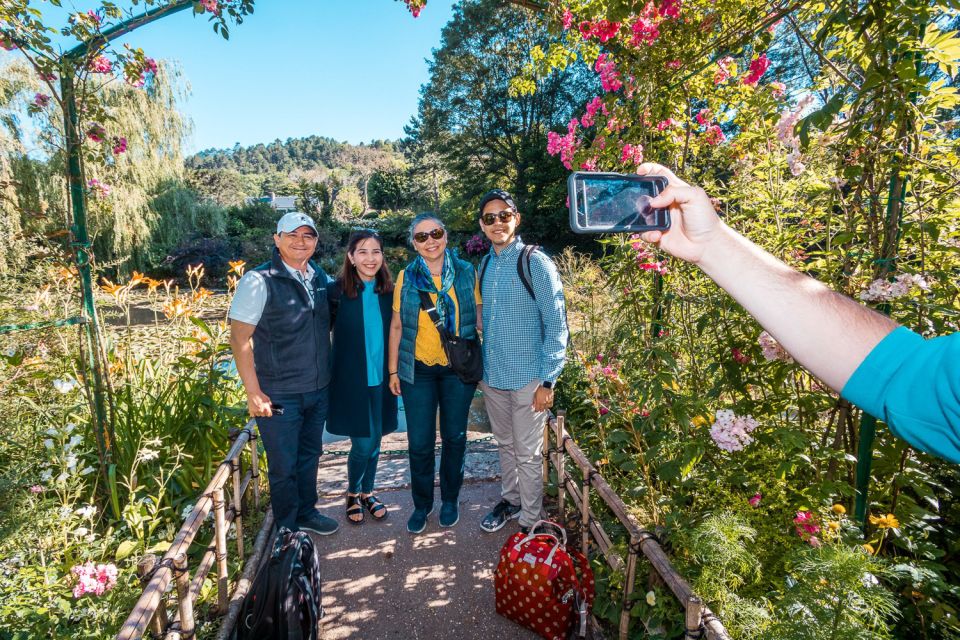
You’ll spend about 20 minutes at Fondation Monet. Since the tour time is short, you should treat this stop as context rather than a deep museum session. It’s a breather point that helps stitch together the day—artist life, legacy, and the larger framework around the work.
What makes this kind of stop valuable is that it keeps the story going. By the time you reach Fondation Monet, you’ve already seen the house and some of the gardens that motivated the paintings. A brief visit here can help you interpret what you’re seeing later when you look back at the whole day as one connected idea.
If you’re the type who likes to read labels and absorb cultural context, you’ll likely enjoy this add-on. If you prefer pure outdoors time, think of it as a short reset before the final personal stop.
Claude Monet’s tomb: a quiet, human ending
The tour finishes with a visit to Claude Monet’s tomb for about 15 minutes. This is a small stop, but it lands with weight. You’ve spent the day with art and gardens, then you end at the modest grave where Monet is buried.
I like having this moment late in the experience because it changes your mindset. You stop thinking only about the spectacle of the gardens and start thinking about the person behind it—how long he worked, why he stayed, and why a garden can become a life project.
Guides often set the tone here, keeping the pace respectful and calm. If you’ve been rushing earlier, this is a great chance to slow down. Even on a busy day, the grave visit tends to feel grounding because it’s not about crowd navigation—it’s about reflection.
Guide style and group size: why some days feel better
One reason this tour earns a high rating is how smoothly it tends to run. The minibus rides are praised for being comfortable and for guides who handle timing well, including good driving. Names that show up in positive experiences include guides such as Laurent, Lucy, Etienne, Tim, Frankie, Izy, Marius, and Marceau—each described as professional, friendly, and able to keep the day moving.
Group size shows up too. Some past experiences mention groups of about six to eight people, with one note that a minivan is comfortable for six and that eight can feel tight. That’s the trade-off with small-group tours: you get easier logistics and a calmer vibe, but you should be ready for close quarters on the ride.
What you’ll feel most is pacing. The guide’s job is to keep you ahead of large groups where possible and to know when it makes sense to go somewhere first. If you’ve ever done popular sites where everyone crushes at once, you’ll appreciate how much smoother this feels when the route is managed.
What to watch out for (so you’re not surprised)
The biggest practical caution is the 5-hour duration. You’ll have enough time to see the house and both gardens, plus Fondation Monet and the tomb. But you won’t have unlimited time for indepth wandering. If you want to sit for a long while at the pond or re-enter the house for a second circuit, you may find the schedule doesn’t allow it.
A second consideration is that the house can get crowded and moves slowly. The good news is that your guide works the timing. Still, you should mentally prepare for a popular site experience.
Also remember there’s no hotel pickup, so you’ll be walking out to the meeting point at La Flamme café and the fixed departure location. If you’re staying far from central Paris, plan extra buffer.
Finally, tours run rain or shine. That’s a plus for reliability, but it means your experience may feel different in wet weather—gardens may be less crowded, but surfaces and paths can change how you walk.
When to go: October versus peak summer
Timing changes the vibe in Giverny. One of the most encouraging patterns from past experiences is that October can feel like a sweet spot: fewer summer crowds and still plenty of color from fall flowers and trees turning. People also noted that the gardens can be less hectic and that it becomes easier to wander around the pond pathways.
Peak season usually means more people, and the house especially can feel slower because it’s a narrow, line-based experience. If you’re planning your trip for photography or for a quieter walk, consider choosing a season where crowds are lower. The tour structure helps either way, but it can’t erase peak demand.
If you book early and the day you choose is sunny, you’ll likely appreciate the pond reflections even more. If it rains, you still get the full experience; you just may move more carefully on pathways and spend more time in the house and sheltered areas.
Is this tour worth it for your travel style?
This tour is a good fit if you want:
- A guided art-and-garden story that explains why Monet painted what he painted
- Efficient transportation from Paris without dealing with transfers and tickets
- The main sights in about 5 hours, not a full-day commitment
- A small-group feel where the guide can help you avoid the worst crowd moments
It may not be your best match if:
- You want to spend hours in the house with no line pressure
- You enjoy unstructured wandering with no fixed timing
- You’re staying so far from the meeting point that getting to La Flamme café is a hassle
For couples, solo travelers, and anyone who wants a smooth first taste of Impressionist geography, this is a solid, practical choice.
Should you book the Blue Fox Travel Monet’s Giverny day trip?
I’d book it if you’re prioritizing Monet’s core spaces—house, Flower Garden, Japanese water-lily pond, and the tomb—and you want the day handled for you from Paris. The price lines up with what you’re getting: transport plus entries plus a live guide plus a small-group approach that can meaningfully improve how the day feels.
I’d hesitate only if your goal is slow, private exploration with lots of extra time in each room. This tour is built for good pacing, not for long lingering. If you want a smart half-day with real context and a calmer route, you’ll likely love it.
FAQ
How long is the day trip?
The duration is about 5 hours.
Where do I meet in Paris?
Meet outside La Flamme café with a black front. The starting location is listed as 6 Av. de Wagram.
Is hotel pickup included?
No. Hotel pickup and drop-off are not included.
What’s included with my ticket?
You get entry to the gardens (small group entrance) and entry to Monet’s House, plus transportation by minibus.
What stops are included in Giverny?
You’ll visit Monet’s house and the gardens, plus Fondation Monet and Claude Monet’s tomb.
Do you get to see the water lilies?
Yes. The itinerary includes Monet’s Japanese Garden, including the lake with water lilies.
Is the tour guide English?
Yes. The live tour guide is English.
Does the tour run in bad weather?
The tour runs rain or shine.
Is cancellation allowed?
Yes. Free cancellation is offered up to 24 hours in advance for a full refund.