REVIEW · PARIS
Paris: 2-Hour Wine Making Workshop
Book on GetYourGuide →Operated by Les Caves du Louvre · Bookable on GetYourGuide
Wine-making in Paris starts in the cellar.
This 2-hour workshop at Les Caves du Louvre is a fun mix of education and doing, not watching. Two things I really like about it: you taste and select grape varieties first, and you then make a custom blend with step-by-step guidance in an 18th-century wine space linked to the French royals. One possible drawback: it is priced as an experience, so it may feel steep if you only want a casual drink rather than time in a guided process.
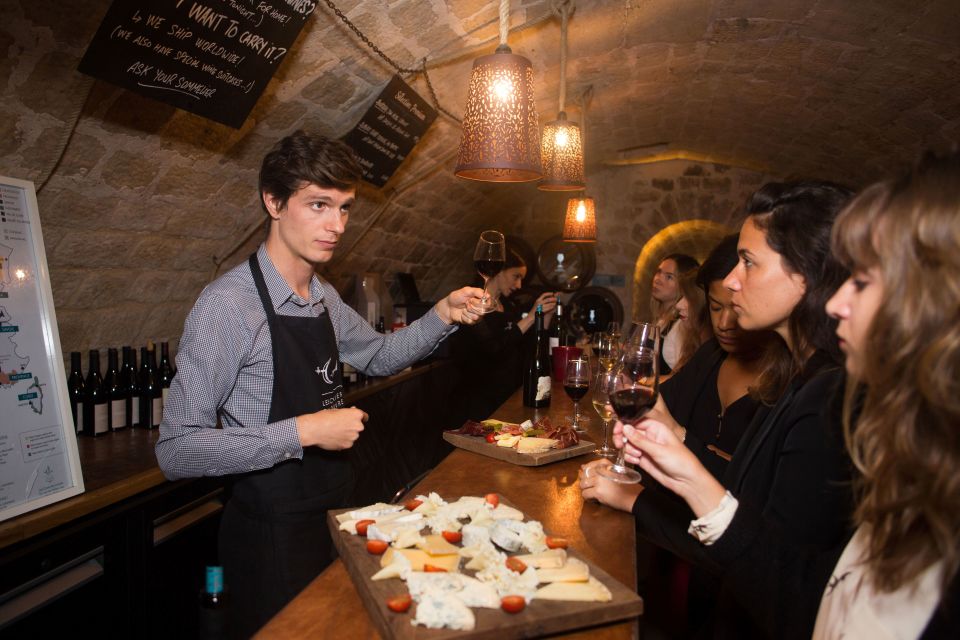
You’ll meet at 52, Rue de l’Arbre Sec, 75001 Paris, then settle into a small group setting (limited to 10) where the cellars are reserved just for your class. The vibe is friendly and intimate, with an English-speaking, bilingual wine professional guiding you through tasting, blending, bottling, and a bit of label creativity so you leave with something you truly made.
In This Review
- Key highlights that matter
- Entering the 18th-century cellar off Rue de l’Arbre Sec
- The 2-hour flow: tasting grapes, building your blend
- Step one: taste and choose grape varieties
- Step two: compose your personal blend
- Step three: bottle your wine to take home
- Seeing the former cellars of the King of France
- Making your own bottle label (and why it’s more than a craft)
- How to get the most out of the tasting and blending
- Price and value: is $111 worth it?
- Who this workshop suits best (and who might skip it)
- Quick practical notes: meeting point and what to plan for
- Should you book this wine-making workshop?
- FAQ
- How long is the wine making workshop?
- Where does the workshop meet in Paris?
- How much does it cost per person?
- Is the workshop in English?
- Is it a private or small group experience?
- What’s included in the price?
- Can I take my wine home?
- What items are not allowed during the workshop?
- What is the cancellation and booking requirement?
Key highlights that matter
- Historical royal-cellar setting in an 18th-century wine cellar in central Paris
- Tasting grape varieties and building a blend around what you actually like
- Private cellar use for your workshop group, not a crowded public tasting room
- Your own bottle to take home, plus a self-designed label
- Small group (10 max) for a more personal, questions-answered feel
Entering the 18th-century cellar off Rue de l’Arbre Sec
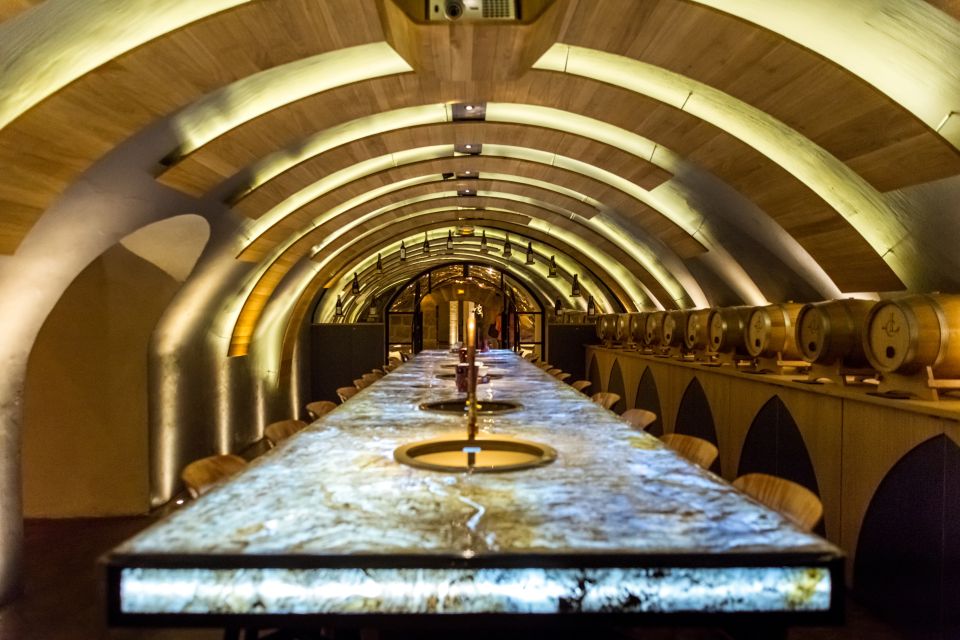
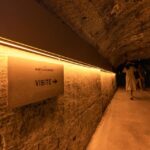
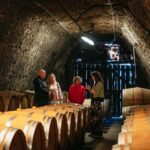
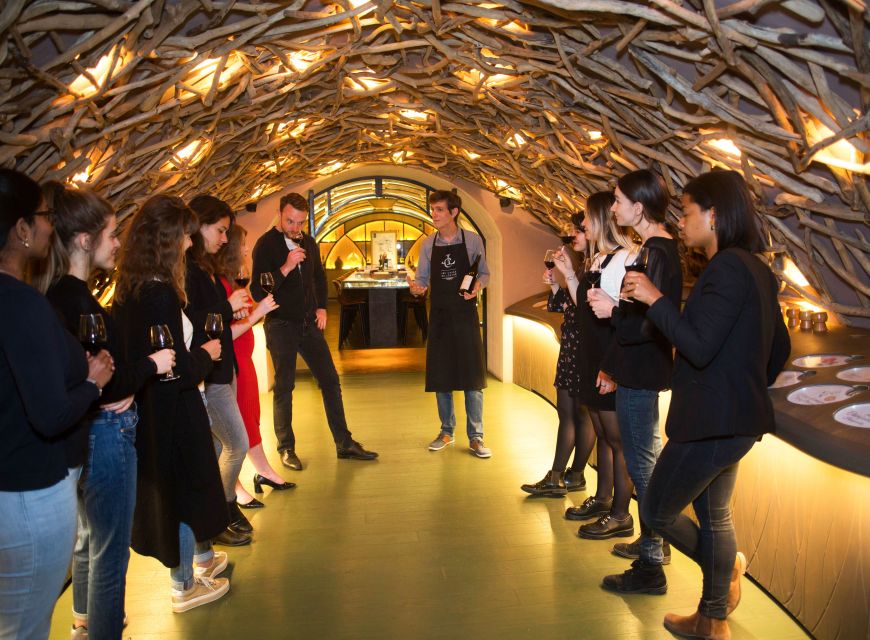
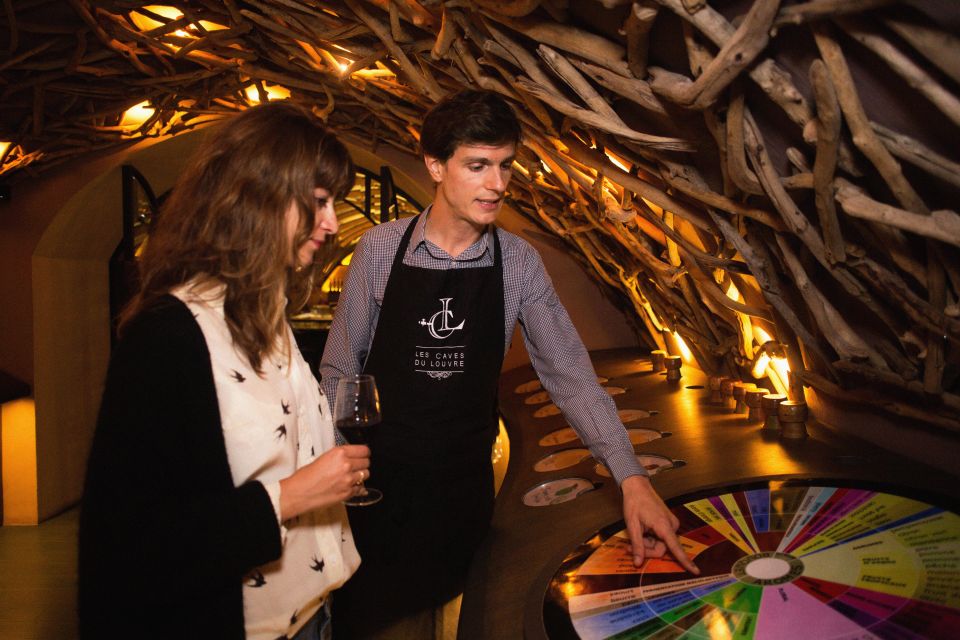
Right away, this experience trades the usual Paris “look but don’t touch” approach for something hands-on. The workshop takes place at Les Caves du Louvre, in central Paris, and it’s specifically set in a historical 18th-century wine cellar. Even if you’re not a wine-nerd, that setting changes the tone. You’re not just learning wine as a concept; you’re making it in the kind of place where wine was literally stored and mattered.
A detail that’s more important than it sounds: your group has exclusive use of the wine cellars during the lesson. That means fewer interruptions and less waiting for space while other people mill around. It also keeps the experience feeling like a class, not a stop on a conveyor belt.
One practical note: the experience is in a cellar environment. You’ll want to dress for an indoor, possibly cooler setting, especially since the lesson is only 2 hours. Also remember the basic rules: no smoking, and the tour does not allow pets or oversize luggage. If you’re traveling light, you’ll feel more relaxed right from the meeting point.
You can also read our reviews of more wine tours in Paris
The 2-hour flow: tasting grapes, building your blend
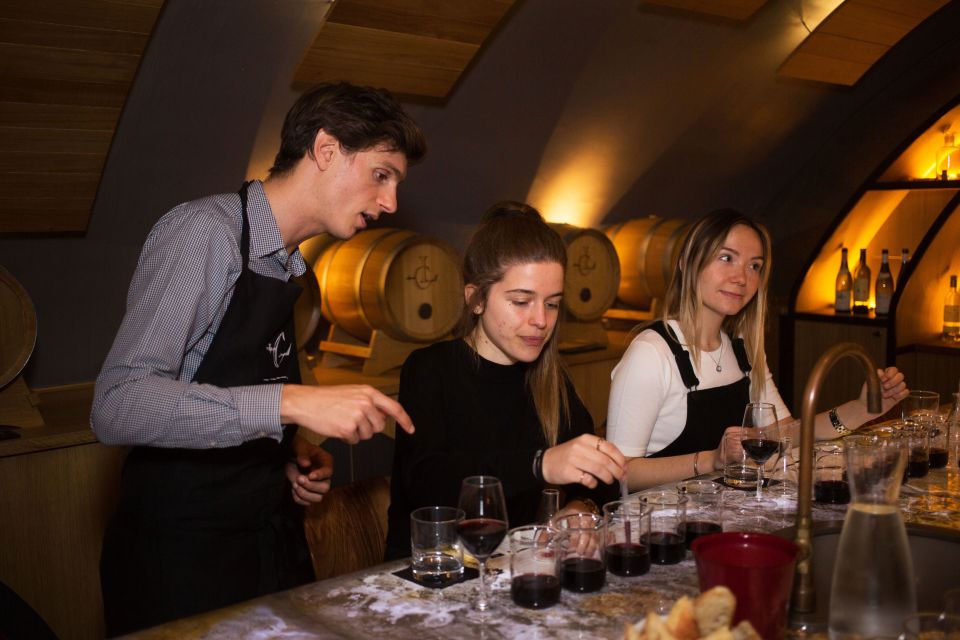
The core of the workshop is a guided winemaking process designed to be approachable. You get the sense that the instructor wants you to understand what choices you’re making, not just follow steps blindly. The pacing matters here: in two hours, you move from tasting to blending to bottling, so you won’t be stuck in theory for long.
Step one: taste and choose grape varieties
Before you start blending, you’ll do a wine tasting of several varietals. This is one of the best parts, because it gives you a real starting point. The tasting helps you decide what flavors you prefer, and it sets you up for a blend that actually fits your taste rather than the instructor’s default.
If you tend to drink one style—say you mostly prefer white wines—this structure is still useful. You can pick grapes based on what you like, not based on what you’re “supposed” to like. One review highlighted that even a white-wine drinker found a blend that worked, which makes sense given the way the tasting leads the choices.
Step two: compose your personal blend
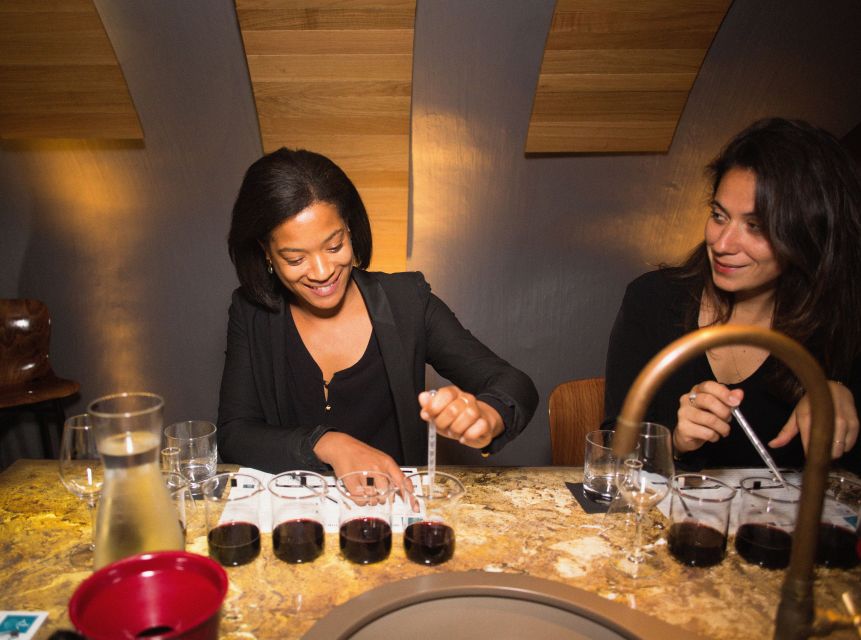
After tasting, the workshop moves into making a wine blend. This is where the class becomes hands-on. You’ll work with the bilingual wine professional to combine varietals into a blend that’s unique to your preferences.
This part is valuable even if you’re not aiming to become a winemaker. It trains your palate to think in components: sweetness vs. dryness, aroma vs. structure, and how different grapes shift the overall profile. You’re basically learning how “blending” is a tool, not a magic trick.
Step three: bottle your wine to take home
Near the end, you’ll create a bottle of wine that comes from your blend and is made as part of the workshop. Since you’re leaving with your own bottle, the session has a built-in payoff. You can remember the tasting decisions later when you open the bottle at home.
You can also read our reviews of more tours and experiences in Paris


Seeing the former cellars of the King of France
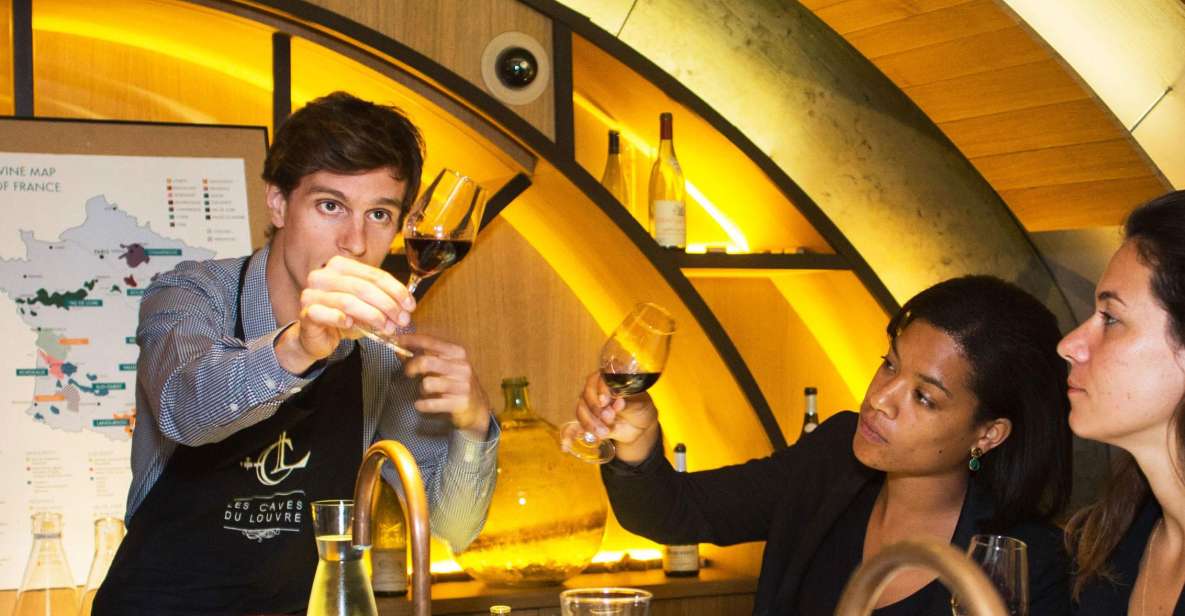
The workshop includes a tour through the former cellars of the King of France. That’s not just a decorative label. It gives context for why cellars, storage, and temperature control mattered historically—and why wine culture developed around careful handling.
Even if you don’t care about royal trivia, this detail helps you understand the setting more clearly. You’re standing in a space built for wine longevity and quality, and the instructor’s step-by-step approach fits that reality. It makes the lesson feel grounded instead of like a generic “class experience.”
Also, because it’s part of your workshop rather than a separate “museum stop,” you don’t lose time shuffling between locations. The cellars are for your group’s use, so you get a smooth flow that keeps the two hours focused.
Making your own bottle label (and why it’s more than a craft)
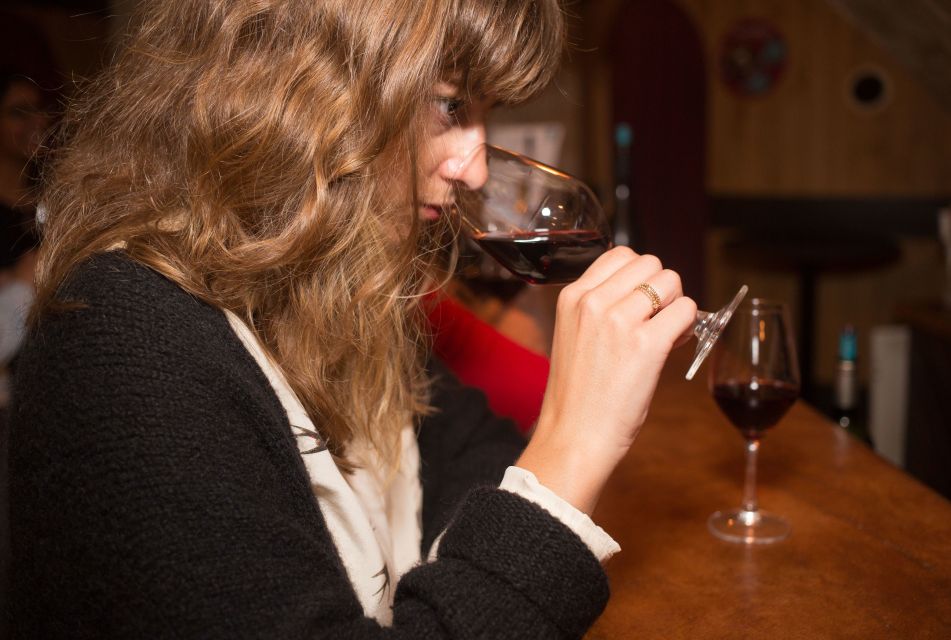
Yes, you’ll get to design your own label. But the label moment matters for a reason: it turns the bottle into a personal souvenir with a story attached.
During the labeling, you’re reinforcing the choices you made earlier—grape selection, blending decisions, and the overall wine style you aimed for. It’s the kind of final touch that makes the experience feel complete. You’re not leaving with a paper certificate and a vague memory. You’re leaving with something you can show, gift, and actually remember.
For practical-minded people: the label is also a way to mark your bottle as yours, which is helpful if you end up taking other items home from Paris food-and-drink experiences. You’ll know exactly what your blend is about.
How to get the most out of the tasting and blending
This workshop gives you the tools, but you can make your experience better with a few simple habits. The tasting portion is your best chance to steer the outcome.
Here are the moves that help most people:
- Take quick notes during tasting. Even a few words like crisp, fruity, dry, floral (whatever you feel) helps when you blend.
- Ask about the grape choices in plain terms. The class format is set up for a guided experience, so questions are part of the day.
- Don’t force your preference to match a stereotype. The best blend is the one you like, and the tasting leads you there.
If you’re used to ordering wine by guesswork in restaurants, this flips the script. Instead of scanning a menu and hoping you chose right, you actively select grapes and blend them based on your palate. That’s the difference between a drink and an experience.
And because the group is limited to 10 participants, you’re more likely to get real attention from the instructor than in bigger tours where questions get swallowed.
Price and value: is $111 worth it?
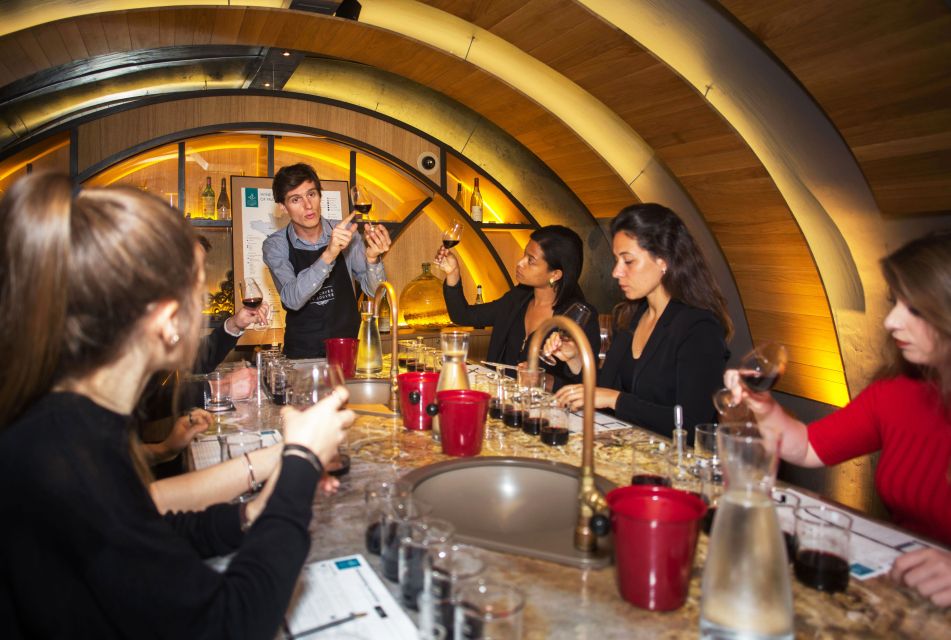
At $111 per person for 2 hours, you’re not just paying for a tasting. You’re paying for a guided, hands-on lesson that includes:
- Wine tasting of several varietals
- All wine making material
- Your own bottle of wine
- Private use of the wine cellars during the workshop
That bundle is the key to the value. A basic wine tasting in Paris can be fun, but it often ends with you consuming someone else’s product. Here, you make your own blend and leave with a bottle you created. That’s a real upgrade in “what you get” per hour.
Also, small-group instruction matters for value. With a maximum of 10 participants, you’re less likely to feel like a number. The workshop is structured so the instructor can guide you while you’re doing the blending and labeling, not just listening.
If your travel style is hands-on, foodie, and you like taking home edible souvenirs that feel meaningful, this price is easier to justify.
Who this workshop suits best (and who might skip it)
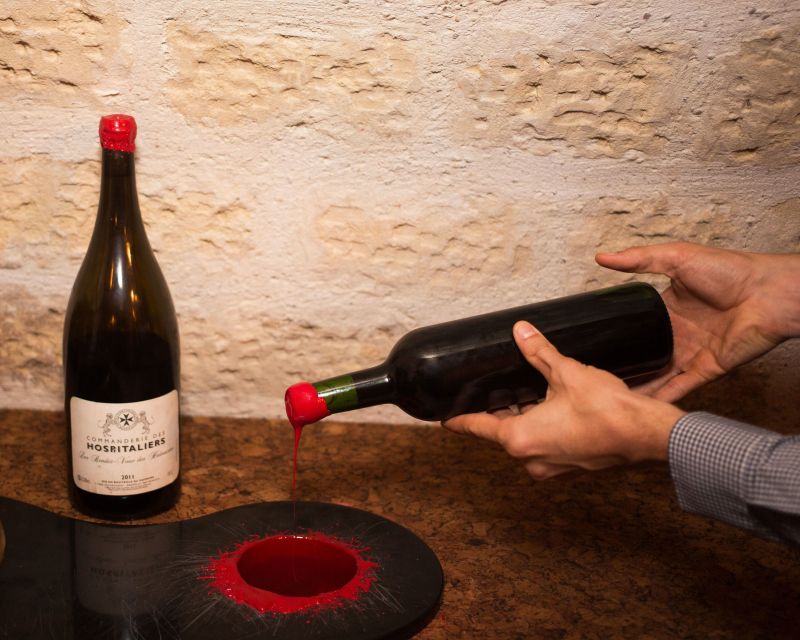
This experience fits best if you want something more interactive than a typical tasting. You get:
- A structured lesson
- A taste-first approach
- A custom blend and a bottle to take home
It’s also a good match for couples and small groups. The format is intimate and friendly, and it gives you a shared activity that’s different from strolling museums or dining your way through the city.
Where it might not fit as well:
- If you hate workshops and just want to drink casually, the blending steps may feel like too much effort.
- If you need a long, slow experience, 2 hours can feel quick, even though it covers the key parts.
If you’re somewhere in the middle—curious but not obsessive—you’re exactly the target.
Quick practical notes: meeting point and what to plan for
You’ll start at 52, Rue de l’Arbre Sec, 75001 Paris. Since the workshop is only 2 hours, arrive with enough buffer so you don’t feel rushed finding the entrance.
For your comfort:
- Bring a jacket or layer. Cellar spaces can feel cool.
- Keep luggage minimal. Oversize luggage is not allowed.
- Don’t plan on bringing pets. Pets are not allowed.
- Smoking is not allowed.
In terms of language, the guide is English with bilingual wine instruction. That’s a big plus if you want to understand what you’re doing while still feeling supported.
Should you book this wine-making workshop?
If you want a Paris experience that’s actually hands-on, you should book it. The combo of tasting grape varieties, building your own blend, and leaving with a personal bottle plus label makes it feel complete. It’s also set in an 18th-century royal cellar, which adds atmosphere without turning the whole thing into a museum lecture.
If you’re on the fence because of the price, think about it this way: you’re paying for materials, instruction, and a bottle you made—more than a typical tasting. And the small group size helps you feel involved.
I’d book it if your travel wish list includes wine education with a real outcome. Skip it if you only want a quick drink and zero hands-on tasks.
FAQ
How long is the wine making workshop?
The workshop lasts 2 hours.
Where does the workshop meet in Paris?
The meeting point is 52, Rue de l’Arbre Sec, 75001 Paris.
How much does it cost per person?
The price is $111 per person.
Is the workshop in English?
Yes. The live tour guide is English, and instruction is provided by a bilingual wine professional.
Is it a private or small group experience?
It’s a small group experience, limited to 10 participants, with private use of the wine cellars for your workshop.
What’s included in the price?
You get an English-speaking wine expert, wine tasting of several varietals, all wine making material, and a bottle of wine you created.
Can I take my wine home?
Yes. You will make a bottle of wine and take it home, complete with your label design.
What items are not allowed during the workshop?
Pets, oversize luggage, and smoking are not allowed.
What is the cancellation and booking requirement?
Free cancellation is available up to 24 hours in advance for a full refund, and the workshop must be booked at least 24 hours in advance.