REVIEW · PARIS
Louvre Museum: Mona Lisa Without the Crowds Last Entry Tour
Book on GetYourGuide →Operated by Walks France-Spain · Bookable on GetYourGuide
The Louvre feels calmer at closing. This last-entry Mona Lisa tour is built for people who want space around the masterpieces, not wall-to-wall bodies. You’ll go in with a guide and an art historian’s eye, then slow down at the exact room everyone fights to reach, right as the museum winds down—so skip-the-line matters more than ever.
Two big wins for me: the max 15 guests keeps the vibe human, and the included headsets help you actually hear the guide without leaning into other people’s backpacks. Plus, guides are praised for turning the Louvre from a blur of rooms into clear stories you can follow step by step.
One drawback to consider: this is a walking tour at a moderate pace, and it’s not suitable for wheelchairs or mobility impairments, and you can’t bring strollers or large bags.
In This Review
- Key things that make this tour worth your time
- Last-entry timing: seeing the Mona Lisa when the pressure drops
- Meet at Arc de Triomphe du Carrousel: the fastest way to start right
- Skip-the-line entry + headsets: how the tour saves your attention
- From foundations to Greek sculpture: the Louvre highlights that actually guide you
- Big paintings, French drama, and the crown jewels room
- Mona Lisa room at close: what “no crowd” really means
- The guide matters: what the reviews strongly point to
- Group size, pacing, and what to wear
- Price and value: is $97 for 3 hours a smart move?
- Who should book this tour, and who might not
- Should you book the Last Entry Louvre: Mona Lisa Without the Crowds tour?
- FAQ
- How long is the Louvre Mona Lisa last entry tour?
- Does this tour include skip-the-line entry?
- What group size should I expect?
- What language is the tour offered in?
- Where do I meet the guide?
- What stops are included besides the Mona Lisa?
- Is the tour suitable for wheelchair users or mobility impairments?
- Are there restrictions on bags and strollers?
Key things that make this tour worth your time
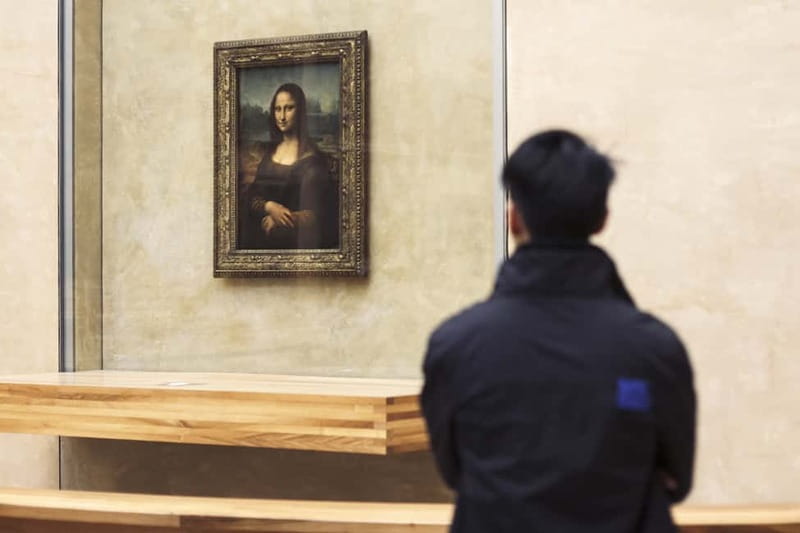
- Last-entry timing for a calmer Mona Lisa room and easier photos
- Skip-the-line entry so you spend time looking, not waiting
- Small group size (up to 15) for questions and better pacing
- A real art historian-style walkthrough of major highlights, not random wandering
- Curated stops across the Louvre essentials, from statues to paintings to crown jewels
Last-entry timing: seeing the Mona Lisa when the pressure drops
The main reason to pick this tour is the clock. Going just before closing changes the feel of the Louvre. You still enter a world-famous museum, but the energy shifts from arrival chaos to that quiet end-of-day exhale. For your visit, that means you have a real chance to look without spending your entire time doing crowd math: where to stand, when to squeeze through, how long before someone blocks your view.
The tour’s goal is simple: get you to the Mona Lisa room with enough time and breathing room to be deliberate. Instead of sprinting in, posing, and moving on, you’ll get a focused window to get close and study the painting’s details on your own terms.
You can also read our reviews of more museum experiences in Paris


Meet at Arc de Triomphe du Carrousel: the fastest way to start right
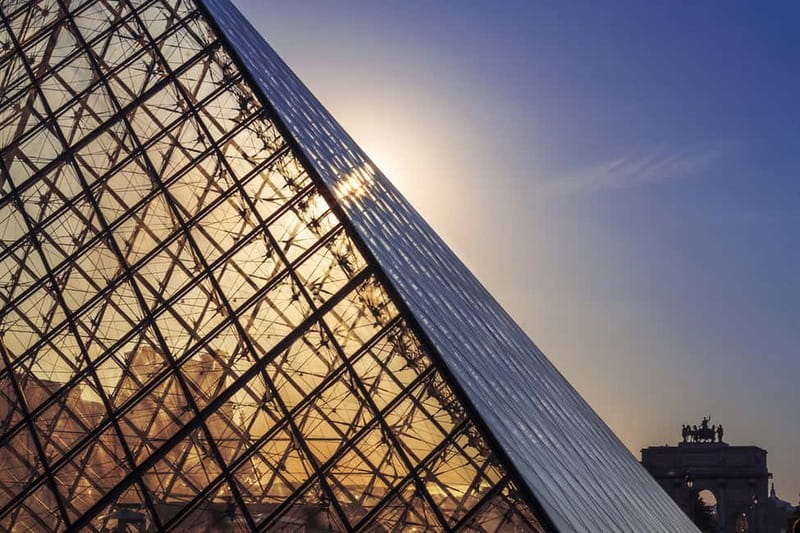
This isn’t a meet-you-at-the-hotel situation. You’ll start at street level at Arc de Triomphe du Carrousel, near the Louvre entrance area by the Tuileries Gardens. The instructions are specific for a reason: there’s another Arc de Triomphe across town, and you don’t want to accidentally show up to the wrong landmark.
Plan to arrive 15 minutes early. Your guide will be holding a green Walks sign. When you’re facing the Arc, meet at the winged statue on the left (the one opposite the pyramid in the Tuileries Gardens area). It’s a small detail, but it prevents that stressed start that can throw off your whole day.
Skip-the-line entry + headsets: how the tour saves your attention
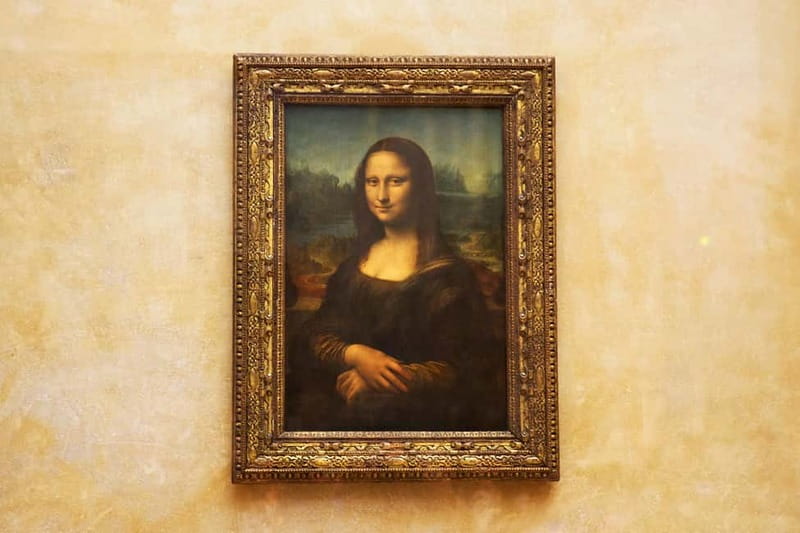
Skip-the-line is the obvious benefit, but here’s the less obvious one: it protects your guide time. In a museum like the Louvre, the schedule is everything. When you avoid the main ticket queues, you get more of the paid portion spent inside—especially helpful for a 3-hour experience.
Once you’re in, the tour uses headsets. That matters because the Louvre isn’t a quiet classroom. Sound gets swallowed by crowds and echoing galleries. With headsets, you can keep your eyes where they should be: on the art, not on where your guide is trying to say something over traffic.
Also, with a group that stays small, you’re not constantly waiting for someone to re-figure directions. Several guides for this format are praised for navigating the museum smoothly, which is basically what you want in a place that can feel endless.
From foundations to Greek sculpture: the Louvre highlights that actually guide you
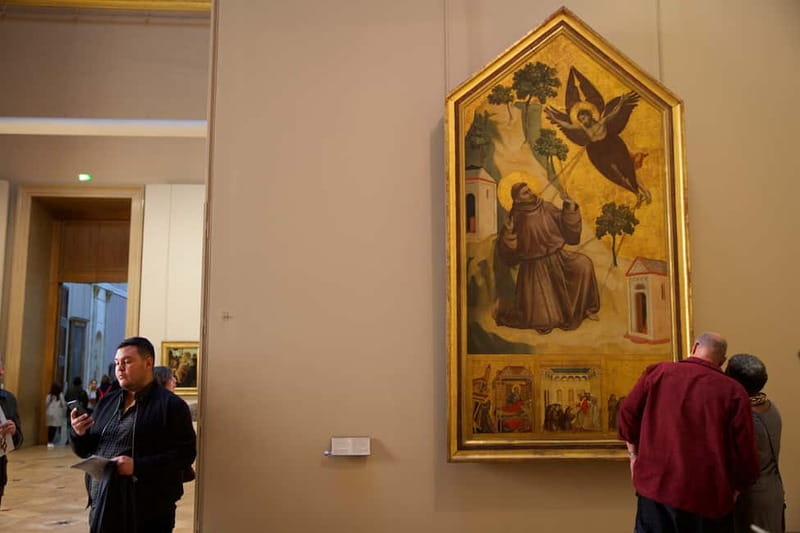
The tour doesn’t start with the Mona Lisa. Smart move. It builds a path so you understand what you’re looking at before you reach the most famous painting in the building.
You’ll begin by exploring the Louvre’s foundations at the moat area. Even if you’re not a history person, this stop helps explain how the building’s layers make sense—because the Louvre is not one era. It’s stacked chapters.
Then you’ll move into the Classical Greek statues, including Venus de Milo and the Winged Victory of Samothrace. This is where the tour becomes practical for first-timers. Those sculptures are visual landmarks. When you see them with context from an art historian guide, they stop being just famous names and start being a way to read the museum.
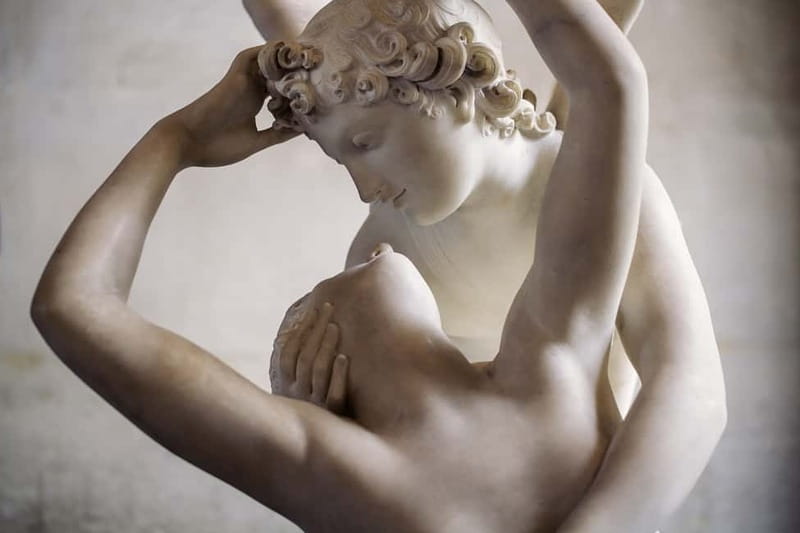
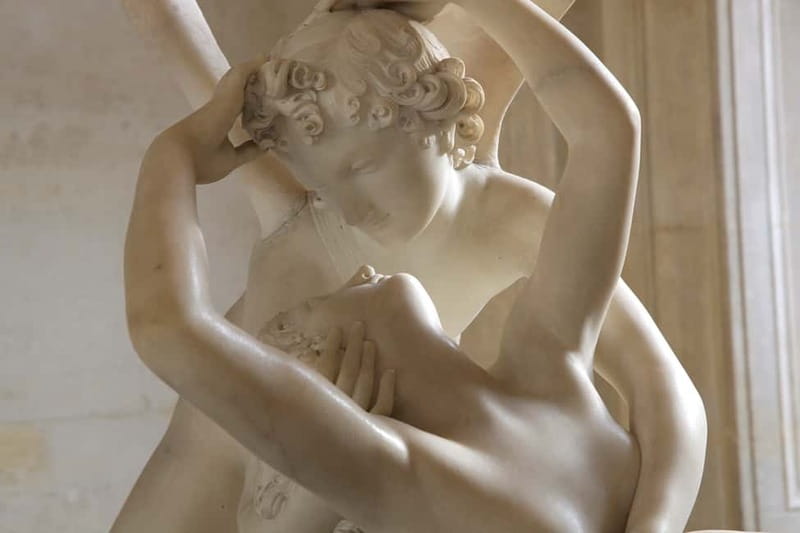
From there, you’ll keep hitting major sculptural moments, including Cupid & Psyche and Michelangelo’s Slaves. These works are chosen for a reason: they let your guide talk about form and storytelling, not just label facts. If you’re the type who likes to understand why something was made the way it was, this section is a great payoff.
Big paintings, French drama, and the crown jewels room
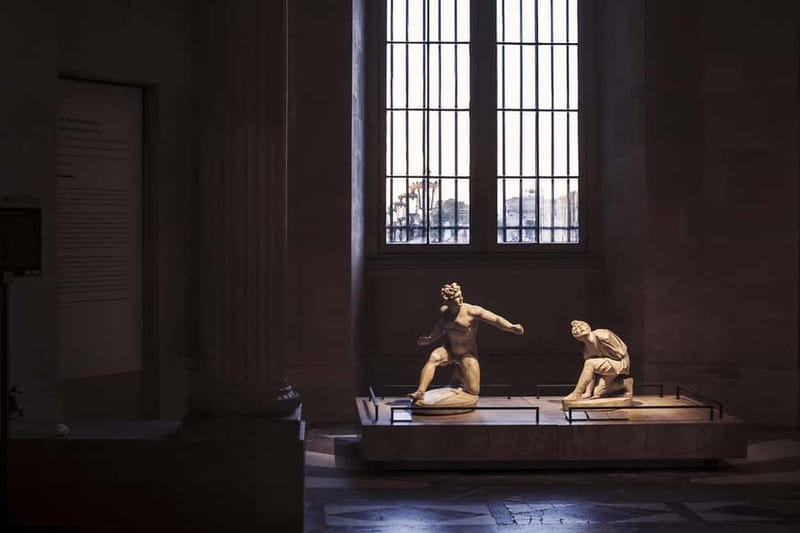
The tour isn’t all statues. It also takes you into painting highlights and a couple of must-see rooms that help you understand the Louvre’s range.
You’ll see Delacroix’s Liberty Leading the People, described as tied to a key moment in French history. The value here is focus. This kind of work can look intimidating on your own because it’s easy to stare without knowing what to notice. A good guide helps you spot the kinds of symbols and gestures that make the piece more than just a dramatic scene.
You’ll also visit works including Caravaggio, Raphael, and da Vinci. That trio alone is a strong reason to book a guided plan. Without guidance, you can end up bouncing between rooms and missing the thread that connects artists across time.
Then there’s Géricault’s The Raft of the Medusa, presented with emphasis on its Romantic style. Again, you’re not just ticking a box. You’re learning how artists used emotion, lighting, and composition to communicate something specific.
The tour also includes a stop in a room sparkling with Crown Jewels. Even if you’re not into jewelry, that stop gives you a break from art-as-images and art-as-ideas. It shifts you into court culture and power—another Louvre layer—before you return to the Mona Lisa room.





Mona Lisa room at close: what “no crowd” really means
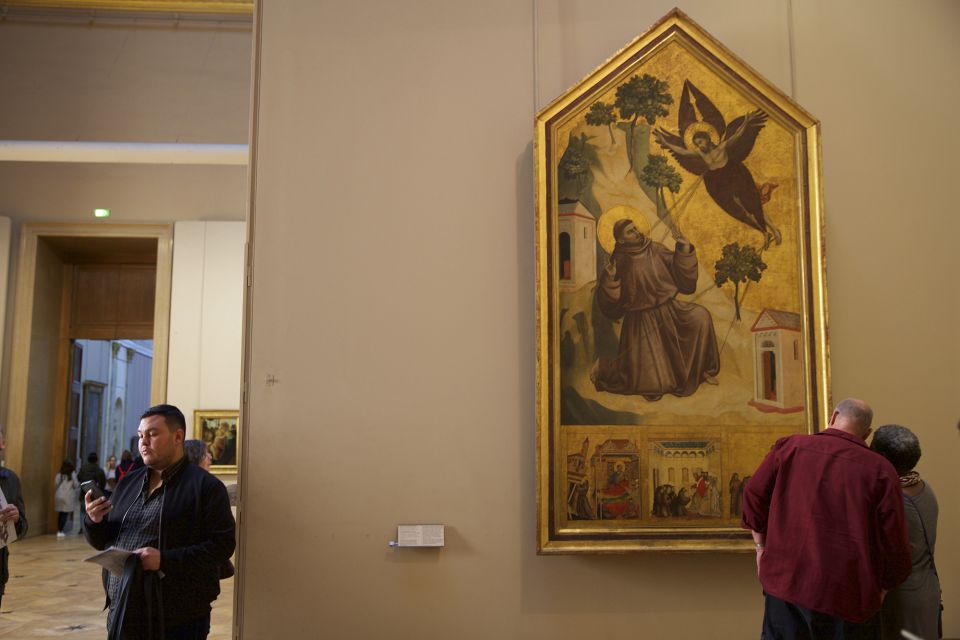
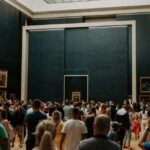
The Mona Lisa room is where this tour earns its name. You’ll finish with time specifically for La Joconde (Mona Lisa), including a photo stop and then a visit where you can get as close as you like.
With last-entry timing, you’re more likely to find the room less packed than it is earlier in the day. That doesn’t mean it’s empty—this painting is famous for a reason—but the flow tends to be smoother. The big win is that you can linger. You can look at faces, hands, and subtle expression without being yanked along by the crowd tide.
Here’s how to make that moment work for you: don’t treat it like a stop sign. Spend your first minute just looking at scale and composition, then spend your next couple minutes noticing how the painting manages ambiguity—especially around the expression that people can’t seem to agree on. This is exactly the kind of moment that benefits from quiet time.
The guide matters: what the reviews strongly point to
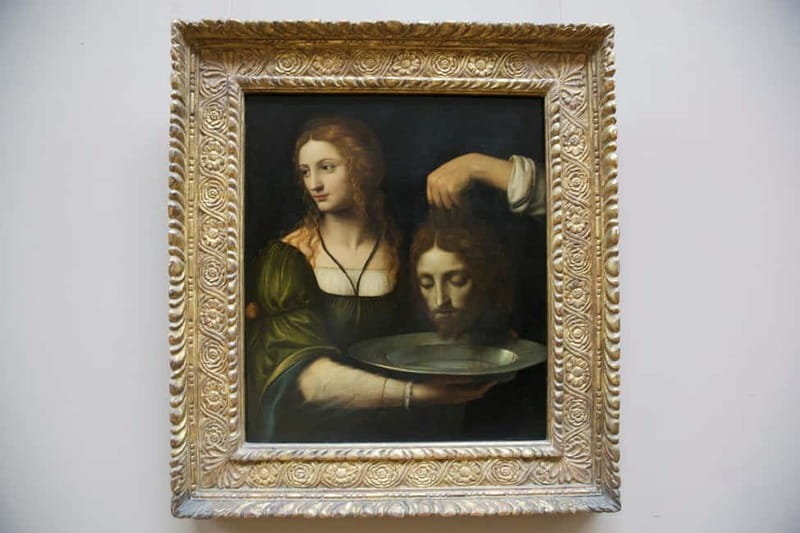
This is a guided tour with a live guide and the tour description emphasizes an art historian approach. That’s not marketing fluff. In the reviews, the strongest praise is consistently about guides who can connect the art to stories you can understand quickly.
For example, Hugo is praised for being welcoming and high-energy, with commentary that makes the works feel easier to grasp. Laurence earns repeat mentions for taking the museum’s size and turning it into a navigable experience, linking art to its social and historical context. Violette gets standout notes for deep art expertise plus humor, and for keeping the group feel intimate.
Other names that show up in the same spirit: Lee, Antoine, Claire, Daniel, Adam, Abby, Manuel, and Bel. Across these guides, you’ll notice a pattern: they help you move through crowds without turning the day into stress. Several comments also mention that a 3-hour schedule can feel surprisingly manageable when the guide keeps things organized and tells good stories along the way.
One practical detail worth noting: one guide, Daniel, is specifically praised for having water and even umbrellas on hand. That’s the kind of small readiness that helps if Paris weather does its usual surprise act.
Group size, pacing, and what to wear
The tour is designed for an intimate group—up to 15 guests—which affects your experience in a real way. Smaller groups mean fewer bottlenecks and more attention from the guide. You also tend to get clearer directions about where to stand so you can see works without constantly shifting.
The pacing is described as moderate, but it is still a walking tour. If your legs get cranky easily, plan for it. Wear comfortable shoes. Leave bulky gear at your lodging. The tour doesn’t allow baby strollers, and it prohibits luggage or large bags and oversize items.
One more reality check: the Louvre has closures and day-to-day changes. The tour warns that areas visited can be subject to closure, and your guide may adjust the stops. That’s normal for a museum this size, and having a guide who can flex matters.
Price and value: is $97 for 3 hours a smart move?
At $97 per person for about 3 hours, this isn’t a budget bargain. But it can be strong value if you hate waiting and you want a high-quality path through the Louvre instead of random room-hopping.
Here’s what you’re paying for, in plain terms:
- Skip-the-line entry, which saves time right at the point where lines are worst
- A guided plan, which helps you actually see highlights in a museum known for swallowing visitors whole
- Headsets, so you can hear explanations even in crowded galleries
- A small group, so you’re not stuck in a slow-moving pack
If you only have limited time in Paris, the last-entry timing can be even better value. You’re using the quiet hours to hit the big works without sacrificing the rest of your evening plans.
Who should book this tour, and who might not
This tour is a great fit if you:
- Want the Mona Lisa experience with less crowd pressure
- Appreciate art-history context and visual guidance
- Prefer a plan that reduces decision fatigue inside a huge museum
You might want to skip it if you:
- Need wheelchair access or have mobility constraints, because the tour isn’t suitable for wheelchairs or mobility impairments
- Need stroller access, since baby strollers aren’t allowed
- Travel with large luggage, since bags of that size aren’t accepted
Also, keep your expectations aligned: it’s a focused highlights tour. You won’t see everything the Louvre contains. That’s not a flaw—it’s the whole point. You’re buying a strategy for time, not trying to conquer the entire museum.
Should you book the Last Entry Louvre: Mona Lisa Without the Crowds tour?
If your top goal is Mona Lisa time that doesn’t feel like a fight, I think this is one of the better ways to do it. The combination of last-entry timing, skip-the-line entry, a small group, and an art historian-style guide is the recipe for a calmer, more satisfying visit.
Book it if:
- You want to stand close to the Mona Lisa and actually look
- You’d rather be guided through major sections than wander for hours
- You like the idea of finishing with the Louvre’s biggest draw when conditions are gentler
Consider another option if:
- You need accessibility accommodations beyond what this format can handle
- You’re bringing strollers or bulky luggage
- You prefer total freedom over a guided route
FAQ
How long is the Louvre Mona Lisa last entry tour?
It lasts about 3 hours.
Does this tour include skip-the-line entry?
Yes. Skip-the-line entry to the Louvre Museum is included.
What group size should I expect?
The tour is described as an intimate small group, with a maximum of 15 guests.
What language is the tour offered in?
The tour is in English.
Where do I meet the guide?
Meet at the statue next to Arc de Triomphe du Carrousel in front of the Louvre, opposite the pyramid in the Tuileries Gardens. The guide holds a green Walks sign. When facing the arc, meet at the winged statue on the left.
What stops are included besides the Mona Lisa?
The tour includes stops that cover areas such as the Louvre foundations at the moat, Classical Greek statues (including Venus de Milo and the Winged Victory of Samothrace), Cupid & Psyche, Michelangelo’s Slaves, Delacroix’s Liberty Leading the People, works by Caravaggio, Raphael, and da Vinci, Géricault’s The Raft of the Medusa, and a room with Crown Jewels.
Is the tour suitable for wheelchair users or mobility impairments?
No. It is unfortunately not suitable for guests with mobility impairments, wheelchair users, or strollers.
Are there restrictions on bags and strollers?
Yes. Baby strollers are not allowed, and luggage or large/oversize bags are not allowed.