REVIEW · PARIS
Paris: UNESCO Headquarters Tour
Book on GetYourGuide →Operated by Cultival · Bookable on GetYourGuide
Modern Paris, global missions, in one building. I like this tour because you get exclusive access to UNESCO Headquarters spaces, not just a quick look from the outside. I also love the way it pairs the Japanese garden in Paris with a meditation room designed by Tadao Ando, so the visit feels both civic and calming.
One possible drawback: at 90 minutes, the pacing is focused. If you’re hoping for a super deep, slow stroll through every corner, you may wish you had more time on-site.
In This Review
- Key highlights worth your time
- UNESCO Headquarters in Paris: More than a desk job
- Entering Place de Fontenoy: Security first, calm second
- The building’s main lesson: architecture with a purpose
- Conference rooms and corridors: where the mission becomes real
- Japanese garden in Paris: quiet contrast inside a headquarters
- Tadao Ando meditation space: modern restraint that actually works
- The art corridor: modern masterpieces without needing a museum day
- Guide quality: the biggest factor in how good this tour feels
- Price and value: $23 for an HQ + architecture + art route
- Who should book this UNESCO Headquarters tour
- Should you book UNESCO Headquarters in Paris?
- FAQ
- Where does the tour start inside UNESCO Headquarters?
- What’s the address for the meeting point?
- How early should I arrive for the tour?
- How long is the tour?
- What languages are available for the live guide?
- Is the entrance ticket included in the price?
- Do I need a passport or ID card?
- Is the tour wheelchair accessible?
- Is free cancellation available?
- What’s the key mix of places you’ll see?
Key highlights worth your time
- Exclusive access inside UNESCO Headquarters in the 7th arrondissement
- Modern architecture route shaped by Zehrfuss, Breuer, and Nervi
- Only Japanese garden in Paris, plus a meditation space by Tadao Ando
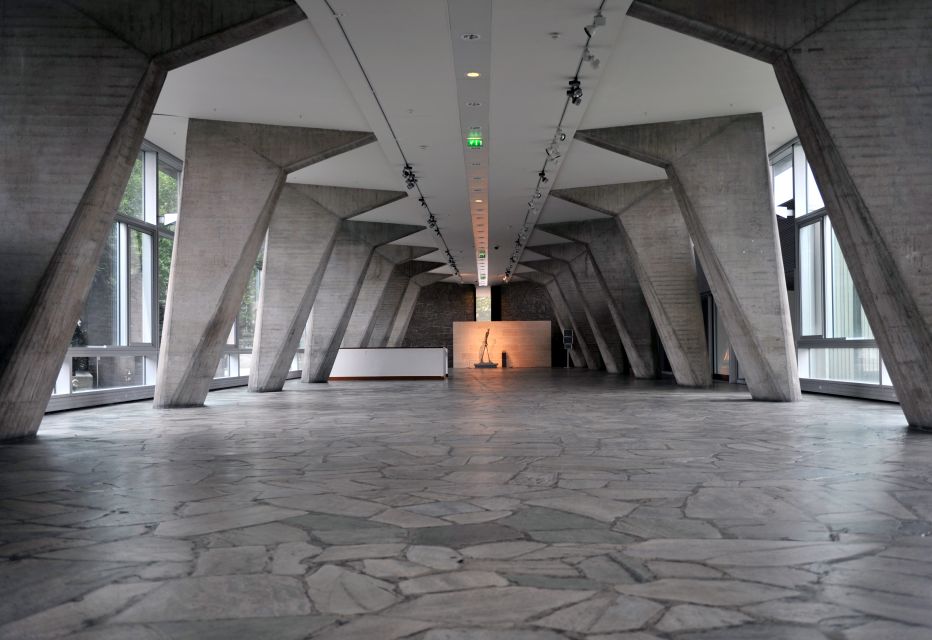
- Purpose-built interiors like conference rooms, concrete corridors, and walkways
- Art along the way featuring artists like Miró, Picasso, Giacometti, and Calder
- A clear focus on UNESCO’s impact in education, science, and culture
UNESCO Headquarters in Paris: More than a desk job
UNESCO is one of those organizations you’ve probably heard of in school, in the news, or through cultural heritage stories. This tour turns that reputation into something you can walk through. You see where the work happens and how a headquarters building can communicate values—through design, space, and public-facing art.
I especially like how the visit is framed around action and impact, not just facts. UNESCO’s headquarters has been based in this modern complex since 1958, and that timeline matters because it helps you connect the organization’s mission to post-war hopes about education, science, and culture.
Paris here isn’t just scenery. It’s a working institutional address, with rooms meant for talks, decisions, and visitors, all inside an architectural collaboration from the 20th century. If you like places where “why it exists” is written into the walls, this is a strong match.
You can also read our reviews of more tours and experiences in Paris.


Entering Place de Fontenoy: Security first, calm second
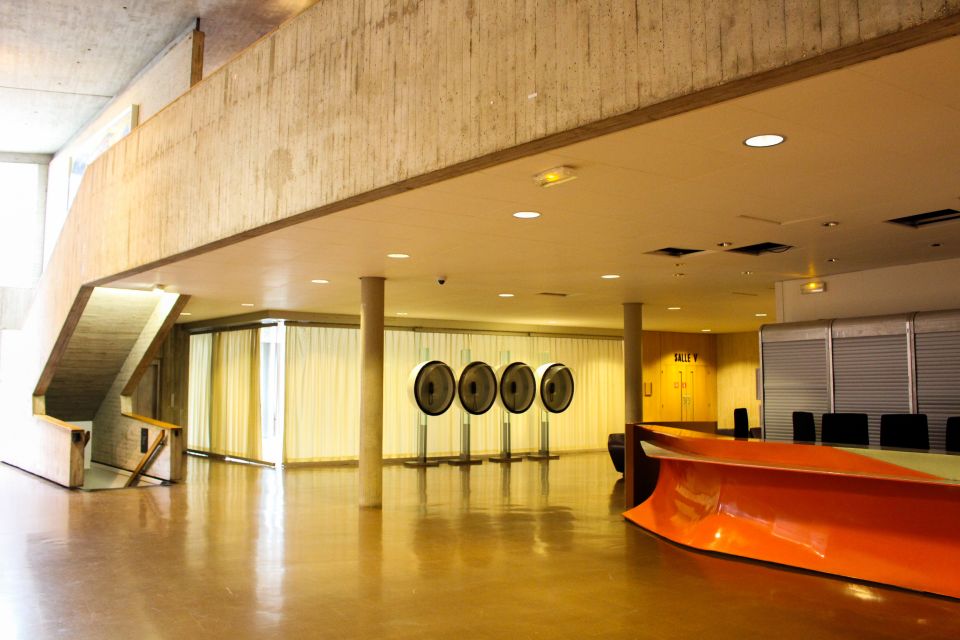
The tour meeting point is inside the UNESCO building, in front of the shop, left of the reception desk. You’ll pass a security check to get in, so don’t plan to arrive at the last minute.
Practical move: arrive about 15 minutes early. It keeps you from rushing in, and it helps you settle before the guide starts the story.
Bring your passport or ID card. That’s not a “nice to have” detail—this is one of those days where you’ll want to have the right document ready without digging through your bag.
If you’re running late, you’ll want to use the day-of emergency contact number listed for Monday–Friday versus weekends/bank holidays. That’s there for a reason, and it’s smart to save it to your phone before you go.
The building’s main lesson: architecture with a purpose
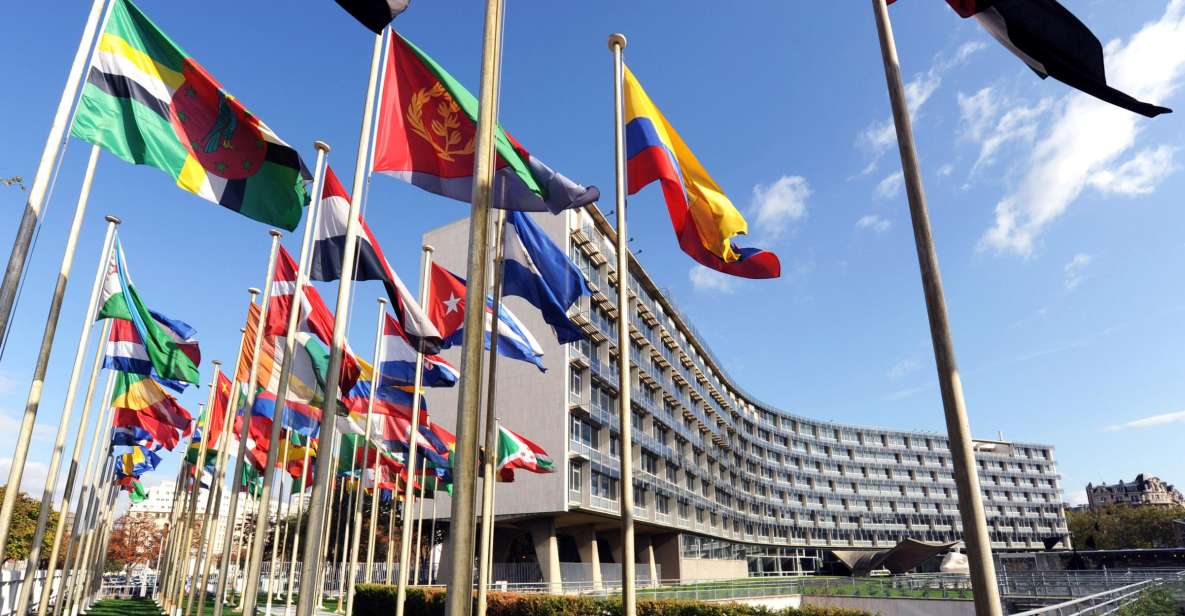
The UNESCO complex is a modern architecture collaboration linked to Bernard Zehrfuss, Marcel Breuer, and Luigi Nervi. Even if you don’t know their work by name, you’ll recognize the “designed thinking” style: clean lines, purposeful circulation, and spaces that feel built for movement between ideas.
As you move through the tour, you’ll pass through signature areas like conference rooms and walkways, then into concrete corridors that guide you forward. The building doesn’t just look modern. It acts like a map for how an international organization organizes itself—meeting, moving, reflecting, returning.
I also like that the tour doesn’t treat design like decoration. The architectural stops connect back to UNESCO’s role: bringing people and disciplines together, then turning that energy into education, scientific cooperation, and cultural protection.
Conference rooms and corridors: where the mission becomes real
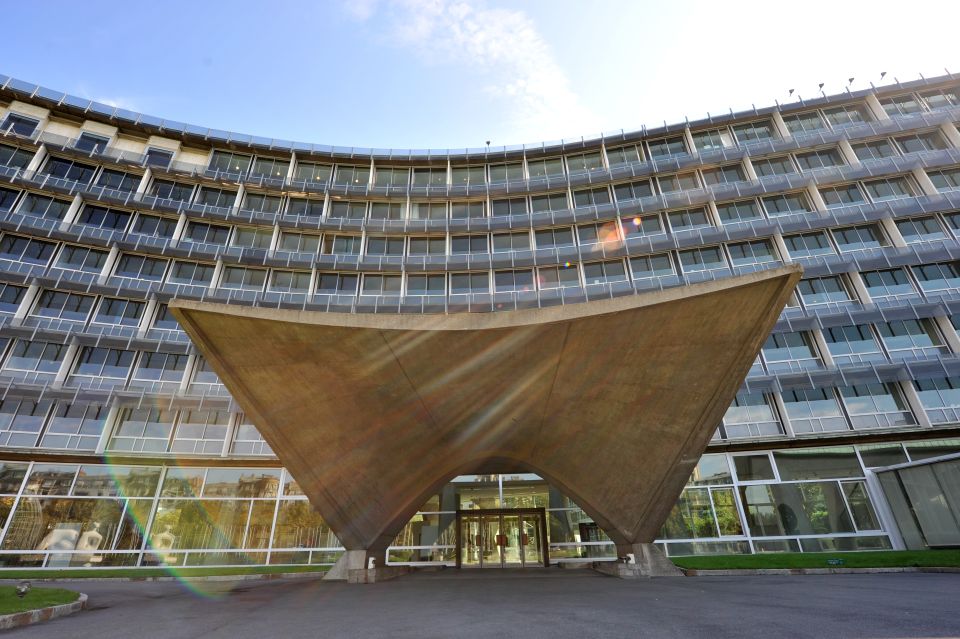
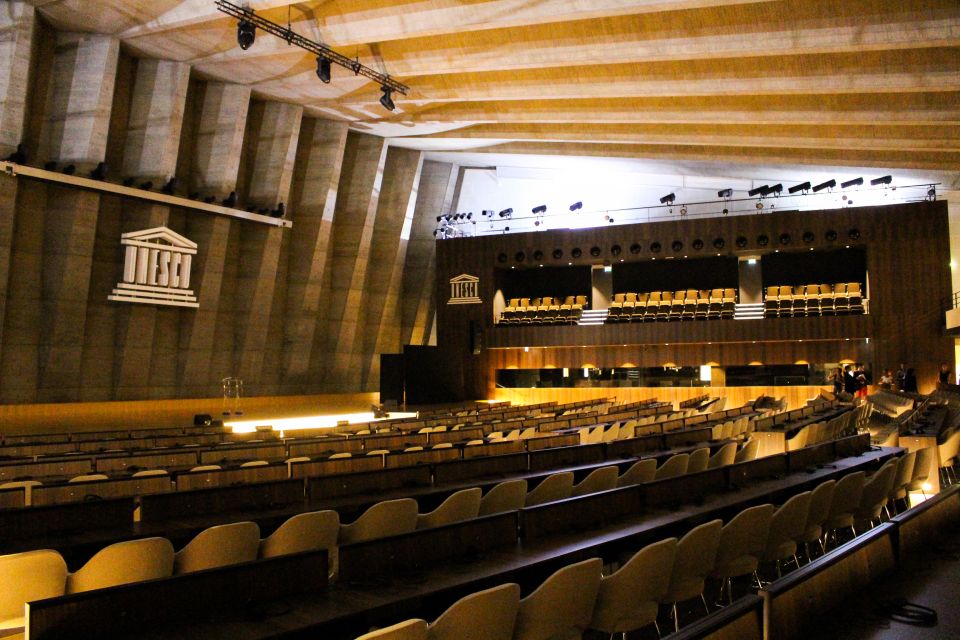
The tour doesn’t only show big flashy rooms. You’ll get to see the places that support UNESCO’s everyday function—especially its conference spaces and other institutional interiors.
Conference rooms tend to make people think of speeches and formal events. Here, the value is different: you start to understand how an international agency physically creates environments for dialogue. That context can make UNESCO’s mission feel less abstract.
Then come the in-between spaces: walkways, concrete corridors, and transition zones. These parts matter more than you might expect. They show how the site is designed for flow—how visitors pass through different “modes,” from public-facing art areas to more formal discussion spaces.
If you’re the type who usually skips hallways on tours, don’t here. The connections between spaces are part of what makes this headquarters feel cohesive rather than random.
Japanese garden in Paris: quiet contrast inside a headquarters
One of the standout moments is the Japanese garden, described as the only Japanese garden in Paris at UNESCO House. This is where the tour takes a turn from institutional energy toward stillness.
Even if you’re not an expert in garden design, you’ll feel the contrast immediately: you’re stepping from a modern architecture environment into something softer and calmer. It’s a good reminder that UNESCO’s mission isn’t only about documents and meetings. It includes cultural experience—how people encounter beauty, tradition, and reflection.
A note to keep your expectations realistic: some visitors find this garden less impressive when water features aren’t flowing as you’d hope. If you’re visiting when conditions aren’t ideal, the space may feel more “quiet garden” than “active fountain display.” The mood can still be worthwhile, but it’s worth knowing that the garden’s highlights depend on how it’s operating during your visit.






Tadao Ando meditation space: modern restraint that actually works
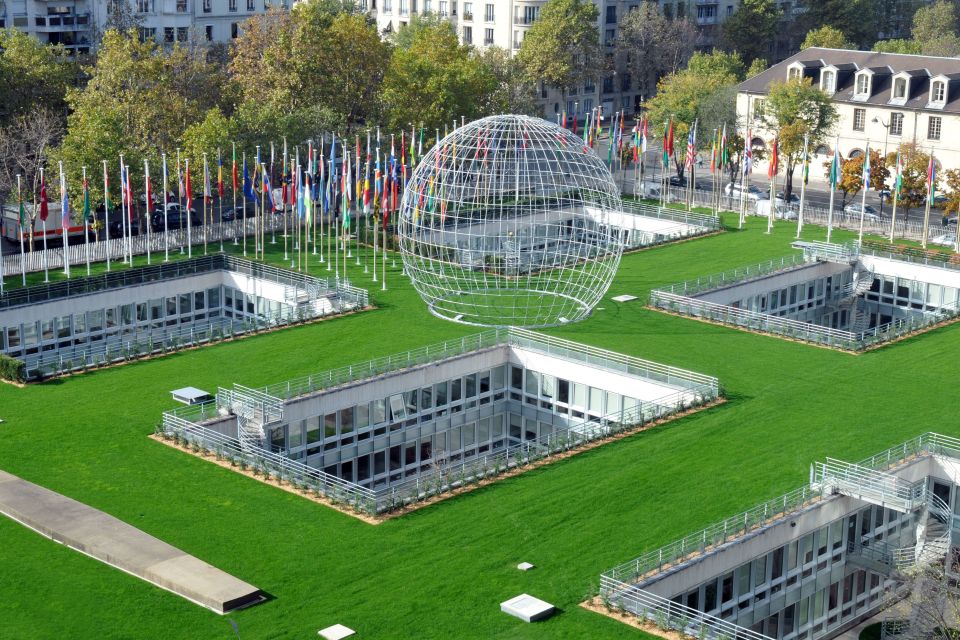
After the garden, the tour includes a meditation space designed by the famous Japanese architect Tadao Ando. Ando’s work often leans on light, proportion, and controlled calm, and this stop fits that pattern.
What you’re really seeing here is how architecture supports internal focus. The room isn’t built to entertain you. It’s built for you to slow down—so you can process what you just learned about UNESCO’s values and impact.
I like this stop because it prevents the whole tour from becoming a lecture. You get art, you get mission context, and then you get a place to think. If you’re prone to tour fatigue—this is a good reset.
The art corridor: modern masterpieces without needing a museum day
UNESCO House also houses an exceptional collection of modern and contemporary works as you move through the site. The tour follows the art as a kind of visual thread, with more than 600 masterpieces along the way.
You’ll encounter major names such as Miró and Picasso, plus Giacometti and Calder. That mix is part of the charm: you don’t need a full museum schedule to get strong exposure to modern art, because it’s woven into your route.
I like that the art isn’t treated like an optional extra. The collection supports the UNESCO story—culture isn’t an afterthought. It’s part of the work, and it’s part of the identity of the headquarters itself.
One practical tip: if you care about art, slow down for the pieces you actually recognize. The guided portion moves on, but you’ll still get a chance to look carefully at key works when your guide points them out.
Guide quality: the biggest factor in how good this tour feels
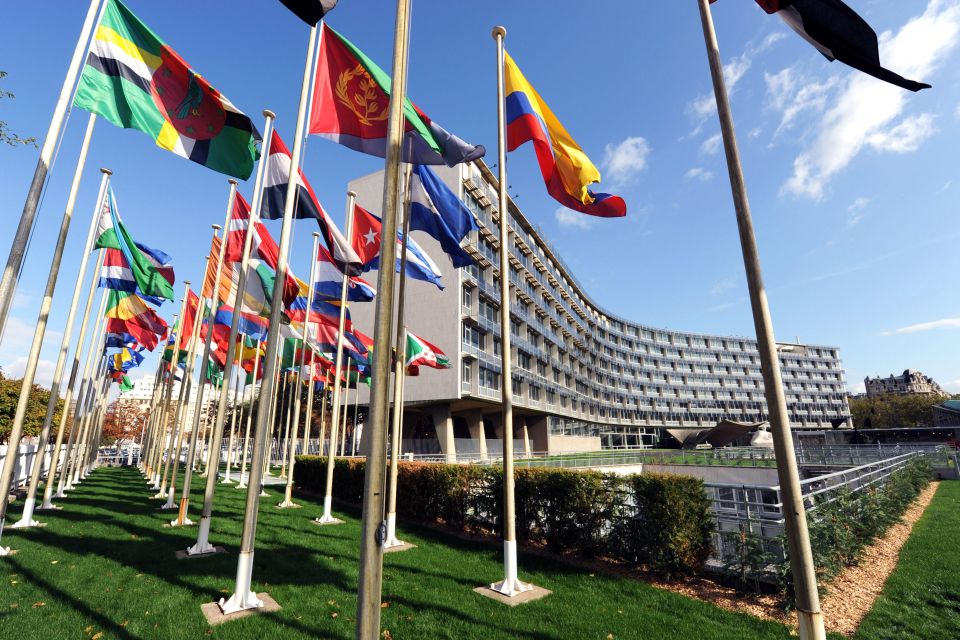
A tour like this rises or falls on the guide. The good news: the experience has a strong reputation for clear, confident guidance.
For example, Joao is known for being deeply familiar with the institution and for showing genuine attachment to what UNESCO represents. That kind of energy makes the information feel human, not like a recited script.
Valérie is another name you might hear in connection with the tour, and she’s praised for clear explanations and being available. If you want your architecture and art context explained in a way that actually sticks, that approach matters.
Since this is 90 minutes, you’ll benefit most if your guide can link the dots quickly: mission → spaces → art → values. That’s exactly what you’re looking for here.
Price and value: $23 for an HQ + architecture + art route
At about $23 per person for a 90-minute guided visit, this has solid value—especially because entrance tickets and the guide are included. You’re paying for access to a place that isn’t typically a free walk-in museum.
The main question is fit: do you want a short, structured look at UNESCO’s role and how design and art support it? If yes, the price feels fair.
If you’re mainly shopping for stunning Paris views or long wandering time, then $23 might feel too “contained” for your style. But if you like modern architecture, curated stops, and a mission-driven narrative, you’ll likely feel you got your money’s worth.
Think of it less as a ticket to a building and more as a guided translation of UNESCO into something you can see and understand—fast.
Who should book this UNESCO Headquarters tour
This tour is a great match if you:
- Enjoy modern architecture and want to see it tied to real-world purpose
- Want an easy entry point into UNESCO’s mission in education, science, and culture
- Like modern art and appreciate learning what you’re looking at (Miró, Picasso, Giacometti, Calder are strong anchors)
- Appreciate a calm pause, thanks to the Tadao Ando meditation space
It may be less ideal if you:
- Want a long, slow garden experience where water features are guaranteed to look their best
- Prefer a very in-depth, spend-all-day museum approach to art
For many people, it works best as a high-quality “headquarters stop” that doesn’t steal half your day.
Should you book UNESCO Headquarters in Paris?
I’d book this if you want a compact, high-signal tour that connects UNESCO’s big mission to the actual spaces where people work and gather. The combination of architectural design, the Japanese garden, the meditation room by Tadao Ando, and a guided walk through major modern art names makes it feel more thoughtful than a typical sightseeing ticket.
Skip it (or plan a different kind of day) if your priority is lush garden spectacle or you need more time to linger. But if you’re happy with a focused 90-minute route that gives you context and access, it’s a smart, good-value pick in central Paris.
FAQ
Where does the tour start inside UNESCO Headquarters?
You meet within the building in front of the shop, on the left of the reception desk.
What’s the address for the meeting point?
The entrance is at 7 Place de Fontenoy, 75007 Paris.
How early should I arrive for the tour?
You’ll need to pass a security check, so arrive 15 minutes prior to your visit time.
How long is the tour?
The duration is 90 minutes.
What languages are available for the live guide?
The live guide is available in French and English.
Is the entrance ticket included in the price?
Yes. The tour includes the guide and entrance tickets.
Do I need a passport or ID card?
Yes, you should bring a passport or ID card.
Is the tour wheelchair accessible?
Yes, the tour is wheelchair accessible.
Is free cancellation available?
Yes. You can cancel up to 24 hours in advance for a full refund.
What’s the key mix of places you’ll see?
Expect UNESCO Headquarters spaces like conference rooms and walkways, plus features including the only Japanese garden in Paris and a meditation space designed by Tadao Ando, along with an art collection featuring artists like Miró, Picasso, Giacometti, and Calder.