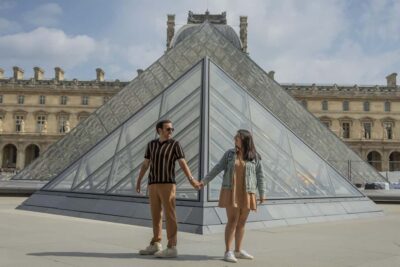
REVIEW · PARIS
Magnificent tour of the Louvre + Mona Lisa pass
Book on GetYourGuide →Operated by Roma in Tour · Bookable on GetYourGuide
You can walk into the Louvre like you mean it. With skip-the-line access plus a focused Mona Lisa guided visit, this is a practical way to start your Paris art day without losing hours to queues. You also get a ticket that lets you keep going on your own once the guided time ends.
I like the structure here: the beginning is guided and helpful, then you’re free. I especially like that the guide keeps the Mona Lisa visit on track, so you don’t spend your best minutes wandering with no plan. You’ll also hear context about why the Louvre became what it is today, from palace to museum.
One consideration: the guided part is only about 30 minutes at the Mona Lisa. If you want a full guided loop of every highlight, this format may feel short.
In This Review
- Key takeaways before you go
- Meeting at 162 Rue de Rivoli: the easiest way to begin
- Skip-the-line access: what it does and what it doesn’t
- Your guided Mona Lisa visit (about 30 minutes)
- After the guide leaves: explore the Louvre at your pace
- A practical strategy for your self-guided time
- Classic highlights you’ll likely spot (and how to enjoy them)
- Mona Lisa: what to do with those minutes
- Venus de Milo: slow down just a bit
- Winged Victory of Samothrace: watch your angle
- Ancient Egyptian artifacts: don’t treat them as a detour
- Price and value: is $88 worth it?
- Logistics that can make or break your day
- Who this tour is for (and who should skip it)
- Should you book the Louvre Wonders Tour + Mona Lisa pass?
- FAQ
- How long is the guided part?
- Where do I meet the guide?
- Does this include skip-the-line entry to the Louvre?
- Is the tour guided in English?
- What’s included in the price?
- What should I bring for entry?
- Can I bring luggage or large bags?
Key takeaways before you go
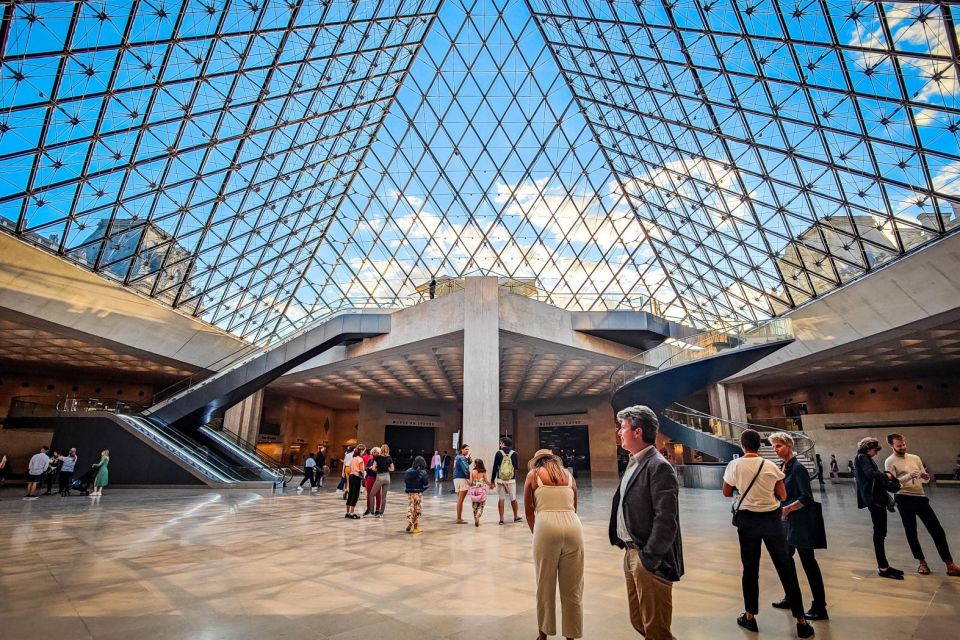
- Skip-the-line entry saves you from the long regular queue.
- Guided Mona Lisa focus gives you story, symbolism, and key backstory fast.
- Iconic “hit list” art includes works like Venus de Milo and Winged Victory of Samothrace.
- Free time after the guide lets you choose what you want to see next.
- Ancient Egyptian + Greek collections are part of the experience you can target on your own.
Meeting at 162 Rue de Rivoli: the easiest way to begin
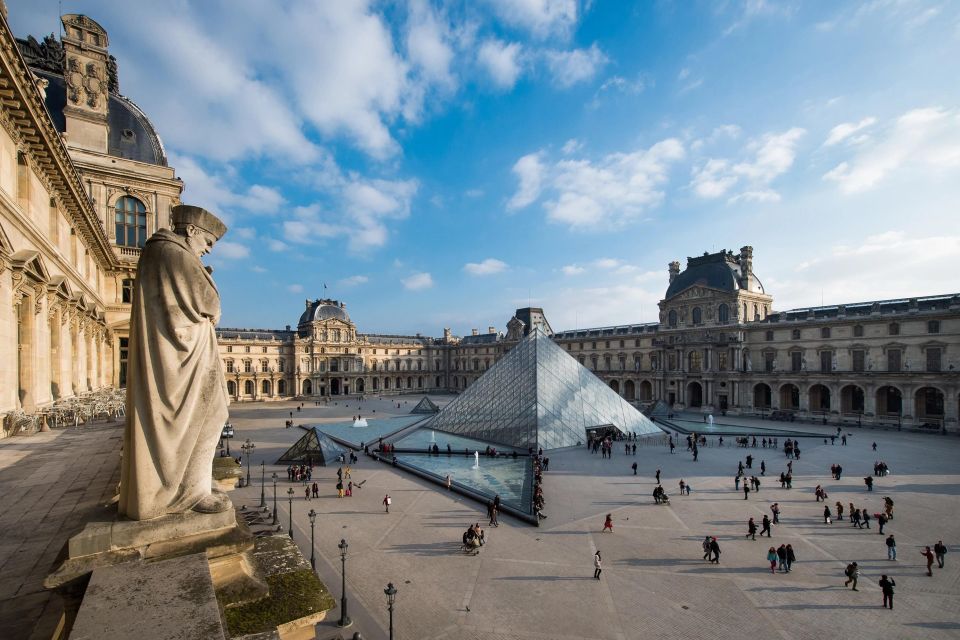
This tour starts outside the Louvre area, at 162 Rue de Rivoli, in front of the souvenir shop to the left of the foreign exchange counter. That location detail matters because it’s not the same as walking up to the main museum entrance and trying to find a group last-minute.
If you’re using the Métro, take Line 1 or 7 to Palais Royal Musée du Louvre. From there, it’s a straightforward walk to the meeting point. I like this start because it gets you oriented to the neighborhood right away—this part of Paris is busy, but it’s also easy to navigate once you’re on the right street.
Bring your passport or ID card. And do a quick check on your bag size: anything bigger than 55 cm x 35 cm x 20 cm isn’t allowed inside the museum. If you’re traveling light, you’ll feel much less stressed in the security process.
You can also read our reviews of more tours and experiences in Paris.



Skip-the-line access: what it does and what it doesn’t
The headline is guaranteed skip-the-line access. That means instead of waiting in the long regular line, you enter a faster, priority line with other guests who selected the same option.
Important nuance: skip-the-line doesn’t mean zero lines inside the building. It means you’re using the quicker entry route, which can still involve some security checks. But in a museum as huge as the Louvre, even saving 20–40 minutes changes the day. You can spend that time actually looking at art, not just staring at ticket-taker belts.
Also, only the Mona Lisa portion is guided, and it lasts about 30 minutes. After that, you’ll have the ticket to roam. So the value here is part education, part freedom.
Your guided Mona Lisa visit (about 30 minutes)
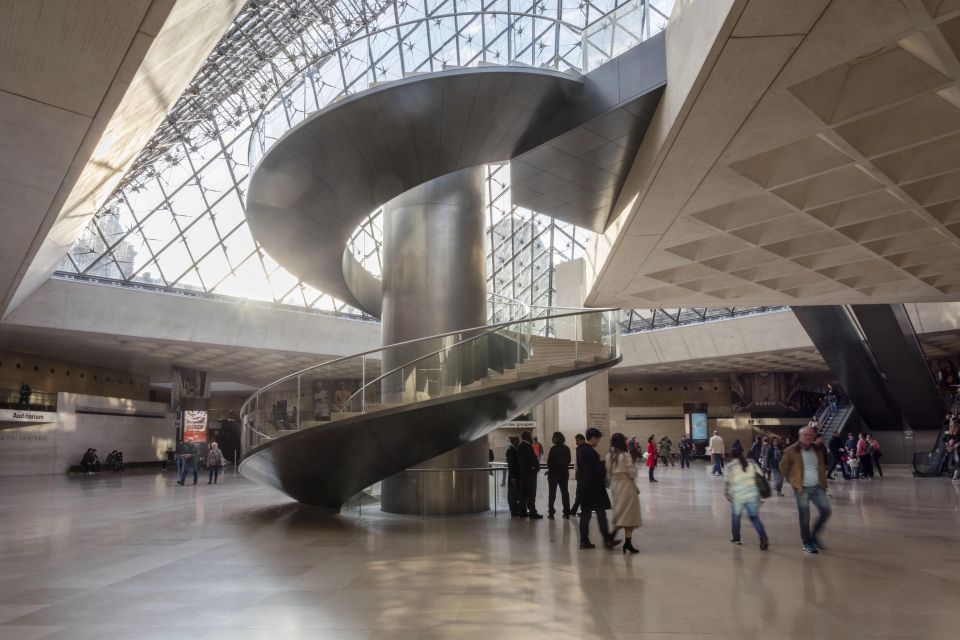
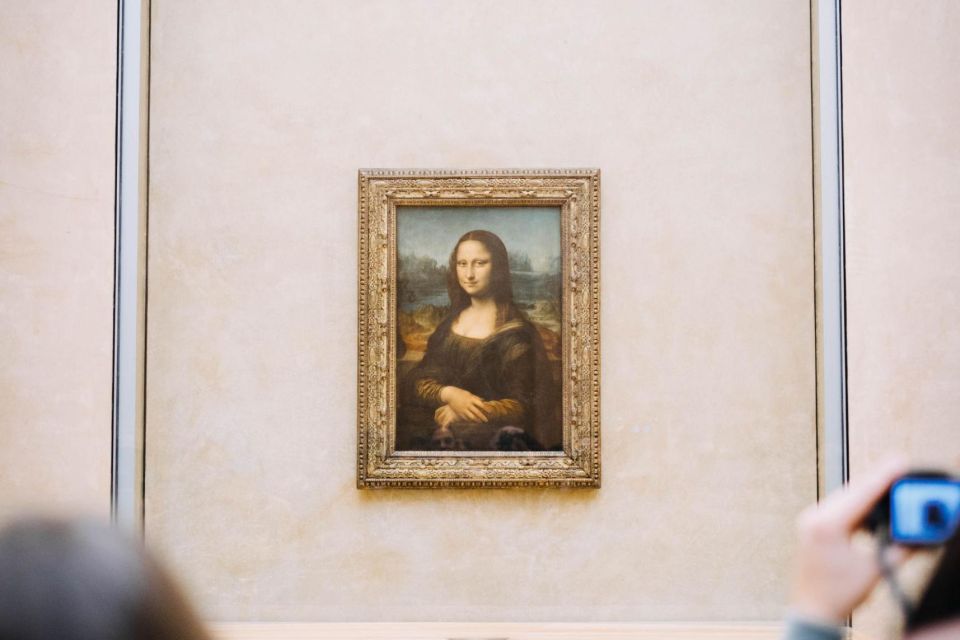
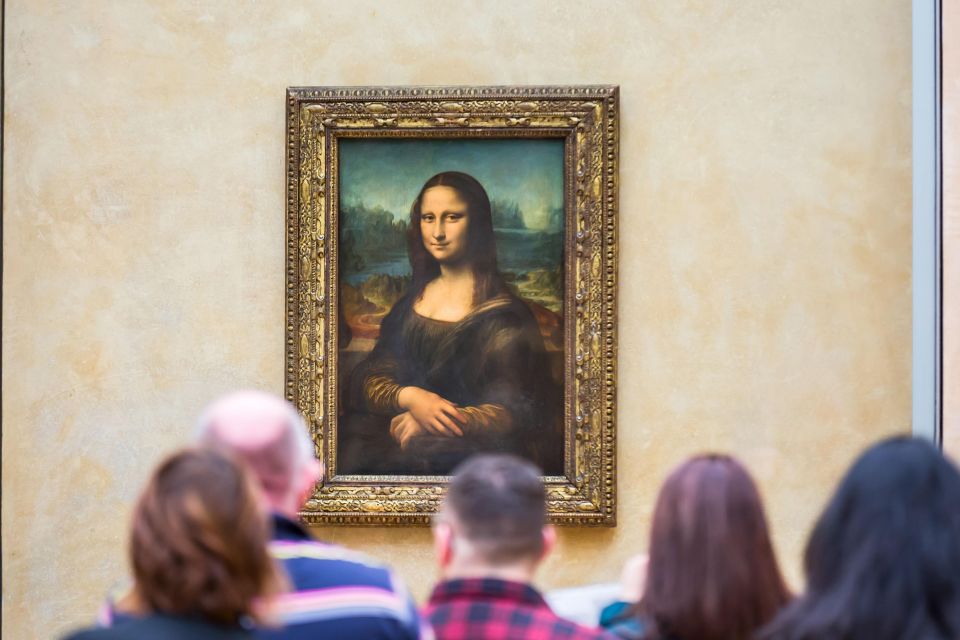
The guided portion starts once you’re inside, and the tour’s first true stop is Leonardo da Vinci’s Mona Lisa. Standing there is one thing; understanding why she’s become a global magnet is another. This is where the guide earns their keep.
You’ll get background on:
- the painting’s significance and why it became so famous
- the subject and the “mystery” element people can’t stop discussing
- details about Leonardo’s approach and what makes the portrait so captivating
- the painting’s storied past, including its theft in the early 20th century and how that event helped fuel global attention
The best part of a short guided visit is that it prevents “Mona Lisa confusion.” When you’re surrounded by crowds, it’s easy to feel like you’re just taking a photo and moving on. Here, you get enough context to make your minutes in front of the painting feel purposeful. You’ll know what to notice, not just where to stand.
After the guide leaves: explore the Louvre at your pace
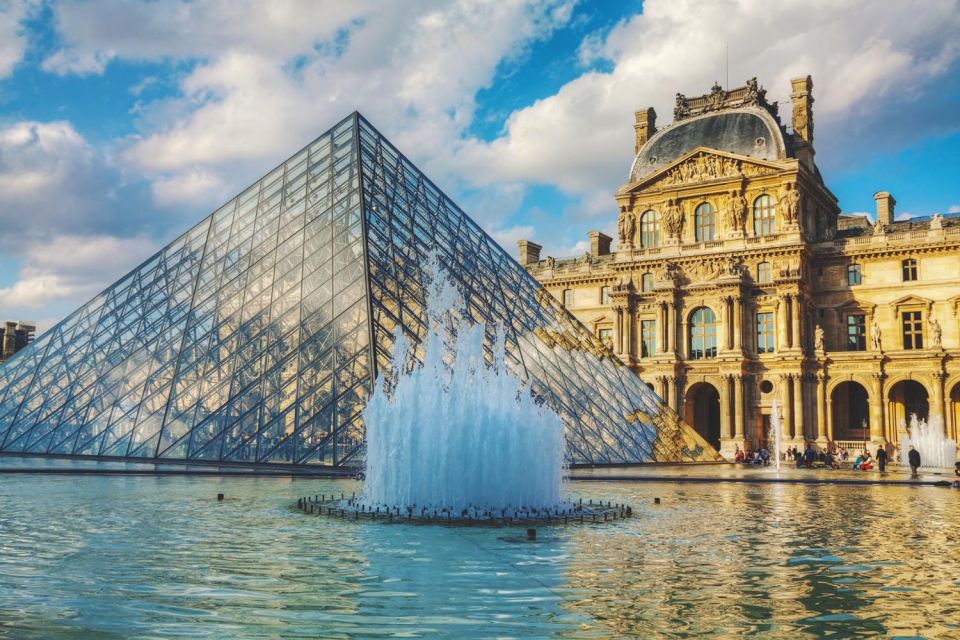
Once the Mona Lisa segment ends, your guide says goodbye and you’re on your own. This is where you should decide what kind of Louvre visitor you are.
The Louvre is organized across three major wings: Richelieu, Sully, and Denon. That structure matters because it shapes your walking route and how you’ll experience the museum. If you try to cover everything, you’ll end up doing the Louvre version of skipping stones—lots of quick touches, not much real looking.
Your included ticket lets you explore after the tour, and the highlights mentioned for this experience include major masterpieces such as:
- Venus de Milo (a classic crowd-stopper for a reason)
- Winged Victory of Samothrace (dramatic scale; you feel it even if you don’t speak art history)
The description also points you toward ancient Egyptian artifacts and other major categories you can seek out during your free time. The nice part is that you don’t have to follow someone else’s pace for the rest of the day. You can slow down where you care and speed through what doesn’t grab you.
A practical strategy for your self-guided time
With only the Mona Lisa visit guided, I recommend you arrive with a simple plan:
1) Pick 2–4 must-sees you want to actually stand in front of.
2) Use the free time to connect them, wing by wing, instead of chasing a giant list.
3) Give yourself permission to stop when you’re satisfied. The Louvre isn’t about “finishing.” It’s about finding your favorites.

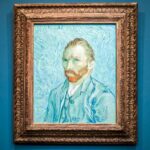




Classic highlights you’ll likely spot (and how to enjoy them)
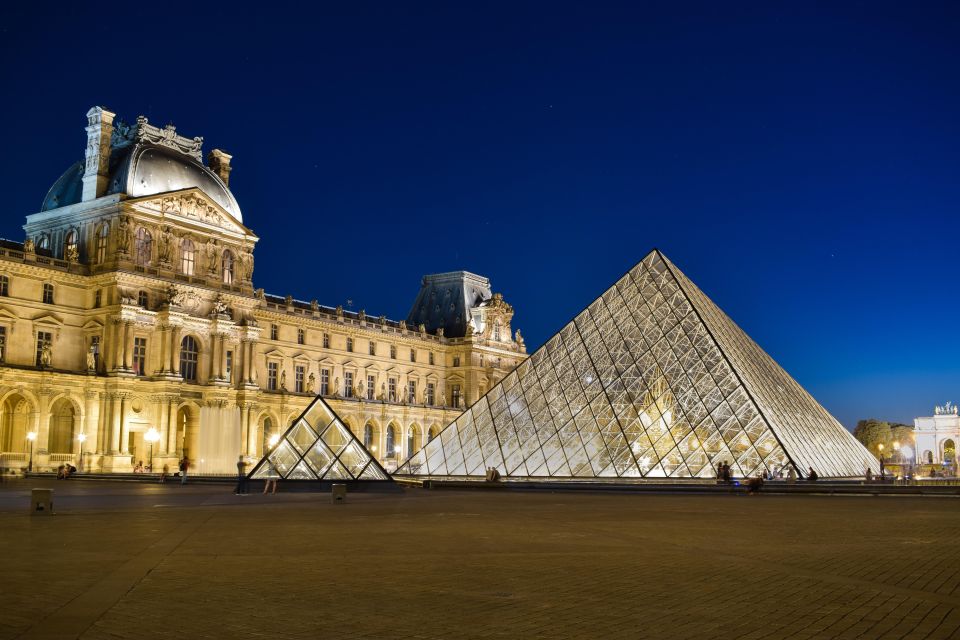
This tour tees you up with several “Louvre icons.” Knowing what’s coming can help you make smarter choices right after your guided portion.
Mona Lisa: what to do with those minutes
Even if you’ve seen photos a hundred times, the Mona Lisa experience is different in person. The guide’s context should help you notice more than the face. If the crowd is thick, don’t fight for the “perfect” spot. Aim for a short, focused look first. Then, if the group thins, reposition and look again. Two quick looks beat one distracted photo.
Venus de Milo: slow down just a bit
Venus de Milo is a strong contrast after the Mona Lisa. You’ll see a different kind of presence—more about sculpture, form, and line than expression. When you visit on your own right after the guide, you’ll be in a good mental rhythm: you just learned how a masterpiece works, so you can start applying that same attention to the next one.
Winged Victory of Samothrace: watch your angle
For Winged Victory, the guide’s brief context helps, but the real key is how you view it. With sculptures like this, the perspective changes your experience. Try to get a viewpoint where you can take in the full pose, not just one detail. It’s the kind of work where stepping a few feet can improve what you see.
Ancient Egyptian artifacts: don’t treat them as a detour
The Louvre’s ancient collections can feel like the “side quest” if you’re only thinking about paintings. Here, you’re explicitly set up to explore ancient Egyptian and Greek material during your free time. If that’s your interest, it’s a good moment to follow it while you’re still in “gallery momentum.”
Price and value: is $88 worth it?
At $88 per person, this is not the cheapest way into the Louvre—but it’s also not trying to be. The value comes from two main pieces you would otherwise pay for or struggle to time well:
1) Skip-the-line access to the museum
2) A licensed guide focused on the Mona Lisa so you get more than a photo
If you’re visiting during peak hours, skip-the-line can be worth real money in saved time. Time is the one thing you can’t buy later. And the guide matters because the Mona Lisa is so famous that it can feel oddly empty if you don’t know what to look for. Having a short, structured explanation improves the whole experience.
What you should weigh: the guided time is only about 30 minutes. After that, you’re using your ticket to explore on your own. If you want a long guided circuit across many rooms, this won’t match that expectation. If you want the best possible start and then freedom, the price-to-experience ratio looks reasonable.
Logistics that can make or break your day
These tours work best when you show up organized.
Bring:
- Passport or ID card
Don’t bring:
- Luggage or large bags over the stated size limit (55 cm x 35 cm x 20 cm)
Where to meet:
- 162 Rue de Rivoli, in front of the souvenir shop to the left of the foreign exchange counter
Language:
- English
One more practical note: this experience is not suitable for wheelchair users. If mobility is a concern, plan on choosing a different format that matches your needs.
Who this tour is for (and who should skip it)
This is a smart pick if you:
- want priority entry without fighting crowds all morning
- like a plan for the big famous stuff, but you don’t want to be led door-to-door for hours
- enjoy turning a guided introduction into a self-paced wander afterward
It might be less ideal if you:
- want a fully guided tour of the museum’s best works from start to finish
- prefer learning in long, continuous stretches rather than a short, targeted guide session
Also consider your expectations about time. Your guided focus is the Mona Lisa, and the rest is up to you.
Should you book the Louvre Wonders Tour + Mona Lisa pass?
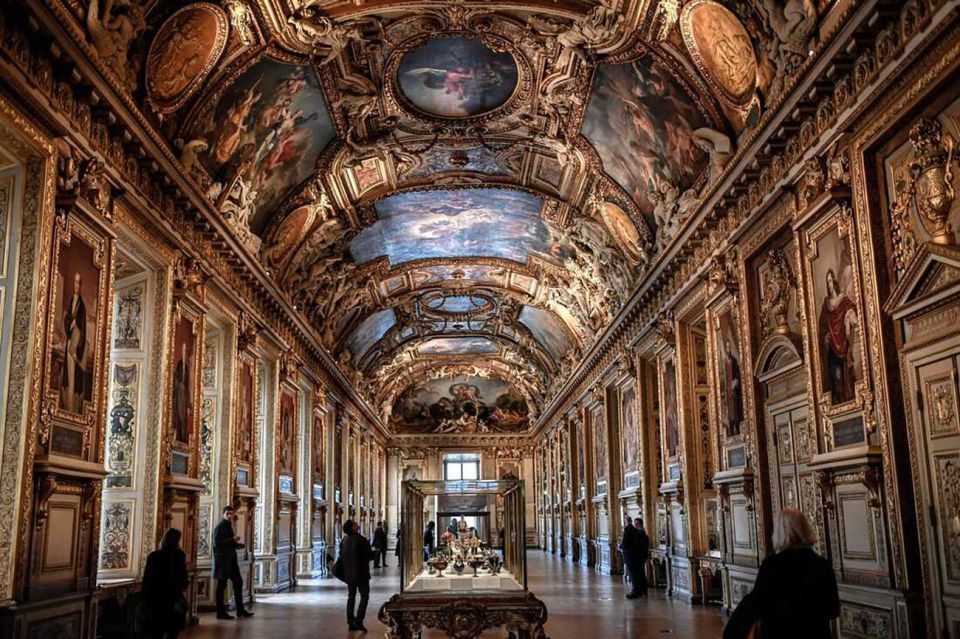
I’d book it if your top goal is to get into the Louvre efficiently and make your Mona Lisa moment meaningful. The skip-the-line helps your day start faster, and the guided explanation helps your minutes in front of the painting feel worth it. Then you get the freedom to choose what fits your interests—Greek sculpture, Egyptian artifacts, paintings, or whatever catches your eye once you’re inside.
I’d hesitate only if you’re seeking a long, comprehensive guided tour. Here, the guide gives you a strong launch, not a full museum walkthrough. If that matches your style—quick guided focus, then you take over—it’s a good fit.
FAQ
How long is the guided part?
The guided portion focused on the Mona Lisa lasts approximately 30 minutes. After that, you can explore the rest of the Louvre Museum on your own for as long as you like.
Where do I meet the guide?
Meet at 162 Rue de Rivoli, in front of the souvenir shop to the left of the foreign exchange counter. The meeting point is not inside the Louvre itself.
Does this include skip-the-line entry to the Louvre?
Yes. This tour includes guaranteed skip-the-line access, meaning you use a priority line instead of the long regular queue.
Is the tour guided in English?
Yes. The live tour guide language is English.
What’s included in the price?
Included are a licensed tour guide, entrance tickets, entry/admission to the Louvre Museum, and guaranteed to skip the lines.
What should I bring for entry?
You should bring your passport or ID card.
Can I bring luggage or large bags?
No. Luggage or large bags aren’t allowed, and bags larger than 55 cm x 35 cm x 20 cm are not permitted inside the museum.