REVIEW · PARIS
Paris: Kids in the Kitchen – Macaron
Book on GetYourGuide →Operated by MUCURISA · Bookable on GetYourGuide
Kids make macarons in a real Paris apartment. What makes this one click is the hands-on approach using simple tools that feel like cooking at home, not like an industrial production line. It’s designed for families, with pacing that works for small hands, and a group size small enough that you actually get help when you need it.
I really like the way you learn as you bake: you start with mise en place and then get a short trip through how macarons evolved over centuries. You’ll also make the whole snack, not just watch—macaron shells plus a chocolate-based ganache filling, ending with tasting time. One thing to consider: the class takes place on the 5th floor with no elevator, so plan for stairs.
In This Review
- Key Points You’ll Care About
- A 90-Minute Macaron Lesson That Fits Real Family Schedules
- Mise en Place First: The Class Starts Like Real French Cooking
- What You Actually Make: Macaron Shells and Chocolate Ganache
- The Teacher Dynamic: English and Spanish, with Real Patience
- Where You Cook: A Private Parisian Apartment on the 5th Floor
- Price and Value: Is $182 Worth It?
- Who This Is Best For (And Who Might Skip It)
- A Note on Flexibility and Timing
- Should You Book Paris Kids in the Kitchen: Macaron?
- FAQ
- How long is the Macaron class?
- What will we make during the class?
- What ages is the class suitable for?
- Is this a small group or a large class?
- What languages are the instructors?
- Where does the class take place, and is there an elevator?
Key Points You’ll Care About
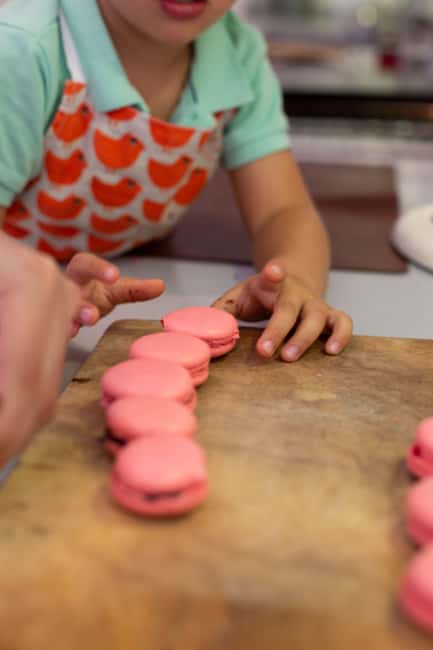
- Built for kids from age 3: lessons are family-focused, not baby-sitting with frosting
- Simple-at-home tools: everything is set up so children can handle it
- Hands-on macarons and ganache: you’ll do the work, then eat the results
- Small group (max 6): more guidance, fewer waiting turns
- English/Spanish instruction: helpful if your French is still warming up
- Private apartment setting: more local feel than a storefront studio
A 90-Minute Macaron Lesson That Fits Real Family Schedules
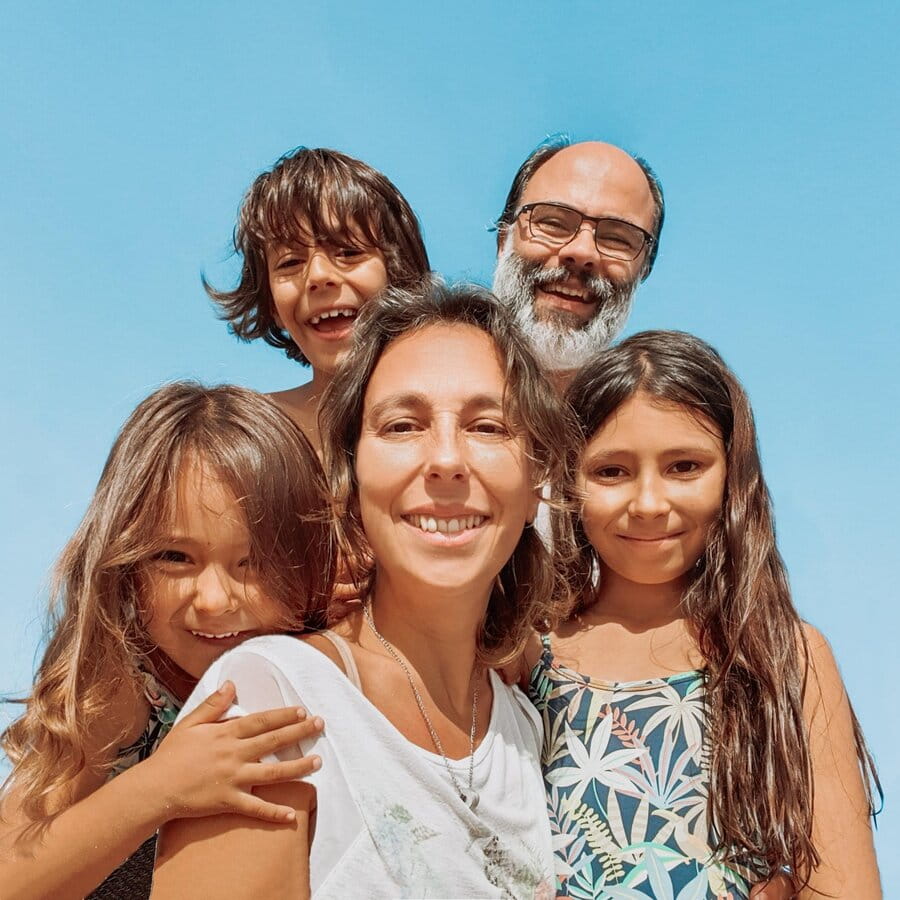
In Paris, you can find cooking classes that feel like a performance. This one works differently. The session runs 90 minutes, which is long enough to learn and bake, but short enough that kids usually stay engaged without melting down. For parents, that timing matters as much as the food.
The class is also kept intentionally small—up to 6 participants. In practice, that means you’re not stuck watching from the sidelines. You get time with the basics, and when a child needs a hand (or a quick reset), the instructor can actually respond without rushing everyone else.
And yes, it’s a real activity you do together. The tone is aimed at families: children start at age 3, and the whole setup is designed around making baking approachable. If you’re traveling with kids, that’s a big deal. If you’re traveling without kids, it’s still a fun hands-on challenge—just know the pacing is shaped for young bakers.
You can also read our reviews of more tours and experiences in Paris.



Mise en Place First: The Class Starts Like Real French Cooking
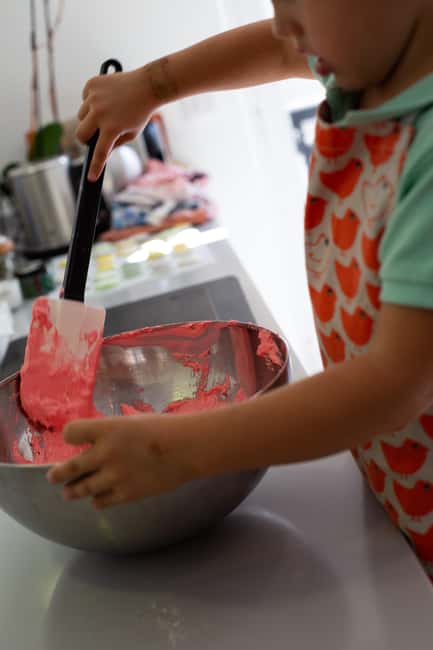
The lesson begins with mise en place, the French habit of prepping everything before you start cooking. For adults, it’s a reminder of how professional kitchens stay calm. For kids, it’s a smart way to learn structure: ingredients and tools are organized, and tasks become simpler and less chaotic.
From there, the experience adds context without turning into a lecture. You’ll travel through macaron history, reaching back to the 16th century, and you’ll learn how these treats became famous. The class also includes a simple but important comparison: macaron vs. biscuit. That distinction is more useful than it sounds. Many people think they already know macarons, then realize the name gets used loosely. This gives you the real version in plain language.
The goal isn’t to make you a pastry historian. It’s to make the baking feel meaningful. When kids understand what they’re making and why, you often get better focus—and fewer bored faces at the table.
What You Actually Make: Macaron Shells and Chocolate Ganache
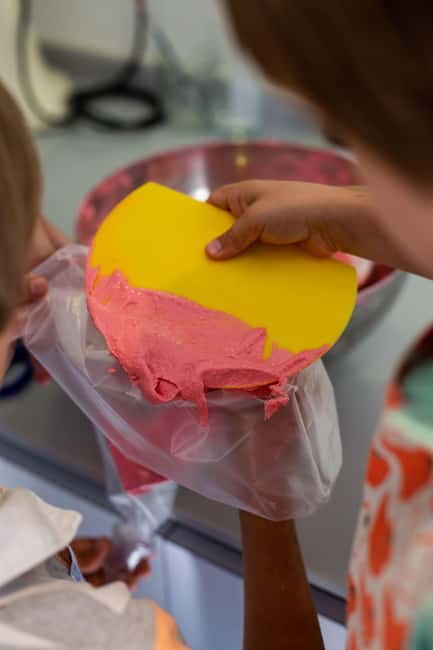
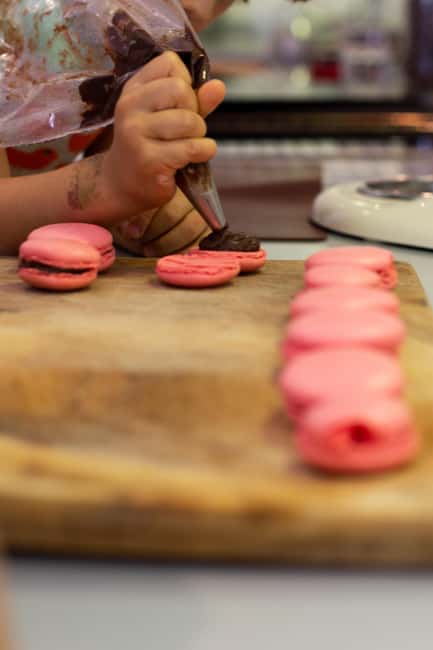
This is the part I care about most in any cooking class: you should leave with something you genuinely made. Here, you create macaron shells and a chocolate-based ganache filling. That means the experience ends the way families usually want—hands-on work, then a payoff you can taste.
You’re not handed a finished cookie and asked to “decorate.” You’ll be guided through the process while your child helps along. The class description makes a point that the tools are not industrial and are designed for kids. That matters because it changes the entire feel. When tools are child-friendly, children don’t need to be “careful” in a nervous way. They can participate without constantly being told to step back.
Also, the ganache component is a great fit for families. It’s rich and satisfying, and it gives you a clear contrast to the delicate shells. Even if your shells aren’t perfect, the filling can still make the final result feel like a win.
One more practical note: the session includes coffee or tea. So you’re not just producing sweets in a vacuum—you’re taking a proper break at the end, letting everyone taste and reset before heading back out into the city.
The Teacher Dynamic: English and Spanish, with Real Patience
This class runs with instruction in English and Spanish, which is a relief if you want your child to understand the steps without guessing. The experience is led by MUCURISA, and the small-group format supports an interactive teaching style.
The tone—based on the consistent feedback on the instructors—leans toward patient, kind guidance. That’s exactly what you want in a family cooking class. Kids move at their own speed. If an instructor gets stiff or impatient, the whole room tightens up. When the teaching stays calm and supportive, kids feel safe to try, mess up, and correct—without shame.
You’ll also likely appreciate the light, friendly approach that keeps attention up. In a 90-minute class, engagement isn’t a bonus; it’s the difference between a fun memory and a stressful one.
Where You Cook: A Private Parisian Apartment on the 5th Floor
This experience takes place in a private Paris apartment in the 5th-floor setup (no elevator). That does two things for you, depending on your point of view.
First, it makes the experience feel less touristy. You’re cooking in a lived-in space rather than in a public demo room. The setup supports the family-friendly vibe, because it’s quieter and less chaotic than a high-traffic commercial kitchen.
Second, it’s a reality check for anyone hauling a stroller, carrying a kid who’s still waking up, or traveling with mobility limits. Plan for stairs ahead of time. I’d also suggest you keep the “arrive prepared” mindset: show up early enough to settle, and keep bags light so your hands are free if your child needs help.
You’ll meet at the apartment using the directions provided through the meeting point link. Follow those instructions closely so you don’t lose time hunting for the right building and floor.






Price and Value: Is $182 Worth It?
At $182 per person, this isn’t a budget activity. But it also isn’t just “pay to watch a class.” The value is in the combination:
- You get all main materials for the session.
- You borrow an apron for the baking time.
- Coffee or tea is included.
- You’re in a small group limited to 6, which increases real instruction time.
- The class is family-tailored, including kid-appropriate tools and an age minimum of 3.
In Paris, many food experiences charge premium prices for ambiance. Here, you’re paying for access: a private apartment setting, small-group teaching, and the materials needed to actually bake.
For families, that can be worth it because you’re buying time and effort that’s hard to replace. Making macarons at home is possible, but it’s messy, ingredient-heavy, and easy to waste money if you don’t have the right setup. This gives you a guided version of that outcome.
That said, if you’re the kind of traveler who prefers eating over doing, or you know your child won’t participate even with a hands-on format, you might find better value elsewhere.
Who This Is Best For (And Who Might Skip It)
This experience is clearly built for families. Kids can join starting at 3 years old, and the class is framed specifically for families. If your household thrives on “let’s make it” activities—rather than “let’s just tour it”—this is a strong match.
It also makes sense for adults traveling with kids. You get structured baking time, plus the fun factor of making something French that you can actually bring home (or at least enjoy right then). Even without expert pastry skills, the class format is set up for learning-by-doing.
Where it may not fit:
- If your child is under 3, it’s not suitable.
- If stairs are a problem, the 5th-floor/no-elevator setup can become a headache fast.
- If you’re looking for a long, intensive pastry workshop with lots of technical depth, this is paced for kids and families, not for advanced professionals.
A Note on Flexibility and Timing
The class includes a free cancellation option up to 24 hours in advance with a full refund, which is helpful if plans change. One caution from the experience’s real-world communication: make sure you’re checking your booking messages as the date gets close. If you’re within a day of travel, I’d keep an eye on notifications so you’re not left wondering what’s happening.
It’s not about panic—it’s just good travel hygiene, especially with smaller, schedule-specific activities.
Should You Book Paris Kids in the Kitchen: Macaron?
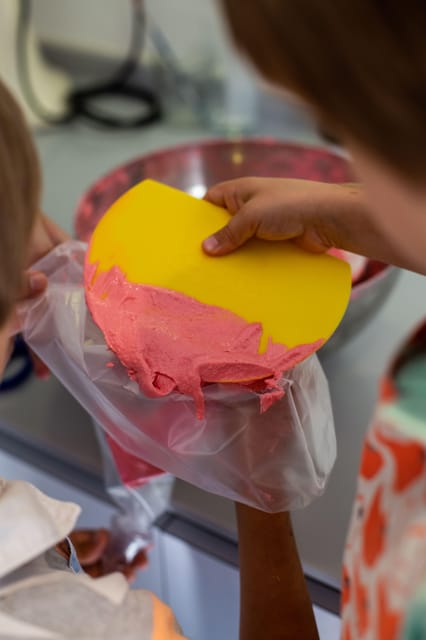
I’d book it if you want a family-friendly Paris moment that’s not just watching adults do the work. The small group, the hands-on macaron shells and chocolate ganache, and the kid-appropriate tools all point to an activity that’s designed to succeed with children, not just tolerate them.
You should also book if you like your food experiences with a bit of context. Starting with mise en place, learning a quick macaron history thread back to the 16th century, and clearing up the macaron vs. biscuit idea makes the baking feel smarter, not random.
Skip or reconsider if:
- your child is under 3,
- stairs are a major barrier for your group,
- or you’re expecting something more technical and adult-focused than family-paced.
If you check those boxes, this is exactly the kind of Paris activity that becomes a real story: we learned the basics, we made the sweets, and we ate them with coffee or tea before heading back out into the city.
FAQ
How long is the Macaron class?
The experience lasts 90 minutes.
What will we make during the class?
You’ll make macarons and a ganache filling (described as chocolate-based cream).
What ages is the class suitable for?
Children can join starting at 3 years old. The activity is not suitable for children under 3.
Is this a small group or a large class?
It’s a small group, limited to 6 participants.
What languages are the instructors?
The instructor teaches in English and Spanish.
Where does the class take place, and is there an elevator?
It takes place in a private Parisian apartment on the 5th floor with no elevator.