REVIEW · PARIS
Marais: Discover the Medieval Heart of Paris
Book on GetYourGuide →Operated by My Super Tour · Bookable on GetYourGuide
Paris changes pace in the Marais. This 150-minute guided walk strings together the oldest medieval quarter of Paris and the food-and-faith stops on Rue des Rosiers, with quick visits that you just wouldn’t stumble into on your own. You’ll also get a real sense of how the Marais connects the Jewish community, LGBT life, and the designer storefronts that pull people in today.
The main catch is that it’s still a walking tour with a lot of stops in a short time, so plan on moving fast and packing for weather; the operator specifically asks you to bring comfortable shoes and an umbrella for security.
In This Review
- Key moments worth showing up for
- Why this Marais tour feels different from the usual checklist
- Meeting point at Bastille: quick and easy start
- The medieval Marais origin story: swamp to stone streets
- Place des Vosges: Paris’s oldest square, set for stories
- Maison de Victor Hugo: literature meets the neighborhood
- Hôtel de Sully: a photo stop that’s worth slowing down for
- Jewish Marais: synagogues, street food, and meeting points
- Hidden stop(s) you won’t find on your own
- Halle des Blancs Manteaux: market energy with historical context
- UNIQLO LE MARAIS: modern retail as part of the neighborhood story
- Picasso Museum Paris: art-world relevance, not just name recognition
- National Archives Garden: a pause with purpose
- Shopping and street chemistry at 30 Rue Sainte-Croix de la Bretonnerie
- Centre Pompidou: a modern endpoint with a recognizable silhouette
- The guides make or break it: Max, Sacha, Malakas (and why that matters)
- How much this costs, and what you’re really paying for
- What to bring (and what to do if it rains)
- Who should book this Marais experience
- Should you book? My honest call
- FAQ
- How long is the Marais tour?
- Where do I meet the guide?
- Which metro lines can I use to get there?
- What language is the live guide offered in?
- Is the tour price $50 per person?
- What should I bring?
- What’s included in the price?
- Can I cancel if plans change?
Key moments worth showing up for
- Medieval foundations: hear how the area was once a swamp, drained in the 13th century by the Templar Knights
- Hidden spaces: you’ll enter spots you’d likely miss without a guide steering you
- Synagogue storytelling: see stops tied to the oldest synagogue in Paris and a rare Art Deco synagogue
- Place des Vosges + mansion era: get context for 14th–15th-century noble life around one of Paris’s oldest squares
- Victor Hugo’s “flat of France’s iconic writer”: a focused visit that ties literature to the neighborhood
- Modern Marais contrast: finish with designer boutiques and lively café culture tied to today’s gay and lesbian community
Why this Marais tour feels different from the usual checklist
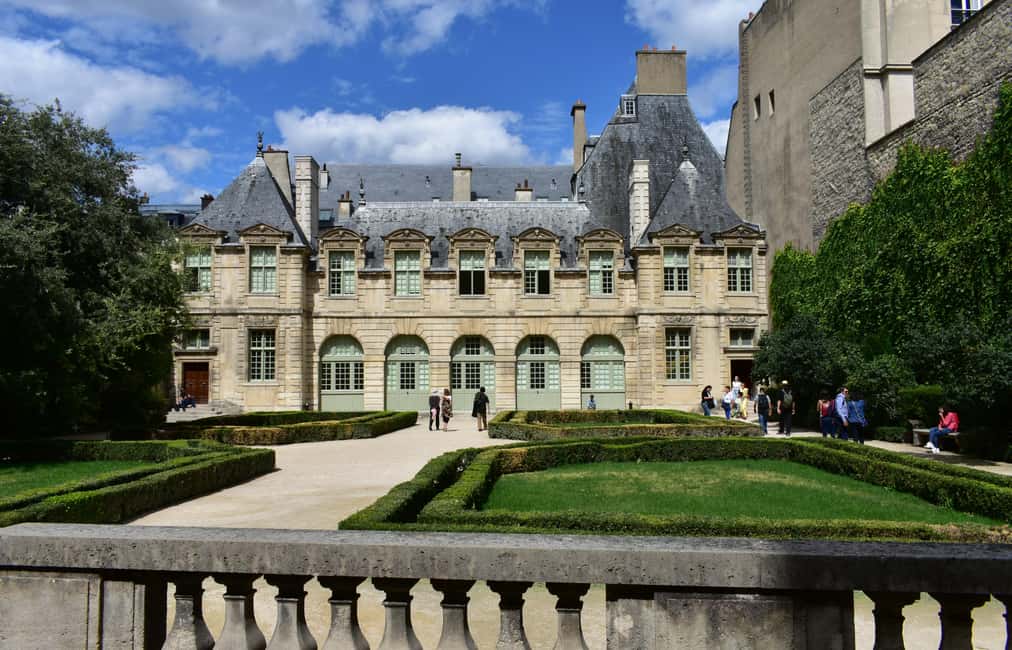
Most Marais tours give you postcard stops, take photos, and move on. This one is built more like a guided timeline—medieval first, then courtly and religious Paris, then the modern neighborhood with boutique streets and nighttime energy.
The value here is the way the guide links architecture to real people. You start with the idea that this district wasn’t always “Paris as you know it.” It was turned from swampy land into livable space long ago, and that early engineering still shapes how you move through the quarter. Then you layer in hidden mansions from the 14th and 15th centuries, religious landmarks tied to Jewish history, and the surprisingly visible influence of Freemasonry. The effect is practical: you stop seeing streets as random.
And yes, the guide quality matters. In recent tours run by the team behind My Super Tour, guides like Max, Sacha, and Malakas were praised for energy, history depth, and answering questions on the spot. You’re not just “following a route.” You’re getting explanations that make the streets click.
You can also read our reviews of more tours and experiences in Paris.



Meeting point at Bastille: quick and easy start
You’ll start at 3bis Pl. de la Bastille. The guide waits with a sign that says My Super Tour at the metro Bastille station exit 7 (sortie 79).
Bastille is on line 1, 5, and 8, so getting there is usually painless. The biggest practical tip: arrive a few minutes early, because this is one of those tours where everyone staying together really matters to keep the timing across multiple neighborhoods and quick visits.
The medieval Marais origin story: swamp to stone streets
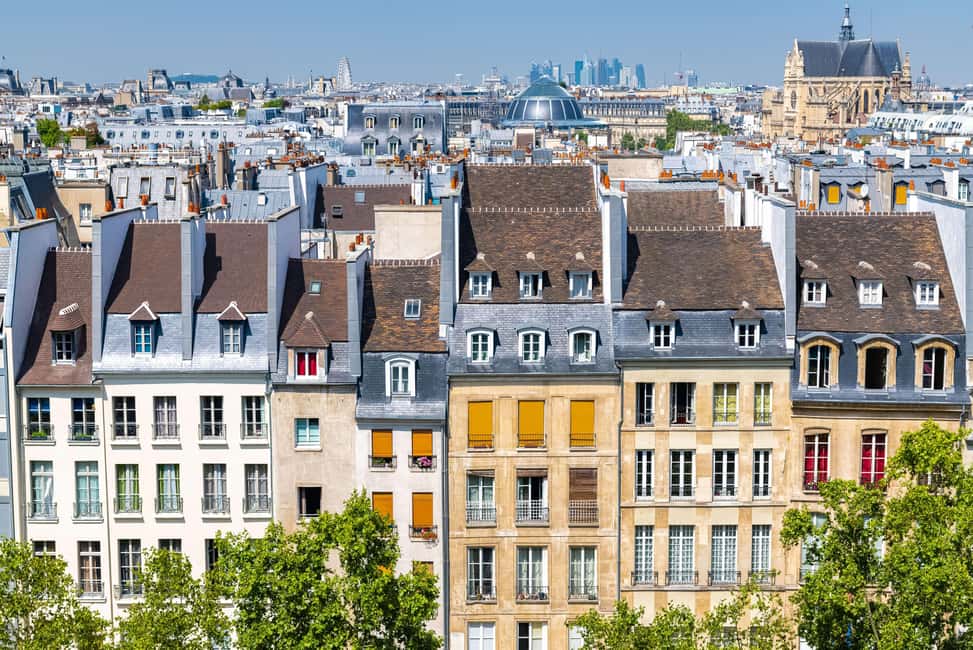
The tour’s framing is what makes the medieval parts work. You’ll be told the Marais was originally a swamp, and that the Templar Knights drained it in the 13th century. That single detail helps you understand why the quarter’s layout and later development feel intentional rather than accidental.
From there, you trace medieval architecture and concealed spaces. The tour is designed around entrances and viewpoints you’d normally skip because they look like they lead to “nothing special.” With the guide, those doors and courtyards become evidence of who lived here, what power looked like, and how the neighborhood changed.
What I like about this approach: it’s not medieval cosplay. You’re learning how neighborhoods were engineered and repurposed over time. What to consider: medieval stops can include narrow streets and short photo pauses, so expect a brisk pace.
Place des Vosges: Paris’s oldest square, set for stories
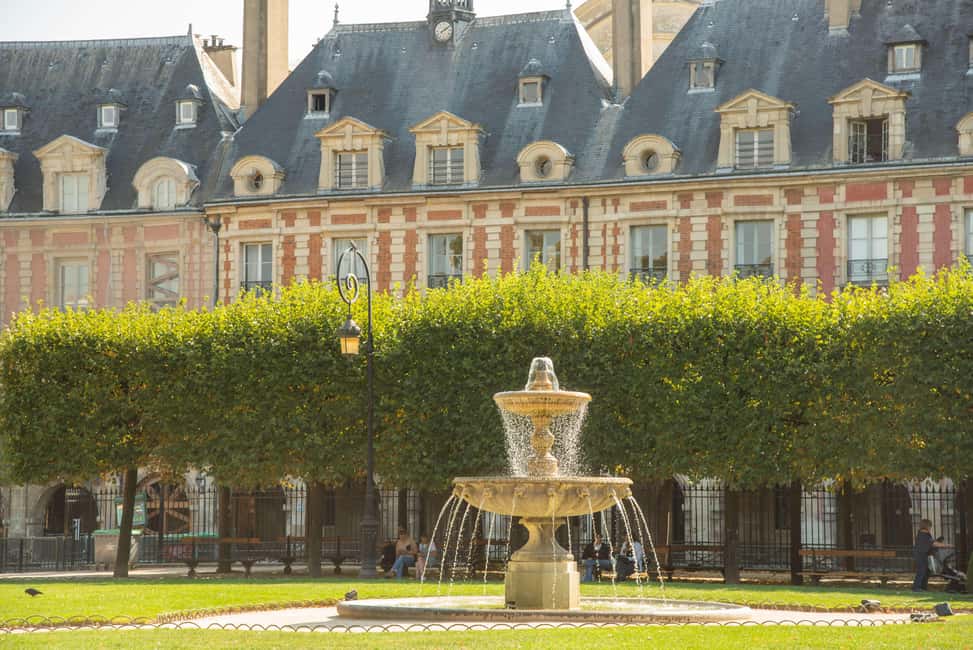
One of the first major “wow” moments is Place des Vosges, the city’s oldest square. It’s an easy stop for photos, but the tour gives you more than architecture appreciation.
You learn how this part of Paris became a center of status and power—then you connect it to the next phases of the neighborhood. It’s a good “reset point” in the route: you can orient yourself, grab a mental map, and then move back into the smaller streets where the history feels more intimate.
Maison de Victor Hugo: literature meets the neighborhood
Next up is Maison de Victor Hugo. This is more than a quick name-drop stop. The tour’s angle is that Victor Hugo’s home ties the quarter to one of France’s most recognizable literary identities.
If you like history that has a human anchor—writers, leaders, actual addresses—this is one of the strongest stops. It also helps you contrast the medieval parts you saw earlier with a later Paris that feels more “modern” in outlook even though the streets are still the same bones underneath.






Hôtel de Sully: a photo stop that’s worth slowing down for
You’ll reach Hôtel de Sully for a mix of photo stop, visit, and guided tour. Even though your time there is short, the tour treats it like a mini lesson in how aristocratic life translated into buildings.
In practice, this stop works well if you like details you can actually see: scale, layout, and the clues that point to where status lived day to day.
Jewish Marais: synagogues, street food, and meeting points
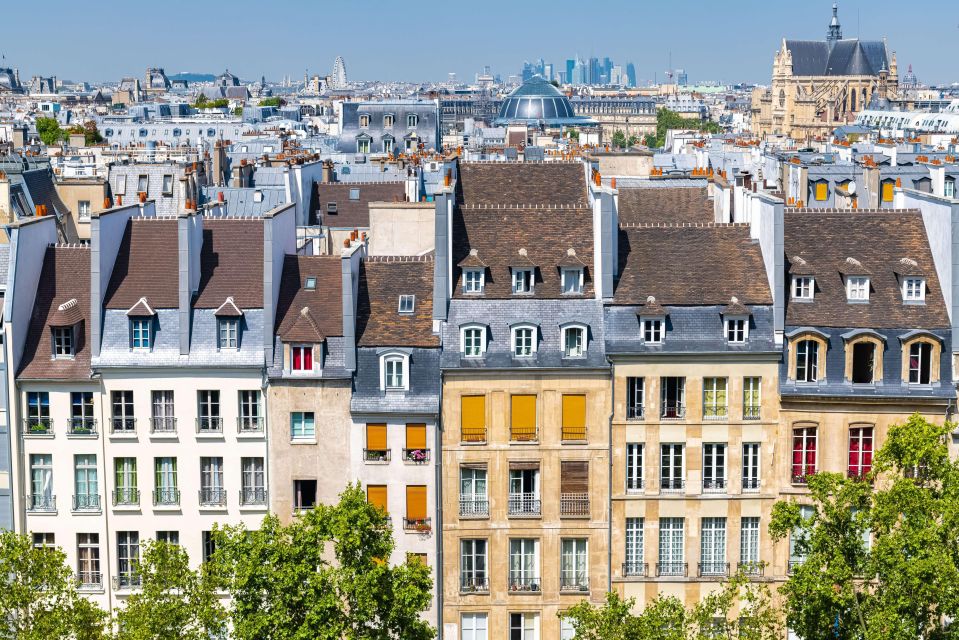
The tour turns a corner—figuratively and literally—toward the Jewish quarter. You’ll explore the narrative of the oldest synagogue in Paris and also a synagogue in Art Deco style, with an emphasis on the living community around these landmarks.
You’ll also walk through Rue des Rosiers, where the tour includes street food and guided explanation. The stops here are explicitly tied to delicacies like falafel, hamantaschen, and Hanukkah jelly donuts. Even if you only nibble a little, it’s a smart way to make history taste like something current.
A key bonus: you don’t just see the buildings. The guide shares gathering spots and how shops and restaurants fit the community rhythm.
Possible drawback: food stops can turn your timeline into a “choose your own speed” moment. If you’re the type who wants to try everything, plan extra time in your day overall.
Hidden stop(s) you won’t find on your own
At least one part of the route is a secret stop—a photo stop plus guided context. This is exactly the kind of item I care about on paid tours: it’s not an official landmark that everyone lists, it’s something the guide knows how to point out, explain, and locate within the larger story of the Marais.
This is also where the guide personality can matter most. In the past, guides like Sacha were noted for adjusting to questions—so if you’re curious about one street detail, ask. The tour is built to support that back-and-forth.
Halle des Blancs Manteaux: market energy with historical context
You’ll have a stop at Halle des Blancs Manteaux, guided tour included. This is a good moment to see how the Marais still functions like a neighborhood, not just a museum district.
Even if you don’t shop, the guide’s framing helps you connect market life to the larger centuries-long flow of residents and visitors.
UNIQLO LE MARAIS: modern retail as part of the neighborhood story
Yes, there’s a UNIQLO LE MARAIS visit. It sounds like an odd choice until you remember what the tour is really doing: showing how old Paris sits next to brand-new rhythms.
This stop is short, and it’s not about fashion as a goal. It’s about noticing how a historic district adapts. If you’re not a shopper, use it as a quick regroup moment and then get back into the architecture-focused stops.
Picasso Museum Paris: art-world relevance, not just name recognition
You’ll also stop near Picasso Museum Paris with guided context. The tour’s benefit here is how it links the Marais to the art scene and the way creative energy kept transforming the neighborhood into the 20th century and beyond.
Even if you don’t enter the museum, you’ll come away with a better sense of why this area keeps attracting artists and attention.
National Archives Garden: a pause with purpose
Next is the National Archives Garden for a photo stop, visit, and guided tour. This is your “slow down” moment, and it matters because the rest of the route is fairly stop-and-go.
In colder months (or if it’s raining), this kind of pause can be a real relief. One past tour included heavy rain, and the garden break helped the day still feel organized.
Shopping and street chemistry at 30 Rue Sainte-Croix de la Bretonnerie
The tour visits 30 Rue Sainte-Croix de la Bretonnerie for a guided visit and shopping time. This is a practical slot: you can look for small souvenirs, gifts, or just explore how today’s Marais boutiques differ from the historical façades outside.
If your goal is value, this is the spot to browse without feeling guilty. You’re already in the right place—now you’re just turning “seeing” into “choosing.”
Centre Pompidou: a modern endpoint with a recognizable silhouette
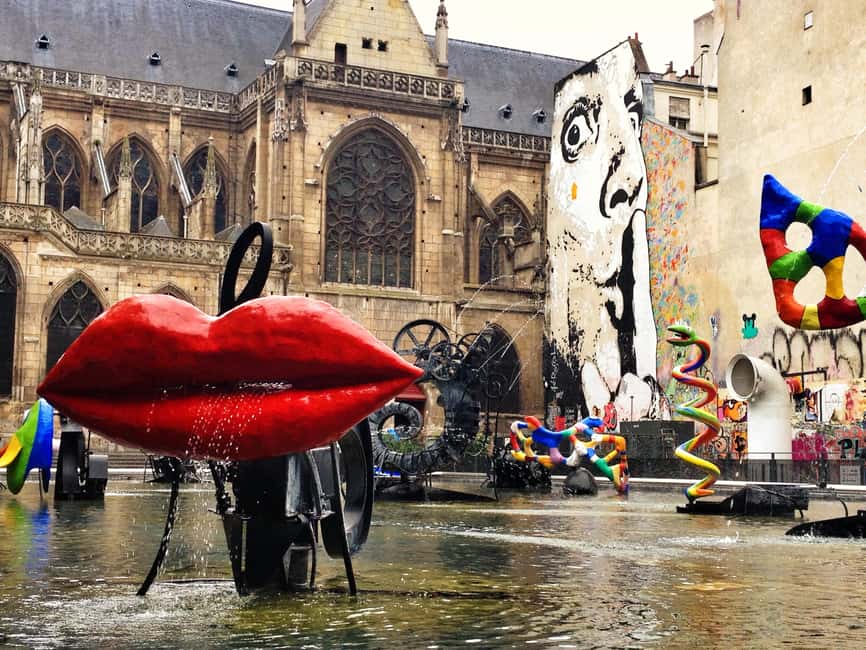
The final major anchor is Centre Pompidou for a photo stop and guided tour. It functions as the tour’s modern “finisher.” You’re walking out of the medieval and religious storyline and into a Paris that’s visibly contemporary in design and cultural energy.
It’s a good way to end if you still want one big, unmistakable landmark to hold onto when you’re tired and your phone battery starts to panic.
The guides make or break it: Max, Sacha, Malakas (and why that matters)
The strongest praise in recent experiences is consistent: guides were energetic, answered questions clearly, and adapted when people wanted extra detail.
- Max was described as enthusiastic and well studied in politics, history, and international relations—useful when a street corner connects to power, religion, and shifting social life.
- Sacha was highlighted for history knowledge and tailoring the tour even when the group was small, plus pointing out secret gardens that tourists often miss.
- Malakas was praised for clear, happy explanations and good pacing even in bad weather.
For you, the practical takeaway is simple: ask questions early. If you want less food focus or more architecture focus, say it. A good guide can shift emphasis without losing the core route.
How much this costs, and what you’re really paying for
The price is $50 per person for 150 minutes with a professional local guide. What you’re buying isn’t just movement from stop to stop. You’re paying for:
- context that makes each building meaningful
- access to hidden or less obvious spaces
- a planned route that keeps the medieval-to-modern contrast coherent
- live Q&A support from an experienced guide
Tickets to specific museums aren’t listed as included. So keep your day budget flexible if you plan to enter places on your own after the tour. Street food and shopping are also on you.
Still, for a guided history-and-neighborhood experience that covers both the medieval core and modern Marais culture, this pricing feels fair—especially since you’re getting a full 2.5-hour narrative, not a quick “hit the highlights” stroll.
What to bring (and what to do if it rains)
You’ll want:
- Comfortable shoes (non-negotiable for this kind of route)
- A bottle of water (bring your own)
- An umbrella for security and weather
For timing, this tour is 150 minutes, so pace yourself. If you’re doing this early in your trip, it can serve as your Marais orientation. If you’re doing it later, it gives you a better lens for the streets you already walked without really reading.
Also note: cancellation is free up to 24 hours in advance, and there’s a reserve-and-pay-later option, which is helpful when you’re juggling weather or other plans.
Who should book this Marais experience
Book it if you want:
- a guided story that connects medieval Paris to modern Marais nightlife and shopping
- synagogue and Jewish history stops, not just generic “old town” sightseeing
- hidden spots and “how to notice things” advice
- a guide who’s willing to answer questions and adjust to interest
Skip it (or reconsider timing) if you hate walking through narrow streets or you’re looking for a tour that spends a long time inside major museums with lots of ticket time.
Should you book? My honest call
Yes—if you like your Paris history with real street details and you don’t mind a busy route. This tour is the kind that helps you understand the Marais as a living neighborhood: medieval roots, courtly power, Jewish landmarks, Masonic intrigue, and then the modern designer-and-café scene.
The biggest reason to book is the mix of named anchors (Place des Vosges, Victor Hugo, Hôtel de Sully) plus the less obvious stops where guides add real value. If you want postcards only, you can do that on your own. If you want meaning, this is the better use of your time.
FAQ
How long is the Marais tour?
It lasts 150 minutes.
Where do I meet the guide?
Meet at 3bis Pl. de la Bastille. The guide waits with a sign that says My Super Tour at the metro Bastille exit 7 (sortie 79).
Which metro lines can I use to get there?
The meeting point is at Bastille station, reachable via line 1, 5, and 8.
What language is the live guide offered in?
The tour offers a live guide in English and Russian.
Is the tour price $50 per person?
Yes. The listed price is $50 per person.
What should I bring?
Bring comfortable shoes, a bottle of water, and an umbrella.
What’s included in the price?
The tour includes an experienced professional local guide.
Can I cancel if plans change?
Yes, it offers free cancellation up to 24 hours in advance for a full refund.