REVIEW · PARIS
Montmartre, Paris: The Locals’ Favorite Arrondissement
Book on GetYourGuide →Operated by City Unscripted · Bookable on GetYourGuide
Montmartre can feel like a postcard. This tour aims to keep it real, with private guidance and a route that also reaches Clignancourt. I like that you get matched to a host based on your interests and personality, not just a one-size-fits-all script. I also like how the walking focuses on everyday street culture, including art galleries and artists working in the neighborhood. One consideration: food and drinks are not included, so budget for your own café stop or street-market snack.
In practical terms, you’ll spend about three hours on foot through the 18th arrondissement, following a local host as you wind through tight lanes and scenic viewpoints. Montmartre’s classic charm is here, but the bigger payoff is the change of pace when you shift toward Clignancourt’s alternative, multi-cultural, bohemian feel. Along the way, there’s room to pause for coffee or a pastry at a local sidewalk café, or grab something from a neighborhood shop or roadside market.
If you’re the type who needs a lot of breaks, plan your energy: it’s a walking experience with a fixed duration of 3 hours. The flip side is that you won’t waste time on logistics once you meet your guide, since the meeting point is flexible and arranged with your host in advance.
In This Review
- Key things I’d circle on your planning map
- Montmartre’s classic looks meet a more local 18th arrondissement
- The guide matching matters more than you think
- A 3-hour walking plan that avoids the museum trap
- Montmartre’s lanes, galleries, and the “watching people work” feeling
- Clignancourt: the alternative side that most people miss
- Food stops that let you choose your mood (and your wallet)
- Price and value: is $121 for 3 hours worth it?
- Logistics that matter: meeting point, walking comfort, and pacing
- Who this tour suits best
- Should you book this Montmartre and Clignancourt walk?
- FAQ
- FAQ
- How long is the Montmartre and Clignancourt experience?
- Is this tour private or group-based?
- What’s included in the price?
- Are food and drinks included?
- Are attraction tickets included?
- What languages are the guides available in?
- Where do we meet the guide?
- Is the tour wheelchair accessible?
Key things I’d circle on your planning map
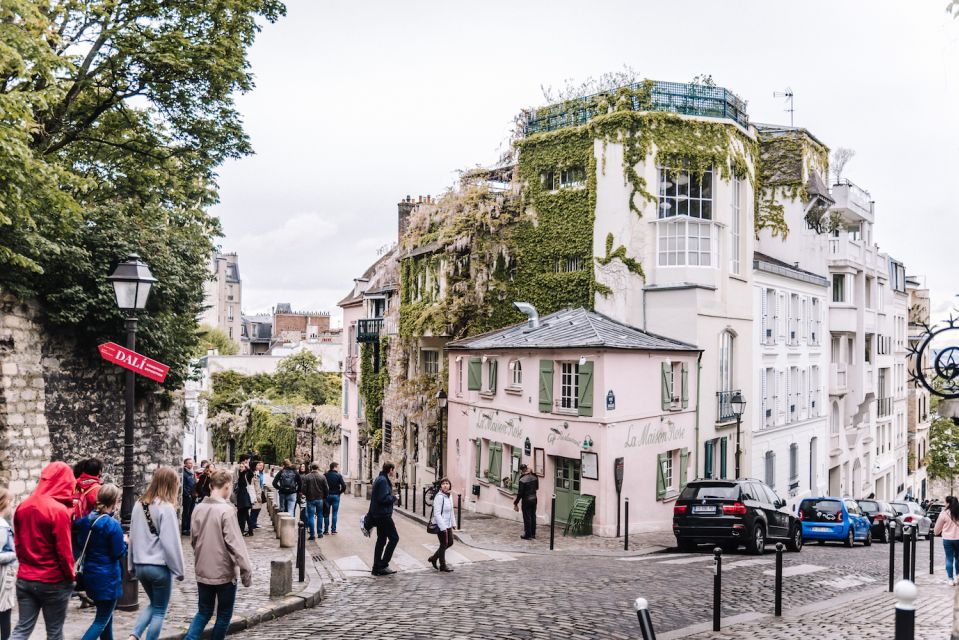
- Personality-based guide matching so the walk fits your pace and interests
- Montmartre street art in motion, including galleries and artists working nearby
- Clignancourt for the non-tourist side of Paris, including alternative, multi-cultural street life
- Café + market timing, with built-in chances to grab a coffee, pastry, or street food on your terms
- A private, personalized 3-hour route that’s designed for walking rather than museum time
Montmartre’s classic looks meet a more local 18th arrondissement
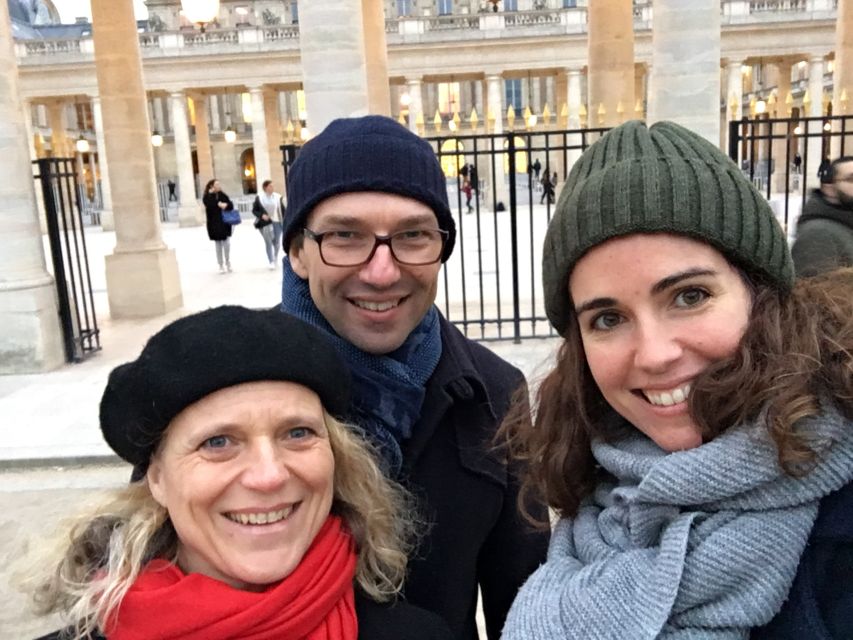
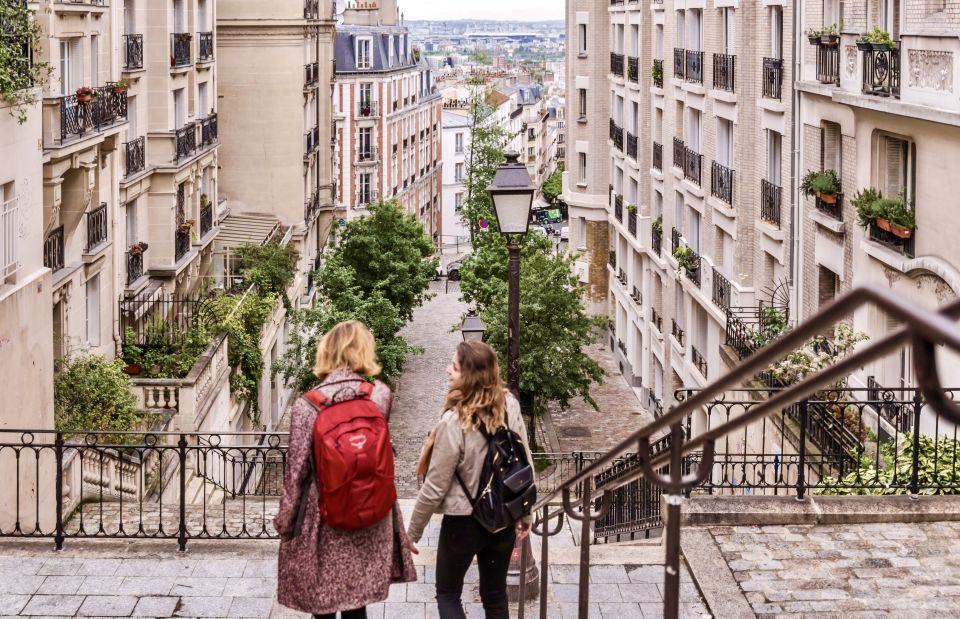
Montmartre gets a lot of marketing. You know the view: steep streets, stone steps, and that instantly recognizable Paris atmosphere. The trick is not letting the area become a theme park.
This experience is built for the opposite feeling. Instead of rushing you from stop to stop, it pairs you with a local host who’s meant to be your translator for everyday neighborhood life. You’re not just learning facts; you’re getting the vibe and the context—why certain streets feel artsy, why some blocks feel more residential, and how people actually move through the area.
Then the route deliberately turns your attention toward the 18th arrondissement’s quieter side, especially Clignancourt. That’s where Montmartre’s postcard personality starts to loosen into something more experimental, multi-cultural, and bohemian. If you’ve done the big sights already and you want a neighborhood that feels less rehearsed, that shift is the whole point.
You can also read our reviews of more tours and experiences in Paris.



The guide matching matters more than you think
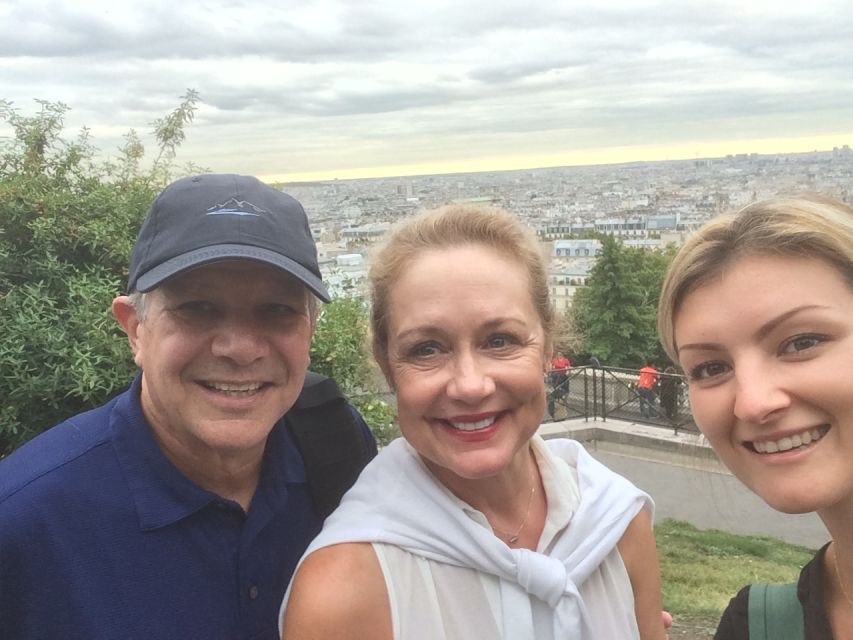
One of the smartest parts of this tour is how the guide is chosen. You’re matched to a knowledgeable local host based on your interests and personality. That doesn’t sound dramatic on paper, but it changes everything in real life.
If you like art, your host will likely steer you toward spots where creative life is visible—galleries and streets connected to artists. If you’re more of a food-and-street-life person, the walk can lean into quick stops for coffee or pastry, and the rhythm of small neighborhood shops. If you want stories, a good host can connect the architecture and street layouts to the way people use the neighborhood today.
In the past, guides named Clovis, Beatriz, and Ines have been praised for being friendly and genuinely engaged. That matters because Montmartre is crowded at times, and you want someone who can keep the walk calm, clear, and interesting instead of turning it into a lecture marathon.
A 3-hour walking plan that avoids the museum trap
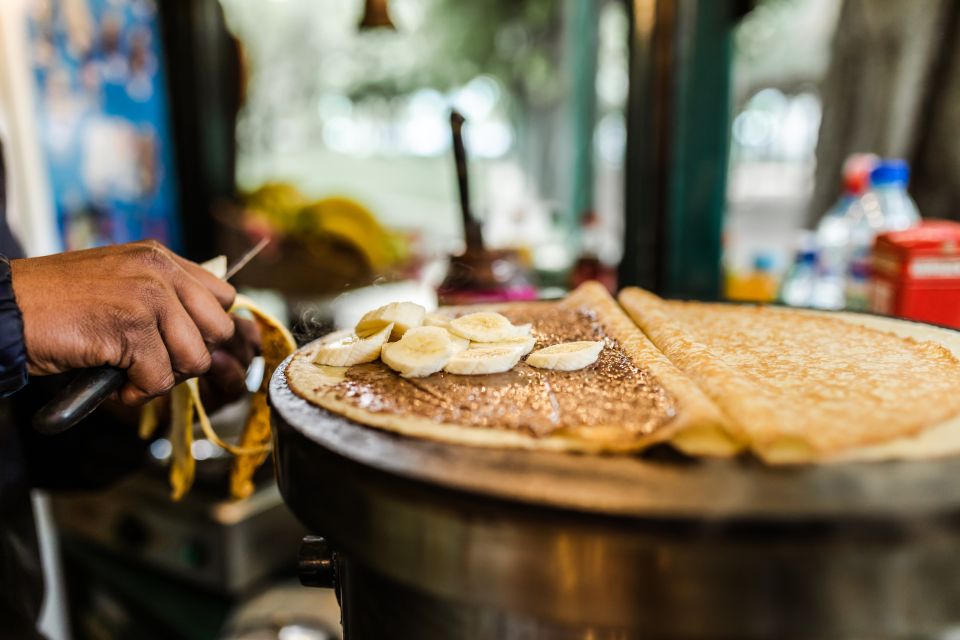
With a 3-hour duration, this isn’t the kind of experience that tries to cover everything from top to bottom like a sprint. Instead, it’s designed to help you feel your way through Montmartre and then extend that feeling into Clignancourt.
Here’s how that tends to play out for you:
- You start with classic Montmartre street charm—cobbled lanes, winding passages, and plenty of visual details.
- As you go, you’re guided through areas where art shows up in everyday ways. That includes stopping for what you can see from the street and in galleries, plus noticing how local creative work fits into neighborhood life.
- After that, you transition toward Clignancourt’s alternative energy—less postcard, more lived-in.
The value of a tight time window is focus. You can still do this even if you’re juggling other Paris plans, and you’ll leave with a clearer sense of what Montmartre is beyond the famous images.
Montmartre’s lanes, galleries, and the “watching people work” feeling
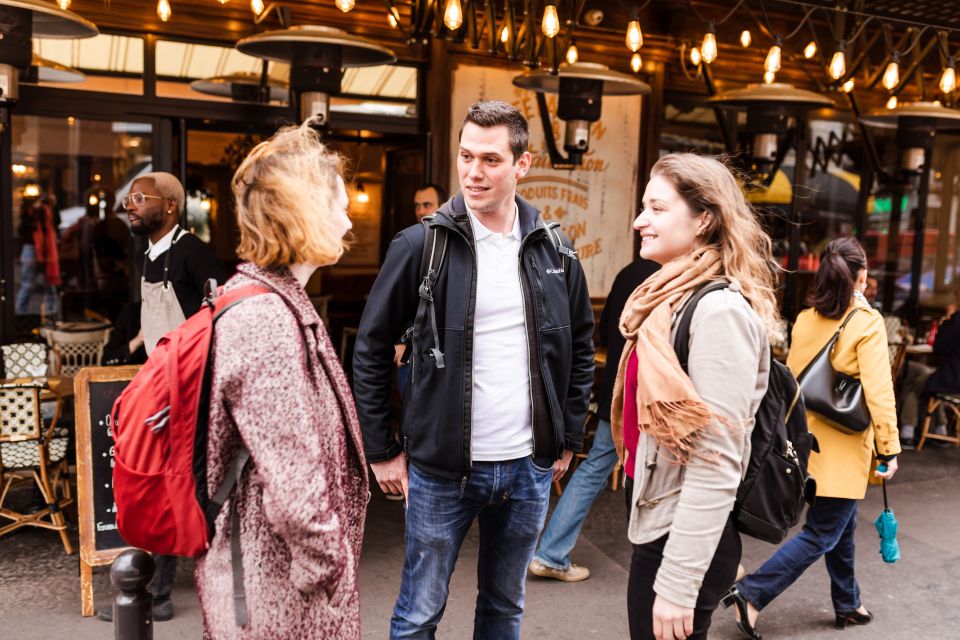
Montmartre is famous for its art connection, but it’s easy to experience that art as something distant—behind glass, behind ticket lines, behind distance. This walk pushes you closer to the street-level side of creativity.
What I like about the way the experience is described is that it doesn’t just point to artworks; it points to places where art culture continues in real time. Expect stops connected to art galleries and seeing local artists’ presence in the streets. That “people working” feeling tends to make the neighborhood feel less staged.
If you’ve ever stood in a gallery thinking, I wish I knew how this connects to the neighborhood outside the gallery walls, this kind of focus helps. You’ll start to see how creativity is woven into the street itself—where people gather, where they browse, and where the neighborhood energy changes block to block.
Clignancourt: the alternative side that most people miss
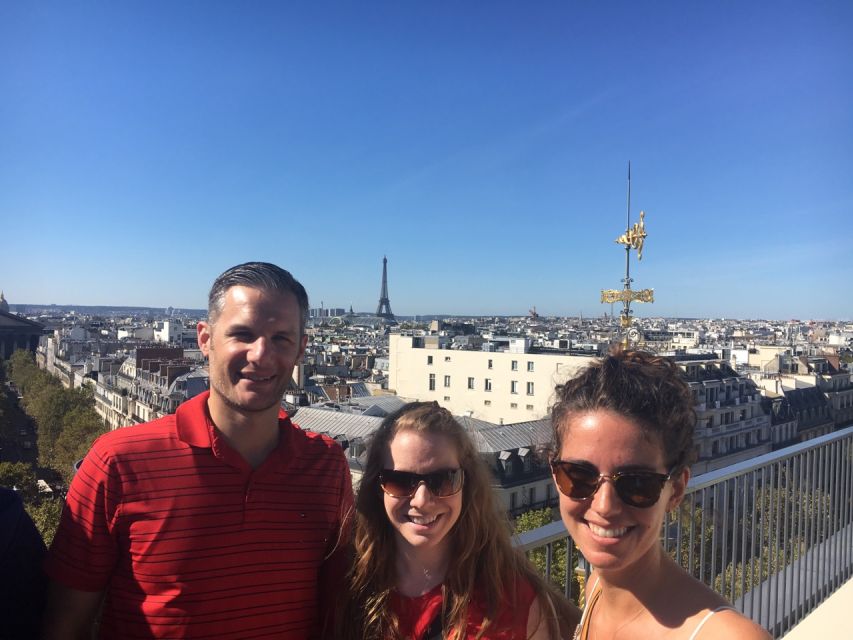
If Montmartre is the front door, Clignancourt is the side hallway you’re glad you found.
Clignancourt is described as alternative, multi-cultural, and bohemian—and that description fits what you’ll feel while walking. You’re less likely to hear the same repeated tourist chatter. Instead, the street scene tends to feel more varied, more everyday, and more connected to different communities living side by side.
This is the part of the experience that can surprise you. Many first-time Montmartre visitors never go deep enough into the surrounding area to get this contrast. By building the walk so that you actually move through both sides—classic Montmartre and Clignancourt’s quieter edge—you get a more complete picture of the 18th arrondissement.






Food stops that let you choose your mood (and your wallet)
Food is a big part of how you experience Paris, but here’s the balancing act: food and drinks are not included. That’s not a deal-breaker; it’s just honest.
What you do get is the flexibility to stop. The highlights specifically mention chances to:
- grab a coffee or pastry at a local street-side café, or
- pick up global street food from a roadside market or neighborhood shop.
That’s a good setup because “best food stop” depends on you. Some people want a quick espresso and something sweet while watching street life. Others want a filling snack from a local market. Since food isn’t bundled, you can steer it to your budget without feeling like you must finish a preset menu.
Practical tip: if you’re on a tight schedule, look for a stop that’s close to your walking route. A 3-hour walk can make a long sit-down meal feel like a detour.
Price and value: is $121 for 3 hours worth it?
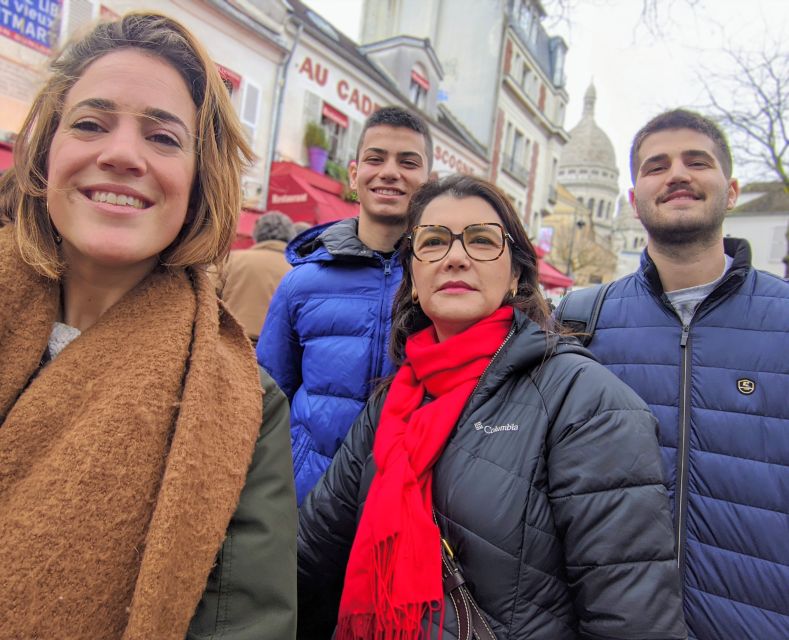
At $121 per person for 3 hours, the price isn’t “cheap,” but it can be good value for what you’re getting: a private, personalized walking experience with a local host.
What you’re paying for is:
- guide time (3 hours),
- walking-focused planning,
- and the human part: matching you to a host who fits your interests.
You’re also skipping the typical costs that come with self-guided planning—no museum tickets are included, and transportation costs are not included—so your overall trip cost depends on your choices on the ground. If you’d otherwise spend time researching where to go, translating what you see, and trying to avoid tourist traps, a good host can save you stress while adding meaning.
In plain terms: this price makes sense if you want neighborhood context and a guided route. If you only want a casual wander with no narrative, you could do it on your own. But if you want Paris that feels like you’re let in on a secret, this format is the right investment.
Logistics that matter: meeting point, walking comfort, and pacing
A few practical details can make or break your day.
- Meeting point is flexible and arranged with your guide in advance. That’s helpful, but make sure you confirm details before you head out.
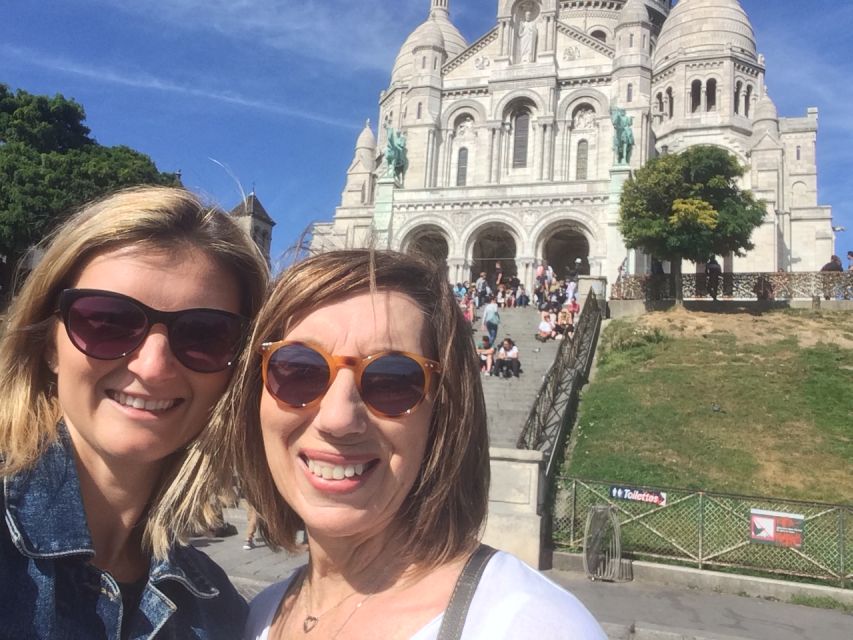
- Wear comfortable walking clothes. This is a walking experience, and Montmartre’s terrain can mean uneven streets and lots of steps.
- Transportation costs are not included. Plan how you’ll get to the meeting spot.
Also worth knowing: the experience lists itself as wheelchair accessible, which is a plus if you need that option. You’ll still want to check in on route specifics for your comfort, since neighborhood streets can vary.
Who this tour suits best
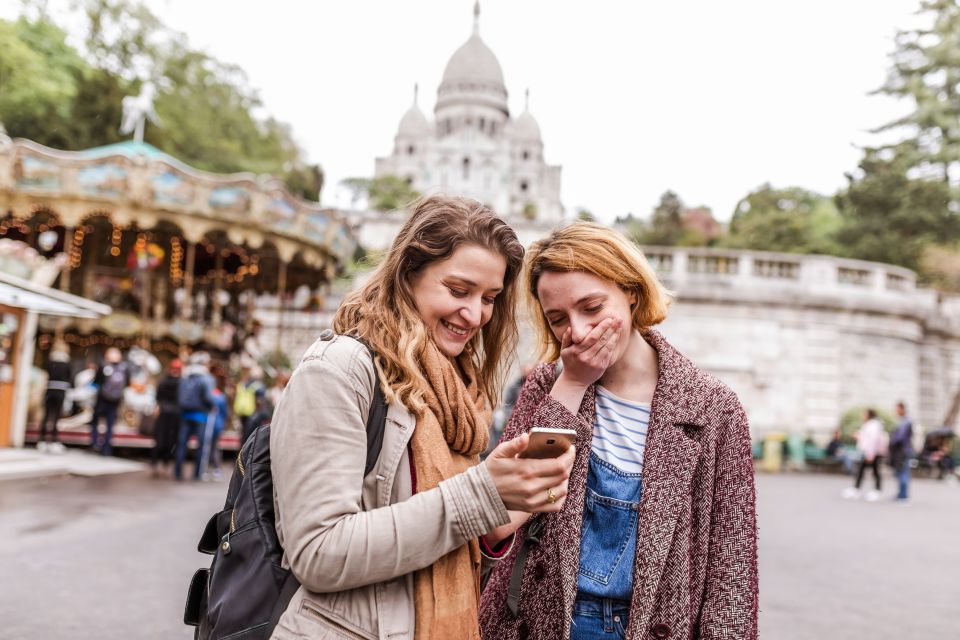
This is a great fit if you:
- want Montmartre with less “tour bus” energy,
- like art culture connected to real street life,
- and enjoy food stops that feel local, whether that’s a café pastry or street-market bites.
It also works well if you’re traveling with a partner or solo and you want someone to tailor the walk to you. The guide matching based on interests and personality is the key ingredient here.
If you’re the type who wants a deep museum schedule, timed tickets, and lots of indoor time, this probably isn’t your best match. It’s a neighborhood-walking experience first.
Should you book this Montmartre and Clignancourt walk?
I’d book it if your goal is to go beyond the famous Montmartre photos and come away with a clearer sense of the 18th arrondissement as a living neighborhood.
I’d think twice only if food-and-drinks planning will stress you out. Since food isn’t included, you’ll need to handle your own café or market choices during the walk. If you’re fine making that simple plan, you’ll likely love the balance of classic streets plus the contrast of Clignancourt’s alternative side.
FAQ
FAQ
How long is the Montmartre and Clignancourt experience?
It lasts 3 hours, with walking as the main format.
Is this tour private or group-based?
It’s described as a private and personalized experience with a local host.
What’s included in the price?
You get 3 hours with a local host and a walking experience.
Are food and drinks included?
No. Food and drinks are not included.
Are attraction tickets included?
No. Tickets to attractions are not included.
What languages are the guides available in?
The live tour guide is available in English and French.
Where do we meet the guide?
The meeting point is flexible and arranged with your guide in advance.
Is the tour wheelchair accessible?
Yes, the tour is listed as wheelchair accessible.