REVIEW · PARIS
Paris: Les Caves du Louvre Guided Tour with Wine Tastings
Book on GetYourGuide →Operated by Les Caves du Louvre · Bookable on GetYourGuide
Royal wine cellars under the Louvre beat most tours. Les Caves du Louvre takes you into former royal wine cellars and turns French wine education into interactive five-senses games that make the basics click fast. I also like that you end with a guided tasting where you can pick and compare three wines, not just sip and shuffle out. One consideration: the tour is English only, so plan accordingly.
What really makes it work is the flow. You move room to room, using games, videos, and an interactive app, and guides like JB, Lou, Irwin, and Pierre bring the history and wine science with humor, not lecturing. It’s only about an hour, so it fits cleanly into a Louvre day without draining your energy.
In This Review
- Key highlights worth your hour
- Royal Cellars by the Louvre: What Makes This Tour Different
- Entering the Former Royal Wine Cellars Near the Louvre
- Your 5 Senses at Work: Games, Visuals, and the Aroma Exercise
- French Grapes, Regions, and Terroir You Can Actually Picture
- Tasting With a Sommelier: How You Learn to Taste, Not Guess
- Choosing Your Three Wines: What Changes Each Week
- How It Fits Into a Louvre Day Without Draining Your Schedule
- Price and Value: Is $41 for an Hour Fair?
- Who This Tour Is For (and Who Should Skip It)
- Booking Tips and What to Expect on Arrival
- Should You Book Les Caves du Louvre Wine Cellars?
- FAQ
- How long is the Les Caves du Louvre guided tour?
- Where is the meeting point?
- What language is the tour offered in?
- What wine tastings are included?
- Is food included in the tour price?
- What is included besides the wine tastings?
- Is the group size small?
- Is the tour suitable for children?
- What is the cancellation policy?
- Can I pay later?
Key highlights worth your hour
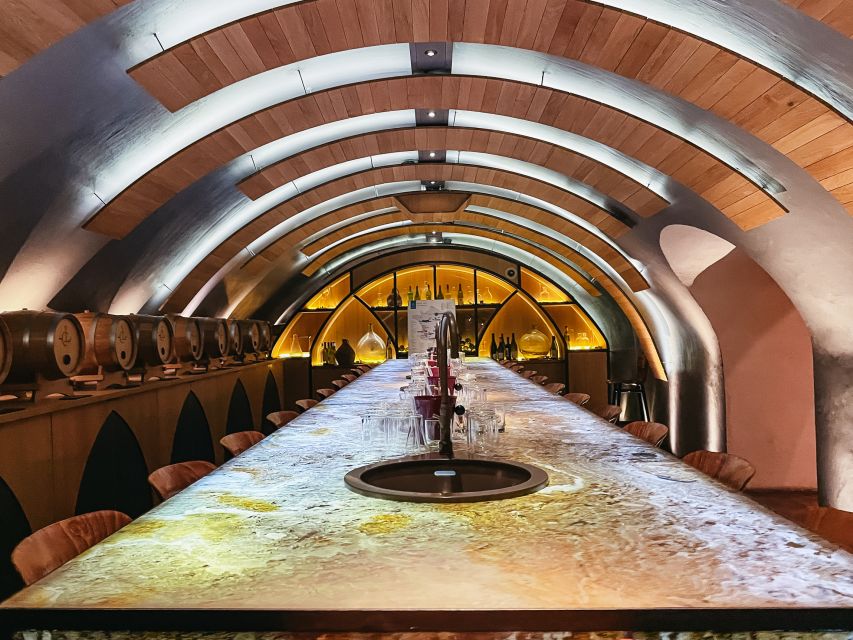
- Royal 18th-century cellars next to the Louvre: walk actual vaulted spaces tied to the French monarchy’s wine storage.
- A true 5-senses sensory format: games and visuals train your nose and palate, not just your ears.
- Fermentation and terroir made practical: you’ll connect wine taste to grapes, regions, and soil.
- Pick and taste three wines: the sommelier teaches tasting technique while the weekly wine list shifts.
- Small group setting: more chances to ask questions and keep the vibe relaxed.
Royal Cellars by the Louvre: What Makes This Tour Different

If your Paris list has the Louvre, you can still add something that feels surprising and local. This tour brings you underground into 18th-century wine cellars that were used by the King of France. Instead of a generic wine talk, you’re walking through the kind of place that makes the whole subject feel real.
I like that it is not just about tasting. It is also about giving you simple tools to understand wine—how grapes become wine, why regions matter, and how to taste with intention. The interactive parts do a lot of the heavy lifting, so even if you think you do not know wine, you usually leave feeling like you do.
The duration helps too. At one hour, it’s long enough to learn the essentials and taste, but short enough to keep your day moving. This is the sort of stop you can do on a travel schedule, not only as a full-day hobby.
You can also read our reviews of more guided tours in Paris

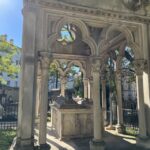

Entering the Former Royal Wine Cellars Near the Louvre
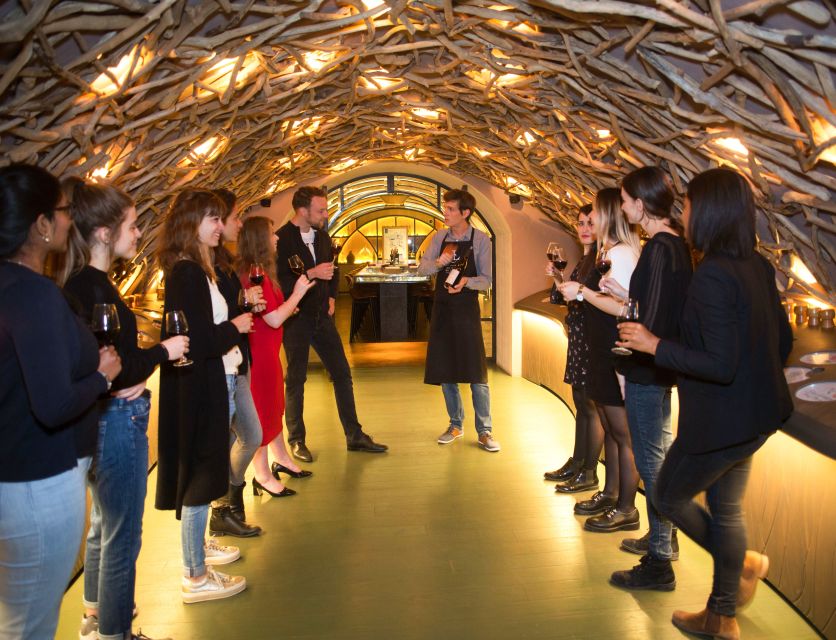
The meeting point is at 52, Rue de l’Arbre Sec, 75001 Paris, which is a very practical base if you’re already thinking about the Louvre area. From there, you get guided into the caves and start the experience in a setting that instantly changes the mood—cool, quiet, and built for storage.
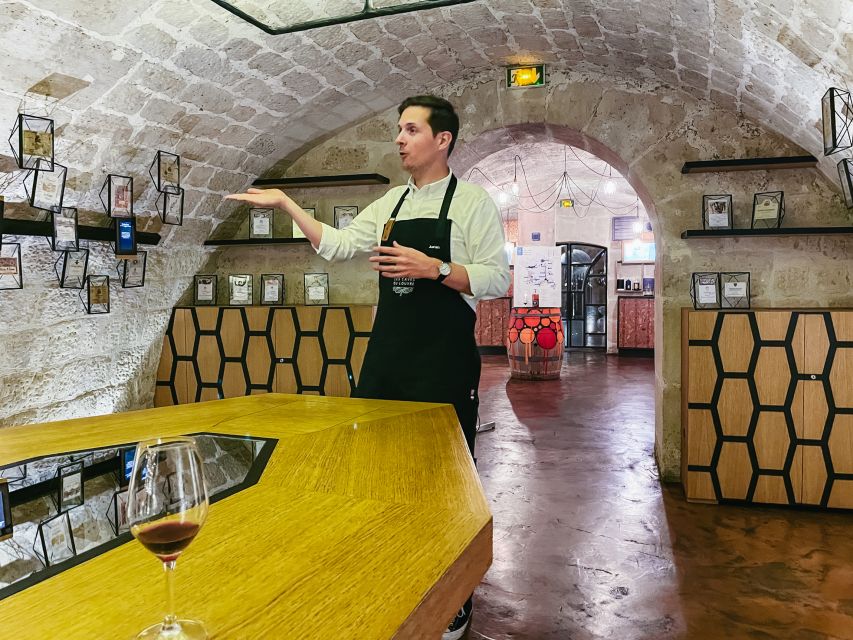
The setting is part of the education. You get to see how wine was kept over time, which makes the steps of winemaking feel connected instead of abstract. One of the common themes from guides—like JB and Lou—is that they tell the wine story as you move through different rooms, so you’re always going somewhere, not sitting in one spot.
You’ll also notice that this is designed as a guided path. You’re not wandering. The tour structure helps your brain stay on track, especially during the sensory sections where you’re learning by doing.
Your 5 Senses at Work: Games, Visuals, and the Aroma Exercise
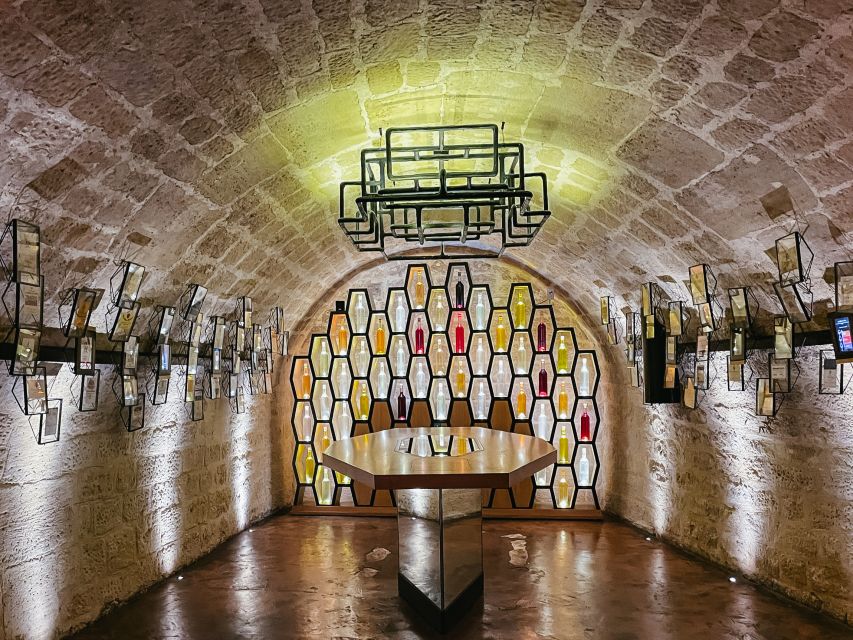
This is the part that most people remember because it changes how you taste. The tour is built as a sensory visit: games, videos, and “surprising discoveries” guide you through how wine is made and how tasting works.
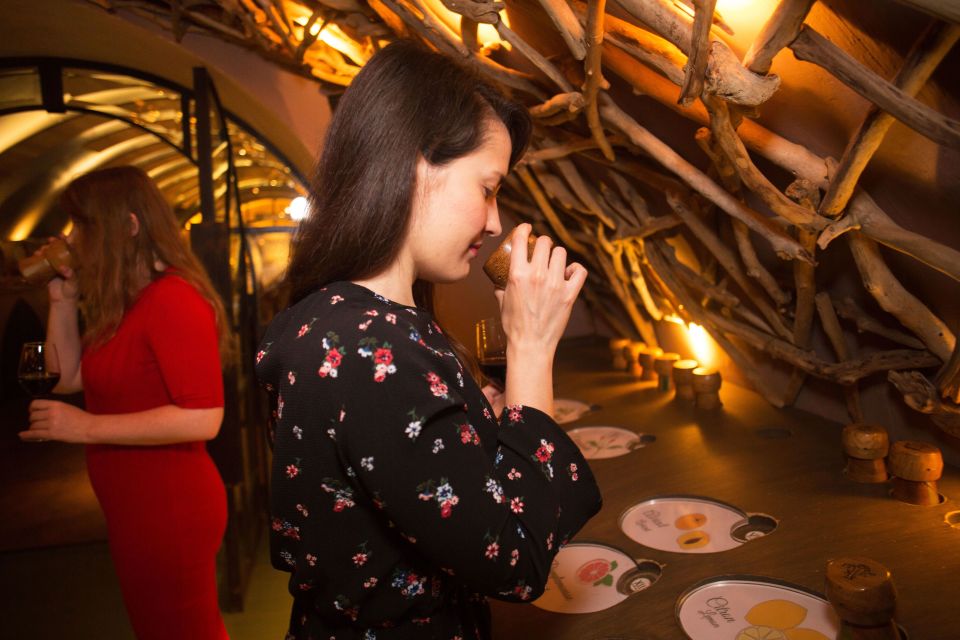
In practice, the sensory stations help you understand aromas without turning it into a mystery box. One review highlighted an interactive display that identifies aroma notes, and another mentioned how the guide compares tasting through your nose versus your palate. That matters, because a lot of wine mistakes come from tasting too quickly or judging before you actually smell.
You’ll also get “winemaking steps” laid out in order. As you move, the guide explains the journey from grape to bottle, and the sensory parts keep it from becoming a dry lecture. If you’ve ever felt that wine education is too serious and too slow, this format is designed to fix that.
French Grapes, Regions, and Terroir You Can Actually Picture
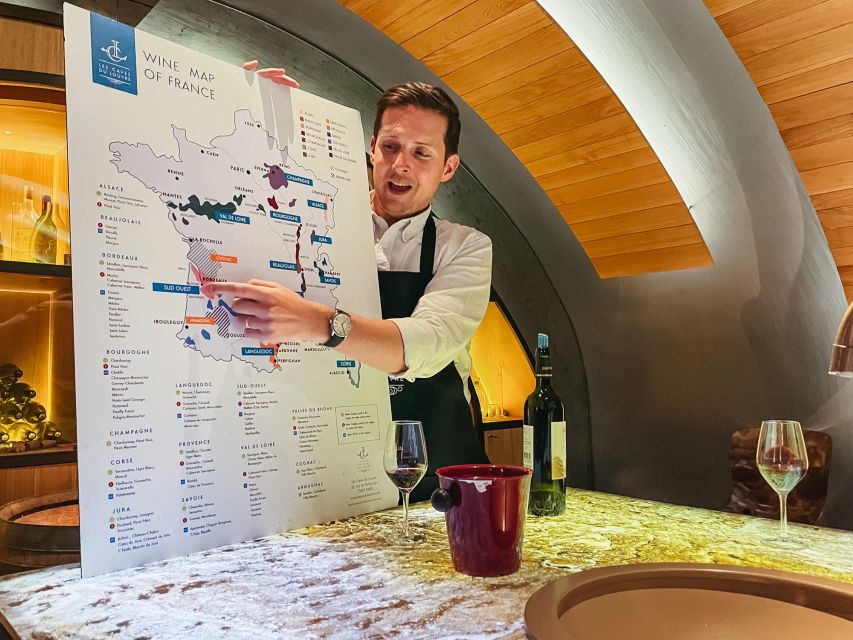
You do not just get generic names. The tour connects grape varieties to regions and to what makes taste differ. The focus is on French grapes and wine regions, and the language stays friendly and practical.
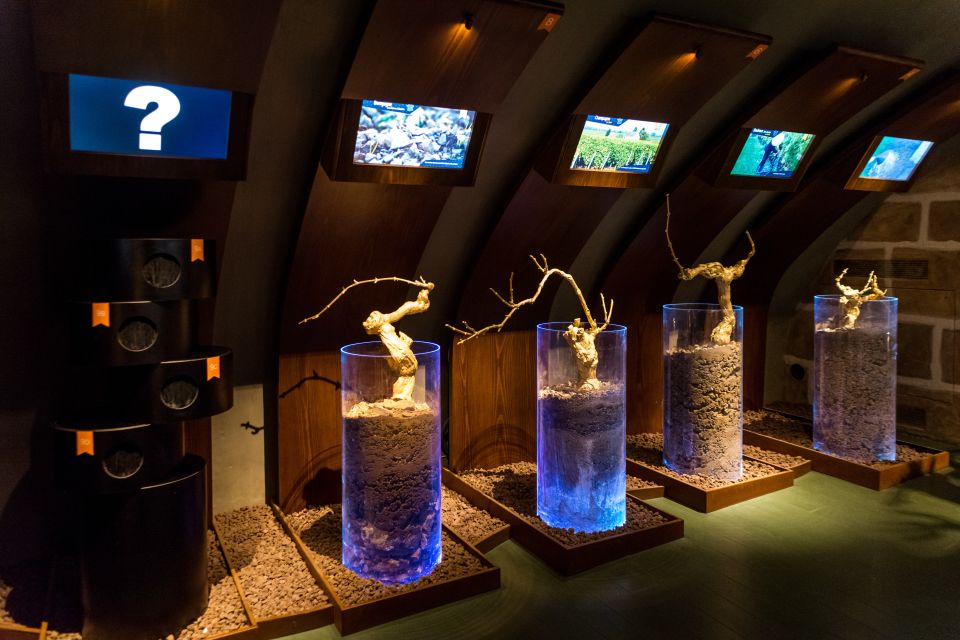
What I like here is the way terroir gets explained as more than a buzzword. One guide used an example comparing soils like clay versus limestone, turning geology into something you can picture. Another guide shared analogies about how older vines access deeper soil, which gives you a mental image for why grapes can taste different even when the winemaking process is similar.
You also learn about fermentation in a hands-on way. Multiple reviews mentioned details like fermentation processes and different yeasts. Even if you don’t care about the chemistry, those facts make wine less random. When you understand that taste has a pathway, you can start tasting with logic.
Tasting With a Sommelier: How You Learn to Taste, Not Guess
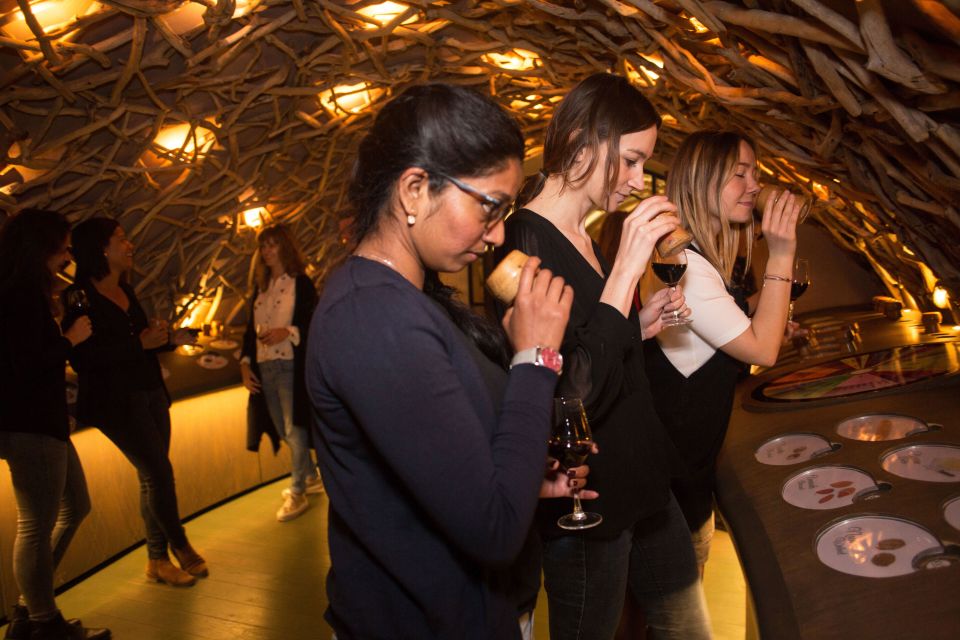
At the end, you do the part wine lovers came for: tasting. The tour ends with you choosing three wines of your preference. A sommelier guides you through tasting techniques, focusing on nuances in French grapes and how to compare different bottles without overthinking it.
This is where the earlier sensory training pays off. After games and aroma work, you’re more likely to notice differences in smell, acidity, body, and finish. Instead of thinking, That one is good and this one is different, you start building a vocabulary that actually helps you buy wine later.
In reviews, guides often stood out for their delivery style—funny, interactive, and able to answer questions. If you’re the type who likes to ask why something tastes a certain way, this format makes it easy to do so without feeling like you’re interrupting.
The tasting itself is a highlight because it is not one wine and done. It’s a small lineup designed to teach comparison. And the sommelier’s technique helps you understand what you are sensing rather than relying on guesswork.
You can also read our reviews of more wine tours in Paris




Choosing Your Three Wines: What Changes Each Week
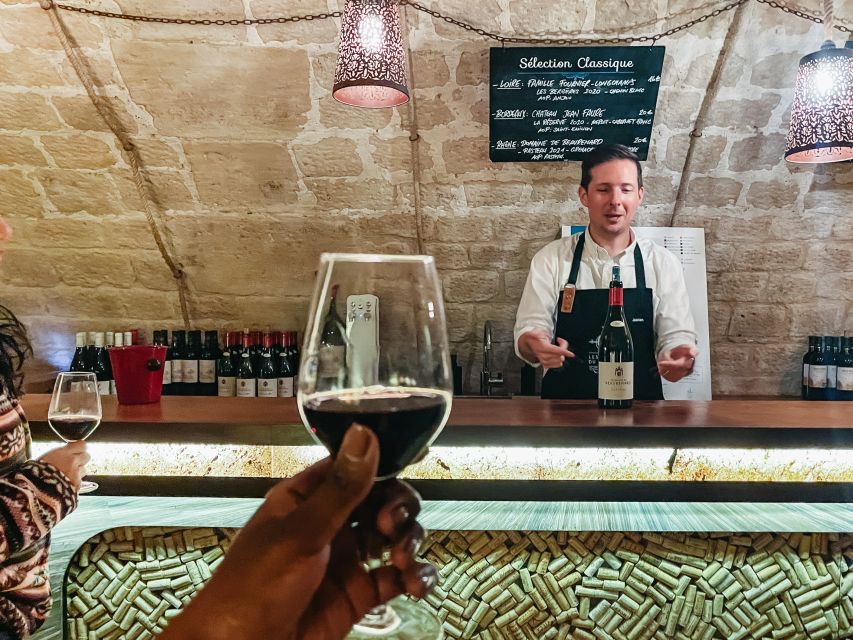
One practical detail that helps you plan: the wine list changes every week. That means your experience won’t be identical to what someone else tasted in a different season.
The tour’s tasting structure also reduces decision stress. You get to pick three wines, but you’re still guided by the sommelier’s teaching. So even if you’re unsure what to select, you’re not totally flying blind. The tasting is about learning patterns—how regions and grapes show up in the glass—so choosing becomes part of the lesson.
Some reviews also mention an upgrade option with a premium selection. If that’s available when you book, it likely makes sense if you want a more varied or higher-end lineup. Still, the core format remains the same: three tasting wines paired with explanation.
How It Fits Into a Louvre Day Without Draining Your Schedule
This tour is a smart add-on for people who want variety around the Louvre. It’s short, it’s in the same broader area, and it gives you a change of pace: from museum crowds to cool cellars.
If your day already has a big anchor like the Louvre, this helps you balance the schedule. You’ll learn in a smaller space, and you get an experience that feels tied to place, not just content. One review even described it as a perfect way to relax while still learning culture—exactly the kind of energy shift you want between sightseeing blocks.
Because it lasts about an hour, I’d treat it as a planned mid-day or early evening activity, depending on your stamina. If you do it right after a long museum session, you can benefit from the indoor break and the sensory focus, which is easier than another full-on walking day.
Price and Value: Is $41 for an Hour Fair?
At $41 per person for about one hour, you’re paying for three things: access to the historic cellars, guided instruction, and wine tastings. If you compare that to “museum-only” time, the value is strong because you’re not just looking—you’re doing.
The biggest value driver is that tastings are paired with technique. You taste three wines, but you also get guided tasting skills, plus education about grapes, regions, and winemaking steps. For many people, that means you leave with a stronger sense of what to order later—rather than just enjoying the moment.
The other value factor is the small-group feel. Many reviews praise the intimate setup and the ability to ask questions. When a tour is rushed or too large, tasting moments turn into quick sips. In a smaller group, you get more attention and more meaningful explanation.
One caution on value: food is not included. If you’re doing this as a standalone activity, plan to eat before or after so the tasting doesn’t turn into an energy dip. For me, the short duration makes it easy to fit meals around it.
Who This Tour Is For (and Who Should Skip It)
This isn’t built for everyone. It is not suitable for children under 18, pregnant women, or people with mobility impairments. If any of those apply to you, look for a different wine experience that fits your needs.
For the right audience, it’s a great match:
- Wine curious people who want a friendly on-ramp
- Couples or small groups who like interactive activities
- Travelers who love museums but want a more hands-on “France” story
- Anyone visiting the Louvre area who wants a break from crowds and lots of walking
If you already know a lot about wine, the tour still works because it ties winemaking steps and terroir to sensory tasting. You might still come away with new comparisons, especially since the weekly wine lineup shifts.
Booking Tips and What to Expect on Arrival
Because the tour is English only, double-check comfort with English for tasting instruction. The guides use humor and interaction, and you’ll get more from the experience if you can follow along.
Also, remember the tour is underground and designed as a guided circuit. Wear comfortable shoes and expect some walking inside the cellars. You’re moving through rooms where you’ll pause for sensory work and tasting guidance.
Finally, think of the tasting as part of a lesson, not just a souvenir. If you taste with curiosity—smell first, then sip, then compare—you’ll get way more out of the hour.
Should You Book Les Caves du Louvre Wine Cellars?
I’d book it if you want a Paris activity that feels both unique and practical. The royal cellar setting near the Louvre is a strong reason on its own, but the real win is how the tour teaches you to taste—through senses, not vibes.
Skip it if you are looking for a long, slow wine crawl or a food-focused meal experience. This is an hour of focused instruction plus three wines, and you’ll want to handle meals separately.
If you’re doing the Louvre, this is one of the easiest ways to add wine knowledge without turning your day into another all-day project. It’s short, interactive, and built so you leave with more than just a memory. You leave with a method.
FAQ
How long is the Les Caves du Louvre guided tour?
The tour lasts 1 hour.
Where is the meeting point?
The meeting point is at 52, Rue de l’Arbre Sec, 75001 Paris.
What language is the tour offered in?
The tour guide provides the tour in English only.
What wine tastings are included?
At the end of the tour, you choose and taste three wines. A sommelier also teaches tasting techniques and explains nuances of French grapes.
Is food included in the tour price?
No. Food is not included, but it may be purchased on site.
What is included besides the wine tastings?
You get a tour of the former royal wine cellars, explanations of how wine is made, descriptions of French grapes and wine regions, a sensory tour for your five senses, and an interactive app.
Is the group size small?
Yes. Small group options are available.
Is the tour suitable for children?
No. It is not suitable for children under 18.
What is the cancellation policy?
Free cancellation is available up to 24 hours in advance for a full refund.
Can I pay later?
Yes. You can reserve now and pay later, keeping your plans flexible.