REVIEW · PARIS
Paris: Cheese and Wine Class in a 17th Century Cellar
Book on GetYourGuide →Operated by Living Cheese Museum · Bookable on GetYourGuide
Cheese cellar nights beat most Paris side-trips. In a 17th-century cellar, I love how this class turns French cheese learning into something you can taste fast, with 7 cheeses matched to 3 wines while an English instructor explains production and aging. One catch: it is not suitable for lactose intolerance, and you’ll need to be 18+ for the wine (guides such as Gala and Pierre are a big part of the fun).
You meet at Musée Vivant du Fromage, 39 rue Saint Louis en l’île (75004), and you’ll be in the room for about 90 minutes. The format is simple and satisfying: small bites of cheese, sips of French wine, plus fresh baguette to keep your palate balanced before you head back out into Paris.
In This Review
- Quick hits
- Paris Cheese, Wine, and the 17th-Century Room That Makes It Click
- Where You Meet: Musée Vivant du Fromage, 39 Rue Saint Louis en l’île
- The 90-Minute Flow: From Cheese-Making Stories to Paired Sips
- Inside the Cellar: Why Aging Changes Everything
- Seven Cheeses and Three Wines: How to Taste Like a Pro
- Bread, Pace, and Small-Group Comfort
- Price and Value for $82 in Central Paris
- Who Should Book (and Who Should Skip This Cellar Tasting)
- FAQ
- FAQ
- How long is the Paris cheese and wine class?
- What’s included in the $82 price?
- Is the class in English?
- How many cheeses and wines will I taste?
- Where do I meet for the workshop?
- Do I need to be 18 to attend?
- Is this class suitable for lactose intolerance?
- Are pets allowed?
- Is pickup or drop-off included?
- What’s the cancellation window?
- Should You Book This Paris Cheese and Wine Class?
Quick hits
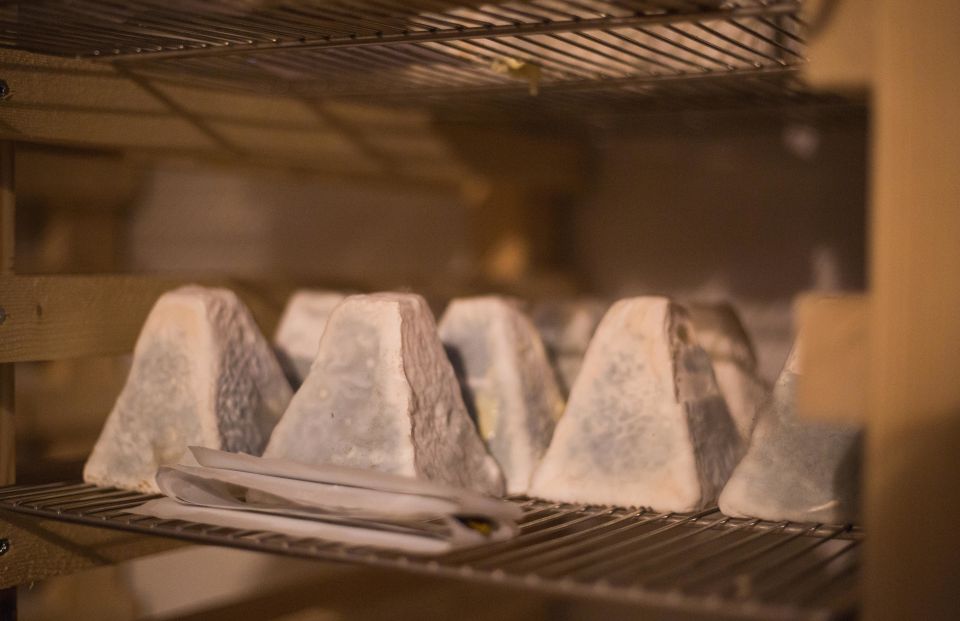
- A 17th-century cheese cellar makes the aging lesson feel real, not theoretical.
- 7 French cheeses from different regions, milk types, and textures.
- 3 wine tastings paired to highlight salt, fat, acidity, and funk.
- English instruction with time to ask questions and get actual answers.
- Small-group feel (often around a dozen people), so the pace stays personal.
Paris Cheese, Wine, and the 17th-Century Room That Makes It Click
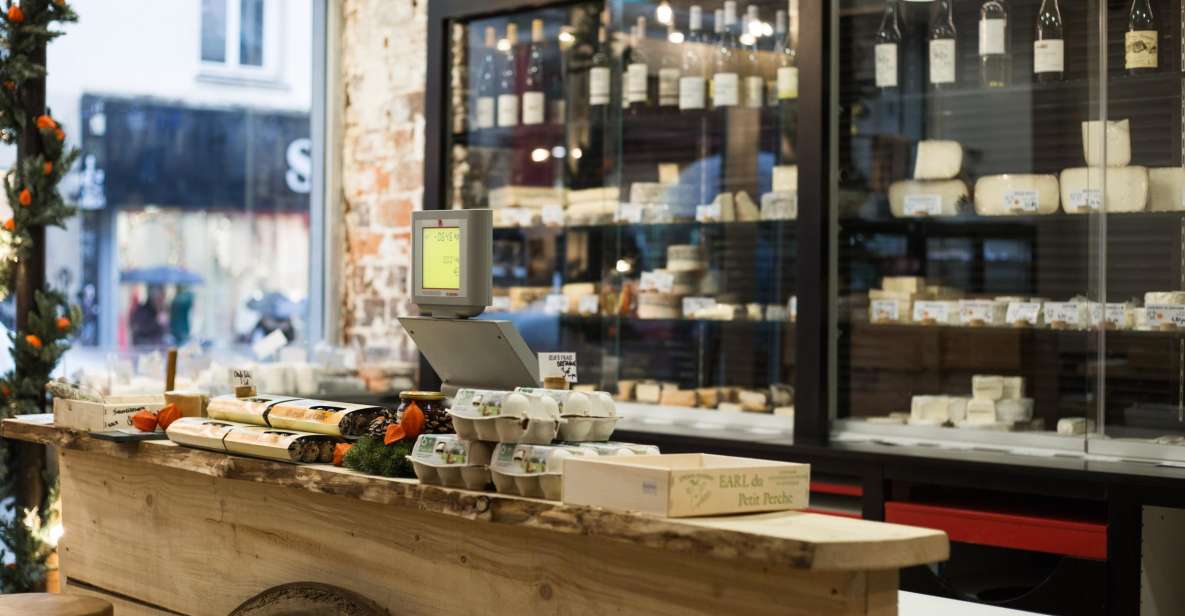
Paris has plenty of things to look at. This class gives you something better: a reason to slow down and taste with attention.
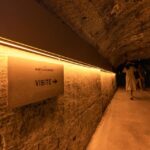
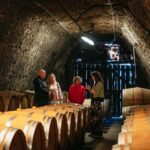
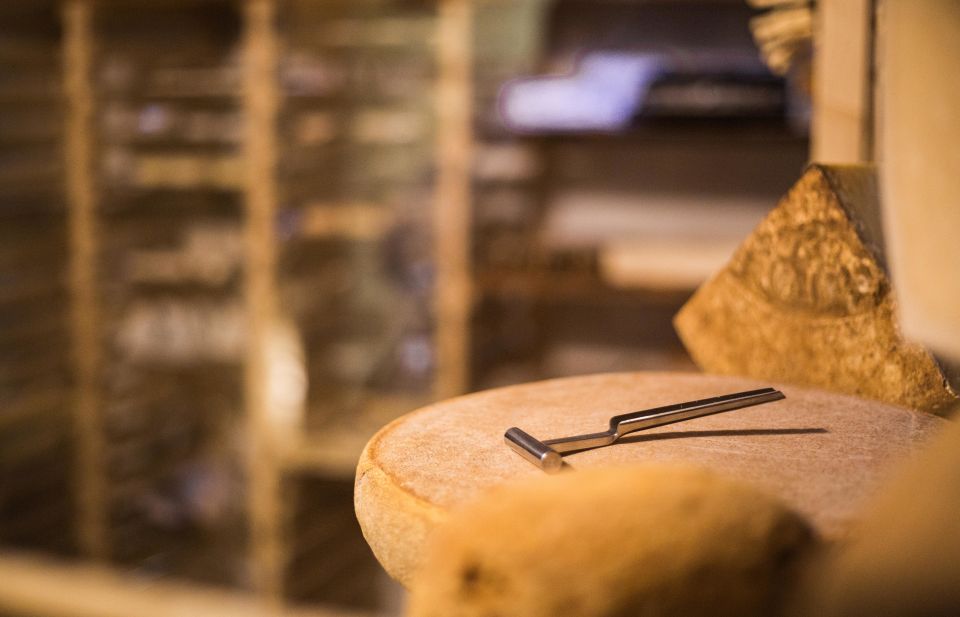
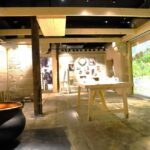
What makes this experience stand out is the setting. You’re not doing a generic tasting table in a bright room. You’re in a cellar associated with cheese storage and maturing, so the talk about time, temperature, and aging lands right in front of you. When someone explains how the process changes flavor and texture, you’re not picturing it—you’re smelling the reality.
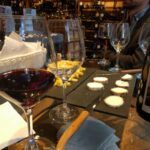
I also like the pairing style. Instead of one cheese, one sip, and then rushing to the next thing, the class alternates bites of fromage with sips of French wine. That back-and-forth is exactly how you learn what works—because you notice how each sip changes the way the next cheese tastes.
You can also read our reviews of more wine tours in Paris
Where You Meet: Musée Vivant du Fromage, 39 Rue Saint Louis en l’île
Your starting point is clear: Musée Vivant du Fromage, 39 rue Saint Louis en l’île, 75004 Paris. It’s in the historic 4th arrondissement area, a good zone for an evening plan. After the 90 minutes, you’re not stuck waiting around. You walk back out into the streets with the tastiest kind of souvenir: a stronger sense of what you like.
One practical note: pickup and drop-off are not included. So plan to arrive on your own. If you’re juggling multiple activities that day, build in a little buffer, since you want time to get settled and not rush.
The 90-Minute Flow: From Cheese-Making Stories to Paired Sips
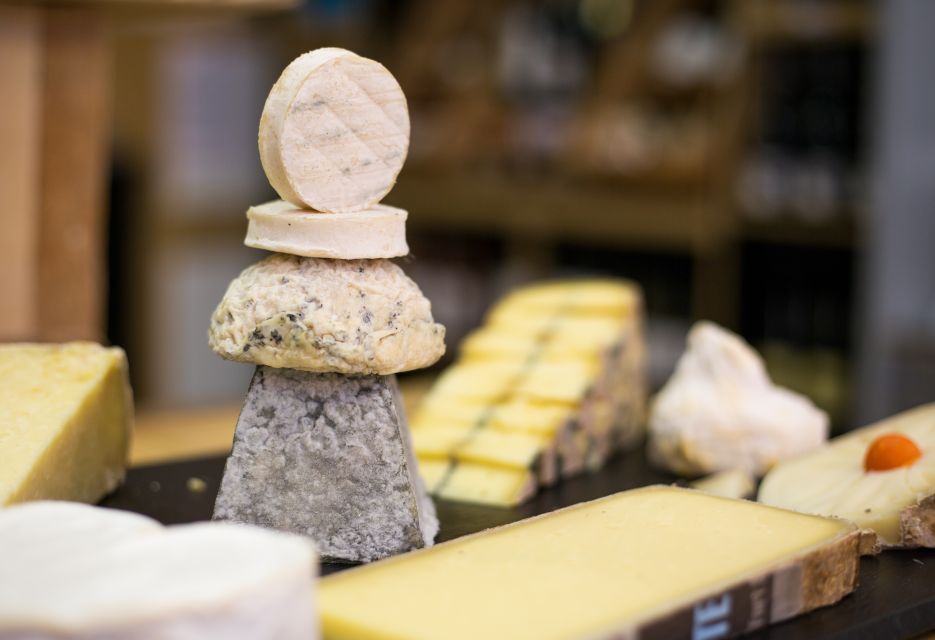
This is a workshop, not a lecture. The rhythm is built around tasting, with explanations timed to what you’re about to try.
1) You start at the museum and meet the guide
You’ll be welcomed by a professional cheese and wine guide. The instruction is in English. The early part sets the stage: how traditional French cheesemaking works, why maturing matters, and what you’ll be looking for when you taste.
2) You see the cellar supply and learn how aging works
You spend time in the tasting space and get exposed to the “why” behind the flavors—aging conditions, texture changes, and the way different styles develop. Seeing the cellar context helps you understand why a cheese that seems similar on paper can taste totally different on your tongue.
3) You taste seven cheeses, region by region (or style by style)
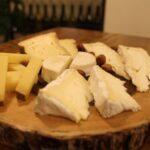
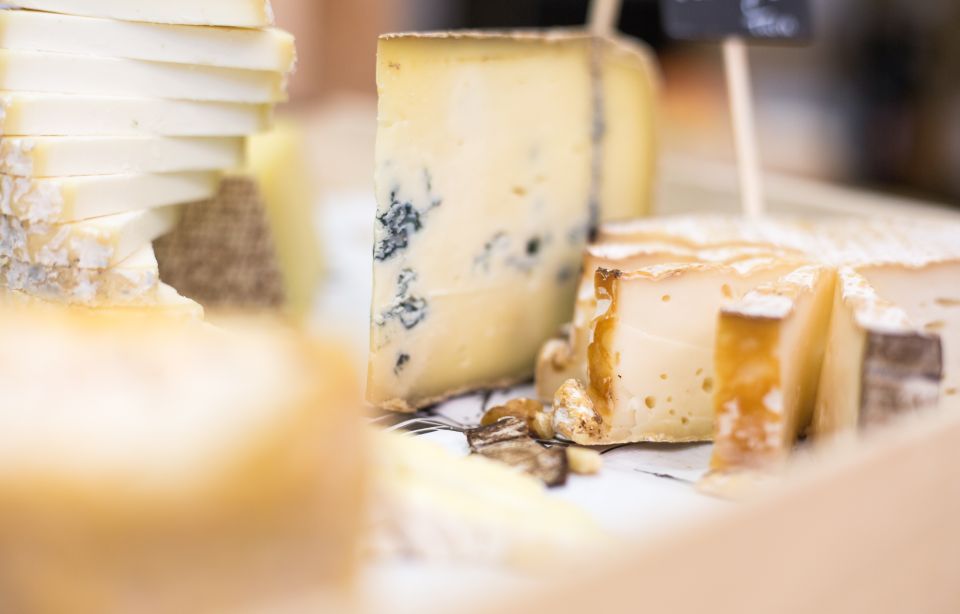
You’ll try seven different cheeses with variety in region, type, texture, and milk. That’s key. If you only tasted one style, you’d learn less. Here, you get contrast: firm and soft, aromatic and mild, creamy and tangy. You also learn to notice how texture affects flavor perception.
4) You pair each round with three French wines
The class includes tastings of three wines, paired to complement the cheese. Practically, think of this as training your palate to recognize patterns: richer cheeses often benefit from wines with enough acidity, while sharper cheeses may pair better with something that doesn’t overwhelm.
5) You finish with bread to keep things balanced
Fresh baguette is included. It works like a palate reset. Between bites, the bread helps you avoid getting stuck in one flavor mood and lets you appreciate the next cheese more clearly.
6) You wrap up and leave with a new favorite or two
After about 1.5 hours, you’re done. Then you step back into Paris with a better vocabulary for what you like—and more confidence ordering cheese and wine later.
Inside the Cellar: Why Aging Changes Everything
A big part of this class is the maturing process. French cheese isn’t just made and then eaten. It’s made, then it quietly works on itself.
In this cellar-focused setting, you’ll hear how aging shapes flavor and texture. That includes things like how the cheese develops aromas over time and how texture becomes creamier, firmer, or more complex depending on the style. The practical takeaway for you is simple: the same cheese type can taste very different depending on how it has matured.
This matters when you’re shopping in France later. Instead of thinking, I’ll just pick the next one that looks similar, you’ll start thinking like a taster: How old is it? How should it taste at this stage? What kind of mouthfeel should I expect?
Seven Cheeses and Three Wines: How to Taste Like a Pro
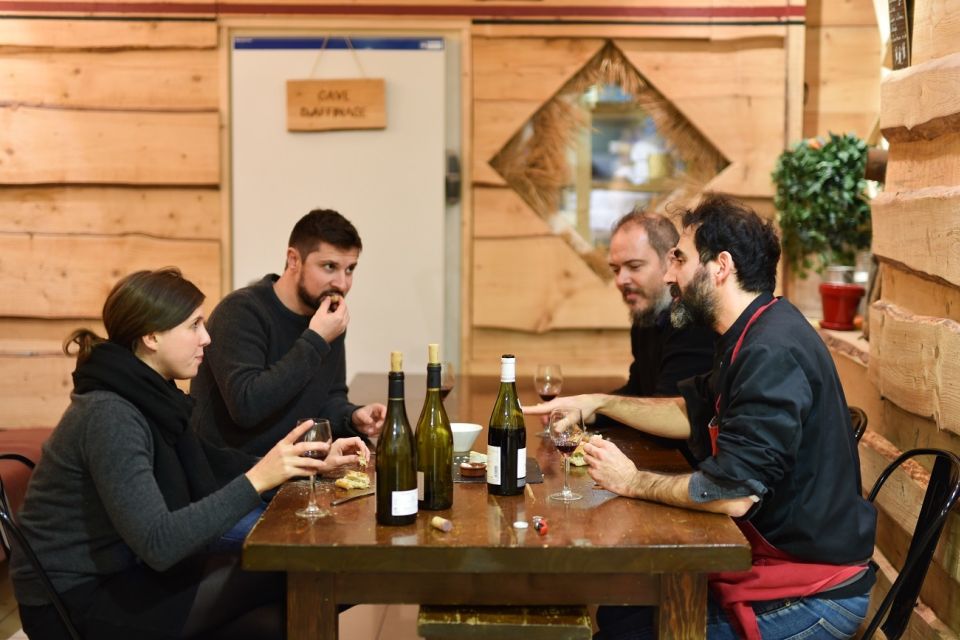
You do not need to be a wine snob to get something out of this class. The guide’s job is to help you taste with intention, not just taste everything quickly.
Here’s what you’ll practice, in plain terms:
- Smell first, then taste, then notice the after-effect. Many cheeses change as they warm slightly in your mouth.
- Match texture with wine style. Creamy cheeses often feel better with wines that cut through fat. Firm cheeses can handle bolder structure.
- Watch for contrast, not just comfort. Some pairings work because they harmonize. Others work because they create a tension that makes both flavors more interesting.
- Use the bread when your palate gets tired. This is not a contest. If you need a reset, take it.
The other smart part: you’re tasting cheeses from multiple regions and styles. That means you’re learning what different French traditions taste like, rather than repeating the same flavor profile again and again.
And if you want a confidence boost, the Q and A time helps. People with questions about how cheese is made, how aging works, or why a pairing works get answers in real language, not in technical fog.
You can also read our reviews of more tours and experiences in Paris

Bread, Pace, and Small-Group Comfort
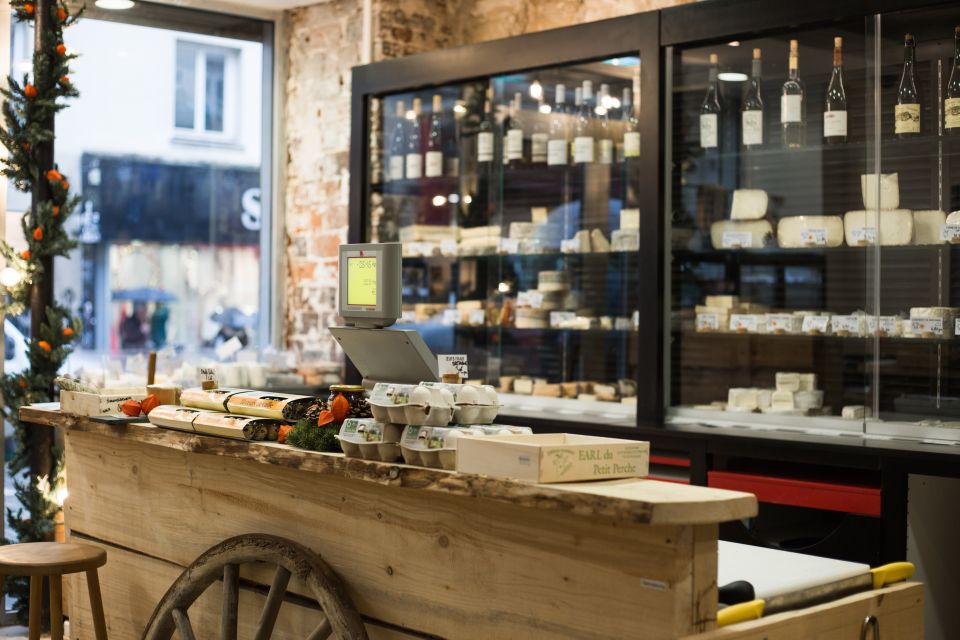
The experience is designed for a small group. In at least one case, it was a group of 12, and that size tends to keep the class from feeling like a factory line. You get enough attention to ask questions, and the guide can adjust the pace if people need a moment between tastings.
The pace also works well because of the alternation. Cheese bite, wine sip, then back to cheese. That rhythm prevents your palate from going flat. It also makes the pairing lessons stick because you’re experiencing them right away.
And yes, the baguette matters. Without bread, cheese tastings can blur together fast. With baguette in the mix, you can keep your palate clearer and enjoy more of the differences across all seven cheeses.
Price and Value for $82 in Central Paris
At $82 per person for 90 minutes, you’re paying for more than food. You’re paying for instruction, selection, and the pairing structure.
Here’s what makes that price feel fair:
- You get 7 cheese tastings (not just one or two samples).
- You get 3 wine tastings with pairing decisions that connect to the cheese.
- You get a professional guide who explains production and aging as you taste.
- Fresh bread is included, which makes the tasting more balanced.
So you’re not paying for a table where you guess what you’re eating. You’re paying for a guided tasting experience with context. If you’ve ever felt annoyed in Paris after buying a cheese plate that didn’t come with any clue about what you were tasting, this fixes that.
Is it expensive for a snack? Sure. Is it good value for a focused, guided food and wine class in central Paris? I’d say yes, especially if you like learning with your mouth instead of only your ears.
Who Should Book (and Who Should Skip This Cellar Tasting)
This class fits best if you like one or more of these:
- You want a fun French food lesson that doesn’t require prior expertise.
- You’re curious about how aging changes cheese, not just which cheese is trendy.
- You enjoy wine pairings and want a simple framework for why certain combos work.
You should skip it if:
- You’re lactose intolerant. This is specifically noted as not suitable.
- You’re under 18 for the wine. There’s a minimum drinking age of 18.
- You need a pet-friendly activity. Pets are not allowed.
If you’re traveling solo, it can still work well because the small-group size keeps the experience interactive. If you’re a couple, it’s a great “close together but not awkward” activity—food is the topic, not small talk.
FAQ
FAQ
How long is the Paris cheese and wine class?
The class lasts 90 minutes.
What’s included in the $82 price?
You get a professional cheese and wine guide, tastings of 7 cheeses and 3 wines, and bread.
Is the class in English?
Yes. The instructor provides the experience in English.
How many cheeses and wines will I taste?
You’ll taste 7 different cheeses and 3 wines.
Where do I meet for the workshop?
Meet at Musée Vivant du Fromage, 39 rue Saint Louis en l’île, 75004 Paris.
Do I need to be 18 to attend?
Yes. The minimum drinking age is 18 years old.
Is this class suitable for lactose intolerance?
No. It’s not suitable for people with lactose intolerance.
Are pets allowed?
No. Pets are not allowed.
Is pickup or drop-off included?
No. Pickup and drop-off are not included.
What’s the cancellation window?
You can cancel up to 24 hours in advance for a full refund.
Should You Book This Paris Cheese and Wine Class?
If you like cheese and you want to understand it, yes—book it. The strongest reason is the combination of a real cellar setting with a structured tasting of seven cheeses and three paired wines, all guided in English.
Skip it only if lactose is an issue or you can’t meet the 18+ wine requirement. If those boxes don’t apply to you, this is a smart way to add something genuinely Parisian to your trip without turning your day into a long, exhausting food crawl.