REVIEW · PARIS
Paris: City Highlights Segway Tour
Book on GetYourGuide →Operated by XL Tour Paris · Bookable on GetYourGuide
One of the best shortcuts in Paris is gliding. This 2-hour Segway highlights tour lets you cover huge ground without the usual foot-slogging, and you get extra guidance for the stops at places like the Eiffel Tower and the Louvre. I especially like the built-in time for photos with help from your guide, plus the fact that they start with real coaching, not a “good luck” handoff. The main drawback is simple: you’re sharing sidewalks and bike lanes with pedestrians, so you need steady balance and good common sense.
The route is planned for momentum, not museum marathons, so you’ll feel like you’re getting an overview of central Paris fast. The group stays small (up to 10), which helps you move smoothly and ask questions as you go. And if you’re a first-time rider, the initial practice makes a noticeable difference, especially with a guide like Thomas—often praised for being patient and communicative.
In This Review
- Key things to know before you ride
- Where it starts: 10 Rue de la Paix and the 15-minute training block
- The Tuileries Garden to the Louvre: why a Segway beats walking here
- Musée d’Orsay, Grand Palais, Petit Palais: art streets and classic architecture
- Pont Alexandre III and the Seine: where the views do the heavy lifting
- Eiffel Tower time at the right speed: photos, facts, and not freezing
- Chaillot, Palais de Tokyo, Place de la Concorde, and Place Vendôme
- What you actually get for $94: value in time, coaching, and photos
- Riding logistics that matter: what to wear, how the route works
- Who this tour suits best (and who should skip it)
- Should you book this Segway highlights tour in Paris?
- FAQ
- What is the duration of the Paris City Highlights Segway Tour?
- How much does the tour cost per person?
- Where does the tour meet?
- Is there a safety briefing and practice before you ride in traffic?
- What’s included in the price?
- What languages are the guide and audio guide offered in?
- What should I wear or bring?
- Are there any shoes or items that are not allowed?
- What kind of route is it?
- Is it right for kids or people with mobility needs?
Key things to know before you ride
- Training first: safety briefing plus a hands-on test drive before you head out
- Photo-friendly timing: you stop long enough for pictures and the guide helps with angles
- Landmark coverage: Louvre area, Seine bridges, Eiffel Tower, Concorde, Vendôme, and more
- Small group feel: limited to 10 participants for easier pacing and control
- Weather gear included: helmets and gloves, plus a raincoat if it’s wet
Where it starts: 10 Rue de la Paix and the 15-minute training block
The meeting point is at 10 Rue de la Paix, a central spot that makes sense for the highlights route. Don’t be alarmed if you don’t immediately see bikes or a lively street setup. The safety briefing area is inside the parking, and a team member comes upstairs when it’s time—so you just wait a moment and follow their directions.
Your tour begins with a 15-minute safety briefing and test drive. This is the part that makes or breaks Segway tours, and it’s why this one gets such strong word-of-mouth. If you’ve never ridden before, plan to treat the test drive seriously. Your goal isn’t speed. It’s comfort: smooth starts, slow turns, and knowing how to stop confidently.
The biggest practical takeaway for you: wear clothes you can move in and skip anything that risks slipping. The tour does specify no high heels, and no sandals or flip-flops, which is exactly what you want to hear before you’re balancing on a two-wheeled platform.
You can also read our reviews of more city tours in Paris


The Tuileries Garden to the Louvre: why a Segway beats walking here
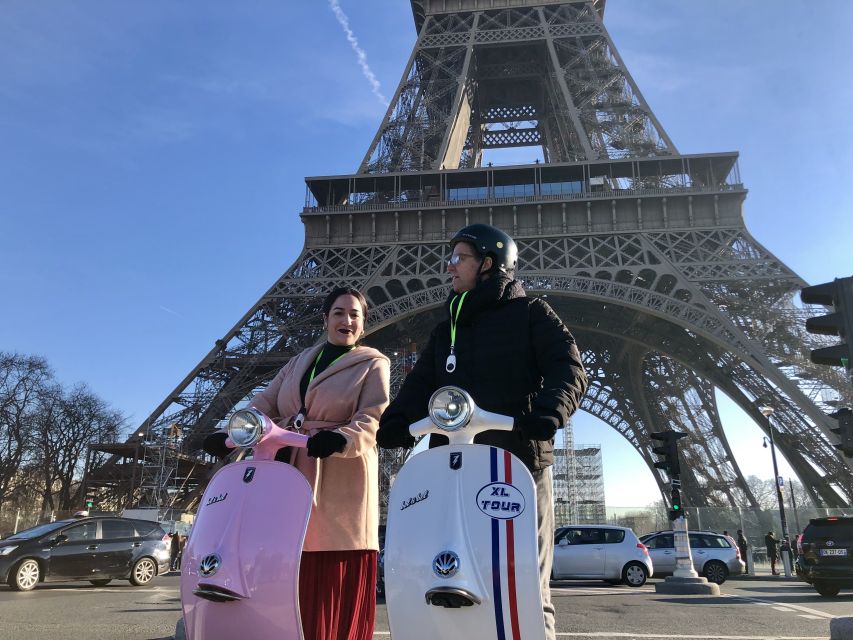
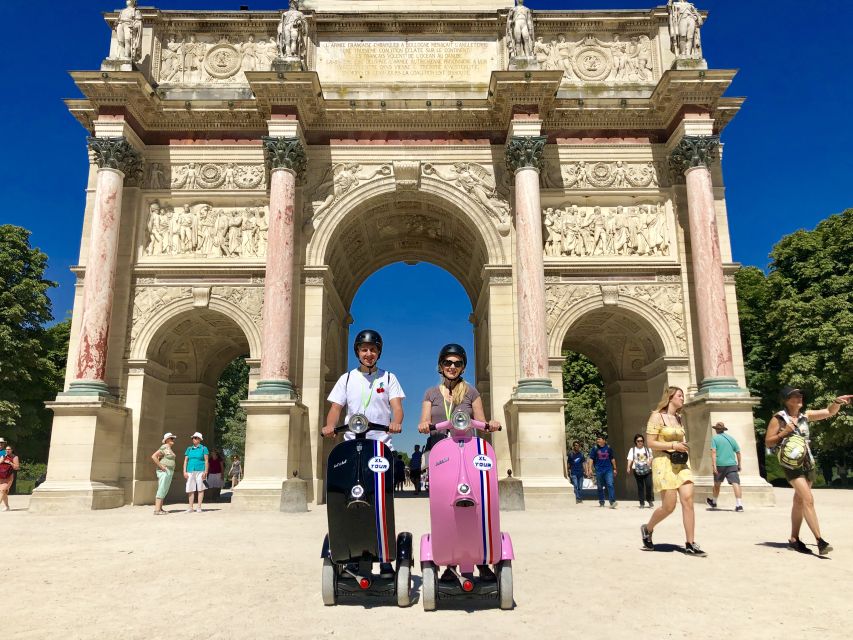
After you’re comfortable, you’ll roll out toward the Tuileries Garden area for a short guided look. This kind of stop works well on a Segway because it’s “viewing first, fussing later.” You get a feel for the space and the orientation of central Paris without burning energy.
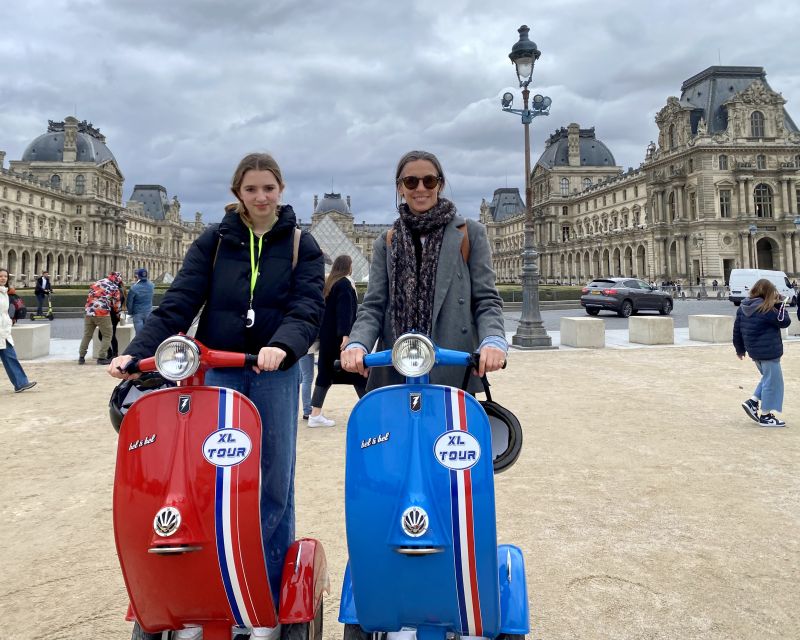
Next comes the Louvre area, where you’ll get a guided experience timed for sightseeing rather than a deep dive into galleries. You’ll learn context and get story-driven facts as you move through the landmark zone. Think of it like building a mental map: you’ll see the famous exterior surroundings and you’ll understand what you’re looking at before you go back later for the full museum visit.
One of the best parts here is pacing. Walking this stretch can turn into slow, stop-and-go crowd navigation. On a Segway, you keep moving, and that matters when Paris is busy and you only have 2 hours.
Musée d’Orsay, Grand Palais, Petit Palais: art streets and classic architecture
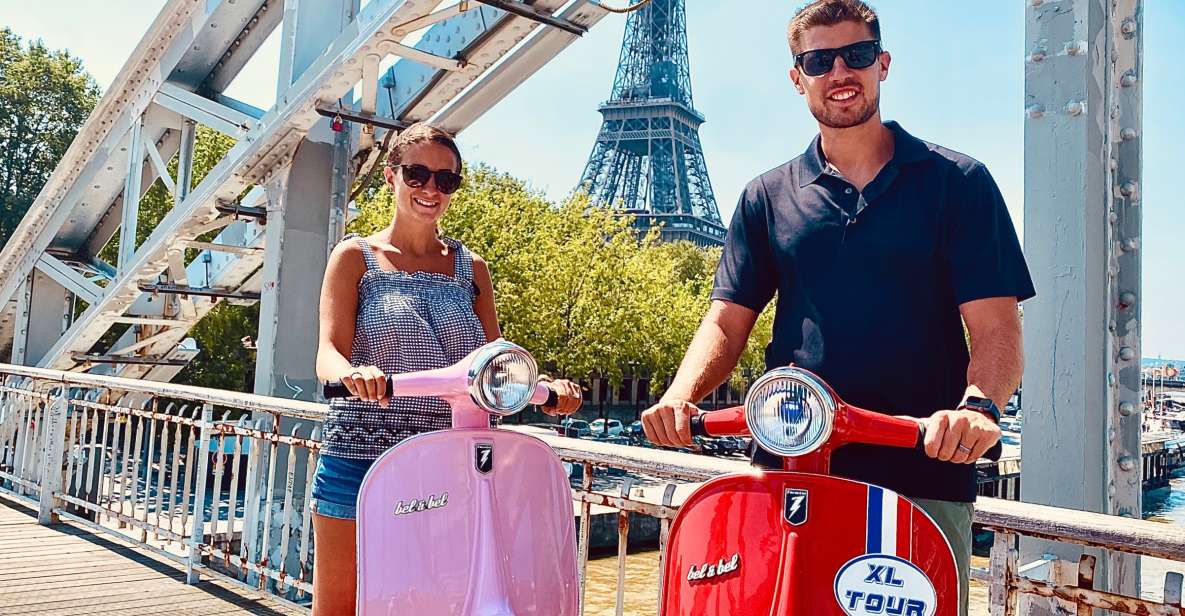
From the Louvre zone, the tour continues to Musée d’Orsay with a guided sightseeing stop. Even if you don’t step inside, you still get the value: you’ll be placed in the “why this spot matters” frame, and you’ll understand how the city’s cultural axis lines up.
You’ll also pass by the Grand Palais for a quick look. The same goes for Petit Palais. These stops are short by design, but that doesn’t mean they’re throwaway. You’re seeing the scale and style cues that help Paris click as a city of planned grandeur.
Here’s a tip for how to get more out of these quick architecture moments: while your guide is talking, take one photo in the wide view, then take one from ground level. It’s easy to miss the design details from one angle only, and your guide’s photography support helps you avoid the usual blurry, half-cut selfies.
Pont Alexandre III and the Seine: where the views do the heavy lifting
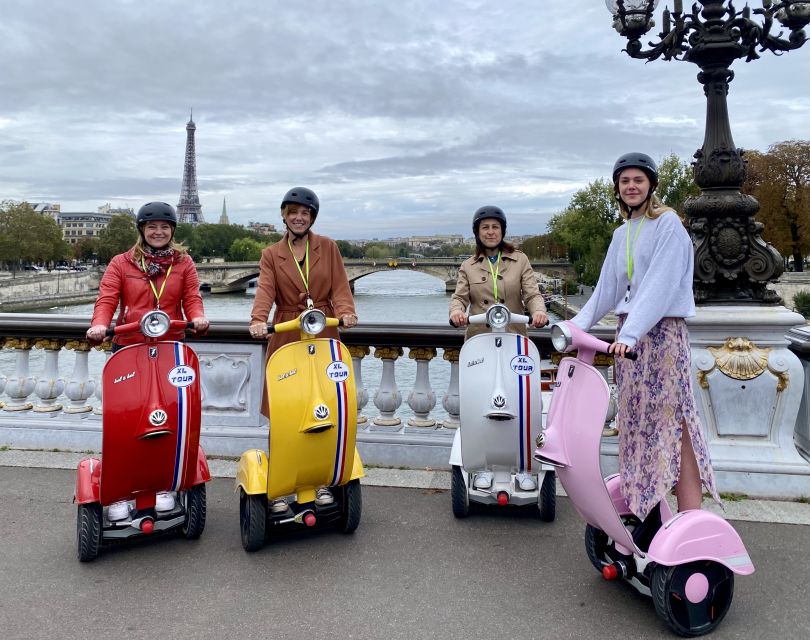
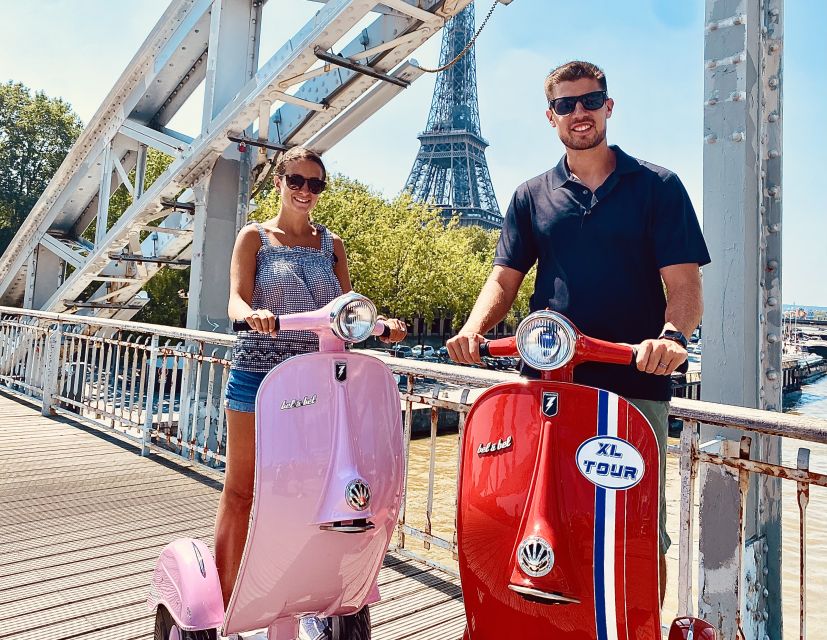
At Pont Alexandre III, you get a guided sightseeing stop with time to look and take pictures. This bridge is one of those “you’ll understand why it’s famous” locations. The structure frames the river and sets up the next scene—the Seine corridor that Paris uses like a grand stage.
Then you’ll head along the pedestrianized banks of the River Seine. This matters. It’s not just about views; it’s about flow. You get to move through a scenic route where the setting stays consistent, so you can actually enjoy the ride while your guide adds context.
You’ll spot notable bridges along the way, including Pont Alexandre III, and you’ll hear stories that connect the landmarks to the city’s evolution. If you’ve only toured Paris by foot, the river walk often feels like a nice stroll. Here, it becomes a moving panorama.
Eiffel Tower time at the right speed: photos, facts, and not freezing
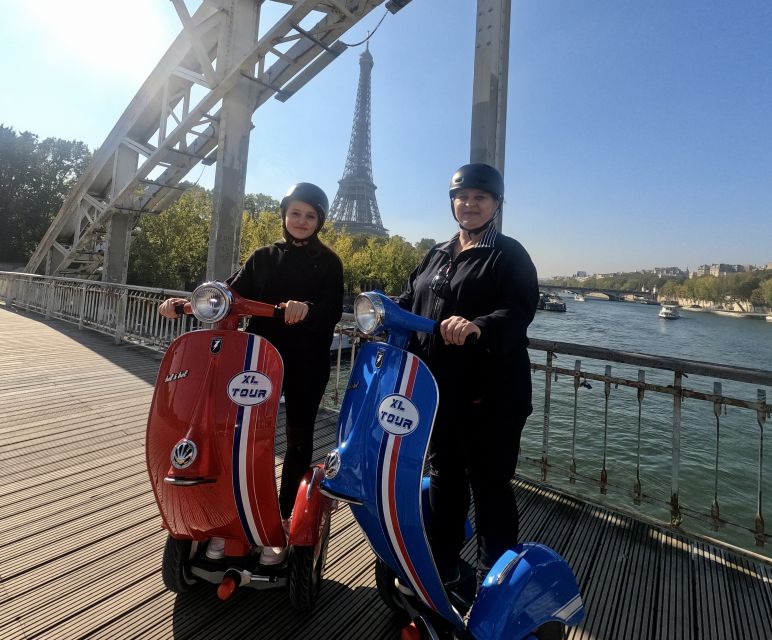
The highlight moment many people plan around is the Eiffel Tower stop. You’ll reach it with the momentum of the route behind you, so you’re not arriving exhausted. The tour includes a guided sightseeing window here (including time to take photos), and this is where the guide support really pays off.
The key detail for your expectations: you’re not stuck waiting for a strict “look then go” cue. The tour is built around the idea that you want multiple photos and enough time to reposition for good angles. Your guide helps with placement and timing, which is especially useful when crowds thin and thicken quickly around iconic landmarks.
One more practical note: traffic and pedestrian crowding in this zone can be intense. The tour route is mainly on bike lanes and sidewalks, so your job is to follow the guide’s speed and spacing. If you do that, you’ll enjoy the moment instead of constantly negotiating your balance.






Chaillot, Palais de Tokyo, Place de la Concorde, and Place Vendôme
On the return leg, the tour keeps the “Paris highlights” theme but shifts the mood slightly. You pass by the Trocadero Gardens, along with Chaillot Palace. This is a different angle experience than the Eiffel Tower itself. It helps you see how the city frames views from multiple sides, not just from one famous viewpoint.
You’ll also pass Palais de Tokyo and Place Diana, then head toward Les Invalides for another brief guided sightseeing stop. These are the kinds of landmarks that can feel distant if you’re walking without a plan. On a Segway, they slot in smoothly as part of one coherent loop.
Then comes Place de la Concorde, where you’ll get time for a guided stop (and photos). It’s a classic square with a big-city stage feel. From there, the route closes at Place Vendôme, completing the arc back toward the starting area.
That ordering is smart. You go from one postcard concentration point to another, with enough movement between to keep it fun and not tiring.
What you actually get for $94: value in time, coaching, and photos
At $94 per person for 2 hours, this isn’t a bargain tour. It is, however, a value-for-money option if you want “maximum Paris coverage” without spending half your day in transit and queues.
Here’s why the price can make sense for you:
- You’re getting a live guide in French and English, not just a route app.
- You’re riding a Segway, with helmets and gloves, plus a raincoat included.
- You get guide-taken photos, which removes a lot of hassle and awkward phone juggling in crowds.
- It’s small group style, limited to 10 participants, which helps the experience feel controlled rather than chaotic.
If you only have one short day, this kind of tour can function like a “first pass” around central Paris. You leave with a clearer sense of where everything sits, so your next day of walking is smarter. If you prefer slow travel, you might not love the pace. But if you’re trying to fit the big sights into limited time, this tour is built for exactly that.
Riding logistics that matter: what to wear, how the route works
This tour is not a casual stroll on wheels. The route is mainly on bike lanes and sidewalks, so you’ll be navigating around pedestrians while your guide manages the group.
To make that easier on you, wear comfortable clothing and shoes you can grip. The tour explicitly says no open-toed shoes and no sandals or flip-flops. Also avoid anything that restricts balance. A Segway is stable, but you still need safe footing and controlled movements.
You should also keep your expectations realistic if you’re nervous. Multiple riders praised how guides help during the learning curve, especially for first-time users. That’s exactly what the training portion is for: it reduces the chance that you spend your sightseeing time worrying about the ride.
And yes, weather can happen in Paris. The raincoat included is a real plus because it helps you stay comfortable instead of rushing to end the experience early.
Who this tour suits best (and who should skip it)
This one fits best if you:
- Want a compact way to see major sights in 2 hours
- Are okay sharing sidewalks with people while still keeping your balance
- Like learning stories from a guide, not just taking photos and moving on
It’s not suitable for:
- Children under 12
- Pregnant women
- People with mobility impairments
- Wheelchair users
- People over 243 lbs (110 kg)
Those limits exist for safety reasons, and you should treat them seriously. A Segway tour depends on stable control, and it’s better to choose a different format if you’re not confident in that kind of ride.
Should you book this Segway highlights tour in Paris?
If you’re the type who wants to maximize your time while still getting guided context, I’d book it. The combination of route coverage, short landmark stops, photo assistance, and first-time rider training makes it a practical first-day experience.
Skip it if you hate sharing space with crowds or you know you won’t enjoy balancing on a two-wheeled platform. Also, if you want long museum time or deep in-galleries exploration, this tour’s structure won’t match that style.
My simple rule: if you want the Paris overview—Eiffel Tower, Louvre area, Seine bridges, Concorde, and Vendôme—in one smooth loop, this is a strong choice.
FAQ
What is the duration of the Paris City Highlights Segway Tour?
The tour lasts 2 hours.
How much does the tour cost per person?
The price is $94 per person.
Where does the tour meet?
The meeting point is 10 Rue de la Paix.
Is there a safety briefing and practice before you ride in traffic?
Yes. You’ll have a safety briefing (15 minutes) and a test drive session to get comfortable.
What’s included in the price?
Included: live guide, Segway, helmets and gloves, raincoat, and photos taken by the guide.
What languages are the guide and audio guide offered in?
The live guide is available in French and English. An audio guide is included in Spanish, Portuguese, Japanese, Italian, German, Dutch, Hebrew, Arabic, and Chinese.
What should I wear or bring?
Bring comfortable shoes and comfortable clothes.
Are there any shoes or items that are not allowed?
Yes: high-heeled shoes, sandals or flip-flops, and open-toed shoes are not allowed. Alcohol and drugs are also not allowed.
What kind of route is it?
The tour route is mainly on bike lanes and sidewalks.
Is it right for kids or people with mobility needs?
It’s not suitable for children under 12, pregnant women, people with mobility impairments, wheelchair users, or people over 243 lbs (110 kg).