REVIEW · PARIS
Paris: Guided Louvre Museum Tour with Optional Entry Ticket
Book on GetYourGuide →Operated by My Super Tour · Bookable on GetYourGuide
Two hours of Louvre focus beats a full day. This small-group guided visit uses skip-the-line entry so you get moving fast, then turns the museum’s chaos into a clear, story-driven route.
I especially like the high-energy guidance I’ve seen from guides such as Elizabeth and Liza, who mix humor with pointed explanations.
I also love how the tour balances painting legends and sculpture greats, from Mona Lisa to the Nike of Samothrace and Venus de Milo, and it wraps in the Apollo Gallery. One consideration: the tour is not suitable for wheelchair users.
In This Review
- Key things I’d plan around
- Skip-the-line at the Louvre: why it changes everything
- Getting oriented: the “My Super Tour” meet point and quick prep
- The 2–3 hour Louvre route: what you’ll actually see
- Mona Lisa and The Wedding at Cana: the star paintings, with meaning
- Greek sculpture highlights: Nike of Samothrace and Venus de Milo
- Napoleon’s wars and the symbolism of royal power
- Renaissance and Etruscan artwork: a “3,000 years” sweep that stays focused
- Apollo Gallery ending: what it means for your next step
- Meet the guides: what people praise most (and what to look for)
- Optional River Seine cruise discount: pairing art with river views
- Price and value: is $128 per person worth it?
- Who this tour fits best—and who might not love it
- Should you book this Louvre guided tour?
- FAQ
- Where is the meeting point?
- How long does the guided Louvre tour take?
- Do I need to buy Louvre tickets separately?
- Is skip-the-line entry included?
- What languages are the tours offered in?
- What’s included besides the guided tour?
- Can I add a River Seine cruise to this experience?
- Is the tour wheelchair accessible?
- What’s the cancellation policy?
Key things I’d plan around
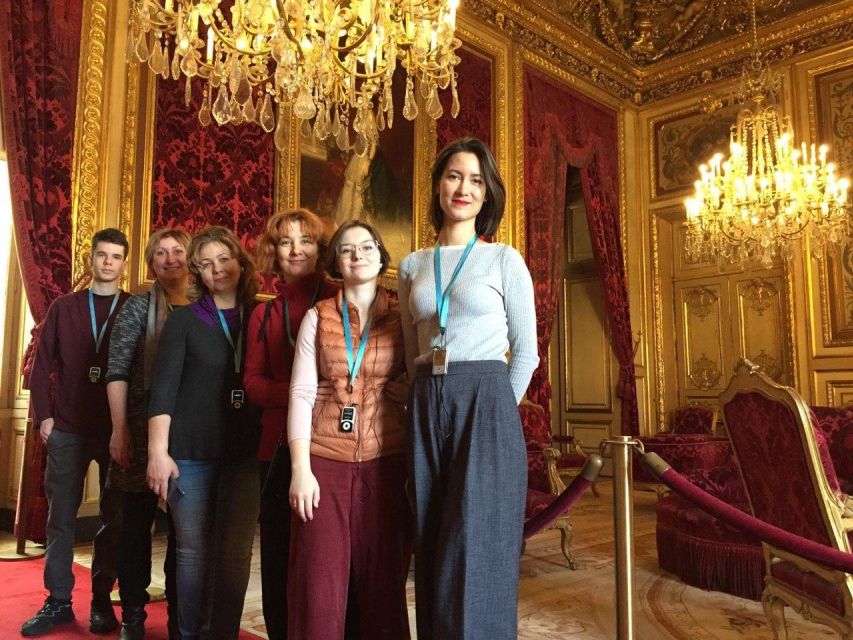
- Skip-the-line entry via a separate entrance to save real time inside the museum.
- Mona Lisa plus major context, not just a quick photo stop.
- Greek sculpture highlights including the Nike of Samothrace and Venus de Milo.
- Hidden-in-plain-sight stops, like Napoleon-related war paintings and French crown jewels.
- Apollo Gallery finish, with a map so you can keep going at your own pace.
- Seine cruise discount option if you want views of Paris after art.
Skip-the-line at the Louvre: why it changes everything
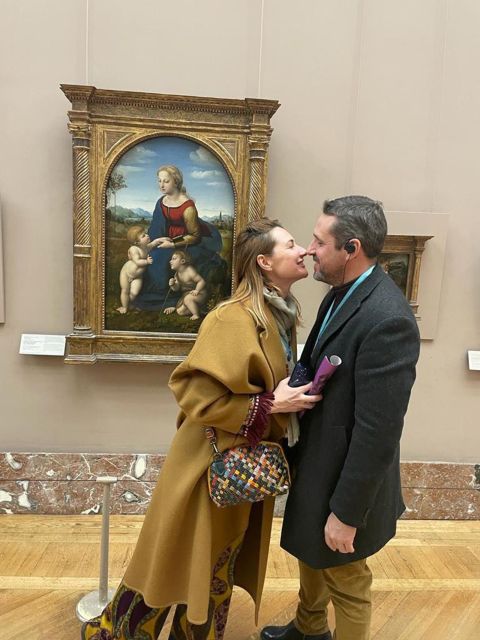
The Louvre is famous for one thing above all: lines. This tour’s whole purpose is to cut through the waiting game using early, skip-the-line entry through a separate entrance. That matters because 2–3 hours is not long. Without a shortcut, you’d spend your limited time inching forward instead of looking.
Once you’re inside, you don’t just wander. Your guide leads you through the museum building and the collection like it’s one big, guided storyline. In practice, that means you get a “greatest hits” route with breathing room for questions, rather than sprinting between rooms.
There’s a small-group setup too. That generally helps you hear the guide well and keep the pace realistic for a museum this size.
You can also read our reviews of more tours and experiences in Paris



Getting oriented: the “My Super Tour” meet point and quick prep
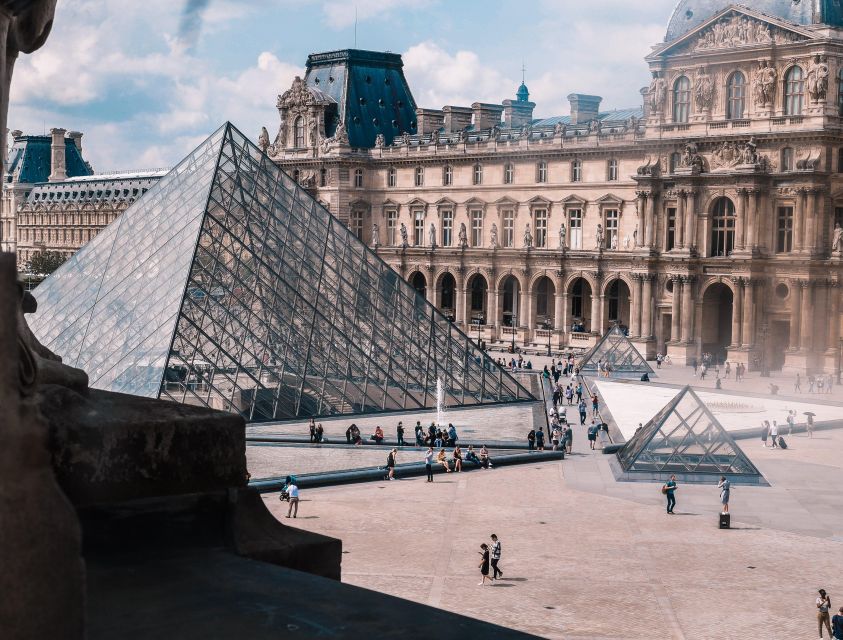
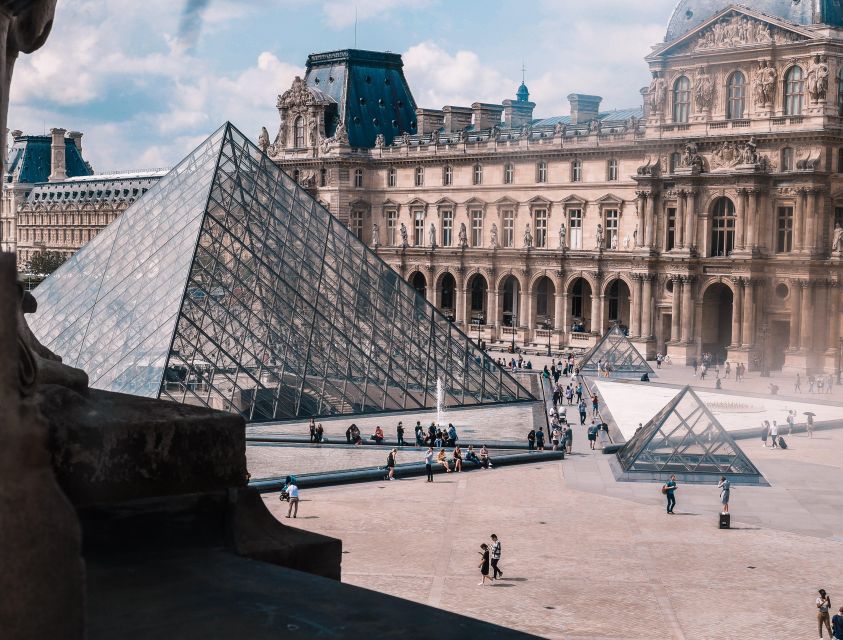
Meet your guide near the Louvre Museum, looking for the person with a yellow sign reading My Super Tour under the statue of Louis XIV. This is specific, which is good news—until you realize the Louvre area can feel busy and confusing.
My practical advice: arrive a bit early, and don’t assume you’ll instantly spot a small item from far away. One review noted it was tricky to identify the guide when the marker wasn’t obvious at a distance, so plan to give yourself time to match the exact sign.
What to bring is simple: water. That’s it. You’ll be walking, and the museum can feel warm, especially if you’re spending most of your visit indoors.
One more heads-up for comfort: since it’s not suitable for wheelchair users, plan your route accordingly if you need step-free access.
The 2–3 hour Louvre route: what you’ll actually see
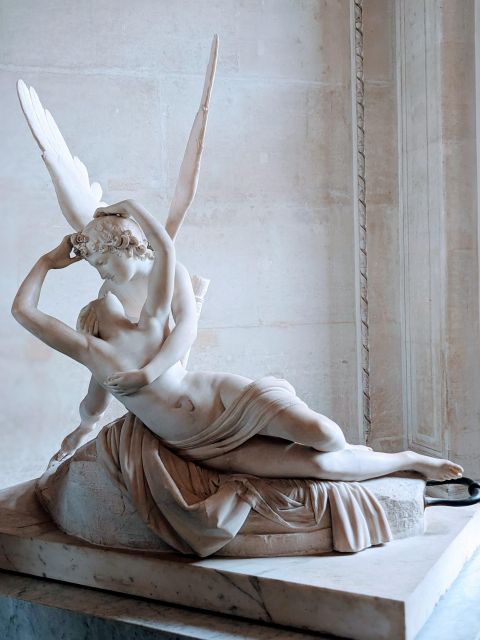
This tour is built for people who want the big names and the most important context—without trying to “do the whole Louvre” (which is basically impossible).
You start by entering the museum and learning about the building itself. The Louvre isn’t just an art box—it has serious royal backstory. You’ll hear how it began as a palace for royalty (built in 1190) and how it was used by kings and emperors. That theme keeps showing up as you move through galleries, because so many works are tied to power, wealth, and symbolism.
Mona Lisa and The Wedding at Cana: the star paintings, with meaning
Next come the painting highlights. You’ll get up close to Mona Lisa and The Wedding at Cana. The value here is not only seeing them—it’s understanding what you’re looking at.
Your guide’s role is to explain hidden meanings and stories behind the images, so the paintings land better than a quick glance would. In a museum like this, context is the difference between seeing famous works and actually feeling why they matter.
Greek sculpture highlights: Nike of Samothrace and Venus de Milo
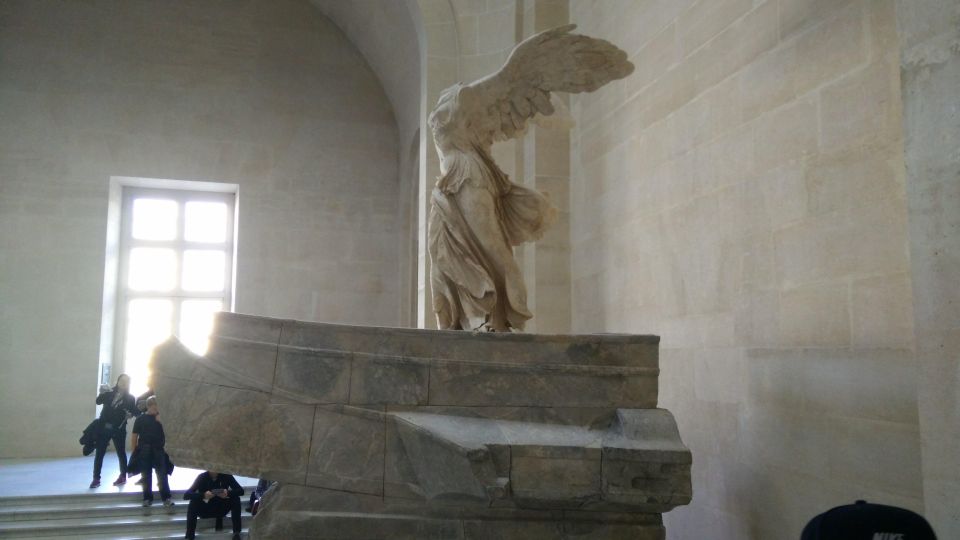
Then you shift from paintings to sculpture. Two works anchor this part of the tour: the Nike of Samothrace and the Venus de Milo. These are the kinds of statues people recognize by reputation, but don’t always understand in person—especially the details of form, movement, and how Greek sculpture influenced later art.
The Nike stop is especially memorable because it’s a masterpiece of Greek sculpture that practically reads like motion. Venus de Milo is a different mood—myth, beauty, and the lasting appeal of classical iconography.
You can also read our reviews of more guided tours in Paris






Napoleon’s wars and the symbolism of royal power
A big plus of this tour is that it doesn’t treat the Louvre like a random collection. You’ll also encounter paintings connected to wars led by Emperor Napoleon, plus a collection of jewels of the French crown.
That combination—Napoleon-era history and royal regalia—helps you see how the Louvre can function like a museum of state power. You’re not only looking at objects. You’re seeing symbols: who ruled, how legitimacy was displayed, and what the state wanted people to believe.
Renaissance and Etruscan artwork: a “3,000 years” sweep that stays focused
You’ll also see Renaissance and Etruscan artwork as part of the longer arc of the collection. “3,000 years of history” can sound like a marketing line, but here the key is that the tour uses those eras to explain shifts in style and subject matter, instead of turning into a trivia marathon.
This is where guided framing really earns its keep. Without it, the Louvre’s scale can swallow you.
Apollo Gallery ending: what it means for your next step
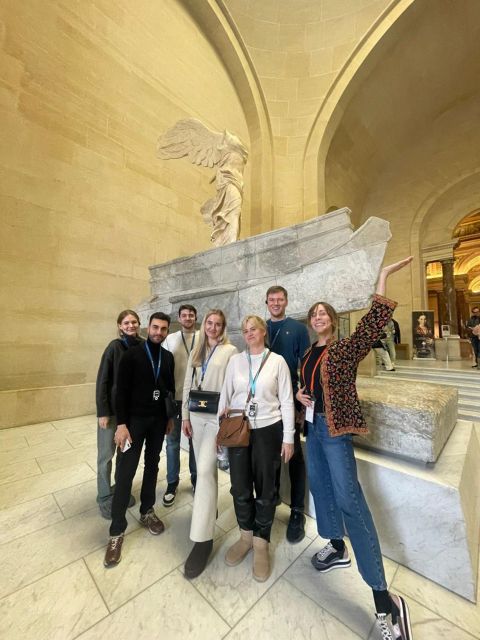
Your tour ends in the Apollo Gallery. That’s a strong finishing point because it gives you a recognizable anchor in the museum, rather than ending in some random corridor you’ll never find again.
You’ll also get a map of the Louvre to keep exploring afterward. This is more useful than it sounds. The museum is so spread out that a map helps you choose what to pursue next instead of getting stuck in a loop of backtracking.
From there, you can take time on your own. If you want a second pass at a favorite piece—say, a longer look at the Mona Lisa—or if you want to wander into nearby rooms, you’ll have a clearer idea of where you’re going.
If you’re traveling with luggage or coats, plan for the kind of on-site storage people often use during short visits—one review mentioned lockers for storing belongings and noted the small-group setup helps you find practical facilities like coat-bin areas and nearby restrooms. I’d still keep your day light if you can.
Meet the guides: what people praise most (and what to look for)
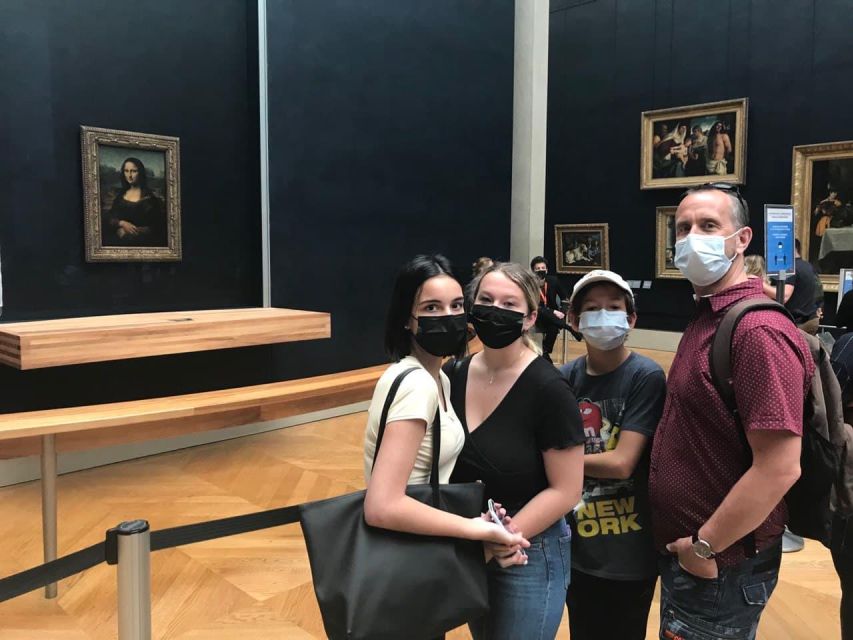
The reviews consistently point to the same strengths: guides bring energy, storytelling, and humor, while keeping the route tight enough to hit the main highlights.
In particular, I’m taking the following lessons from the guide comments:
- Guides like Elizabeth and Liza are praised for being energetic and making the information fun, not stiff.
- Guides such as Ahmed, Natalia, and Monica are described as strongly story-driven, with clear explanations that make you notice details you’d normally miss.
- In at least one case, a guide used a headset so the group could hear well even through museum noise—handy if you’re near the back or if the gallery is loud.
What you should do as a participant is simple: come with one question you’re curious about—like what makes a work historically important or what the symbols might mean—and don’t be shy asking. This tour style tends to invite interaction.
Also, keep your expectations realistic. A 2–3 hour tour can’t show everything. That’s not a flaw; it’s the point. You’re buying focus.
Optional River Seine cruise discount: pairing art with river views
If you choose the add-on, your tour includes a discount on a Seine river cruise ticket. This is a smart pairing because it changes the pace. You go from indoor art rooms to open-air Paris views, and the cruise route typically lets you see famous areas along the river from a different angle.
The specific value here is convenience: you don’t have to plan a separate ticket hunt from scratch. You use the option as part of the same day plan after the Louvre visit.
If you love classic Paris sightseeing, this is a very practical way to round out the trip.
Price and value: is $128 per person worth it?
At $128 per person for a 2–3 hour guided visit, the biggest part of your payment is not just entry. You’re paying for three things that add up:
1) Time saved by skip-the-line entry through a separate entrance.
At the Louvre, time is the real luxury.
2) A guide who keeps the experience focused.
Instead of trying to choose from thousands of objects, you get a curated highlight route that includes Mona Lisa, major sculptures, and key historical context points like royal jewels and Napoleon-related paintings.
3) Practical extras that keep your day smooth.
You get a Louvre map for the rest of your visit, and you can optionally attach a Seine cruise discount to extend your day’s sightseeing.
If you’re a first-time Louvre visitor, or if you know you won’t want to spend your entire trip stuck in museum lines, this price can feel fair because it buys a better day—not just a ticket.
If you already have a very flexible schedule and love drifting without structure, you might prefer a self-guided plan. But for most people, that morning bottleneck is exactly what they’re trying to avoid.
Who this tour fits best—and who might not love it
This guided Louvre tour is a strong match if you:
- Want the big masterpieces without spending half your day in queues.
- Appreciate context—history of the building, symbolism, and why famous works matter.
- Like small-group experiences and a guide-led pace that still leaves time to explore on your own.
You should think twice if you:
- Need wheelchair access (the tour is not suitable for wheelchair users).
- Hate being guided and prefer total freedom from stop to stop.
- Want every room and every artist. This route prioritizes highlights, and that’s intentional.
Should you book this Louvre guided tour?

I’d book it if you want a classic Louvre “greatest hits” visit that still explains what you’re seeing. The combination of skip-the-line entry, a guide who brings energy, and stops that go beyond just Mona Lisa (Greek sculpture, royal jewels, Napoleon-related works, and the Apollo Gallery finish) makes the time feel well spent.
If you’re short on time in Paris, this is also a smart way to avoid the biggest Louvre stress: arriving, lining up, and losing momentum before you even see the art.
FAQ
Where is the meeting point?
Meet your guide near the Louvre Museum and look for the person holding a yellow sign that says My Super Tour under the statue of Louis XIV.
How long does the guided Louvre tour take?
The tour runs about 2–3 hours.
Do I need to buy Louvre tickets separately?
You can join even if you already have your own ticket. If you choose the option, entry tickets can be included in the tour price.
Is skip-the-line entry included?
Yes. The tour includes skip-the-line entry using a separate entrance.
What languages are the tours offered in?
The live guide is available in English and Russian.
What’s included besides the guided tour?
Included items can include skip-the-line entry, the entry tickets if opted for, a map to continue on your own, and a discount on a Seine river cruise (if you choose that option).
Can I add a River Seine cruise to this experience?
Yes. There’s an optional discounted ticket for a River Seine cruise that lets you see Paris sights from the river, including the Louvre area.
Is the tour wheelchair accessible?
No. The tour is not suitable for wheelchair users.
What’s the cancellation policy?
You can cancel up to 24 hours in advance for a full refund.