Montmartre has a way of taking over your camera. This guided walk trades selfie chaos for stories, pastry fuel, and views you actually remember. You’ll meet at Blanche, then head into artistic alleyways with guides like Camila, Paloma, and Benjamin guiding the way.
I especially love the buttery croissant stop that breaks up the hill climb, plus the small-group feel (max 14) where you can hear your guide clearly. Several guides also run with no microphones, so it feels more like a chat with a local than a lecture.
One possible drawback: expect uphill walking and a standard food setup (the tour is vegetarian-friendly, but not lactose-free, gluten-free, or vegan). If dairy or steep terrain is a problem for you, plan accordingly.
In This Review
- Key things that make this Montmartre tour worth it
- Montmartre, but calmer: why small-group matters here
- Starting at Blanche: the quick way to get oriented
- Moulin Rouge to croissant energy: the day’s best warm-up
- Wall of Love to Picasso-era streets: art you can touch
- Moulin de la Galette and the Montmartre “working scene”
- Le Lapin Agile: the quirky story that makes Montmartre fun
- The last vineyard and lesser-seen panoramas for serious photos
- Sacré-Cœur from the back side: the finishing payoff
- Walking pace, shoes, and what 2 km really feels like
- Price check: is $41 good value for Montmartre?
- Who this Montmartre walk fits best
- Should you book this Paris Montmartre tour?
- FAQ
- How long is the Montmartre tour?
- Where do I meet the guide?
- How big is the group?
- Is the tour offered in English?
- What food is included?
- Which landmarks are part of the route?
- Is the tour child-friendly?
- How much walking is involved?
- Is it suitable for vegetarians or for special diets?
- Can I cancel and get a refund?
Key things that make this Montmartre tour worth it

- Cobbled lanes with real context: street art, café spots, and artist connections you’ll recognize later in museums
- A serious croissant moment: prize-winning butter croissant from an award-winning bakery stop
- A photo viewpoint few people think to chase: a “turn your head” panorama with Sacré-Cœur in the frame
- Pop culture + art history in the same walk: Amélie, Van Gogh, Picasso, Dalida, and more tied together
- Montmartre’s oddball charm: Cabaret Le Lapin Agile and the story behind the painting donkey, Lolo
- A Sacré-Cœur finish from the back side: a hidden vantage point that feels calmer and more cinematic
Montmartre, but calmer: why small-group matters here
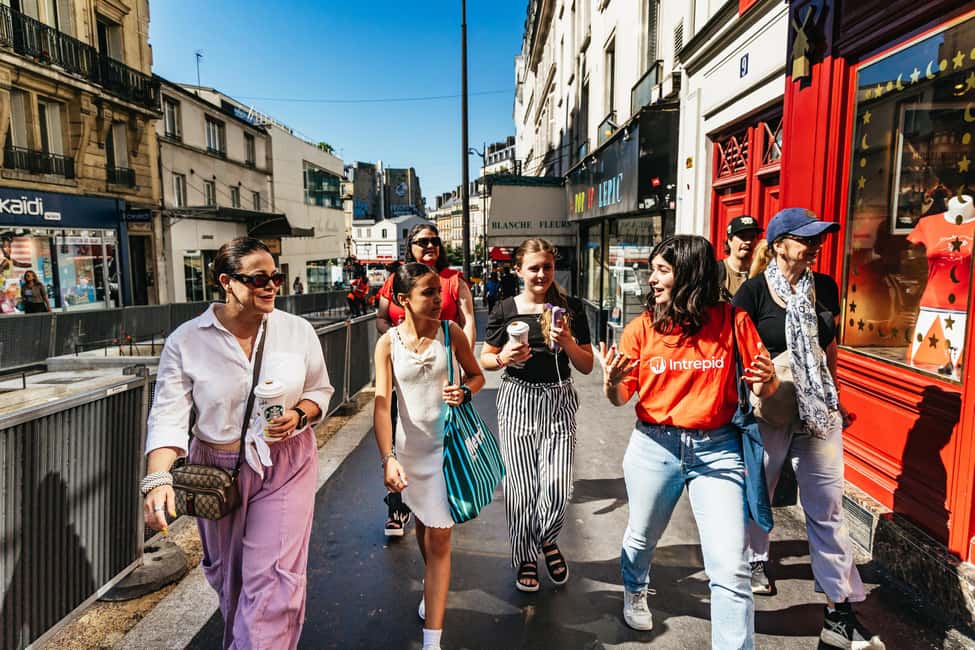
Montmartre is crowded in parts, even on regular days. This tour keeps the group small (up to 14), so you can actually slow down and look. You’re not constantly dodging people to read a plaque or take one decent photo.
Another big plus is the human pace. Guides in recent tours (including Camila and Max) were praised for keeping things moving at a reasonable walking speed, with breaks when someone needed a breather. In one note, the tour style included no microphones, which means you don’t get that amplified “group announcement” feeling.
For you, that translates into a better mix of sights and breathing room. You’ll spend more time noticing details (doorways, old staircases, small squares) instead of rushing from one famous spot to the next.
You can also read our reviews of more guided tours in Paris



Starting at Blanche: the quick way to get oriented
You meet outside the Blanche metro stop (line 2) at ground level. It’s a handy meeting point because you can arrive by metro without doing a complicated city hunt on day one.
From there, the tour moves toward Moulin Rouge territory and gets you thinking like a Montmartre local: not just “what’s famous,” but “what’s where, and why it matters.” You’ll start seeing how the neighborhood’s layers work—street life below, artists’ hangouts above, and the church rising over everything.
This beginning matters. If you’ve only explored Montmartre via the main lanes, you’ll feel the difference right away. The guide’s route helps you avoid the worst crowd bottlenecks while still showing the landmarks that make Montmartre worth a stop.
Moulin Rouge to croissant energy: the day’s best warm-up
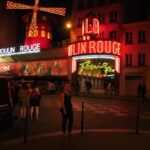
The tour kicks off with Moulin Rouge as a reference point, including the windmill area. It’s a familiar sight, but you’ll look at it differently once you’re not just ticking a box—you’ll get it as part of the neighborhood’s creative history.
Then comes a fun “Montmartre pop + art history” setup. Along the way, you’ll spot the café connection from Amélie and see the area tied to Van Gogh’s former residence. These stops are quick, but they give you something valuable: mental hooks. Later, when you’re wandering on your own, you’ll recognize the places that inspired artists and stories.
And yes, you get food. The tour includes a freshly baked butter croissant from an award-winning bakery. In one recent experience note, the bakery stop was Boulangerie Alexine. Either way, the point is the same: this is not a sad pre-packaged snack. It’s a classic Paris-style butter croissant that helps you power through the climb toward Sacré-Cœur.
Practical tip: plan to eat it early. The walking is short in total distance, but the slope feels real once you’re heading up toward the basilica.
Wall of Love to Picasso-era streets: art you can touch
The Wall of Love is one of those stops that sounds like a gimmick until you actually stand there. You’ll spend about 20 minutes at the Wall of Love, learning the message Je t’aime in 250 languages. It’s a simple idea, but it works because it turns the neighborhood into a “living gallery” instead of a view-only place.
After that, the tour leans harder into stories tied to famous names. You’ll pass Picasso’s old home and hear tales about Dalida, a major French singer connected to Montmartre’s artistic scene.
This is where a local guide pays off. Without context, you might just walk past doors and small courtyards. With context, you start to connect the dots between what you see now and what people created there decades ago. That’s the value of the walk: it turns Montmartre from postcard mode into a place with a pulse.
For photos, this part of the tour is also great. The angles through side streets often frame better than the big tourist routes. You’re hunting composition, not just landmarks.
Moulin de la Galette and the Montmartre “working scene”
You’ll wander through winding lanes and secret passages, and you’ll also visit Moulin de la Galette along the way. This area is closely associated with the old Montmartre nightlife and artistic culture, and it’s a natural transition point before the tour shifts toward the more whimsical, less-famous corners.
The walking here can feel like it’s slightly random—on purpose. That’s how Montmartre stays Montmartre. Instead of marching you along the most direct route, the guide threads you through side lanes that feel more like a neighborhood you could live in, not a theme park.
Another detail that makes this stop meaningful: the guide points out things you’d likely miss on your own. Even if you know Montmartre’s “big hits,” this tour adds the connective tissue: the smaller squares, the turns that reveal new sightlines, and the local rhythms.





Le Lapin Agile: the quirky story that makes Montmartre fun
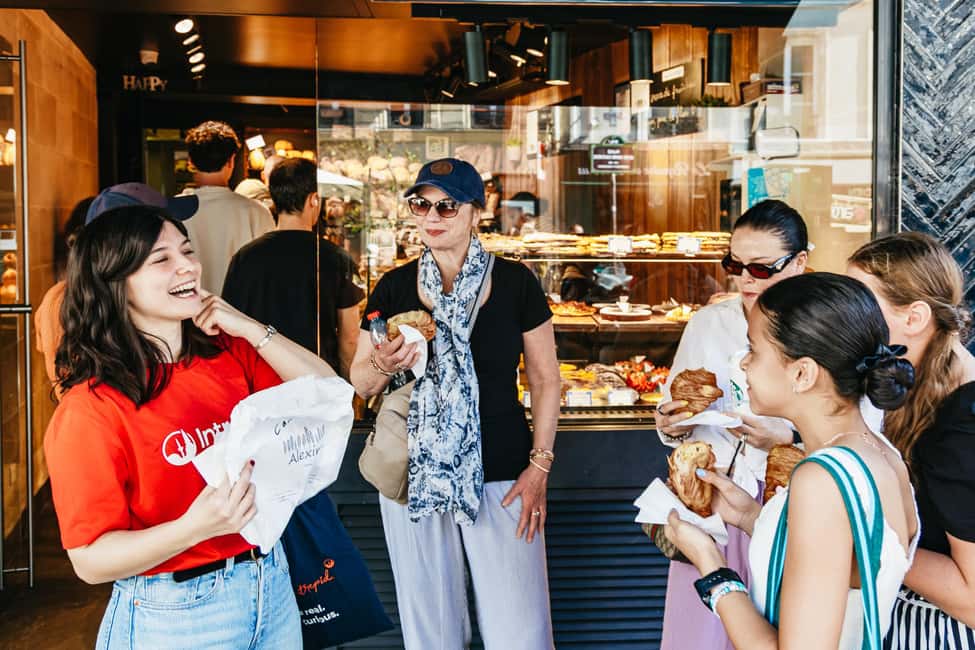
Cabaret Le Lapin Agile is where Montmartre leans playful. The tour includes a stop for about 15 minutes, which is enough time to get oriented, snap a photo, and hear the quirky tale linked to the venue.
The standout story here is the legend of Lolo, the painting donkey. It’s the kind of oddball detail that sticks in your brain, because it doesn’t fit the typical “Paris museum voice.” It reminds you that Montmartre wasn’t only painters and poets; it was also weird, theatrical entertainment.
This is the moment where the tour becomes more than sightseeing. It turns into a character-driven walk. You start noticing that Montmartre’s identity is built on eccentric creativity, not just the basilica at the top.
If you’re traveling with someone who likes lighter moments between history stops, this is a strong anchor point.
The last vineyard and lesser-seen panoramas for serious photos
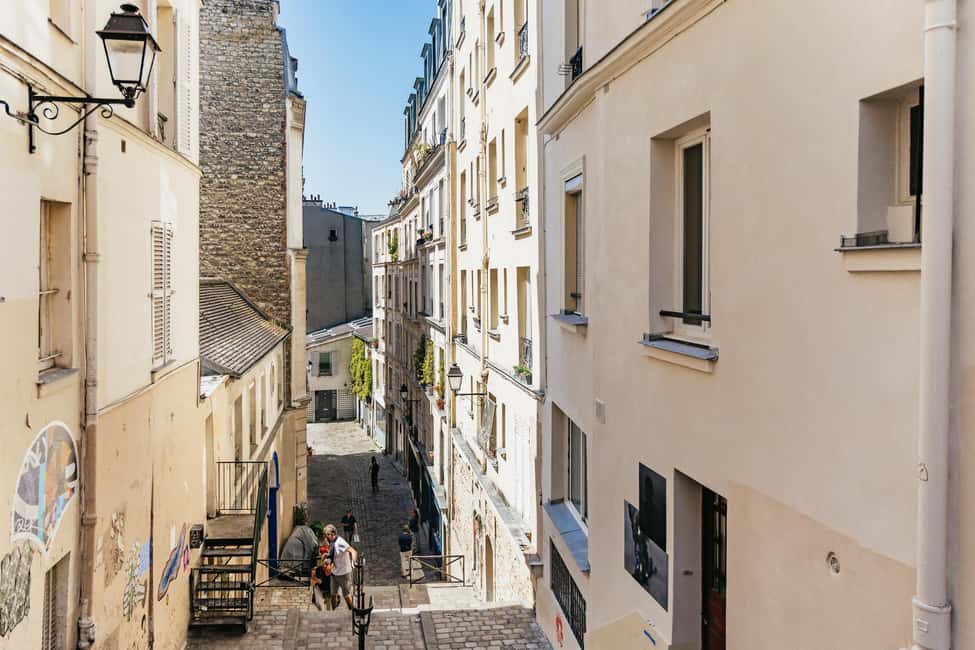
Montmartre has vineyards, and this tour highlights them—specifically, you’ll see the last vineyard in Paris. That detail helps you picture the neighborhood as more than scenery. It’s a working, living place where vines are still part of the story.
You’ll also find the kind of panorama that’s hard to stumble into on your own. The tour includes best-and-little-known viewpoints over Paris, with photo opportunities at spots that give you a fresh angle on the city and the hills. One of the themes in guides’ approaches (noted in multiple experiences) was that they keep you moving to the next view without making you sprint.
For you, this means better photos with less effort. Instead of taking 30 shots from the same crowded overlook, you get a couple of planned angles that feel more original.
Also, if you’re the type who likes to understand a view, you’ll benefit from the guide’s storytelling. They explain what you’re looking at and why it matters, so your photos turn into something you can remember later.
Sacré-Cœur from the back side: the finishing payoff
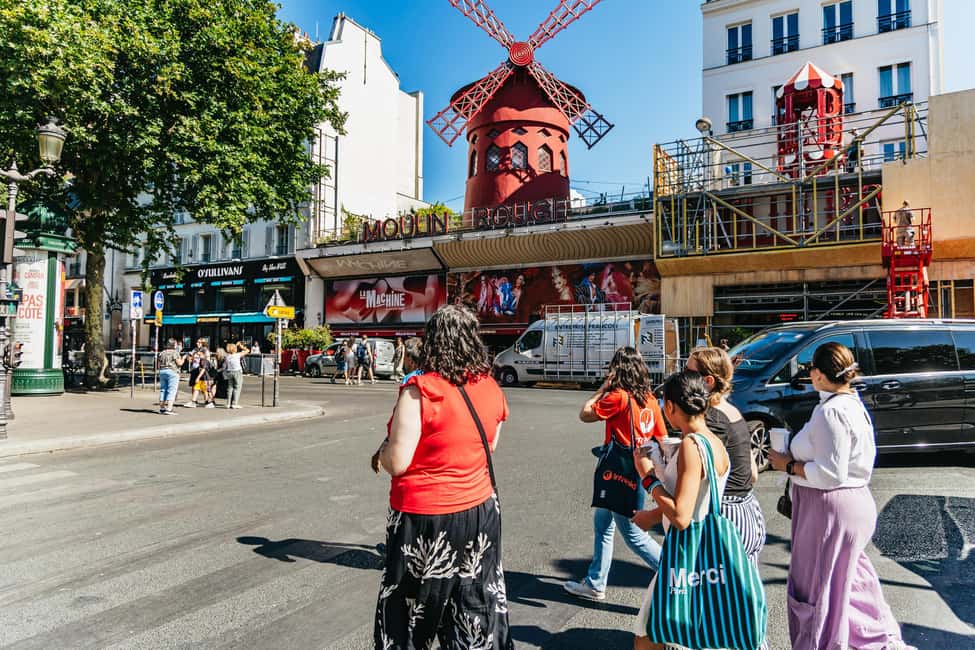
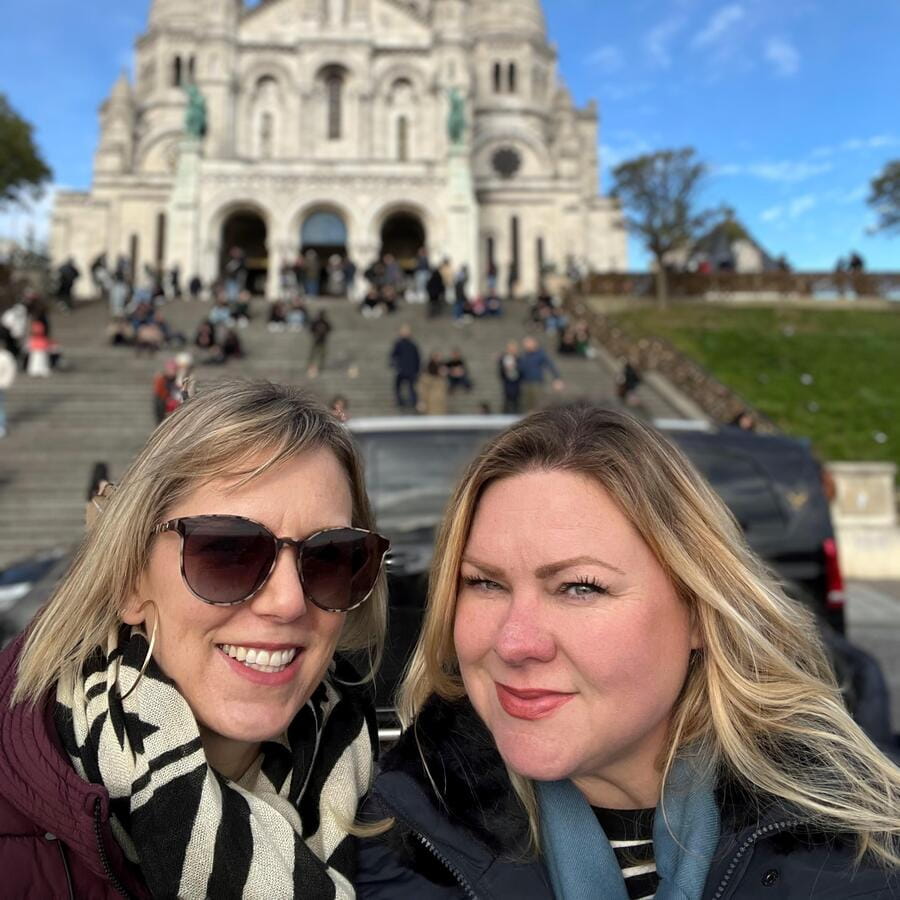
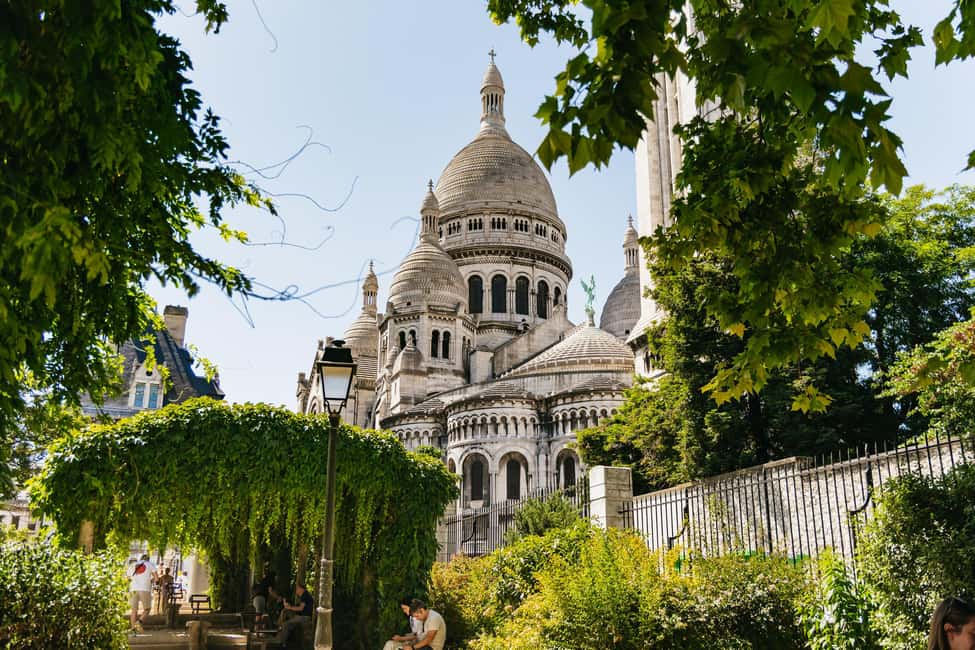
The tour ends at the Basilica of the Sacred Heart of Paris, Sacré-Cœur. But the real win is how you get there. You’ll admire it from a hidden vantage point few tourists tend to see, then finish in front of the basilica.
This “different angle” approach is key. From many places around Montmartre, Sacré-Cœur looks massive and impressive—but also predictable. From this tour’s vantage point, it feels larger, more sculptural, and more connected to the streets below.
Several experience notes praised how guides finished on the basilica’s backside or in a less crowded view perspective. That’s exactly what you should aim for if you want photos where the city feels real instead of jammed with people.
At this stage, you’ve already had the croissant, the stories, the quirky cabaret moment, and a vineyard stop. So when you finally look up at Sacré-Cœur, it lands as a reward, not just the end of a list.
Walking pace, shoes, and what 2 km really feels like
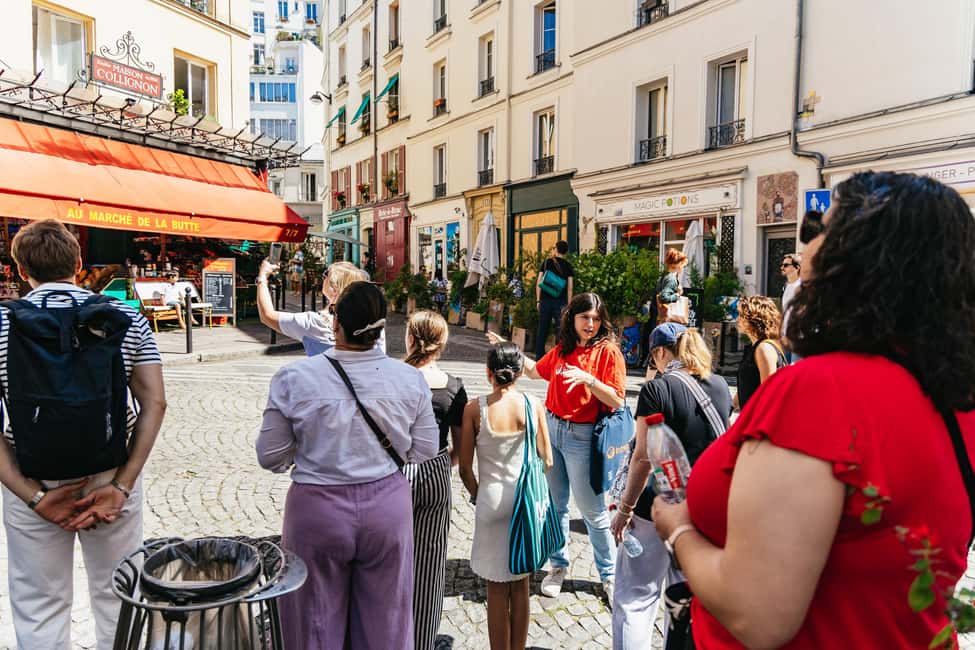
The tour covers about 2 km (1.2 miles). On paper, that sounds manageable. In practice, Montmartre’s slope makes “short” feel like “steady.”
Comfortable shoes are essential. Even if the route is planned for a reasonable pace, you’ll still be on uneven streets and cobblestones. Bring weather-appropriate clothing too, since Paris can shift from sunny to windy fast.
One more practical note: you might want a quick sip of water during natural pauses. Drinks and additional food aren’t included, so plan to grab what you need outside of the tour’s included pastry moment.
If you have limited mobility or struggle with steep climbs, this may not be the right fit. The tour is short, but the altitude change is the point of the route.
Price check: is $41 good value for Montmartre?
At $41 per person for a 2-hour walk, the value comes from three parts working together:
- Guiding: a live local guide leads you between landmarks and also explains the “why” behind them, from Picasso and Dalida stories to Montmartre’s more playful legend of Lolo.
- The food included: a freshly baked butter croissant from an award-winning bakery is part of the package. That single stop can easily be the difference between a “cheap” tour and a tour that actually feels worth your time.
- Small group + viewpoints: max 14 participants plus lesser-known panoramas means you’re paying for better access to the experience, not just movement through space.
On top of that, the tour is carbon-neutral and operated by a B Corp-certified company, which matters if you care about how tourism is run, not only what you see.
So for me, the price makes sense if you want a guided Montmartre that focuses on story and photos, not just a line-up of famous sites.
Who this Montmartre walk fits best
This tour is ideal for romantics and art lovers, but you don’t have to be either. If you enjoy neighborhoods where history and pop culture overlap, you’ll like the mix of Amélie, Van Gogh, Picasso, Dalida, and the quirky Le Lapin Agile detour.
It’s also a solid choice for first-timers because it teaches you how to read Montmartre streets. You’ll learn where to look and what details to notice when you return on your own later.
If you’re traveling with kids, it’s child-friendly. Just specify if you’re bringing a child under age 6 at booking time.
Food-wise, it’s vegetarian-friendly, but it’s not designed for lactose-free, gluten-free, or vegan needs. If that’s you, plan meals around the tour rather than expecting substitutions.
Should you book this Paris Montmartre tour?
I’d book it if you want Montmartre with less crowd stress, a legit croissant stop, and a guide-led route that keeps pulling you toward fresh angles and story-connected streets. The best part is the payoff at the end: Sacré-Cœur from a calmer, more photo-friendly vantage point.
I would skip it (or at least think hard) if you can’t manage uphill walking or you need strict dietary accommodations like lactose-free or gluten-free. Otherwise, at $41 for two hours with croissant + viewpoints + a small group, it’s a dependable way to experience Montmartre beyond the obvious spots.
FAQ
How long is the Montmartre tour?
It lasts 2 hours.
Where do I meet the guide?
Meet outside the Blanche metro stop (line 2) at ground level.
How big is the group?
The tour is a small group with a maximum of 14 participants. Private group options are also available.
Is the tour offered in English?
Yes, the tour guide speaks English.
What food is included?
You get a freshly baked butter croissant from an award-winning bakery. Drinks and additional food are not included.
Which landmarks are part of the route?
You’ll visit or pass key Montmartre landmarks such as Moulin Rouge, the Wall of Love, Moulin de la Galette, Cabaret Le Lapin Agile, and you finish at Sacré-Cœur. The tour also includes panoramic viewpoints.
Is the tour child-friendly?
Yes. If you’re bringing a child under age 6, you need to specify it at booking time.
How much walking is involved?
The tour covers about 2 km (1.2 miles) of walking.
Is it suitable for vegetarians or for special diets?
It’s suitable for vegetarians. It is not suitable for lactose-free, gluten-free, or vegan customers.
Can I cancel and get a refund?
Yes. Free cancellation is available up to 24 hours in advance for a full refund.