REVIEW · PARIS
Paris: Louvre Museum and Mona Lisa Evening Private Tour
Book on GetYourGuide →Operated by Eyes of Rome Private Tours · Bookable on GetYourGuide
The Louvre at night is a different museum. I love the minimal-crowd evening pacing and the way a private guide turns famous rooms into something you can actually see. The one thing to watch: this is a short 150-minute tour, so it’s more about key masterpieces and great explanations than covering the whole Louvre maze.
You’ll start with hotel pickup, then slip into the museum through a separate entrance meant to avoid the worst lines. Guides like Maëva and Francesca have been praised for being friendly, upbeat, and good at explaining techniques and art history in plain language, even if you’re not a museum person. If you’re hoping for the kind of calm where you can wander freely without stopping, this guided format may feel a bit structured.
In This Review
- Key things to know before you go
- Why an evening Louvre tour feels different
- Getting picked up in Paris (and starting without stress)
- Skip-the-line entry through a separate entrance
- Winged Victory of Samothrace: a strong opener
- Venus de Milo: learning how to see it properly
- La Joconde (Mona Lisa): why the timing and guide make it work
- How a private guide changes the Louvre experience
- Timing, pacing, and what you will actually finish
- Price and value: is $283 per person fair?
- Who this Louvre evening tour suits best
- Should you book this private Louvre evening tour?
- FAQ
- How long is the Louvre Museum and Mona Lisa evening private tour?
- What’s included in the price?
- Is hotel drop-off included?
- What do I need to bring?
- What languages are the tours offered in?
- Is this tour suitable for wheelchair users, and can I bring luggage?
Key things to know before you go
- Evening hours = quieter viewing of the Louvre’s biggest draws
- Skip-the-line access through a separate entrance
- Focused stops at Winged Victory, Venus de Milo, and the Mona Lisa
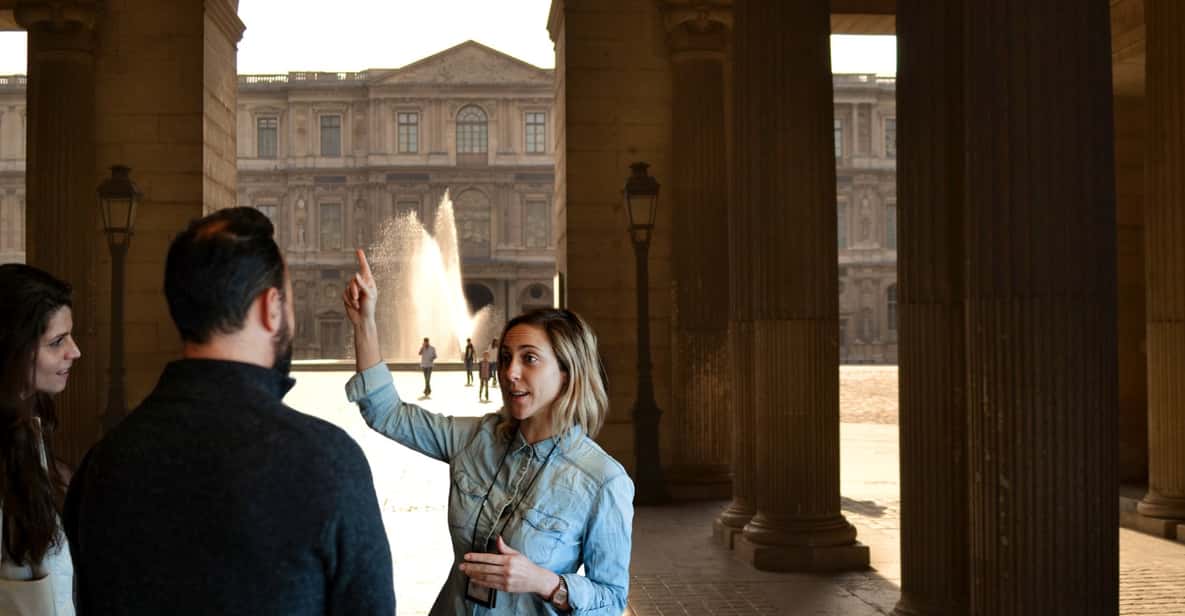
- Private, official guide attention with time to ask questions
- Hotel pickup in Paris for an easy start and less hassle
Why an evening Louvre tour feels different
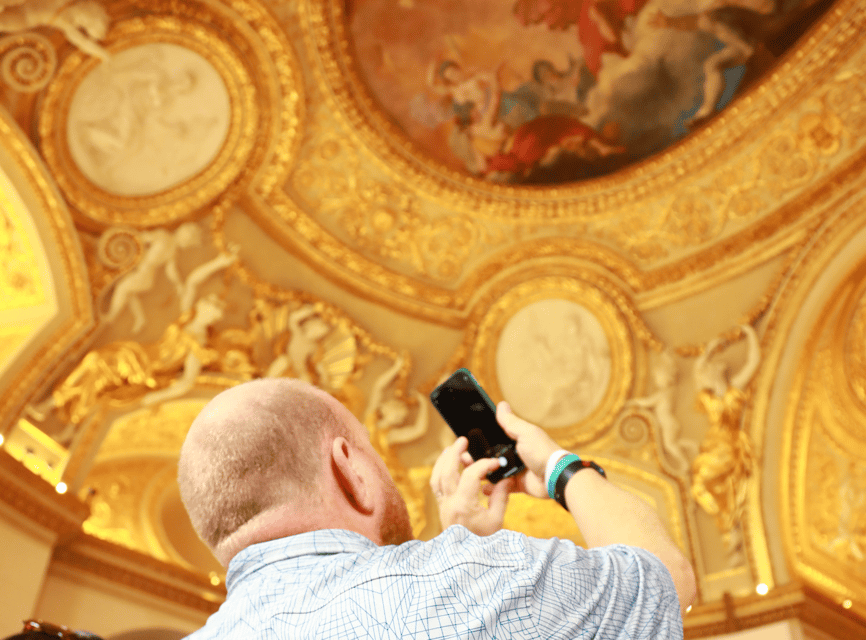
The Louvre is famous for a problem: too many people, too little time. In the evening, that equation improves. You still get the same masterpieces, but the mood changes—less shoulder-to-shoulder, more time to look, and more room to slow down.
I also like that this tour leans into the Louvre’s emotional side. Looking at art when the galleries feel calmer makes it easier to notice small choices—pose, expression, texture, and composition—without constantly resetting your angle.
One more practical point: even with skip-the-line, the Louvre still covers a lot of ground. A private guide matters here because you’re not spending time figuring out where to go next or squeezing around crowds to see the same wall everyone else is hunting.
You can also read our reviews of more private tours in Paris


Getting picked up in Paris (and starting without stress)
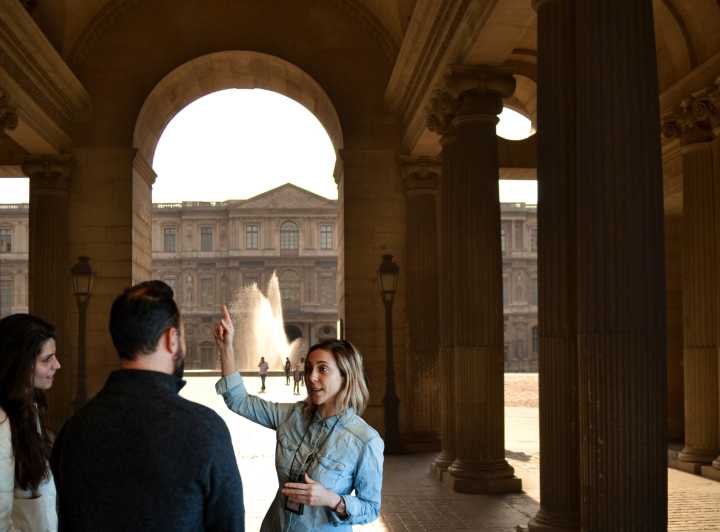
This experience starts with pickup from your hotel anywhere in Paris. You’ll be asked to be ready in the lobby about 5 minutes before the scheduled time, and the exact pickup time is confirmed the day before your tour.
Why this matters: the Louvre is easy to reach, but late-day travel can get messy—traffic, lines at metro stations, and the “where do we meet?” guessing game. Pickup solves most of that. You arrive at the right time, with one person handling the timing so you can focus on the art.
A couple details to keep in mind. You’ll need passport or ID, and a copy is accepted. Also, the group requires full names and dates of birth for all participants, so don’t wait until the last minute to gather that.
Skip-the-line entry through a separate entrance
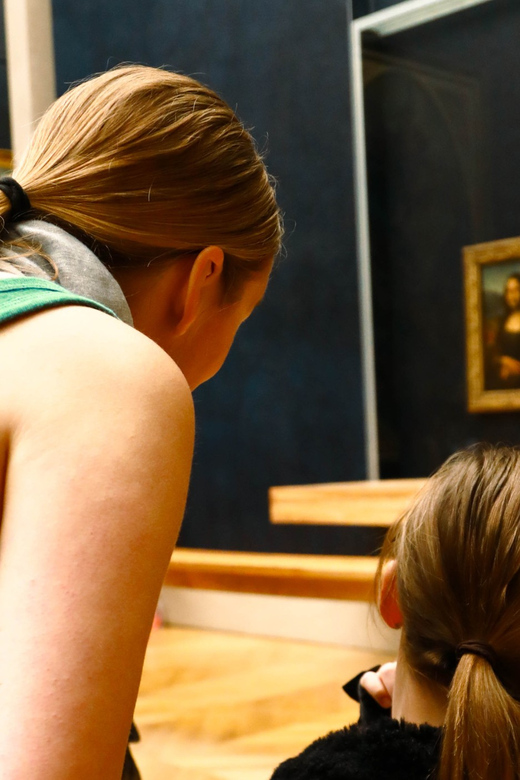
Here’s the big value lever for this tour: you get skip-the-line tickets and enter through a separate entrance. That doesn’t just save minutes—it saves energy. The Louvre’s lines are long even when you’re motivated. Cutting through that means you can spend your time where it counts: inside the galleries.
Once you’re in, the tour is designed to keep you in that calm zone. The goal is to explore the museum’s most iconic pieces in serene, nearly empty halls, where you can actually hold a steady line of sight.
Also, you should plan for what you can carry. Luggage or large bags are not allowed, so travel light. If you’re coming straight from a flight or train, think in terms of what you’ll comfortably manage through security and the museum.
Winged Victory of Samothrace: a strong opener
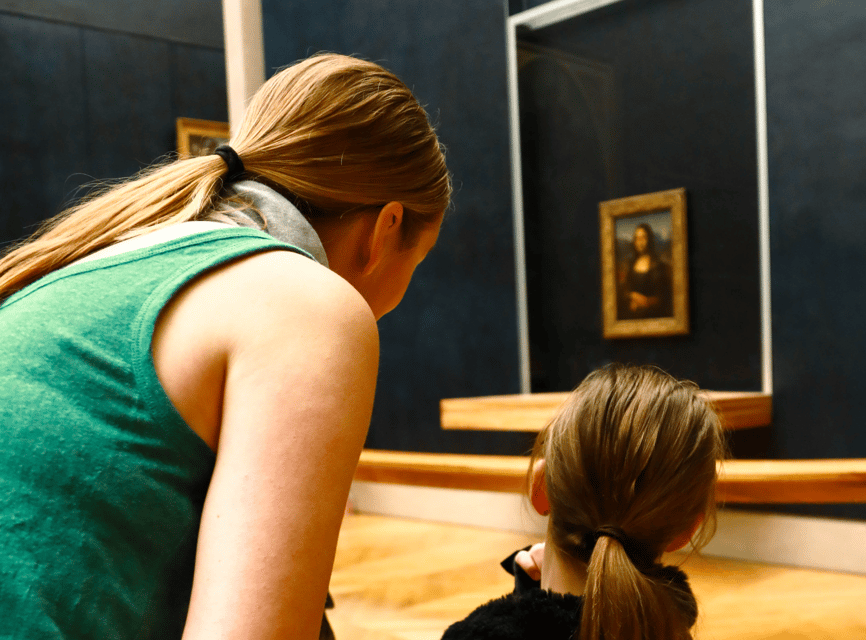
Your guided visit includes a stop for Winged Victory of Samothrace with about 20 minutes devoted to it. This is one of those sculptures that hits you physically—motion frozen in marble, wings flared, and the sense that the air is rushing around it.
With a private guide, you get more than a photo opportunity. The best part of a guided stop like this is that you don’t just look at what you already recognize. You look at how the artist built impact: angles, balance, and the way the sculpture suggests movement even when you’re standing still.
A quick tip for your own viewing: give yourself permission to step back and then forward again. From one distance you’ll read the whole form; from another you’ll notice details that make it feel more alive.
Venus de Milo: learning how to see it properly
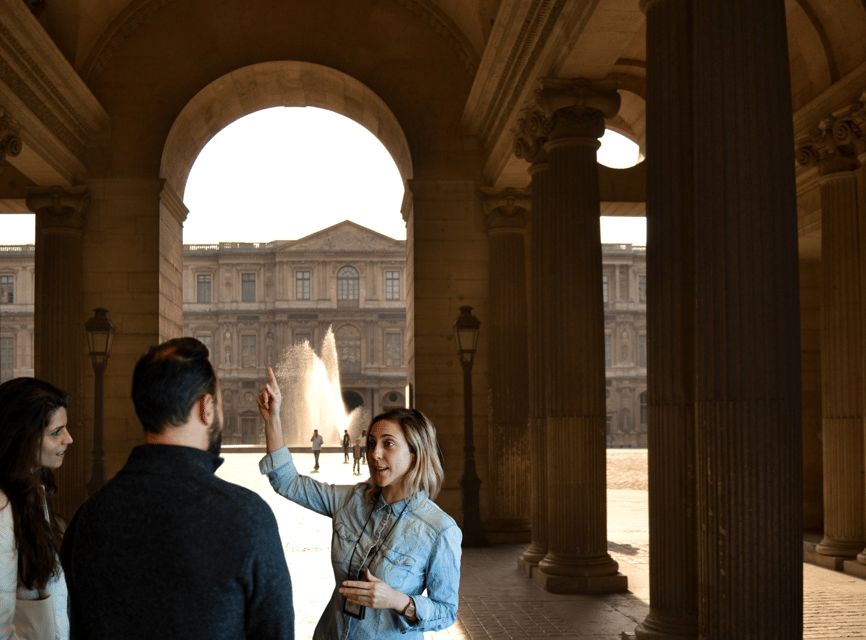
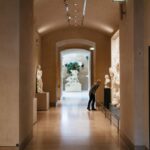
Next up is Venus de Milo, again with about 20 minutes guided. This is the classic case where “famous” can become “I’ve already seen it,” even when you haven’t really looked.
A good guide helps you slow down and view the sculpture as a crafted work, not just a recognizable face. You’ll typically get art-history context and focused attention on the pose and how the body carries emotion through posture and proportions.
The advantage of doing Venus as part of a calm evening circuit is simple: you’re less likely to feel rushed off the viewing spot. In the Louvre, that kind of pressure changes how you experience art. Here, you have a better shot at noticing what makes the work compelling beyond its fame.
You can also read our reviews of more museum experiences in Paris



La Joconde (Mona Lisa): why the timing and guide make it work
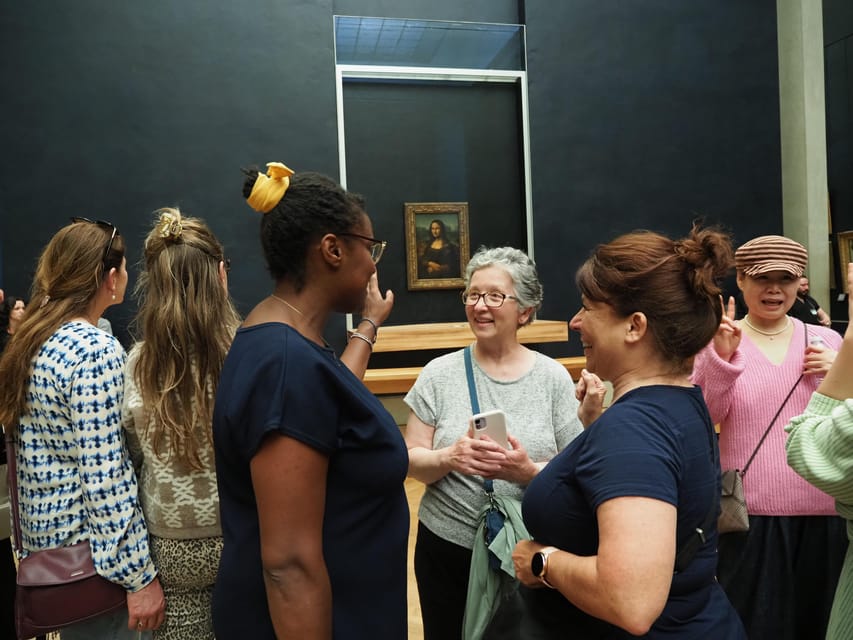
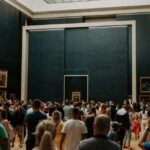
The centerpiece stop is La Joconde (Mona Lisa), with about 20 minutes. This is the one everyone asks about, but it’s also the one that can disappoint if you only catch it through the usual crowd chaos.
The evening format helps. With fewer people, you’re more likely to get an unobstructed view and stay long enough to notice visual details rather than just snapping a quick picture and moving on.
This is also where the guide’s style really shows. In the past, Maëva has been praised for explaining the techniques and art eras behind the painting, and for pointing out what makes the Mona Lisa feel so lifelike. Francesca has also been described as prepared and friendly, which matters because the best conversations at the painting don’t feel like a lecture—they feel like a walkthrough of what to look for and why it matters.
What you can do to get the most from your 20 minutes:
- Look from a distance first, then focus on facial expression.
- Notice the hands and the way the pose supports the mood.
- Ask your guide what detail to watch for when the room feels busy or you feel tempted to rush.
Even if you’ve seen images of the Mona Lisa for years, standing in front of it with time to focus can be a real shift.
How a private guide changes the Louvre experience
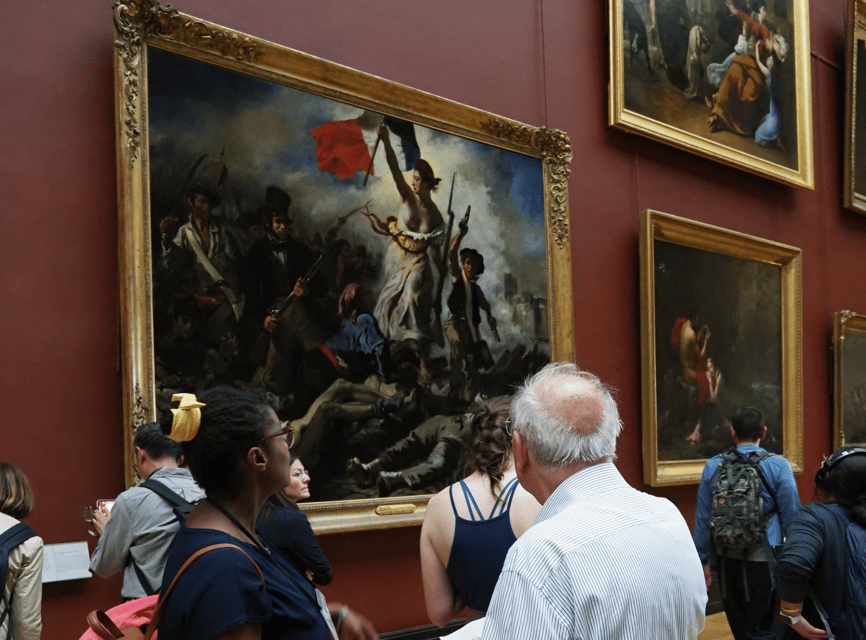
This isn’t a “follow the map” tour. It’s a private group with a live, official guide in English or French, and the tour is tailored to what you’re interested in.
That tailoring is a big deal in the Louvre because the museum can feel like an endless list. With a private guide, your time gets shaped by your preferences—whether you want technical art talk, broader art-history context, or stories that make the masterpieces feel human instead of untouchable.
The other benefit is your ability to ask questions. You can stop the flow when something grabs you: a detail, a symbol, a technique, or just how a piece became famous. In a large group, that moment often evaporates. Here, it has a place.
And since the guide is with you across multiple iconic works, you also get connections. You start seeing patterns in how art moved through time, how artists solved similar visual problems, and how different styles changed what viewers were meant to feel.
Timing, pacing, and what you will actually finish
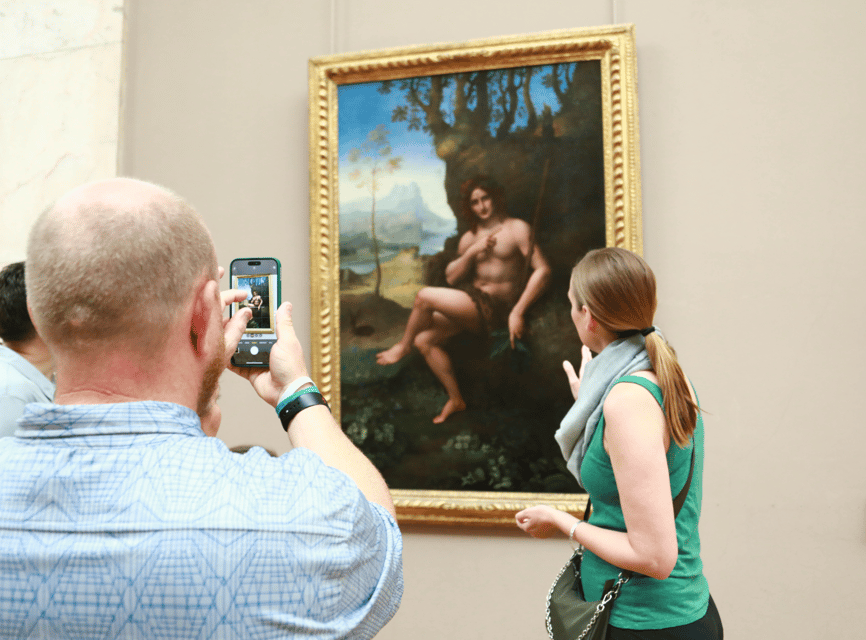
The total time is 150 minutes—so you’re not doing the entire Louvre. Think of it as the “high-impact evening circuit.” You’ll move through the museum and hit the big three: Winged Victory of Samothrace, Venus de Milo, and the Mona Lisa.
The practical takeaway: if your goal is to see hundreds of rooms, you’ll need a different plan. If your goal is to see the Louvre’s most famous works with a guide and enough calm to look closely, this fits well.
Also, because it’s an evening visit, energy can be lower than a morning tour. That’s another reason this format works: you’re not burning stamina on long wandering. You’re spending that time on a few key stops where guided attention pays off.
Price and value: is $283 per person fair?
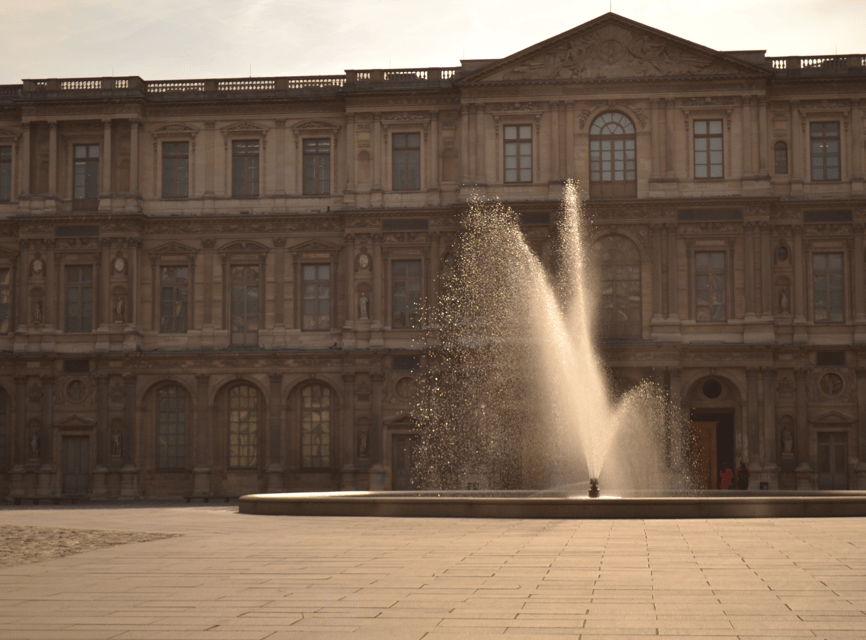
At $283 per person for about 150 minutes, the price isn’t “cheap.” But it’s also not random. What you’re paying for is a bundle that’s hard to assemble on your own without stress:
- Private official guide (not a generic audio tour)
- Skip-the-line tickets via a separate entrance
- Hotel pickup across Paris
Value comes from reducing friction. The Louvre’s biggest frustrations are lines and time pressure. If you’re already investing the money and time to come to the Louvre, you probably want to protect your limited hours once you’re there. This tour does that by focusing on the most iconic stops and keeping the experience calm.
One more factor: the reviews you provided lean strongly positive about the guide experience—especially the way guides explain techniques and bring art history into clear focus. When the guide is good, the value math improves fast, because you’re getting more than “seeing the thing.” You’re understanding it.
That said, the rating shown is 2.9 from just 3 reviews, so treat it as a small data set. If you like the concept—quiet evening, private guide, and a short high-focus route—this price can make sense. If you want a long museum marathon, you may feel like the time is too tight.
Who this Louvre evening tour suits best
This tour is a good fit if you want the Louvre without the full chaos package. It also works well if you’re not a lifelong art person, because the guide can explain what matters without assuming you already know the vocabulary.
It’s also ideal if you travel with someone who gets tired of museums fast. A 150-minute structure helps. You’ll still see the heavy hitters, but you’re not stuck in a full-day commitment.
On the other hand, it may not suit you if:
- You want full coverage of the Louvre beyond the icons
- You need wheelchair access (this tour is not suitable for wheelchair users)
- You’re arriving with bulky luggage (large bags aren’t allowed)
Should you book this private Louvre evening tour?
I’d book it if your top priority is a quiet, guided look at the Louvre’s most famous masterpieces—without losing time to lines and crowd squeeze. The evening timing, skip-the-line entry, and hotel pickup combine into a low-stress plan that still feels like you’re getting more than a quick sightseeing hit.
Skip it if you want to explore freely at your own pace for hours, or if your group wants deep coverage of many departments. This tour is designed to concentrate your time on a few big moments—done well with a guide—so you leave with a stronger sense of what you saw and why it matters.
If your schedule allows it, this kind of evening visit is one of the smartest ways to experience the Louvre without spending your day in a human traffic jam.
FAQ
How long is the Louvre Museum and Mona Lisa evening private tour?
It lasts 150 minutes.
What’s included in the price?
The tour includes a private official tour guide, Louvre skip-the-line tickets, and hotel pickup.
Is hotel drop-off included?
No, drop-off to your hotel is not included.
What do I need to bring?
Bring a passport or ID card. A copy is accepted.
What languages are the tours offered in?
The tour guide speaks English and French.
Is this tour suitable for wheelchair users, and can I bring luggage?
It is not suitable for wheelchair users, and luggage or large bags are not allowed.