REVIEW · PARIS
Paris: Musée d’Orsay Guided Tour with Ticket
Book on GetYourGuide →Operated by Babylon Tours LLC · Bookable on GetYourGuide
Orsay makes 19th-century Paris click fast. I love the way this small-group guided tour uses your ticket to get you into the museum experience with less guesswork, and I love the expert guide narration that connects artists like Manet and Renoir to what Paris was thinking and building at the time. One caution: 2.5 hours goes quickly, and if you’re the kind of person who wants to sit with one painting for a long while, you may feel slightly rushed.
The Musée d’Orsay itself is a big part of the payoff. It’s housed in a former rail station, so you’re not just looking at art—you’re walking through a dramatic Beaux-Arts shell that instantly helps the 19th-century vibe land. Do note the practical rules: luggage or large bags aren’t allowed, and some rooms can have restrictions on speaking quietly.
In This Review
- Key highlights worth your attention
- A Musée d’Orsay guided tour that turns art viewing into a plan
- Why the building matters: walking into Orsay’s Beaux-Arts drama
- Your 2.5-hour rhythm: highlights first, then room to breathe
- Stop 1: meeting up smoothly when options vary
- Stop 2: the guided highlight walk and smart photo pauses
- Where the tour shines for your enjoyment
- Stop 3: a short break that keeps the visit from burning you out
- How the guide earns their place in your itinerary
- Price and value: what $128 buys you in real time
- What to watch for: bags, quiet rooms, and pacing expectations
- Who this Orsay tour fits best
- Should you book this Musée d’Orsay guided tour with ticket?
- FAQ
- FAQ
- How long is the Musée d’Orsay guided tour?
- What does the tour price include?
- Is this tour private?
- What languages are available for the guide?
- Is luggage or a large bag allowed?
- What kind of art will you see?
- Where does the tour meet?
Key highlights worth your attention
- Former rail station setting: the building is part of the story, not just a backdrop
- Pro commentary with tickets included: you don’t pay separately for entry fees
- Max 6 guests per guide: enough room for questions and real conversation
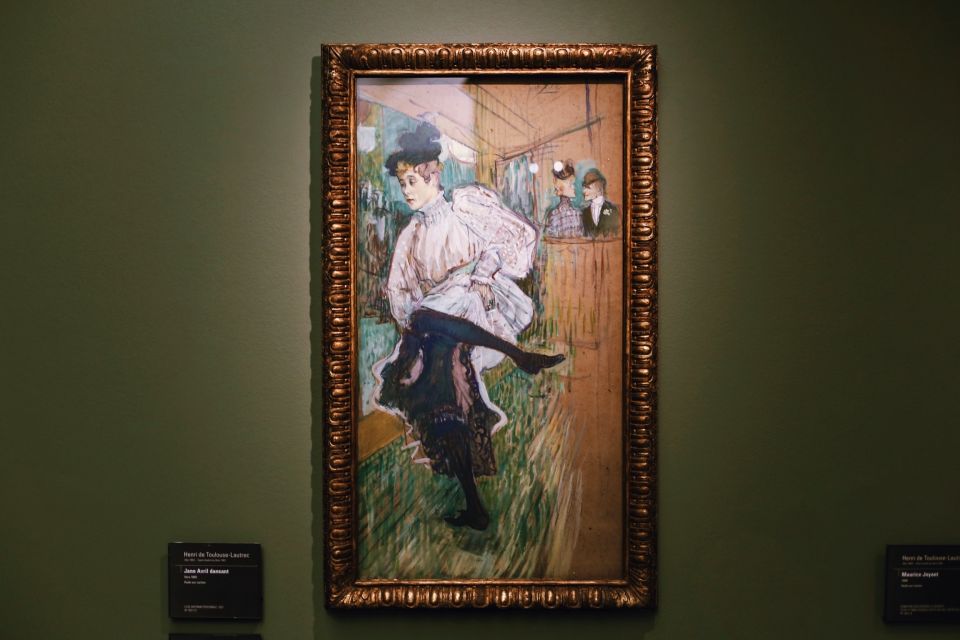
- Impressionist and post-Impressionist focus: techniques and context, not only names
- Small photo breaks: quick stops so you can keep moving through the galleries
- Guide examples from real tours: people raved about guides like Nadia, Miriam, Alex, Marcel, and Mathieu
A Musée d’Orsay guided tour that turns art viewing into a plan
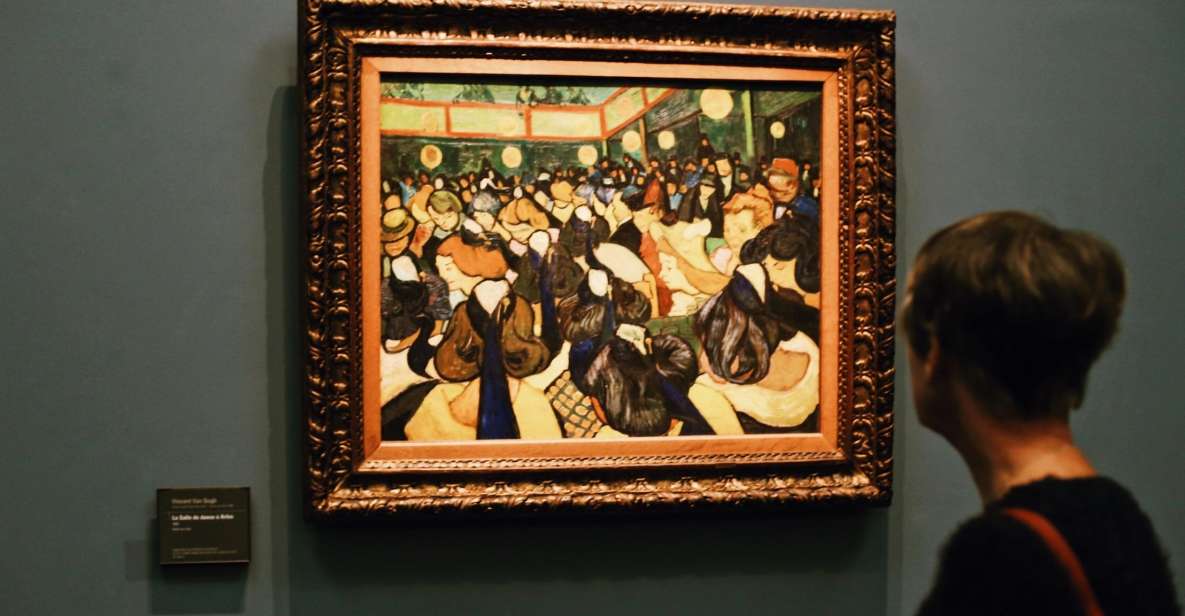
Musée d’Orsay can feel overwhelming. There’s a lot of great stuff, and if you walk in cold, you’ll end up doing the usual thing: spotting a few famous works, snapping a photo, then drifting. This tour is built to prevent that. In about 2.5 hours, you get a guided route aimed at the museum’s strongest highlights and a few less-obvious choices that still fit the big theme.
The best part is the “why” behind what you see. The collection centers on 19th-century French art, with major attention on the art world that led into and out of Impressionism and post-Impressionism. Your guide is there to explain how those artists worked, what they were reacting to, and how style changed—without turning it into a lecture you can’t use.
You can also read our reviews of more tours and experiences in Paris



Why the building matters: walking into Orsay’s Beaux-Arts drama
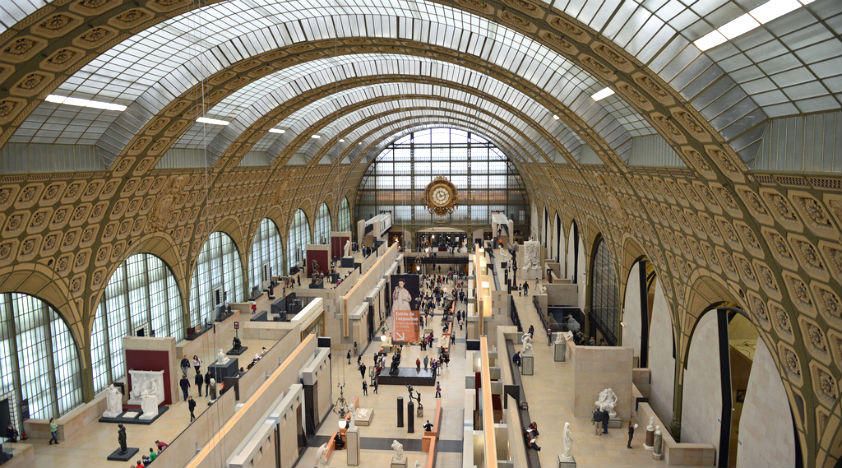
Before you even get to the paintings, you’re in the right mood. Orsay’s beautiful Beaux-Arts architecture comes from its earlier life as a grand rail station. That matters because the museum doesn’t feel like a quiet box; it feels like a transformation. You can almost see how industry, speed, and modern life shaped the era the art comes from.
This is also why the guided format helps. A good guide can point out how the station-to-museum conversion connects to the broader story of modernization in 19th-century Paris. And yes—more than one guide-style review noted that this context made the whole visit easier to follow, not harder.
Your 2.5-hour rhythm: highlights first, then room to breathe
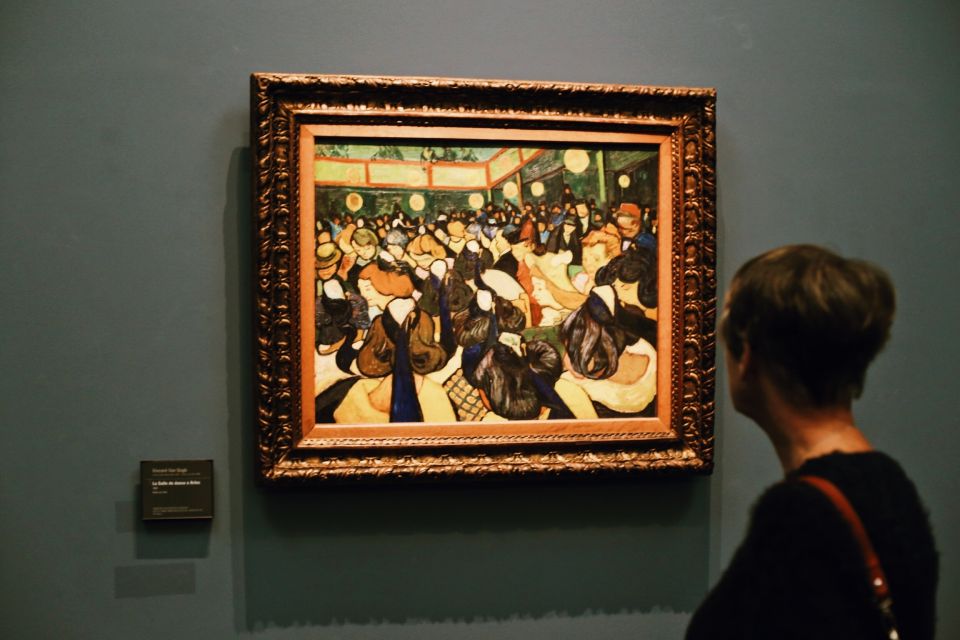
This tour is structured for momentum. After you meet, the visit focuses on about 2.25 hours of guided tour time plus a short 15-minute break. There’s also a built-in photo stop or two, which is helpful because you’ll want at least a few images of the museum interior and certain key works.
Here’s the practical benefit for you: you get a coherent walk through the collection instead of wandering from floor to floor. If you only have one shot at Orsay, this pacing helps you come away feeling like you saw the core of the museum, not just the pieces that happened to be in your path.
Stop 1: meeting up smoothly when options vary
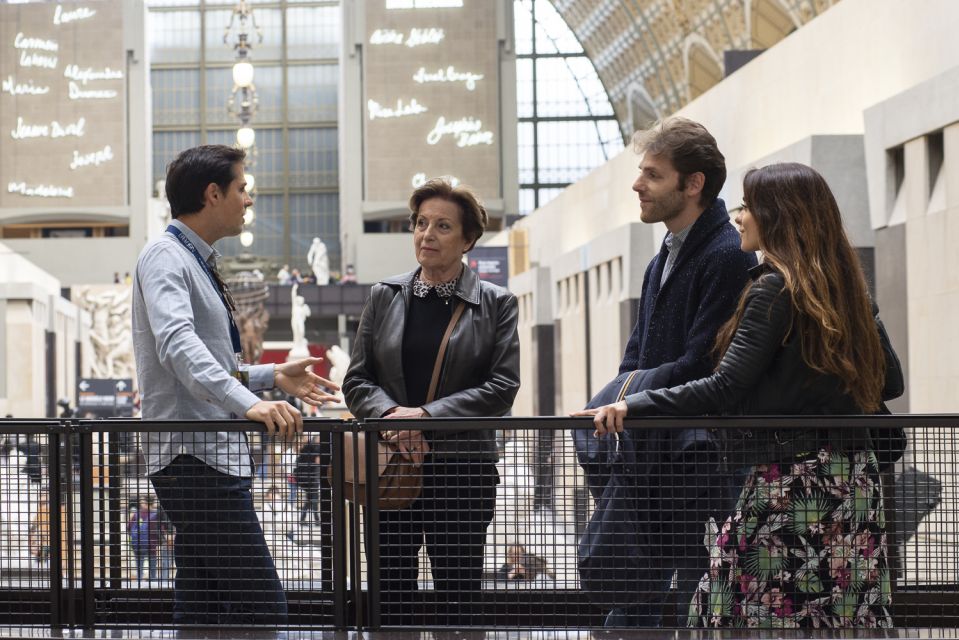
The start point can vary depending on the option you book. Some meeting locations are listed right at Musée d’Orsay, and one option is at 7 Quai Anatole France. That flexibility is convenient, but it’s also your first small homework task: make sure you’re standing at the correct spot for your chosen option.
If you’re early, use that time to get oriented. Orsay sits along the Seine, and the area around the museum is busy. Even a quick “where am I in relation to the entrance” moment saves time later—especially during peak hours.
Stop 2: the guided highlight walk and smart photo pauses
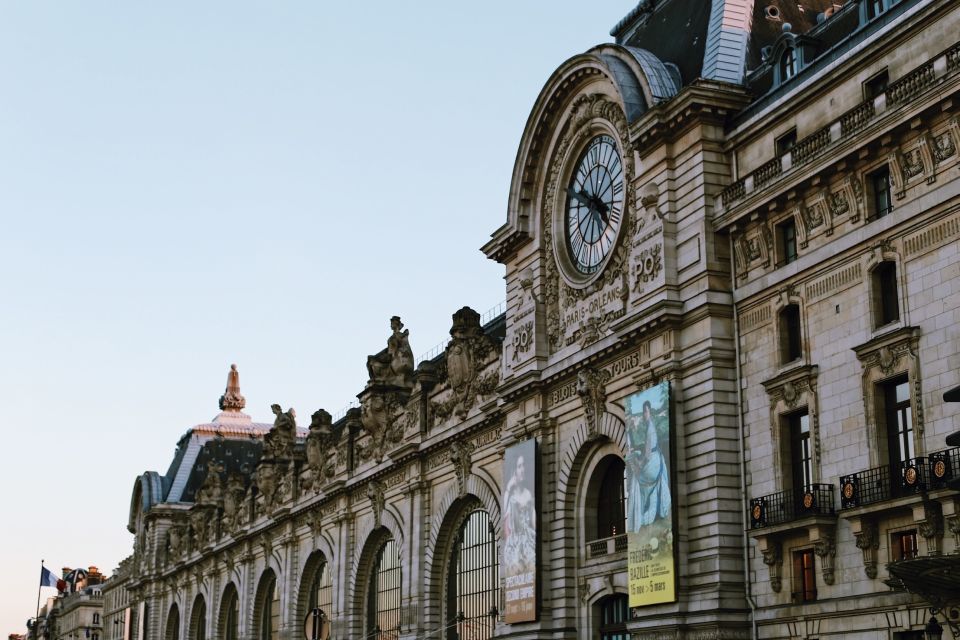
Once you’re inside, Stop 2 is where the tour becomes a story. Expect a guided route through the museum’s major attractions, with a little free time woven in at the end of the segment. The goal is to show you the museum’s strongest material and connect it to the bigger artistic shift happening in 19th-century France.
You’ll hear about artists such as Manet, Renoir, Cézanne, and Gauguin. And because the tour is aiming at first-time visitors, it tends to focus on the transitions: how artists challenged older ideas, how Impressionists and post-Impressionists developed their techniques, and how a group of art rebels helped reshape what modern art could be.
This is also the segment where the guide’s personality can make a big difference. Reviews about guides like Nadia and Miriam often highlight how they brought both the paintings and the time period to life—so you understand what’s going on in the brushwork and why Paris audiences cared. Another recurring theme: keeping the narrative clear as you move artwork to artwork, so it doesn’t blur into a list of titles.
You can also read our reviews of more guided tours in Paris






Where the tour shines for your enjoyment
- If you don’t know the history yet, you’ll get a framework fast.
- If you do know the history, you’ll get connections you might miss on your own.
- If you’re traveling with kids or teens, a guided pace can prevent boredom because you’re always going somewhere and learning something new.
Stop 3: a short break that keeps the visit from burning you out
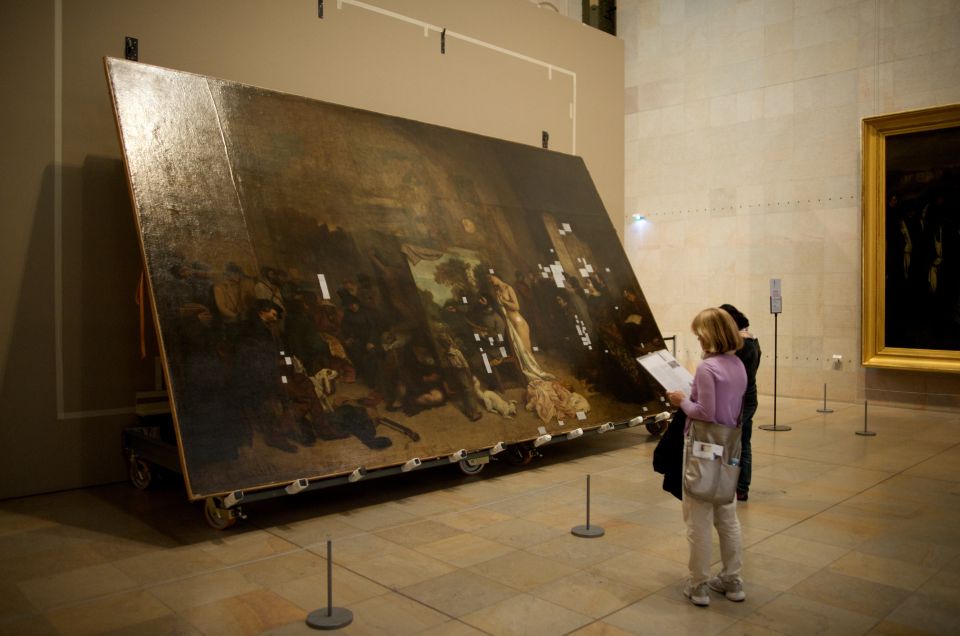
Stop 3 is simpler: a break time, a photo stop, and then a little more free time. That 15-minute break isn’t just “rest your feet.” It’s also what keeps the afternoon from turning into museum slog.
Here’s why that matters: Orsay is famous, but it can still become too much if you’re exhausted. A short reset helps you return with fresh attention, especially when the tour continues into more specific details or rooms that require quiet and careful behavior.
Also, some spaces in the museum can have rules about quiet or restricted speaking. Your guide will steer you around this, but you should still expect to keep your voice down when you’re directed into those areas. It’s a small change in behavior that makes the visit smoother for everyone.
How the guide earns their place in your itinerary
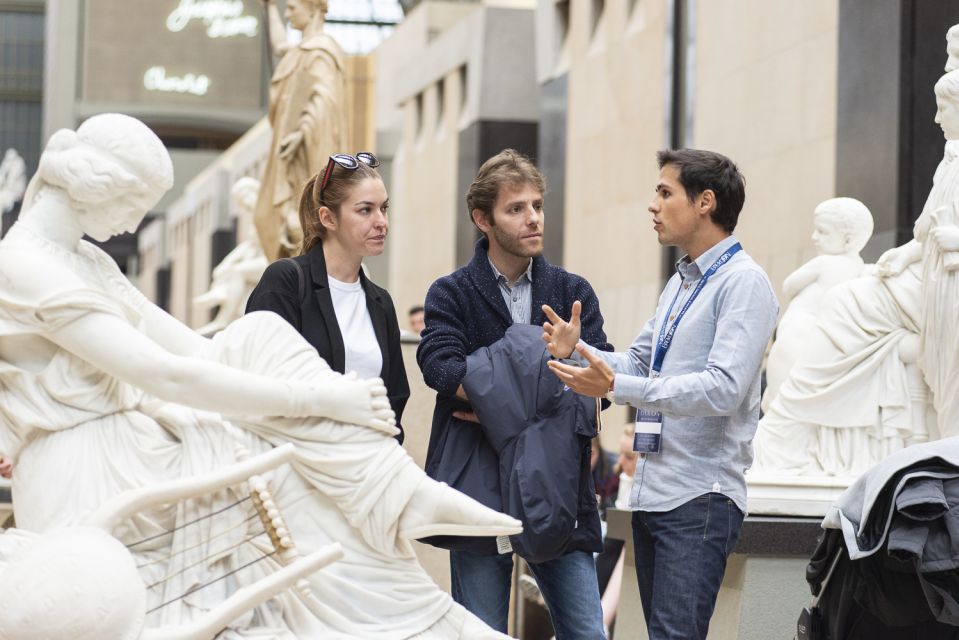
You can visit Orsay on your own and still have a great time. But this particular tour leans hard on the guide, and that’s where the highest praise is coming from.
In the best-guided experiences, the guide does three things well:
- They explain what you’re seeing in front of you. Not just the artist name—what the painting is doing and why it matters.
- They link paintings into a clear timeline or storyline. That’s what helps you remember it later.
- They manage the crowd flow so you spend more time looking and less time stuck.
Examples that came up often include guides like Alex, Marcel, Tristan, Lilya, Mathieu, and Felix, with comments pointing to strong storytelling and a good pace. One guide-style detail that popped up: some guides use tools like an iPad to provide extra info on key paintings. When that happens, you get clearer context without losing momentum.
If your guide is good, you’ll leave with more than photos. You’ll leave with better questions for your next stop in Paris—because you’ll start noticing how style, society, and technique all talk to each other.
Price and value: what $128 buys you in real time
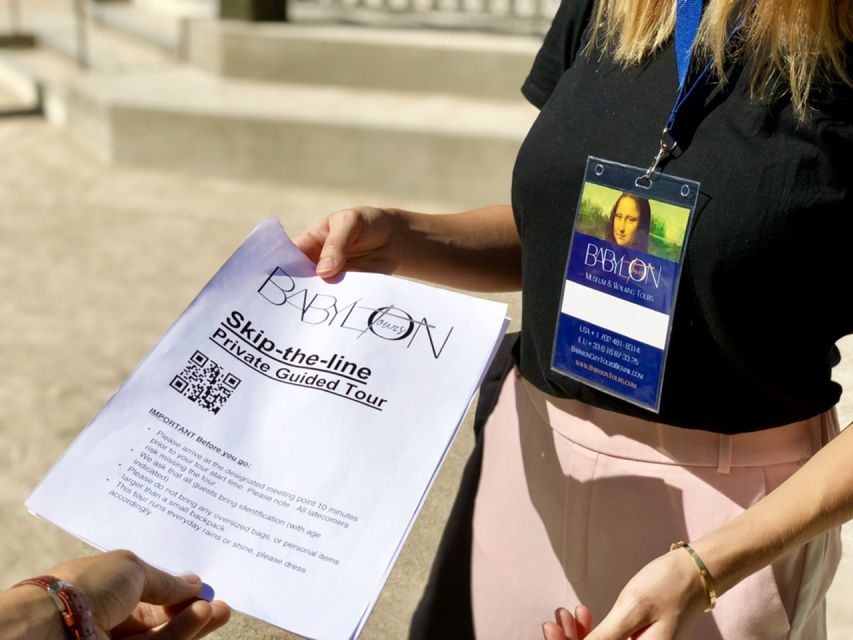
At $128 per person for a 2.5-hour guided visit, the value depends on how you like to travel.
This price is not just “a ticket.” The tour includes museum entrance fees for the permanent collection and a live guide. That’s useful because Orsay entry is easy to price-check later, but the guidance is harder to DIY. For many people, the biggest cost is time and mental load: figuring out where to go, what to prioritize, and how to make sense of a massive collection.
So when this tour feels worth it, it’s usually for one reason: you get your bearings fast and you understand the art while you’re still standing in front of it. That can save you from doing a second, more chaotic self-guided attempt later in your trip.
Is it expensive? It can be, if you already plan to spend hours wandering slowly and you don’t want structure. But if you’re visiting Paris with limited time—or you want your first Orsay visit to actually teach you something—this price can feel fair.
What to watch for: bags, quiet rooms, and pacing expectations
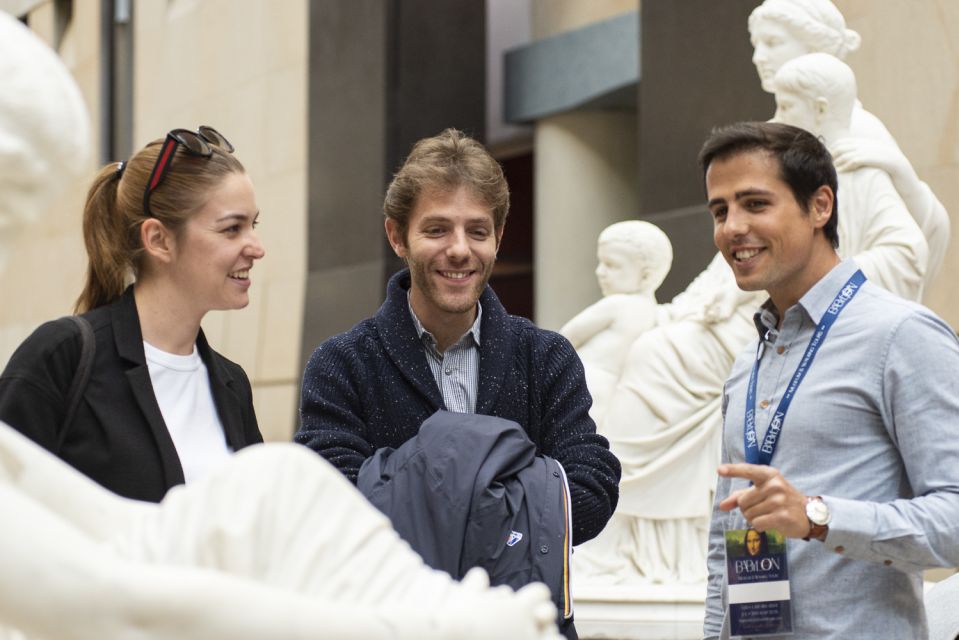
A few practical notes can help you avoid friction:
- No luggage or large bags. Plan to travel light or store items elsewhere before you arrive. The tour does not include luggage or coat storage, so don’t count on the meeting point to solve that.
- Room rules can affect speaking. Some areas may require quiet or restrict speaking. Your guide will direct you, but you should expect to follow those instructions.
- Time is limited. Even with the short, efficient plan, the tour can feel short if your goal is deep lingering at every masterpiece. One review specifically called out that the tour was very informative but could have been longer.
Think of this as a smart overview with excellent direction, not a full museum day. If you want the full day experience, plan extra self-guided time after the tour.
Who this Orsay tour fits best
This tour is a strong match if:
- you’re a first-time Orsay visitor and want the highlights plus a few surprises
- you want context for Impressionism and post-Impressionism, including technique and historical background
- you care about a calm, organized pace rather than wandering floor to floor
It’s also a good pick if you’re the planner type and you like knowing the plan before you arrive. The tour is designed as an introduction, so it avoids the feeling of staring at labels without a story.
If you’re a serious art student or you want to analyze brushwork frame-by-frame with zero time pressure, you might prefer a longer independent visit or a different format. But for most people, this hits a sweet spot.
Should you book this Musée d’Orsay guided tour with ticket?
Book it if you want an efficient first visit with a guide who can turn famous paintings into understandable, connected ideas. I think it’s especially worth it when you have limited time in Paris, or when you’re trying to avoid the common museum problem: seeing a few great works but missing the pattern that makes them matter.
Skip or reconsider if you’re traveling very light-gently—because the no large bag rule can be annoying—or if you know you won’t enjoy a structured 2.5-hour route and want to spend longer with fewer works.
FAQ
FAQ
How long is the Musée d’Orsay guided tour?
The tour duration is listed as 2.5 hours, though you should check availability for specific starting times.
What does the tour price include?
It includes museum entrance fees (permanent collection) and a live guide.
Is this tour private?
The activity offers private or small groups available, with a maximum of 6 guests per guide for a more intimate experience.
What languages are available for the guide?
The tour is offered in French, English, Italian, Russian, German, and Spanish.
Is luggage or a large bag allowed?
No. Luggage or large bags are not allowed, and luggage or coat storage is not included.
What kind of art will you see?
The focus is on 19th-century French art, with artists such as Manet, Renoir, Cézanne, and Gauguin, and emphasis on Impressionists and post-Impressionists.
Where does the tour meet?
The meeting point may vary depending on the option booked, including locations at Musée d’Orsay and 7 Quai Anatole France. The tour ends back at the meeting point.