REVIEW · PARIS
Paris: Create your Signature Scent Perfume Workshop
Book on GetYourGuide →Operated by ABC du Parfum SARL · Bookable on GetYourGuide
A signature scent beats another souvenir. In Paris, you’ll mix, test, and choose your own perfume in a small-group class with Marina JUNG. What I really like is that you make 3 trial perfumes and then take your favorite home in a vivid 50 ml bottle. One consideration: the workshop is in a private apartment setting, and a couple of people noted it can be a little tricky to find without obvious signs.
This experience turns perfume marketing into real chemistry you can smell. You’ll learn how “notes” and “chords” work, why fragrances change over time, and how a perfumer builds structure using main raw materials like rose, jasmine, woods, and musks. I also like that the instruction is practical and personal, with an instructor who brings 20 years of experience to the 90-minute session.
It’s not a museum stop. It’s hands-on, creative, and relaxed, with a limit of ten people so questions don’t get lost. You’ll also get the option to keep your formula and reorder later, plus the workshop runs in French, English, and Spanish—helpful if you want clear explanations without guessing.
In This Review
- Key things to know before you go
- Why this Paris perfume workshop is better than a “look but don’t touch” tour
- Inside Marina JUNG’s apartment atelier: what the 90 minutes feels like
- Notes and chords: the lesson that makes your perfume make sense
- Mixing your own scent from 60 materials: how the trials work
- Choosing, bottling, and taking home your 50 ml signature scent
- Price and value: is $115 per person fair for Paris?
- Who should book this workshop (and who should skip it)
- Practical tips that make the class smoother
- Should you book this Paris perfume workshop?
- FAQ
- How long is the Paris perfume workshop?
- What is included in the price?
- Do I get to make more than one scent?
- How many notes or materials can I choose from?
- What language options are available?
- Is it a small group?
- Is food or drinks included?
- Can I take my formula home or reorder later?
- Are pets allowed and can I record audio?
Key things to know before you go
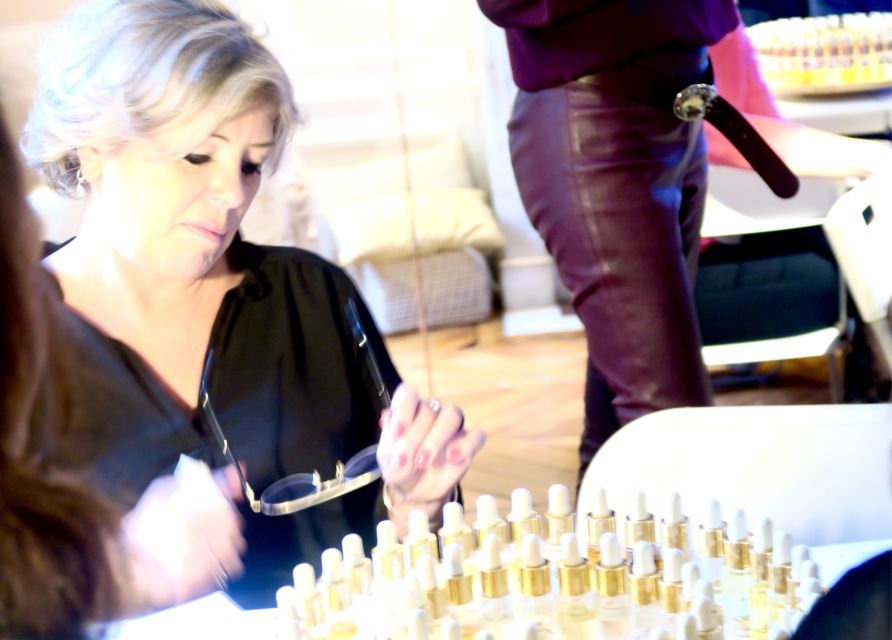
- Small group (max 10) for more hands-on help and faster feedback while you’re mixing
- 3 trials before choosing means you’re not stuck picking blind
- 60 note materials give you lots of real choices (not just a few pre-made scents)
- Take-home 50 ml bottle with packaging, so you leave with something tangible
- No pressure to buy extra is a theme in the reviews, even though you can add a second bottle
- Private apartment setting can feel more personal, but it may require you to confirm how to reach the address
Why this Paris perfume workshop is better than a “look but don’t touch” tour
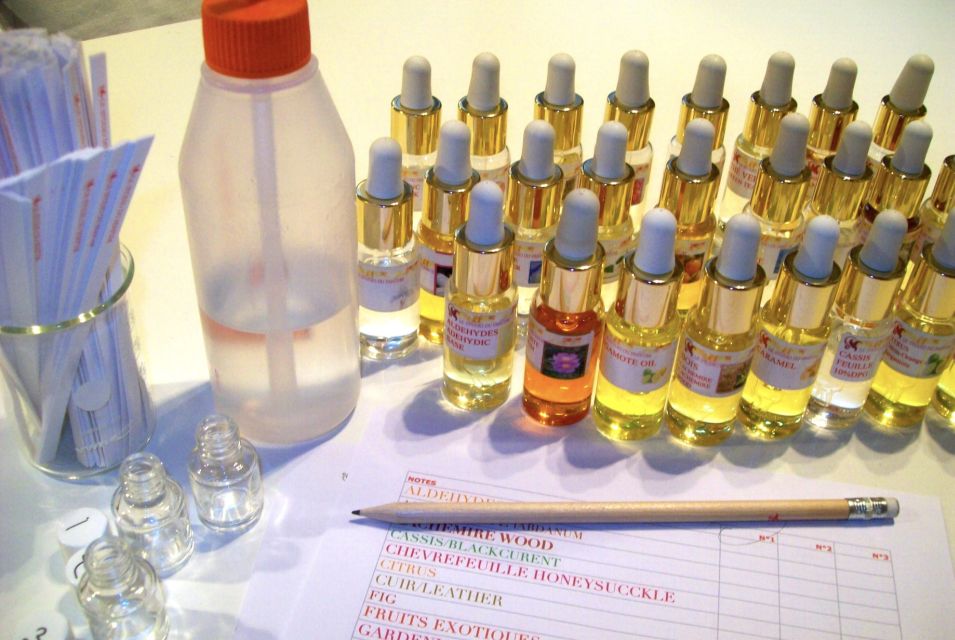
Paris has no shortage of perfume shopping, but this is the opposite. You’re not just smelling a wall of bottles and hoping you’ll remember what you liked later. You’re learning how perfumes are built—then applying that knowledge immediately with your own combinations.
The big value here is control. You choose among many raw materials and build a scent that matches your taste, your mood, and even your memories. The class is also short—90 minutes—so it fits cleanly into a day that already has sightseeing on it.
Another plus is authenticity. The workshop feels like something locals would book because it isn’t trying to perform for you. Reviews point out that it’s hosted in Marina JUNG’s home/studio-style space, and the tone stays friendly and calm, not theatrical.
The “workshop” part matters too. You’re taught what notes and chords mean, then you practice making those ideas real. That’s how you end up leaving with a scent you’ll actually wear, not something you bought for the label.
You can also read our reviews of more tours and experiences in Paris

Inside Marina JUNG’s apartment atelier: what the 90 minutes feels like
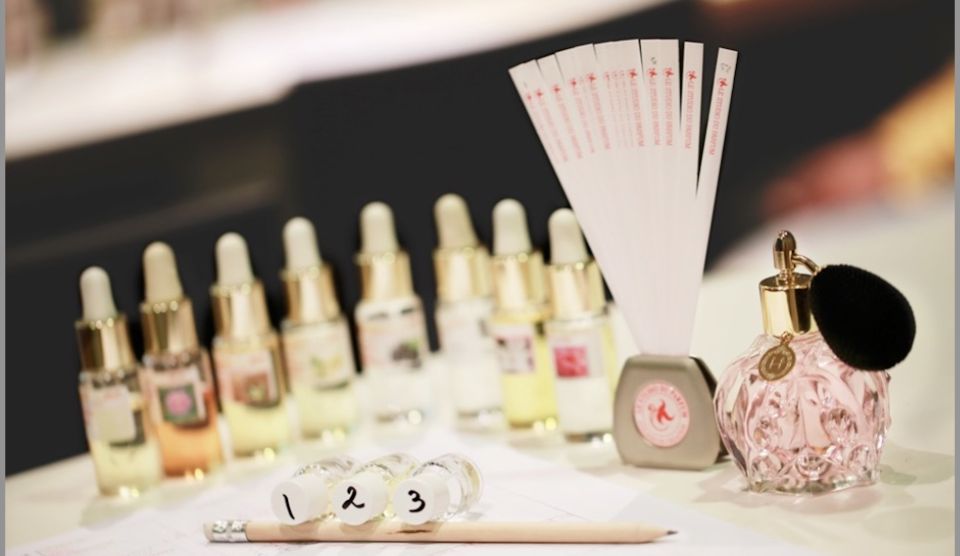
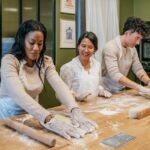
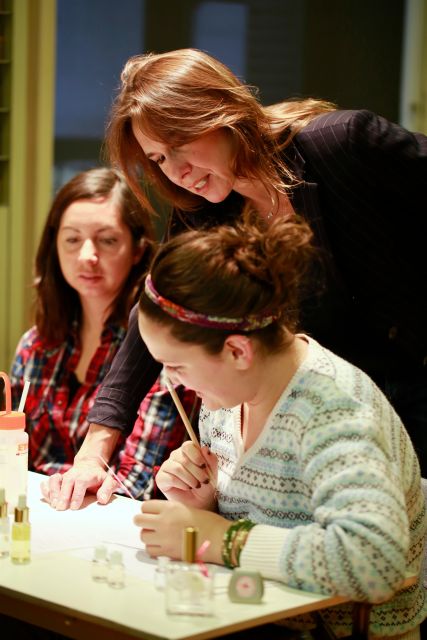
Plan on a 90-minute class led by Marina JUNG, and expect a guided, step-by-step flow. You’ll start with an explanation of the basics: what you’re smelling, how perfumes evolve, and how to think like a perfumer rather than a casual nose.
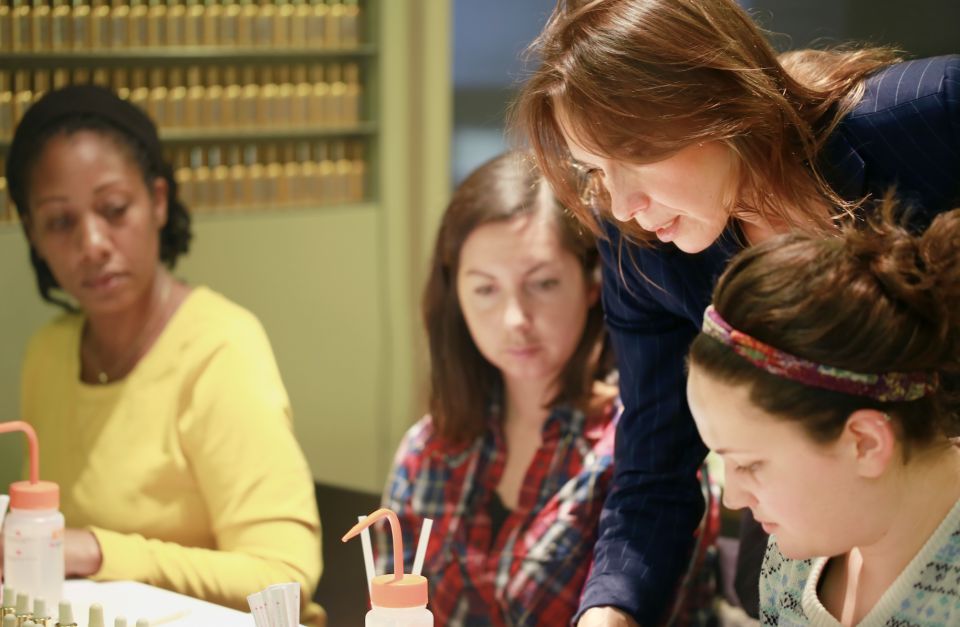
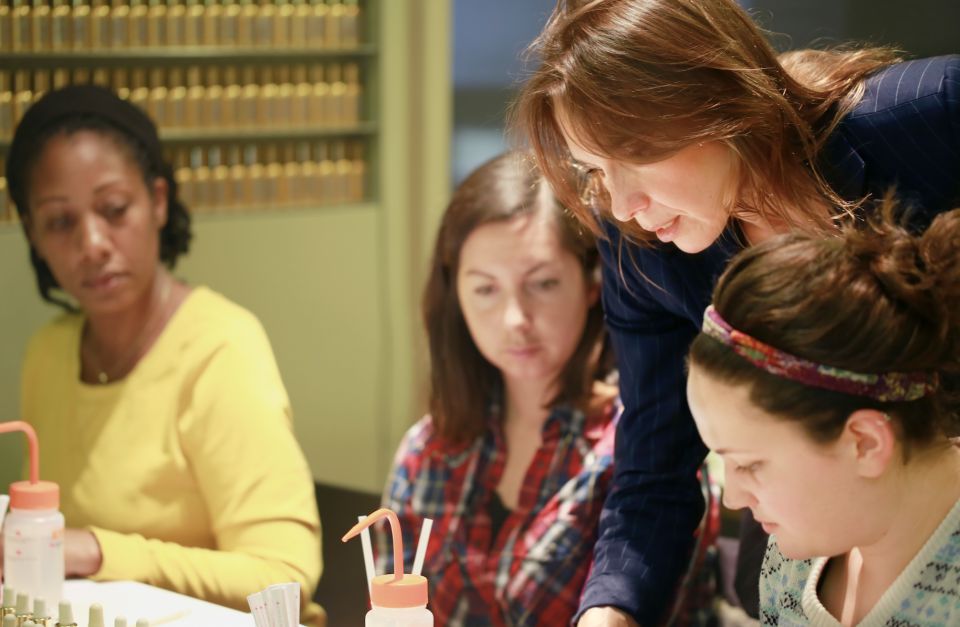
Because the group is capped at ten, you get time to try combinations and get feedback while you’re still experimenting. Reviews highlight that the instructor is patient and welcoming, including with people who arrived a bit late. If you’ve got questions about what you’re smelling or why a blend works, this format gives you room to ask.
It’s also multilingual. The instructor supports French, English, and Spanish, so you’re less likely to get stuck if your French is rusty. That language support is a real quality-of-life factor in Paris, especially for a sensory subject like perfume.
One more thing: you’ll be in a home setting, not a high-rise shop. That’s part of why people call it cozy and personalized. If you’re sensitive to temperature, note that one review mentioned the room felt cold, so dress accordingly.
Notes and chords: the lesson that makes your perfume make sense
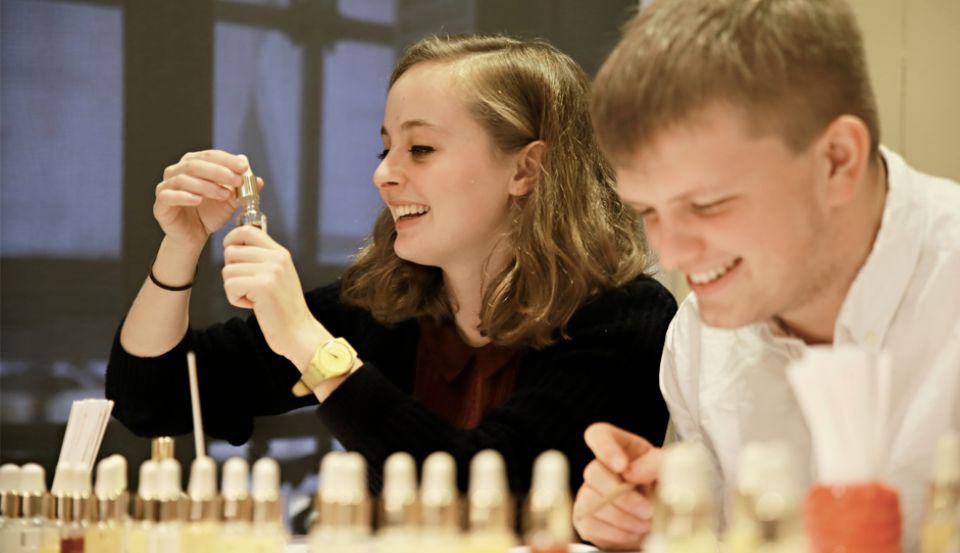
The workshop is built around two key concepts that you’ll hear repeatedly: notes and chords.
- A note is an ingredient category you recognize by how it smells. Think rose, jasmine, currant, woods, musks, and more.
- A chord is how you combine notes into a structure that feels like a finished fragrance, not a random mix.
You’ll explore materials from a pool of 60 products. That range matters because perfume isn’t “one smell.” It’s a layered experience that changes as the scent sits on skin or in the air.
A guided part of the lesson focuses on why perfumes change over time. That’s not just trivia. Once you understand it, you stop judging too fast. You learn to smell in a more patient way—so your final choice comes from how the blend develops, not just the first hit.
The instructor’s approach is described as intuitive and creative, but still grounded in method. You’re not just playing with scent drops; you’re learning a repeatable way to build a fragrance.
Mixing your own scent from 60 materials: how the trials work
This is where the experience turns from educational to fun.
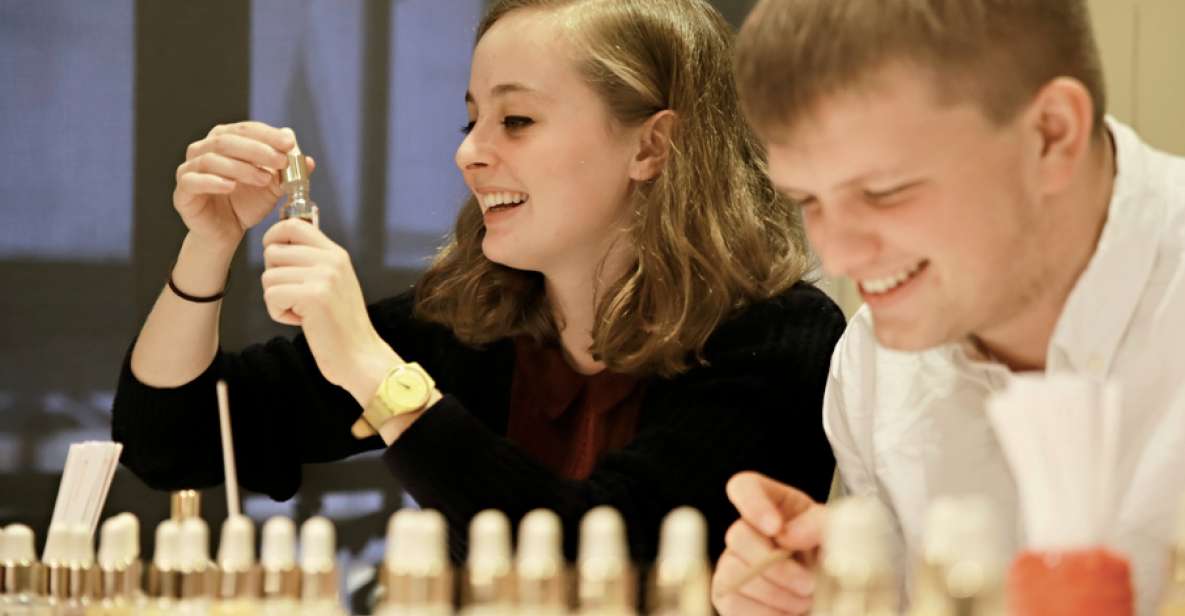
You’ll test and build three trial perfumes. Each trial is a real attempt at creating a coherent blend, not just two drops and done. After your trials, you choose the perfume you want to take home.
Reviews repeatedly mention that you get freedom to experiment. That’s important because perfume mixing isn’t one-note math. Sometimes a combination you wouldn’t expect becomes your favorite once it’s balanced by other materials. One review even points out that scents people hadn’t thought would pair well ended up working beautifully.
You’ll also get guidance as you mix, including feedback on the formulas. If you’re new to fragrance, that help can be the difference between making something pleasant by accident and making something you genuinely love.
And yes, you’ll likely spend time narrowing your taste. That “chemistry with your nose” feeling is why the class earns such strong ratings. People describe it as like playing perfumer—learning the rules while still getting to be creative.
Choosing, bottling, and taking home your 50 ml signature scent
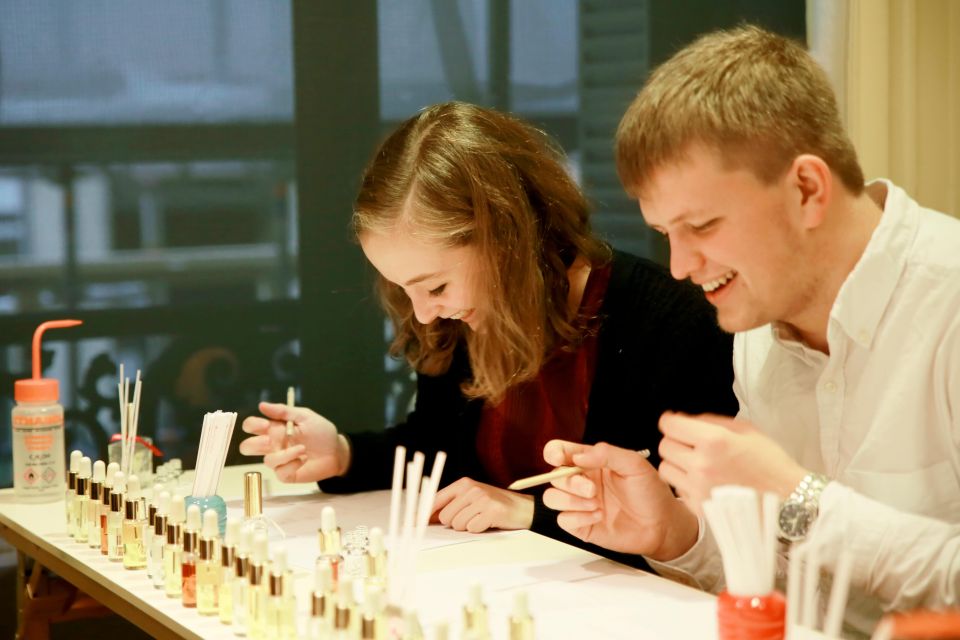
After three trials, you pick your favorite. Then the workshop turns your choice into a take-home product: a colorful 50 milliliter bottle with packaging.
That size is a practical win. It’s big enough to use regularly, not just a tiny tester you’ll save for special occasions. Reviews also say the amount you get to take home can feel like more than expected.
You also have options beyond the one bottle. The class format includes a way to keep your formulas and reorder your perfumes. That’s a big deal if you’re the type who wants to recreate the scent again later, or if you want the same blend in the future without starting from scratch.
Some people add a second bottle. One review noted you can purchase an additional bottle for 30 euros, and the tone stays non-pushy. The instructor helps you decide, but you’re not forced into buying more than what’s included.





Price and value: is $115 per person fair for Paris?
At $115 per person for 90 minutes, the sticker price can look steep at first—until you break down what’s included.
You’re getting:
- the perfume workshop itself
- an experienced instructor (20 years’ experience)
- all needed raw materials
- a 50 ml bottle of your perfume with packaging
Most comparable perfume experiences either focus on shopping (you pay for bottles) or education only (you pay for the lesson but you don’t leave with a substantial fragrance you made). Here, you leave with a full bottle made from your own chosen blend.
Then there’s the group size. Max ten people turns it into a semi-private lesson rather than a crowded demo. That matters because perfume is hands-on and smell-based—both require time and attention.
If you’re deciding whether it’s worth it, ask yourself one question: will you wear the scent you make? If you like perfume and want a bottle you actually chose, the value starts to look clear.
Also, reviews consistently bring up that there’s no pressure to buy extra. That keeps the experience from feeling like a sales funnel disguised as a workshop. If you want one bottle, you can leave with one bottle.
Who should book this workshop (and who should skip it)
This class is a great fit if you:
- like perfume and want to learn how it’s built
- enjoy hands-on activities more than tours with photo stops
- want a memorable Paris experience you’ll take home
- want a small-group setting where you can ask questions
It can also work well for pairs. Reviews mention doing it with a spouse, and even doing it with a daughter/teenager, with both people enjoying the creativity and learning. One review also says it’s a good activity for men and women, solo or together.
It’s not suitable for everyone. The activity is not for children under 7, and it’s not suitable for pregnant women. Pets aren’t allowed (assistance dogs are allowed), and audio recording isn’t allowed.
If you’re someone who can’t tolerate strong smells or fragrance materials, you might want to think twice. The workshop is fragrance-focused, so your sense of smell is the main tool.
Practical tips that make the class smoother
Because it’s hosted in an apartment/flat-style space, plan ahead for location details. One review mentioned it was hard to find with no signposts. Even though you’re picked up at the address ten minutes before the workshop, you still benefit from confirming the exact meeting/address instructions in advance so you’re not stressed.
Bring your curiosity, not your perfume obsession. You’re learning how to smell and build blends, so you’ll likely go through moments where you’re not sure if something is good yet. That’s normal. The structure of three trials and guided feedback helps you get unstuck.
Also remember food and drinks aren’t included. A perfume workshop doesn’t require a snack break, but you’ll still be in a seated/working session for 90 minutes. I’d plan a meal before or after so you’re comfortable.
Finally, if you’re traveling with strong fragrance already on you, you might find it harder to judge subtle notes. Keeping it light beforehand can help you get better results from the materials you’re testing.
Should you book this Paris perfume workshop?
If you’re choosing between another checklist tour and something you’ll remember every time you spray, this is an easy yes. The workshop is small-group, hands-on, and designed around creating a real product: your own 50 ml signature bottle. You’ll also learn how perfumes change over time, which makes the experience feel more like craft than casual entertainment.
I’d especially book it if you care about scent beyond the shopping aisle. You’ll leave with knowledge you can use again, and you’ll have a bottle that’s tied to your own choices—not random brand recommendations.
Skip it if you’re not into fragrance materials at all, or if health factors make the workshop inappropriate for you (it’s not suitable for pregnant women and children under 7). And if you hate locating private addresses or you need highly signposted meeting points, confirm the instructions early.
FAQ
How long is the Paris perfume workshop?
It lasts 90 minutes.
What is included in the price?
The workshop includes an experienced instructor, all raw materials, and a 50 milliliter bottle of your perfume with packaging.
Do I get to make more than one scent?
Yes. You will create three trial perfumes, then choose your favorite to bottle at the end.
How many notes or materials can I choose from?
You’ll explore notes from 60 different products (including examples like rose, jasmine, currant, woods, and musks).
What language options are available?
The instructor can teach in French, English, and Spanish.
Is it a small group?
Yes. It’s limited to ten participants.
Is food or drinks included?
No. Food and drinks are not included.
Can I take my formula home or reorder later?
Yes. You can keep your formulas and reorder your perfumes.
Are pets allowed and can I record audio?
Pets aren’t allowed (assistance dogs are allowed). Audio recording isn’t allowed.