REVIEW · PARIS
Paris: Paris Zoological Park Entrance Ticket
Book on GetYourGuide →Operated by Distributor: GetYourGuide Tours & Tickets GmbH · Bookable on GetYourGuide
Paris Zoological Park turns a city afternoon into a world tour. The layout is built around five biozones, so you move from Europe to Africa to the Amazon and beyond without hopping between tickets or neighborhoods. I like that the park is small enough to manage in a day, yet packed with animals that feel real and at ease in their enclosures. I also really appreciate the refurbishment upgrades from the 2014 two-year overhaul, which show in the overall feel of the place.
My other favorite part is the variety: yes, you’ll see the big-name stars like lions and giraffes, but you’ll also run into reptiles, birds, and smaller mammals that make the walk more interesting than a standard zoo loop. The main downside to plan for is simple: food and drinks aren’t included, and the onsite options can be pricey, so it helps to budget for snacks or pack your own.
If you want a family outing that doesn’t require a ton of planning, this is one of the better values in Paris for animal lovers.
In This Review
- Key Things That Make This Zoo Ticket Worth It
- First Look: Five Biozones, One Easy Walk
- Price and Value: Is $25 a Good Deal?
- Skip-the-Line Entry: What Happens When You Arrive
- The African Zone: Lions, Giraffes, and Zebra Encounters
- Europe, Amazon, Patagonia, and Madagascar: The Rest of the World
- How Much Time You Need: 3–4 Hours or a Full Day
- Shows, Feedings, and Watching Animals Behave
- Facilities and Comfort: Shade, Benches, and Toilets
- Practical Tips to Make Your Visit Smoother
- Who This Zoo Ticket Is Best For
- Should You Book Paris Zoological Park Tickets?
- FAQ
- What animals can I expect to see at Paris Zoological Park?
- How long should I plan for the visit?
- What’s included with the ticket?
- Is food and drinks included?
- Where is Paris Zoological Park located?
- Can I enter through a separate entrance to avoid lines?
- What time do I need to arrive to enter?
Key Things That Make This Zoo Ticket Worth It

- Five biozones that group animals by region, so your route feels like a mini itinerary
- African Zone highlights with lions, giraffes, and zebras that are easy to spot and enjoy
- Good variety, not just mammals: birds, lizards, snakes, tarantulas, frogs, fish, plus more
- Refurbished facilities from the 2014 upgrades, giving the park a cleaner, more organized feel
- Family-friendly pacing with plenty to see and places to rest in shade
- A separate entrance that helps you avoid the busiest lines at arrival
First Look: Five Biozones, One Easy Walk
Paris Zoological Park sits at the edge of the city life at the intersection of Avenue Daumesnil and Ceinture du Lac (75012 Paris). The big idea here is that animals are arranged into biozones—Europe, Madagascar, Africa, Patagonia, and the Amazon—so you don’t just see species, you experience their “world.”
When it works, it’s a smart way to keep kids (and adults) engaged. You’re not staring at one long row of cages. Instead, every section comes with a different vibe, from the animals you expect in Africa to the species tied to colder climates in Patagonia. It’s also a layout that works even when the day is hot, since you can break your route into smaller goals: reach the African zone, then head toward the Amazon, then continue from there.
I like that the park doesn’t pretend it’s something it’s not. It’s not endless. You’ll still want a full visit, but it’s manageable. That matters if your priority is seeing animals rather than touring a massive venue where you’re constantly fighting your feet.
You can also read our reviews of more tours and experiences in Paris


Price and Value: Is $25 a Good Deal?
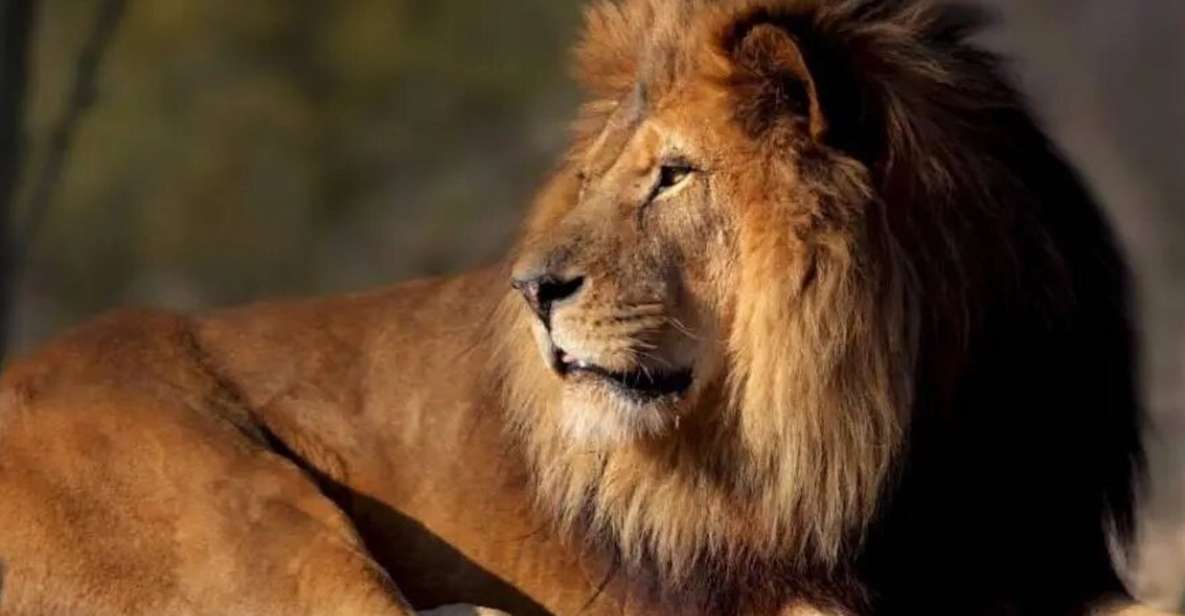
At around $25 per person, this ticket can feel like either a steal or a toss-up—depending on what you compare it to. What makes it good value is the combination of factors you can feel on arrival: a separate entrance that speeds things up, lots of animals across multiple regions, and a park that’s been upgraded.
It’s also not priced like a niche experience. This is a straightforward day out, and the animal variety is broad enough to satisfy different ages and interests. Even if your group mostly wants to see the big mammals, you’ll get plenty of supporting cast like birds and reptiles.
The value math shifts slightly because food and drinks aren’t included. If you plan to buy lunch inside, you should expect to spend extra. If you bring snacks (and you’re allowed to, based on park rules), you can keep the day closer to that original ticket price.
Skip-the-Line Entry: What Happens When You Arrive
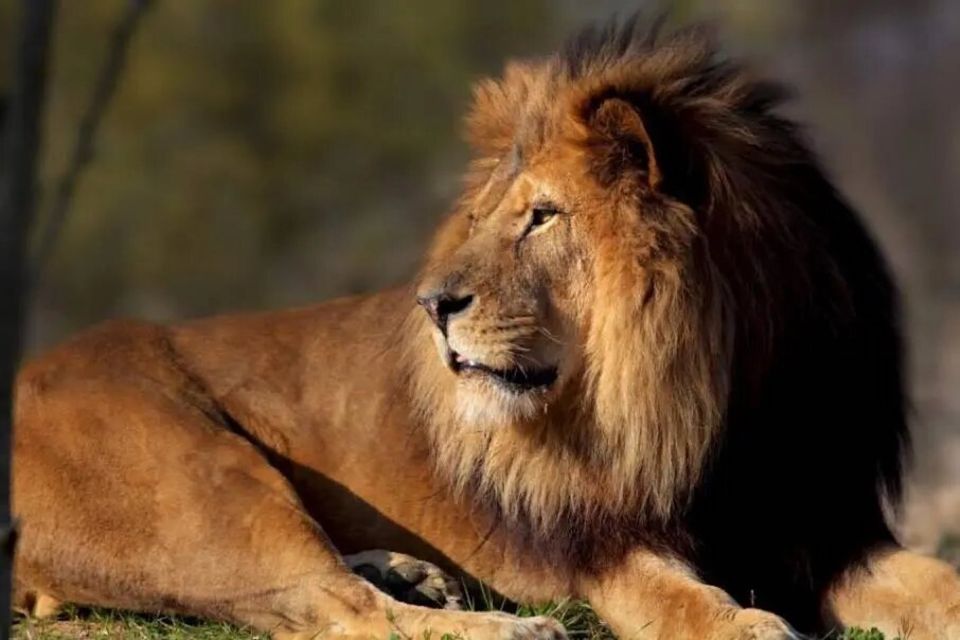
Getting into the park is one of the quiet wins here. The ticket includes a separate entrance designed to reduce time spent stuck in the most crowded queue.
A practical tip: make sure your navigation brings you to the actual park name near Avenue Daumesnil and Ceinture du Lac. One visitor noted that app location codes can drop you a bit awkwardly, so writing the full park name in your maps app can save you a few minutes of walking.
Once you’re inside, signs help you find the biozones without feeling lost. That matters more than it sounds—Paris is great, but it can be easy to waste time if you’re constantly looking at your phone. Here, you can mostly follow the park flow like a route.
Also note the timing reality: the last admission is 1 hour before closing, and ticket offices close 1 hour before the park closes. If you’re aiming for a slower pace, don’t plan to arrive late.
The African Zone: Lions, Giraffes, and Zebra Encounters
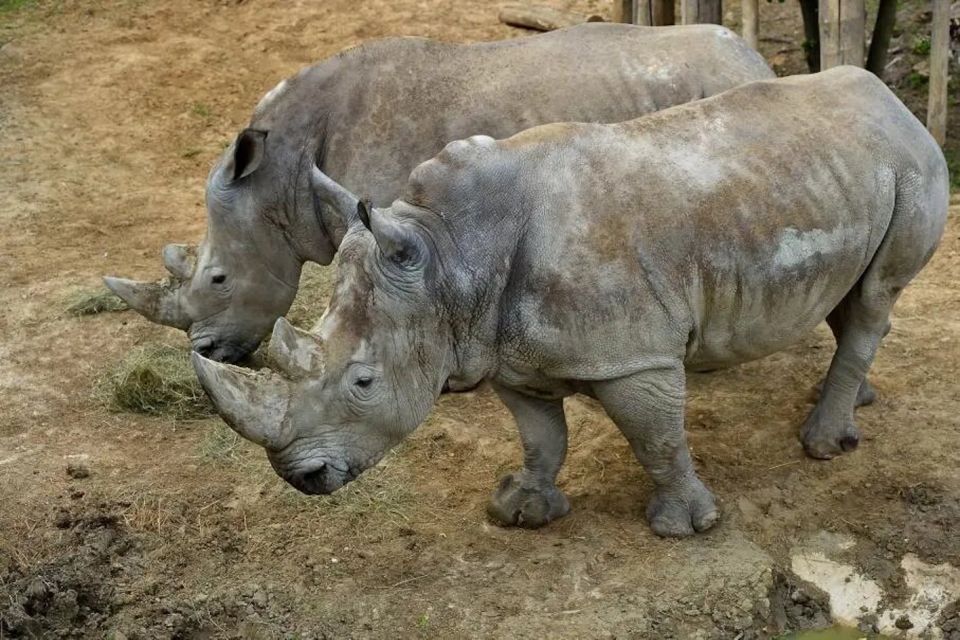
If you’re traveling with kids, start your day in the African zone mindset: lions, giraffes, and zebras are core highlights. Even if you’ve seen these animals in other places, they’re the kind of “instant payoff” species that make the visit feel worth it early.
What makes this zone work is how it anchors the biozone concept. You’re not just scanning. You’re getting the familiar big icons of Africa, then you keep walking and realize the park has much more in the wings. That keeps the whole outing from turning into a quick drive-by of the headline animals.
I also like how the enclosures feel designed for viewing rather than hiding. Some visitors specifically pointed out the enclosures look large and the animals appear comfortable. That’s the kind of detail that turns a zoo visit from a checklist into something you can actually watch.
If you only have limited time, you can treat this section as your priority stop. Just remember that the most interesting moments often happen after you think you’ve already seen the best parts.
Europe, Amazon, Patagonia, and Madagascar: The Rest of the World
After Africa, the park’s strength is that it keeps shifting your expectations.
In Europe, look out for wolves, lynxes, and otters. This is where the zoo surprises people who came expecting only “warm weather animals.” You get a more complete animal map, and the biozone approach makes it easier to follow why the species are grouped where they are.
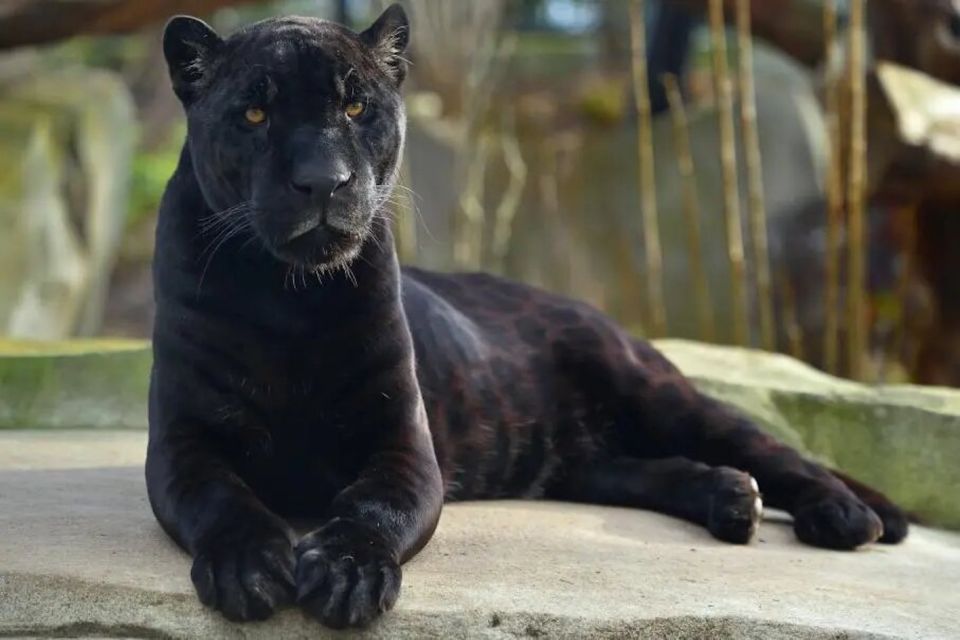
In the Amazon zone, you’re in for jaguars, monkeys, and macaws. One visitor specifically called out the rainforest area for an unexpectedly varied set of animals, including caimans, sloths, and anacondas. That kind of detail is exactly why I recommend not rushing—this park rewards the slower walk where you pause and actually look.
Patagonia brings penguins, pumas, and pudus into the mix. Pudu sightings are a good example of why a city zoo can be better than a generic one: you get species you might never otherwise see in Europe.
Madagascar is also part of the five-biozone setup, though the exact animal list for that section isn’t detailed here. The takeaway is still useful: the park is organized so your route feels like a world map.
And don’t miss the “in-between” creatures. There are also birds, lizards, snakes, tarantulas, frogs, fish, and mammals big and small. If your group includes anyone who loves reptiles or smaller critters, this is a major win.






How Much Time You Need: 3–4 Hours or a Full Day
A lot depends on how you like to see animals. Some people say 3–4 hours is enough to enjoy everything, especially if you hit the main zones and keep moving. Others recommend you plan the whole day because there’s simply a lot going on.
Here’s how I’d choose your strategy:
- If you’re on a tight Paris schedule, aim for 3–4 hours. Focus on the African and Amazon zones first, then pick one more biozone to finish.
- If you’re traveling with children or you enjoy stopping for feeding moments, plan longer. The park has enough variety that you’ll feel like you’re constantly discovering something new.
One reviewer praised the bird walk-through and another highlighted shows as fun. Even if you don’t plan around a rigid schedule, it’s smart to leave margin for these timed moments so you don’t feel like you’re constantly chasing the clock.
And heat is real in Paris summers. Visitors also noted there’s a good amount of shade and seating, which makes the day more comfortable than you might expect.
Shows, Feedings, and Watching Animals Behave
This isn’t just a “look and go” zoo. You’re likely to find moments where animals are active or where keepers are doing routine tasks.
Some visitors specifically mentioned watching feeding, and others pointed to the sea lion display as a brilliant highlight. If your group tends to get bored during long sightseeing, these are the moments that keep attention from wandering.
There’s also a relaxed vibe for a city park. People mentioned it feels clean, organized, and easy to navigate, with signposting that helps you keep your bearings fast. That’s underrated. A well-signed zoo lowers stress, which means you actually enjoy the animals instead of managing your route.
Facilities and Comfort: Shade, Benches, and Toilets
This is where your comfort adds up over a day.
Many visitors praised the park for having shade and lots of benches, making it easier to rest when the weather gets warm. That’s a big deal with kids, strollers, or anyone who doesn’t want to push through the whole visit standing up.
Navigation also seems to work. People noted it’s signposted well and easy to find your way around. That helps you spend time watching animals instead of repeatedly checking maps.
Food is the trade-off. Food and drinks aren’t included with the ticket, and reviews mention lunch options that can be overpriced, with at least one complaint about cafe quality. The practical fix is simple: treat food as a planned expense. If you don’t want surprises, eat before you arrive or bring snacks if that’s allowed by the park.
Bathrooms exist, but one visitor reported that not all toilets near the main entrance had seats. That doesn’t sound like a guaranteed problem, but it’s worth keeping in mind if you need that detail.
Practical Tips to Make Your Visit Smoother
A few small choices can make a big difference here:
- Bring a camera. It’s explicitly recommended, and the zoo’s variety makes it easy to shoot a mix of close-ups and wider enclosure views.
- Give yourself time to slow down. Even with a plan, you’ll likely pause more than you think—especially in the rainforest-style areas and the big animal enclosures.
- Expect shade, but still dress smart. Light layers and comfortable shoes help because you’ll walk between zones.
- If you borrow or rent any equipment, return it no later than 30 minutes before closing. (This matters if you’re using park-provided items that require a checkout.)
- If you notice photo sessions happening nearby, you may want to time your route to avoid feeling crowded around a popular spot. One review mentioned photo shoots interfering with the experience in a particular area.
Who This Zoo Ticket Is Best For
This is a strong fit if:
- you’re traveling with family and want a zoo that feels approachable in a city
- you like animal variety beyond the usual lions-and-giraffes routine
- you want a day activity that breaks up time spent in Paris museums
If you’re a hardcore zoo enthusiast looking specifically for a single iconic animal like elephants, you might feel a bit underwhelmed. One visitor said they would have liked elephants, so if that’s your top priority, keep expectations realistic.
If you’re short on time, you can still make it work. Just prioritize one or two biozones and don’t try to see everything at a sprint.
Should You Book Paris Zoological Park Tickets?
Yes, I’d book it if your goal is a practical, family-friendly day with real animal variety and a layout that’s easy to navigate. For the price, the ticket delivers strong value through biozone variety, a separate-entry approach that reduces queue time, and an overall sense of care that many visitors tied to healthy-looking animals and comfortable enclosures.
Skip the ticket only if you’re strongly focused on a single missing-animal wish (like elephants) or you don’t want to think about food costs at all. In that case, you’d need a snack plan to keep the budget comfortable.
If you want a world tour without the logistics headache, this is one of the simplest wins in Paris for animal lovers.
FAQ
What animals can I expect to see at Paris Zoological Park?
You’ll find animals across five biozones. Africa includes lions, giraffes, and zebras. Europe has wolves, lynxes, and otters. The Amazon zone features jaguars, monkeys, and macaws. Patagonia includes penguins, pumas, and pudus.
How long should I plan for the visit?
Many people recommend at least 3–4 hours, while others say you should plan for the full day to see everything comfortably.
What’s included with the ticket?
The entrance ticket is included.
Is food and drinks included?
No. Food and drinks are not included with the ticket.
Where is Paris Zoological Park located?
It’s at the intersection of Avenue Daumesnil and Ceinture du Lac, 75012 Paris.
Can I enter through a separate entrance to avoid lines?
Yes. The ticket includes skip-the-line entry through a separate entrance.
What time do I need to arrive to enter?
The last admission is 1 hour before the park closes, and the ticket offices close 1 hour before closing.