REVIEW · PARIS
Paris: Rodin Museum Ticket & Optional Digital AudioGuide App
Book on GetYourGuide →Operated by Global Tours And Tickets · Bookable on GetYourGuide
Rodin in Paris feels hands-on, not textbook. The museum is set in Hôtel Biron, Rodin’s former home and studio, and you get to watch his ideas unfold room by room. I especially love the chance to see The Thinker in full detail and in the same building where Rodin worked. I also like that the digital audio guide is available in lots of languages and lets you move at your own pace.
One thing to consider: the audio guide is useful in the galleries, but the material doesn’t always cover the gardens well. If you want commentary out in the outdoor areas, plan for a little more self-guided looking.
In This Review
- Key things you’ll care about
- Musée Rodin in Hôtel Biron: what you actually see
- Tickets, timing, and staying inside the museum
- Digital audio guide setup: what to do before you get there
- Languages
- Highlights you can’t miss: The Thinker and The Gates of Hell
- Early plasters and later works: why this feels like a workshop
- Gardens, photos, and the one audio-guide limitation
- Quick photo strategy
- How long to plan, and when to go for a calmer visit
- Price and value: is $23 a smart buy?
- Who this museum works for (and who might want a different plan)
- Should you book this Rodin Museum ticket?
- FAQ
- Where is the Musée Rodin ticket entrance?
- How long is the visit?
- What is included with the ticket?
- Do I need to bring headphones?
- How do I access the digital audio guide?
- Is the audio guide official museum content?
- What languages are available for the audio guide?
- Can I take photos in the museum and garden areas?
- Can I leave the museum and re-enter with the same ticket?
- What are the opening hours?
Key things you’ll care about
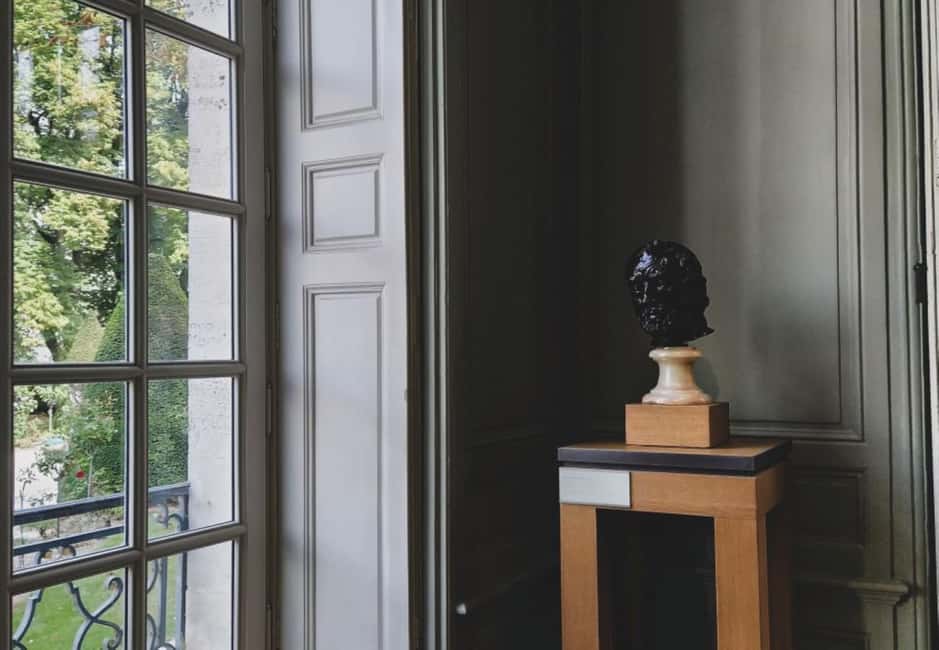
- Hôtel Biron setting: you’re not just visiting sculptures, you’re walking through Rodin’s work spaces.
- Iconic hits on your route: The Thinker and The Gates of Hell are part of the core experience.
- A big sculpture collection: over 6,000 sculptures are shown throughout the mansion and grounds.
- Self-guided with a downloadable app: you’ll rely on your phone, not museum staff.
- Bring your own earphones: no headphones are included, and you’ll need your phone charged.
Musée Rodin in Hôtel Biron: what you actually see
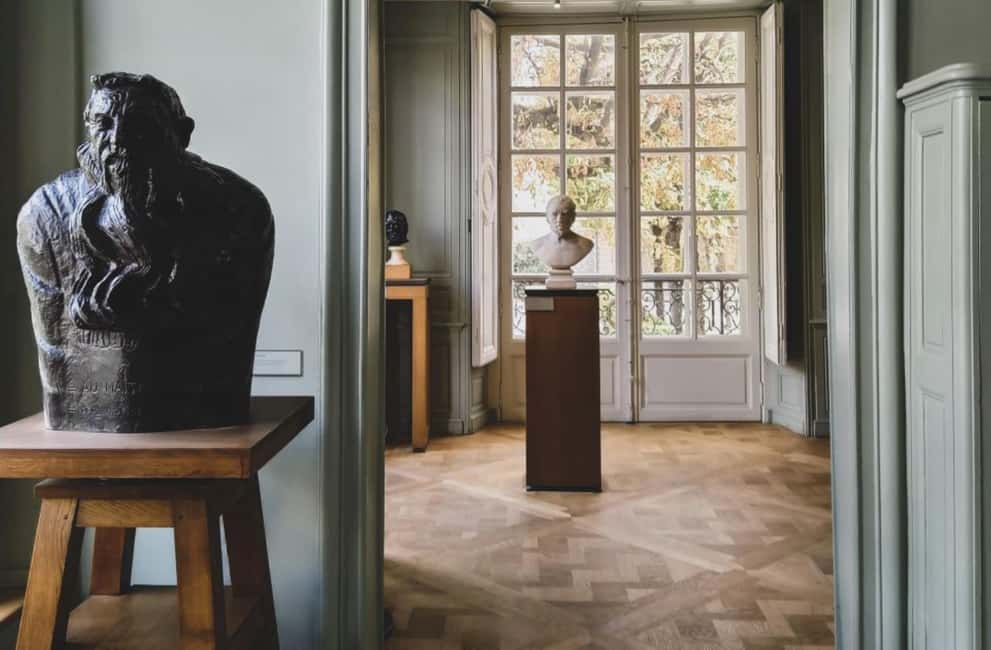
This ticket gets you into the Musée Rodin at 77 Rue de Varenne, in Paris 7 (easy to find, but there’s no formal meeting point). The visit is self-guided, which is great because Rodin rewards slow looking. You’ll move through elegant rooms in the mansion and also out into the garden areas.
What makes this museum different from a “greatest hits” stop is the setting. Hôtel Biron was Rodin’s historic 18th-century home and studio, so the sculptures don’t feel pasted onto walls. They feel like they grew out of the place.
You’ll also see works connected to Rodin through Camille Claudel, his muse and protégé. Even if you only know Rodin by a couple of famous names, it helps to see how the collection frames his life and working process.
You can also read our reviews of more tours and experiences in Paris



Tickets, timing, and staying inside the museum
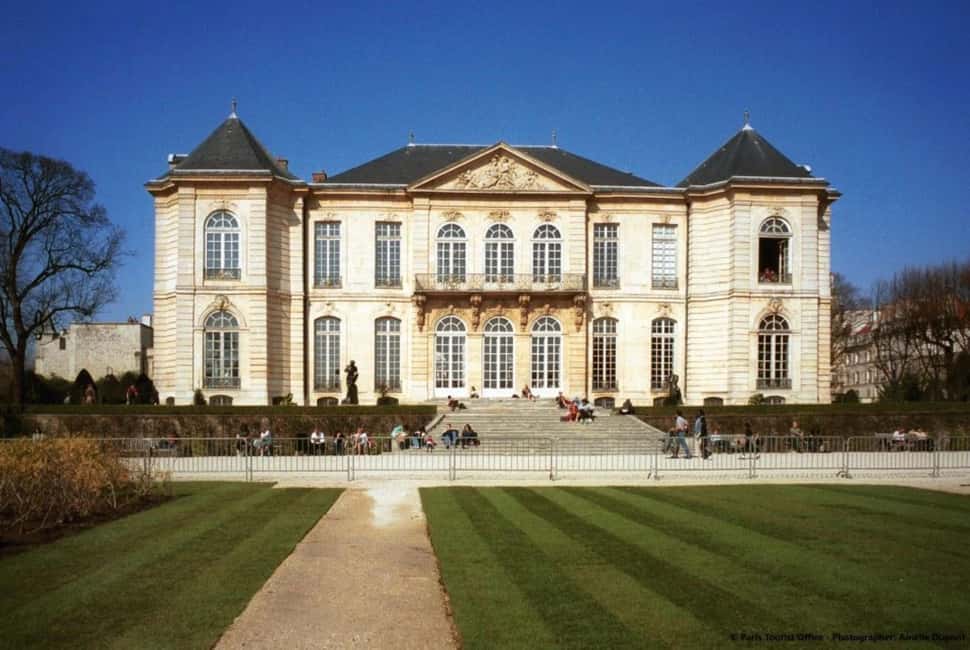
Your ticket is valid for one day, but the museum itself follows strict hours. It’s open Tuesday through Sunday from 10:00 AM to 6:30 PM, with the last entry at 5:45 PM and rooms closing at 6:15 PM. Mondays are closed, and it’s also closed on May 1, January 1, and December 25.
Plan to arrive with enough time to actually enjoy the pace. Once you enter, you cannot leave and then come back in with the same ticket. That matters because the museum’s garden areas are part of the experience, so don’t build a plan that depends on stepping out for a snack and returning later.
If you’re arriving on a sunny day, you’ll have a very “walk + look” experience: sculpture in rooms, then sculpture outside. Just remember the museum’s closing times are real, not suggestions.
Digital audio guide setup: what to do before you get there
This is a downloadable digital audio guide app, included with your ticket. You’ll access it via a link, and that link is sent to you a day before your visit. The link also appears on your GYG voucher, so keep an eye on your email.
Important practical detail: the digital audio guide is an independent service, not the museum’s official audio guide. Museum staff can’t help you with the app if something goes wrong. That means you should test your setup before you hit the main galleries—especially if your phone battery is the type that always “has a little left.”
You’ll need to bring:
- Your own headphones/earphones
- A charged smartphone
- Your ID (passport or ID card)
Also watch what the audio guide covers. It’s meant to give commentary on Rodin’s life and artworks, but you shouldn’t expect it to cover every temporary exhibition in full. If there’s a temporary show running, you’ll likely need to rely on what’s on-site for those pieces.
Languages
The audio guide is available in English, German, French, Italian, Japanese, Spanish, Chinese, Korean, Dutch, Portuguese, Hindi, and Arabic. If you’re traveling with someone who prefers a specific language, this flexibility is a real value-add.
Highlights you can’t miss: The Thinker and The Gates of Hell
When people buy a Rodin ticket, it’s usually because of the famous sculptures. Here, you get to see them in context, not just as photos.
You should look for The Thinker. Seeing it personally is a different experience because you can track the surface work and the feeling of tension in the pose. Up close, the sculpture reads as physical—less like a symbol, more like a body in motion.
You’ll also want to find The Gates of Hell. Rodin’s approach to the human form and emotion shows up strongly in this work. The bigger win here is that you won’t encounter it as an isolated “icon.” You’ll see related ideas across rooms, which helps the overall story land.
While you’re in the mansion, keep an eye on how the museum organizes the collection. Sculptures aren’t only displayed like museum trophies. They’re arranged so you can sense Rodin’s evolving thinking, with works connected by themes and time periods.
You can also read our reviews of more museum experiences in Paris



Early plasters and later works: why this feels like a workshop
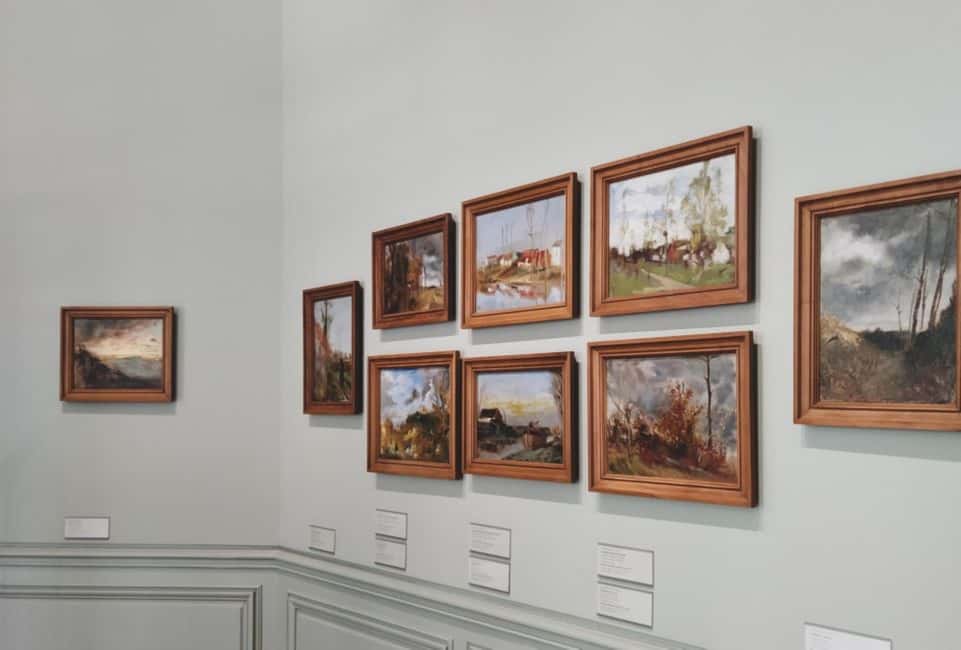
One of the most rewarding parts of Musée Rodin is the way the collection shows the artist in motion. The museum includes early plasters, which are especially interesting because they reveal the start of Rodin’s creative process.
Those early forms can look rougher than the final famous versions, but that’s the point. You’re not only seeing finished sculpture. You’re seeing how the ideas get shaped, corrected, and repeated. If you’ve ever wondered what made modern sculpture feel different, this is where you start to understand it.
You’ll also see later works, so the contrast helps. The museum’s setup makes it easier to notice how Rodin developed motifs and how certain gestures and expressions reappear over time. Even if you’re not a sculpture expert, your brain does the pattern matching naturally when the works are placed where they can be compared.
And because the setting is Hôtel Biron, it feels more like stepping into a studio than walking through a warehouse of masterpieces. That atmosphere changes how you read the collection.
Gardens, photos, and the one audio-guide limitation
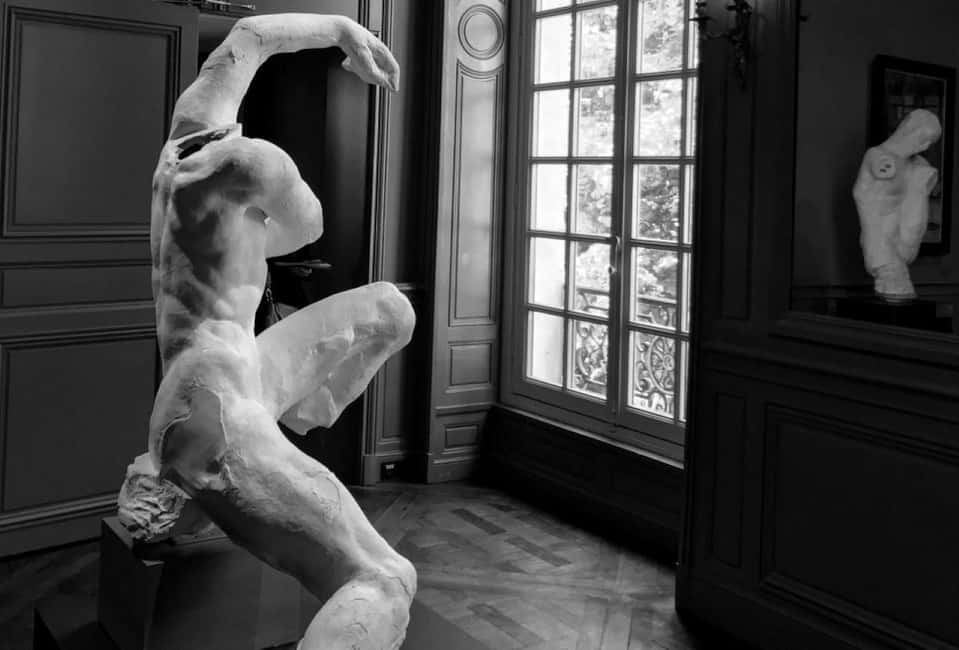
Good news first: you can take your own photos freely in the museum and garden areas. That’s ideal for visitors who like to study angles and details later.
Now the caveat. There’s an issue to plan around: the audio guide experience may not cover the gardens as well as the galleries. If you were hoping for garden-by-garden narration, don’t count on it. Treat the outdoor area as a visual break—slow walking, looking for placement, and letting the sculptures sit in the light.
If you want the best results with photos, aim to bring a smartphone with decent camera control and enough battery for a full walk. The museum is a good day activity, but you won’t enjoy it if your phone dies mid-visit.
Quick photo strategy
- Take your “wide” shots early, before you get tired.
- Then do a second pass for close details when you’re ready to slow down.
How long to plan, and when to go for a calmer visit
This ticket is sold as a one-day experience, but “one day” can mean anything from a brisk walk to a long, thoughtful session. If you truly want value, don’t treat it like a single hallway. With over 6,000 sculptures shown, you’ll want time.
A practical plan looks like this:
- Spend more time in the mansion rooms than you think you need.
- Then allocate a separate block for the garden areas.
For timing, aim for daytime openings when you have enough hours to avoid rushing. Rooms close at 6:15 PM and the last entry is 5:45 PM, so late starts can shrink your route fast. If you’re balancing this with other Paris sights, build in buffer time for the fact that you’ll stop more often than you expect.
For photographers, morning and early afternoon light often helps you see the sculpture surfaces clearly. On a bright day, the outdoor walk can feel especially pleasant—exactly the kind of “sunny sculpture stroll” vibe people love about this museum.
Price and value: is $23 a smart buy?
At around $23 per person, this ticket is fairly straightforward pricing for an entry into a major museum plus an included digital audio guide. The value is strongest if you’re the kind of visitor who wants context, not just photos.
Here’s the value math that usually works for real-world travelers:
- You’re paying for entry plus commentary that supports self-guided pacing.
- You’re also getting access to a unique place—Rodin’s own Hôtel Biron—where the art feels connected to the working space.
If you already know Rodin well and you only want a quick hit list, you might feel the length of the collection. But if you like to learn while you look, the app helps you connect sculptures to Rodin’s life and artistic choices.
One more value note: you’ll have to pay for earphones indirectly (because none are included). So factor in the cost if you forgot yours, and don’t count on finding help inside.
Who this museum works for (and who might want a different plan)
This works especially well for:
- People who love self-guided travel and want control over pacing
- Fans of Rodin who want to see iconic works and also process materials like early plasters
- Travelers who enjoy taking photos while they study art up close
- Anyone who wants an art museum experience in a genuine studio setting, not a generic gallery building
It may feel less ideal if:
- You expect a guided tour in person (there isn’t one)
- You need detailed audio coverage for every outdoor feature in the gardens
- You rely on museum staff to troubleshoot your audio setup (they can’t help with the app)
For families: children must be accompanied by an adult, and unaccompanied minors aren’t allowed. For younger visitors, plan for a shorter route if you notice attention drifting.
Should you book this Rodin Museum ticket?
Yes, I think it’s a strong booking for most art-minded visitors—especially if you want iconic sculptures plus the studio feel of Hôtel Biron. The included digital audio guide is a helpful backbone for a self-guided day, and the photo-friendly policy lets you really absorb what you’re seeing.
Book it if you:
- Want to see The Thinker and The Gates of Hell in a setting that makes them feel more alive
- Appreciate process and not just finished masterpieces (early plasters matter here)
- Can bring your own earphones and keep your phone charged
Skip or reconsider if your top priority is a fully guided, garden-by-garden commentary experience. The gardens can be gorgeous, but the audio coverage may not match your expectations.
FAQ
Where is the Musée Rodin ticket entrance?
The address is 77 Rue de Varenne, 75007 Paris, France. There’s no meeting point; you enter on your own.
How long is the visit?
The ticket is valid for 1 day, and you can stay as long as you like during opening hours.
What is included with the ticket?
Entrance tickets to Paris Musée Rodin are included, along with a digital audio guide app.
Do I need to bring headphones?
Yes. Headphones or earphones are not included, so you must bring your own.
How do I access the digital audio guide?
You’ll receive a link by email the day before your visit. The link is also shown on your GYG voucher.
Is the audio guide official museum content?
No. The digital audio guide is an independent service and is not the museum’s official audio guide. Museum staff cannot assist with it.
What languages are available for the audio guide?
English, German, French, Italian, Japanese, Spanish, Chinese, Korean, Dutch, Portuguese, Hindi, and Arabic.
Can I take photos in the museum and garden areas?
Yes. You can take your own photos freely in the museum and garden areas.
Can I leave the museum and re-enter with the same ticket?
No. Once you enter, you can’t leave and re-enter again with the same ticket.
What are the opening hours?
Tuesday–Sunday, 10:00 AM–6:30 PM (last entry 5:45 PM; rooms close at 6:15 PM). Closed Mondays, May 1, January 1, and December 25.