REVIEW · PARIS
Paris: Roland-Garros Stadium Guided Backstage Tour
Book on GetYourGuide →Operated by Cultival · Bookable on GetYourGuide
Roland-Garros feels bigger once you’re behind the ropes. I like how this tour pairs player-only spaces with the design details of Philippe Chatrier’s retractable roof, and then adds stories of champions like Rafael Nadal and Steffi Graf. One thing to consider: the group can be large, so if you’re sensitive to noise or you’re at the back, you may need to position yourself well to hear everything.
What makes it especially appealing is the practical, step-by-step pace: you’re guided through the stadium, then brought closer to Court Philippe Chatrier for the views over the clay and Paris beyond. A possible drawback is that, depending on what’s happening that day, a few areas may be harder to access.
This is a 90-minute tour with a live guide in Spanish, French, and English, and the route is wheelchair accessible. I also like that it’s priced as a straightforward add-on to your Paris time, not a full-day detour.
In This Review
- Roland-Garros Backstage: what you’re really paying for
- Entering at Avenue Gordon-Bennett and finding the right gate
- The stadium circuit: president-tribune views and “how match day moves”
- The player corridor to the clay court: where the emotions hit
- Court Philippe Chatrier and the retractable roof views
- The legends you hear about: Graf, Nadal, Borg, Evert, and the French Musketeers
- Locker rooms, press spaces, and what might be closed
- Group size, hearing, and pacing tips that actually help
- Price and value: is $24 worth it in Paris?
- Who should book this Roland-Garros guided backstage tour
- Should you book it?
- FAQ
- How long is the Roland-Garros Stadium guided backstage tour?
- Where do I meet for the tour?
- What’s included in the price?
- What languages are available for the live guide?
- Is the tour wheelchair accessible?
- Are all areas always accessible?
- Can I cancel for a refund?
- Can I pay later?
Roland-Garros Backstage: what you’re really paying for
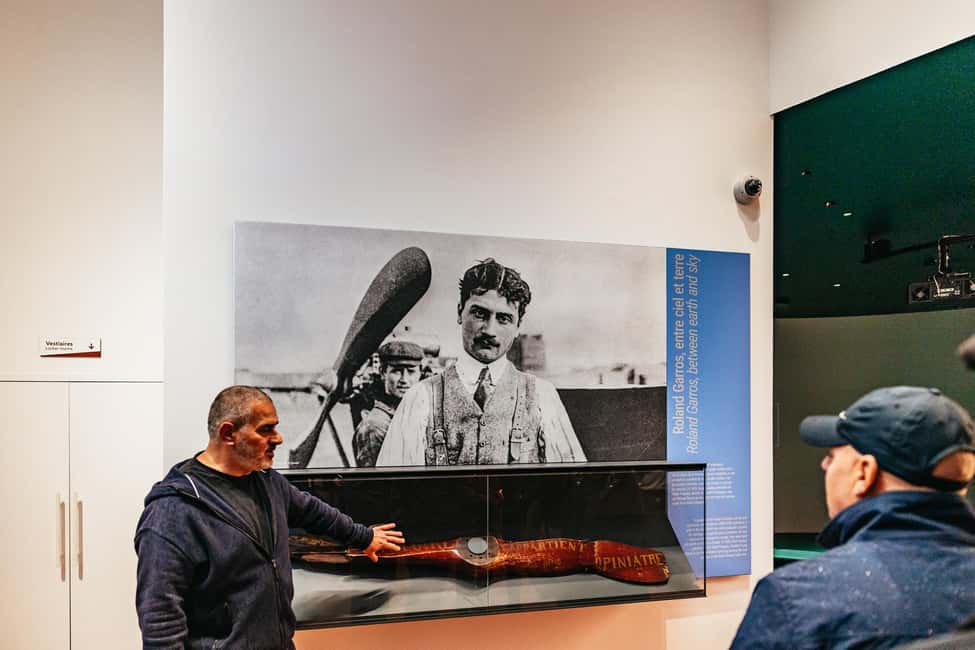
Let’s be honest: in Paris, lots of “sports tours” show you a wall photo, maybe a trophy case, and you’re done. This one is different because you get to experience the structure of a Grand Slam venue—how people move during a match, where the press and officials operate, and how the stadium funnels players to the court.
You’re also paying for access to places that are usually off-limits in normal sightseeing: corridors, tribune areas, and the kind of angles you cannot get from the stands. And for tennis fans, the emotional payoff is real. People make time for this because it connects the names you watch on TV—Björn Borg, Chris Evert, Steffi Graf, Rafael Nadal—to the physical setting where those moments happen.
At $24 per person for about 90 minutes, the value comes from density: you’re not spreading the experience over hours. The tour stays focused on the stadium’s key zones, with a guide who ties what you see to the French Open’s biggest characters.
Entering at Avenue Gordon-Bennett and finding the right gate

The tour starts at Avenue Gordon Bennett, with the meeting point inside the Grande Boutique on Avenue Gordon-Bennett (Gate 36). This matters more than you’d think, because stadium venues are wide and signage can be inconsistent once you’re outside the gates.
Plan to arrive a few minutes early so you’re not rushing. You’ll avoid the common stress of a late meetup, and you’ll also get time to orient yourself before the group gathers.
The stadium shop is open 9:30 AM to 6:30 PM, and it’s something you can visit before or after the tour. If you like tennis souvenirs, programs, or Roland-Garros gear, this is the easiest way to squeeze it into your schedule without hunting around afterward.
You can also read our reviews of more guided tours in Paris


The stadium circuit: president-tribune views and “how match day moves”
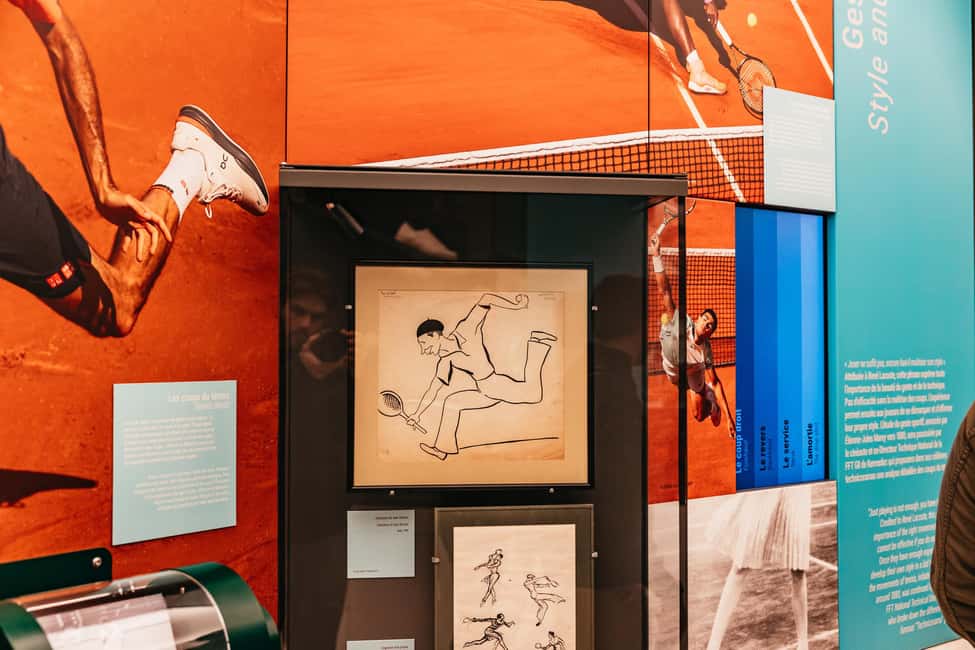
Once the tour begins, you’ll move through the stadium with a guide who explains not just what the spaces are, but what they’re for. Expect stops where the “Grand Slam machine” becomes visible: the kind of vantage points that normally belong to officials and match-day operations, and the building logic behind the scenes.
One of the most praised parts is the guided access to areas that feel extremely close to tournament life. You’re walking through zones that help you picture players and media flowing through the venue.
Two specifics I love about the stadium circuit:
- You get context for why Roland-Garros works the way it does—how audiences, staff, and media are positioned.
- You also get the sense of scale. The stadium isn’t just a court; it’s an entire working environment.
A realistic consideration: the stadium runs on a schedule, and the operator warns that some areas may not be accessible due to activities on the day you go. So if you’re hoping for one particular room, keep expectations flexible and focus on the route you can do.
The player corridor to the clay court: where the emotions hit
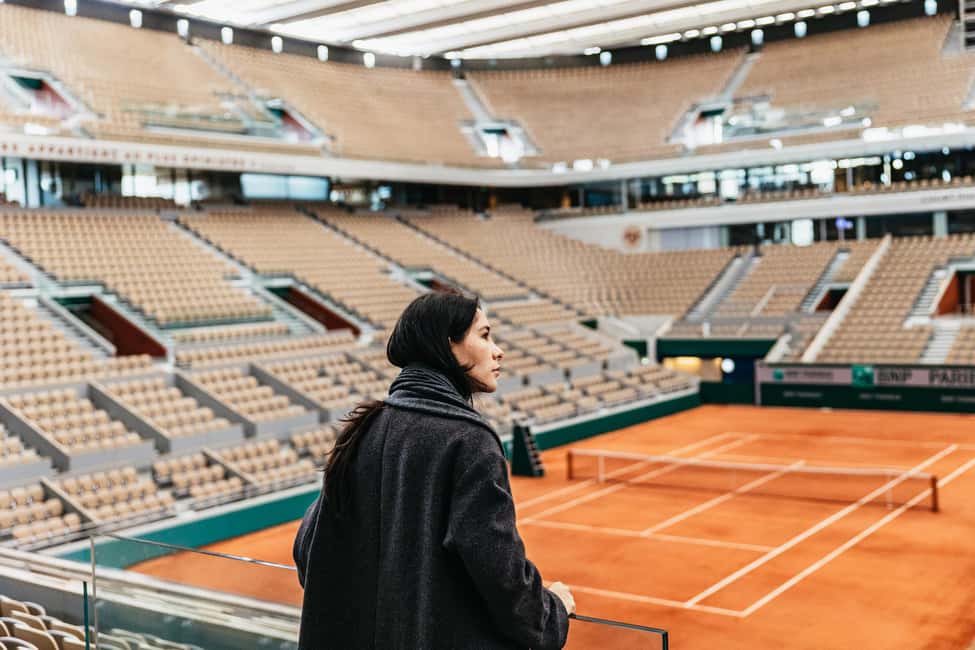
The corridor to the clay court is where the tour turns from informational to memorable. This is the walk that helps you understand the physical experience of arriving to play: the shift from public space to the controlled line of sight players face before stepping onto court.
In this stretch, you’re not just looking around. You’re moving in a way that mirrors how players transition through the venue. And the guide connects it to the French Open tradition—names that helped define the tournament in the public imagination.
This is also where a lot of the best tour photos come from: angles that show court proximity and that corridor perspective you just cannot recreate from your seat during a match.
If you’re a fan-girl or fan-boy about tennis, this part is often what you remember later—not the architecture trivia. You’ll feel like you’ve walked right into the story.
Court Philippe Chatrier and the retractable roof views
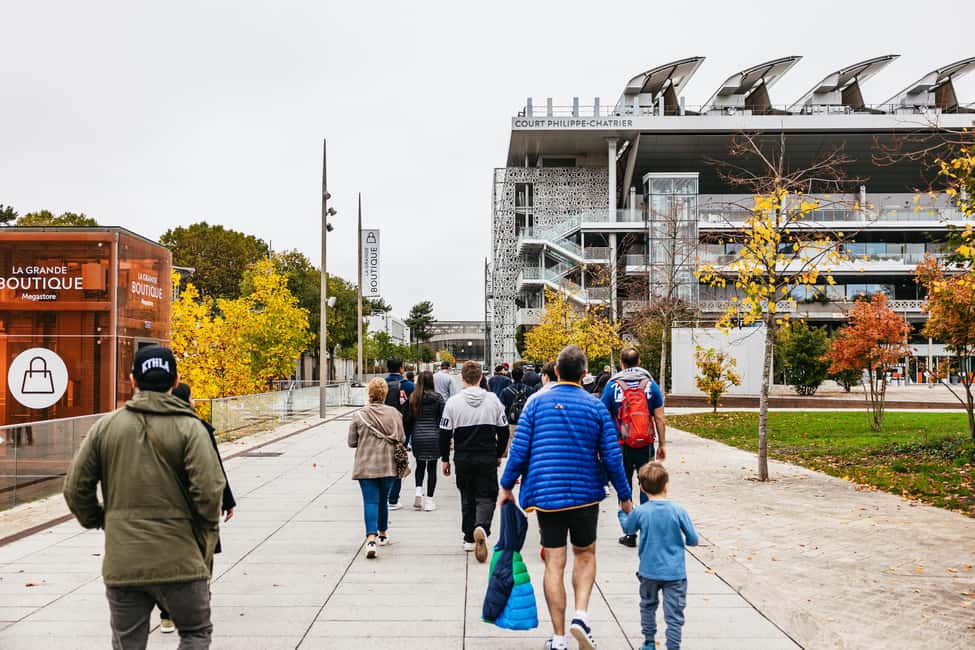
Court Philippe Chatrier is the headline because of the design. The standout feature is the retractable roof, and the tour makes sure you actually understand what that means for the venue experience.
Here’s what you’re likely to notice:
- You’ll see the court in a way that highlights its engineering, not just its fame.
- You’ll get unobstructed views over the clay courts, plus sightlines toward the surrounding cityscape.
- The court area includes details tied to big winners, including Rafael Nadal.
A few reviews also mention a plaque dedicated to Nadal and even a Nadal statue/exhibit emphasis around the venue. The key idea for your planning: Philippe Chatrier isn’t only about the match itself; it’s also a museum of sorts, with commemorations tied to champions.
One possible drawback to keep in mind: on at least one occasion, the main court didn’t have clay visible. That doesn’t erase the tour value, but if your heart is set on seeing clay laid out exactly as it is during the tournament, treat that as a nice-to-have.
The legends you hear about: Graf, Nadal, Borg, Evert, and the French Musketeers
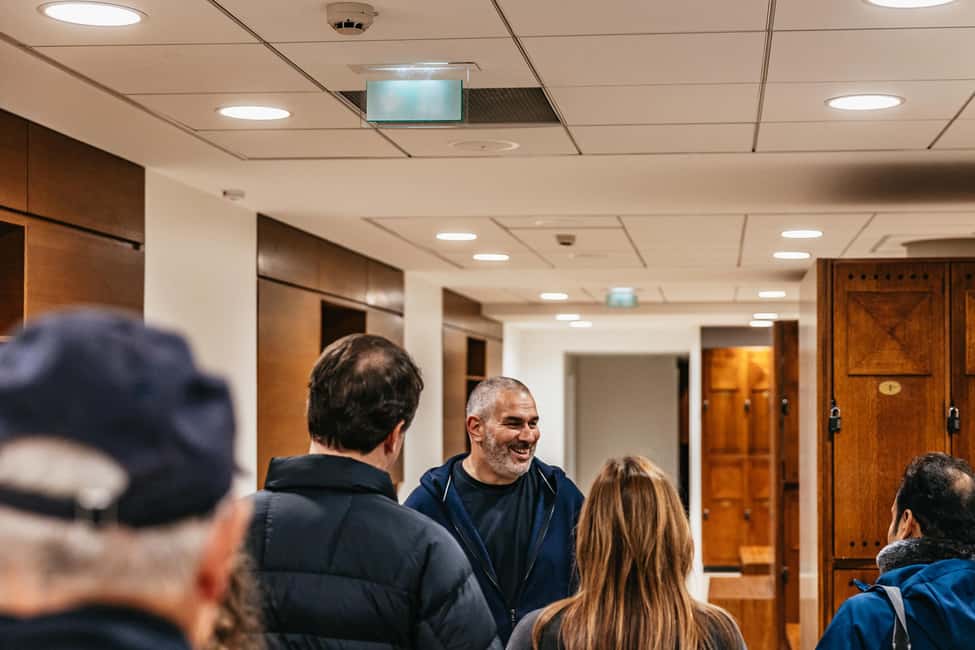
The guide’s storytelling is a big part of why the tour earns strong ratings. You’ll hear about French Open winners including Steffi Graf and Rafael Nadal, along with other iconic names like Björn Borg and Chris Evert.
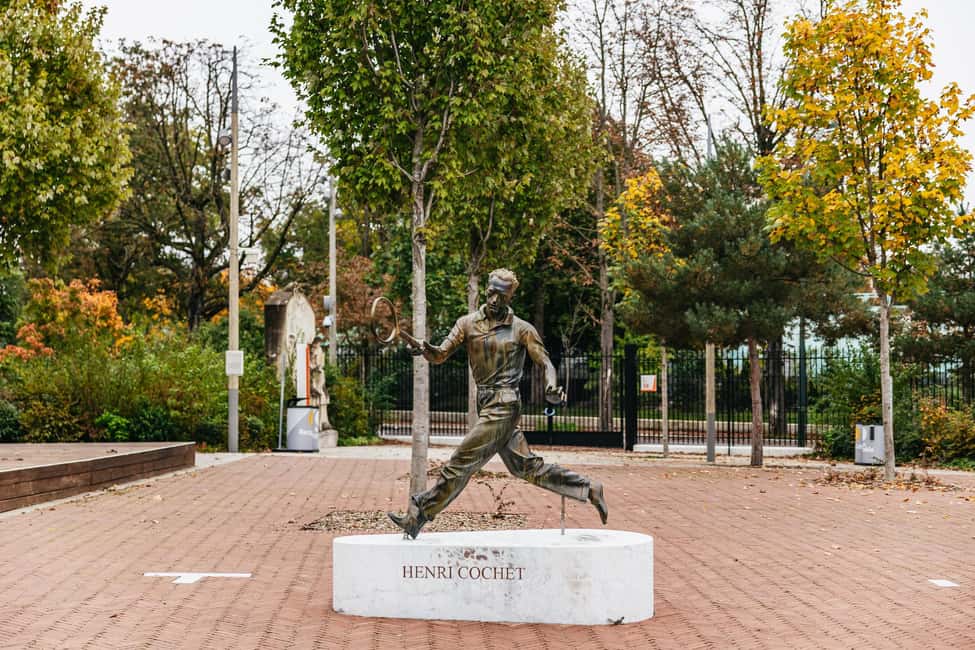
Then the tour leans into French tennis heritage with the “Four Musketeers”:
- Jean Borotra
- Jacques Brugnon
- Henri Cochet
- René Lacoste
I like this mix because it prevents the tour from being only about what’s happening now. You get a sense of how French tennis built its identity, and why Roland-Garros became the stage it is today.
Also, guides do more than lecture. Some bring the past to life with playful moments in match-day spaces. For example, one memorable detail that shows up in experiences people share is mock interviews in the media areas, which turns a press-room visit into something you can actually laugh about while you’re standing there.
Guide languages can be Spanish, French, or English. If your French is rusty, English-speaking groups tend to be a relief. One caution: if your guide is working in another language and your group is mixed, hearing can vary. Choose a spot where you can see the guide clearly.





Locker rooms, press spaces, and what might be closed
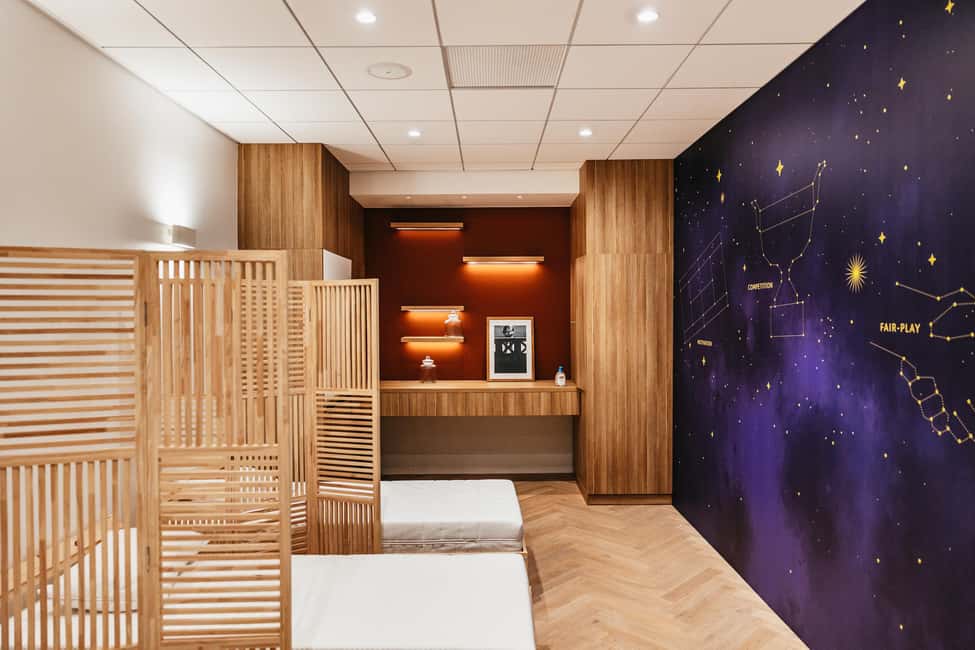
This tour can include behind-the-scenes areas like media setups and player-related spaces. Some guests describe seeing locker-room areas and trophies displayed behind glass, and they mention getting a feel for what press and operations look like on a match day.
That said, don’t assume every room will be open. The venue sometimes has renovations, and locker-room access has been blocked on at least one visit due to those changes. So if you’re traveling specifically for one room, it’s smart to treat it as a possibility, not a guarantee.
The good news: even when one room is closed, the corridor-to-court moment and the Philippe Chatrier design angle usually still deliver the main emotional payoff.
Group size, hearing, and pacing tips that actually help
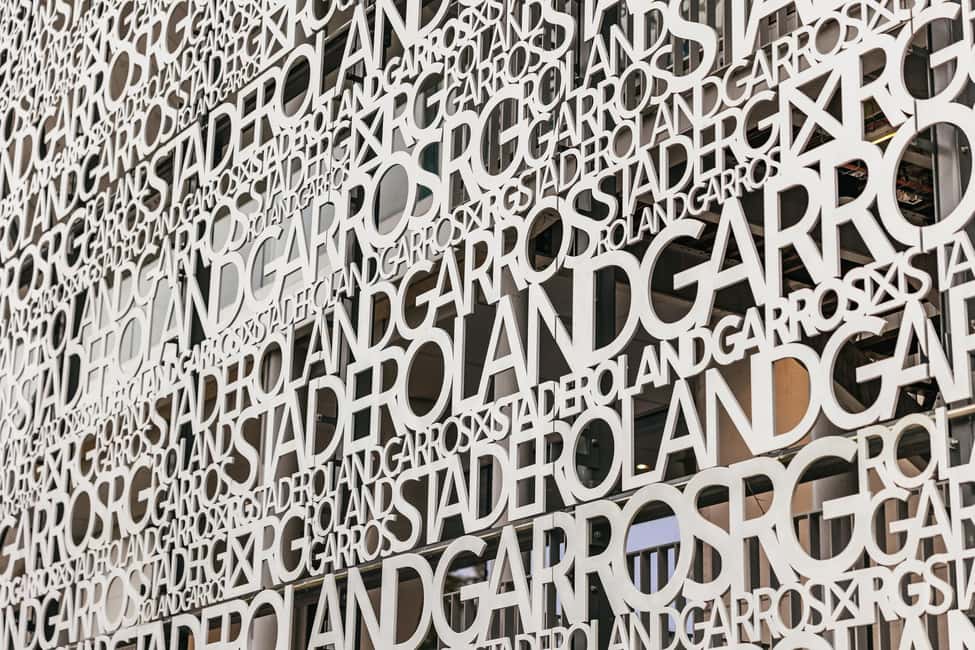
At 90 minutes, the tour doesn’t drag. But pacing depends on the group. A few people have flagged that it can be hard to hear when the group is larger, and that commentary sometimes starts before everyone settles into place.
Here’s how you can improve your experience without getting frustrated:
- Stick near the guide during the most talk-heavy stops (history and court details).
- If you’re sensitive to acoustics, avoid staying at the very back.
- Bring your phone for photos, but put the camera away when listening matters most. The court details and champion plaques are easier to appreciate when you’re paying attention, not constantly shooting.
Also, if you’re traveling with someone who needs extra mobility support, the tour is marked wheelchair accessible. You’ll still want to go with a flexible mindset about what areas are open that day.
Price and value: is $24 worth it in Paris?
For Paris, $24 for about 90 minutes is a reasonable sports-add-on, especially because you’re not just seeing the venue—you’re understanding it.
This value lands for two kinds of people:
- Tennis fans who want context and proximity to the famous court.
- Non-tennis travelers who still like design, architecture, and iconic places tied to big cultural events.
It’s not a long, slow wander. You’ll cover the stadium’s core behind-the-scenes zones and learn the meaning behind them. If you were already planning to spend time around the Roland-Garros grounds, this tour also helps you turn a passive visit into an experience with structure and storytelling.
Who should book this Roland-Garros guided backstage tour
This tour is a great fit if:
- You love tennis and want to walk the same kind of path players take toward the court.
- You’re a history-and-stories person and want names like Nadal, Graf, Borg, Evert, and the Four Musketeers woven into what you see.
- You want the Philippe Chatrier retractable roof explained in plain terms, plus the best vantage angles available to visitors.
You might consider skipping if:
- You’re not interested in tennis at all and prefer purely visual sightseeing.
- You hate group tours and need quiet, private access.
For many people, the decision is simple: if you’ve ever watched the French Open and wondered what it feels like to stand inside that world, this gets you surprisingly close.
Should you book it?
If Roland-Garros is on your Paris list, I’d book this. The best reason is also the most practical: you get access that changes how you see the venue, plus a guided explanation that makes the legends feel tied to real spaces, not just TV highlights.
My one caution is about expectations. Some rooms may be closed on the day you go, and hearing can be affected by group size. Go in ready to enjoy the corridor, Philippe Chatrier’s retractable-roof design, and the court-side details tied to champions—and you’ll leave with a strong sense of what makes this stadium special.
FAQ
How long is the Roland-Garros Stadium guided backstage tour?
The tour duration is 90 minutes.
Where do I meet for the tour?
Meet inside the Grande Boutique on Avenue Gordon-Bennett (Gate 36).
What’s included in the price?
The tour includes an entrance fee and a live tour guide.
What languages are available for the live guide?
The guide is available in Spanish, French, and English.
Is the tour wheelchair accessible?
Yes, the tour is wheelchair accessible.
Are all areas always accessible?
No. Due to stadium activities, some areas may not be accessible on the day of your visit.
Can I cancel for a refund?
Yes. Free cancellation is available up to 24 hours in advance for a full refund.
Can I pay later?
Yes. You can reserve now and pay later.