REVIEW · PARIS
Paris: Montmartre Walking Tour with Sacré-Cœur Entry Option
Book on GetYourGuide →Operated by Global Tours And Tickets · Bookable on GetYourGuide
Montmartre is the part of Paris that feels like a movie set. This walking tour strings together the neighborhood’s big art landmarks with real backstory, then finishes at Sacré-Cœur for sky-high views. I like that it’s a tight 90 minutes that hits the classics, and I especially like the way the guide connects each place to the people and ideas that shaped Montmartre.
One thing to consider: the route includes stairs and inclines, and the “Sacré-Cœur panoramic view” is only included if you select that option (otherwise you may just enjoy the area around the basilica).
In This Review
- Key highlights worth your attention
- The Abbesses Metro start: a smart way to get oriented fast
- Je t’aime in 250 languages: where love becomes a public art lesson
- Bateau-Lavoir: Picasso’s creative neighborhood, not just a name
- Dalida’s former residences and bust: modern fame inside an old neighborhood
- Moulin de la Galette: a famous name that connects to Montmartre’s rustic past
- Le Passe-Muraille and Place du Tertre: whimsy plus the working art scene
- Maison Rose: the pink-house pause you’ll probably remember
- Sacré-Cœur finish: free church access vs the panoramic view option
- Pacing, group vibe, and the guide’s role
- Value: what $58 buys you in 90 minutes
- Best for you if…
- Should you book this Montmartre walking tour?
- FAQ
- Where does the tour start?
- How long is the tour?
- Is the tour in English?
- What stops will we see during the walk?
- Is Sacré-Cœur panoramic entry included?
- What should I bring and expect?
Key highlights worth your attention
- Abbesses Metro’s Art Nouveau entrance kicks things off with style and easy orientation
- Je t’aime in 250 languages turns a simple wall into a quick lesson in romance and symbolism
- Bateau-Lavoir links Montmartre to Picasso-era creative energy
- Dalida’s home area and bust stop gives you a more modern view of French music culture
- Sacré-Cœur panoramic entry option can be worth it if you want the viewpoint, not just the building
- Photo breaks and rest moments help you keep the pace without feeling rushed
The Abbesses Metro start: a smart way to get oriented fast
Most Montmartre tours begin with a scramble—someone always arrives late, and suddenly you’re hunting for the right street. This one starts at Abbesses Station (Line 12), at the exit where the guide stands with a company white flag. I like this because it’s simple: you’re already at a landmark, and you’re not trying to find a meeting point hidden in alley math.
Abbesses itself is worth a look. The station entrance has Art Nouveau design, which feels very Montmartre—stylish, a little theatrical, and made for people who enjoy details. It also gives you an early “theme” for the tour: this neighborhood isn’t just old buildings; it’s art, design, and performance.
Practical tip: the meeting location and photo of the flag are sent by email one day before. Bring that email up on your phone and save it offline. It’s the easiest way to avoid confusion.
You can also read our reviews of more walking tours in Paris



Je t’aime in 250 languages: where love becomes a public art lesson
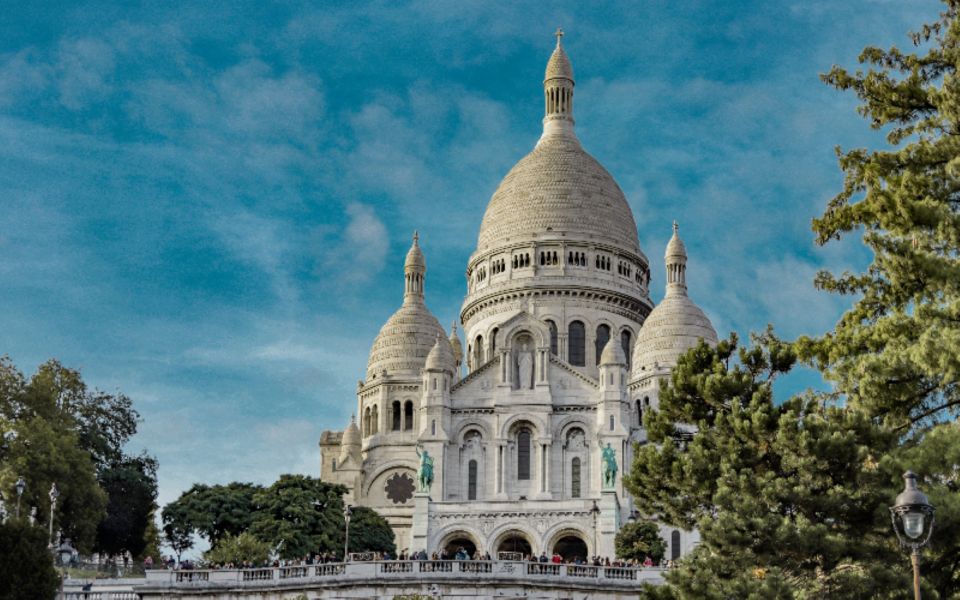
The first big stop is the Je t’aime wall, the mural where the phrase appears in 250 languages. It’s an easy photo—most people grab one quickly—but it’s also a surprisingly good conversation-starter. The guide can help you notice what turns a sweet street scene into something more meaningful: public messages, multicultural ideas, and how Montmartre became a place where outsiders could feel welcome.
Why this stop matters: Montmartre gets marketed as “romantic Paris,” but this wall shows how the romance works on multiple levels. It’s not only for couples. It’s for anyone who likes the idea of language and art meeting in the open.
Potential drawback: like any famous photo spot, it can get busy. If you want a cleaner picture, just let the guide finish the story, then step slightly aside for your shot while you still have the facts fresh in your head.
Bateau-Lavoir: Picasso’s creative neighborhood, not just a name
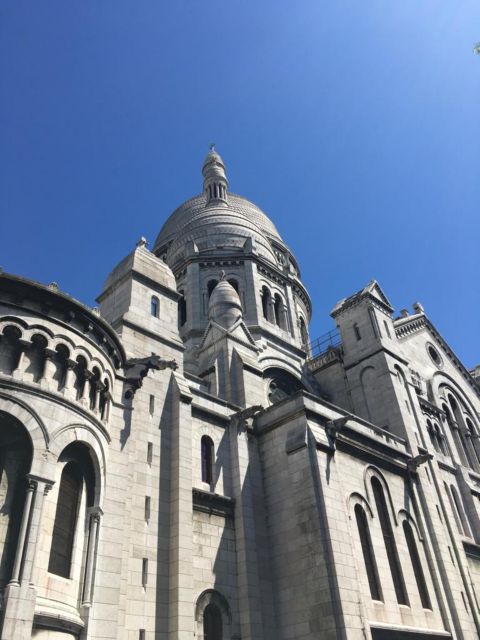
From there, the tour moves into the heart of Montmartre’s artistic reputation with Bateau-Lavoir. This is where the story gets more grounded. You’re not just hearing “artists lived here,” you’re getting the sense of how creative communities formed—workspaces, studios, and the gritty energy that came from people making art with whatever they had.
The highlight here is the link to Picasso, with the tour noting that he once worked there. Even if you’re not a Picasso superfan, the bigger value is understanding why Montmartre attracted painters, writers, and performers: it offered a mix of space, character, and a kind of permission to experiment.
What to expect on the ground: this is a walking tour, so you’re taking in views and street corners as much as formal sights. If you like “how people lived” details, this is a strong stop. If you’re only after photo-famous monuments, you might find this one slightly more interpretive—but the guide’s explanation is the point.
Dalida’s former residences and bust: modern fame inside an old neighborhood
One of the most interesting shifts on this route is how it moves beyond the painter mythology. You’ll visit the homes of a famous French artist—Dalida—and see her bust. That’s a nice reminder that Montmartre’s creative identity didn’t end with the classical art world. It kept evolving.
Why I think this stop adds value: it helps you see Montmartre as a living cultural brand, not a museum district. Dalida represents mainstream music history in France, and pairing that with the neighborhood’s artistic roots gives you a fuller picture of what “Montmartre” has meant across decades.
A practical note: the tour also notes that entrances to private properties aren’t included. That’s normal for a neighborhood-based walk, but it means you’ll likely be looking from public viewpoints rather than going inside.
Moulin de la Galette: a famous name that connects to Montmartre’s rustic past
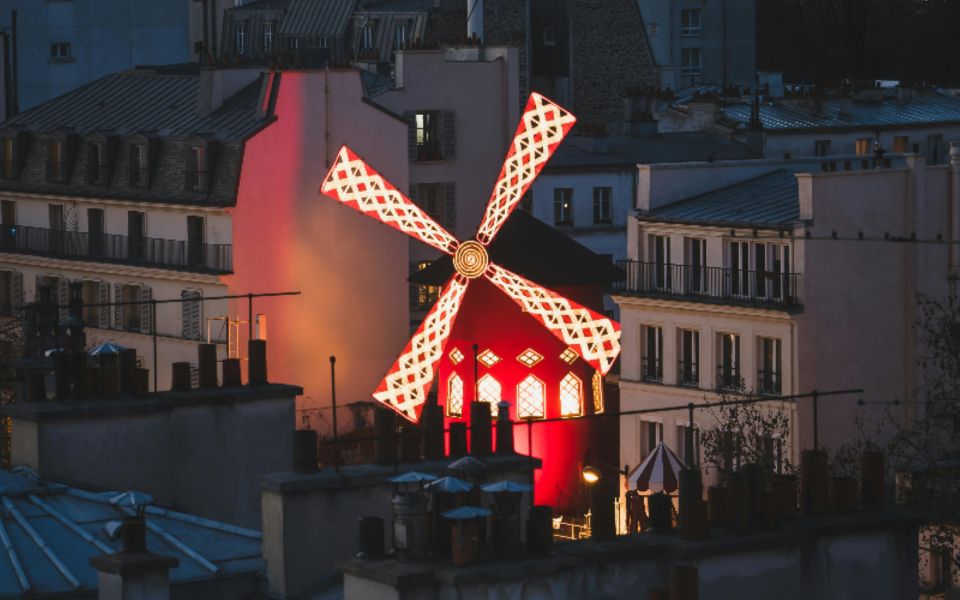
Next up is Moulin de la Galette. This is one of those places people recognize instantly, yet it works best when you understand the local context behind the name. The tour frames it as a reminder of Montmartre’s more rustic past—the kind of atmosphere that helped create the neighborhood’s signature blend of art life and everyday Parisian charm.
What makes this stop satisfying on a walk: you’re likely to get a good sense of how the neighborhood feels “layered.” There’s the historic, there’s the romantic legend, and then there’s the reality of streets that still carry on like regular streets.
Possible drawback: if your priority is only the widest views and the most famous interiors, this may feel a touch more “look at the exterior, hear the story.” Still, it’s an important link in the tour’s theme.






Le Passe-Muraille and Place du Tertre: whimsy plus the working art scene
After Moulin de la Galette, the tour adds personality with Le Passe-Muraille in Place Marcel Aymé. The statue’s whimsical concept—someone moving through impossible boundaries—fits Montmartre’s playful streak. It’s also a great moment to slow down. You’re not just checking boxes; you’re breathing the mood.
Then you land at Place du Tertre, which is where Montmartre’s art street energy becomes very visible. It’s closely associated with artists and the performance side of the neighborhood. The guide can explain what you’re seeing so it doesn’t become only a background for souvenirs.
If you’re trying to decide whether you’ll enjoy this section: if you like street-level Paris—faces, small scenes, the human scale—Place du Tertre will feel right. If you prefer quiet corners and fewer crowds, you’ll want to be a little selective about where you linger.
Maison Rose: the pink-house pause you’ll probably remember
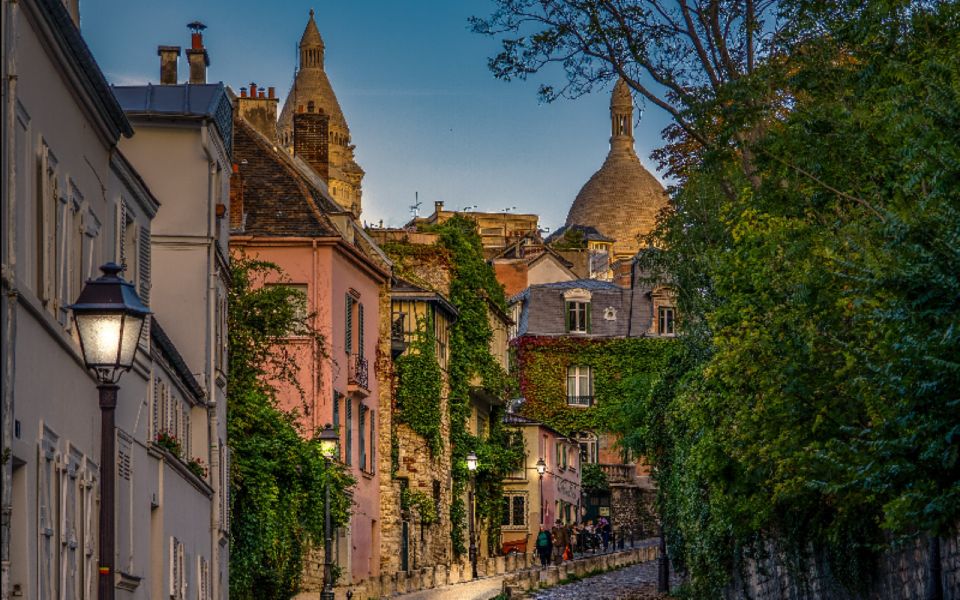
You’ll also pass Maison Rose, a pink house that’s been turned into a café. This is the kind of stop that’s partly practical and partly fun. It’s a brief break point that gives you a chance to reset, grab a drink if you want, and regroup before the big climb toward Sacré-Cœur.
Why it works even if it’s just a “photo and coffee” spot: Montmartre’s charm often lives in these small, human-scale pauses. You’re not just moving between landmarks—you’re experiencing the neighborhood rhythm.
Tip: bring water. The tour includes short rest moments, but Montmartre’s hills can add up faster than you expect in real weather.
Sacré-Cœur finish: free church access vs the panoramic view option
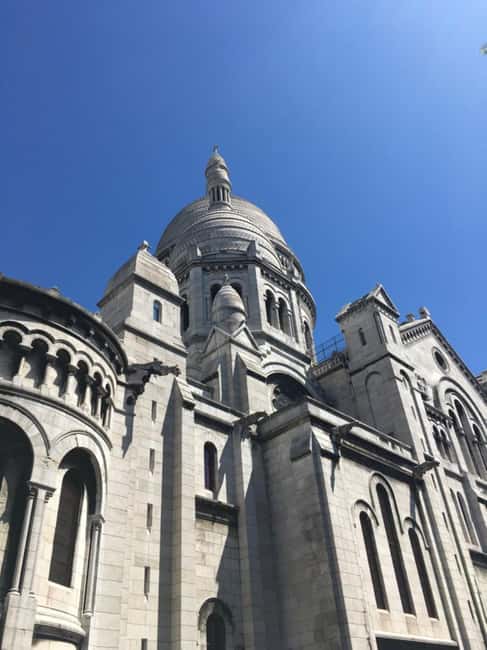
Every good Montmartre day ends with a view, and this tour ends at Sacré-Cœur. If you select the option, the tour includes entry tickets for the panoramic view. That choice matters.
Here’s the practical way to think about it:
- Sacré-Cœur itself is free to visit (so you can still enjoy the area and atmosphere)
- The panoramic visit is a separate experience and can involve about 300 steps (so it’s not for everyone)
The panoramic option is a good pick if you want the big “Paris spreads out below” moment with less guesswork about where to stand and what direction to look. If you’re tired, the steps are a real factor—skip the panoramic and still enjoy Sacré-Cœur as the final scene.
Moderation note: the tour involves moderate walking with stairs and inclines, so plan your energy for the last stretch.
Pacing, group vibe, and the guide’s role
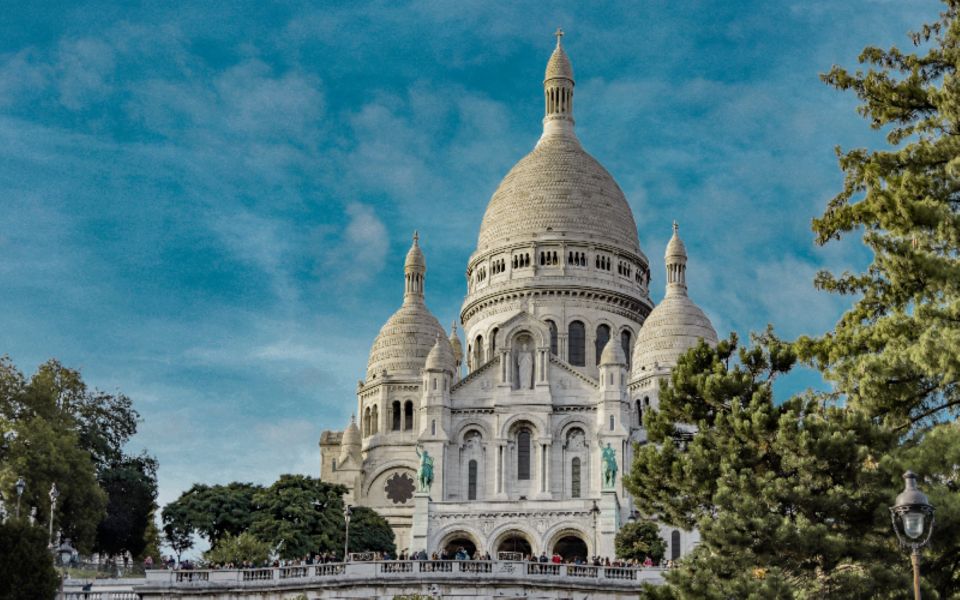
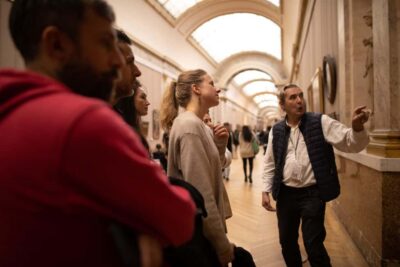
This tour is live and in English, which helps a lot if you’re trying to understand the meaning behind the monuments, not just snap pictures. The guide’s job is to connect the stops so the day feels like a story rather than a list.
In real life, guides vary in style. Some keep a steady flow with short, clear explanations. Others might spend more time on certain side details. If you prefer a faster pace, you’ll do best by asking the guide at the start to keep things moving after the key highlights.
The route is designed to be manageable for most people, but you should assume:
- Comfortable shoes are non-negotiable
- You’ll deal with inclines and stairs
- You’ll benefit from having water
And don’t forget the small “systems” piece: show up on time at the Abbesses metro exit and look for the company’s white flag. The tour provides a one-day-before reminder by email, which is helpful because Montmartre is full of look-alike streets and meeting points.
Value: what $58 buys you in 90 minutes
At $58 per person for about 90 minutes, you’re paying for three things:
1) A guided walk through the most recognizable Montmartre sights
2) Cultural context at each stop (so you understand what you’re looking at)
3) Optional inclusion of Sacré-Cœur panoramic entry tickets (if you chose that option)
Is it “cheap”? No. But the price can feel reasonable if you’re visiting for the first time and you don’t want to spend your time figuring out the route, reading plaques, and guessing what matters.
If you already know Montmartre well and you’re the type who likes to wander freely, you might question the value. But if you want a structured path from Abbesses all the way to Sacré-Cœur—while someone explains the why behind Je t’aime, Bateau-Lavoir, Dalida, Moulin de la Galette, and Place du Tertre—then this is the kind of tour where the money goes into turning sightseeing into understanding.
Best for you if…
This tour fits best if you’re:
- Visiting Montmartre for the first time and want the “can’t miss” highlights
- Interested in how art and culture connect across eras (Picasso to Dalida)
- Short on time and prefer a guided route that avoids decision fatigue
- Happy to walk a fair amount with stairs and inclines
It may be less ideal if:
- You dislike stairs and are hoping for a flat walk
- You want long stops inside buildings or big museum-style time (this is neighborhood walking)
- You’re only interested in a single viewpoint and don’t care about the middle sections
Should you book this Montmartre walking tour?
Yes, if you want a practical Montmartre overview that links the symbols (Je t’aime), the art spaces (Bateau-Lavoir), the music legacy (Dalida), and the viewpoint payoff (Sacré-Cœur). The structure is strong, and the English guide makes a real difference when you care about meaning, not just photos.
Be a little cautious in one area: meeting accuracy. Use the email reminder, get to the Abbesses Line 12 exit a few minutes early, and confirm the white flag before you step away. If you also plan to do the panoramic option, make sure you’re ready for the steps.
If you’d rather keep it easier, you can still finish at Sacré-Cœur without the panoramic add-on. The neighborhood is worth seeing either way.
FAQ
Where does the tour start?
Meet your guide at the Abbesses Station Metro Line 12 exit. Look for the company’s white flag, and the meeting location details are sent by email one day before the tour.
How long is the tour?
The tour lasts about 90 minutes.
Is the tour in English?
Yes, the guide provides the tour in English.
What stops will we see during the walk?
You’ll visit key Montmartre landmarks including the Abbesses area, the Je t’aime wall, Bateau-Lavoir, Dalida’s home area with her bust, Moulin de la Galette, Place du Tertre, and the tour ends at Sacré-Cœur.
Is Sacré-Cœur panoramic entry included?
Sacré-Cœur panoramic view entry tickets are included only if you select that option. If you don’t select it, you can still visit the Sacré-Cœur area without those panoramic tickets.
What should I bring and expect?
Bring comfortable shoes, a camera, water, and weather-appropriate clothing. Expect moderate walking with stairs and inclines.