REVIEW · PARIS
Paris: Semi-Private Tour of the Louvre Museum and Mona Lisa
Book on GetYourGuide →Operated by the tour guy · Bookable on GetYourGuide
The Mona Lisa is worth planning for. This semi-private Louvre tour uses skip-the-line entry and a small group of just six so you spend less time herding yourself and more time looking closely.
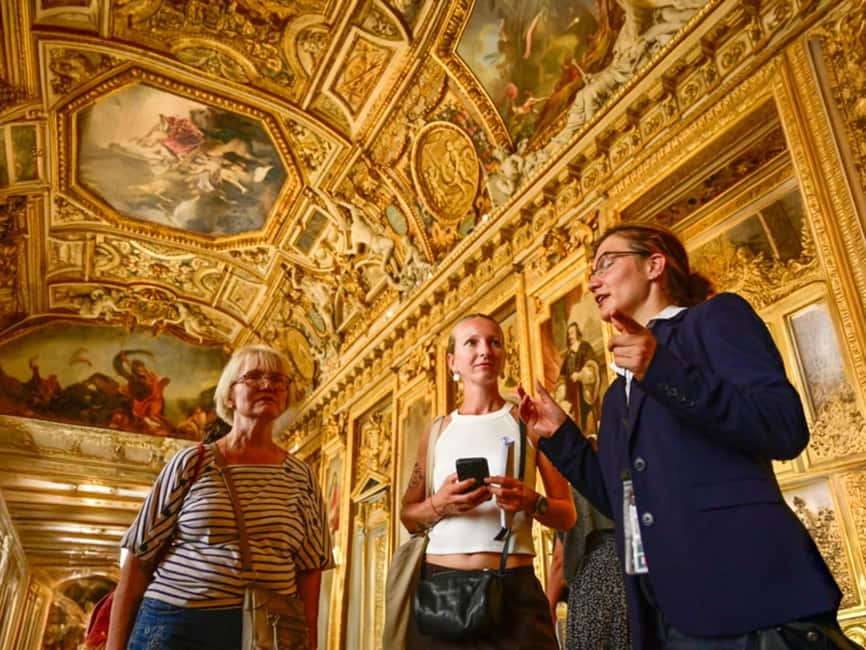
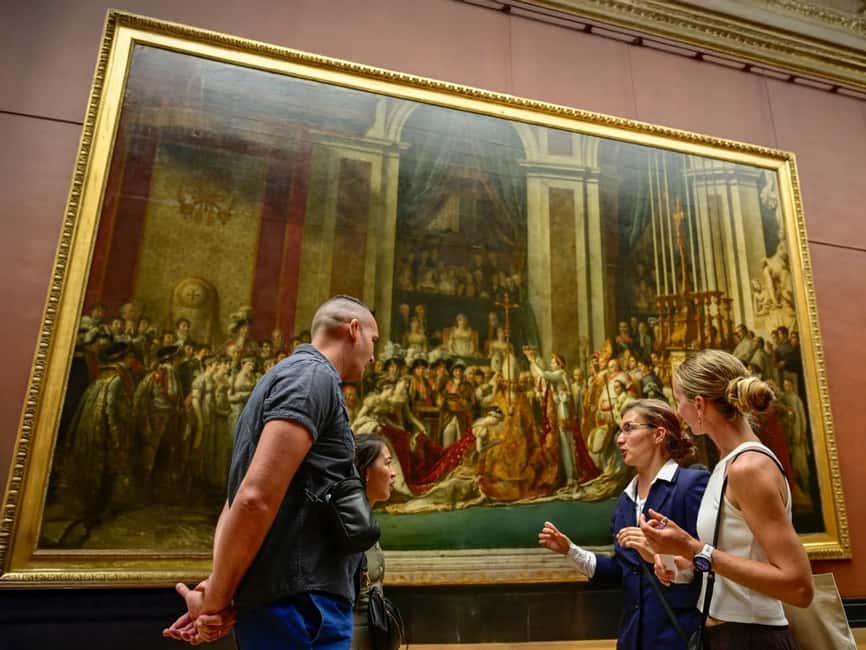
Two things I especially like are the tight, guided route through the Louvre’s biggest names and the way the guide turns famous works into clear stories you can actually follow. You’ll also get to see major moments like the Coronation of Napoleon and the Mona Lisa without feeling lost in the museum’s maze.
One possible drawback: the Louvre is not gentle on your feet. The tour also isn’t suitable for mobility impairments or wheelchair users, and you’ll need to manage security checks even with skip-the-line access.
In This Review
- Key Highlights You’ll Care About
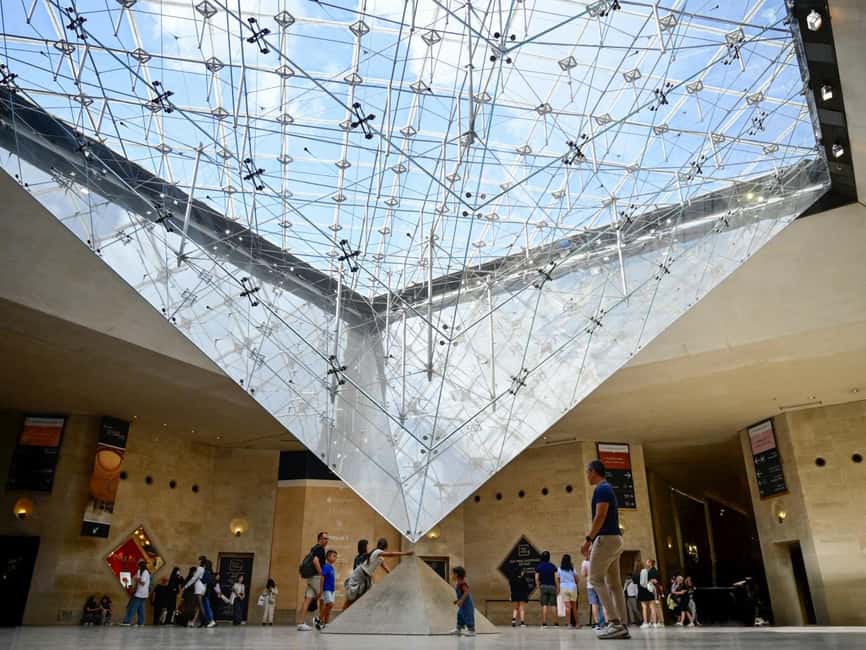
- Meeting at the Louvre Pyramid: Start Where You Can Find It
- Ancient Foundations First: Greek and Roman Statues
- The Main Event: Raphael, Botticelli, Bernini, and da Vinci
- Power and Pageantry: Napoleon and the French Crown Jewels
- Mona Lisa, Done Right: How to See the Smile
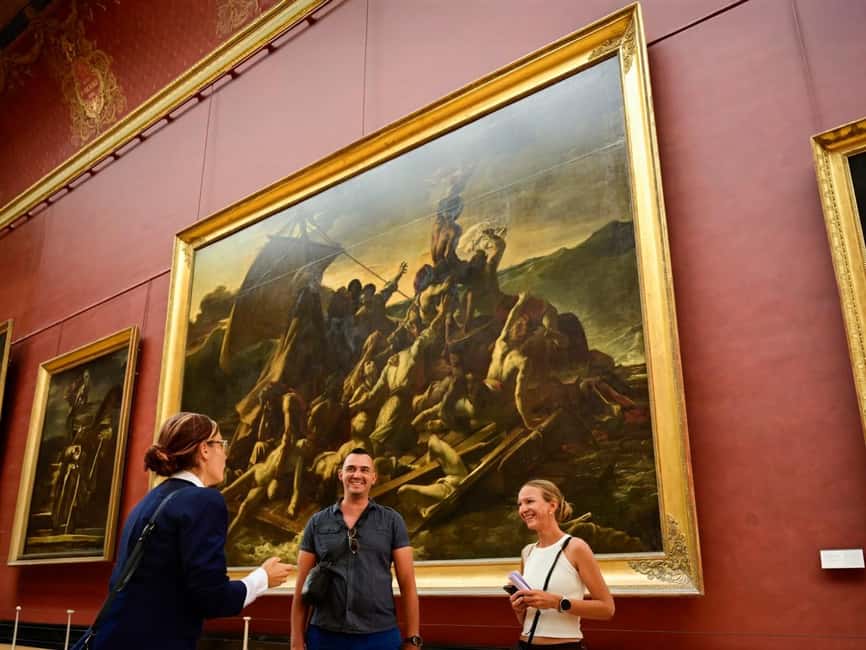
- More Than the Usual Names: Raft of the Medusa and Wedding Feast at Cana
- Time, Tickets, and Where the Small Group Makes a Difference
- Should You Book This Louvre Semi-Private Tour?
- FAQ
- FAQ
- How long is the Louvre tour?
- What group size should I expect?
- Where do I meet the guide?
- What’s included in the price?
- Is hotel pickup included?
- What should I bring?
- What can’t I bring into the Louvre on this tour?
- Can I take photos or film everything?
- Will skip-the-line really mean no waiting?
- Is the tour accessible for wheelchair users?
Key Highlights You’ll Care About
- Skip-the-line entry plus a small group keeps the pace sane at one of Europe’s busiest museums.
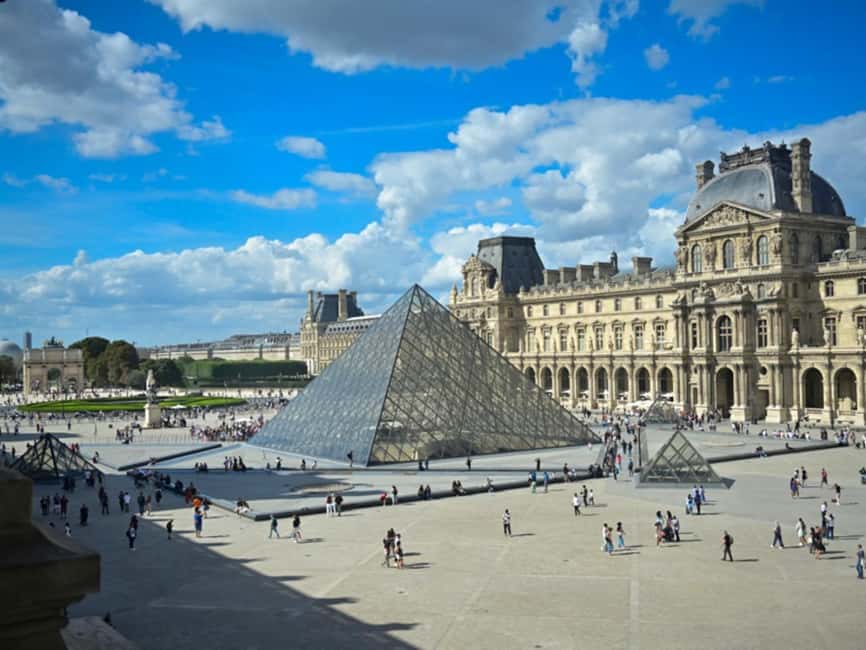
- Meet at the Louis XIV equestrian statue by the Louvre Pyramid, which makes navigation easier than chasing a crowd.
- Mona Lisa viewing with context, so you’re not just staring at a painting with no clue what you’re looking for.
- Napoleon and the French Crown Jewels bring drama beyond just portraits and religious scenes.
- Masterworks from Raphael, Botticelli, Bernini, and da Vinci are handled as a guided sequence, not random wandering.
- You stay after the tour until closing time, as long as you don’t exit the artwork area where you’re sent off.
Meeting at the Louvre Pyramid: Start Where You Can Find It

You meet at the Louvre Pyramid area, at the equestrian statue of Louis XIV, with a Tour Guy representative holding a sign that says The Tour Guy. Plan to arrive 10 minutes early. That buffer matters here because even with the “skip the line” advantage, you still need to find your guide first.
This meeting point is practical for one big reason: the Louvre is huge. If you get your bearings right at the start, the whole 150-minute plan makes sense. If you show up late, you’ll lose time before you even enter the museum galleries.
Also bring the basics: passport or ID and comfortable shoes. You’re moving through the museum on foot, and the Louvre is one of those places where comfortable shoes feel like a life decision, not a preference.
You can also read our reviews of more private tours in Paris



Ancient Foundations First: Greek and Roman Statues
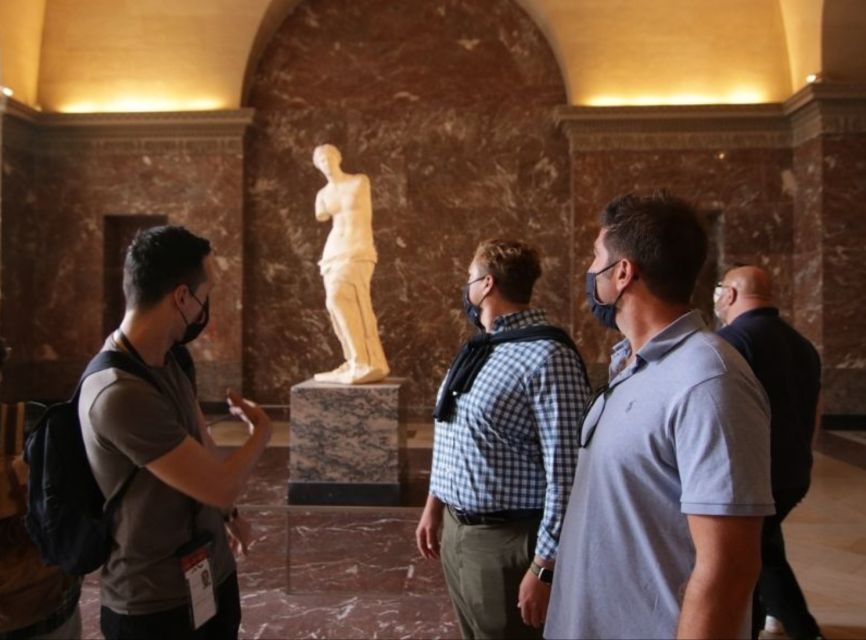
Most people walk into the Louvre thinking only of Renaissance and later paintings. This tour flips that mindset by starting with the Louvre’s older layers—its ancient Greek and Roman statues tucked into the museum’s foundations.
That opening works because it helps you understand the Louvre as more than a picture gallery. It’s a palace with deep roots, and those early sculptures give you a feel for how art collecting in France built momentum over centuries. Standing in front of ancient work early also resets your eyes: you go from expecting spectacle to actually noticing form, material, and proportions.
There’s another benefit for your time. When you begin with major highlights later, you’re better at spotting what makes them different. Ancient sculpture sets a baseline for comparison, even if you’re not an art scholar.
The Main Event: Raphael, Botticelli, Bernini, and da Vinci
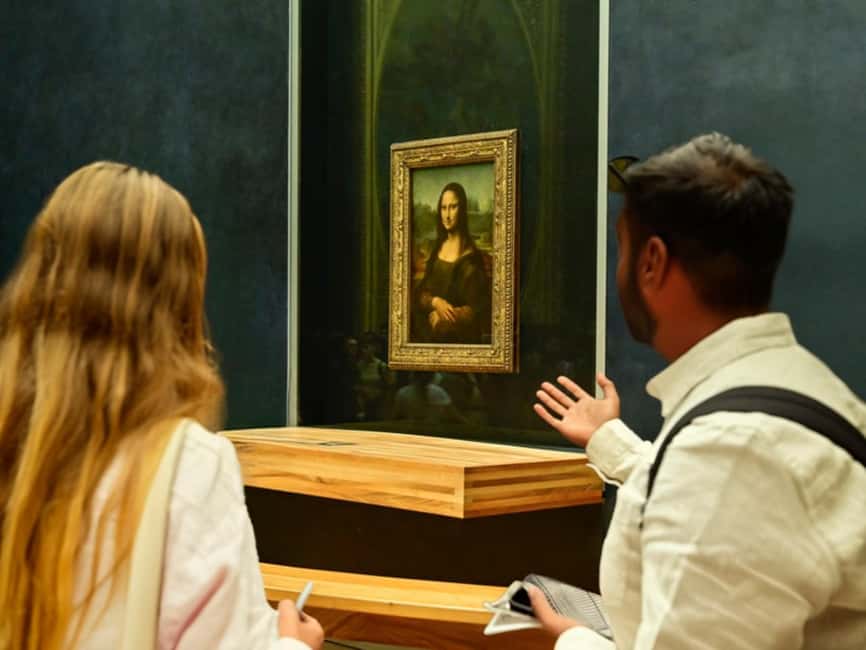
From there, your route turns into a guided run through famous masters: Raphael, Botticelli, Bernini, and da Vinci. The goal isn’t to list names; it’s to help you connect what you see to what mattered when the work was made.
Here’s why that sequence matters. In the Louvre, you can walk past a masterpiece and still feel like you missed the point. A guide adds the “why” that’s hard to get on your own, especially when crowds and sightlines force you to move fast. The tour is designed so the explanation comes right before or right at the moment you’re looking at the work.
Even better: the tour is timed for focus. You’re not expected to see everything. You’re guided to the kind of highlights that actually reward your attention—works you’ll recognize later even after you’ve left the museum.
Power and Pageantry: Napoleon and the French Crown Jewels
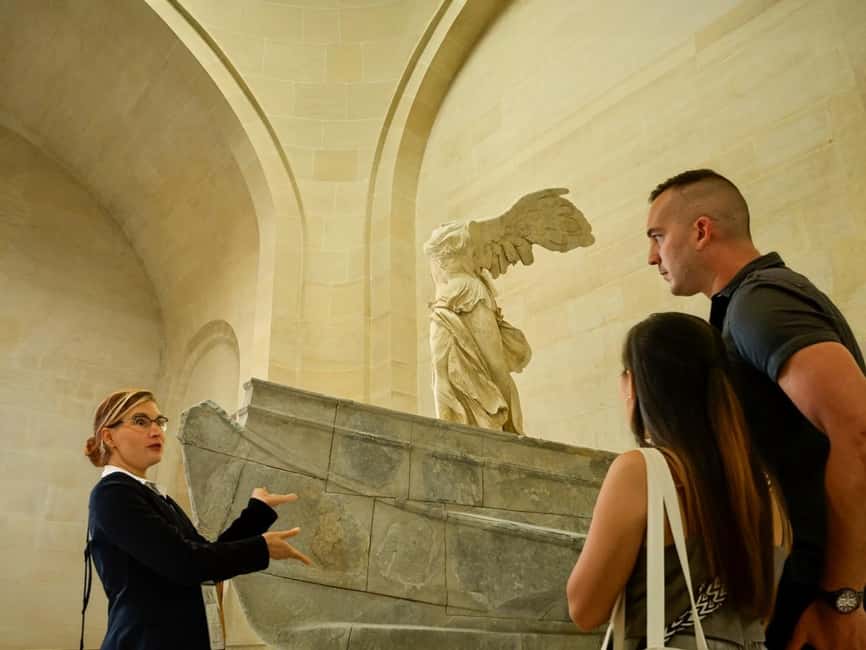
Then comes the kind of art that feels like theater: Napoleon’s world and the French Crown Jewels. Seeing those pieces (and related displays) with a guide gives you an easy thread to follow. You understand the political swagger behind the objects, not just the shine.
The Louvre often gets sold as “old art,” but this section reminds you it’s also about power—who commissioned what, who wanted to be remembered, and how images and objects turned authority into something you could hold, wear, or display.
You’ll also hear about scenes tied to major historical storytelling in the museum—moments like the Coronation of Napoleon—plus larger dramatic works such as the Raft of the Medusa. The raft piece is especially effective in a guided route because it’s intense and chaotic in subject, and having the context helps you stop seeing it as just “a big painting” and start noticing the composition and the human stakes.
Mona Lisa, Done Right: How to See the Smile
No Louvre tour lives or dies by one painting, but this one absolutely does. Your tour includes time to stand before the Mona Lisa and get the story behind her expression.
The big practical advantage here is crowd management. Even with skip-the-line entry, this museum can still make you wait in security lines during busy periods (up to about 20 minutes in high season). A small-group tour helps because your guide shapes the flow so you spend less time circling and more time actually viewing.
What I like about the way this tour handles the Mona Lisa is the emphasis on mystery and interpretation, not just a photo moment. When you know what to look for—expression, technique, and the way the figure is framed—you’re less likely to feel like you “checked the box” and moved on.
This is also where you’ll appreciate the time structure. The Louvre is too big to treat every stop as equal. The guide makes the Mona Lisa the kind of moment you remember, not the kind you forget after the next corridor.
You can also read our reviews of more museum experiences in Paris





More Than the Usual Names: Raft of the Medusa and Wedding Feast at Cana
After the big hits, you still won’t be stuck on autopilot. You’ll catch major works beyond the headline crowd-pleasers—like the Raft of the Medusa and the Wedding Feast at Cana.
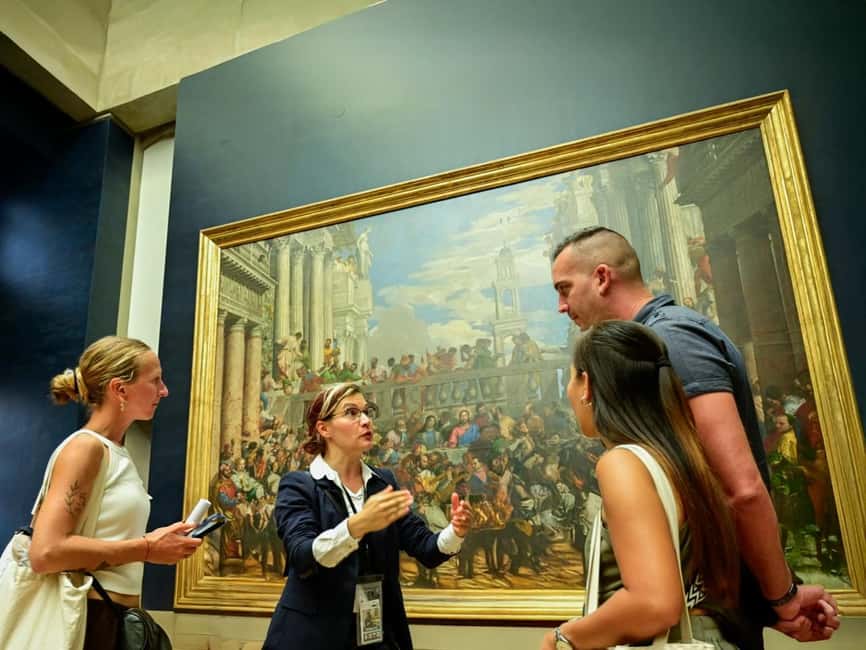
The Wedding Feast at Cana is a great example of why guided focus helps. Religious scenes can blur together if you don’t know what you’re looking at. But with a guide’s framing, the scene becomes readable: you notice gestures, mood, and what the artist is communicating through the arrangement of people.
As for photos and filming: photography is strictly prohibited in temporary exhibition rooms. That matters because people sometimes assume the rules are the same everywhere. For your sanity, assume you’ll be able to look freely, but don’t plan on filming everything.
Also keep your expectations realistic. This is a 150-minute tour. You’ll see a strong set of highlights, not the entire Louvre in one sitting. That trade is usually worth it if your goal is to come away with a coherent understanding of what you saw.
Time, Tickets, and Where the Small Group Makes a Difference
The price for this Louvre experience is $123 per person, and the value comes from what you’re buying: speed, structure, and an expert guide in a group limited to six.
If you’re thinking about doing the Louvre on your own, you’ll save money but pay in time and mental effort. The Louvre doesn’t forgive indecision. Even with skip-the-line access, you can still face a security wait in peak times. A guided route compresses the “choose what to see” problem into a plan you can trust.
Here are a few practical limits that affect how enjoyable your tour will be:
- After the guide finishes, you can stay inside until closing time. But once you exit the area where the artwork is, you’re not allowed to re-enter. So when you step away on your own, do it with intention.
- Large bags and storage are a hassle. Large items (like backpacks, luggage, and umbrellas) can’t be brought in, and there’s a size limit of 55 cm x 35 cm x 20 cm. The tour info also notes there’s no coat check on site and lockers aren’t accessible to your group on this small-group format. If you’ve got extra luggage, plan to leave it where you’re staying.
- Mobility matters. This tour isn’t suitable for people with mobility impairments or wheelchair users. It’s not just about stairs; it’s about the overall flow and movement required.
One last detail: your meeting point is specific, and the group is small. That combination is good. It means you get more attention and less drift. It also means you should show up on time, bring ID, and wear shoes you’ll still like by the end of the day.
Should You Book This Louvre Semi-Private Tour?
If your priority is seeing the Louvre’s best-known works with less stress and more context, I’d book it. This is especially smart if it’s your first time in the museum and you want a guided route that actually makes the highlight section feel meaningful.
I’d be cautious if you need wheelchair access or have mobility limitations that make long museum walking difficult. Also, if you love a slow, meandering museum day where you decide in the moment what to chase, the focused 150-minute structure might feel a little tight. In that case, you might prefer a less structured plan.
For most visitors, though, the combination of skip-the-line entry, a small group, and stops that include the Mona Lisa, Napoleon moments, and major artists is a strong value. You come out with stories you can retell, not just images you’ve captured.
FAQ
FAQ
How long is the Louvre tour?
It runs for 150 minutes.
What group size should I expect?
The group is limited to a maximum of 6.
Where do I meet the guide?
Meet at the equestrian statue of Louis XIV in front of the Louvre Pyramid, with a representative holding a sign that says The Tour Guy.
What’s included in the price?
You get skip-the-line entry, a guided tour of the Louvre’s famous artworks and exhibits, and an English-speaking guide.
Is hotel pickup included?
No, hotel pickup and drop-off are not included.
What should I bring?
Bring a passport or ID card and comfortable shoes.
What can’t I bring into the Louvre on this tour?
You can’t bring weapons or sharp objects, baby strollers, luggage or large bags, and items larger than 55 cm x 35 cm x 20 cm.
Can I take photos or film everything?
Photography and filming are strictly prohibited in temporary exhibition rooms.
Will skip-the-line really mean no waiting?
Even with skip-the-ticket-line access, there may still be a wait at security, and in high season it can be up to 20 minutes.
Is the tour accessible for wheelchair users?
No, it’s not suitable for people with mobility impairments or wheelchair users.